National

  • | | |

    Pakistan car sales jump 141% in July

    ISLAMABAD: Car sales in Pakistan recorded a strong increase in July 2026. Sales rose by 141.28% compared with the same month last year. According to data released by the Pakistan Automotive Manufacturers Association (PAMA), manufacturers sold 17,216 vehicles in July 2026. The figure was significantly higher than the sales recorded in July 2025. A total of 7,135 vehicles were sold during that month. The latest figures show that vehicle demand improved sharply at the beginning of the new financial year. The increase also indicates stronger activity in Pakistan’s automobile market. The year-on-year rise was recorded despite continued challenges facing the automobile sector. Higher vehicle prices and financing costs have affected the market in recent years. The latest sales figures, however, show a notable recovery in demand. Industry data also showed an increase in electric vehicle sales during July. The growth points to rising interest in electric vehicles in the local market. The increase in electric vehicle sales could also reflect changing consumer preferences. Buyers are gradually showing greater interest in newer and more fuel-efficient technologies. Automobile manufacturers and dealers are expected to closely monitor the trend in coming months. Sustained growth in sales could provide a positive signal for the broader automotive industry.

  • | |

    Climate authority summoned again as questions grow…

    Islamabad: The Pakistan Climate Change Authority has been called back before a Senate committee only days after Chairperson Sherry Rehman strongly questioned why a new authority was operating alongside the Climate Change Ministry, asked what new work it was actually doing and raised concerns over staff costs, duplication and the use of public money. The fresh meeting will again focus almost entirely on the authority, its work, projects, programmes and progress. The quick return of the issue to the committee has increased pressure on the authority to clearly explain why it exists and what results it has produced that the Ministry of Climate Change and Environmental Coordination could not already deliver. At the previous meeting, Sherry Rehman repeatedly asked officials what work the authority was doing that the ministry was not already responsible for. She questioned whether the government had effectively created a parallel structure carrying out the same work on climate mitigation, adaptation, coordination and policy implementation. Rehman said the presentation before the committee did not show a clear new role for the authority. She also questioned why another institution was being created at a time when the ministry itself was facing shrinking development budgets. One of the strongest moments came when the committee discussed the authority’s staffing and expenditure. Rehman referred to a sanctioned strength of 24 positions and said employee related expenditure had already reached around Rs 80 million according to the presentation placed before the committee. She questioned why these costs were being incurred when she could not see a clear difference between the work of the authority and the ministry. She warned officials not to treat the meeting as a routine presentation exercise and demanded direct answers about public spending and actual results. Rehman also questioned whether creating the authority had brought new climate experts into government. Members asked whether the purpose was to recruit technocrats who could not otherwise be brought into the ministry. However, Rehman said the presentation appeared to show many of the same officials who had already worked inside government departments. She described the situation as a reshuffling of bureaucracy rather than the creation of a new technical institution. She said fragmentation was already a major government problem, with different organisations working separately on connected climate and disaster issues. According to her argument, creating another body without a clearly different mandate could increase costs while making responsibility more confusing. Rehman also questioned why the authority had been activated years after the law creating it first appeared. She said the law allowed the authority to exist but argued that this did not necessarily mean the government was forced to operationalise it. She said earlier governments had discussed removing such overlapping structures instead. During the exchange, she said she had opposed operationalising the authority while serving as minister because she feared it would create duplication. She told the committee that the result now appeared close to what she had warned about: officials were moving between the ministry and the authority instead of creating a completely new technical team. The authority defended its role. Dr Muhammad Rafiq told the committee that the authority was originally designed to provide technical support to the ministry. He acknowledged that more explanation was needed regarding what the authority was delivering against its original responsibilities. He suggested that the ministry and authority should be given an opportunity to return with a clearer presentation explaining what results they expected to achieve and what the authority could do that the ministry could not. The committee was told that the authority was still incomplete. Officials said a permanent chairperson was still being appointed and that only three members were working at the authority with a limited number of staff against the total positions planned. The authority also presented one of its strongest arguments in defence of its performance. An authority member told the committee that it had become Pakistan’s first public sector organisation to qualify as a delivery partner with the Green Climate Fund through the relevant mechanism. The official said this had been achieved by only three members and without technical assistance. He argued that this status could help the authority develop technical proposals and bring more climate finance into Pakistan. Rehman was not convinced that this achievement alone justified a separate authority. She argued that Green Climate Fund financing had already been coming to Pakistan through government structures and questioned why a completely new authority was needed when a climate finance office could operate within the ministry. She again asked why project development and technical hiring could not be handled directly by the ministry. Her central question remained the same throughout the discussion: what exactly could the new authority do that the ministry could not already do? The ministry told the committee that it had a supervisory and controlling role over the authority and that the authority’s budget passed through the ministry. However, Rehman continued to question how effective that control was if the authority could hire staff and exercise statutory powers separately. She asked officials to explain how rotating officials into a separate authority would make climate work more efficient when the ministry itself was losing development resources. Professor Dr Zahoor Ahmed Bazai, who identified himself as an unpaid member nominated to the authority and as a climate change academic, defended the institution. He told the committee that the authority was included in the climate law and that members had been nominated through the formal process. He argued that the authority was intended to provide expertise and serve an advisory role. Rehman said her criticism was not directed personally at individual members. She said the bigger problem was duplication between institutions and the growing number of attached bodies dealing with similar climate matters. The committee chairperson was also critical of the presentation the authority gave. Rehman said the presentation was not strong enough to be used by Pakistan at an international climate forum and described it as outdated in style. She said that if the authority wanted to demonstrate its value and

  • | |

    Two suspects, who killed cops in Lahore. killed in…

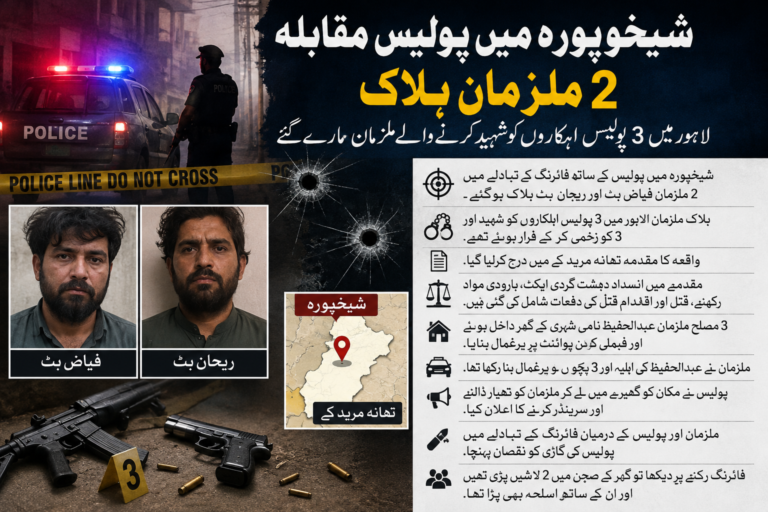
      Two suspected criminals, identified as Fayyaz Butt and Rehan Butt, were killed during an exchange of fire with police in Sheikhupura. A case has been registered at Muridke Police Station in connection with the incident, according to police officials. According to the First Information Report (FIR), the two deceased suspects were allegedly involved in a previous attack in Lahore in which three police personnel were killed and three others were injured. The FIR includes charges under the Anti-Terrorism Act, possession of explosives, murder and attempted murder. The incident occurred after three armed suspects allegedly entered the house of a citizen identified as Abdul Hafeez. According to the FIR, the suspects took the family hostage at gunpoint after forcibly entering the residence. The FIR stated that Abdul Hafeez’s wife and their three children were among those held hostage by the armed men. The situation prompted police to launch an operation to secure the house and rescue the hostages. Police surrounded the house and announced that the suspects should lay down their weapons and surrender. However, according to the FIR, the suspects did not surrender and an exchange of gunfire subsequently took place between the police and the armed men. During the exchange of fire, the police vehicle was also damaged. Police personnel remained positioned around the house while attempting to control the situation and prevent the suspects from escaping. According to the details contained in the FIR, the firing eventually stopped. When police officers entered the premises and inspected the area, they found two bodies lying in the courtyard of the house. Weapons were also found near the bodies. The deceased suspects were subsequently identified as Fayyaz Butt and Rehan Butt. Police officials said the two suspects had allegedly fled from Lahore after the deadly attack on police personnel. The FIR registered in Muridke includes several serious charges, reflecting the nature of the allegations against the suspects. The charges include provisions of the Anti-Terrorism Act, along with sections relating to murder, attempted murder and possession of explosive material. The case will now form part of the investigation into the suspects’ alleged activities and their involvement in the earlier Lahore incident. The hostage situation also raised concerns regarding the safety of the family inside the residence. According to the FIR, the police operation was carried out after the armed suspects allegedly took the family members hostage and refused to surrender. The authorities are expected to investigate the circumstances surrounding the encounter, including the sequence of events leading to the exchange of fire and the deaths of the two suspects. The incident highlights the challenges faced by law enforcement agencies when dealing with armed suspects accused of serious crimes. Police personnel are required to respond quickly in such situations, particularly when civilians are being held hostage. Further details regarding the identities and alleged criminal backgrounds of the suspects, as well as the investigation into the Lahore attack, may emerge as authorities continue their inquiry. The case registered at Muridke Police Station will provide the legal basis for investigating the incident and the allegations against the deceased suspects. Police officials will also examine the weapons recovered from the scene and other available evidence to establish the exact circumstances of the encounter. Authorities have yet to provide further details regarding the condition of the hostages following the operation. The investigation is expected to determine the full sequence of events and establish the suspects’ alleged links to the earlier attack on police personnel in Lahore.

  • | |

    Ammad Ali honoured with KP youth excellence award …

      HARIPUR: The Khyber Pakhtunkhwa government has honoured Ammad Ali, founder and Chief Executive Officer of RankingGrow, with the Youth Excellence Award for his contributions to youth development, digital skills training and efforts to create greater opportunities for young people, particularly those living in underserved areas of the province. The award was presented by Khyber Pakhtunkhwa Minister for Youth Affairs and Sports Taj Muhammad Khan Tarand during a ceremony organised by the Directorate of Youth Affairs to mark International Youth Day. Ali founded RankingGrow, a digital marketing and IT services company that has been involved in initiatives aimed at equipping young people with practical digital skills and improving their access to professional training and employment opportunities. Through RankingGrow and other youth-focused initiatives, Ali has supported training programmes, workshops and community-based activities in different parts of Khyber Pakhtunkhwa. These programmes have particularly targeted areas where young people have fewer opportunities to access modern technology, professional education, career guidance and exposure to the digital industry. The training initiatives have focused on practical and market-oriented skills that can help young people become financially independent and participate in the growing digital economy. Areas covered by these programmes include digital marketing, search engine optimisation, social media marketing, graphic design, video editing, web development, artificial intelligence, freelancing and entrepreneurship. The programmes aim to bridge the gap between traditional education and the skills increasingly demanded by employers and clients in the digital marketplace. By providing young people with relevant technical and professional skills, the initiatives seek to help participants explore employment opportunities, start freelancing careers or establish their own businesses. Ali has also received recognition for his work on other occasions. He was previously awarded the Pride of Pakistan Award under the patronage of the President of Pakistan in acknowledgement of his services and contributions. In addition, he has received other recognitions for his efforts in youth empowerment, digital skills development and community-oriented initiatives. Speaking at the award ceremony, Ali said the recognition would encourage him and his team to expand their efforts to provide young people with skills that are relevant to the changing job market. He expressed his commitment to continuing initiatives that can help young people gain access to professional opportunities and participate more effectively in the digital economy. Ali emphasised the importance of ensuring that young people from smaller cities and underserved communities are not left behind as digital technology continues to transform the employment landscape. According to him, access to digital skills and professional opportunities should not be limited to young people living in major urban centres. The Youth Excellence Award also highlights the growing importance of cooperation between government institutions, private-sector organisations and community-led initiatives in addressing challenges related to youth employment, entrepreneurship and skills development. With Khyber Pakhtunkhwa having a large and growing youth population, initiatives focused on digital education and employable skills can provide young people with alternative pathways to employment and entrepreneurship. The recognition of Ali’s work reflects the contribution of such initiatives towards creating opportunities for young people and strengthening their participation in the province’s economic and social development.


  • | |

    Independence day celebrations continue across Balo…

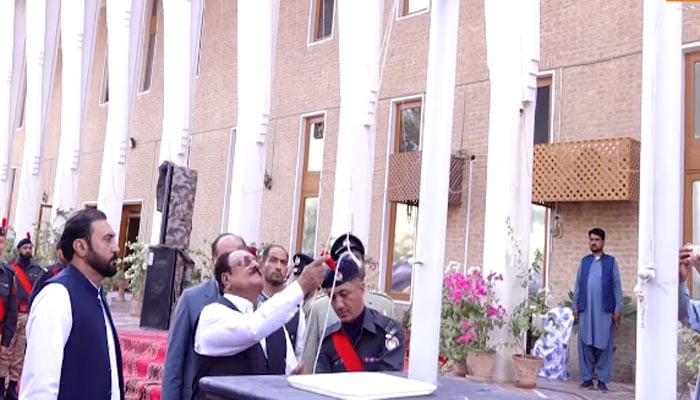
      QUETTA: Independence Day celebrations continued across different parts of Balochistan as people from various communities came together to mark the country’s Independence Day with enthusiasm and national spirit. A number of rallies and public events were organised at different locations across the province, attracting large participation from citizens. People from different backgrounds joined the celebrations to express their love for Pakistan and reaffirm their commitment to national unity. Rallies were organised in Turbat, Kharan, Taftan and several other areas of Balochistan. The processions were decorated with Pakistani national flags, while participants carried flags and displayed them on vehicles and along the routes of the rallies. The celebrations reflected a strong sense of national pride, with citizens participating in activities designed to mark the significance of Independence Day. Participants raised slogans in support of Pakistan and expressed their commitment to the country’s peace, stability and development. In Turbat, residents took part in an Independence Day rally, with people gathering in different parts of the city before joining the procession. National flags were prominently displayed, creating a festive atmosphere across the area. Similar celebrations were also held in Kharan, where citizens participated in a rally to commemorate the occasion. Participants carried national flags and expressed their solidarity with the country. Families, young people and other members of the community took part in the celebrations. In Taftan and surrounding areas, Independence Day activities also continued throughout the day. National flags were displayed at public places, vehicles and buildings, while residents participated in rallies and other activities organised to mark the national occasion. The rallies provided an opportunity for citizens to express national unity and remember the historical significance of Pakistan’s independence. Participants highlighted the importance of maintaining unity, harmony and cooperation among people from different communities and regions. Independence Day is observed across Pakistan every year on August 14 to commemorate the country’s independence in 1947. The occasion is traditionally marked by flag-hoisting ceremonies, rallies, public gatherings and cultural activities. Across Balochistan, citizens used the occasion to celebrate the country’s independence while also expressing hopes for peace and prosperity. The widespread display of national flags added to the festive atmosphere, while the participation of people in different cities demonstrated their enthusiasm for the national event. Local communities also used the celebrations to promote messages of unity and collective responsibility. Speakers and participants at various gatherings stressed that national development requires cooperation and active participation from citizens. The celebrations in Balochistan were part of nationwide Independence Day activities taking place across Pakistan. From major cities to smaller towns and remote areas, people organised events to commemorate the country’s independence and celebrate their national identity. The rallies in Turbat, Kharan, Taftan and other parts of the province brought together citizens who wanted to mark the occasion collectively. The participants’ display of national flags and expressions of solidarity reflected the importance attached to Independence Day across the province. As the celebrations continue, various parts of Balochistan remain decorated with national flags and other Independence Day decorations. Citizens are expected to continue participating in events throughout the day, with celebrations aimed at highlighting national unity, patriotism and hopes for a peaceful and prosperous Pakistan.

  • | |

    Pakistan information commission declares Pakistan …

    ISLAMABAD: The Pakistan Information Commission (PIC) has declared the Pakistan Bar Council (PBC) a public body under the Right of Access to Information Act, 2017, and directed it to provide within 15 days information sought regarding lawyers’ degrees, licence cancellations, government grants and governing body proceedings. The order was issued in appeal titled Saddia Mazhar vs Pakistan Bar Council, by Chief Information Commissioner Shoaib Ahmad Siddiqui and Information Commissioner Ijaz Hassan Awan. The applicant had sought eight categories of information, including province-wise numbers of PBC members or licence holders; those who had submitted attested degrees; lawyers whose licences were cancelled for failing to submit attested educational documents; and those whose licences were cancelled over fake degrees. She also sought copies of circulars and notifications concerning degree attestation, details of federal and provincial government grants received since 2020, including amounts and dates, and a copy of the latest minutes of the PBC Governing Body meeting. In its reply to the Commission, that the PBC maintained that it was an autonomous statutory body generating its own funds and did not fall within the definition of a public body. Its representatives argued that the government exercised neither financial nor administrative control over it, while acknowledging that the Attorney General for Pakistan is its ex officio member. The Commission rejected the PBC’s position, holding that it is a statutory organisation established under the Legal Practitioners and Bar Councils Act, 1973, and performs important public functions relating to legal education, recognition of law degrees and regulation of legal practitioners. It also observed that Bar Councils receive public funds or government grants and their offices are located in public buildings. The PIC ruled that the PBC falls within the definition of a public body under Section 2(ix)(g) and (h) of the Right of Access to Information Act, 2017. It further held that none of the eight information requests attracted an exemption under the law. The Secretary, Pakistan Bar Council, was consequently directed to provide the requested information within 15 days of receiving the order. The case was adjourned until September 2, 2026.

  • | |

    Pakistan’s Pharmaceutical exports reach 20-year …

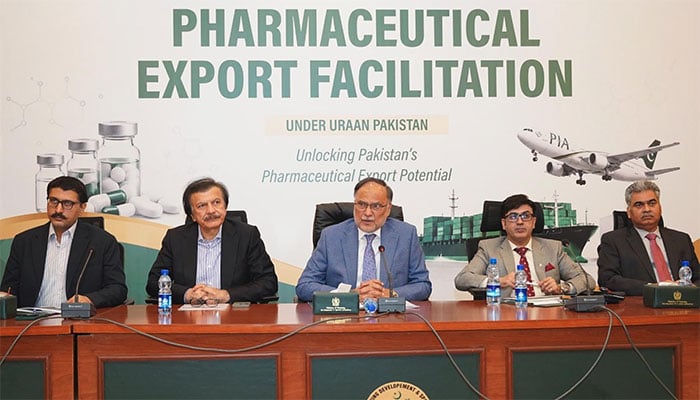
        ISLAMABAD: Federal Minister for Planning and Development Ahsan Iqbal has said that Pakistan’s pharmaceutical exports have reached a 20-year high of $457 million, stressing that the pharmaceutical industry must establish a clear contribution towards the country’s ambitious target of generating more than $100 billion in exports by 2035. Speaking at a roundtable conference in Islamabad organised to facilitate pharmaceutical exports under the government’s Uraan Pakistan initiative, the federal minister said the industry needed to adopt a long-term strategy to expand its presence in international markets. Ahsan Iqbal called on representatives of the pharmaceutical sector to hold consultations over the next month and prepare a comprehensive roadmap for the industry’s development through 2030 and beyond. He said Pakistan’s objective should be to transform the country into a global hub for pharmaceutical manufacturing and exports. The minister emphasised that Pakistan needed to secure a significant position in the international pharmaceutical market by improving the competitiveness and quality of locally manufactured products. He said cooperation between the government and private sector could help the industry compete more effectively at the global level. According to the minister, continuity in government policies and the creation of a business-friendly environment are essential for the sustainable growth of the pharmaceutical sector. He stressed that investors and manufacturers require predictable policies and a supportive regulatory framework to make long-term investments in production, research and exports. Ahsan Iqbal also highlighted the need to reduce Pakistan’s dependence on imported pharmaceutical inputs and increase domestic manufacturing capacity. He said approximately 85 percent of the raw material used by the pharmaceutical industry is currently imported, creating challenges for the sector and increasing its exposure to international supply disruptions and currency fluctuations. He called for strengthening the local pharmaceutical value chain so that a greater proportion of raw materials, intermediate products and finished medicines could be produced within Pakistan. The minister said enhancing domestic production would not only reduce the country’s import bill but could also improve the competitiveness of Pakistani pharmaceutical companies in international markets. A stronger local supply chain could help manufacturers reduce production costs, improve efficiency and develop products that meet international standards. He further stressed the importance of developing a coordinated strategy involving government institutions, pharmaceutical manufacturers, researchers and other stakeholders. Such cooperation, he said, would be necessary to identify the major obstacles facing the sector and develop practical solutions. The roundtable conference was held as part of efforts under Uraan Pakistan to promote exports and strengthen productive sectors of the economy. The initiative aims to improve Pakistan’s economic performance by encouraging investment, increasing exports and promoting sustainable industrial development. Ahsan Iqbal said the pharmaceutical industry had significant potential to contribute to Pakistan’s export growth if its structural challenges were addressed. He urged industry representatives to use the consultation process to develop realistic targets and identify measures that could help Pakistan increase its share in the global pharmaceutical market. The minister’s remarks come as Pakistan seeks to diversify its export base and reduce dependence on traditional export sectors. He said the pharmaceutical industry could become an important contributor to this effort by improving domestic production, investing in innovation and expanding access to international markets. The government, he added, would continue working with the private sector to create conditions that encourage investment and promote the long-term growth of Pakistan’s pharmaceutical industry.

  • | | | |

    Egypt weighs joining Pakistan-Saudi-Türkiye defen…

    CAIRO: Egypt has started a serious review of the possibility of joining the Makkah Joint Defence Agreement between Pakistan, Saudi Arabia and Türkiye. Egyptian Foreign Minister Badr Abdelatty said Cairo has close and strategic relations with all three countries. He said Egypt’s ties with Pakistan, Saudi Arabia and Türkiye extend beyond political cooperation. Abdelatty was asked about Egypt’s possible inclusion in the defence agreement. He said Egypt has been aware of the pact since the beginning. He confirmed that Egyptian state institutions are currently conducting a comprehensive assessment of the agreement. The minister said no final decision has been taken yet. He added that the relevant Egyptian authorities are examining the agreement and its possible implications. Abdelatty stressed that defence agreements involve important commitments. Therefore, Egypt must carefully assess all legal and constitutional aspects before making a decision. He said any possible Egyptian participation would have to comply with the country’s Constitution and existing legal requirements. The review will also consider the responsibilities that could arise from joining the agreement. The development comes days after Pakistan, Saudi Arabia and Türkiye signed the Makkah Joint Defence Agreement. The pact seeks to strengthen defence cooperation among the three countries and enhance their collective security. Under the agreement, an attack against any one of the three countries would be considered an attack against all three. The arrangement has been described as a major step towards closer defence and strategic cooperation.

  • | |

    ECC approves hike in petrol, diesel dealers’ mar…

    ISLAMABAD: The Economic Coordination Committee (ECC) has approved an increase in the dealers’ margin on petrol and diesel by Rs1.34 per litre. According to sources, the dealers’ margin on both petrol and diesel has been raised from Rs8.64 to Rs9.98 per litre. Vice Chairman of the All Pakistan Petrol Pumps Owners Association Nauman Butt thanked the prime minister and petroleum minister for approving the increase. The association said the government had fulfilled its long-standing demand by increasing the dealers’ margin by Rs1.34 per litre. Meanwhile, the government collected more petroleum levy revenue than both its target and the International Monetary Fund’s (IMF) estimate during the last fiscal year. According to Finance Ministry sources, petroleum levy collections exceeded Rs1.56 trillion during the previous fiscal year. More than Rs50 billion was also collected under the Climate Support Levy. Petroleum levy collections were around Rs100 billion higher than the government’s target and Rs21 billion above the IMF’s estimate. At present, a petroleum levy of Rs80 per litre is being charged on petrol. High-Speed Diesel carries a levy of Rs77.28 per litre. In addition, a separate Climate Support Levy of Rs5 per litre is being imposed on both petrol and diesel.

  • | |

    Jinnah turned the impossible into Pakistan: Bilal …

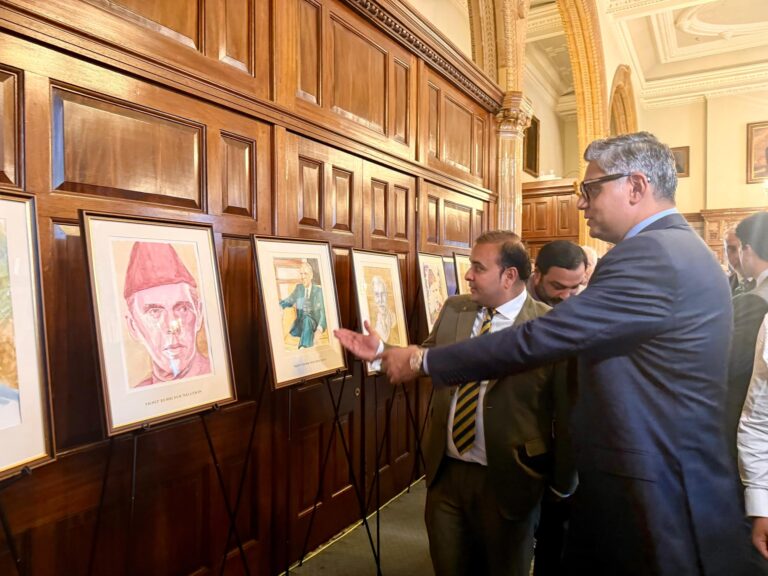
    British Pakistani entrepreneur and educationist Bilal Sheikh has paid tribute to Quaid e Azam Muhammad Ali Jinnah. He said Jinnah’s vision, political struggle and leadership gave the Muslims of the subcontinent a separate homeland. That homeland is now home to around 250 million people. Sheikh spoke at an art exhibition organised by the Mont Rose Foundation. The exhibition was titled “Quaid e Azam Muhammad Ali Jinnah: A Legacy Beyond Time.” It was held at the National Liberal Club on Whitehall Place in central London to mark Jinnah’s enduring legacy. Pakistan’s newly appointed High Commissioner to the United Kingdom, Tipu Usman, attended the event. Artist Amera Rashid was also present, along with several prominent members of the British Pakistani community, educationists, entrepreneurs and other dignitaries. In his keynote remarks, the High Commissioner said Jinnah firmly believed in the rule of law. He said Jinnah valued reasoned argument, dialogue and political negotiation, even with opponents. Tipu Usman said Jinnah’s legacy was not only about remembering the struggle for Pakistan’s creation. It was equally about understanding the principles and values that guided that struggle. The High Commissioner praised Bilal Sheikh for organising the exhibition. He also credited Sheikh for commissioning a portrait of Quaid e Azam that is now permanently placed in the National Liberal Club. Sheikh is the founder of Mont Rose College in London, which teaches thousands of adult students each year. He said the creation of Pakistan was the result of Jinnah’s extraordinary constitutional struggle. He said it also reflected Jinnah’s political determination and his commitment to securing a future where Muslims of British India could shape their own destiny. Sheikh said Jinnah’s message remains relevant more than seven decades after Pakistan’s creation. He said this holds true not only for Pakistan but for millions of Pakistanis living around the world, especially as Pakistan gains greater international prominence. Sheikh said Pakistan’s recent role in promoting international peace and preventing war in the Middle East reflects Jinnah’s teachings. He also pointed to Pakistan’s victory last year against a much bigger rival, India, as proof of the resilient nation Jinnah envisioned. He said Jinnah did not simply campaign for territory. He fought for the political rights, dignity and future of millions of people. Sheikh said today’s Pakistan, home to nearly 250 million people, exists because Jinnah had the courage and foresight to pursue a goal many once considered impossible. Sheikh said British Pakistanis are part of the success story of modern Britain. He said they are present in education, medicine, law, business, public service, technology and many other professions. He said serving Britain successfully while contributing to Pakistan’s development reflects the values of responsibility, education and progress that Jinnah championed. Bilal Sheikh is a British Pakistani education entrepreneur and CEO of East London based Mont Rose College. He has campaigned for several years for greater recognition of Jinnah in Britain. In 2022, Sheikh commissioned Jinnah’s portrait for London’s National Liberal Club, where Jinnah had been a member more than a century earlier. Sheikh has also advocated for a statue of Jinnah in Parliament Square. He argues that Jinnah’s historical links with Britain and his political legacy deserve greater public recognition.