Opinion

  • Ebola Outbreak-The deadly Epidemic

     The Ebola outbreak in DRC is not getting the required traction from the world despite being categorized as the fastest growing infection so far recorded by the World Health Organization (WHO). Before diving deep into the threats posed by this disease, it is imperative to provide the readers with an overview of this viral infection. An Overview of Ebola Outbreak The Bundibugyo virus, one of the Orthoebolavirus species is responsible for causing severe Ebola disease known as Bundibugyo virus disease (BVD). It is a zoonotic disease, with fruit bats suspected to be the natural reservoir.  With the close contact of a human to the blood or secretions of infected wildlife (including bats or non-human primates), the human gets the infection. Consequently, the infection spreads from one human to other through direct contact with the blood, bodily secretions, and organs of the infected ones. The viral infection can also spread through close contact with the surfaces and materials contaminated with the bodily secretions of the infected individuals. Very similar to the Corona virus, the spread of this infection is particularly high in health-care settings having inadequate sterilization measures in place. Moreover, a direct contact with the infected deceased individuals during their burial can contribute to its spread as well. Incubation period and Clinical symptoms The incubation period for BVD ranges from 2 to 21 days, and infected individuals are not infectious until symptom onset. Fever, fatigue, muscle pain, headache, and sore throat may represent as the early symptoms of this disease. But the non-specific nature of these symptoms often makes the diagnosis difficult resulting in delayed detection. Without early detection, the symptoms of this disease aggravate leading to gastrointestinal symptoms and organ dysfunction. In some cases, haemorrhagic manifestations may also occur in the infected individuals. Diagnosis and Treatment In the absence of confirmatory tests such as Polymerase Chain Reaction (PCR) or antigen- or antibody-based assays in the laboratory, it becomes a challenge for the health care professionals to differentiate BVD from other endemic febrile illnesses such as malaria. Outbreak control depends on early detection, isolation and care, contact tracing, safe burials and strong community engagement. Since there are no approved vaccines or specific treatments available for BVD, the current mortality rate of 44% to 46% for this disease poses a great threat to the affected communities. Current situation of Ebola outbreak Ebola, which spreads through contact with bodily fluids and causes a hemorrhagic fever, has killed more than 15,000 people in Africa over the past 50 years. As per the reports of international media outlets, the Ebola outbreak in DR Congo has spread to sixth province as death toll passes 2,100 with 4665 confirmed Ebola cases. The World Health Organization has already warned about its pace- the Ebola epidemic, already the deadliest in the country’s history, is spreading faster than any previous Ebola outbreak. Until now, five Congolese provinces had recorded cases: Ituri, which borders Uganda and South Sudan, North Kivu and South Kivu, Haut-Uélé and Tshopo. The risk of cross-border spread of this infection primarily to Uganda and South Sudan is very high. To make things worse, the response to contain this virus in the DRC is hampered by stretched health services, insufficient clean water and safe toilets. Some of the provinces where Ebola is present are densely populated and have only a weak government presence and largely lacking health infrastructure. North Kivu and South Kivu are also split by the front lines between the Congolese army and the anti-government armed group M23, backed by Rwanda, which has seized vast swathes of territory. This makes the conflict-ridden territory extremely prone to viral spread. Should we be worried? According to WHO official statement, the organization hopes to reverse the spread of this deadly virus in DRC within a span of three months with proper medical intervention. However, the pace with which it is spreading within DRC and bordering areas, it is quintessential to take some preventive measures. Since the globalization of the world was primarily responsible for Covid-19 pandemic, it is essential to have preparedness in advance. The healthcare authorities should establish proper communication channel with their counterparts in DRC to have real time data in hand. Similarly, a stock of screening kits should be maintained in the repository. In our airports and seaports, no preventive measures are in place for the screening of any such disease. To put things into perspective, our agencies working in the airports handle body search of persons and their belongings with no protective gears. They do not even wear any mask while dealing with international flights. Most of the time, those passengers who present with clinical symptoms of disease like coughing, flu or fever tend to wear no mask. This puts the fellow passengers and the airport authorities at risk of many diseases. Therefore, the government should take proper measures in this regard. The seaport and airport personnel should be trained to wear masks and protective gear while handling the flights coming from DRC directly or indirectly. Proper screening booths should be installed having health care professionals equipped with medical kits and personal protective gear. There should be proper sanitization within the airports and seaports vicinities. All these measures will put us in a better position to prevent many contagious diseases beforehand. Prevention should be the top most priority of our health care system only then we can envisage a healthy future. In the end, let us hope the viral infection in DRC subsides before getting out of control.

  • Circular debt: claims collapse, liabilities return

    The government’s claims of containing power-sector circular debt have not survived the test of its own year-end figures. During the fiscal year (FY) 2025–26, another Rs. 364 billion was added to the flow of circular debt. This happened despite the provision of Rs. 302 billion in subsidies and repeated assurances that operational improvements, tariff adjustments, negotiations with independent power producers and financial restructuring had brought the problem under control. According to the latest report, the gross addition of Rs. 364 billion was Rs. 319 billion, or 709 percent, higher than in the preceding year. After using Rs. 302 billion of public money to reduce the accumulated liability, the reported stock still increased by about Rs. 61 billion from its June 2025 level of Rs.1.614 trillion. These numbers expose the difference between managing the recorded stock and stopping the recurring flow. A subsidy can reduce the amount appearing in the circular-debt account on a particular date. It cannot remove the inefficiencies, payment defaults, regulatory delays and governance failures that create new liabilities every month. The Power Division had taken a very different position earlier. Responding to reports that circular debt had risen during July–November 2025, it described the increase as seasonal and maintained that such variations normally reversed during the second half of the financial year. Its official rebuttal predicted that the circular-debt position would be fully contained by June 2026, with no net addition to the overall stock. The financial year has ended with a gross flow of Rs. 364 billion and a net increase even after a large fiscal injection. The promised reversal did not take place. The language of containment concealed continued deterioration in the financial operations of the power sector. The reported composition of the increase is equally disturbing. Inefficiencies of power distribution companies caused losses of Rs. 262 billion, only Rs. 3 billion less than in the preceding year. Lower recovery of electricity bills added Rs. 64 billion. Interest charges contributed another Rs. 14 billion, while delays in tariff adjustments added Rs. 75 billion. A further Rs. 194 billion arose from non-payment by K-Electric, reportedly connected with the delay in determining its multi-year tariff. This cannot be classified as an unavoidable commercial loss. It represents a failure of regulation, contract administration and timely governmental decision-making. When tariff determinations, subsidy decisions or payment settlements are delayed, the resulting liability does not disappear. It moves through the electricity chain until it is recorded as circular debt and passed to taxpayers or consumers. The reported components and adjustments must be examined carefully when the complete official statement is released. The latest report available on ministry’s website is of April 2026. The Power Division has not placed even its one-page circular-debt reports from May to July 2026 on its website. Public discussion is consequently being conducted based on figures reported in the press. The government cannot demand acceptance of its success narrative while withholding the underlying data required testing it. The Rs. 302 billion subsidy used to contain the closing stock was nearly half of the approximately Rs. 630 billion collected in income tax from salaried persons during the same year. This comparison shows the real social cost of power-sector failure. Citizens who have no role in managing distribution companies, finalising tariffs or settling inter-company disputes are required to finance the consequences through taxation. They also pay through electricity tariffs, surcharges, fuel-price adjustments and declining service quality. Honest consumers are charged for theft, poor recoveries, technical losses and delayed official decisions. As tariffs rise, more households and businesses with adequate resources shift to rooftop solar systems. The grid is left with a shrinking base of paying consumers and a large stock of fixed capacity costs. Tariffs must then be raised further to recover those costs from fewer units sold. The policy response itself deepens the financial problem. For more than a decade, governments and the International Monetary Fund (IMF) have relied heavily on tariff increases, periodic adjustments, withdrawal of subsidies and additional surcharges. These measures may narrow the accounting gap temporarily, but they do not establish commercial discipline within distribution companies or personal accountability for persistent losses. The IMF reportedly allowed up to Rs. 400 billion to be added to the circular-debt flow during FY 2025–26, while requiring the government to neutralise the addition through budgetary subsidies. This approach turns circular debt into an exercise in fiscal presentation. A liability generated inside the electricity system is paid from the federal budget and then described as contained. The loss has not been eliminated. Its location has changed. The same problem arises with the Rs. 1.225 trillion circular-debt settlement plan. Refinancing expensive liabilities at more favourable rates can reduce financing costs and provide immediate liquidity. It does not constitute retirement of debt in any economic sense when the replacement financing has to be repaid over six years through charges imposed on electricity consumers. Pakistan will be servicing yesterday’s circular debt while the unreformed system continues creating fresh liabilities. Financial engineering is being presented as reform because it postpones recognition of the full fiscal burden. Liquidity becomes a substitute for correcting the institutions responsible for the crisis. The proposed privatisation of the distribution companies also requires closer scrutiny. The government has started with Faisalabad, Gujranwala and Islamabad electricity supply companies, which are among the relatively better-performing entities. Selling profitable or manageable companies while retaining those responsible for the largest losses will not remove the structural deficit. It may deprive the public sector of its stronger revenue-generating assets while leaving taxpayers responsible for the weakest companies. Privatisation can improve performance where there is transparent valuation, effective regulation and genuine transfer of commercial risk. It cannot succeed if private investors acquire the sound operations while the state remains responsible for accumulated liabilities, political interference, theft-prone areas and unrecoverable receivables. That would amount to privatisation of gains and socialisation of losses. A credible reform programme must begin with full disclosure. Monthly circular-debt reports should identify, company by company, transmission and distribution losses, recovery ratios, unpaid

  • Pakistan’s Defence Alliance: Is Islamabad Sh…

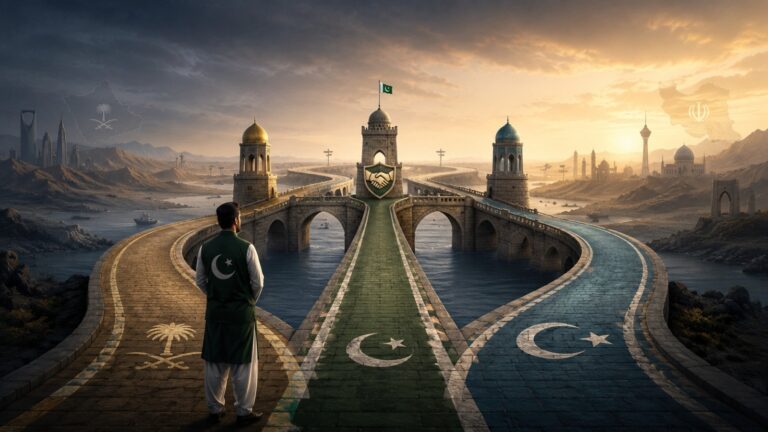
    Pakistan has just taken on a new kind of commitment, and it has caught people’s attention in a way that ordinary diplomatic announcements rarely do. Pakistan’s ties with Saudi Arabia go back decades, and its defence relationship with Türkiye has grown steadily closer in recent years, so cooperation between the three is not surprising on its own. What is new is the nature of the commitment: an attack on any one of the three countries is now to be treated as an attack on all three.   This is not really about whether Pakistan should be working with Saudi Arabia and Türkiye. It is about whether Islamabad has entered this arrangement with a clear enough sense of what it wants from it, and what obligations it may quietly be creating for the future.   It also helps to get the timeline right. This is not Pakistan’s first mutual-defence commitment with Saudi Arabia. Back in September 2025, the two countries had already signed a Strategic Mutual Defense Agreement, treating aggression against either as aggression against both. What is new in 2026 is the attempt to bring Pakistan, Saudi Arabia and Türkiye together inside one shared framework. Seen that way, this is less a first step and more a new layer added to a relationship that was already forming. An Alliance at a Complicated Moment The agreement comes at a difficult time. Pakistan sits right next to Iran and has a tense relationship with India, while both Saudi Arabia and Türkiye maintain strong economic ties with New Delhi. At the same time, Islamabad has to keep managing working relationships with Iran, China, the United States and its Gulf partners. Any defence commitment, then, has to be understood against several relationships that do not always move in the same direction.   Pakistan is also not entering this alliance from a position of comfort. The country is dealing with economic, security and political pressures all at once, along with instability on its Afghan border and a delicate Iran border to manage. That is a lot to balance already, which is exactly why the practical details of this new commitment matter more than the ceremony around its announcement. What Has Pakistan Actually Committed To? The basic idea is simple: an attack on one member is treated as an attack on all. But what does that actually mean in practice? What would genuinely trigger the commitment, and what military support would Pakistan be expected to give—or receive? And what happens if the three countries find themselves with different interests in the same crisis?   Pakistan’s own Foreign Ministry offered some sense of this in July 2026, saying that agreements of this kind mostly involve peacetime military cooperation, and that in an actual war, how far the commitment would go still needs to be worked out. If anything, that statement makes the case for more clarity, not less.   That uncertainty matters most in two situations close to home. If Pakistan faced another serious confrontation with India, would Saudi Arabia and Türkiye offer real support, given their own important ties to New Delhi? And if tensions with Iran escalated, would Pakistan be expected to take a position that could strain its relationship with its neighbour? Even the growing water dispute with India, one of Pakistan’s most basic security concerns, has not been publicly linked to any shared plan among the three partners. These questions remain open.   There is also a quieter concern worth sitting with. Saudi Arabia brings financial strength to the table, Türkiye brings a growing defence industry, and Pakistan brings manpower, real operational experience and nuclear deterrence. If these strengths are genuinely shared, all three countries could benefit. But if the load falls unevenly, with Pakistan carrying most of the manpower while its own position in a future India crisis stays unclear, the costs could end up outweighing the gains.   History offers a useful reminder here. In his 1983 book Can Pakistan Survive? The Death of a State, Tariq Ali examined Pakistan’s political system, its foreign policy, and the powerful role the military has long played within the state. The circumstances today are very different, but his broader question still feels relevant: can Pakistan turn its usefulness to other powers into lasting strength of its own?   Something else stood out alongside the agreement itself: the mood surrounding it. Governments naturally welcome diplomatic wins, but a defence pact carrying possible wartime obligations is a different kind of agreement than a trade deal. With so many practical details still unclear, the celebratory tone raises a fair question: is this a carefully thought-through long-term strategy, or mostly the excitement of the moment? Commitments this serious deserve a clear explanation before they deserve applause.   Pakistan must also make sure its growing ties with Saudi Arabia and Türkiye stay compatible with its long-standing relationship with China, and with the working relations it still needs with Iran and the United States. Strategic Relevance Is Not Strategic Autonomy Pakistan is becoming more important to other countries. Its military strength, its geography, its nuclear deterrence, and its relationships across very different global camps all give Islamabad real value in the eyes of others. But being useful to other countries is not the same as having a clear strategy of your own.   Strategic autonomy simply means that Pakistan knows what it wants and makes sure its partnerships actually serve that. It means asking not only what Saudi Arabia, Türkiye, China or the United States want from Pakistan, but what Pakistan wants from each of them in return. A country can be militarily valuable, geographically important and courted by several powers, and still have no defined national strategy behind it. That difference sits at the heart of this entire discussion.   Washington’s fairly quiet response also deserves attention. There is no evidence that the United States is deliberately setting a trap for Pakistan. But Islamabad should still think carefully about whether a closer Saudi-Pakistani security relationship could, over time,

  • Why Trump welcomed Makkah pact?

    The signing of the Mecca Joint Defence Agreement by Pakistan, Saudi Arabia and Türkiye on August 7 has opened a new and potentially consequential chapter in the security architecture of Asia and the Gulf. The agreement states that an armed attack against any one of the three countries will be regarded as an attack against all three, while envisaging deeper military coordination, joint exercises, intelligence cooperation and collaboration in areas including drones, electronic warfare, artificial intelligence and defence production. Türkiye has also indicated that the framework could eventually be expanded to other countries. What makes the development particularly significant is not simply the agreement itself, but the reaction from Washington. President Donald Trump has welcomed the pact as a “big, bold, important first step” towards regional countries being able to defend themselves more meaningfully. His words raise a larger strategic question, is the United States beginning to transfer a greater share of the burden of confronting Iran to regional powers, particularly the Gulf and Asian countries? Or making this region as its main combatant force against Iran? And what are the possible next steps? The answer is more complicated than a simple American withdrawal. Washington is unlikely to abandon the Middle East, its military assets, intelligence networks, diplomatic influence or relationships with Gulf states. What appears to be changing is the distribution of responsibility. The Trump administration’s broader philosophy of burden-sharing suggests that countries possessing substantial financial, military and strategic resources should assume greater responsibility for their own security rather than expecting Washington to carry the entire cost. In that sense, America may not be handing over the war against Iran, but it may be regionalising the consequences of that war. The distinction is crucial. A regionalised conflict can become much more dangerous because the number of actors involved increases. At the same time, regional ownership of security could eventually create a framework in which regional states themselves negotiate a new balance rather than remaining permanently dependent on an external power. The Pakistan-Saudi relationship provides the foundation for this transformation. The two countries signed their Strategic Mutual Defence Agreement in September 2025, committing themselves to collective security. The new Mecca agreement effectively brings Türkiye into a much broader strategic framework. Each country brings a different strategic asset. Saudi Arabia possesses enormous financial resources, energy influence and geographical importance. Türkiye brings one of the region’s most capable conventional militaries, a rapidly developing indigenous defence industry, drone technology and NATO experience. Pakistan brings a large and experienced military establishment and, uniquely among Muslim-majority states, a nuclear deterrent. The combination therefore has significance beyond its three signatories. It links the Gulf, South Asia and the eastern Mediterranean in a single security conversation. For Saudi Arabia, the agreement represents strategic insurance. Riyadh has increasingly understood that sophisticated American weapons alone cannot eliminate vulnerabilities created by missiles, drones, cyberwarfare and attacks on energy infrastructure. Diversifying its security relationships allows Saudi Arabia to maintain its partnership with Washington while simultaneously developing alternative sources of military capability. For Türkiye, the pact fits into Ankara’s long-standing ambition to exercise greater strategic autonomy. Türkiye remains a NATO member, but it has increasingly demonstrated that it does not want its foreign policy to be dictated by any single great power. A defence relationship stretching from Türkiye through Saudi Arabia to Pakistan expands Ankara’s influence across two strategically vital regions. For Pakistan, however, the equation is much more delicate. Pakistan has the opportunity to emerge as an important security bridge between South Asia and the Gulf, but it also has a geographical reality that cannot be ignored, it shares a border with Iran. Islamabad cannot afford to treat Tehran simply as an enemy without exposing itself to enormous security, economic and diplomatic risks. Pakistan therefore faces the most difficult balancing act of the three. Its relationship with Saudi Arabia is strategically important. Its relationship with Türkiye is deepening. Its partnership with China remains fundamental. Its relationship with the United States is economically and strategically significant. Yet Iran is its immediate western neighbour, with which it shares a long border and important diplomatic and economic interests. This makes Pakistan potentially more valuable as a mediator than as a frontline combatant. If Islamabad can defend Saudi Arabia while simultaneously maintaining communication with Tehran, it could acquire an extraordinary diplomatic role. Pakistan could become one of the few countries capable of speaking to the Gulf, Iran, Türkiye, China and Washington at the same time. That possibility is already visible in Pakistan’s efforts to maintain diplomatic engagement with Iran while navigating its defence commitments to Saudi Arabia. The Iranian response will be critical. Although the three countries have described the agreement as defensive rather than an alliance directed against a particular state, Tehran will inevitably examine its military implications. A coordinated Saudi-Turkish-Pakistani security structure potentially means improved intelligence, air defence, military exercises, drone capabilities and defence-industrial cooperation around Iran’s strategic neighbourhood. But this could produce two very different outcomes. The first is escalation. Iran could interpret the emerging architecture as an attempt to encircle it and respond by strengthening its missile forces, regional partnerships and asymmetric capabilities. The Gulf could then become increasingly militarised, with every defensive measure interpreted by the other side as preparation for aggression. The second possibility is deterrence leading eventually to diplomacy. If Iran concludes that it cannot achieve regional dominance through military pressure, while Saudi Arabia and other Gulf states conclude that permanent dependence on American protection is neither sufficient nor sustainable, both sides may eventually have an incentive to negotiate a regional security arrangement. That would be the more constructive outcome. The danger, however, is that the emerging alliance could be interpreted through a sectarian lens. Saudi Arabia, Türkiye and Pakistan are all Sunni-majority states, while Iran is the region’s principal Shia power. If the new security architecture becomes identified as a Sunni military bloc confronting Shia Iran, it could revive precisely the sectarian competition that has destabilised the Middle East for decades. Pakistan should be particularly careful

  • Pakistan’s Governance Crisis

    Since its inception, Pakistan has been confronted with a multitude of complex and interwoven challenges that have persistently constrained its political stability, economic progress, institutional development, and social transformation. While the nature and intensity of these challenges have evolved over time, their cumulative impact has continued to impede the country’s pursuit of sustainable development and national prosperity. Among these enduring national challenges, the governance crisis has emerged as one of the most pressing concerns, posing serious implications for sustainable development, institutional resilience, socioeconomic progress, and the country’s long-term stability. A number of instances can be quoted to highlight the dismal situation of governance in Pakistan. The very first among these is the lack of citizens’ interest in participation. Citizens are not sufficiently aware of their participatory rights; therefore, they do not keep an eye on public officials and don’t raise their voices when their legal rights are violated by the elite class of the state. Moreover, in terms of transparency, Pakistan is far behind the required standards. According to the 2025 Corruption Perception Index published by Transparency International, Pakistan scored 28 out of 100 and ranked 136th out of 182 countries, indicating a high perceived level of public sector corruption. Furthermore, it is our bad luck that the situation of the rule of law has always been in trouble since 1947. Unfortunately, the rule of law has been confined to the conventional concept of law enforcement, internal security, and crime control, while, at the same time, it overlooks the basic elements, including transparency, accountability before the law, and the equal, just, and clear application of the law. Although, the state has numerous accountability committees and agencies to hold corrupt individuals accountable and curb corrupt practices in society. But still, the state is struggling to implement accountability in its true sense. Ignoring the major causes that have led to the deplorable situation of governance in Pakistan would be totally unjust. These include a number of factors that have directly or indirectly facilitated its existence. In this context, political instability is the biggest cause of bad governance in Pakistan. For most of the time, a myopic approach is adopted by political parties to establish their own governments. They remain engaged in the struggle for power while toppling governments by hook or by crook. Likewise, the relevant institutions do not respond immediately to the emergence of new challenges, leading to dearth of responsiveness in institution’s working.   In addition to it, the lack of strategic vision of the political leadership is also a factor which hits the structure of governance in Pakistan. Quite understandably, Political leaders have failed to foresee Pakistan’s emerging challenges and to cope with the persistent challenges that the state has been confronting for a long time. Keeping in view the crunch of governance, whom should be blamed and held accountable? It is the need of the hour that well-crafted and result-oriented policies regarding governance be formulated and effectively implemented to address the issue in its true spirit. Social media should play its crucial role in spreading awareness. Democracy should be strengthened. Posting, transfer, and promotion of bureaucrats should be done on merit. Last but not the least, the right to information should be guaranteed to citizens as provided under Article 19A of the Constitution of the Islamic Republic of Pakistan. These bold steps can place Pakistan in the list of countries having good governance.

  • An Insight into CPEC performance

    A great game changer, the China-Pakistan Economic Corridor (CPEC), which was launched in its first phase in 2013, has since emerged as a flagship initiative of strategic significance, fostering regional connectivity, economic growth and socio-economic development while reinforcing the enduring partnership between Pakistan and China. Over the past decade, CPEC has transitioned from a vision of connectivity into a comprehensive development framework, delivering tangible progress across key sectors and contributing to Pakistan’s economic transformation. After the quite successful completion of the first phase, brisk preparations are underway in Beijing and Islamabad at the appropriate high levels, under the leadership of Chinese President Xi Jinping and Pakistani Prime Minister Muhammad Shehbaz Sharif, for formally launching CPEC 2.0 during 2026. According to the information gathered from the official sources concerned, on the Long-Term Plan, the 14th ICC formally agreed to review the CPEC Long-Term Plan (2017-30) in the light of the Memorandum of Understanding (MoU) on alignment of the CPEC five corridors with the National Economic Transformation Plan (URAAN Pakistan) and the action plan to foster an even closer China-Pakistan community. The 14th ICC had further directed the adoption of the action plan for fostering an even closer China-Pakistan community with a shared future in the new era (2025-2029), signed in September 2025. The 14th ICC had also further directed the adoption of the action plan as the guiding document for CPEC 2.0, and an action matrix accordingly has been prepared by the official quarters concerned and shared with the ministries and divisions of the Federal Government. Inter-agency consultations on the revised Long-Term Plan (LTP) were underway. As regards socio-economic development, about 15 out of 17 approved projects have since been quite successfully completed, while two remaining projects were reported to be at an advanced stage of execution and were expected to be finalized soon. Furthermore, seven new development initiatives have been proposed under the third batch and submitted to the China International Development Cooperation Agency for consideration and approval. These projects include the provision of modern agricultural machinery and equipment for agro-mechanization, the supply of fiberglass fishing boats to coastal communities, the construction of a fish-landing jetty at Gwadar to strengthen the fisheries value chain, the establishment of integrated cold-chain systems for horticulture and perishable products, and other livelihood-oriented interventions aimed at enhancing local productivity, food security, employment generation, and export potential in underserved regions. During the year, efficiency improvement measures were taken in the power sector for enhancing operational performance, improving grid stability, and optimizing the utilization of existing generation and transmission infrastructure. Stakeholder consultations were also conducted for addressing issues related to bulk electricity supply for Special Economic Zones (SEZs), aimed at facilitating industrialization and investment under CPEC 2.0. A major achievement of the sector was the continued utilization of indigenous Thar coal resources, which contributed towards reducing dependence on imported fuels, strengthening energy security, conserving foreign exchange reserves, and ensuring reliable base-load electricity supply for industrial and domestic consumers. As regards transport infrastructure, the upgradation of the Main Line-1 (ML-1) railway project, spanning approximately 1,872 km from Karachi to Peshawar, remained a strategic priority under bilateral cooperation. During the reporting period, third-party financing discussions by the Asian Development Bank (ADB) and Asian Infrastructure Investment Bank (AIIB) advanced for the Karachi-Rohri section, while detailed financing and implementation proposals were also developed for the remaining sections up to Peshawar in close coordination with the Chinese side. Once completed, ML-1 was expected to substantially enhance Pakistan Railways’ operational efficiency by increasing train speeds from 65-105 km/h to nearly 160 km/h, improving freight-handling capacity, reducing transit times, and strengthening north-south economic connectivity across the country. Significant headway was also achieved on the Realignment of Karakoram Highway (KKH-Phase II) Project under the Government-to-Government (G2G) framework. Both sides have operationalized a phased implementation strategy and reached broad consensus on an 85:15 financing ratio. In Gwadar, the operationalization and consolidation of strategic infrastructure projects continued to gain momentum. The East Bay Expressway, a 19-kilometre, six-lane corridor connecting Gwadar Port with the Makran Coastal Highway, continued to improve port accessibility, reduce cargo transit time, and enhance logistics efficiency for commercial and port-related traffic. Further progress has also been achieved on Phase-II initiatives aimed at connecting Gwadar Port with the New Gwadar International Airport, including discussions on grant financing modalities and finalization of the draft Framework Agreement to strengthen integrated sea-air connectivity among Gwadar Port, Gwadar Free Zones, and the airport. Gwadar Port and the Free Zones have made further progress toward operational maturity through improved infrastructure provision, enhanced utilities connectivity, investor-friendly fiscal incentives, and continued policy facilitation measures by the Pakistan Government. Increased focus has also been placed on attracting industrial relocation, export-oriented manufacturing, warehousing, fisheries processing, and logistics-related investments in Gwadar Free Zone. Parallel progress has also been achieved on multiple road infrastructure projects, including strategic expressways and motorways, through the mechanisms of the Joint Working Group (JWG) on Transport Infrastructure and the Joint Technical Working Group (JTWG), thereby reinforcing Pakistan’s long-term objective of developing an integrated multimodal transport and logistics network under CPEC. Mining cooperation has also emerged as a major new pillar of CPEC 2.0, thereby reflecting the shared commitment of both countries to unlock Pakistan’s vast untapped mineral potential through bilateral cooperation, technology transfer, industrial cooperation, and investment partnership. During the period under review, both sides agreed to undertake a joint feasibility study for the proposed Mining Corridor connecting Nokundi with Gwadar Port. The proposed initiative was expected to substantially reduce transportation costs, improve supply-chain efficiency, and facilitate large-scale movement of copper, gold, rare earth elements, chromite, and other strategic minerals. The corridor would also complement ongoing developments in Reko Diq and other mining regions, while also laying the foundation for transforming Balochistan into a major mining, processing, and export-oriented economic hub. The last year has also witnessed quite significant progress in industrial cooperation under CPEC, with continuous development of Special Economic Zones (SEZs) and expeditious provision of basic utilities, especially electricity. Phase-1 of Rashakai SEZ has been successfully operationalized, while

  • Fiscal turnaround—or fiscal illusion?

    The fiscal deficit fell to just 2.6 of GDP—the lowest in 22 years—while the primary surplus reached a record 2.9%, the highest since at least FY 2000-01— tweet by Khurram Schehzad, Adviser to Federal Finance Minister The latest official numbers tell an impressive story. Pakistan closed fiscal year 2025–26 with a consolidated budget deficit of Rs. 3.313 trillion, equal to 2.6% of gross domestic product (GDP), and a primary surplus of 2.9%. They accompany a familiar boast: the Federal Board of Revenue (FBR) achieved a “record” collection of Rs. 13.010 trillion. In the post cited above, Adviser to the Federal Finance Minister, Khurram Schehzad, described the outcome as the “strongest fiscal performance in 22 years”. He highlighted three consecutive primary surpluses, the “lowest fiscal deficit in 22 years”, and the highest primary surplus in at least 26 years, debt growth at a 20-year low, and declining debt-to-GDP and interest burdens. He concluded that Pakistan was moving decisively from recurring fiscal stress towards discipline, stability and sustainable growth. The improvement is real. The conclusion is premature. The Finance Division’s newly released Fiscal Operations for July–June 2025–26 show consolidated revenue of Rs. 19.774 trillion and expenditure of Rs. 23.087 trillion. The resulting deficit is unquestionably lower than the enormous gaps of recent years. Fiscal consolidation has occurred and should be acknowledged. The claim of a 22-year low, however, does not survive the adviser’s own infographic. The chart accompanying the post places the deficit at 1.7% in 2003–04 and 2.5% in 2004–05—both below 2.6%. The contemporaneous Pakistan Economic Survey 2006–07, using the series then published, recorded 2.4% for 2003–04. Revisions may explain the discrepancy between 1.7% and 2.4%, but neither figure supports an unqualified record claim. The latest statement is also provisional. The defensible description is that 2.6% is among the lowest deficits in about two decades. More importantly, 2.6% is the consolidated deficit. The federation did not run a deficit of Rs. 3.313 trillion. Its net revenue receipts, after transfers to provinces, were Rs. 10.520 trillion, against expenditure of Rs. 15.283 trillion. The federal deficit was Rs. 4.763 trillion, or about 3.8% of GDP. It fell to the consolidated figure because the provinces produced a combined surplus of Rs. 1.450 trillion. Punjab alone contributed Rs. 914 billion. Provincial surpluses assist macroeconomic management but do not extinguish the federation’s borrowing requirement. They are intergovernmental cash offsets while the federal government remains deeply indebted. The earlier article, Bankruptcy of ideas—X: Debt, Taxes & Democracy, argues that shifting cash between tiers cannot repair a debt-driven state. An even more striking adjustment appears under “statistical discrepancy”. The detailed expenditure table reports total consolidated expenditure of Rs. 23.940 trillion. A negative statistical discrepancy of Rs. 853 billion lowers expenditure in the summary to Rs. 23.087 trillion. Without this adjustment, the gap between revenue and expenditure would be about Rs. 4.167 trillion, or approximately 3.3% of GDP. Statistical discrepancies are not unusual in provisional accounts. An adjustment equal to more than one-quarter of the celebrated deficit nevertheless demands explanation before a historic record is proclaimed. Transparency requires reconciliation of this amount when the accounts are finalised. The composition of expenditure further weakens the triumphal narrative. Mark-up payments reached Rs. 6.948 trillion—5.5% of GDP. Federal Public Sector Development Programme expenditure, excluding development grants to provinces, was only Rs. 727 billion. Interest was therefore about 9.6 times the federal development programme. A deficit can fall because investment and public services are compressed while inherited interest obligations continue dominating expenditure. That is fiscal compression, not fiscal transformation. The “record” FBR’s collection claim presents a similar illusion. With inflation and nominal GDP growth, the largest rupee collection will normally recur. The relevant questions are whether revenue rose relative to GDP, the base broadened and additional taxation reduced borrowing. FBR’s Rs. 13.010 trillion was only 10.3% of GDP. It was about Rs. 1.12 trillion below the original target of Rs. 14.13 trillion and barely exceeded the subsequently revised figure of approximately Rs. 12.983 trillion. The goalpost was moved, and arrival at the moved goalpost was described as a record. Analysis of Pakistan’s withholding-based system [Tax Proposals for Budget 2027—III: Withholdingisation: Weapon of destruction, Minute Mirror, May 25, 2026 and FBR’s Performance FY 2024-25 (Part II): Income Tax or Expropriatory Taxation, Minute Mirror, April 14, 2026] has repeatedly shown why aggregate collection cannot be equated with administrative performance. During FY 2024–25, withholding and advance collection accounted for about 96% of income tax, leaving only a small fraction attributable to returns and enforcement. Employers, banks, utilities, importers and businesses collect much of FBR’s revenue on behalf of the state. Extraction at source is not evidence that concealed income has been discovered or that privileged sectors have entered the tax net. The latest statement also exposes reliance on non-tax revenue. Federal non-tax receipts reached Rs. 5.178 trillion. These included Rs. 2.428 trillion transferred as State Bank of Pakistan surplus and Rs.1.567 trillion collected as petroleum levy. Together, the two sources provided almost Rs. 4 trillion. As explained in Bankruptcy of ideas—VII: The Petroleum (Levy) State, the petrolem levy operates as inflationary and regressive extraction. It raises transport, agricultural, industrial and household costs. It also remains outside the divisible pool, allowing the federation to retain revenue that would otherwise be shared under the National Finance Commission framework. A large central-bank transfer and an ever-rising fuel levy cannot substitute for fair, broad-based taxation. Debt servicing supplies the decisive test. Cash mark-up payments of Rs. 6.948 trillion absorbed 53.4% of FBR collection and about 66% of federal net revenue receipts. Domestic interest alone was Rs. 6.030 trillion; foreign interest was Rs. 917 billion. These figures do not include refinancing of maturing domestic principal. The financing table reports gross external financing of Rs. 3.805 trillion and external debt repayments of Rs. 2.627 trillion. Programme loans alone amounted to Rs. 2.054 trillion. The federal deficit required net financing of Rs. 4.763 trillion: Rs. 1.178 trillion externally and Rs. 3.585 trillion domestically. State Bank financing reached Rs. 3.202 trillion. These amounts

  • DG ISPR’s Press Conference: Strategic Signal…

    The recent press conference by ISPR Director General Lieutenant General Ahmed Sharif Chaudhry was presented as a significant and comprehensive briefing outlining Pakistan’s strategic direction, national priorities, and approach to security, governance, economic stability, terrorism, and external interference. Lasting more than two hours in Rawalpindi, the briefing went beyond a routine security update by addressing sensitive national issues in detail and providing operational information supported by data, charts, and presentations. It emphasized transparency, offered the military’s perspective on the country’s security environment, and sought to provide clarity on the state’s actions and long-term plans. The conference highlighted the breadth of the challenges facing Pakistan and outlined what was described as a unified path forward, while emphasizing the armed forces’ commitment to national security and sovereignty. A central theme of the address was that good governance is essential for Pakistan’s long-term security and stability, with the argument that military operations alone cannot eliminate terrorism and extremism without stronger administrative and institutional capacity. The DG ISPR described security and governance as closely interconnected and cited the National Action Plan (NAP) as a consensus framework requiring effective implementation through measures such as countering extremist narratives, disrupting terror financing, and strengthening institutions. Referring to Pakistan’s population of around 240 to 250 million, he suggested reviewing whether the existing four-province administrative structure adequately serves the goal of good governance and said that, if an administrative reset is considered necessary, it should be decided by the country’s political leadership through constitutional and legal processes reflecting the will of the people. He also underscored the distinction between the military’s responsibility for security and the authority of civilian institutions over political and administrative reforms, reaffirming that such decisions should remain within the constitutional framework. A significant portion of the press conference was dedicated to providing a stark and detailed update on the country’s counterterrorism efforts, presenting an overwhelming amount of operational data. The DG ISPR revealed that security forces have conducted a staggering 40,348 intelligence-based operations (IBOs) across Pakistan so far in 2026, which averages to nearly 200 operations every single day. This relentless operational tempo is a testament to the proactive and aggressive posture adopted by the security forces to root out militancy from every corner of the country, leaving no safe haven for terrorists to operate. Of these, the majority—over 31,000—were carried out in Balochistan, underscoring the province’s central role in the national security strategy and the immense efforts being invested to bring stability to that region. He reported that a total of 3,145 terrorism incidents had taken place in the country in 2026, with 1,971 reported from Khyber Pakhtunkhwa, 1,148 from Balochistan, and 26 from other parts of the country. The results of these operations, he stated, have been significant, with 2,084 confirmed terrorists eliminated. This, he emphasized, translates to an average of 10 terrorists being killed every day, which he described as the highest operational ratio ever achieved in the country’s history. This high kill ratio is indicative of the intelligence-led nature of the operations, where precise targeting minimizes collateral damage and maximizes the impact on terrorist networks. However, he also acknowledged the heavy price paid for this peace, revealing that 819 Pakistanis have embraced martyrdom this year in the fight against terrorism. This somber figure includes 303 Pakistan Army personnel, 194 police and other law enforcement officials, and 322 innocent civilians. The sacrifice of these brave individuals, he noted, is a debt that can never be fully repaid, but it underscores the determination of the nation to prevail against the scourge of terrorism. He also disclosed that 28 suicide bombings have occurred nationwide, the majority of which, he alleged, were carried out by Afghan nationals. This disclosure highlighted the nexus between cross-border terrorism and the instability in Afghanistan, a point he elaborated on to stress the need for effective border management and regional cooperation. In a crucial clarification that resonated deeply with the public, the DG ISPR addressed the concept of a “hard state,” dispelling any misconceptions about its meaning. He explained that a “hard state” does not refer to military rule, nor does it imply a repressive or authoritarian regime. Instead, he defined it as a country where the Constitution and the rule of law are enforced equally for every individual without any discrimination or elitism. It is a system where all matters are resolved through constitutional and legal mechanisms, and where every citizen is equal before the law, regardless of their social or political standing. This vision of a “hard state” is fundamentally about strengthening the state’s institutions and legal frameworks to ensure justice and accountability for all, thereby creating a more stable and prosperous society where the rights of every citizen are protected. He used this definition to counter the narratives of those who fear a strong state, arguing that a “hard state” is the ultimate guarantor of democracy and individual freedoms, as it prevents the strong from exploiting the weak and ensures that the law is the supreme authority. Turning his focus to the complex security situation in Balochistan, the DG ISPR adopted a nuanced approach that combined a firm security stance with a clear commitment to development and public engagement. He firmly rejected the narrative that the security situation in the province is deteriorating, calling it a deliberate and coordinated campaign to create a false perception. He alleged that certain elite groups and tribal leaders (sardars) have historically opposed social progress to preserve their own power structures, and he stressed the need to empower the people of Balochistan instead of these traditional power brokers. The state’s priority, he declared, is to resolve the genuine grievances of the province’s residents while continuing decisive operations against militant groups who seek to disrupt the peace. He outlined a comprehensive development agenda for the province, detailing that the state would engage directly with the people of Balochistan rather than with disruptive elements. To this end, he highlighted that billions of rupees are being invested in socio-economic development projects across the province.

  • Musharraf and ‘Absolutely Not’: The My…

    By Ali Hiader A certain segment in Pakistan has been gaining momentum in arguing that had dictator General Pervez Musharraf—like Imran Khan—said “Absolutely Not” to Washington, Pakistan might have been spared the scourge of terrorism and the subsequent economic hardships. However, such an argument attempts to view the decision made in 2001 through the lens of circumstances that emerged years later. The terrorist attacks of September 11, 2001, shook the United States and sent shockwaves through the global order; approximately 3,000 people lost their lives, and institutions regarded globally as symbols of American economic and military might were targeted. These attacks challenged the security of the world’s sole superpower and generated intense public pressure on the President George W. Bush’s administration to take retaliatory action. For the United States, inaction had become politically almost impossible. Responsibility for these attacks was attributed to Al-Qaeda and its leader, Osama bin Laden—a Saudi national who was living in Afghanistan under Taliban protection. Initially, Bin Laden denied responsibility for the attacks, but his later statements increasingly portrayed as a retaliatory response to American policies. Regardless of how these statements were interpreted politically, by the end of 2001, it was clear to Washington that Al-Qaeda was the primary enemy and that Afghanistan was the hub of its operations. This context holds particular significance for Pakistan because the Taliban government was harboring Osama bin Laden. Pakistan was not merely a distant spectator to this crisis; it shared a long border with Afghanistan and had spent two decades during the Cold War establishing an extensive political and intelligence network there. Consequently, the United States had no better option than Pakistan. Therefore, the fundamental question is: Did Pakistan truly have the option to simply say “absolutely not,” instead of joining the American war? Pakistan was already grappling with severe economic and diplomatic vulnerabilities during the post-9/11 crisis, as the United States and other Western nations had imposed harsh economic sanctions following the 1998 nuclear tests. These sanctions slowed the pace of development, hampered foreign investment, and strained relations with global financial institutions, leaving the country already burdened by heavy debt. The situation became further complicated when General Pervez Musharraf seized power in October 1999, overthrowing an elected government. The military coup added fuel to the fire, further damaging Pakistan’s global reputation and leaving the country diplomatically weakened at a time when it needed international support the most. Following the September 11 attacks, Washington made its expectations absolutely clear. According to Musharraf’s own account, US Deputy Secretary of State Richard Armitage delivered a stern message to Pakistan: it had to stand either with the United States or against it. Another remark widely attributed to the US position was that if Pakistan refused to cooperate, it could be sent “back to the Stone Age.” Although the exact wording of that phrase was never officially substantiated, the intensity of US pressure was undeniable. Did the United States have the capability to inflict devastating damage on Pakistan, despite Pakistan being a nuclear power? The answer to this is “yes.” Pakistan’s nuclear capability was primarily developed to deter India. Pakistan’s nuclear arsenal provided Islamabad with a strategic deterrent against its key regional rival, but this did not mean Pakistan was immune to American economic, diplomatic, or technological pressure. Pakistan lacked the long-range military capabilities to directly strike the U.S. mainland—located 7,000 miles away—whereas the United States held an overwhelming advantage in air power, naval strength, intelligence, technology, financial resources, and global diplomatic influence. Therefore, nuclear weapons were not synonymous with strategic parity with the United States. Pakistan could deter certain types of aggression from India, but realistically, it lacked the capability to inflict the same level of damage upon the United States. Another major reason for Pakistan’s importance to the United States was the intelligence network present in Afghanistan. During the Cold War, Pakistan was one of the United States’ key regional partners in supporting the Afghan resistance against the Soviet occupation. Pakistani intelligence agencies established extensive networks among Afghan groups, while the United States and Saudi Arabia provided arms and financial support for the resistance. Pakistan served as a crucial conduit for channeling this aid to the Afghan resistance. This historical relationship gave the United States a unique strategic advantage after 9/11. Pakistan possessed a combination of geography, intelligence networks, logistical routes, and institutional experience—assets that would have been extremely difficult to replace. Its cooperation could significantly facilitate U.S. operations in Afghanistan. Consequently, Islamabad chose the path it deemed relatively less damaging. Pakistan provided assistance through logistical support, access to airspace and facilities, intelligence cooperation, and other means, but did not directly join the war; in return for this strategic support, US sanctions were eased, economic aid increased, and Pakistan regained special diplomatic significance in Washington. This does not mean that the decision was without negative consequences. Pakistan itself became a major target of terrorism, resulting in the deaths of nearly 70,000 civilian and military personnels and economic losses of approximately $150 billion; Pakistan paid a very heavy price for this war. Furthermore, the repercussions of the strategic policies adopted during the 1980s and 1990s later manifested as problems for Pakistan—issues that perhaps could not have been fully foreseen in 2001. However, there is an important distinction here: criticizing the consequences of a decision and claiming that a different realistic course of action existed at the time are two separate things. A major irony of the Afghan war is that U.S. officials and analysts have repeatedly cited Pakistan as one of the primary reason for the failure to achieve American objectives in Afghanistan. When the question arises as to why the world’s most powerful military failed to achieve its objectives in Afghanistan, the answer is sometimes given in a single word: Pakistan. This should not necessarily be viewed as a badge of honor; rather, it reflects a complex relationship in which Washington needed Pakistan yet lacked trust in it, while simultaneously accusing certain Pakistani elements of supporting forces that were undermining

  • Power Behind the Scenes

    By Tuba Khan Informal networks represent an extremely important yet widely ignored aspect of governance, especially within developing nations whose formal administrative apparatus is either weak or disputed. Informal institutions refer to uncodified norms and traditions that influence decision-making processes in ways beyond the reach of legal processes. As far as the informal networks are concerned, they can include networks of patronage, kinship and alliances based on personal connections. In countries with hybrid governance structures such as Pakistan where formalized democratic mechanisms co-exist with informal structures, a clear distinction between formal institutions from informal institutions must be made for effective governance. In Pakistan, informal networks do not exist in parallel with institutionalized structures of governance; they actually become the central point around which power operates. Despite having formal governmental structures intact, the informal networks become quite important and influential. There exists a high level of interaction between political, military, bureaucratic and commercial elites. The origins of the informal networks in Pakistan’s governance system are rooted in the colonial era when the governance system of the British was based mainly on the principles of indirect governance. Alongside formal institutionalized structures of governance, the colonial rulers gave powers to local intermediaries in the form of local landlords, tribal chieftains and other local power-brokers. This led to the development of patronage systems and kinship power, which were based on caste and biradari relations. Since its inception in 1947, Pakistan has experienced a very weak governance system. In the absence of stable and fully consolidated democratic institutions, the informal networks took on greater importance in political activities. These informal networks were strengthened by the repeated involvement of the powerful actors in political matters. The periods of outright military takeover or indirect control through civilian regimes cemented a structure where important decisions were frequently taken without recourse to institutionalized processes. The military, along with bureaucrats and politicians, established networks that could affect the policy agenda, political succession and even national interests. Resultantly, this trend continued to blur the lines between formal and informal authority. Islamization strategies of the 1970s and 1980s further broadened the informal networks by involving religious figures in the politics of Pakistan. Religious leaders can trigger religious sentiments and thus influence public opinion according to the needs of influential networks. So, in many cases, the government depended on the clergy and their organizations to mobilize mass support, which gave rise to interchanges of mutual benefits between religious and political authorities. Since the 1990s, liberalization in the economy and growth of the media industry have introduced new players into informal networks. Informal networks have several mechanisms within Pakistan through which they exercise their authority. Patronage stands out as one such mechanism where rewards and resources, such as employment opportunities within the public sector, campaign financing and even electoral loyalty are offered in exchange for support. On the other hand, back-channel negotiations conducted outside formal channels, such as Parliament and cabinet meetings, are vital in influencing the decision-making process of the state. Furthermore, elites are capable of hijacking policy-making processes and diverting resources in ways beneficial to themselves. Additionally, the media often mobilize people and give political power some form of moral legitimacy through propaganda. There are many implications of the existence of informal networks on the efficiency of the governance process. One of the major impacts is the undermining of formal institutional structures and electoral practices. Checks and balances, as well as the legislative process itself are often ignored or used solely for show purposes, while the real process of decision-making is handled through the use of private contacts and backdoor diplomacy. Another important implication is that the culture of corruption and inefficiency continues to persist. Patronage-driven systems tend to give preference to loyalty as opposed to competence, which leads to the appointment of people and the distribution of resources in a manner that is unrelated to development and the needs of the people at large. Policies tend to be revised according to changes in the interests of those in positions of authority, ultimately hindering the way to stability. To counter the effects of informal networks in Pakistan, the gradual development of formal institutions needs to take place instead of abruptly altering the current political environment. The starting point for designing a reform package is to redefine the role of the state. It is critical to ensure institutional independence, transparency of decision-making processes, meritocracy, citizen participation, press freedom and the accountability for the excessive influence of religious and economic elites to decrease dependence on informal institutions. Prevalence of informal political institutions in Pakistan causes several problems for the country’s political system. Formal institutions are often sidelined or rendered symbolic, leading to policy inconsistency and the undermining of democratic accountability. Nevertheless, the existence of informal groups is entrenched in the system and cannot be completely eliminated, their impact can be progressively restricted. This serves as an indication that reforms should be incremental and continuous