Top Story

  • | | |

    Iran calls Kurdistan drone attack a ‘false-flag?…

    TEHRAN: Iranian Foreign Minister Abbas Araghchi has condemned a drone attack targeting the office of the Kurdistan Regional Government’s prime minister in Iraq, while warning Kurdish authorities to remain alert to what he described as possible “false-flag” operations. The remarks came after two drones targeted the office of Kurdistan Region Prime Minister Masrour Barzani in Erbil on Monday. Kurdish authorities said the attack caused no casualties, although the incident has added to concerns over the increasingly tense security environment in northern Iraq. Araghchi said nothing justified what he called a reckless attack and urged Iran’s Kurdish neighbours to be cautious of attempts to create divisions and discord between neighbouring countries. In a statement posted on social media, the Iranian foreign minister said Kurdish communities and officials should remain vigilant against operations designed to provoke tensions. He also referred to Iran’s past support for Kurdish people during conflicts with Saddam Hussein’s government and the Islamic State group. The comments came as questions remained over who was responsible for the latest attack. The Kurdistan Regional Government’s security agency said the drones originated from Iranian territory, according to Reuters. Iranian officials, however, have not directly accepted responsibility for the strike. Instead, Tehran has highlighted the possibility that the attack could have been carried out as a “false-flag” operation aimed at damaging relations between Iran and Iraq’s autonomous Kurdish region. The attack has further complicated an already sensitive regional security situation. Erbil has experienced repeated drone incidents in recent months amid the wider confrontation involving Iran, the United States and Israel. In July, several drones were intercepted over the city, with local authorities reporting no casualties. Kurdistan Region President Nechirvan Barzani has also condemned the latest attack, describing the incident as unacceptable and calling for Iraq’s federal government to fulfil its responsibility to protect the region’s security and stability. The latest confrontation comes as Iraqi Kurdistan attempts to avoid being drawn deeper into wider regional hostilities. The region’s strategic location and close ties with Western partners have repeatedly made it a sensitive point in the broader Middle Eastern conflict. With competing claims surrounding the drone attack, the incident is likely to increase diplomatic pressure on Baghdad, Erbil and Tehran to prevent further escalation and clarify responsibility for attacks on Kurdish territory.

  • | | |

    Missile hits ship leaving Strait of Hormuz, UK Mar…

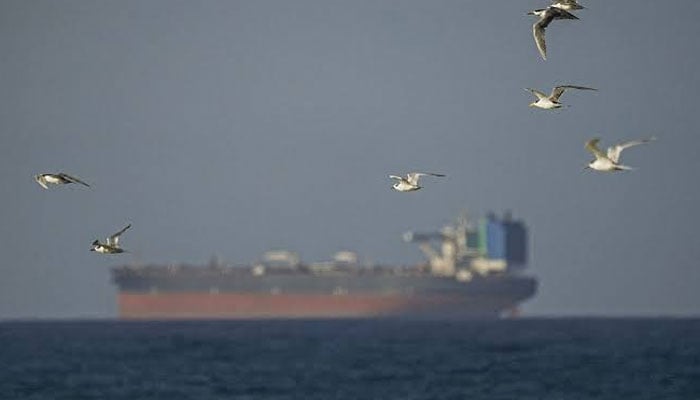
    A commercial vessel sailing out of the Strait of Hormuz was struck by a missile, causing damage to its engine and injuring members of its crew, the United Kingdom Maritime Trade Operations (UKMTO) said on Tuesday. The incident has added to growing concerns over maritime security in one of the world’s most strategically important waterways, where tensions have remained high amid the wider conflict involving Iran and regional powers. According to UKMTO, the vessel was hit after leaving the Strait of Hormuz. The missile caused damage to the ship’s engine, while members of the crew were also affected in the attack. Omani coast guard personnel responded to the incident and are providing assistance to the crew, UKMTO said. No further details about the condition of the vessel or the extent of the injuries were immediately available. The agency did not identify who fired the missile. The circumstances surrounding the attack, including the type of missile used and the exact location of the strike, were also not immediately disclosed. The Strait of Hormuz is a critical global shipping route through which a substantial share of the world’s oil supplies passes. Any attack on commercial shipping in or around the waterway can raise concerns about the safety of international trade and energy supplies. The latest incident comes as tensions remain particularly sensitive around the Gulf. Shipping companies and maritime authorities have been closely monitoring developments, with any disruption in the waterway capable of affecting global markets. Meanwhile, Iranian officials have strongly rejected what they describe as repeated claims and threats concerning the Strait of Hormuz. Ibrahim Azizi, chairman of Iran’s parliament’s National Security Commission, criticised US President Donald Trump over his remarks regarding the strategic waterway. In a statement issued from Tehran, Azizi urged Trump to focus on his own security instead of making what he called baseless and endless claims about the Strait of Hormuz. Azizi also made a provocative reference to Trump’s personal safety, saying the US president should think about ensuring his own security. The latest missile strike remains under investigation, and the identity of those responsible has yet to be established. Further information from maritime authorities is expected as officials assess the vessel, crew and circumstances surrounding the attack. For now, the incident has renewed fears that rising regional tensions could spill over into commercial shipping and threaten vessels using one of the world’s busiest energy corridors.

  • | | |

    Iran sets tough conditions for Strait of Hormuz re…

    Iran has warned that the strategically vital Strait of Hormuz will remain closed until the United States meets a series of conditions under a June memorandum of understanding, raising fresh concerns about the future of a conflict that has already disrupted global energy markets. Iranian Parliament Speaker Mohammad Bagher Ghalibaf said on Tuesday that Tehran would not reopen the waterway until what he described as the full terms of the agreement had been implemented. According to Iranian state media, Ghalibaf said the blockade must first be lifted, Iran’s frozen assets released, oil sanctions removed and military threats and operations on all fronts brought to an end. He also insisted that other provisions of the memorandum must be fully implemented. “Iran is prepared to impose a heavier defeat on the enemy than before,” Ghalibaf said, warning that Tehran’s response would depend on the actions and aggression of its opponents. The statement came as diplomatic efforts to secure a permanent end to the Iran-US conflict appeared increasingly fragile. Iran Claims Victory in War and Diplomacy Iranian Foreign Minister Abbas Araghchi separately declared that Tehran had won both the military confrontation and the diplomatic battle. Speaking at an event, Araghchi said Iran had resisted sustained military pressure before entering negotiations. He claimed that those who initially demanded Iran’s unconditional surrender later sought talks with Tehran. “We fought with strength, and we negotiated with strength,” Araghchi said, according to Iranian media. Araghchi also accused Israel of undermining efforts to implement the June memorandum, saying it had worked to prevent the agreement from being reached and subsequently obstructed its implementation. His comments followed US President Donald Trump’s call for Iran to surrender and “raise the white flag”, further highlighting the sharp divide between Washington and Tehran. Hormuz Becomes Central Dispute The Strait of Hormuz has emerged as one of the most important points of disagreement between the two sides. The narrow waterway links the Persian Gulf with the Gulf of Oman and is a crucial route for global oil and liquefied natural gas shipments. Shipping activity has already fallen dramatically during the conflict. Reuters reported that only a handful of commodity vessels crossed the strait over the weekend, compared with more than 130 daily ship transits before the war began. Iran says provisions of the June memorandum give it authority to manage parts of the waterway, while Washington rejects that interpretation. The disagreement has contributed to renewed tensions after an earlier ceasefire failed to produce a lasting settlement. Vessel Hit by Unknown Projectile The latest tensions were accompanied by another maritime incident. The UK Maritime Trade Operations centre said a vessel travelling outbound through the Strait of Hormuz was struck by an unknown projectile. The impact damaged the ship’s engine room and caused a crew casualty. The remaining crew members were assisted by the Omani Coast Guard, while authorities began investigating the incident. No environmental impact was reported. UKMTO urged vessels operating in the area to exercise caution and report suspicious activity. Back-Channel Diplomacy Continues Despite the increasingly hostile rhetoric, reports indicate that Washington and Tehran have continued exploring indirect channels. Media reports said the Trump administration had established a back channel involving figures connected to Iran’s Islamic Revolutionary Guard Corps. The reported effort reflected US concerns over whether Iranian negotiators had sufficient authority to deliver an agreement acceptable to the country’s powerful security establishment. US special envoy Jared Kushner also indicated that discussions between Washington and different parts of the Iranian government were more extensive than publicly acknowledged. The developments suggest that diplomacy has not completely collapsed, even as official statements from both sides remain confrontational. Iran Faces Economic Pressure Iran’s leaders also face significant economic challenges. The conflict has added pressure to an economy already struggling with inflation, sanctions, currency weakness, energy shortages and structural problems. Disrupted trade, damaged infrastructure and lost production have increased the financial burden of the war, while prolonged restrictions on shipping through Hormuz threaten Iran’s ability to generate export revenue. Global markets have also felt the impact. Brent crude rose sharply during the conflict, reaching a peak of $126 a barrel before later easing. The prolonged disruption has raised concerns over fuel prices and inflation in countries dependent on Gulf energy supplies. Ghalibaf Heads to Iraq Against this backdrop, Ghalibaf is expected to travel to Iraq for talks on regional developments and bilateral cooperation. His discussions are expected to cover security, border management, counterterrorism, economic cooperation and implementation of existing agreements between Tehran and Baghdad. The visit comes after a drone attack targeted the residence and private office of Iraqi Kurdish Regional Government Prime Minister Masrour Barzani. Iran denied involvement and condemned the incident. Araghchi said nothing justified the attack and warned against attempts to create divisions between Iran, Iraq and the Kurdish region. With the Strait of Hormuz still at the centre of the dispute, the coming days could prove crucial. Tehran’s insistence on sanctions relief, the release of frozen assets and an end to military threats leaves little room for compromise unless Washington and its allies are prepared to make substantial concessions. For now, the strategic waterway remains a powerful bargaining tool for Iran — and a major source of uncertainty for the global economy.

  • | |

    War leaves Gaza zoo animals malnourished

    GAZA/CAIRO: The war in Gaza has taken a heavy toll on animals, with shortages of food, medicine and vaccines leaving many of them weak and malnourished. At a zoo near the Nuseirat refugee camp, visitors found animals showing clear signs of the difficult conditions. A lion remained largely inactive inside its cage, while chimpanzees sat quietly in their enclosure. The zoo is being operated by Mahmoud Gomaa, who has worked to keep the animals alive despite the continuing crisis. He previously ran a zoo in Rafah but was forced to leave the area after Israeli military operations reached the city in 2024. Gomaa said saving the animals became a priority for him during the war. He moved the surviving animals from one location to another before eventually settling in Nuseirat, where he reopened the zoo earlier this year. He said he had faced enormous difficulties in finding food and providing basic care for the animals. Before the war, Gaza had several zoos that housed wild and exotic animals. The conflict, however, has made maintaining such facilities extremely difficult. Veterinarians say the shortage of suitable food has affected the animals’ health. Some zoo owners have been forced to feed animals frozen meat because fresh food is difficult to obtain. The war has also caused direct losses among Gaza’s animals. When Gomaa left Rafah, he said he had to abandon three lions, several crocodiles and African ostriches. When he later returned, he found only the bones of the crocodiles and ostriches. The lions had also disappeared. Animal welfare experts say the impact of war extends beyond food shortages and physical injuries. Continuous explosions, aircraft noise and fighting can cause severe stress among animals. Veterinarian Amir Khalil, who has visited Gaza with the animal welfare organisation Four Paws, said animals can detect sounds and disturbances that humans may not notice. He said the constant conflict creates fear and extreme stress for them. Despite the harsh conditions, the zoo has become a temporary place of relief for some children. Children visiting the facility were able to interact with parrots and smaller monkeys. For many, it offered a rare opportunity to step away from the destruction surrounding them. Residents say children have few places left where they can play. Large parts of Gaza have been reduced to rubble, while many families continue to live in tents. The zoo therefore serves a purpose beyond displaying animals. It provides children with a brief moment of normality amid a devastating humanitarian crisis. Yet keeping the facility operating remains a major challenge. Limited supplies, damaged infrastructure and the continuing conflict threaten both the animals and the people caring for them.

  • | | | | |

    Iran warns US of retaliation if nuclear sites are …

    TEHRAN: Iran has issued a fresh and stern warning to the United States, declaring that any military strike on its nuclear facilities would trigger a direct response against American interests and those of its allies across the Middle East, raising fears of a wider regional conflict. The warning came on Tuesday from Iran’s Khatam al-Anbiya Central Headquarters, the country’s top joint military command, amid growing tensions following recent statements by US President Donald Trump. In an official statement, the military command said that any attack targeting Iran’s nuclear infrastructure would not remain limited in scope and would instead lead to a dangerous expansion of conflict throughout the region. Iranian commanders stressed that the United States and its regional allies would bear the consequences of such military action, warning that their strategic interests could become legitimate targets if Iranian nuclear sites were attacked. The latest warning follows remarks by President Trump, who recently threatened military action against Iran’s nuclear facilities, particularly the underground nuclear complex near Natanz. Trump claimed that an attack on the site could happen soon and asserted that Iran would be unable to stop it. His comments have further heightened tensions between Washington and Tehran, which have remained locked in a prolonged confrontation over Iran’s nuclear programme and regional security issues. While Iranian officials insist their nuclear activities are for peaceful purposes, Western governments have repeatedly expressed concerns over Tehran’s uranium enrichment programme, leading to years of sanctions and diplomatic disputes. Security analysts believe that any direct strike on Iran’s nuclear facilities could dramatically escalate instability across the Middle East, potentially drawing multiple regional actors into a broader conflict and disrupting global energy markets. The latest exchange of threats underscores the fragile security situation in the region, with the international community closely monitoring developments amid growing fears that miscalculation by either side could spark a larger military confrontation.

  • | | | |

    Pakistan, Qatar push US-Iran 10-day ceasefire plan

    WASHINGTON/DOHA: Pakistan, Qatar and Egypt have stepped up diplomatic efforts to prevent a wider conflict in the Middle East by proposing a 10-day ceasefire between the United States and Iran, according to a report by US news outlet Axios. However, neither side has yet agreed to the proposal as military tensions continue to escalate. The report said regional mediators are working behind the scenes to create space for diplomacy after days of intense hostilities between Washington and Tehran. The proposed ceasefire aims to temporarily halt military operations, restore maritime security in the Strait of Hormuz and open the door for renewed negotiations. According to sources familiar with the mediation efforts, the proposal has been shared with both governments, but officials in Washington and Tehran have so far withheld their approval. Diplomats say both countries appear determined to strengthen their military positions before considering any pause in fighting. The report added that US President Donald Trump is weighing two key options. The first is to endorse a limited 10-day ceasefire that could reduce regional tensions and revive diplomatic talks. The second involves expanding military operations alongside Israel in an effort to increase pressure on Iran and force concessions over security and nuclear issues. US officials quoted in the report said no final decision has been made, adding that developments over the coming days are expected to determine Washington’s next move. Despite several days of military operations, the report noted that the United States and Israel have not succeeded in eliminating Iran’s influence over the strategically vital Strait of Hormuz, through which a significant portion of the world’s oil supplies passes. Analysts warn that any prolonged disruption in the waterway could have serious consequences for global energy markets. The report also highlighted growing domestic pressure on the Trump administration as rising fuel prices in the United States fuel public concern over the economic cost of continued military action. Diplomatic momentum reportedly suffered a setback after two American soldiers were killed in an Iranian missile attack in Jordan over the weekend. Following the incident, Washington is said to have adopted a tougher stance while continuing diplomatic contacts. A senior US official confirmed that backchannel discussions remain active but stressed that the United States intends to respond to the deaths of its troops. The official added that military operations could continue for as long as President Trump considers necessary. Regional sources nevertheless expressed cautious optimism, saying negotiations remain the best path forward, as neither Washington nor Tehran is believed to be in a position to impose a lasting solution through military means alone.

  • | | | |

    Trump administration asks Congress for $87 billion…

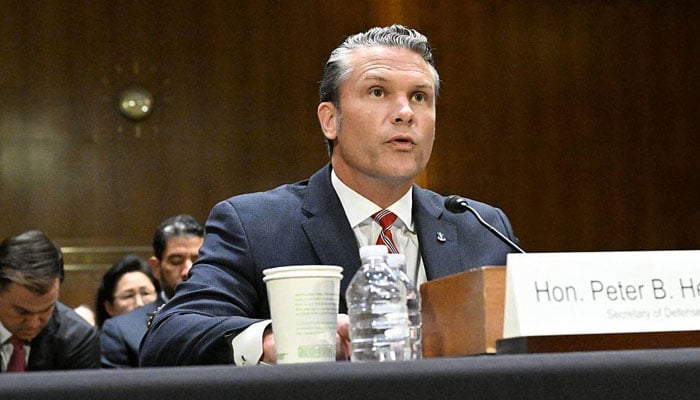
    WASHINGTON: The Trump administration has asked Congress to approve nearly $87 billion in emergency funding as the United States faces mounting military costs linked to its escalating confrontation with Iran, according to American officials. The funding request was presented after US Defense Secretary Pete Hegseth delivered a classified briefing to lawmakers, outlining the financial and operational demands of the ongoing conflict. He later addressed members of a Senate committee, arguing that additional resources are essential to sustain military operations and protect US national security interests. During the briefing, Hegseth said the conflict with Iran has already cost the United States approximately $37.5 billion, reflecting the growing financial burden of extended military deployments, air operations and regional security missions. Warning lawmakers about the consequences of delaying the request, the defense secretary said failure to approve the funding would create what he described as one of the most serious security risks facing the country. He also rejected suggestions that Washington was responsible for the current crisis, insisting that Iran’s actions had driven the escalation. The administration’s request comes as military tensions between Washington and Tehran remain high, with both sides exchanging threats and continuing operations across the region. Analysts say the financial demands of the conflict are increasing as the United States seeks to maintain its military presence while supporting allies in the Middle East. Meanwhile, The Washington Post reported that US funding allocated for military operations against Iran is being depleted at a rapid pace. The report suggested that continued operations without fresh congressional approval could place additional strain on defense resources and future military planning. The funding debate is expected to become a major issue on Capitol Hill, where lawmakers are likely to scrutinize both the size of the request and the administration’s broader strategy toward Iran. Some members of Congress are expected to seek greater clarity on military objectives, projected costs and the potential duration of the conflict before approving additional spending. Political observers say the request highlights the increasing economic impact of the confrontation, which is unfolding alongside rising concerns over global energy markets and regional stability. As Congress prepares to debate the proposal, the administration continues to argue that additional funding is necessary to maintain operational readiness and respond to evolving security challenges. The outcome of the request could play a significant role in shaping Washington’s military posture and diplomatic options in the weeks ahead.

  • | | | |

    NYC Mayor urges US to enforce ICC arrest warrant a…

    NEW YORK: New York City Mayor Zohran Mamdani has said the city does not have the legal authority to enforce the International Criminal Court’s (ICC) arrest warrant against Israeli Prime Minister Benjamin Netanyahu, while urging the US federal government to take action if Netanyahu visits the United States. In a video statement posted on social media, Mamdani said his administration had carefully reviewed whether New York City could execute the ICC warrant under existing laws. After examining all available legal options, he concluded that municipal authorities lack the power to carry out such an arrest. “The federal government, however, does,” Mamdani said, calling on US officials to cooperate with the ICC and enforce the warrant if the opportunity arises. The New York mayor also sharply criticized Netanyahu, describing him as “a war criminal” and accusing him of being responsible for what he called “a horrific genocide against the Palestinian people.” Mamdani added that he supports the ICC’s position, saying that anyone charged by the court should face legal proceedings regardless of their office or nationality. “I agree with the ICC that Benjamin Netanyahu should be arrested and tried for his crimes,” he said. The ICC, based in The Hague, announced in 2024 that it had found reasonable grounds to believe Netanyahu bore responsibility for alleged war crimes and crimes against humanity linked to Israel’s military campaign in Gaza following Hamas’ October 7, 2023 cross-border attack on Israel. The remarks come just a day after US President Donald Trump declared that Netanyahu would not face arrest if he attends the United Nations General Assembly in New York this September. Trump’s comments highlighted the gap between the US administration’s position and the ICC’s legal proceedings. Netanyahu’s office swiftly rejected Mamdani’s remarks, dismissing the ICC as a “kangaroo court” and reiterating Israel’s long-standing position that the tribunal lacks jurisdiction over Israeli officials. The issue has reignited debate over the role of international justice, the authority of the ICC and the legal obligations of countries when individuals facing international arrest warrants travel abroad. While the United States is not a member of the ICC and does not formally recognise its jurisdiction, the controversy has drawn renewed international attention as legal, diplomatic and political questions continue to surround Netanyahu’s potential foreign visits. The latest exchange underscores the deep divisions over the Gaza conflict and the growing debate about accountability, international law and the limits of local and federal authority in the United States.

  • | | | |

    Iran targets US bases across Gulf

    The conflict between Iran and the United States intensified on Wednesday after Iran claimed it carried out a new wave of drone attacks on US military bases in Jordan, Bahrain and Kuwait. The latest attacks marked another major escalation in the ongoing regional conflict that has continued for months. Iranian military officials said attack drones targeted Al-Azraq Air Base in Jordan, Sheikh Isa Air Base in Bahrain and Camp Doha in Kuwait. According to Iranian authorities, the strikes focused on military warehouses, logistics facilities, aircraft maintenance centers and ammunition depots used by US forces. Jordan confirmed that its air defense systems intercepted several missiles and drones after they entered the country’s airspace. Officials said four missiles were destroyed while two landed in remote desert areas. No casualties or property damage were reported. Air raid sirens also sounded in Jordan’s southern port city of Aqaba. Videos circulating on social media showed smoke rising over the area. Authorities urged residents to remain alert but confirmed that the situation was under control. Bahrain’s military said its air defense systems successfully intercepted several incoming aerial threats after warning sirens were activated across the country. Officials did not report any casualties or major damage. Iran also claimed it launched a large number of drones against Camp Doha in Kuwait. Iranian media said the attack targeted US ammunition storage sites and military logistics equipment. Kuwait had not issued an official response at the time of reporting. The latest attacks came only a day after Iran launched missile strikes against US-linked military facilities in Jordan and Bahrain, increasing fears that the conflict could spread further across the Gulf region. Meanwhile, US Secretary of State Marco Rubio said Washington remains prepared to negotiate with Iran if Tehran shows genuine willingness to engage in serious talks. Speaking during a regional meeting in Manila, Rubio said the United States continues to support diplomacy but believes Iran is not currently committed to meaningful negotiations. He warned that Iran must not be allowed to threaten international shipping through the Strait of Hormuz. Rubio said any attempt to control one of the world’s busiest shipping routes would create a dangerous precedent and threaten global trade. The security situation has already affected international energy markets. Global oil prices climbed again as fears grew over possible disruptions to oil supplies from the Gulf. Brent crude traded above $91 per barrel, while fuel prices also increased in international markets. The crisis worsened after Yemen’s Houthi movement announced a naval blockade targeting Saudi Arabia. The move forced several oil tankers carrying Saudi crude to change their routes in the Red Sea because of growing security concerns. French shipping company CMA CGM announced an emergency surcharge on cargo shipments starting August 1. The company said the worsening security situation around the Strait of Hormuz has significantly increased fuel and transportation costs. At the same time, US forces carried out another round of airstrikes inside Iran. American military officials said the strikes targeted command centers, drone storage facilities, aircraft hangars, logistics sites and maritime capabilities. The operation marked the 11th consecutive night of US military attacks. Iranian media reported explosions in Tehran, Bushehr, Chabahar, Konarak and parts of Ilam province. Officials said a missile strike damaged an electrical substation supplying power to the Bushehr nuclear power plant. Electricity was restored after several hours, and authorities reported no casualties. US President Donald Trump said 18 American service members have been killed since the conflict began, including four who died in recent Iranian attacks on US military bases in Jordan and Iraq. He said the United States would continue protecting its forces and allies in the region. Iran also claimed it targeted infrastructure linked to a major American technology company operating in Bahrain. However, the claim has not been independently verified. The conflict began in late February following US and Israeli strikes on Iran. Since then, military operations have expanded across several countries in the Middle East. Despite ongoing mediation efforts by regional countries, including Pakistan, no ceasefire agreement has been reached

  • | | |

    Israel erupts over reported US-Saudi nuclear deal …

    Israel’s opposition leaders have sharply criticized Prime Minister Benjamin Netanyahu for remaining silent over reports of a proposed civil nuclear agreement between the United States and Saudi Arabia. The reported deal has sparked concerns among Israeli politicians, who argue it could have significant security implications for the Middle East. According to Israeli media, former Defense Minister Avigdor Lieberman described the proposed agreement as a strategic threat to Israel. He argued that civil nuclear programs can eventually pave the way for military nuclear capabilities, pointing to Iran as an example. Lieberman warned that allowing Saudi Arabia to enrich uranium on its own territory would cross a major security red line and could encourage a regional nuclear arms race. Lieberman also expressed concern that nuclear facilities in Saudi Arabia could become potential targets in any future conflict involving Iran. He urged the Israeli government to actively oppose the agreement and lobby members of the US Congress to reject it, even if doing so creates disagreements with US President Donald Trump. Former Israeli Prime Minister Ehud Barak also questioned the reported agreement, noting that it reportedly does not require Saudi Arabia to normalize diplomatic relations with Israel. According to Barak, the absence of such a condition could indicate reduced trust between Netanyahu and the US administration. Meanwhile, Democratic Party leader Yair Golan blamed Netanyahu’s policies for creating conditions that made such an agreement possible. He argued that if Saudi Arabia secures a favorable nuclear cooperation deal, other countries in the Middle East may seek similar agreements with Washington, potentially reshaping the region’s strategic balance. Reports in the Israeli newspaper Haaretz suggest that Israeli officials are particularly concerned about the possibility of Saudi Arabia being allowed to enrich uranium domestically. One Israeli source reportedly said such a provision would not be viewed positively in Israel, even if it were accompanied by future normalization between Saudi Arabia and Israel. The debate follows reports published by The Wall Street Journal, which claimed that President Donald Trump has approved a framework for a civil nuclear cooperation agreement with Saudi Arabia. According to the report, the proposed agreement could run for 30 years and involve investments worth several billion dollars. It would reportedly provide Saudi Arabia with access to civilian nuclear technology for energy production, while discussions continue over whether uranium enrichment would be permitted under the deal. Although negotiations over US-Saudi nuclear cooperation have continued for years, the reported agreement remains closely watched because of its potential impact on regional security, energy cooperation, and future diplomatic relations in the Middle East.