Top Story

  • | | | |

    Trump sets condition for Saudi Nuclear Pact

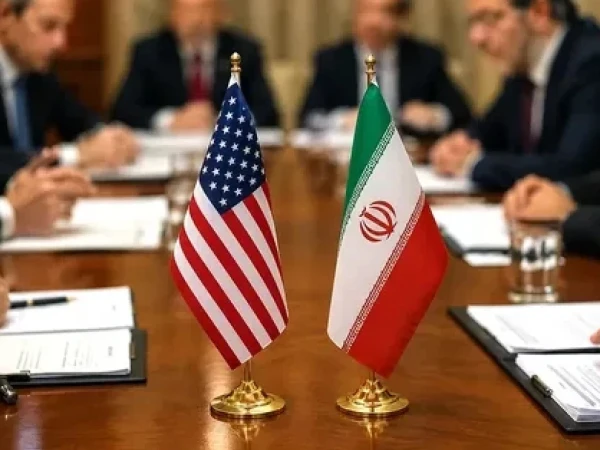
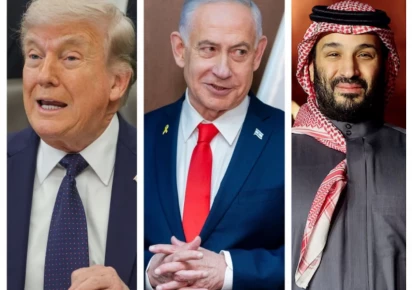
    US President Donald Trump has said that any future civilian nuclear agreement between the United States and Saudi Arabia will depend on the kingdom joining the Abraham Accords, the US-backed agreements aimed at normalising relations with Israel. Trump said Washington has no objection to Saudi Arabia developing civilian nuclear facilities as long as they are used only for peaceful purposes. He stressed that the proposed cooperation would focus on non-military nuclear energy, similar to civilian programmes in other countries. The proposed agreement would allow Saudi Arabia to enrich uranium and develop nuclear reactors with American technology. However, the deal reportedly does not require Riyadh to accept additional international inspections that are designed to detect undeclared nuclear activities. The absence of these extra safeguards has drawn attention because similar measures have been considered important in previous nuclear agreements. Saudi Arabia has been working for years to establish a civilian nuclear programme as part of its broader economic diversification strategy. The kingdom says nuclear energy will help reduce dependence on oil and meet future energy demand. Saudi leaders have also stated in the past that if Iran were to develop nuclear weapons, Riyadh would seek the same capability to maintain the regional balance. The latest remarks come as tensions between the United States and Iran continue to intensify. Iran’s Foreign Ministry warned American military personnel against carrying out attacks on civilian infrastructure. Tehran said targeting facilities such as bridges and power plants could amount to war crimes under international law. Iranian officials argued that following military orders would not protect individuals from legal responsibility if unlawful attacks were carried out. US Secretary of State Marco Rubio said Washington’s main objective remains preventing Iran from obtaining nuclear weapons. He accused Tehran of repeatedly violating agreements and said the Iranian government continues to support armed groups across the Middle East instead of focusing on its economy and people. Rubio also urged Yemen’s Houthi movement to avoid becoming more deeply involved in the conflict. He warned that further attacks could increase instability across the region and create additional security challenges. At the same time, Oman announced that it is working with Saudi Arabia, the United Nations and other regional partners to restart Yemen’s political peace process. Muscat called on all sides to avoid further escalation in the Red Sea and to protect international shipping routes. The Houthis claimed responsibility for missile and drone attacks on two Saudi oil tankers in the Red Sea. The group said the strikes were part of its maritime blockade campaign. Saudi authorities confirmed that one tanker was damaged and caught fire after the attack, while the status of the second vessel remained unclear. The attacks have raised fresh concerns about the security of one of the world’s busiest shipping lanes. Several commercial oil tankers have reportedly changed their routes to avoid the Red Sea, increasing transportation costs and raising fears of further disruption to global energy supplies. Elsewhere in the region, Bahrain activated emergency warning sirens following reports of a possible Iranian attack. Authorities urged residents to remain calm and move to safe locations while monitoring the situation. Jordan also said its air defence systems intercepted several missiles and drones approaching its airspace. The Jordanian military confirmed there were no casualties or damage and said security forces remain on high alert. Meanwhile, Iran’s Revolutionary Guard claimed it had carried out attacks on US military facilities in Jordan and Kuwait. The group alleged that it struck missile defence systems, military equipment and logistical sites. There was no immediate confirmation of those claims from either Jordan or Kuwait.
  • | | | |

    Trump weighs massive strike on Iran

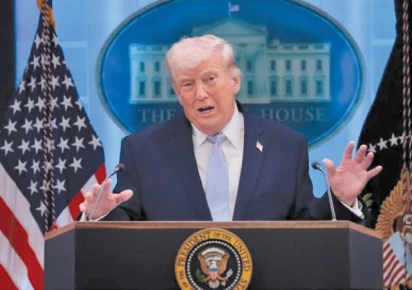
    US President Donald Trump is considering launching a new large-scale military operation against Iran, raising fears of a further escalation in tensions across the Middle East. According to reports, the proposed operation could be larger than previous US military strikes carried out against Iranian targets earlier this year. Trump said he was close to making a decision but stressed that no final order had been issued. He said the United States was fully prepared to act if necessary and claimed military plans were already in place. US officials, however, said no formal authorization for a new attack has yet been given. The US president also said Israel could join any future military operation if requested, although he maintained that American forces were capable of carrying out such an operation on their own. Trump accused Iran of refusing to accept the latest diplomatic proposal presented through mediation efforts. He claimed Tehran was delaying negotiations despite increasing military and economic pressure. The remarks came amid continued efforts by international mediators to prevent the conflict from expanding. The US president also warned that Washington would hold Iran directly responsible if Yemen’s Houthi movement launched further attacks on commercial shipping. His warning followed Houthi claims that they had targeted two Saudi oil tankers in the Red Sea using missiles and drones. Trump said any future attacks on commercial vessels would trigger a strong military response against both the Houthis and Iran. He accused Tehran of supporting the armed group and said the United States would not tolerate threats to international shipping routes. Iran responded sharply to the US statements. Foreign Ministry spokesman Esmaeil Baghaei warned American military personnel against targeting civilian infrastructure, saying attacks on facilities such as bridges and power stations would violate international law. He stressed that military personnel remain legally responsible for carrying out unlawful orders. US Secretary of State Marco Rubio said Washington’s main objective remains preventing Iran from acquiring nuclear weapons. He accused Tehran of repeatedly violating previous agreements and said the Iranian leadership continued to support armed groups across the Middle East instead of addressing domestic economic challenges. Rubio also urged Yemen’s Houthis to avoid becoming more deeply involved in the regional conflict. He said further attacks on Saudi Arabia or international shipping would only increase instability and could trigger broader military action. Meanwhile, Oman said it is working with Saudi Arabia, regional partners and the United Nations to revive Yemen’s political peace process. Omani officials called for restraint from all sides and emphasized the importance of protecting freedom of navigation in the Red Sea. Regional tensions continued to grow as Bahrain activated emergency warning sirens following reports of a possible Iranian attack. Authorities advised residents to remain calm and move to safe locations, although no casualties or damage were immediately reported. Jordan’s armed forces also announced that their air defence systems had intercepted several missiles and drones over the past 24 hours. Military officials said three missiles and six drones were destroyed before reaching populated areas, while another missile landed in an uninhabited location without causing damage. The Houthis said they carried out missile and drone attacks on two Saudi oil tankers as part of what they described as a maritime blockade. Shipping companies have already begun changing routes to avoid the Bab el-Mandeb Strait, increasing concerns over global oil supplies and international trade. Iranian military officials warned that if US attacks continue, Tehran will introduce new military strategies designed to make future operations more difficult for its opponents.

  • | | | |

    US strikes Iran for 13th night as Trump escalates threats

    The United States carried out fresh air strikes on Iran for the 13th consecutive night, further intensifying the military confrontation between the two countries. The latest attacks came as US President Donald Trump warned that Washington is prepared to launch even larger military operations if Iran continues targeting American interests and regional allies. According to the US military, the strikes targeted facilities linked to Iran’s Islamic Revolutionary Guard Corps (IRGC). Officials said the operation was intended to reduce Iran’s military capabilities and protect commercial shipping routes and US forces operating in the Middle East. Reports from Iran said explosions were heard in several parts of the country. Blasts were reported on Qeshm Island as well as in Khuzestan province. Missile strikes were also reported in the cities of Andimeshk and Omidiyeh. In the southern port city of Bandar Abbas, local media reported that attacks on a residential neighbourhood injured at least two civilians. Speaking earlier, President Trump said he was considering the largest military operation against Iran since the conflict began. He stated that preparations were complete and that a final decision could be taken soon if Iran continued its attacks on US allies and military assets in the region. The latest American strikes followed another round of Iranian missile and drone attacks on Bahrain, Kuwait and Jordan. Iranian military officials said the attacks targeted US military facilities stationed in those countries. Tehran described the strikes as retaliation for continued US attacks on Iranian territory and infrastructure. Iran also claimed responsibility for striking a telecommunications tower in Kuwait. Iranian officials said the attack was carried out in response to previous US strikes on communication facilities inside Iran. Kuwaiti authorities later confirmed that hostile drones also targeted the Abdali border crossing with Iraq, raising security concerns along the frontier. Iranian Foreign Minister Abbas Araghchi warned that the country would continue responding to every attack under an “eye for an eye” policy. Military officials said Iran’s retaliatory operations would continue for as long as American forces targeted Iranian infrastructure and coastal areas. The conflict has now spread beyond Iran and the United States, increasing fears of a wider regional war. Yemen’s Houthi movement claimed responsibility for attacks on two Saudi oil tankers in the Red Sea. The group warned that additional energy infrastructure could also become a target if the conflict continues. The growing violence has disrupted security across key maritime routes, including the Strait of Hormuz and the Bab al-Mandeb Strait, both of which are among the world’s most important oil shipping corridors. Continued attacks have increased risks to commercial shipping and raised concerns over global energy supplies. The worsening conflict has also pushed international oil prices above $100 per barrel, reflecting fears of prolonged supply disruptions. Analysts warned that further escalation could place additional pressure on the global economy by increasing fuel prices, disrupting trade and creating greater uncertainty in international energy markets.

  • | | | |

    Four Palestinians killed in Israeli raid on West B…

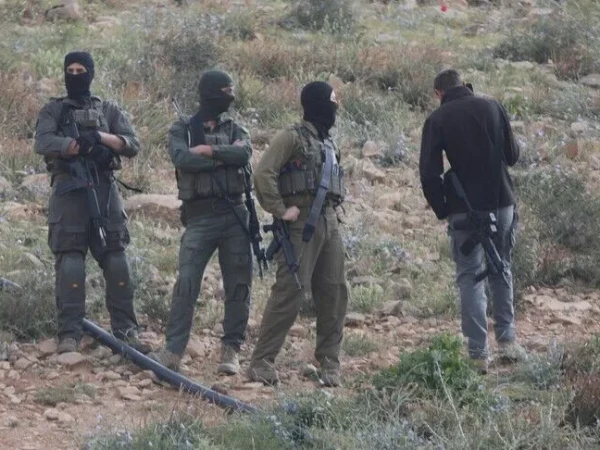
    JERUSALEM: At least four Palestinians were killed and four others wounded after Israeli forces, accompanied by Israeli settlers, launched a raid on a town in the occupied West Bank on Friday, according to Palestinian health officials and local sources. The latest violence took place in the town of Tell, located southwest of Nablus in the northern occupied West Bank, where tensions have continued to escalate amid repeated military operations and attacks by Israeli settlers. The Palestinian Ministry of Health confirmed in a statement that the death toll from the incident had risen to four. It added that four more Palestinians were injured during the assault, with three of the wounded reported to be in critical condition and receiving emergency medical treatment. According to local residents and security sources, Israeli settlers entered the town before Israeli troops moved in, triggering panic among residents. Witnesses said the attackers targeted several residential neighborhoods and opened direct fire at two Palestinian homes. Residents described scenes of chaos as families rushed to take shelter while ambulances struggled to reach the wounded. Emergency crews and local volunteers evacuated the injured under difficult conditions as sporadic gunfire continued in parts of the town. The incident marks another deadly episode in the occupied West Bank, where confrontations between Israeli forces, settlers and Palestinians have intensified in recent months. Rights groups and humanitarian organizations have repeatedly expressed concern over the growing number of civilian casualties and attacks on residential areas. The Palestinian Ministry of Health condemned the killings and called on the international community to take immediate steps to protect civilians in the occupied territories. Palestinian officials have also urged international organizations to investigate the latest incident and hold those responsible accountable. Israeli authorities had not immediately issued a detailed statement regarding the operation or responded to the allegations made by Palestinian officials at the time of reporting. The occupied West Bank has witnessed a sharp rise in violence alongside the ongoing conflict in Gaza, with frequent Israeli military raids, armed confrontations and settler attacks contributing to worsening security conditions across the territory. Friday’s deadly raid in Tell adds to growing international concern over the deteriorating humanitarian situation in the Palestinian territories, as calls for restraint and renewed diplomatic efforts continue to mount. With casualties increasing and tensions showing little sign of easing, fears remain that violence could spread further across the region in the coming days.

  • | | | | |

    Iran warns countries helping US they could also be…

    TEHRAN/BISHKEK: Iran has issued a stern warning to countries that may support any future US military action against the Islamic Republic, saying states that assist or facilitate such operations could also face consequences and be held responsible under international law. The warning came as Iranian officials claimed that a US missile strike targeted a naval headquarters belonging to the Islamic Revolutionary Guard Corps (IRGC) in the country’s northern Gilan province, although the allegation has not been independently verified. Speaking at a regional meeting in Bishkek, Iranian Foreign Minister Abbas Araghchi said any country participating in, assisting or enabling military aggression against Iran would bear legal and political responsibility under international law. “Those who cooperate with or facilitate any act of aggression against Iran will be held accountable,” Araghchi said, adding that Tehran reserves the right to take all necessary measures to defend its sovereignty and national security. His remarks underscore the increasingly confrontational rhetoric between Tehran and Washington amid heightened regional tensions and fears of further military escalation. Meanwhile, Iran’s state news agency IRNA quoted Gilan Deputy Governor Ali Bagheri as saying that US missiles struck an IRGC Navy headquarters located in the coastal area of Zibakenar early Friday morning. According to Iranian officials, the attack damaged equipment inside the military installation. However, authorities said there were no immediate reports of casualties and did not provide additional operational details about the extent of the damage. The United States has not officially responded to Iran’s allegations, and no independent sources have confirmed that such a strike took place. The competing claims come as tensions between the two longtime rivals continue to intensify following a series of military confrontations and accusations exchanged in recent weeks. Regional security analysts warn that increasingly aggressive statements from both Tehran and Washington could further complicate the security environment across the Middle East, particularly if neighboring countries become involved in the dispute. Experts say Iran’s latest warning appears aimed at discouraging regional allies from providing logistical, intelligence or military support to any potential US operation. Such statements also signal Tehran’s intention to broaden accountability beyond direct military participants should hostilities escalate. Diplomatic efforts to reduce tensions have so far produced little visible progress, while both sides continue to exchange sharp warnings and accusations. With neither Washington nor Tehran showing signs of softening their positions, concerns remain that the already fragile regional security landscape could deteriorate further, increasing the risk of a broader confrontation involving additional regional actors.

  • | | |

    Iran unleashes drone barrage on US bases

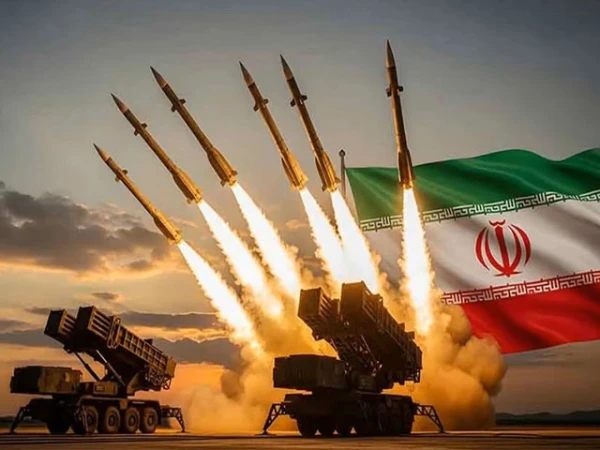
    The conflict between Iran and the United States intensified on Friday as Iranian military officials claimed to have carried out drone attacks on several military facilities used by US forces in Kuwait, Bahrain and Jordan. The developments came after fresh US airstrikes on Iranian targets, signalling another major escalation in the months-long regional confrontation. According to Iranian military statements, “Arash” attack drones targeted US military warehouses and troop positions at Camp Udairi, Camp Doha and Camp Arifjan in Kuwait. Iranian officials said the attacks focused on weapons storage sites, military equipment and logistical facilities. They warned that further military action would continue if attacks against Iran persisted. Iran also claimed responsibility for drone strikes on Sheikh Isa Air Base in Bahrain and Al-Azraq Air Base in Jordan. Iranian state media reported that fuel storage areas, aircraft hangars, maintenance facilities and accommodation used by US personnel were among the intended targets. However, there was no immediate confirmation from the United States, Bahrain, Jordan or Kuwait regarding the reported attacks. Officials in those countries also did not immediately report casualties or significant damage. Meanwhile, US forces reportedly carried out fresh airstrikes on an Islamic Revolutionary Guard Corps (IRGC) naval headquarters in the northern Iranian town of Zibakenar. Iranian authorities said the facility was hit but added that initial assessments showed no casualties. In Iraq, several explosions were reported near Erbil International Airport, where US-led coalition forces are stationed. Witnesses reported hearing air defence systems in operation while drones were seen flying over the area. Smoke was later observed rising near the airport complex. Iranian Foreign Minister Abbas Araghchi warned that any country assisting the United States in military operations against Iran would be held responsible under international law. He said Tehran reserved the right to respond with measures permitted under self-defence. Araghchi also criticised Washington over comments suggesting frozen Iranian assets could be used to compensate for damage caused to commercial shipping. He warned that confiscating another country’s assets would create a dangerous international precedent and undermine global financial stability. The military escalation has also affected global energy markets. Concerns over security in the Strait of Hormuz and the Red Sea have sharply reduced tanker traffic through key shipping routes. Shipping data indicated that only one oil tanker crossed the Strait of Hormuz on Thursday, the lowest daily figure in more than two months. The situation worsened after attacks on Saudi oil tankers in the Red Sea increased fears of further disruption to global energy supplies. Rising tensions pushed international oil prices above $100 per barrel, raising fresh concerns about inflation and the global economy. US President Donald Trump warned that Iran and the Iran-backed Houthi movement would face severe military consequences if attacks on commercial shipping continued. He said Washington was prepared to respond forcefully to any further threats against regional security and international maritime trade.

  • | | | | |

    Iran claims strike on Amazon data center in Bahrai…

    TEHRAN/MANAMA: Iran has claimed that it targeted an Amazon data center in Bahrain in what it described as part of its ongoing retaliatory campaign against the United States, marking a dramatic new allegation that could further heighten tensions across the Middle East. According to Iranian state media, the Islamic Revolutionary Guard Corps (IRGC) said the operation targeted an Amazon facility that it alleged was providing information and technological support to the US military. Iranian officials claimed the installation was successfully struck and destroyed during the operation. However, the statement was not accompanied by any evidence, satellite imagery, or operational details to substantiate the claim. As of Friday, no independent organization had verified that an attack had taken place or confirmed any damage to the reported facility. Neither Amazon, the Bahraini government, nor US officials had issued an official response by the time of publication. There has also been no confirmation from independent monitoring groups regarding the alleged strike or its potential impact. The claim comes amid rapidly escalating tensions between Iran and the United States, with both sides exchanging accusations over recent military operations in the region. Tehran has repeatedly warned that any military bases or strategic facilities used by Washington for operations against Iran would be considered legitimate targets for retaliation. Iranian officials reiterated that stance following the latest announcement, saying that infrastructure allegedly supporting US military activities could face further attacks if hostilities continue. Security analysts say the claim is particularly significant because it involves a major global technology company rather than a conventional military installation. If independently verified, it would represent one of the first publicly acknowledged cases in which Iran has declared a large international technology facility as the target of a military operation. Experts also cautioned that the absence of independent verification makes it impossible to determine whether the reported strike occurred or whether the alleged target sustained any damage. They noted that governments involved in conflicts often release competing narratives, making external confirmation essential before drawing conclusions. The latest claim underscores the growing overlap between military conflict and critical digital infrastructure, raising fresh concerns about the security of data centers and technology assets in regions experiencing geopolitical instability. For now, the reported attack remains an unverified Iranian claim, with the international community awaiting official responses and independent assessments to establish what, if anything, occurred on the ground.

  • | | | |

    Iran says US strikes kill 55, injure 645 as confli…

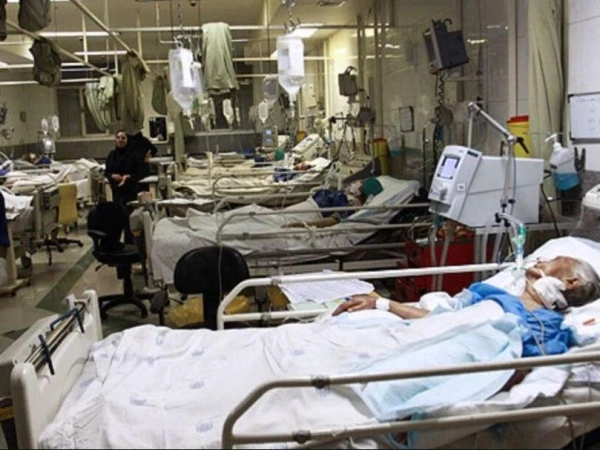
    TEHRAN: Iran’s Ministry of Health has claimed that at least 55 people were killed and 645 others injured in the latest wave of US military strikes across the country, as hostilities between Tehran and Washington continue to escalate. According to Iranian officials, the heaviest casualties were reported in the country’s southern and southwestern provinces, where several sites were allegedly targeted during the attacks. Iran’s state-affiliated Fars News Agency quoted a Health Ministry spokesperson as saying that the death toll had reached 55, while the number of injured had climbed to 645. The ministry described the strikes as among the deadliest incidents since the recent escalation in military tensions. Officials said Khuzestan Province suffered the highest number of casualties, followed by Hormozgan and Sistan and Baluchestan, where hospitals reportedly received dozens of wounded civilians following the attacks. The Health Ministry added that 586 of the injured have already been discharged after receiving treatment, while several others were treated for minor injuries and allowed to return home shortly afterward. According to the ministry, eight people remain hospitalized, with some expected to undergo additional surgeries due to the severity of their injuries. Iranian authorities condemned the attacks as an act of “American aggression” and called on the international community to respond to what they described as violations of international law. Officials urged global organizations to investigate the reported strikes and their humanitarian consequences. As of the time of publication, the United States had not issued an official response to the casualty figures released by Iran’s Health Ministry. The reported death toll and injury count have also not been independently verified, and international monitoring organizations have yet to confirm the claims. The latest figures come as military tensions between Iran and the United States continue to rise, fueling concerns about the humanitarian impact of the conflict and the risk of further regional instability. Security analysts warn that continued military exchanges could deepen the crisis across the Middle East, with civilians increasingly caught in the crossfire. They say the absence of verified information from independent sources makes it difficult to assess the full scale of the damage, but the competing claims from both sides underscore the rapidly evolving nature of the conflict. With diplomatic efforts showing little sign of progress, observers fear that further escalation could lead to additional civilian casualties and heightened security risks across the region, while the international community continues to monitor developments closely.

  • | | | |

    Two Chinese oil tankers safely cross Bab el-Mandeb…

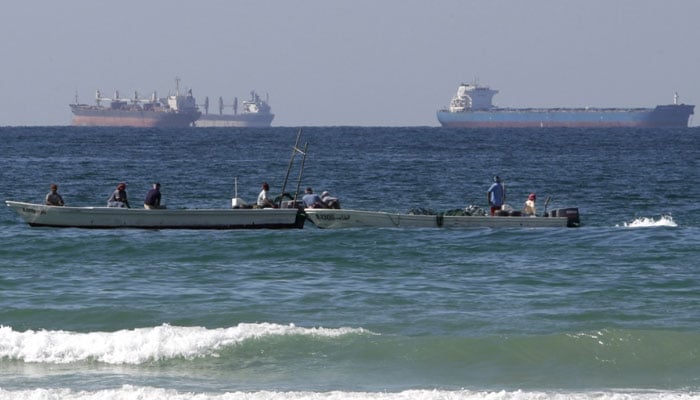
    RIYADH: Two Chinese supertankers carrying Saudi crude oil have safely passed through the Bab el-Mandeb Strait, despite growing security concerns following the Houthi movement’s recently announced naval blockade targeting Saudi-linked shipping. According to international media reports and shipping data, the vessels successfully navigated one of the world’s busiest maritime chokepoints, even as commercial shipping across the region faces mounting disruption due to escalating tensions in the Middle East. The two tankers departed earlier this week from Saudi Arabia’s Yanbu Port, transporting crude oil to China. Maritime tracking data indicated that both ships identified themselves as carrying Chinese crews, a detail analysts believe may have helped reduce the risk of interception while transiting the strategically important waterway. The successful voyage comes at a time when regional shipping routes are under increasing pressure. While the Bab el-Mandeb passage remained open for these vessels, traffic through the Strait of Hormuz has slowed significantly amid heightened geopolitical tensions and security threats. Industry monitoring organizations reported that only one oil tanker crossed the Strait of Hormuz on Thursday, marking the lowest daily traffic recorded since May 7. The sharp decline reflects growing concerns among shipping companies over the safety of vessels operating in the Gulf region. The latest developments follow the Houthis’ announcement of a naval blockade against Saudi shipping, raising fears of further disruptions to global energy supplies. The Red Sea and nearby waterways serve as vital corridors for international trade, with millions of barrels of crude oil passing through them every day. Maritime security experts say shipping companies are increasingly reassessing routes, insurance coverage, and operational risks as tensions continue to rise. Some firms have warned that insurance policies for vessels operating in high-risk conflict zones could become more expensive or even be withdrawn if security conditions deteriorate further. Although the two Chinese tankers completed their journey through Bab el-Mandeb without incident, analysts caution that the broader security situation remains highly volatile. Any escalation involving key maritime routes could have significant consequences for global oil markets, freight costs, and international supply chains. The safe passage of the vessels offers temporary reassurance for energy markets, but observers note that commercial shipping in the region remains vulnerable as geopolitical tensions persist. Governments, shipping operators, and energy traders are closely monitoring developments, with particular attention focused on the strategic waterways that connect the Gulf to global markets.

  • | | | | |

    Iran rejects US ceasefire proposal sent through Ir…

    TEHRAN/WASHINGTON: Iran has reportedly rejected a US-backed ceasefire proposal delivered through Iraq, insisting that any agreement must address the underlying causes of the conflict rather than offer only a temporary halt in fighting, according to a report published by The New York Times. The report said the proposal was conveyed during Iraqi Prime Minister Ali Al-Zaidi’s visit to Tehran after meetings with US officials in Washington. Acting as an intermediary, the Iraqi leader is said to have relayed Washington’s message in an effort to ease rising military tensions between Iran and the United States. According to the report, Iranian officials made it clear that a short-term ceasefire would not be acceptable unless it included concrete solutions to the broader disputes driving the conflict, particularly issues surrounding the Strait of Hormuz, one of the world’s most strategically important maritime routes. While the full details of the reported US proposal were not disclosed, Iranian officials were quoted as saying that a temporary pause in hostilities would do little to resolve the crisis without addressing Tehran’s core strategic concerns. Iranian Foreign Minister Abbas Araghchi confirmed that the Iraqi prime minister had briefed Tehran on his discussions in Washington and shared his observations from the visit. However, Araghchi emphasized that communication channels between Iran and the United States already exist through several regional mediators. “The issue is not the delivery of messages,” Araghchi said, according to Iranian media. “The real problem is Washington’s approach.” He accused the United States of pursuing what he described as an “unreasonable, greedy and controlling” policy that has fueled the current crisis. The report added that Tehran remains committed to its long-standing strategic demands and is unwilling to accept any agreement that it believes undermines Iran’s national interests or regional position. As of the time of publication, the US government had not issued an official response to the New York Times report or to the statements attributed to Iranian officials. The details of the alleged proposal have also not been independently verified. Diplomatic efforts involving Iraq, Qatar, Pakistan, and other regional countries are continuing behind the scenes in an attempt to reduce tensions and prevent a wider regional conflict. However, political analysts say deep disagreements between Tehran and Washington continue to limit the prospects for a breakthrough. The reported rejection underscores the significant obstacles facing mediation efforts, particularly as disputes over regional security, sanctions, and freedom of navigation in the Strait of Hormuz remain unresolved. With military tensions still high and both sides maintaining firm public positions, observers believe a comprehensive diplomatic solution remains difficult despite ongoing regional mediation initiatives.