देश-विदेश

  • | |

    Iran warns of global fallout from attacks on infrastructure

    Iranian Supreme Leader Ayatollah Seyyed Ali Khamenei’s senior adviser, Mohammad Mokhber, has issued a strong warning that any attack on Iran’s critical infrastructure could trigger consequences far beyond the immediate military confrontation and potentially threaten the broader international order dominated by the United States and its Western allies. In a statement, Mokhber said the United States approached conflicts primarily through the lens of military power and strategic calculations, while Iran, in his view, responded according to what he called the “logic of history.” He argued that Tehran’s response to any attack would not necessarily remain confined to conventional military targets or the battlefield. Mokhber warned that strikes against Iranian infrastructure could have significant political, economic and geopolitical repercussions. He claimed that such attacks could destabilise the wider international system and challenge the global order that Western powers had developed over the past 250 years. According to the senior adviser, Iran would view attacks on its infrastructure as a major escalation rather than an isolated military action. He suggested that any attempt to damage Iran’s essential infrastructure could produce consequences across multiple areas, potentially affecting global economic networks, international trade and the strategic balance between major powers. Mokhber further argued that the current global system depends on several key pillars, including political leadership, economic institutions and international markets. He warned that if these pillars were seriously weakened or collapsed, the consequences would extend well beyond the countries directly involved in a conflict. He said that once the foundations of what he described as the existing global order begin to break down, there would be no stable command centre for its leadership and no functioning market structure to support what he characterised as the exploitation of global resources. His remarks appeared to suggest that Iran could seek to challenge the wider systems that support US influence if its own territory and infrastructure came under attack. The warning comes amid heightened tensions between Iran and the United States and growing concerns about the possibility of a broader regional confrontation. Any direct strikes on critical infrastructure could increase the risk of further escalation and draw additional countries into the conflict, depending on the scale and nature of the response. Mokhber’s comments also reflect Tehran’s longstanding position that military pressure against Iran could produce consequences that extend beyond the immediate region. Iranian officials have repeatedly warned that attacks on the country could trigger responses affecting wider strategic and economic interests. At the same time, Mokhber’s statement presents Iran’s potential response as part of a broader geopolitical struggle over the future of the international system. By invoking the historical development of the global order, he sought to frame the issue not simply as a dispute between Iran and the United States but as a confrontation that could have implications for the existing balance of global power. His remarks are likely to attract attention amid continuing concerns over regional stability and the possibility that attacks on strategic infrastructure could lead to an unpredictable chain of events. While Mokhber did not provide specific details about what measures Iran might take, his warning conveyed a clear message that Tehran considers attacks on its infrastructure a red line with potentially far-reaching consequences. The statement underscores the growing importance of infrastructure and economic networks in modern conflicts, where the impact of military action can extend beyond traditional battlefields. Damage to energy facilities, transportation networks and other critical systems can affect national economies and international markets, making infrastructure attacks a particularly sensitive issue in periods of heightened geopolitical tension.

  • | |

    Saudi Crown Prince urges Trump to avoid escalation…

    Saudi Crown Prince Mohammed bin Salman has spoken by phone with US President Donald Trump, reportedly expressing concern over Washington’s plans for major military strikes against Iran. According to international media reports, the Saudi crown prince urged the US president to take steps to reduce tensions in the region and avoid further military action against Iran. The call comes amid growing fears that an escalation between Washington and Tehran could destabilize the wider Middle East and threaten regional security. During the conversation, Mohammed bin Salman reportedly emphasized the importance of pursuing diplomatic channels and finding ways to de-escalate the situation. Saudi Arabia has maintained close ties with the United States while also seeking to avoid a broader regional conflict that could affect the security and stability of Gulf countries. Reports indicate that Qatar, the United Arab Emirates, Türkiye, and Pakistan are also encouraging Washington to reduce tensions and seek a diplomatic solution. The countries have reportedly expressed concerns that any major escalation could have serious consequences for the region and potentially disrupt trade, energy supplies, and maritime routes. Meanwhile, diplomatic contacts appear to be continuing on multiple fronts. Qatari mediators have reportedly been in communication with Iran’s foreign minister, US special envoy Steve Witkoff, and Omani officials as efforts to prevent further escalation gather momentum. The diplomatic activity comes as concerns remain high over the security of the Strait of Hormuz, one of the world’s most strategically important maritime routes. A significant portion of global oil shipments passes through the waterway, making any disruption a major concern for international energy markets. Separately, a US-based website has claimed that negotiators have made some progress toward reaching an agreement aimed at reopening the Strait of Hormuz. However, details of the reported progress remain unclear, and there has been no confirmed announcement of a final agreement from the parties involved. The latest diplomatic efforts suggest that regional and international actors are increasingly pushing for negotiations to prevent the situation from developing into a wider conflict. Any breakthrough in talks could help ease tensions and reduce the risk of further military confrontation in the region.

  • |

    King Charles pays tribute to former British soldier killed on Broad Peak

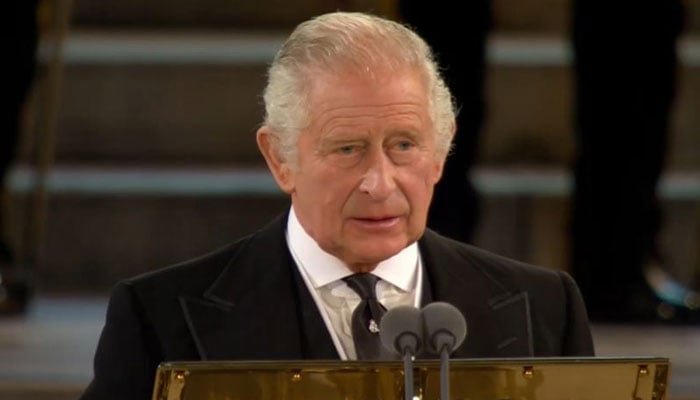
    King Charles III has expressed grief over the death of former British soldier and renowned mountaineer Nirmal Purja, who was killed in an avalanche on Broad Peak in northern Pakistan. According to international media reports, the British monarch paid tribute to Purja’s life and achievements. He said the former soldier had rendered distinguished service in the British Army before becoming one of the world’s most respected high-altitude climbers. King Charles praised Purja for his dedication, courage and outstanding achievements in mountaineering. He acknowledged that Purja earned global recognition after completing several challenging climbing expeditions and inspiring climbers around the world. The monarch said Purja’s contribution extended beyond mountaineering, noting that he had first built an impressive military career before gaining international fame through his record-breaking achievements in the world’s highest mountain ranges. Meanwhile, rescue teams in Pakistan continue recovery operations following the deadly avalanche on Broad Peak. Authorities have confirmed that the bodies of eight climbers who lost their lives in the incident have been recovered. Search and rescue teams are still looking for two missing mountaineers. The operation remains difficult because of harsh weather conditions, deep snow and the challenging terrain of one of the world’s highest peaks. Emergency personnel have continued the mission despite the risks, using all available resources to locate the remaining missing climbers. Officials said the operation will continue until all those affected by the tragedy are accounted for. The avalanche has shocked the international mountaineering community and prompted tributes from climbers, officials and supporters around the world. Many have remembered Nirmal Purja for his remarkable achievements, leadership and commitment to pushing the limits of high-altitude climbing. Broad Peak, located in Pakistan’s Karakoram mountain range, is among the world’s highest mountains and is considered one of the most demanding peaks for climbers because of its extreme weather and difficult climbing conditions.

  • |

    Washington wildfires scorch 250,000 acres

    The US state of Washington is facing one of its most severe wildfire emergencies of the year as rapidly spreading fires continue to burn across vast areas, forcing thousands of residents to evacuate and leaving tens of thousands without electricity. State authorities have declared a state of emergency after wildfires scorched more than 250,000 acres of land. Officials said the total area burned since the beginning of the current wildfire season has now exceeded 450,000 acres, highlighting the scale of the crisis. Governor Bob Ferguson announced emergency measures and imposed a statewide burn ban. He said extremely high temperatures, dry conditions and strong winds have created dangerous conditions that are allowing the fires to spread quickly. Firefighters are battling more than a dozen active wildfires across the state. More than 4,000 emergency personnel have been deployed to contain the blazes and protect communities under threat. The Old Trails Fire has become one of the most destructive wildfires in eastern Washington. The fire is threatening thousands of homes and buildings, particularly around the city of Spokane. Authorities have ordered mandatory evacuations in several areas as flames continue to move toward residential communities. Emergency officials have also evacuated important public facilities as a precaution. These include a Department of Veterans Affairs hospital, a waste-to-energy plant and water treatment facilities. Authorities said the measures were taken to protect patients, staff and essential infrastructure. The wildfire emergency has also disrupted electricity services across eastern Washington. Utility provider Avista reported that around 60,000 customers remain without power because of fire damage and precautionary shutdowns designed to reduce additional risks. One of the largest active blazes is the Kaiser Canyon Fire in northeastern Washington. The wildfire has expanded to nearly 134,000 acres and continues to challenge firefighters because of difficult terrain and rapidly changing weather conditions. Fire crews from more than a dozen US states have joined local emergency responders to strengthen firefighting operations. National Guard personnel have also been mobilised to assist with evacuation efforts, logistics and emergency response. Authorities are using helicopters, aircraft, bulldozers and other heavy equipment to slow the spread of the fires and establish containment lines. Emergency teams are working around the clock to protect homes, businesses and critical infrastructure. Residents in affected communities have been urged to follow evacuation orders without delay and remain informed through official emergency updates. Officials warned that weather conditions could continue to fuel the fires in the coming days. Despite the widespread destruction and the large-scale emergency response, authorities have confirmed that no deaths or injuries have been reported so far. Firefighters continue working to bring the blazes under control while monitoring the risk of new fires across the state.

  • |

    Moscow restaurant bomb blast kills three, injures …

    MOSCOW: A powerful explosion caused by a homemade bomb killed three people and injured at least 21 others outside an upscale restaurant in central Moscow on Saturday evening, prompting a major security operation and a high-level investigation by Russian authorities. According to Russia’s Anti-Terrorism Committee, the blast occurred shortly before 8pm local time near the Balzi Rossi Italian restaurant, located in one of Moscow’s iconic Stalin-era skyscrapers at Kudrinskaya Square. Officials said an unidentified woman carrying the explosive device attempted to enter the restaurant but was stopped by a security guard. Moments later, the bomb detonated, killing the woman, the security guard and a restaurant customer. Police said the injured suffered wounds of varying severity and were rushed to nearby hospitals, while emergency responders secured the area and searched for further threats. Video released by Russia’s state news agency RIA showed heavily armed security personnel and emergency crews surrounding the blast site, which was immediately sealed off as investigators gathered evidence. Authorities have not disclosed the identities of the victims or indicated who may have been behind the attack. Investigators are examining multiple possibilities as the probe continues. The incident comes amid heightened security concerns in Russia, more than four years after the escalation of the war in Ukraine. Earlier this year, Russia’s Federal Security Service (FSB) announced enhanced protection measures for senior military officials following a series of assassinations and attempted attacks that Moscow blamed on Kyiv. Meanwhile, Russian newspaper Kommersant, citing unnamed sources, reported that investigators suspect the explosive device may have been intended to target guests gathered on the restaurant’s outdoor summer terrace. The report also suggested the bomb could have been detonated remotely, raising the possibility that the woman carrying it may not have known she was transporting an explosive. The restaurant’s official website stated that it had been closed to the public on Saturday due to a private event, adding another layer of mystery to the incident. As forensic teams continue examining the scene, authorities have urged the public to avoid speculation while the investigation remains underway. The blast has once again highlighted ongoing security challenges in the Russian capital and raised fresh concerns about public safety in crowded urban areas.

  • |

    Tourist plane crash in Peru kills 13

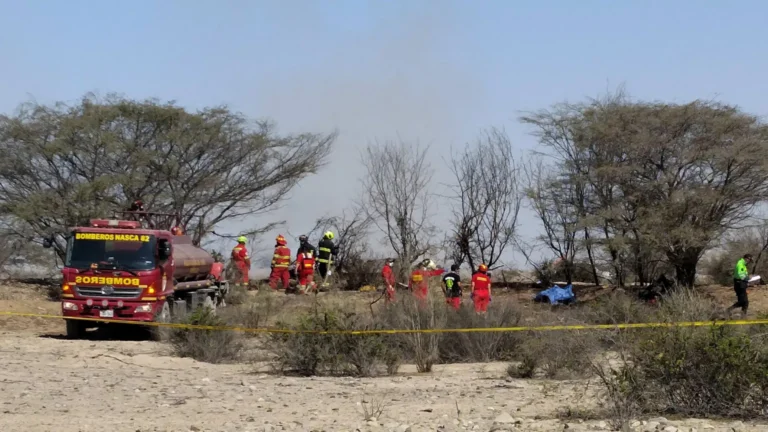
    LIMA: A tourist aircraft crashed in southern Peru on Saturday, killing all 13 people on board during a sightseeing flight over the world-famous Nazca Lines, authorities confirmed. The aircraft, identified as a Cessna Caravan C-208, was carrying 11 foreign tourists and two pilots when it went down near the Nazca archaeological site shortly after taking off from Pisco Airport. According to officials, the passengers included seven Italian nationals, two Germans and two Spaniards. Emergency responders rushed to the crash site, but there were no survivors. Police and rescue teams launched recovery operations immediately after the accident. Authorities said the impact completely destroyed the aircraft, making rescue efforts impossible. Investigators have begun examining the wreckage to determine what caused the crash. The Nazca Lines, a UNESCO World Heritage Site, attract thousands of visitors every year. The enormous ancient geoglyphs, etched into the desert more than 1,500 years ago, are best viewed from the air, making sightseeing flights a popular tourist activity. Local authorities expressed deep sorrow over the tragedy and extended condolences to the victims’ families. The airline operating the flight said it would cooperate fully with investigators and review its flight operations in line with directives from aviation authorities. The accident is the latest in a series of aviation incidents involving sightseeing flights over the Nazca Lines. Similar crashes in previous years have raised concerns about the safety of tourist flights in the region. Officials said a full investigation is underway to establish the exact circumstances behind the fatal crash.

  • |

    Eight Palestinians killed in fresh Gaza strikes

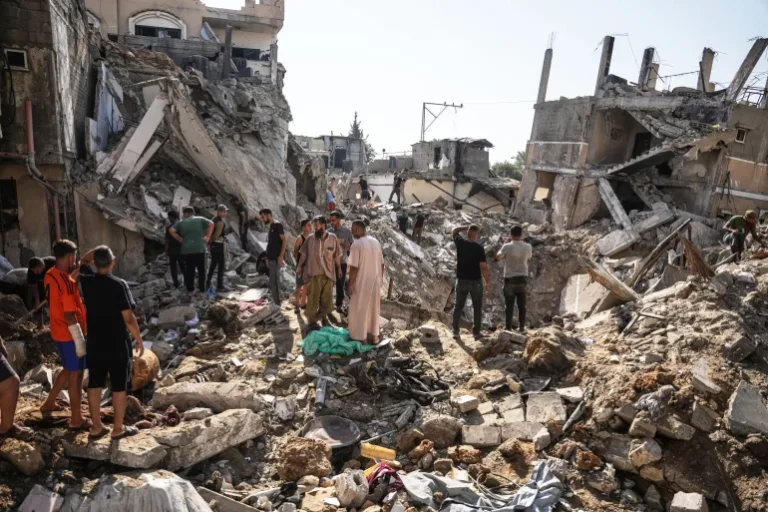
    At least eight Palestinians were killed in fresh Israeli airstrikes across the Gaza Strip on Sunday, according to Gaza’s civil defence authorities, as violence continued despite renewed diplomatic efforts aimed at restoring a ceasefire. Officials said the latest strikes targeted several locations across the enclave, including Deir el-Balah, Khan Younis and Gaza City. Among the victims were a man and a woman who were killed when an Israeli helicopter struck a residential apartment in southern Deir el-Balah. Additional attacks claimed the lives of three people in Khan Younis and another person in Gaza City’s Old City. The latest escalation came just days after the United States unveiled a new roadmap intended to revive the stalled Gaza ceasefire agreement. The proposed plan reportedly includes steps toward Hamas’ disarmament and a phased Israeli military withdrawal from the territory. However, both sides remain divided over the conditions for implementing the proposal. Hamas has maintained that it will only place its weapons under supervision after Israeli military operations end and troops withdraw in accordance with the previously agreed ceasefire framework. Israeli officials, meanwhile, have insisted that any withdrawal depends on what they describe as the complete and genuine disarmament of Hamas. Israeli Prime Minister Benjamin Netanyahu has not publicly commented on the latest proposal, while some members of his coalition have rejected the initiative and called for continued military operations against Hamas. Diplomatic contacts are continuing in an effort to reduce tensions and revive negotiations. Former Palestinian official Mohammed Dahlan said discussions involving senior US representatives were ongoing and focused on securing an end to the fighting, although no breakthrough has yet been announced. Meanwhile, another Israeli strike reportedly destroyed a medical supply warehouse in central Gaza, causing extensive damage and raising further concerns over the humanitarian situation.

  • |

    Idaho restaurant shooting leaves three dead

    IDAHO: A shooting at a busy fast-food restaurant in the US state of Idaho left three people dead, including the suspected gunman, and injured seven others, authorities said. The attack occurred at an In-N-Out Burger restaurant in Twin Falls on Saturday, triggering a major emergency response as police, paramedics and other first responders rushed to the scene. According to local police, the suspect opened fire inside or near the restaurant before the incident came to an end. Officials later confirmed that the gunman was among those killed. The identities of the victims have not yet been released as authorities continue notifying their families. Police Chief Matthew Hicks said officers believe there was only one attacker and assured residents that there is no ongoing threat to the community. Investigators are working to establish the motive behind the shooting and determine the sequence of events that led to the violence. Witnesses described scenes of panic as gunfire erupted. One eyewitness said he saw an armed man carrying a rifle before shots were exchanged. Restaurant employees also rushed to help injured victims, with one worker reportedly pulling a wounded woman to safety while waiting for emergency medical teams. Seven injured people were transported to nearby hospitals for treatment. Officials have not yet released updates on their conditions. Law enforcement agencies have secured the area and launched a full investigation. Detectives are examining evidence, reviewing surveillance footage and interviewing witnesses to understand what triggered the deadly attack. Public officials praised the swift response of emergency services, saying their actions helped secure the scene and prevent further casualties. Authorities have urged anyone with additional information or video footage to assist investigators as the inquiry continues.

  • |

    Gaza students overcome adversity for top results

    Thousands of students across the Gaza Strip achieved success in this year’s Tawjihi high school examinations despite months of conflict, displacement and severe disruptions to daily life, demonstrating remarkable determination to continue their education under extraordinary circumstances. The annual Tawjihi examinations, which play a decisive role in determining admission to universities and future careers, were completed by thousands of Palestinian students who prepared for the tests while living through prolonged instability, damaged infrastructure and limited access to educational resources. Among the success stories were three siblings from Khan Younis who earned outstanding grades after months of dedicated study. Despite facing repeated challenges during the academic year, the family celebrated their achievements, describing education as a source of hope and resilience. The students said the difficult conditions often made it emotionally exhausting to continue studying. However, they remained focused on their academic goals and credited their family for providing encouragement throughout the year. They said their success represented not only personal achievement but also a reward for months of perseverance. The family’s journey was particularly challenging because two of the siblings have physical disabilities, making regular attendance at private tuition difficult. Their parents arranged for teachers to conduct lessons at home, ensuring they could continue their studies despite mobility challenges and the difficult security situation. Their mother said years of continuous support, confidence and determination helped her children overcome obstacles. She expressed pride in their achievements, saying their success proved that dedication and family support can help students overcome even the most difficult circumstances. Education officials said nearly 89,000 students from the occupied Palestinian territories took the Tawjihi examinations this year, while thousands of Palestinian students living abroad also participated. Authorities added that more than 36,000 students from Gaza alone sat for the examinations despite the ongoing humanitarian crisis. Officials also noted the heavy impact of the conflict on the education sector. Hundreds of schools have reportedly been damaged, while many educational institutions remain unusable because of destruction. In many areas, students attended lessons inside temporary shelters, tents or partially damaged buildings where classrooms lacked desks, chairs and basic learning facilities. Teachers continued providing instruction despite the challenging conditions. Many educators said they had to support students emotionally as well as academically because many had lost family members or been forced to leave their homes during the conflict. One mathematics teacher said students often arrived carrying emotional trauma, making psychological support just as important as classroom instruction. She explained that teachers tried to encourage students, helping them remain focused on their studies despite the hardships surrounding them. Several students also shared deeply personal stories of loss. One student who lost multiple close family members during the conflict said completing her examinations became both an emotional struggle and a tribute to her loved ones. Although she celebrated passing the exams, she said the moment was bittersweet because many family members were no longer alive to witness her achievement.

  • | |

    Nirmal Purja’s body recovered after deadly Broad Peak avalanche

    Renowned British-Nepali mountaineer Nirmal Purja’s body has been recovered from Broad Peak in Pakistan, days after a devastating avalanche claimed the lives of members of his international climbing team. Rescue officials confirmed that Purja’s remains were found at an altitude of around 5,700 metres on Sunday. Search teams also located three additional bodies on the mountain, although their identities have not yet been officially confirmed. The fatal avalanche struck the 8,047-metre Broad Peak in the Karakoram mountain range during a climbing expedition. Authorities earlier confirmed that at least 10 climbers from different countries lost their lives in the tragedy. Purja, 43, was leading the multinational expedition when the avalanche occurred. Before his body was recovered, rescue teams had already retrieved the remains of American climber Mallory Geis, Omani mountaineer Nadhira Ahmed Abdullah Al Harthy, and Nepalese climber Pur Bahadur Gurung. Rescue operations continue in the difficult high-altitude terrain, with officials working to recover the remaining victims. The recovered bodies are being transported to a nearby base camp before further arrangements are made. Purja was regarded as one of the world’s greatest mountaineers. Born in Nepal, he later served in the British Army and spent several years with the elite Special Forces before pursuing a career in high-altitude climbing. He gained global recognition in 2019 after completing the ascent of all 14 mountains above 8,000 metres in just 189 days, breaking the previous world record by several years. His remarkable achievement was later featured in the widely acclaimed Netflix documentary 14 Peaks: Nothing Is Impossible. At the time of the accident, Purja was attempting another historic milestone by becoming the first climber to summit all 14 peaks above 8,000 metres twice without supplemental oxygen. His death has prompted tributes from leaders and members of the international mountaineering community. Britain’s Prince William expressed deep sorrow over the loss, describing Purja as an outstanding soldier and one of the world’s finest climbers. Nepalese officials also praised his courage, determination and lasting contribution to mountaineering.