देश-विदेश

  • |

    South Korea records hottest day in history as temperatures reach 42.5C

    South Korea has recorded its highest temperature since weather records began more than 100 years ago, as an intense heatwave continues to grip the country and authorities urge people to avoid outdoor activities. The Korea Meteorological Administration said the southeastern city of Yangsan reached 42.5 degrees Celsius on Sunday afternoon, setting a new national temperature record. Yangsan has remained at the centre of the prolonged heatwave, with temperatures exceeding 40 degrees Celsius for five consecutive days. Other major cities, including Daegu and Busan, have also experienced temperatures climbing into the upper 30s. The extreme weather has forced many people to seek shelter in air conditioned shopping centres, cafes and other indoor spaces. In Seoul, residents gathered in public places with cooling facilities to escape the dangerous heat. Office worker Ju Dong Yeol said staying outdoors had become almost impossible and that spending time in air conditioned buildings was the only practical way to cope with the soaring temperatures. Authorities have issued emergency heatwave alerts in more than 20 areas across the country. The warning system, introduced this year, is activated when the expected heat index reaches 38 degrees Celsius or when actual temperatures are forecast to climb to at least 39 degrees Celsius. Weather officials advised residents to stop all outdoor activities immediately, remain in cool locations and drink plenty of water to reduce the risk of heat related illnesses. The Korea Meteorological Administration also warned that indoor spaces without air conditioning could become dangerous during the ongoing heatwave. Officials encouraged people, particularly children, older adults and those with health conditions, to use designated cooling centres whenever possible. Weather data show that South Korea has experienced a sharp increase in the number of extremely hot days over recent decades. During the past five years, the country has recorded an average of 19 heatwave days each year, compared with only eight days annually during the 1970s. A heatwave day is officially defined as one in which temperatures reach at least 33 degrees Celsius. The severe weather has also disrupted sporting events. South Korea’s professional baseball league cancelled a second consecutive game in the city of Changwon after temperatures climbed to 39.5 degrees Celsius. The Korea Baseball Organisation said the decision was made to protect the health and safety of players, officials and spectators while the heatwave warning remained in effect. Scientists have repeatedly warned that human induced climate change is making extreme weather events such as heatwaves more frequent and more intense around the world. Experts also point to the return of the El Nino climate pattern this year, which increases sea surface temperatures in the Pacific Ocean and can contribute to unusually hot weather in many regions. South Korea is not alone in facing extreme heat. Several European countries have also experienced prolonged heatwaves this summer, with temperatures rising above 40 degrees Celsius in parts of southern and central Europe. Governments across the region have issued health warnings, battled wildfires and advised residents to avoid outdoor activities during the hottest hours of the day. Italy has also placed many of its major cities under the highest level of heat alert as temperatures continue to rise.

  • |

    Death toll from Gansu landslides climbs as heavy rain batters parts of China

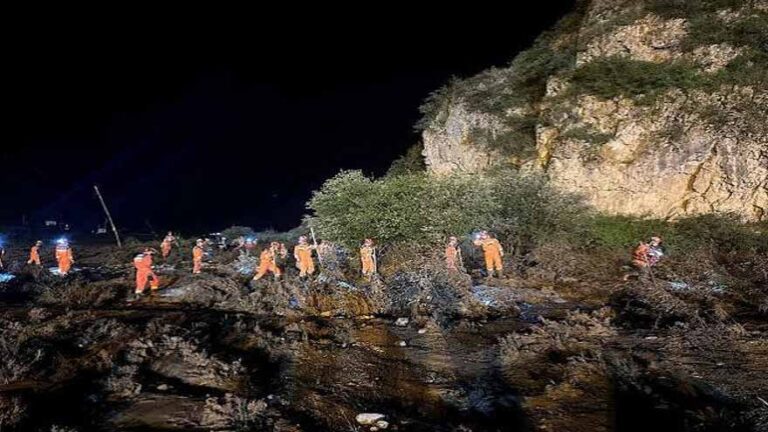
    The death toll from flash floods and landslides in China’s northwestern Gansu Province has risen to 25 as rescue teams continue recovery efforts while heavy rainfall threatens more areas across the country. According to Chinese state media, the disaster struck Weiyuan County in Dingxi City after torrential rain triggered floods and landslides on July 26. Earlier reports had confirmed 10 deaths, but updated figures released on Sunday showed that at least 25 people have now lost their lives while another 23 were injured. Rescue workers remain active in the affected areas as authorities assess the full extent of the damage. China’s National Commission for Disaster Prevention, Reduction and Relief has instructed Gansu provincial authorities to carry out detailed investigations and damage assessments following the deadly disaster. Officials are also working to identify areas at risk of further landslides as persistent rainfall continues during the country’s annual flood season. Local authorities in Gansu have warned residents to remain alert because unstable hillsides and saturated ground could trigger additional landslides, particularly around Dingxi and nearby districts. Emergency services have been placed on standby to respond quickly if weather conditions worsen. The severe weather has not been limited to Gansu. China’s national weather agency issued fresh warnings on Sunday for several regions, including Beijing and Inner Mongolia, where heavy rain, strong winds and thunderstorms are expected. Forecasters said a broad stretch of the country from the southwest to the northeast could experience dangerous weather over the coming days. Sichuan Province has also been hit hard by continuous rainfall. State broadcaster CCTV reported that more than 64,000 people have been evacuated from high risk areas, while over 881,000 residents have been relocated since the beginning of this year’s flood season. Local governments are continuing emergency operations to protect communities vulnerable to flooding and landslides. Weather officials have also warned of another potential threat developing in the western Pacific. Super Typhoon Dolphin is moving towards East Asia and is expected to begin affecting China’s southeastern coastal regions from Wednesday. Authorities are closely monitoring its path and preparing emergency response measures in case the storm brings strong winds and heavy rainfall to coastal provinces. China experiences frequent flooding during the summer monsoon season, with mountainous regions particularly vulnerable to landslides caused by prolonged rainfall. In recent years, extreme weather events have become more common, prompting authorities to strengthen disaster preparedness and improve emergency response systems to reduce the impact on local communities. As rescue and recovery efforts continue in Gansu, officials are urging residents in vulnerable areas to follow weather updates and evacuation orders to minimise the risk of further casualties as heavy rain continues across large parts of the country.

  • |

    Cameroonian President Paul Biya reshuffles military leadership amidst prolonged absence in Switzerland

    Cameroon’s 93-year-old President, Paul Biya, the world’s oldest sitting head of state, has enacted a strategic reshuffle of the country’s military leadership from abroad, issuing decrees to promote senior officers and appoint new commanders while remaining in Geneva, Switzerland. Among the key appointments, Biya promoted five colonels to the rank of brigadier general. Notably, Brigadier General Raymond Jean Charles Beko’o Abondo was reappointed to lead the elite Presidential Guard, an essential security unit responsible for the president’s personal protection that he has commanded since 2013. The administrative shifts coincide with growing domestic anxiety regarding Biya’s absence from Cameroon, which has extended to nearly two months following his departure on 7 June for what officials termed a “brief private stay”. Opponents and civil society groups have voiced concern over an institutional vacuum, noting that a newly created vice-presidential seat remains vacant and a promised cabinet overhaul has yet to materialise. Government representatives, including Communication Minister René Emmanuel Sadi, dismissed claims of administrative paralysis or health crises, maintaining that the president remains fully operational and continues to sign official decrees and financial agreements from abroad.

  • | |

    Ebola outbreak becomes Congo’s deadliest, death …

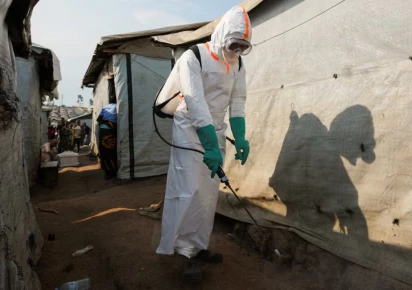
    KINSHASA: The Democratic Republic of Congo is facing its deadliest Ebola outbreak on record, with the death toll reaching 2,325 and confirmed infections climbing to 4,945, according to the latest government figures. The outbreak, declared on May 15, has now surpassed the 2,299 deaths recorded during Congo’s previous worst Ebola epidemic from 2018 to 2020. Health authorities also reported 101 new confirmed cases in a single day, highlighting the rapid spread of the disease. The current outbreak is the country’s 17th and has already become its largest in terms of confirmed cases. Only the devastating West African Ebola epidemic of 2014–2016, which killed more than 11,000 people across Guinea, Liberia and Sierra Leone, has recorded a higher overall toll. Health officials say the outbreak is being driven by major challenges, including weak healthcare infrastructure, insecurity and resistance within some communities. Delays in detecting infections and getting patients into medical care are also contributing to the high death rate. The case fatality ratio has climbed sharply to 46%, compared with around 20% in early June. Public health experts caution that the increase does not necessarily mean the virus has become more deadly. Instead, they say many patients are being identified only after their condition has severely deteriorated or after death. The outbreak is being caused by the Bundibugyo species of Ebola, for which there are currently no approved vaccines or specific treatments. Researchers are assessing experimental vaccines and therapies, but available evidence remains limited. Ebola is transmitted through direct contact with the bodily fluids of infected people, including those who have died from the disease. Symptoms can include fever, vomiting and diarrhoea, while severe infections may lead to internal or external bleeding. The outbreak also crossed into neighbouring Uganda, where authorities confirmed 20 cases and two deaths before declaring the outbreak over last month.

  • |

    Russia questions reported US-Türkiye arms transfer to Ukraine

    Russia has raised concerns over reports that the United States and Türkiye may facilitate the transfer of a large stockpile of American-made weapons and ammunition to Ukraine. Russian Foreign Ministry spokeswoman Maria Zakharova said recently released documents from the US Congress indicate that the proposed shipment could include a substantial quantity of offensive weapons. According to her, the documents refer to 12 multiple rocket launch systems, more than 2,500 unguided cluster munitions for those systems, around 47,000 203mm cluster artillery shells and 70 ATACMS short-range missiles. Zakharova said Moscow was particularly concerned about what she described as unanswered questions surrounding the reported re-export arrangement. She questioned who initiated the proposal, how the weapons would be transported and when the reported shipment could reach Ukraine. The Russian spokeswoman also criticised Washington and Ankara for their alleged involvement, arguing that both countries have previously presented themselves as potential contributors to diplomatic efforts aimed at resolving the Ukraine conflict. According to Zakharova, supplying additional weapons to Ukraine would not fundamentally alter the military situation but could increase the scale of destruction and casualties. She warned that further arms deliveries could also have broader consequences for Russia’s relations with both the United States and Türkiye. Moscow also questioned Türkiye’s position because Turkish authorities have previously made assurances about limiting the supply of lethal weapons to Ukraine. Zakharova said that adopting peace-oriented rhetoric while simultaneously facilitating military support for Kyiv could damage mutual trust between the countries involved. The Russian Foreign Ministry has reportedly sought explanations from both Washington and Ankara following the information contained in the US congressional documents. Zakharova urged the parties involved to reconsider the situation before any reported transfer moves forward. She said there was still an opportunity for the countries concerned to assess the potential consequences of the proposed arms shipment. The allegations come as international efforts to address the Ukraine conflict continue alongside ongoing military operations

  • | |

    Rain fails to dampen Khalistan referendum turnout …

    INDIANAPOLIS: A large number of members of the Sikh community participated in a Khalistan referendum held in Indianapolis, Indiana, despite rainy weather, as organizers called for the creation of an independent Sikh state. The event was organized by Sikhs for Justice, with participants travelling from different cities and states across the United States. Organizers said voting continued despite the rain, with women and children also among those attending. Polling was scheduled to remain open until 6pm, after which organizers were expected to announce the final turnout. Pro-Khalistan slogans were raised during the event, while some participants also expressed support for Kashmir’s independence. Ghazala Habib, chairperson of Friends of Kashmir, addressed the gathering and said she was the only non-Sikh speaker to speak from the stage. Vikramjit Singh, a representative associated with the Khalistan Referendum Campaign, said the initiative was launched in 2020 but faced disruptions because of the COVID-19 pandemic. He said the first voting event under the campaign was held in London on October 31, 2021, attracting thousands of Sikh participants. According to Singh, subsequent voting events were organized in countries including the United Kingdom, Australia, Switzerland, Italy and Canada. He said Canada hosted three events in Toronto, two in Vancouver and another in Calgary, while the United States has held voting in San Francisco, Los Angeles, Washington, DC and now Indianapolis. Singh claimed that nearly two million Sikhs worldwide had participated in the campaign so far. However, the figure could not be independently verified. He accused the Indian government of committing historical injustices against Sikhs, citing the 1984 attack that damaged the Akal Takht and subsequent violence against the Sikh community, as well as what he described as the exploitation of Punjab’s economic resources. Singh said supporters of the movement wanted to pursue their demand through peaceful and democratic means. He called for a formal referendum in Punjab whose outcome, according to him, would have legal and political effect for all parties. Organizers said details of the Indianapolis vote and the next stage of the campaign would be announced after polling concludes. The campaign is expected to hold another referendum in Canada on October 18, although the specific city has not yet been confirmed.

  • |

    Belgium’s record wildfire races toward German bo…

    A wildfire in eastern Belgium has scorched around 3,000 hectares of woodland, peatland and moorland, becoming the country’s largest recorded wildfire and raising fears that flames could reach Germany. The blaze erupted in the High Fens nature reserve, an area known for forests and fragile wetlands. Firefighters, soldiers, farmers and crews from neighboring countries have joined the operation, using helicopters, water-bombing aircraft and ground vehicles to battle the flames. Authorities have evacuated around 600 residents from nearby areas and warned those who left their homes not to return yet. The fire has spread through difficult terrain, while dry vegetation and recent heatwaves have made containment challenging. Rain that began falling on Monday offered firefighters a welcome boost, increasing humidity and lowering temperatures. However, officials remain cautious as the fire continues to threaten parts of the region near the German border. The scale of the blaze has shocked Belgium, with officials saying it is far larger than the previous national wildfire record set in 2011. The disaster comes as much of Europe faces intense heat and drought, conditions that are increasing wildfire risks across the continent. Authorities are investigating what caused the Belgian fire.

  • | | |

    Iran rejects 60-day deadline in US MoU, blames Was…

    TEHRAN: Iran has rejected claims that a 60-day deadline had expired under its memorandum of understanding (MoU) with the United States, saying the agreement never imposed a fixed deadline on Tehran and that its decisions would be guided by national interests and security. Iranian Foreign Ministry spokesman Esmaeil Baqaei made the remarks during a press briefing on Monday as the period referenced in discussions between Tehran and Washington came to an end. “There is no such thing as a 60-day deadline in the text of the MoU,” Baqaei said, according to Iran’s semi-official ISNA news agency. He stressed that Iran would not formulate its policies under pressure, ultimatums or externally imposed time limits. According to Baqaei, the agreement provided a 60-day window for negotiations focused on two key issues — sanctions relief and Iran’s nuclear programme. He said the period could have been extended if the two sides failed to reach an outcome. However, Tehran argues that the understanding became irrelevant after what it described as widespread US violations of the agreement. Baqaei said no talks were ultimately launched under the framework because of Washington’s alleged actions. The MoU was signed on June 18 following weeks of diplomatic efforts aimed at easing the wider Middle East conflict and reopening the strategically important Strait of Hormuz. The waterway is a major route for global energy shipments, making any disruption there a concern for international markets. Tensions later escalated, with Iran accusing the United States of breaching the understanding. Hostilities resumed on July 7, when Iranian forces attacked commercial shipping in the Strait of Hormuz, including a Qatari liquefied natural gas tanker. The United States subsequently carried out several waves of strikes against Iranian military targets. The conflict also expanded beyond the Gulf, with Yemen’s Houthi rebels imposing a naval blockade affecting Saudi Arabia and adding pressure on another vital regional shipping route. Missing pilots Baqaei also raised the issue of three Iranian pilots whose fate remains disputed. Tehran says the pilots went missing during an operation targeting the US Al Udeid Air Base in Qatar in March. Iran now considers the missing men prisoners until their fate is clarified. Qatar, however, denies holding them and says it previously invited Iranian officials to receive details about search-and-rescue operations. Oil spill dispute The Iranian spokesman also blamed US military operations for environmental damage in Gulf waters and called for Washington to be held responsible. Iran recently demanded compensation over an oil slick that reached Qeshm Island, affecting beaches and mangrove areas. Tehran has blamed a foreign vessel for the spill, while outside reports have raised questions over the circumstances surrounding the incident. With diplomacy stalled and tensions continuing around the Strait of Hormuz, Iran’s latest statement signals that Tehran is unwilling to accept Washington’s interpretation of the MoU or negotiate under a deadline.

  • | | |

    Houthis claim two hypersonic missiles fired at Mok…

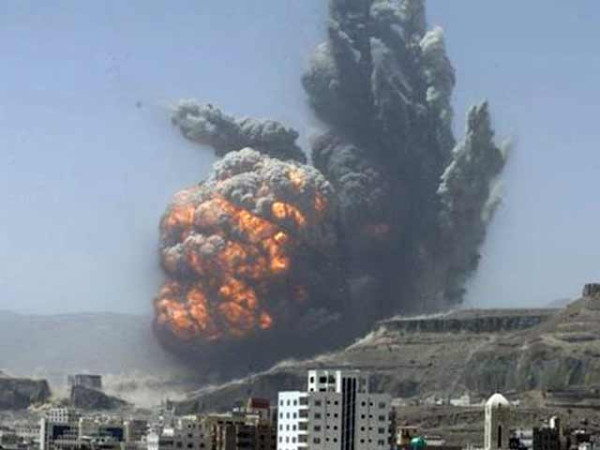
    SANAA: Yemen’s Houthi group has claimed it launched two hypersonic ballistic missiles towards the strategically important Mokha port on the Red Sea coast, adding to growing security concerns around one of the world’s busiest maritime routes. According to Turkey’s Anadolu Agency, the Yemeni military said the two missiles were fired towards Mokha port and the surrounding Red Sea area. However, there was no immediate independent confirmation of whether the missiles reached their intended targets or were intercepted before impact. No casualties or material damage were immediately reported following the alleged missile launches. Mokha, located on Yemen’s western coastline, is an important port area overlooking the Red Sea. The region has remained highly sensitive amid continuing tensions and repeated missile and drone attacks linked to the wider Middle East conflict. The latest claim is likely to raise fresh concerns over maritime security in the Red Sea, where attacks on commercial shipping have previously disrupted international trade and forced some vessels to consider longer alternative routes. The Houthis have repeatedly used missiles and drones in attacks around the Red Sea, saying their operations are connected to the broader regional conflict. Such incidents have drawn international attention because the waterway is a major passage for cargo and energy shipments between Asia, Europe and other global markets. For now, key details surrounding Monday’s alleged attack remain unclear, including the exact type of missiles used, their intended targets and whether any interception took place. The Houthi claim has not been independently verified, and further information from Yemeni authorities or other sources is expected to clarify what happened. With tensions already high across the region, the reported launch underscores the continuing risks facing ports and shipping lanes along the Red Sea.

  • |

    EU plans sweeping new sanctions against Russia

    European Union foreign policy chief Kaja Kallas is preparing a major new sanctions package targeting Russia, describing it as potentially the bloc’s most extensive list since the war in Ukraine began. In an interview with German newspaper Welt, Kallas said she plans to present the proposed measures in the coming months. She said that if the package is approved, the number of sanctioned Russian individuals, companies and organisations could rise by about one-third. Kallas argued that continued pressure on Moscow was necessary and welcomed signs of closer coordination between the European Union and the United States. She pointed to the US Senate’s approval of a sanctions bill earlier this month as a development that could bring Washington and European capitals closer on Russia policy. The EU foreign policy chief also warned of what she described as a growing hybrid threat facing Europe. She cited alleged incidents involving sabotage, espionage and cyberattacks, which she said were frequently linked to Russia. Kallas also referred to recent reports of Russian missiles and drones entering the airspace of Poland and Romania. She said such incidents should not be treated lightly, arguing that Moscow was testing the readiness and defensive capabilities of European countries. She welcomed Germany’s plans to reform its intelligence services, saying stronger intelligence capabilities would be important in responding to emerging hybrid security threats. Kallas also discussed diplomatic efforts involving the United States and Iran. She said negotiations aimed at resolving tensions were continuing but warned that their outcome remained uncertain because of a lack of trust between the two sides. She highlighted the economic consequences of the closure of the Strait of Hormuz, a vital route for global energy and maritime trade. Kallas said freedom of navigation should remain unrestricted and argued that reopening the waterway should be treated as a priority. She also said efforts to prevent Iran from acquiring nuclear weapons should remain an important part of the international agenda. On the Israel-Palestine conflict, Kallas reiterated the European Union’s support for a two-state solution, describing it as the only viable long-term framework for allowing Israelis and Palestinians to live securely alongside each other. She said EU missions were continuing efforts to preserve the possibility of such a settlement and suggested that a US-backed Gaza peace initiative could provide an opportunity for progress.