russia questions reported
|

Russia questions reported US-Türkiye arms transfer to Ukraine

Russia has raised concerns over reports that the United States and Türkiye may facilitate the transfer of a large stockpile of American-made weapons and ammunition to Ukraine.

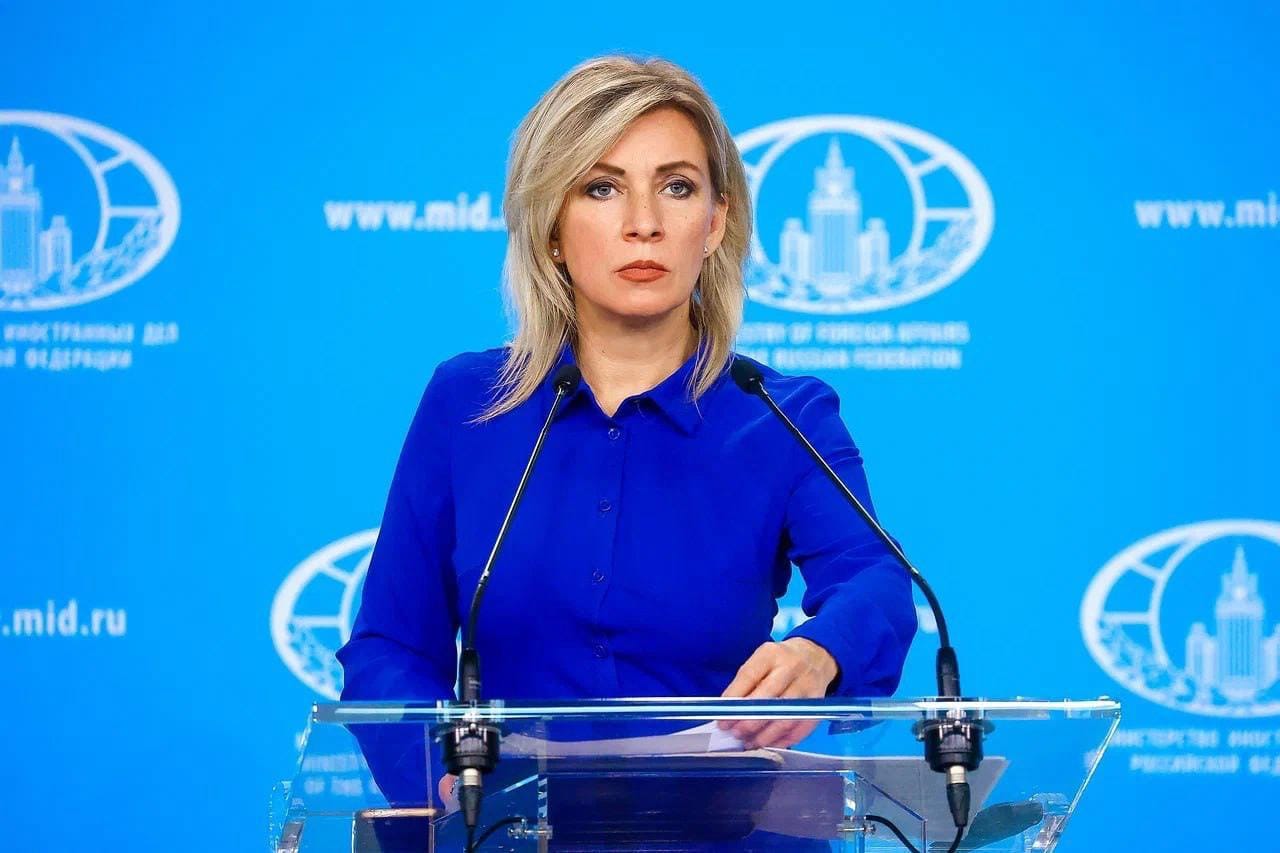
Russian Foreign Ministry spokeswoman Maria Zakharova said recently released documents from the US Congress indicate that the proposed shipment could include a substantial quantity of offensive weapons. According to her, the documents refer to 12 multiple rocket launch systems, more than 2,500 unguided cluster munitions for those systems, around 47,000 203mm cluster artillery shells and 70 ATACMS short-range missiles.

Zakharova said Moscow was particularly concerned about what she described as unanswered questions surrounding the reported re-export arrangement. She questioned who initiated the proposal, how the weapons would be transported and when the reported shipment could reach Ukraine.

The Russian spokeswoman also criticised Washington and Ankara for their alleged involvement, arguing that both countries have previously presented themselves as potential contributors to diplomatic efforts aimed at resolving the Ukraine conflict.

According to Zakharova, supplying additional weapons to Ukraine would not fundamentally alter the military situation but could increase the scale of destruction and casualties. She warned that further arms deliveries could also have broader consequences for Russia’s relations with both the United States and Türkiye.

Moscow also questioned Türkiye’s position because Turkish authorities have previously made assurances about limiting the supply of lethal weapons to Ukraine. Zakharova said that adopting peace-oriented rhetoric while simultaneously facilitating military support for Kyiv could damage mutual trust between the countries involved.

The Russian Foreign Ministry has reportedly sought explanations from both Washington and Ankara following the information contained in the US congressional documents.

Zakharova urged the parties involved to reconsider the situation before any reported transfer moves forward. She said there was still an opportunity for the countries concerned to assess the potential consequences of the proposed arms shipment.

The allegations come as international efforts to address the Ukraine conflict continue alongside ongoing military operations

Similar Posts

  • | |

    KP government orders immediate closure of mines

      The Khyber Pakhtunkhwa (KP) government has ordered the immediate closure of all mines where explosive materials are used, as part of a broader effort to strengthen security and tighten oversight of potentially hazardous substances across the province. According to official directives issued by the Provincial Home Department in Peshawar, all district administrations have been instructed to take immediate action and ensure strict implementation of the government’s orders. The directive emphasizes the need for swift compliance and close coordination among local authorities to enforce the new measures without delay. The Home Department has also directed all districts to prepare and submit comprehensive lists of mines operating within their jurisdictions. These lists will distinguish between mines that use explosives and those that do not. Officials have been instructed to classify all mines using explosive materials under a Red List, indicating that they fall under stricter regulatory scrutiny and are subject to immediate closure or further action. On the other hand, mines extracting soft rock without the use of explosive materials will be placed on a Green List. These mines are considered comparatively safer from a security perspective and may continue operations in accordance with existing regulations, provided they comply with all relevant legal requirements. The department has instructed district administrations to submit both the Green List and the Red List as soon as possible. The reports are expected to provide a clear picture of mining activities across the province and help authorities monitor compliance with the latest directives. In addition to regulating mining operations, the Home Department has ordered strict monitoring of the purchase, sale, transportation, storage, and use of explosive materials. Authorities have also been instructed to closely monitor the movement and use of urea fertilizer, which can potentially be misused in the manufacture of improvised explosive devices if diverted from legitimate agricultural purposes. As part of these measures, all districts have been asked to compile and submit complete district-wise lists of licensed urea dealers. The purpose of collecting this information is to strengthen oversight of the distribution chain and prevent the illegal sale or diversion of urea for unlawful activities. The Home Department has further instructed all relevant officials to submit the required reports and lists without delay. Once these reports are received, the provincial government will review the findings and determine any additional actions that may be necessary. Relevant authorities are expected to take further administrative, regulatory, or legal measures based on the information collected from across the province. The latest directives reflect the KP government’s commitment to enhancing public safety, improving regulatory oversight of mining activities, and preventing the misuse of explosive materials. By introducing a district-wise classification system and increasing surveillance over explosives and urea distribution, the provincial administration aims to strengthen law enforcement efforts and reduce potential security risks associated with unauthorized use of hazardous substances. The implementation of these measures is expected to improve coordination among government departments and ensure greater accountability in the mining and chemical supply sectors across Khyber Pakhtunkhwa.

  • |

    Khairpur Lithium discovery boosts industry plans

    Pakistan has taken a significant step towards developing its first indigenous lithium industry after the discovery of high-quality lithium reserves in Sindh’s Khairpur districtPakistan has taken a significant step towards developing its first indigenous lithium industry after the discovery of high-quality lithium reserves in Sindh’s Khairpur district, opening new opportunities for the country’s mineral and industrial sectors. In a major development, the Oil and Gas Development Company Limited (OGDCL) has entered into a strategic agreement with the Pakistan Institute of Nuclear Science and Technology (PINSTECH) to jointly develop technology for the commercial-scale extraction of lithium from geothermal brine. The collaboration follows the successful identification of high-grade lithium in samples collected from a well located in Khairpur. The discovery is being viewed as a breakthrough that could reduce Pakistan’s dependence on imported lithium while creating new investment and industrial opportunities. Under the agreement, OGDCL and PINSTECH will work together to design and develop advanced extraction technologies capable of recovering lithium efficiently from geothermal brine. The initiative is expected to pave the way for the establishment of a domestic lithium processing industry, supporting the growing global demand for the critical mineral. Lithium is considered one of the world’s most valuable strategic minerals due to its extensive use in rechargeable batteries for electric vehicles, mobile phones, laptops, renewable energy storage systems, and other advanced technologies. As global demand continues to rise, countries with commercially viable lithium resources are increasingly focusing on developing local production capabilities. Officials believe the partnership will strengthen Pakistan’s mineral exploration efforts, promote scientific research, and encourage technology-driven industrial development. The project is also expected to contribute to economic growth by attracting investment, generating employment opportunities, and enhancing the country’s position in the global critical minerals market.

  • | |

    President Erdoğan arrives in Saudi Arabia for tri…

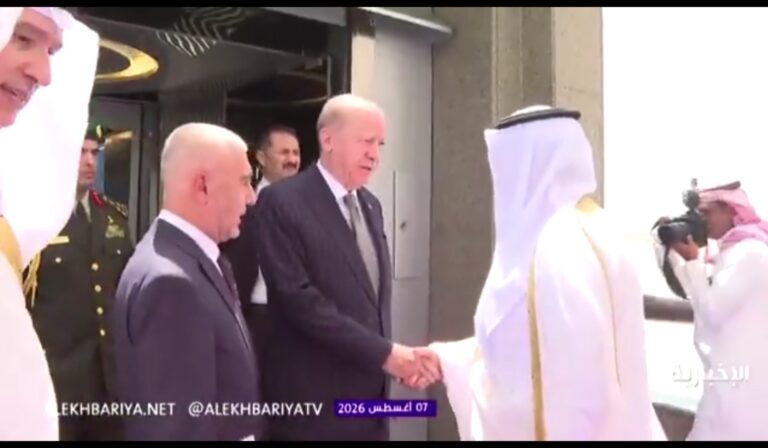
    President of Türkiye Recep Tayyip Erdoğan has arrived in Saudi Arabia to participate in the high-level trilateral summit. President Erdoğan received a warm welcome upon his arrival at Jeddah Airport, with ceremonial scenes reflecting the significance of the visit. The summit is expected to focus on strengthening regional cooperation, enhancing diplomatic engagement, and advancing shared strategic interests amid evolving geopolitical developments in the Middle East. Earlier, Prime Minister Muhammad Shehbaz Sharif was received by Saudi Crown Prince and Prime Minister Prince Mohammed bin Salman bin Abdulaziz Al Saud at Al-Safa Palace in Makkah on Friday, where the two leaders commenced high-level bilateral talks aimed at further strengthening Pakistan-Saudi Arabia strategic ties. The Prime Minister is accompanied by Deputy Prime Minister and Foreign Minister Senator Mohammad Ishaq Dar, Field Marshal Syed Asim Munir, Chief of Army Staff and Chief of Defence Forces, and Defence Minister Khawaja Muhammad Asif.

  • |

    Iran vows to resist new US sanctions as China rejects pressure

    TEHRAN: Iran has vowed to strengthen its economy and find ways to withstand what it calls unjustified US sanctions, as Washington prepares to announce a new package of economic measures against Tehran. Iranian Parliament Speaker Mohammad Bagher Ghalibaf made the remarks during a meeting with Iranian and Iraqi business representatives in Baghdad on Friday. Ghalibaf said economic strength and national security were closely connected. He accused the United States and Israel of using economic and political pressure after failing to achieve their objectives through direct military confrontation. He called for stronger economic cooperation between Iran and Iraq. He also suggested that the two neighbours increase trade using their national currencies to reduce dependence on the US dollar. Ghalibaf said Iran and Iraq should focus on economic development and shared prosperity despite pressure from Western countries. The comments came a day after US Treasury Secretary Scott Bessent announced plans for what he described as the toughest sanctions ever imposed on Iran. Bessent said further details of the measures would be released on Monday. He suggested that maximum economic pressure could reduce the need for another major military operation against Iran. US President Donald Trump has also warned countries and businesses against providing financial or economic support to Tehran. Trump described the planned campaign as an unprecedented effort of economic warfare and isolation. He warned that countries allowing financial institutions, companies, airports or government bodies to provide assistance to Iran could face severe economic consequences. Iran has strongly rejected the US pressure. Its Foreign Ministry described the latest sanctions as economic terrorism and said they would not weaken Iran’s determination to protect its independence and sovereignty. Iranian Foreign Minister Abbas Araghchi also accused Washington of trying to divert attention from economic problems inside the United States. China rejects sanctions strategy China has opposed Washington’s approach and said sanctions and economic pressure would not solve the conflict. Chinese Foreign Ministry spokesman Lin Jian called on all sides to adopt responsible measures and seek a political and diplomatic solution. China has significant economic ties with Iran and remains a major buyer of Iranian oil. Data from energy analytics firm Kpler indicated that China accounted for more than 80% of Iran’s shipped oil purchases in 2025. The issue could further complicate US-China relations. Washington has warned against economic cooperation with Tehran, while China has repeatedly criticised unilateral sanctions. Bessent said the United States was seeking cooperation from its allies and other countries. He argued that China had a strong interest in maintaining stability in the Gulf because a significant portion of its energy supplies comes from the region. The latest sanctions threat comes as the wider Middle East conflict continues to disrupt energy markets and regional trade. Oil prices rose after Trump announced plans for stronger economic measures against Iran. The conflict has affected oil supplies and raised concerns about shipping through the Strait of Hormuz. The strategic waterway handles a significant share of global oil trade and has become a major point of tension during the conflict. The United States and Iran have announced ceasefire agreements on two occasions in recent months, but both arrangements have broken down. Iran now faces growing economic pressure from Washington while attempting to maintain trade and regional partnerships.

  • | |

    Australia defends social media ban for under-16s

    The Australian government has defended its ban on social media use by children under the age of 16, despite new data showing that most teenagers continue to access restricted platforms months after the law came into effect. The legislation, introduced in December, was designed to protect children from the harmful effects of social media on their mental and physical health. The policy attracted international attention, with Australia becoming the first country to implement such a nationwide restriction on underage social media users. A recent report by Australia’s online safety regulator found that more than eight in ten teenagers under the age of 16 were still using social media platforms three months after the restrictions became operational. The findings have highlighted the challenges governments face in enforcing digital regulations. Despite the report, Australian authorities insisted that the policy remains an important step toward creating a safer online environment for children. Officials said the law has already influenced public discussion about online safety and encouraged greater awareness among parents, educators and technology companies. Assistant Minister for Productivity, Competition, Charities and Treasury Andrew Leigh said the government never expected complete compliance immediately after the law came into force. He explained that many public safety laws require time before they achieve widespread compliance. Leigh said the government considers the legislation successful because it has changed the national conversation about children’s use of social media and encouraged stronger action to protect young users from harmful online content. He noted that millions of social media accounts had already been closed or restricted since the implementation of the law. According to the minister, this demonstrates that the legislation is already having an impact, even if some teenagers continue to access online platforms. The government also stressed that technology companies have a major responsibility to ensure compliance with the new rules. Officials said digital platforms must strengthen age verification systems and take effective measures to prevent underage users from creating or maintaining accounts. Regulatory authorities are continuing to assess how well social media companies are implementing the restrictions. They are also examining additional measures that could improve enforcement and ensure technology firms meet their legal obligations. Experts say the latest findings illustrate the complexity of regulating online platforms, particularly as social media has become deeply integrated into the daily lives of young people. They note that effective enforcement will require cooperation between governments, parents, schools and technology companies.

  • | |

    Princess Isabella begins military service, decline…

    COPENHAGEN: Denmark’s Princess Isabella has begun her mandatory military service, becoming the first member of the Danish royal family to complete the country’s full compulsory military training under its updated national service program. The 19-year-old princess, the eldest daughter of King Frederik X and Queen Mary, reported for duty on August 3 after completing her education. She is expected to serve for 11 months as part of Denmark’s expanded military service requirements. In a gesture that has drawn public attention, Princess Isabella has declined to receive the salary and daily allowances provided to military recruits. According to the Danish royal household, she will instead rely on financial support from her parents to cover her personal expenses during training. Her older brother, Crown Prince Christian, previously completed military training, but Isabella is the first royal to undertake the extended compulsory service introduced under Denmark’s revised defense policy. Denmark expanded mandatory military service to include women in 2024 and increased the duration of service from four months to 11 months. The changes were introduced in response to Europe’s evolving security environment, the ongoing war in Ukraine, and growing strategic concerns in the Arctic region. This week, around 1,600 young recruits began their military service across the country, while Denmark is also preparing to deploy personnel to Greenland for the first time as part of its strengthened defense strategy.

Leave a Reply

Your email address will not be published. Required fields are marked *