देश-विदेश

  • |

    Indonesia earthquake death toll reaches 54

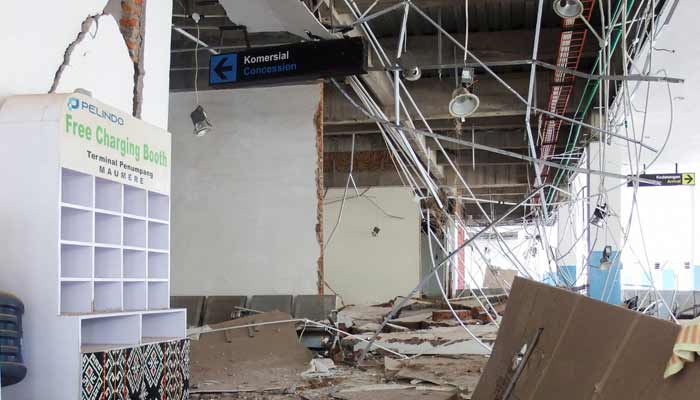
    Rescue teams in eastern Indonesia are preparing to intensify operations after a powerful earthquake killed at least 54 people and damaged hundreds of homes across East Nusa Tenggara. Authorities said the search for people who may still be trapped under collapsed structures would continue on Monday. Rescue officials are also preparing helicopters for aerial surveillance and equipment to remove people from damaged buildings. The earthquake has been followed by nearly 1,600 aftershocks in the affected province, according to local officials. A magnitude 5.6 tremor was also recorded in the region on Monday morning, adding to fears among residents who have been reluctant to return to their homes. The disaster has disrupted Independence Day celebrations across parts of Indonesia. Thousands of residents have been evacuated and many are staying in temporary shelters, tents and other open areas because of concerns about further tremors. Indonesia’s disaster management agency said the earthquake had damaged about 500 houses. Landslides also blocked roads in several areas, including Sikka and Manggarai, making it more difficult for emergency teams to reach affected communities. Survivors have reported shortages of basic necessities, including clean water, food and medical assistance. In one affected village, residents said children had developed diarrhoea because of poor access to safe drinking water. Some injured and vulnerable residents are being treated at makeshift medical facilities. Health authorities are preparing emergency field hospitals and say specialist doctors, including neurosurgeons and orthopaedic surgeons, are needed to treat people suffering from head injuries and broken bones. Authorities are also preparing aircraft to transport food, tents and other relief supplies to communities cut off by damaged roads and landslides. Rescue officials said there were no confirmed reports of missing people at the time of their latest update. However, search teams are continuing to inspect damaged areas to ensure that no survivors remain trapped beneath the rubble. The earthquake has deeply affected local communities, with many residents prioritising safety over the country’s Independence Day celebrations. Some families have moved to higher ground after fearing that further tremors could trigger additional hazards. Indonesia has experienced several major earthquakes in recent years. The latest disaster is being described as the country’s deadliest since a devastating 2022 earthquake in West Java claimed hundreds of lives. With aftershocks continuing and access to some areas still difficult, emergency authorities are focusing on rescue operations, medical treatment and the delivery of essential supplies to affected communities.

  • | |

    Kushner meets Netanyahu to revive stalled Gaza pea…

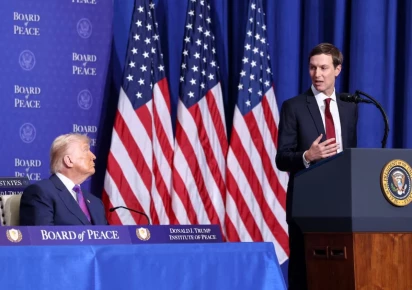
    US President Donald Trump’s envoy and son-in-law Jared Kushner met Israeli Prime Minister Benjamin Netanyahu in Jerusalem on Monday as Washington stepped up efforts to revive its stalled plan for ending the Gaza war. The meeting came a day after Kushner held talks in Cairo with Hamas representatives, including senior leader Khalil Al-Hayya, marking his second known direct engagement with the Palestinian group. Kushner was accompanied in Jerusalem by Trump’s Board of Peace envoy for Gaza, Nickolay Mladenov. The latest diplomatic push comes amid deep disagreements over the implementation of the US-backed Gaza plan. Under the proposal, Hamas and other armed groups would surrender their weapons while Israeli forces would gradually withdraw from Gaza. An international stabilisation force, alongside a new Palestinian police force, would then help maintain security in the territory. Netanyahu, however, has insisted that Israeli troops will not withdraw until Hamas and other armed groups are fully disarmed. Israel has also rejected a separate US-backed roadmap aimed at moving the broader peace plan forward. Diplomats say Israel is unlikely to make major concessions on Gaza ahead of the country’s October 27 election, adding another challenge to Washington’s efforts to break the deadlock. The talks have gained urgency as implementation of the ceasefire framework remains limited, with Israeli strikes continuing in Gaza despite commitments under the US plan. Hamas has said it accepts the proposed disarmament framework but argues that its implementation depends on Israel fulfilling its own obligations, including withdrawing forces and ending attacks. Kushner previously met Hamas officials alongside US envoy Steve Witkoff in October 2025. Those discussions helped produce an agreement that led to a Gaza ceasefire and the release of hostages captured during the October 7, 2023 attack. The latest meetings suggest Washington is seeking to reopen negotiations and bridge the widening gap between Israel and Hamas before the Gaza peace initiative loses further momentum.

  • |

     7 killed in India temple stampede

    At least seven people were killed and several others injured after a massive crowd triggered a stampede outside the Ashok Dham Temple in India’s Bihar state. According to Indian media reports, the incident occurred early Monday morning, the third Monday of the Hindu month of Sawan, when a large number of devotees gathered at the temple to offer prayers. District administration officials reached the scene shortly after the incident and began overseeing rescue efforts as well as measures to bring the crowd under control. Officials said the crowd outside the temple suddenly surged after two trains arrived in the area in the morning. The sudden influx placed heavy pressure on the barricades installed at the site, causing one section to collapse. Several people fell over one another, triggering panic and a stampede. Authorities said they had made arrangements in anticipation of a large turnout. However, the unexpected increase in the number of devotees quickly overwhelmed the arrangements and created a chaotic situation. Rescue teams immediately began evacuating the injured, with around 10 to 15 people initially taken to nearby hospitals for medical treatment. Indian media reports have also cited preliminary information suggesting that an electricity pole fell at the scene and some people may have suffered electric shocks. The incident reportedly caused further panic among the crowd and may have contributed to the subsequent stampede. Authorities are continuing to assess the situation and investigate the circumstances surrounding the deaths and injuries.

  • | | | |

    Trump warns Oman over Strait of Hormuz

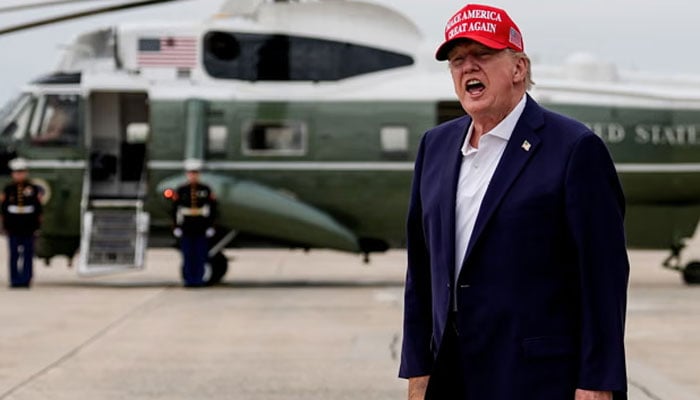
    US President Donald Trump has warned Oman that Washington could launch an attack if Muscat interferes with US efforts in the Strait of Hormuz, according to comments he made in an interview with US media. Trump said the United States would take military action if Oman obstructed American operations in the strategically important waterway. His remarks mark another escalation in Washington’s warnings toward Oman, following a similar threat he reportedly made in May. The US president also said his administration had established a direct, behind-the-scenes communication channel with Iran’s Islamic Revolutionary Guard Corps (IRGC). He did not provide further details about the nature or purpose of those contacts. Trump also sought to underline the scale of America’s military capabilities, saying the United States still has extensive weapons stockpiles. He claimed that the amount of weaponry the US has used so far represents only a small fraction of its available reserves. “We have a lot of weapons left,” Trump said, while indicating that Washington still possesses large quantities of medium-range weapons. The Strait of Hormuz remains a critical global energy route, making any potential military confrontation in the area a major concern for international markets and regional security. Any disruption to shipping through the strait could affect global oil supplies and trigger wider economic and geopolitical repercussions.

  • |

    Iran prepares for possible major war as tensions with US and Israel escalate

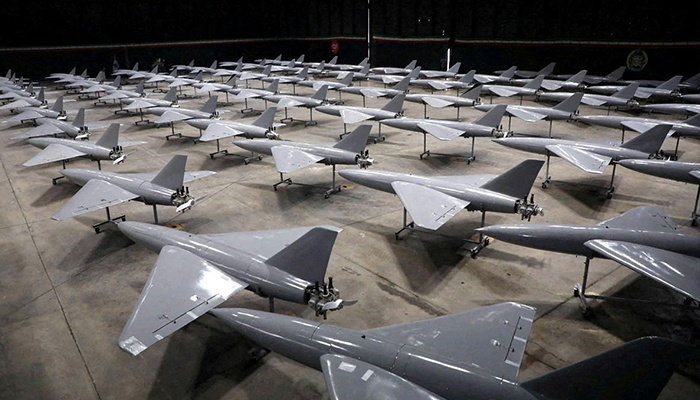
        WASHINGTON: Iran’s hardline leadership has reportedly spent the past two months preparing for a possible major war. The preparations allegedly began after the signing of an Islamabad memorandum of understanding in mid-June. According to the report, Iran’s Islamic Revolutionary Guard Corps (IRGC) was given greater control over the country’s regular military, while officers with experience in the Iran-Iraq War and previous domestic crackdowns were appointed to key positions.   At the same time, Iran expanded its internal counterintelligence operations and accelerated the production of missiles and drones. Iranian leaders also reportedly moved quickly to strengthen their control over the Strait of Hormuz by targeting ships and expanding the potential battlefield toward the Red Sea.   US officials said Arab intelligence agencies had obtained evidence suggesting that Iran’s hardline leadership was pursuing a strategy aimed at expanding the conflict and creating greater difficulties for the United States.   The developments have reportedly caused concern among Gulf countries such as Kuwait. Iranian leaders have increasingly spoken about offensive operations against enemy territory, with the stated objective of inflicting significant damage and preventing a repeat of the attacks Iran experienced during last year’s 12-day war and the current conflict. Mohammad Hassan Sangtarash, a defense analyst considered close to the Iranian government, said there is a widespread view in Iran that “the real war has not started yet.” He described the events so far as limited and gradual escalation intended to weaken the enemy’s capabilities before a potentially larger attack.   Israeli officials are concerned that Iran is rebuilding its infrastructure and restoring access to missile bases much faster than expected. The report claimed that Iran has successfully targeted US bases and retains enough firepower to threaten commercial shipping and energy infrastructure in the Gulf. Iran had been pursuing a dual-track policy. While its diplomats were attempting to negotiate a peace agreement with the United States, Supreme Leader Mojtaba Khamenei was reportedly taking steps to prepare security institutions for a major confrontation that Tehran itself could potentially initiate. Arab intelligence reports cited by the newspaper reportedly indicated that, during the period following the signing of the memorandum, the IRGC sent advisers to allied groups in Iraq, Yemen and Lebanon to help prepare for potentially intensified attacks. The IRGC also allegedly supervised the deployment of missiles, naval weapons and drone launchers at locations overlooking the Red Sea. Officials claimed that Iranian forces provided Yemeni militants with intelligence and lists of potential targets, including Saudi ports and energy facilities, while also offering advice on avoiding Saudi retaliation. The newspaper further reported that the IRGC had warned Gulf states that if the United States attacked Iranian energy facilities, Iran could retaliate against their energy infrastructure. Iranian officials allegedly provided Arab counterparts with detailed lists of individual potential targets. IRGC spokesman Brigadier General Hossein Mohebbi reportedly acknowledged in a July interview with Tasnim News Agency that Iran had used the ceasefire period to strengthen its capabilities, accelerate missile production and improve missile accuracy. Meanwhile, sources close to senior Iranian negotiators reportedly warned that the current peace talks could merely represent a temporary pause before a larger conflict. Mehdi Mohammadi, a strategic adviser to Iran’s chief negotiator, described the current stalemate as the “calm before the storm.” In an earlier statement, Mohammadi also said that Iran still had many scores to settle with US President Donald Trump and claimed that the country was fully prepared for a major confrontation.

  • | |

    Iran says US-Israel attacks damaged 100 commercial aircraft

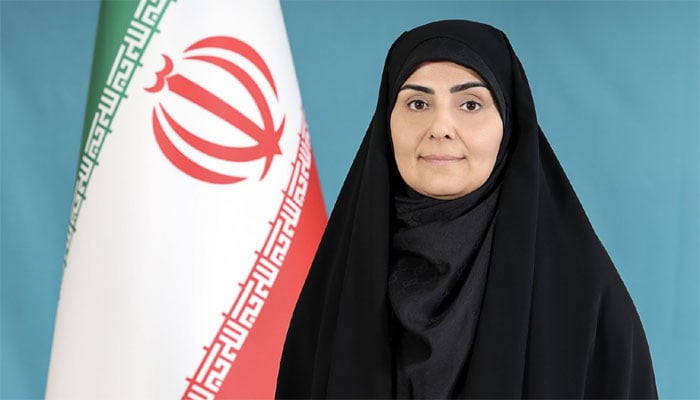
    Iranian Minister of Roads and Urban Development Farzaneh Sadegh has claimed that Iran lost around 100 commercial aircraft during the US-Israeli attacks on the country. She made the remarks during a press conference in Tehran, according to Iranian media. Sadegh said the aviation sector suffered major losses during the conflict. She said airports and other important infrastructure were targeted during the attacks. She added that Iran Air continued operating Hajj flights despite the difficult circumstances. According to the minister, the airline used eight aircraft to operate the flights during the conflict. Sadegh said the damage was not limited to the aviation sector. She claimed that electricity and water facilities were also targeted. Several other key infrastructure installations were reportedly affected. Despite the attacks, transport services continued to operate in several parts of the country. The minister said railway services remained active during the conflict. Road transport also continued. Port operations were also maintained despite the security situation. Sadegh further claimed that the United States and Israel attacked around 400 cities across 25 Iranian provinces. She said the attacks caused extensive damage to civilian and commercial infrastructure. According to her, around 100,000 commercial and residential units were damaged during the conflicts imposed on Iran. The Iranian minister described the damage as extensive. She said the country’s transport infrastructure faced serious pressure during the fighting. The aviation sector was among the areas affected by the conflict. Damage to aircraft and airport infrastructure created additional challenges for domestic and international air travel. Despite these difficulties, Iranian authorities said essential transport operations continued. Railway networks, roads and ports remained operational during the conflict. The Iranian government has repeatedly accused the United States and Israel of targeting civilian infrastructure. Washington and Tel Aviv have presented their own justifications for military operations against Iran.

  • | |

    Iran rejects 60-day deadline for talks with US

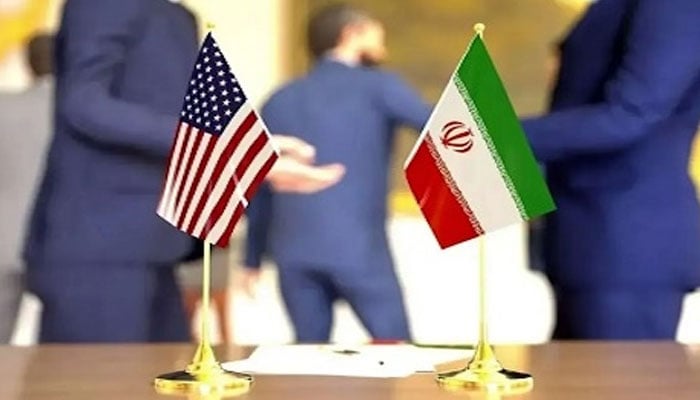
    The 60-day deadline set under the memorandum of understanding between the United States and Iran for negotiations has expired. Iran has rejected the existence of any such deadline, saying the memorandum did not include a condition requiring Tehran to conclude negotiations within 60 days. Iranian Foreign Ministry spokesman Esmail Baghaei said Iran does not make decisions under pressure from deadlines or ultimatums. Baghaei said the 60-day period mentioned in the Islamabad memorandum was related to negotiations on lifting sanctions and resolving the nuclear issue. He further said talks did not even begin because the United States violated the memorandum. The Iranian spokesman also said Pakistan and Qatar were continuing efforts to reduce tensions between Iran and the United States. He said there were no other mediators involved in the process. Baghaei blamed what he described as illegal US actions for insecurity in the Strait of Hormuz. He added that Iran was working with Oman on mechanisms to ensure safe navigation and shipping through the strategic waterway. The remarks come as tensions between Tehran and Washington remain high, with diplomatic efforts continuing to prevent further escalation in the region.

  • |

    Trump aide impersonator texts UK PM, sparking security scare

    A security mystery has emerged after an individual posing as White House Chief of Staff Susie Wiles reportedly exchanged text messages with UK Prime Minister Andy Burnham. The communications have raised concerns in both Britain and the United States. Officials are examining how the impersonator was able to establish contact with the British prime minister. According to reports, Burnham received a limited number of messages from the individual while he was campaigning for office. The communication reportedly continued for a short period after he became prime minister. Sources familiar with the matter said the messages were ultimately considered to be of no significant consequence. However, the incident triggered concerns because the impersonator claimed to represent a senior White House official. The matter was serious enough for the British embassy in Washington to raise the issue directly with the White House. British officials initially considered the possibility that the real Susie Wiles’ phone, contact information or communications may have been compromised. Authorities therefore examined whether the incident involved a wider security breach. The identity of the person behind the impersonation remains unclear. The incident has highlighted the growing risks posed by sophisticated impersonation scams. High-profile political figures are increasingly being targeted by individuals who attempt to gain their trust by pretending to be senior officials or influential public figures. Similar incidents have previously involved prominent American politicians and business leaders. In such cases, scammers have used false identities and digital communications to establish contact with their targets. The latest case has attracted particular attention because of the positions held by the people involved. Wiles is a senior figure within the White House, while Burnham is the UK prime minister. Despite the security concerns, there is currently no indication that sensitive information was exchanged during the messages. Sources described the content of the communications as having no significant impact. Downing Street has declined to discuss the specific details of the incident. British officials have maintained that national security matters are not normally discussed publicly. The White House has also declined to comment on the reported communications or the identity of the impersonator. The incident nevertheless raises questions about how the individual obtained access to Burnham and successfully presented themselves as a senior White House official. Officials are expected to examine the communication trail and other available evidence to determine how the impersonation occurred. The case also highlights the challenges faced by governments in verifying digital identities. Text messages and other online communications can make it easier for individuals to impersonate senior officials, particularly when they use convincing names, photographs or other identifying details. For now, the mystery surrounding the impersonator’s identity remains unresolved. Authorities have not publicly identified the person responsible or confirmed whether the incident was part of a broader campaign.

  • |

    South Korea pushes for US-North Korea talks after Trump cuts drills

    South Korea has called for renewed dialogue between the United States and North Korea after US President Donald Trump ordered a reduction in annual military exercises with Seoul. The South Korean government said it hopes Trump’s relationship with North Korean leader Kim Jong Un can help restart diplomatic engagement between Washington and Pyongyang. President Lee Jae Myung’s office said Seoul was ready to take diplomatic steps to encourage meaningful discussions. The goal, according to the presidential office, is to reduce tensions and promote peace and stability on the Korean Peninsula. The statement followed Trump’s decision to scale back US military exercises with South Korea. Trump said his decision was influenced by his relationship with Kim. In a social media statement, Trump argued that the exercises were expensive and could send an inappropriate or hostile message to North Korea. Trump also referred to the situation involving Iran while explaining his decision. He said he had recently asked the South Korean president whether Seoul wanted to participate in efforts concerning the denuclearisation of Iran, but that South Korea had declined. North Korea had not immediately issued a response to Trump’s announcement. Pyongyang has repeatedly criticised joint US-South Korean military exercises. North Korean authorities have previously described the drills as preparations for a potential invasion and warned that they could trigger a strong response. The latest developments come after President Lee proposed direct discussions with North Korea on Saturday. Lee called for both sides to abandon threats and begin talks aimed at formally ending the long-running conflict on the Korean Peninsula. He said discussions between the directly involved parties could also create an opportunity to explore measures aimed at stopping the expansion of North Korea’s nuclear capabilities. South Korea has long sought greater diplomatic engagement to reduce military tensions with its northern neighbour. However, negotiations between Washington and Pyongyang have remained stalled. Trump and Kim previously held high-level meetings, raising hopes of progress on North Korea’s nuclear programme. Those efforts ultimately failed to produce a lasting agreement. Analysts believe Trump’s latest decision could be intended to create conditions for renewed negotiations. However, they warn that North Korea may demand significant concessions before returning to the negotiating table. Leif-Eric Easley, a professor at Ewha University in Seoul, said Trump’s recent comments about Kim indicated a possible willingness to re-engage with North Korea. Easley also cautioned that Pyongyang has been strengthening its military capabilities while benefiting from its relationship with Russia during the war in Ukraine. He warned that reducing US-South Korean military exercises could create challenges for the alliance. It could also affect coordination between the two militaries and slow South Korea’s efforts to assume greater responsibility for its own defence. The professor further argued that a reduction in military preparedness could weaken deterrence against potential conflicts in the wider Asian region. South Korea now faces the challenge of balancing diplomacy with military preparedness. Seoul wants to use the current opening for dialogue while maintaining security cooperation with Washington.

  • | |

    Iran-US economic pressure war intensifies over Strait of Hormuz

    KARACHI: The economic pressure battle between Iran and the United States is intensifying, with both sides seeking to force the other to back down. The key question now is which side will yield first under mounting economic pressure. According to The Wall Street Journal, the conflict between Iran and the US has expanded beyond the military front and turned into an intense economic confrontation. Both countries are using financial and economic measures in an attempt to gain leverage over the other. The Trump administration has increased sanctions and economic pressure on Iran. Washington has also made lowering global oil prices one of its key objectives in the conflict. US officials are reportedly considering imposing unusually severe financial sanctions on Iran. The measures are aimed at putting greater pressure on Tehran and forcing it to reopen the Strait of Hormuz, a vital route for global oil shipments. Iran, meanwhile, believes that the closure of the Strait of Hormuz and persistently high global oil prices could eventually increase pressure on Washington. Tehran expects the economic impact of higher oil prices to push the US to reconsider or soften its policy towards Iran. The developments have added a major economic dimension to the ongoing confrontation between the two countries. Both Washington and Tehran appear to be relying on economic pressure as a tool to achieve their strategic objectives.