देश-विदेश

  • |

    Strong earthquake shakes Naples area causing outages and transport disruption

    A magnitude 4.7 earthquake struck the Campi Flegrei area near the southern Italian city of Naples on Friday evening, causing power outages, disrupting public transport and damaging several buildings. Authorities said there were no immediate reports of serious injuries, but the tremor prompted widespread concern among residents. According to Italy’s National Institute of Geophysics and Volcanology, the earthquake occurred at 7.46 pm local time. The epicentre was located in the Campi Flegrei volcanic area west of Naples at a depth of around three kilometres, making the shaking strongly felt across nearby communities. The Italian fire service reported minor structural damage to buildings in and around Naples. Emergency crews carried out inspections following the earthquake but said they had not received urgent requests to rescue trapped residents or respond to major incidents. As a safety measure, local authorities temporarily suspended rail and metro services while infrastructure was inspected for possible damage. Power outages were also reported in several areas as utility crews worked to restore electricity. Italian media described the earthquake as one of the strongest recorded in the Campi Flegrei region in recent years. Many residents rushed outdoors after feeling the powerful tremors, with videos shared on social media showing people gathering in open spaces while officials assessed the situation. Campi Flegrei is a large volcanic caldera that covers much of western Naples and is home to hundreds of thousands of people. The area has experienced increasing seismic activity over the past few years, leading the Italian government to strengthen monitoring and emergency preparedness. Although smaller earthquakes occur regularly in the region, stronger tremors have raised fears of a repeat of the seismic crisis that affected Campi Flegrei in the early 1980s. During that period, continuous earthquakes forced thousands of residents to leave their homes and caused widespread disruption across the area. Italy is one of Europe’s most earthquake prone countries because of its location along major geological fault lines. The country has experienced several devastating earthquakes over the past decades, many of which caused heavy loss of life and widespread destruction. One of the most destructive disasters in recent history occurred in central Italy in 2016, when a series of powerful earthquakes struck parts of Lazio, Umbria and the Marche regions. Around 300 people were killed and many towns suffered severe damage. The deadliest earthquake in modern Italian history occurred in November 1980, when a magnitude 6.9 quake struck the Irpinia region in southern Italy. The disaster claimed about 2,700 lives and destroyed or severely damaged hundreds of towns and villages. Officials continue to monitor seismic activity around Campi Flegrei following Friday’s earthquake, while inspections of buildings and transport infrastructure remain underway to ensure public safety.
  • |

    Google’s new AI satellite image tool raises fears over fake visuals

    Google has introduced a new artificial intelligence feature for Google Earth that allows users to create AI generated images using satellite, aerial and three dimensional mapping data. While the company says the tool is designed to support creative and practical uses, researchers and digital investigation experts have expressed concern that it could make it easier to produce convincing fake satellite images. The new feature, called Create Image, was launched on Thursday and uses Google’s Nano Banana 2 image generation technology. It enables users to zoom into locations on Google Earth and generate realistic visualisations within seconds using existing mapping data. Google said the tool is intended to help people visualise historical scenes, develop real estate plans and explore other creative projects. However, experts who specialise in verifying online content warn that the technology could be exploited to spread false information and manipulate public opinion. Open source intelligence researchers say Google Earth has long been considered one of the most trusted resources for checking locations, analysing events and verifying images. They fear that adding AI generated content to the platform could blur the line between authentic satellite imagery and fabricated visuals. Digital investigations expert Henk Van Ess criticised the update, arguing that Google spent years building public trust in its mapping service but has now introduced a feature capable of generating fictional scenes. He warned that even if an AI generated image is not perfect, it could still appear believable because it is linked to a platform widely regarded as reliable. Brady Africk, a research analyst at the American Enterprise Institute who specialises in satellite image analysis, also raised concerns about the technology. He said the update makes it easier to create realistic fake satellite images that could spread rapidly on social media and mislead the public. According to Africk, the growing availability of AI generated imagery could also weaken confidence in genuine satellite photographs. He warned that journalists, researchers and fact checkers may find it increasingly difficult to distinguish authentic images from manipulated ones, making investigations more challenging. In response to the criticism, Google said all images created through the new feature include its SynthID digital watermark technology. The invisible watermark is embedded into AI generated content to help identify that it was produced using Google’s artificial intelligence tools. The company also said users can ask its Gemini chatbot to check whether an image contains a SynthID watermark, providing an additional method for verifying AI generated content. The launch comes as technology companies continue expanding the use of generative artificial intelligence across their products. At the same time, governments, researchers and technology experts are calling for stronger safeguards to prevent AI tools from being used to create misleading content or spread disinformation.

  • |

    US makes visa bond programme permanent, raises limit to $20,000

    The United States has announced that its visa bond programme will become permanent, introducing stricter financial requirements for certain foreign travellers seeking business and tourist visas. Under the new policy, US consular officers will have the authority to require applicants from 50 countries to post a refundable bond of up to $20,000 before a visa is issued. The programme applies to B1 (business) and B2 (tourist) visas and is aimed at reducing the number of visitors who overstay their visas. According to a notice published in the Federal Register, the decision follows the completion of a pilot programme launched in 2025. Officials said the trial demonstrated that visa bonds could be an effective tool for improving compliance with US immigration rules. The new regulation will officially take effect on August 3. During the pilot phase, applicants could be asked to pay bonds of $5,000, $10,000, or $15,000. The updated rule removes the $5,000 option and increases the maximum bond amount to $20,000, giving consular officers greater discretion when assessing visa applications. The programme covers citizens of 50 countries, with 30 of those nations located in Africa. US authorities say the selection is based on factors such as visa overstay rates and immigration compliance. The move is part of President Donald Trump’s broader immigration agenda, which focuses on tightening border controls and strengthening enforcement of immigration laws. The administration argues that stricter visa policies are necessary to protect national security and discourage individuals from remaining in the United States beyond the period allowed by their visas. However, immigration advocates and civil rights organisations have criticised the decision, saying the higher financial burden could discourage legitimate travellers, including tourists and business visitors, from applying for US visas. They also argue that recent immigration measures have made legal entry into the United States increasingly difficult through higher fees, expanded social media screening, and stricter visa requirements.

  • |

    Moroccan migrants return home after failed bid to reach Europe

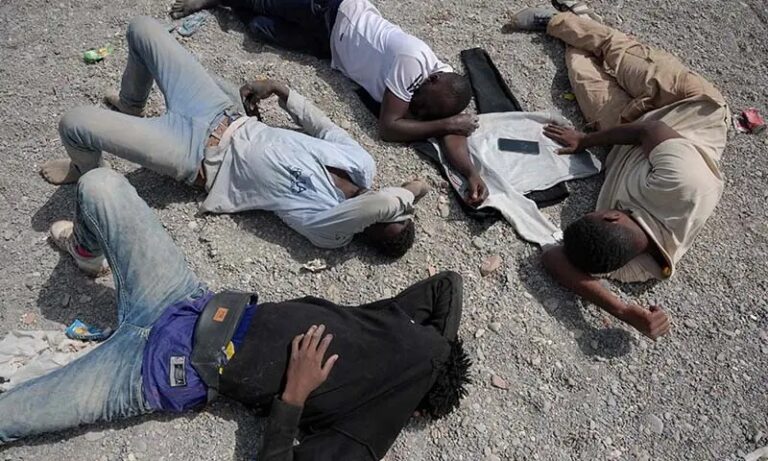
    Thousands of Moroccan migrants who entered Spain’s North African enclave of Ceuta this week have begun returning home after their hopes of reaching mainland Europe faded. Many said they were driven back by hunger, exhaustion and difficult living conditions, while others claimed they faced hostility after arriving in the Spanish territory. Several returnees said they had decided to cross into Ceuta after watching viral social media videos and receiving messages from friends claiming the heavily guarded border could be breached. Believing they had a chance to build a better future in Europe, many left their jobs and travelled to the border. However, after reaching Ceuta, migrants discovered there was no clear route to mainland Spain. Many said they became stranded in the enclave with limited access to food, water and shelter. One migrant said he survived for three days by drinking only water because he could not afford food. He described the cost of basic meals as extremely high and said life in Ceuta was far more difficult than he had expected. Returning migrants also claimed that many supermarkets and shops remained closed, making it difficult to buy essential supplies. Some spent days in wet clothes after swimming across the border and struggled to find safe places to rest. Several migrants alleged they were forced to leave certain neighbourhoods by local residents, although those claims could not be independently verified. Spanish authorities confirmed that two people suffered minor injuries in separate knife attacks and said one suspect had been arrested. Officials added that no deaths linked to the incidents had been reported. The large influx also affected businesses on both sides of the border. In the Moroccan border city of Fnideq, hotels and restaurants faced staff shortages after several workers crossed into Ceuta. Some employers have already begun looking for replacement workers as many employees remain missing. Meanwhile, daily life in Ceuta has gradually started returning to normal. Cafes have reopened in parts of the city, while police continue to maintain a strong security presence. Many businesses, however, remain closed as authorities monitor the situation. Aid workers said migrant reception facilities are operating at full capacity, with thousands of people still believed to be inside the enclave awaiting assistance or decisions on their future. Local residents expressed mixed emotions over the crisis. While many admitted the sudden arrival of thousands of migrants created fear and uncertainty, others said they sympathised with the young people, arguing they had been misled by false hopes of an easier route into Europe.

  • | | |

    US embassy alerts citizens over worsening security…

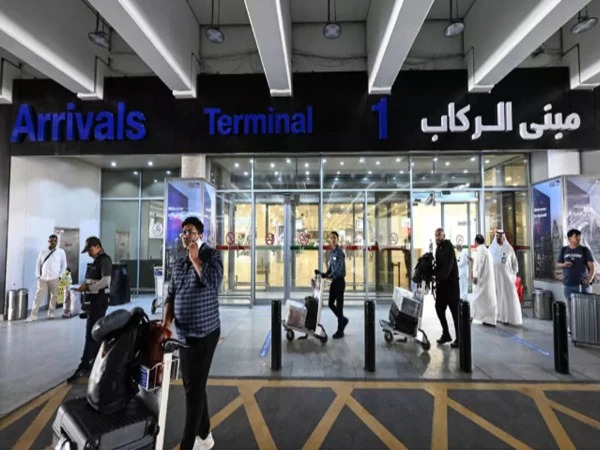
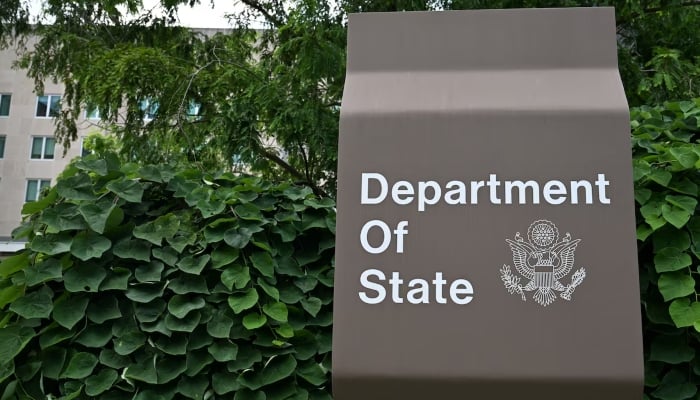
    The United States has issued a fresh security advisory for its citizens across the Middle East, urging them to remain vigilant and be prepared for possible evacuation as regional tensions continue to rise. The warning comes amid growing concerns over the security situation, with US officials cautioning that conditions could deteriorate without notice. Through its embassies in Israel, Bahrain, Iraq, Jordan, Kuwait, Lebanon, Oman, Qatar, Saudi Arabia, and the United Arab Emirates, the US government advised American citizens to consider leaving the region if it is safe to do so or to be ready for immediate departure should the security environment worsen. According to the advisory, the current instability has increased the risk of unexpected security incidents, flight disruptions, and temporary airspace closures. Travelers were warned to expect airline cancellations, delays, and changes to flight schedules, and to remain informed through official sources and their airlines before making travel plans. The US Embassy in Oman noted that several airlines have delayed the resumption of scheduled services, while others have canceled flights on specific routes due to the evolving regional situation. Americans in the region were encouraged to review their travel plans and prepare for rapid evacuation if circumstances require. The advisory also urged US citizens outside the Middle East to carefully reconsider any plans to travel to the region or transit through it. Travelers were advised to monitor the latest airport and airline updates before departure and remain aware of changing security conditions. US officials warned that American diplomatic facilities, businesses, and other interests have previously been targeted during periods of heightened regional tension. The statement added that threats to US interests could extend beyond the Middle East and emphasized that areas previously considered safe may also face increased risks. The US Embassy in Jordan specifically advised American citizens to avoid visiting military installations and to stay informed through local government alerts, including emergency sirens and public safety announcements. Citizens were encouraged to follow instructions from local authorities and regularly check updates from the US Embassy. As part of the advisory, Americans were also instructed to avoid demonstrations, large public gatherings, and areas with a heavy security presence. They were encouraged to maintain a low profile, monitor local media, and remain alert at all times. The State Department further recommended enrolling in the Smart Traveler Enrollment Program (STEP), which enables the US government to provide security updates and facilitate communication with citizens during emergencies.

  • | | |

    Pakistan stands with Nepal after broad peak avalan…

    Pakistan has expressed solidarity with Nepal following the tragic avalanche on Broad Peak in the Karakoram mountain range, where members of an international mountaineering expedition were caught in a deadly snow slide. Prime Minister’s Adviser on Inter-Provincial Coordination, Senator Rana Sanaullah, said Pakistan shares the grief of the Nepalese people and remains committed to supporting rescue efforts. According to Rana Sanaullah, the avalanche struck a team of 10 international climbers attempting to scale Broad Peak. The expedition included six climbers from Nepal, along with mountaineers from Pakistan, the United States, China, and Oman. He said the Government of Pakistan immediately prioritized search and rescue operations after the incident. So far, the bodies of four climbers have been recovered, including Nepalese mountaineer Pur Bahadur Gurung. Rescue teams continue to search for the remaining missing climbers despite difficult terrain and severe weather conditions. Rana Sanaullah stated that the Pakistan Army and other relevant agencies are carrying out extensive rescue operations using helicopters, drones, and all available resources. He noted that challenging weather and the remote mountainous landscape have made rescue efforts extremely difficult, but authorities remain fully committed to locating the missing climbers. The adviser explained that search teams are utilizing GPS tracking, aerial surveillance, and ground search missions to maximize the chances of finding those still unaccounted for. He emphasized that rescue operations will continue without interruption until every possible effort has been exhausted. Expressing condolences to the families of the victims, Rana Sanaullah said Nepalese climbers, along with other international mountaineers, are highly respected in Pakistan for their contributions to global mountaineering. He added that Pakistan values its long-standing friendship with Nepal and stands with the families affected by the tragedy during this difficult time. He further reaffirmed that the government will continue to deploy all available resources until the search mission is completed. Pakistan, he said, remains committed to assisting the international climbing community and ensuring that every effort is made to locate the missing members of the expedition. The Broad Peak avalanche has once again highlighted the dangers of high-altitude mountaineering in the Karakoram, where unpredictable weather, avalanches, and challenging terrain continue to pose significant risks even to experienced climbers. Authorities have pledged to maintain rescue operations while closely monitoring weather conditions to ensure the safety of rescue personnel.

  • | |

    Explosion reported near oil tanker off Oman coast,…

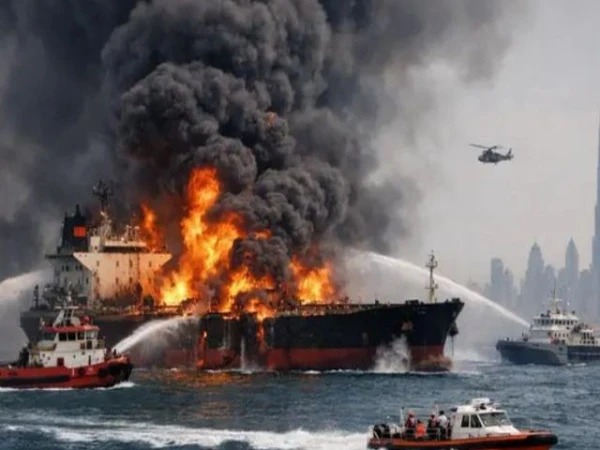
    A powerful explosion was reported near a commercial oil tanker off the coast of Oman on Saturday, raising fresh concerns about maritime security in one of the world’s most strategically important shipping routes. Authorities have launched an investigation into the incident, while no casualties or damage have been reported so far. According to the United Kingdom Maritime Trade Operations (UKMTO), a commercial vessel reported hearing a loud explosion followed by a large splash in the water near its location. The incident occurred approximately 21 nautical miles (39 kilometers) northeast of Khasab, Oman, close to the Strait of Hormuz. Initial reports indicate that the explosion took place near the tanker rather than on board the vessel. The ship continued its voyage without reporting any structural damage, and there have been no reports of injuries among the crew. In an official advisory, UKMTO confirmed that the cause of the explosion remains unknown and that investigations are ongoing. Authorities have not identified the source of the blast or determined whether it was the result of an accident, a security incident, or another cause. Following the incident, UKMTO urged all commercial and cargo vessels operating in the Strait of Hormuz and surrounding waters to exercise extreme caution. Ship operators were advised to immediately report any suspicious activity, explosions, or security threats to the relevant maritime authorities. The Strait of Hormuz is one of the world’s busiest and most strategically significant maritime chokepoints, serving as a vital route for global oil and liquefied natural gas exports. Any security incident in the area is closely monitored by governments, shipping companies, and energy markets because of its potential impact on international trade and energy supplies. The reported explosion comes at a time of heightened tensions across the Middle East, with regional security concerns continuing to affect maritime operations. Although no link has been established between the blast and any ongoing geopolitical developments, the incident has renewed attention on the safety of commercial shipping in the Gulf region. Maritime authorities are expected to release further details once the investigation progresses. Until then, vessels navigating the area have been advised to remain alert, follow official guidance, and maintain close communication with regional maritime security agencies.

  • | | |

    US General warns more warships are needed to defen…

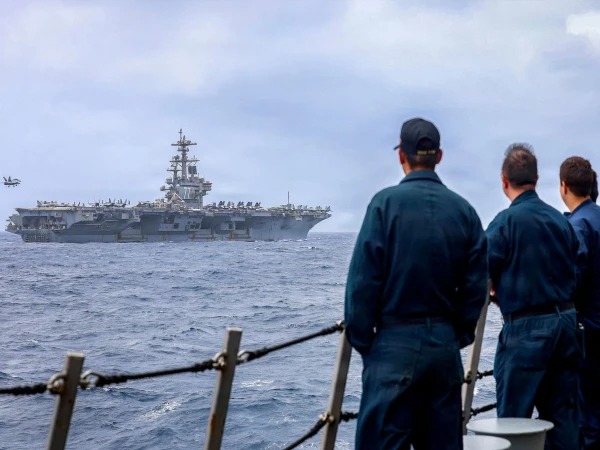
    A senior US military commander has reportedly warned the Pentagon that without additional naval resources, the United States may be forced to prioritize its own national defense over the defense of Israel. The reported warning underscores the growing strain on American military capabilities amid the ongoing conflict involving Iran. According to a report by The Washington Post, General Alexus Grynkewich, the top US military commander in Europe, informed Pentagon officials this week that the number of US Navy destroyers currently available is insufficient to continue defending Israel against ballistic missile threats while maintaining broader US security commitments. The report states that General Grynkewich submitted a written assessment to senior Pentagon leaders, warning that unless another guided-missile destroyer is assigned to his command, he may have no choice but to give priority to defending the United States rather than supporting Israel’s missile defense. US defense officials quoted in the report said the message reflects a long-standing military practice in which commanders notify the Pentagon when operational demands begin to exceed available resources. Such assessments are intended to help civilian and military leaders make decisions about force allocation and strategic priorities. The reported warning comes as the conflict involving Iran has placed increasing pressure on US military assets over the past several months. Continuous naval operations, missile defense missions, and regional security responsibilities have stretched the availability of key warships and other defense resources. US Navy destroyers stationed in the eastern Mediterranean have played a significant role in supporting Israel’s defense by helping intercept ballistic missiles and other aerial threats. Equipped with advanced radar systems and missile defense capabilities, these vessels have also been used to counter attacks launched by Iran-backed Houthi forces operating from Yemen. The report noted that US European Command is responsible for coordinating military operations across Europe and the Mediterranean while also maintaining readiness to respond to potential security challenges involving NATO allies. Balancing these commitments with operations in the Middle East has become increasingly difficult as demand for naval assets continues to grow. Despite plans to expand the US naval presence in Europe with an additional destroyer later this year, officials reportedly remain concerned about maintenance requirements and operational fatigue affecting the existing fleet. The report also said additional US naval forces, including aircraft carriers and multiple destroyers, remain deployed in the Arabian Sea and the Red Sea to support regional operations and safeguard commercial shipping routes. The reported warning highlights the strategic challenges facing US defense planners as they seek to balance commitments to allies with broader national security priorities amid rising tensions in the Middle East

  • | | |

    Thousands of migrants leave Spain’s Ceuta after …

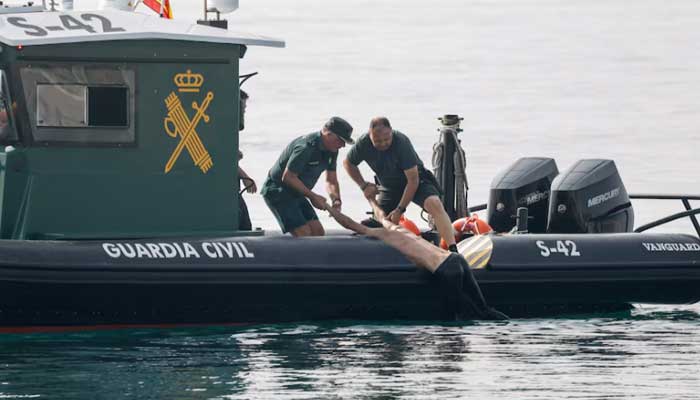
    Thousands of migrants have returned to Morocco after spending several days in Spain’s North African enclave of Ceuta following one of the largest attempted border crossings in the territory’s history. Many migrants said they left because of hunger, exhaustion, and disappointment after finding limited support and few opportunities in Ceuta. Spanish soldiers and Civil Guard officers guided groups of migrants back toward the Moroccan border crossing on Saturday. Many of those returning were young men who appeared physically exhausted after days of wandering through the city with little food or shelter. Some were barefoot, while others carried Red Cross blankets after receiving emergency assistance. Among those returning was 23-year-old Abdel Latif, who said he had hoped to find work and a better future in Europe. He explained that unemployment in Morocco pushed him to attempt the dangerous journey, but he decided to leave Ceuta after struggling to find food and support. The massive influx saw tens of thousands of migrants enter Ceuta over a period of two to three days. Local officials estimated that around 60,000 people reached the enclave, while Spain’s Interior Ministry reported a lower figure. The surge created a major humanitarian and political challenge for Spanish authorities. Many migrants attempted to reach Ceuta by swimming around border barriers in the Mediterranean Sea. Several people collapsed after completing the dangerous crossing, with Red Cross teams providing emergency treatment. At least dozens of migrants reportedly died while attempting to reach the Spanish territory. Spanish officials said that the majority of those who entered Ceuta had already returned to Morocco. Authorities have increased security measures along the maritime border, including the installation of floating barriers to prevent further crossings. Ceuta, home to around 84,000 residents, is one of only two European land borders located in Africa, along with Melilla. The territory has long been a major destination for migrants hoping to enter Europe in search of employment and improved living conditions.   Many migrants said their motivation was driven by economic hardship. Some described difficult working conditions and low wages in Morocco, saying they were searching for stability and better opportunities. Meanwhile, daily life in Ceuta has gradually returned to normal, with shops reopening and traffic resuming after the disruption caused by the migrant surge. However, some residents remain concerned about future migration pressures, while others say security improvements have restored a sense of stability. The latest events have once again highlighted the complex challenges facing Europe and North Africa in managing migration, border security, and humanitarian needs.

  • | |

    Trump halts Iran strike, pushes for deal

    US President Donald Trump has announced that he is postponing plans for a new military strike against Iran, saying he is giving diplomacy another opportunity to resolve tensions over Tehran’s nuclear programme and restore navigation through the Strait of Hormuz. In a statement posted on his social media platform, Trump said Iran, along with other countries in the Middle East, had requested additional time to finalize an agreement aimed at reopening the strategic waterway and addressing international concerns over Iran’s nuclear activities. Trump said he had agreed to suspend military action for the time being, provided that negotiations lead to a rapid and meaningful agreement. He added that the decision was made in the interest of regional stability, global security and the future prosperity of Iran. He also claimed that Israel supports the diplomatic approach, although Israeli officials had not publicly commented on the statement. Despite the temporary pause, tensions remain high across the region. Iranian officials warned that any military action by the United States or its allies would trigger an immediate and decisive response. Tehran maintained that it would defend its sovereignty against any form of aggression. Iranian Foreign Minister Abbas Araqchi held separate telephone conversations with senior officials from Pakistan, Türkiye and Saudi Arabia to discuss the rapidly evolving regional situation. During the talks, he warned that any attack on Iran would have serious consequences for regional peace and stability. Araqchi also stressed that Iran would respond proportionately if the United States, Israel or any regional country participated in military action against Iranian territory. The discussions focused on preventing further escalation and encouraging diplomatic efforts to avoid a wider conflict. Meanwhile, Saudi Crown Prince Mohammed bin Salman also held talks with President Trump to seek clarification on Washington’s plans regarding Iran. Although officials confirmed that the conversation took place, no further details were released. Iranian media affiliated with the country’s security establishment warned that attacks on Iran’s energy infrastructure could result in retaliatory strikes against oil and gas facilities across the Gulf region. The warning has heightened concerns among energy producers and international markets. President Trump acknowledged that negotiations remain difficult and admitted that his confidence in reaching an agreement has weakened. However, he said his administration continues to pursue diplomatic engagement before considering further military action. Senior US officials remain involved in efforts to secure a negotiated settlement. The conflict has already had a significant impact on global energy markets. Fighting between US, Israeli and Iranian forces has disrupted regional stability and increased uncertainty over international oil supplies. The Strait of Hormuz remains one of the world’s most important shipping routes for crude oil exports. Continued security threats have reduced commercial shipping through the passage, raising concerns over global energy supplies and increasing pressure on oil prices. Analysts say prolonged instability in the Gulf could further affect international markets if diplomatic efforts fail. Rising oil prices have already placed additional economic pressure on many countries dependent on imported energy. Regional security concerns have also expanded beyond the Strait of Hormuz. Maritime authorities reported separate incidents involving commercial vessels near Oman, including damage to a tanker after it was struck by an unidentified projectile. Another vessel reported a nearby explosion but escaped without damage.