india8217s gen movement
| |

India’s Gen Z movement raises pressure on Mo…

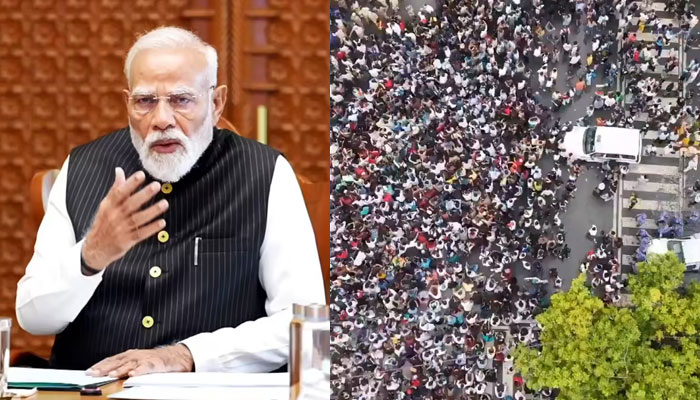
NEW DELHI: A growing youth-led protest movement is emerging as one of the most significant political challenges to Prime Minister Narendra Modi’s third term, with demonstrations spreading across parts of India over allegations of examination irregularities, unemployment and demands for greater government accountability.

What began as an online campaign has evolved into a nationwide movement driven largely by Generation Z, reflecting mounting frustration among young Indians over limited job opportunities and concerns about the country’s education system.

The movement, associated with the youth-led platform known as the “Cockroach Janata Party,” initially focused on alleged examination scandals but has since broadened into a wider campaign calling for institutional reforms and political accountability. Protesters are demanding the resignation of the country’s education minister and greater transparency in the recruitment and examination process.

The demonstrations have gained further momentum following activist Sonam Wangchuk’s hunger strike and his reported forced relocation, developments that have intensified public debate and drawn fresh attention to the broader protest movement.

According to international media reports, the unrest represents one of the strongest waves of public pressure faced by Modi’s government since it began its third consecutive term. Analysts say the protests highlight deeper concerns among young voters, particularly over unemployment, education and confidence in public institutions.

Tensions escalated during a protest march toward Parliament, where demonstrators clashed with security forces. Official figures said at least 180 people were injured, including 118 police officers and 60 protesters, as authorities moved to disperse crowds. Mobile internet services were also suspended in several sensitive areas to prevent the spread of unrest.

Observers say the movement’s rapid rise demonstrates the increasing influence of social media in mobilising young people. What started as a satirical online campaign quickly transformed into an organised street movement, giving voice to a generation that believes its economic and educational concerns have gone unanswered.

Political analysts note that while the protests remain centred on education and employment, they could carry broader political implications if public dissatisfaction continues to grow. The government’s response in the coming weeks is expected to be closely watched, as it seeks to balance law and order with demands for reform.

Although it remains uncertain how the movement will develop, the ongoing demonstrations underscore the growing political engagement of India’s younger generation and the challenges facing the Modi administration as it navigates rising public expectations during its third term in office.

Similar Posts

  • | | |

    Pezeshkian says Iran seeks peace, not wider conflict

    Iranian President Masoud Pezeshkian has said that Iran has no intention of prolonging the current conflict or expanding it beyond its existing scope. However, he made it clear that the country will continue to defend its sovereignty, territorial integrity and national interests against any threat. Speaking at a ceremony in Tehran, the president said Iran’s policy is based on protecting its borders while avoiding any unnecessary escalation. He stressed that the country does not seek war but will not hesitate to respond if its security or independence is challenged. Pezeshkian said maintaining national security is not only the responsibility of the armed forces but also depends on the unity and solidarity of the Iranian people. He urged citizens to set aside political and social differences and work together to strengthen the country during a difficult period. The president said internal unity is one of the strongest defenses against foreign interference. According to him, divisions within society can create opportunities for outside powers to influence domestic affairs. He added that a united nation is better equipped to face political, economic and security challenges. He emphasized the need to build a strong and stable society where people enjoy confidence in national institutions and where hostile elements cannot create unrest or weaken public trust. He said Iran must focus on strengthening its social fabric to prevent enemies from exploiting internal disagreements. Pezeshkian also called for greater national cooperation to overcome current challenges. He said every segment of society has a role to play in safeguarding the country’s future and preserving stability. The Iranian president reiterated that his government remains committed to protecting the country’s borders and national interests while pursuing policies that avoid a wider regional conflict. He said Iran’s priority is to maintain security, preserve national unity and prevent conditions that could lead to further instability.

  • | | |

    Pakistan moves to strengthen digital finance and e…

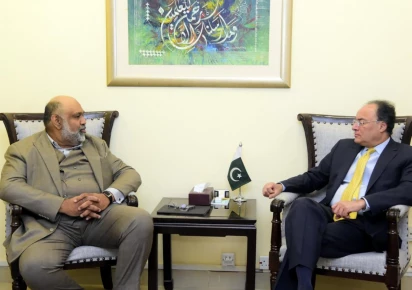
      Finance Minister Muhammad Aurangzeb has called for a more supportive regulatory framework to expand electronic transactions, improve digital access to finance and accelerate Pakistan’s broader digital transformation. The minister made these remarks during a meeting with Pakistan Digital Authority (PDA) Chairperson Dr Sohail Munir, where the two discussed digital finance, technology-driven economic activity and the development of Pakistan’s digital infrastructure. According to the Ministry of Finance, Aurangzeb stressed that existing regulations must evolve alongside technological advancements and new business models. The meeting focused on creating an environment that recognises electronic transactions and encourages greater use of digital systems in trade and financial activities. The participants also examined ways to improve access to finance by expanding digital platforms and making financial procedures more efficient. Aurangzeb particularly highlighted the need to simplify customer onboarding, strengthen data-sharing systems and improve the interoperability of financial information. Greater integration between banks and capital markets was also discussed, with the aim of making investment opportunities more accessible to ordinary citizens. The minister said streamlined digital account-opening procedures could encourage wider participation in the capital market. Better connections between banking and capital-market systems, he added, could increase investor participation and improve access to investment opportunities. The meeting also covered the importance of connecting government data systems. According to the ministry, better-integrated data could help policymakers improve planning, policy formulation and decision-making. The increased use of technology and artificial intelligence was identified as another opportunity to improve the efficiency of government and financial services. Digital infrastructure was another key area of discussion. Aurangzeb emphasised that new initiatives should be practical, scalable and consistent with Pakistan’s wider digital transformation goals. Digital assets and tokenisation were also discussed, particularly their possible applications in real estate and other investment sectors. Participants stressed that appropriate regulations and supporting mechanisms would be necessary for the responsible adoption of emerging technologies. Aurangzeb appreciated the work of the Pakistan Digital Authority and called for practical, high-impact initiatives that could improve efficiency, expand financial access and strengthen the country’s digital capabilities. He also emphasised continued coordination among relevant stakeholders to ensure steady progress in Pakistan’s digital economy. Pakistan has already witnessed significant growth in digital payments. According to the State Bank of Pakistan, retail payments through the banking system reached 3.7 billion transactions during January-March 2026, representing a 9% increase from the previous quarter. Digital channels accounted for 92% of total retail payment volumes, processing around 3.4 billion transactions worth Rs68.3 trillion. Mobile banking and digital wallet registrations exceeded 132 million by March 2026, rising 37% year-on-year. Nearly half of Pakistan’s 268 million bank accounts were connected to a mobile banking application or digital wallet. Meanwhile, Raast processed 742 million transactions worth Rs23.27 trillion during the quarter, reflecting growing public acceptance of instant digital payments. Mobile wallets such as Easypaisa and JazzCash have also expanded access to basic financial services, particularly for people previously underserved by traditional banking. Merchant adoption is growing as well. QR-enabled merchants more than tripled during FY25, rising from 516,000 in FY24 to more than 1.9 million by the end of 2025. Although digital adoption remains stronger in urban areas, the figures indicate that Pakistan’s digital financial ecosystem is expanding rapidly.

  • |

    Atif Aslam says he misses Indian fans amid music ban

    Atif Aslam remains one of Pakistan’s most celebrated and internationally recognised singers, with a massive fan base extending far beyond the country. Known for his soulful voice, emotional delivery and remarkable vocal range, the singer has built a successful career through numerous hit songs, including Aadat, Kuch Is Tarha, Ba Khuda and Dil Diyan Gallan. His popularity has also earned him a huge social media following of more than 11 million fans. Atif Aslam is currently in Dubai for his professional music commitments, where he has also been making appearances on podcasts and speaking with digital creators. During one of his recent interviews, the singer opened up about his connection with his Indian audience and admitted that he misses his fans across the border. Atif appeared on Kris Fade’s podcast, One on One with Kris Fade, where he discussed his upcoming musical projects, his career and his plans for creating new music. While speaking about his latest work, the singer also addressed the restrictions affecting Pakistani artists working in India. Atif revealed that he is currently working on a new project titled Borderless Music. According to the singer, the project will bring together a wide range of musicians and creatives, including young emerging artists, senior performers, legendary musicians, composers and songwriters. He explained that audiences can expect plenty of new music from the project and used the opportunity to send a heartfelt message to his Indian fans. Addressing them directly, Atif said that they should not feel disappointed or saddened by the current ban. He emphasised that although he misses his Indian fans, he does not necessarily miss working in India itself. The singer reflected on the important role that playback singing in India played in shaping his musical journey. He explained that his experience in playback singing taught him a great deal and contributed significantly to his growth as an artist. Atif further suggested that the circumstances surrounding the ban eventually encouraged him to focus more strongly on producing his own music. He acknowledged that without the change in circumstances, he may not have had the same opportunity to explore and develop his own musical projects. Despite the professional restrictions, Atif expressed gratitude towards his Indian audience for continuing to support him. He appreciated the fact that his fans remained connected to him and stood by him during a difficult period. His comments highlight the lasting bond he shares with listeners in India, where his songs have enjoyed considerable popularity over the years. Even though Pakistani artists currently face restrictions on working in the Indian entertainment industry, Atif’s message showed that his appreciation for his Indian fans remains unchanged. With Borderless Music in the works, the singer appears focused on exploring new collaborations and expanding his musical horizons. His upcoming project is expected to bring together artists from different backgrounds while allowing Atif to further establish himself as an independent music creator. For his Indian fans, his message was a reminder that professional barriers have not erased the connection built through years of music.

  • |

    Google’s $15bn India data centre faces green bac…

    VISAKHAPATNAM: Google’s ambitious $15 billion data centre investment in India is facing mounting resistance from environmental groups, residents and legal activists, turning what was expected to be a landmark technology project into one of the country’s most closely watched development disputes. The massive project, being developed in partnership with Indian billionaire Gautam Adani’s group, is under construction in Tarluvada near the coastal city of Visakhapatnam in Andhra Pradesh. Touted as Google’s largest-ever investment in India, the facility is expected to strengthen the company’s cloud computing and artificial intelligence infrastructure while generating an estimated 188,000 jobs. However, critics argue that the economic benefits could come at a significant environmental cost. Water concerns spark protests In recent weeks, environmental activists have intensified protests against the project, warning that the data centre could worsen water shortages in a city already struggling to meet daily demand. Demonstrators, including schoolchildren, have marched through Visakhapatnam carrying banners reading “We Cannot Drink DATA”, while others painted handcuffs over Google’s logo to symbolise what they describe as the environmental consequences of unchecked technological expansion. At a public awareness gathering attended by local campaigners, members of the environmental organisation Green Visakha outlined plans for neighbourhood campaigns and beach demonstrations aimed at increasing public awareness. Raja Rama Mohan Roy, founder of Green Visakha, argued that development should never come at the expense of local communities. “Development should not be at the cost of the livelihood of the people,” Roy said, pointing to government figures showing that Visakhapatnam currently receives around 410 million litres of water daily, despite requiring approximately 480 million litres. Water rationing has become a regular feature of life for the city’s 2.5 million residents, raising concerns about future demand. Legal battle gains momentum Opposition to the project has now reached the courts. India’s Andhra Pradesh High Court this week directed the state government to respond to allegations raised by environmental group Jal Biradari (Water Community), which claims the project could place additional pressure on regional water resources. The court is scheduled to hear the public interest litigation again on August 24. Meanwhile, three additional petitions have been filed before India’s National Green Tribunal by the Human Rights Forum. The petitioners argue that authorities approved the project without conducting sufficient environmental assessments regarding water usage and ecological impacts. Environmental groups are questioning the government’s reported commitment to provide guaranteed water supplies for the project over the next two decades while many residents continue experiencing periodic shortages. Wildlife under threat? Another major concern centres on the project’s location. According to campaigners, the construction site lies only about 860 metres from the Kambalakonda Wildlife Sanctuary, a protected forest known for its biodiversity and home to species including leopards, pangolins, spotted deer and numerous bird species. Activists fear continuous construction, heavy machinery and increased industrial activity could disturb wildlife through noise, habitat disruption and increased human presence. The Andhra Pradesh government, however, insists the development complies with all legal requirements and maintains that the sanctuary is located at a safe distance under existing regulations. Google also said it intends to minimise environmental impacts by installing sound-dampening technologies designed to reduce noise pollution around the facility. Government and Google defend project Despite growing criticism, Andhra Pradesh authorities continue to describe the project as transformational for the state’s economy. Officials rejected accusations that environmental clearances were rushed or that local drinking water resources would be diverted for industrial use. In a statement, the state government acknowledged citizens’ right to protest but said many claims circulating about the project were “incorrect and misleading.” It added that authorities remain willing to examine legitimate concerns and provide clarification where necessary. Google has similarly defended the project, stating that construction will comply fully with Indian environmental regulations. The company said it plans to use advanced air-cooling technology, significantly reducing dependence on water compared with conventional cooling systems used by many data centres. Google also stressed that sustainability remains a key part of its global operations and that the Visakhapatnam facility would be designed to protect local water resources while supporting India’s rapidly expanding digital economy. Global debate over data centres The controversy reflects a broader international debate over the environmental footprint of modern data centres. As demand for artificial intelligence, cloud computing and digital services continues to surge, technology companies worldwide are investing billions in new infrastructure. Yet these facilities often require enormous amounts of electricity and cooling, placing additional pressure on local water and power supplies. Similar concerns have emerged across the United States and Europe, where communities have challenged large-scale data centre developments over resource consumption, environmental sustainability and their impact on nearby residents. For Google, the Andhra Pradesh project represents a major strategic investment in one of its fastest-growing markets. But with legal challenges pending and public protests gathering momentum, the future of the project may depend not only on engineering and investment, but also on the company’s ability to convince local communities that technological progress can coexist with environmental protection.

  • | | | |

    Malala expresses grief over Swat attack, calls for…

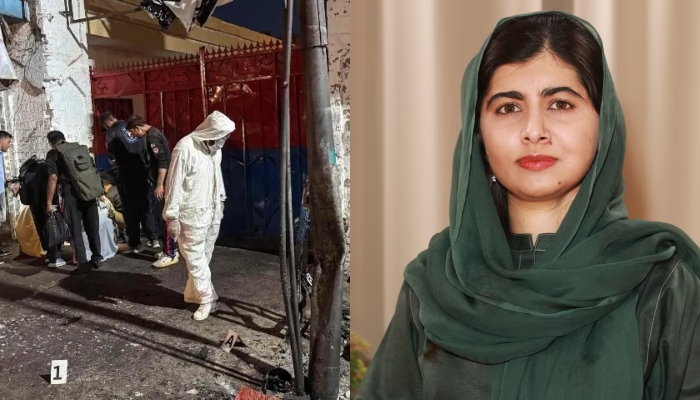
    Nobel Peace Prize laureate Malala Yousafzai has expressed deep sorrow over the recent suicide attack in Swat, urging authorities to ensure the protection of civilians and prevent the region from falling back into violence. In a statement, Malala said she was deeply saddened by the suicide bombing in her hometown of Swat, describing the incident as a tragic reminder of the suffering the region has endured over the years. She noted that the attack claimed the lives of more than a dozen people, including police personnel, and said she could understand the pain and grief being experienced by the families of the victims. Malala extended her heartfelt condolences to those who lost their loved ones and prayed for strength and patience for the bereaved families. She also expressed hope for the speedy recovery of those injured in the attack. Emphasising the importance of public safety, Malala called on the authorities to take all necessary measures to protect the lives and property of citizens and ensure lasting peace and security in the region. Reflecting on Swat’s past, she said the girls of the valley have always dreamed of living in peace, free from fear and violence. She added that her prayers are with the people of Swat and expressed hope that they would never again be forced to live under the shadow of the Taliban. Malala said the people of Swat deserve a peaceful future where children can pursue their education, families can live without fear, and communities can rebuild their lives in a secure environment.

  • | |

    Fake arms licence racket busted in KP, two arreste…

    Police have uncovered a fake arms licence racket in Khyber Pakhtunkhwa, exposing an illegal network that allegedly produced forged weapon licences from a house. Authorities believe the operation had been running through a well-organised system and involved both private individuals and a government employee. According to police, the suspects were preparing counterfeit arms licences using computer equipment and printing materials inside a residential property. Investigators said each fake licence was sold for amounts ranging from Rs80,000 to Rs250,000, depending on the type of licence and the customer’s requirements. Police said an employee of the Home Department’s Licence Branch has also been found involved in the case. His alleged role is being investigated to determine how official records or procedures may have been misused. A case has been registered, and two suspects have been arrested during the operation. Police carried out a raid and seized a large quantity of equipment allegedly used to manufacture the fake licences. The recovered items include a laptop, a printer, ink bottles, around 700 licence cards, and other materials believed to have been used for printing forged documents. Investigators are examining the seized equipment to identify additional suspects and uncover the full scale of the operation. Police have also written to the Home Department, requesting assistance in the investigation. Officials are expected to examine departmental records to determine whether more employees were involved or if official data was misused. Sources in the Home Department said a committee will be formed to conduct a detailed inquiry into the incident. The committee will investigate the role of all individuals linked to the case and recommend legal and departmental action where necessary. CCPO Dr Mian Saeed said the investigation is progressing and that authorities are determined to bring everyone involved to justice. He said strict action will be taken against all suspects, including any government officials found responsible. He added that no official involved in the fake arms licence racket would be given any leniency, and the investigation would continue until the entire network is exposed.

Leave a Reply

Your email address will not be published. Required fields are marked *