
market market lease
| |

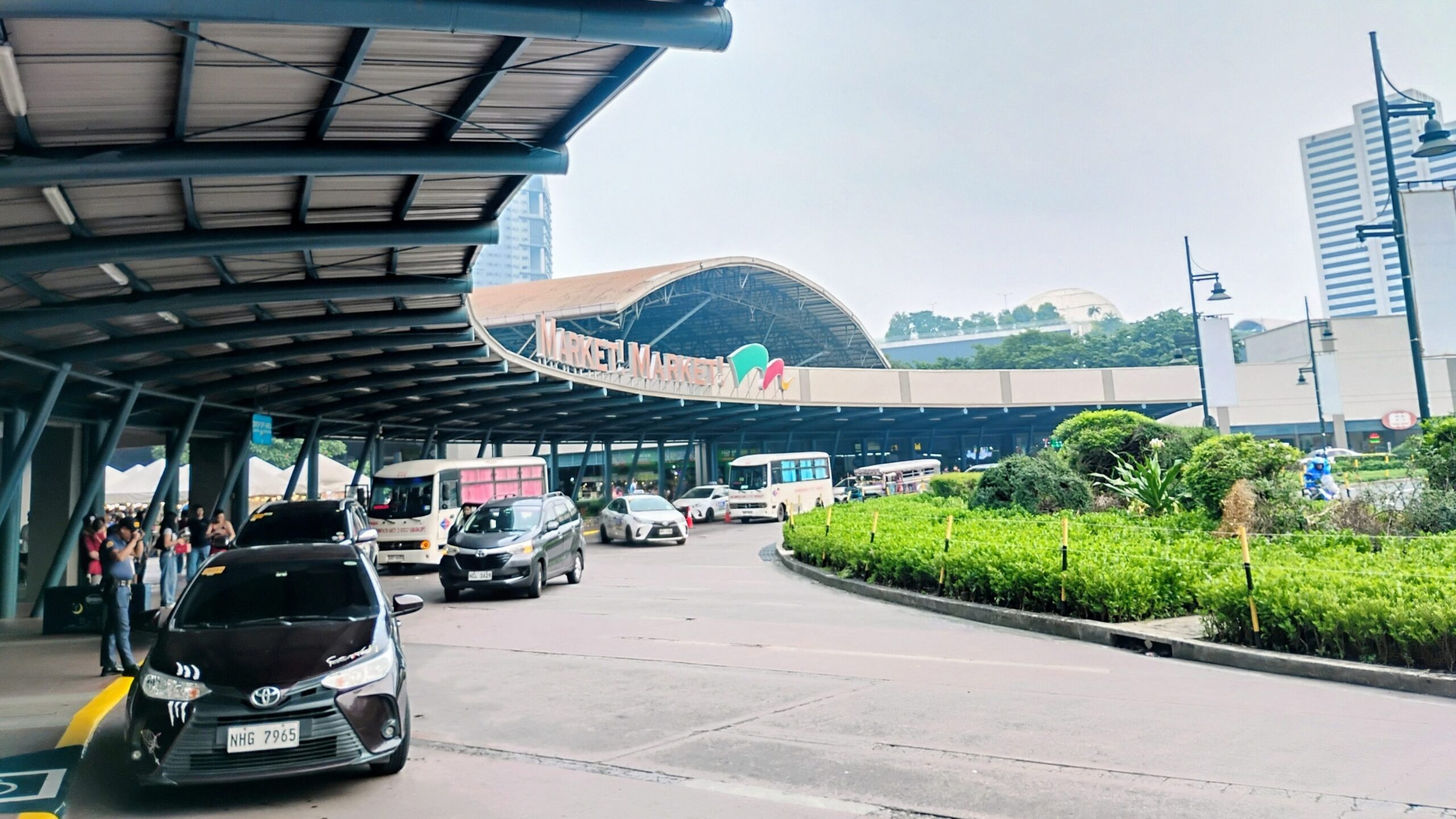
Market! Market! lease extended to end-2039 with P1-B modernization, future subway link

MANILA, Philippines – Shoppers and commuters can expect Market! Market! to remain in operation well beyond 2027, after the Bases Conversion and Development Authority (BCDA) extended the lease of Ayala Land-led Station Square East Commercial Corporation (SSECC) by another 12 years and seven months.

Under the agreement, SSECC will continue operating Market! Market! for another 12 years and seven months beginning June 5, 2027, effectively extending its lease until end-2039, while Ayala Land commits P1 billion to modernize the BGC mall and prepare it for integration with the future Metro Manila Subway.

The subway’s Bonifacio Global City Station will be located within the Market! Market! property, effectively putting the commercial center at the center of one of BGC’s biggest planned transport upgrades.

Must Read

MAP: Metro Manila Subway stations


MAP: Metro Manila Subway stations

“For us, renewal does not simply mean building something new. It means looking again at the places we already have, understanding how cities and communities have changed around them and investing in them so they can create even more value for the next generation,” Ayala Land president and CEO Anna Ma. Margarita “Meean” Dy said in a press release on Monday, September 14.

The companies did not provide a detailed breakdown of the P1-billion investment, including which parts of the mall will be renovated or how construction could affect shoppers, tenants, and commuters. (READ: The renovation is done. Now Ayala is changing the shops inside its malls.)

Part of the property, however, is already expected to change as BCDA develops the area around the subway station. The agency said its transit-oriented development plans will repurpose a portion of Market! Market!’s Central Plaza as the site evolves into a transport hub connecting rail, road, commercial establishments, and workplaces.

BCDA President and CEO Joshua Bingcang said integrating the subway into the property would allow Market! Market! to continue serving as a gateway into BGC.

Market! Market! traces its roots to Ayala Land’s 2000 master plan for what was then called “Convergence Square,” envisioned as a mixed-use development combining retail, public transport, and civic space. Ayala Land disclosures show that the original agreement with BCDA covered a 25-year lease, renewable for another 25 years, with a P700-million upfront payment plus annual lease payments with fixed and variable components.

The mall eventually opened in September 2004 and has since become one of BGC’s oldest major commercial centers. Its original lease was due to expire in 2027, prompting earlier uncertainty over the property’s future before BCDA and Ayala Land agreed on the new 12-year-and-seven-month extension. – Rappler.com

Must Read

[READOUT] How malls are still growing despite a cautious Filipino consumer


[READOUT] How malls are still growing despite a cautious Filipino consumer

Similar Posts

  • | | | |

    RLNG prices jump up to 34.6% amid supply disruptio…

    ISLAMABAD: The Oil and Gas Regulatory Authority (OGRA) has increased the prices of re-gasified liquefied natural gas (RLNG) by up to 34.6% for July 2026, as continued disruptions in LNG supplies from Qatar forced Pakistan to rely on expensive spot market imports. According to an official notification, consumers of Sui Southern Gas Company (SSGC) will face the largest increase. The RLNG price for SSGC consumers has been fixed at $25.087 per MMBtu, following an increase of $6.4512 per MMBtu, representing a 34.6% rise. Consumers of Sui Northern Gas Pipelines Limited (SNGPL) will also pay higher rates. The regulator fixed the RLNG price at $25.8388 per MMBtu, an increase of $6.316 per MMBtu, or 32.35%, compared with the previous month. Officials said the latest increase was mainly driven by a sharp decline in LNG imports during July. Pakistan received only five LNG cargoes throughout the month, making it the third-lowest monthly import volume since the country started importing LNG. The reduced supply forced the country to purchase all available LNG cargoes from the international spot market, where prices are generally much higher and more volatile than long-term contractual rates. Energy officials said state-owned Pakistan LNG Limited arranged all five cargoes from the spot market. Meanwhile, Pakistan did not receive any LNG shipments under its long-term agreements with Qatar during the month. The interruption in Qatari supplies has continued since damage to energy infrastructure earlier this year, affecting LNG exports to several countries in Asia and Europe, including Pakistan. Experts said the absence of lower-cost LNG from long-term contracts has significantly increased Pakistan’s import bill and placed additional pressure on the country’s energy sector. Since the regional conflict in the Middle East began earlier this year, RLNG prices in Pakistan have risen by more than 144%, making energy substantially more expensive for industries, businesses and other consumers.

  • | | |

    Tax ombudsman flags flaw in FBR refund system

    Pakistan’s Federal Tax Ombudsman has identified a major flaw in the Federal Board of Revenue’s (FBR) FASTER sales tax refund system and directed the tax authority to take immediate corrective measures. The ombudsman said the issue is affecting exporters and undermining the effectiveness of the automated sales tax refund mechanism, which was introduced to ensure quicker processing of refund claims. The observations were made in a ruling issued by Federal Tax Ombudsman Zafar Hijazi while deciding complaints filed by a company regarding delays and issues in the refund process. According to the decision, the FASTER system is unable to distinguish between commercial export goods declarations and non-commercial sample exports. As a result, exporters may face unnecessary delays or complications in obtaining legitimate sales tax refunds. The ombudsman directed the FBR to address the technical shortcomings in the system without delay to ensure that genuine exporters receive timely refunds and the automated mechanism functions efficiently. The ruling emphasized that improving the FASTER system is essential for protecting exporters’ interests and maintaining confidence in Pakistan’s tax refund process

  • | | |

    Pakistan receives $3.6 billion in remittances in J…

      KARACHI: Pakistan received $3.6 billion in workers’ remittances from overseas Pakistanis during July 2026, marking a significant increase compared with the same period last year, according to data released by the State Bank of Pakistan (SBP). The central bank reported that remittance inflows increased by 13% year-on-year in July and also recorded a 4.5% rise compared with the previous month. The latest figures highlight the continued importance of overseas Pakistanis in supporting the country’s foreign exchange position and overall economic stability. Saudi Arabia remained the largest source of remittances during the month, sending $913.9 million to Pakistan. The United Arab Emirates (UAE) followed with $737.3 million, while overseas Pakistanis in the United Kingdom contributed $555.5 million. The United States also remained an important source, accounting for $317.2 million in remittance inflows. Prime Minister Shehbaz Sharif welcomed the increase and expressed satisfaction over the $3.6 billion received in July. In a statement issued by the Prime Minister’s Office, he said the 13% year-on-year increase in remittances was encouraging and reflected the continued contribution of overseas Pakistanis to the national economy. The prime minister also highlighted the 4.5% month-on-month growth, saying that the consistent financial support provided by overseas Pakistanis was playing an important role in strengthening Pakistan’s economy. He described overseas Pakistanis as a valuable and integral part of the country’s economic mainstream. The latest figures have also generated positive expectations regarding Pakistan’s remittance outlook for the ongoing financial year. Topline Research estimated that remittances could reach around $40.1 billion during FY27 if the current trend continues. Economist Dr Khaqan Najeeb said remittances were becoming increasingly important as a source of foreign exchange, particularly at a time when Pakistan’s export sector continued to face difficulties. According to him, the country’s weak domestic economic conditions, limited employment opportunities and significant differences between local and international wages were encouraging more Pakistanis to seek employment abroad. He noted that the movement of workers overseas was resulting in a corresponding flow of foreign exchange back into Pakistan. The economist said these inflows were helping the country manage its balance of payments and reduce pressure on its external accounts. However, he also warned that the growing dependence on remittances highlighted deeper structural weaknesses within the domestic economy. Dr Najeeb pointed out that Pakistan’s increasing reliance on overseas employment reflected the country’s inability to generate enough productive and well-paying jobs at home. While remittances provide valuable financial support and strengthen foreign exchange reserves, he argued that sustainable economic growth requires stronger domestic employment opportunities and a more competitive export sector. The July figures therefore present both an encouraging development and a broader economic challenge. Rising remittances are providing Pakistan with much-needed foreign exchange, but policymakers also face the task of improving domestic economic conditions so that overseas employment becomes a choice rather than a necessity for a growing number of Pakistanis.

  • Thailand’s Domestic Gas Production Remains Key to Long-Term Energy Security

    BANGKOK – Thailand still depends on natural gas as a primary feedstock for electricity generation, industry, and transport, including compressed natural gas (CNG), while aging offshore fields no longer produce enough to meet national demand. Domestic output has fallen from its earlier peak, leaving the country more dependent on LNG and pipeline gas from abroad, […]

Leave a Reply

Your email address will not be published. Required fields are marked *