maulana tariq jamil8217s
|

Maulana Tariq Jamil’s yoga video sparks mixed reactions online

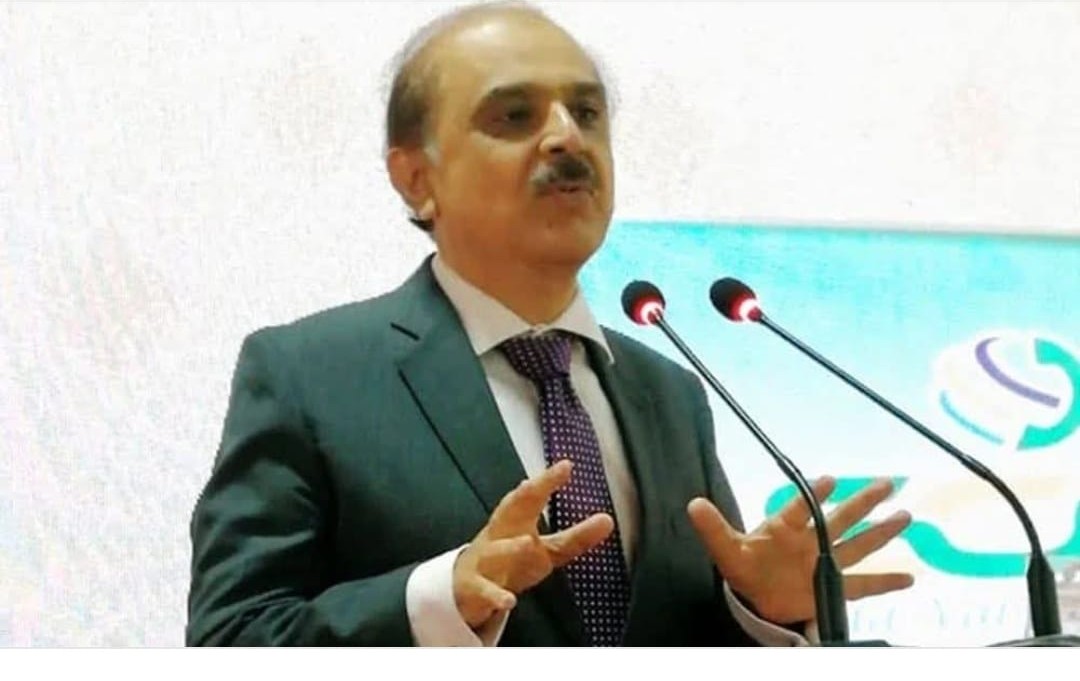
Maulana Tariq Jamil, one of Pakistan’s most respected Islamic scholars, has become the center of an online debate after a video of him performing yoga exercises surfaced on social media.

Widely admired for his calm demeanor and inclusive approach to religious teachings, Maulana Tariq Jamil enjoys a large following across different schools of thought in Pakistan and abroad. Over the years, he has built a reputation for promoting unity, compassion, and moral values through his lectures. In addition to his religious work, he has also ventured into business with his own brand, a move that has occasionally drawn criticism from some quarters who question the commercialization of religious personalities.

The latest discussion surrounding the scholar, however, has little to do with his sermons or business activities. Instead, it centers on a recently circulated video featuring him alongside Dr. Affan Qaiser, in which he demonstrates several yoga-inspired stretching exercises.

The clip quickly gained traction across social media platforms, with many viewers expressing surprise at the scholar’s flexibility. Considering his age and previous health challenges, several users praised his physical fitness and commitment to maintaining an active lifestyle. Many described the video as inspiring, saying it highlighted the importance of mobility, exercise, and healthy aging.

Others, however, questioned whether the video should have been recorded and shared publicly. Some critics argued that such content was unexpected from a religious figure of Maulana Tariq Jamil’s stature, while others believed it was unnecessary to turn a private fitness session into a public spectacle.

The video also prompted reactions from public figures. Among those commenting was politician Hina Parvez Butt, who voiced her disapproval of the clip, adding another layer to the discussion already unfolding online.

As the debate intensified, social media users remained sharply divided. Supporters argued that the movements shown in the video were simply physical exercises aimed at improving flexibility and overall health. They maintained that stretching routines and yoga-based movements should not be viewed negatively when practiced solely for fitness purposes.

Others defended the scholar by pointing out that maintaining physical health is encouraged and that there was nothing inappropriate about engaging in exercises designed to improve strength and mobility. Many also praised Maulana Tariq Jamil for staying physically active despite his advancing age.

On the other hand, critics expressed discomfort with the video, saying they did not expect to see the religious scholar performing such poses. Some users felt the footage should not have been made public, while others questioned whether it aligned with the public image associated with a prominent Islamic preacher.

Despite the differing opinions, the video has generated widespread discussion online, with thousands of users continuing to share their views. While some see it as a positive reminder of the importance of health and fitness, others believe the clip has crossed personal or cultural boundaries.

The viral video has once again demonstrated how social media can rapidly turn everyday moments involving public figures into nationwide conversations, leaving audiences divided over interpretation, intent, and public perception.

Similar Posts

  • | | |

    Security forces reportedly foil infiltration attem…

    Pakistani security forces reportedly thwarted an attempted infiltration by armed militants in the Kharan district of Balochistan, according to local media reports citing official sources. The incident highlights the ongoing security challenges in the region, where authorities continue to conduct operations against militant groups. According to the reports, security personnel responded promptly after detecting suspicious movement in the area. The reported response allegedly forced the militants to retreat before they could achieve their objectives. Officials quoted in the reports described the operation as an example of the security forces’ continued vigilance and rapid response capabilities. The reports further claim that militants have increasingly relied on online propaganda and misinformation campaigns alongside their activities on the ground. According to the cited sources, images and videos are sometimes used to spread misleading narratives on social media. These assertions have not been independently verified. Media reports also stated that indiscriminate firing and shelling during the incident allegedly injured five civilians, including children. If confirmed, the reported injuries underscore the risks faced by local communities living in areas affected by security operations and militant activity. Authorities are expected to investigate the circumstances surrounding the incident and provide further updates. Balochistan has experienced security challenges for many years, with periodic clashes involving security forces and armed groups. The region remains strategically significant due to its geography and infrastructure, making stability a priority for both provincial and federal authorities. Security agencies continue to emphasize intelligence-based operations aimed at preventing attacks while protecting civilian populations. Developments in conflict-affected regions often evolve quickly, and initial reports may change as additional information becomes available. Independent verification and official statements are essential for establishing an accurate account of events. Readers are encouraged to follow updates from credible news organizations and official government sources as the situation develops. The reported incident in Kharan serves as a reminder of the complex security environment in Balochistan. While authorities emphasize their commitment to maintaining peace and public safety, continued transparency, verified reporting, and timely communication remain vital to ensuring that the public receives accurate and reliable information during rapidly unfolding events.

  • |

    Pakistani celebrities who faced backlash for criticizing fellow stars

    Public figures are often judged not only for their professional achievements but also for how they speak about others. In Pakistan’s entertainment industry, several well-known personalities have sparked backlash after making controversial comments about fellow celebrities. While many of them built strong reputations through years of successful work, repeated public criticism and high-profile disputes have affected how sections of the audience view them. Veteran actor Firdous Jamal is one such example. Widely respected for memorable performances in television dramas, he found himself at the center of controversy after making remarks about actress Mahira Khan’s age and suitability for leading roles. His comments drew widespread criticism from both fans and members of the entertainment industry. In the years that followed, he continued making critical statements about several actors and industry veterans, further fueling debate. Personal family matters that became public also contributed to the negative attention surrounding him. Acclaimed writer Khalil-ur-Rehman Qamar has also remained a frequent topic of discussion due to his outspoken views. Known for penning some of Pakistan’s biggest television hits, he has often generated headlines for controversial interviews and public disagreements. His criticism of fellow celebrities, debates over social issues, and several personal controversies have divided public opinion, with supporters praising his honesty while critics accuse him of unnecessary hostility. Television host Nadia Khan, once celebrated as one of Pakistan’s pioneering morning show presenters, has faced criticism in recent years for her role as a drama reviewer. Her reviews, impersonations, and candid remarks about actors and television serials have often gone viral. While many viewers appreciate her straightforward opinions, others believe her comments sometimes cross the line and unfairly target fellow artists. Actor and producer Fahad Mustafa also came under public scrutiny after responding to comments made by senior actress Atiqa Odho regarding casting choices. His remarks during the exchange were widely criticized on social media, with many users describing them as disrespectful and ageist. The controversy prompted significant online debate and placed the star under intense public attention. Veteran actress, director, and filmmaker Sangeeta has similarly attracted criticism over her public statements. Some of her comments about fellow celebrities and revelations about past industry relationships were viewed as unnecessary by many fans. More recently, her remarks regarding actress Naeema Butt also generated discussion on social media, leading to mixed reactions from audiences. Television anchor Iqrar Ul Hassan, known for investigative journalism, has also seen his public image become increasingly polarizing. While he earned widespread recognition through his reporting career, his involvement in political matters, public disputes, and controversies surrounding his personal life have led to divided opinions among viewers. Viral incidents and outspoken statements have continued to keep him in the headlines. Media personality Dr. Omer Adil, once admired for hosting cultural and entertainment programs, has built a strong online presence through podcasts and YouTube discussions. However, his frequent criticism of celebrities and commentary on entertainment industry figures have changed how some longtime followers perceive him. Although he continues to attract viewers with his opinions, his style has also invited criticism from those who believe his remarks have become overly confrontational. These controversies highlight how public statements can significantly influence a celebrity’s reputation. In today’s digital era, where interviews and social media clips spread rapidly, even a single comment can shape public perception and spark widespread debate across the entertainment industry.

  • | |

    PTI may return to Senate committees after meeting …

    Senate Opposition Leader Allama Raja Nasir Abbas has said that Pakistan Tehreek-e-Insaf (PTI) could return to parliamentary standing committees if a meeting is arranged with the party’s founder, Imran Khan. Speaking to journalists in Islamabad, Raja Nasir Abbas said that if the government wanted Parliament to continue functioning, it should facilitate a meeting between PTI leaders and Imran Khan. He alleged that deliberate ambiguity was being created about Imran Khan’s health, saying the situation was also aimed at creating divisions within the party. Raja Nasir Abbas recalled that before the passage of the 26th Constitutional Amendment, a meeting with Imran Khan had taken place on the orders of the court. He said his party wanted a government that genuinely represented the people. Commenting on Interior Minister Mohsin Naqvi’s remarks about a possible collapse of the system, he said he agreed with the assessment. He added that the problem identified by Naqvi was real, but the proposed “medicine” to address it was illegal. The Senate opposition leader also claimed that he knew why negotiations between the government and PTI had failed. He said a complete plan for negotiations had been taken to Imran Khan at Adiala Jail, adding that the opposition had held a meeting at Khyber Pakhtunkhwa House before approaching the PTI founder. “We took several proposals to the founder,” he said, explaining that they did not want to visit the Prime Minister’s House and provide legal legitimacy to the government’s position. He said the same principle was behind their decision not to hold negotiations in the Speaker’s Office, as they did not recognise the arrangements as legally legitimate. Raja Nasir Abbas stressed that he distinguished between Imran Khan and the PTI as a political party, adding that he would stand by the former prime minister “until the last moment.” He reiterated that PTI could return to the standing committees if a meeting with Imran Khan was arranged. “If the government is serious about negotiations, it should come forward and talk,” he said, adding that the opposition was ready to hold talks in the Constitution Room of Parliament House.

  • | |

    KP unveils massive 1.4m-tree plantation drive

    The Khyber-Pakhtunkhwa government has set an ambitious target of planting 1.4 million saplings in a single day as part of its Independence Day celebrations. K-P Information and Public Relations Minister Shafi Jan said the large-scale plantation drive would be conducted across the province on August 14. He described the initiative as a major step towards expanding green cover and promoting environmental protection. The minister said extensive plantation activities would be carried out across a large area in Speen Khak, with teams taking part in the campaign to meet the record target. Shafi Jan, in his Independence Day message, said August 14 was a historic occasion that reminded the nation of the sacrifices made during the Pakistan Movement. He paid tribute to the leaders who struggled for the creation of Pakistan and those who sacrificed their lives for the country. He urged citizens to renew their commitment to building a stronger, stable, prosperous and sovereign Pakistan. According to him, national development requires collective responsibility, discipline and a continued commitment to the country’s future. The minister also highlighted the role of young people in national development. He said the younger generation should follow the ideals of Allama Iqbal and contribute towards making Pakistan more self-reliant and progressive. The provincial government has introduced a digital monitoring mechanism to improve transparency in the plantation campaign. The Ehsaas Shajarkari Web Portal will be used to identify suitable plantation locations through GPS technology. The portal will also help authorities monitor plantation activities and maintain a consolidated record of the saplings planted during the campaign. Officials will be able to track plantation sites and assess progress through the digital system. Shafi Jan said the initiative was being undertaken under the direction of K-P Chief Minister Sohail Afridi. He expressed confidence that the province would achieve its target and establish a significant plantation milestone on Independence Day.

  • | |

    Pakistan completes 3-0 clean sweep against South K…

    Pakistan’s national hockey team secured an impressive 4-3 victory over South Korea in the third Test match to complete a dominant 3-0 clean sweep in the Pakistan-South Korea Hockey Test Series. The thrilling encounter was played at the Naseer Bunda Hockey Stadium in Islamabad under the supervision of the Pakistan Hockey Federation (PHF). The final match of the series showcased Pakistan’s determination and fighting spirit. South Korea started the game aggressively and took an early lead through Kim Hyung Jin in the 10th minute. The visitors maintained their advantage throughout the first half, going into the break with a 1-0 lead. Pakistan responded brilliantly in the second half with an outstanding comeback. Hayat Zakaria leveled the score in the 32nd minute, giving the home side much-needed momentum. However, South Korea quickly regained the lead when Yang Ji Hoon scored in the 33rd minute. The contest remained highly competitive as Pakistan continued to attack. Rana Waheed Ashraf equalized in the 45th minute before Kim Yong Bok restored South Korea’s advantage in the 50th minute. Refusing to give up, Pakistan displayed remarkable resilience as Abdul Rehman scored in the 55th minute to make it 3-3. Just two minutes later, Shahid Hanan netted the winning field goal in the 57th minute, completing an unforgettable comeback and sealing a 4-3 victory. The win marked Pakistan’s third consecutive success against South Korea in the Test series, highlighting the team’s growing confidence and improved performances. The clean sweep is expected to boost the morale of the national squad as it prepares for upcoming international competitions. Federal Ombudsman Naveed Kamran Baloch attended the match as the chief guest and appreciated the exciting contest as well as the commitment shown by both teams. At the closing ceremony, Pakistan Hockey Federation President Mohiuddin Ahmad Wani presented a commemorative shield to the chief guest. Several prominent hockey personalities, including PHF Development Committee Chairman Olympian Hassan Sardar, Selection Committee Chairman Olympian Samiullah Khan, and Pakistan Sports Board Director General Yawar Hussain, were also present at the event. Pakistan’s impressive performance throughout the series reflects the team’s positive progress and offers renewed hope for the revival of the country’s rich hockey tradition. The comprehensive 3-0 series victory serves as an encouraging sign for Pakistan hockey and demonstrates the squad’s ability to compete at a high international level.

  • | |

    Australian court denies India exclusive claim over…

    The Federal Court of Australia has thrown out an appeal by India’s Agricultural and Processed Food Products Export Development Authority seeking to register Basmati as a certification trademark for rice in the country, a ruling Pakistan’s Ministry of Commerce welcomed in a statement issued Wednesday. The Indian authority, known as APEDA, had originally applied to register Basmati as a certification trademark for rice sold in Australia. A delegate of the Australian Registrar of Trade Marks rejected that application on December 22, 2022, finding that the word Basmati could not distinguish rice certified by APEDA from Basmati rice legitimately grown and sold by other producers. APEDA then appealed the decision to the Federal Court of Australia, which has now upheld the original rejection. Pakistan’s commerce ministry said the ruling confirms its longstanding position that Basmati functions as a geographical indication tied to a historically recognized growing region spanning parts of both Pakistan and India, rather than a term any single country can claim exclusively. The ministry noted that the original registrar’s decision had already acknowledged that Basmati rice is grown in Pakistan as well, and that Pakistani traders hold an equally legitimate claim to use the name. By dismissing APEDA’s appeal, the ministry said, the Federal Court affirmed those earlier findings. The ministry added that the Australian court also ordered APEDA to cover the respondent’s legal costs, either through agreement or a formal assessment. Islamabad described the ruling as a significant setback to Indian efforts to secure exclusive international rights over the Basmati name. The ministry said no single national authority can claim sole ownership of the term while excluding producers and exporters who have an equally valid right to use it, adding that Pakistan has consistently pushed back against Indian attempts to monopolize the Basmati name and has worked with relevant institutions and industry stakeholders to protect the interests of the country’s growers, millers and exporters. According to the ministry, the outcome safeguards the commercial and intellectual property interests of Pakistan’s Basmati sector and preserves the right of Pakistani producers to market authentic Basmati rice in the Australian market. Officials said they intend to keep protecting Basmati as a core part of Pakistan’s agricultural heritage and export identity, pursuing similar protections in other foreign jurisdictions on the basis of the rice variety’s historical origin, established reputation and distinctive qualities. Commerce Minister Jam Kamal Khan praised ministry officials and other stakeholders involved in the case, calling the ruling an important win for Pakistan’s agricultural heritage, commercial interests and export identity. India and Pakistan have long disputed the origins of Basmati rice, which both countries grow extensively. The rice traces its roots to the Punjab region, which was split into East Punjab, now part of India, and West Punjab, now part of Pakistan, following partition in 1947. In 2006, the European Union formally recognized Basmati as a joint product of both countries under its special geographical indication rules.

Leave a Reply

Your email address will not be published. Required fields are marked *