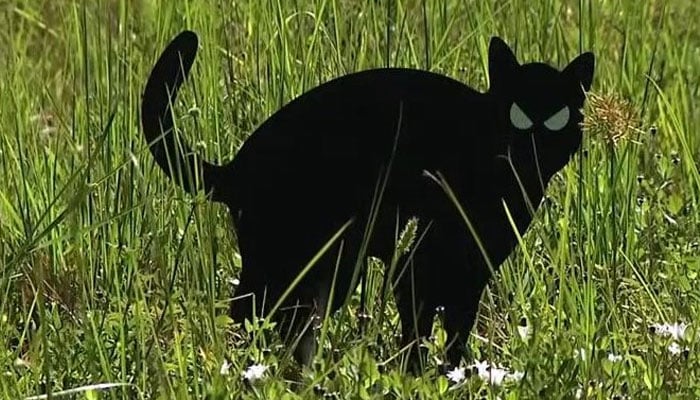
mysterious cat cutouts
|

Mysterious Cat cutouts installed to scare rare Owls in Florida


A strange wildlife-related incident has emerged from Cape Coral, Florida, where cat cutouts have reportedly been installed on two vacant plots of land in an apparent attempt to scare away rare burrowing owls.

Wildlife experts believe the unusual measure may have been taken to prevent the owls from settling on the properties before construction work begins. The incident has drawn attention because burrowing owls are a protected species in Florida and are considered an important part of the state’s wildlife ecosystem.

According to local volunteers, six fake cat cutouts were placed on one of the vacant plots near a burrowing owl’s nest. The life-sized images appear to have been positioned deliberately to create the impression that cats are present in the area.

The two plots were recently sold, and wildlife advocates believe the new owners may have adopted the unusual tactic in an effort to discourage additional owls from establishing burrows on the properties. The owners are reportedly preparing the land for future construction, making the presence of protected birds a potential concern.

Burrowing owls live underground and are known for making their homes in burrows rather than trees. Unlike many other owl species, they spend considerable time on the ground and around their burrows. Their unusual lifestyle makes them particularly vulnerable to predators, human activity and changes to their habitat.

Cats are among the major predators of burrowing owls. As a result, wildlife experts believe the cat cutouts may have been placed on the plots to make the birds feel threatened and encourage them to leave the area.

However, the unusual method has raised concerns among wildlife conservationists. In Florida, burrowing owls receive special protection under federal law. Interfering with their burrows, disturbing the birds or attempting to remove them without the required authorization can be illegal.

Wildlife conservation volunteers have expressed concern that property owners are taking extreme measures to protect their land from protected species instead of working with relevant authorities and wildlife experts.

Conservation groups have emphasized that landowners should seek appropriate guidance before carrying out construction or other activities in areas occupied by burrowing owls. Since the species is legally protected, property owners may be required to obtain permission before disturbing their habitat or taking actions that could affect the birds.

The incident has also highlighted the broader challenges faced by wildlife in rapidly developing areas. As vacant plots are sold and developed, animals that have established habitats on the land can come into conflict with construction plans. Conservationists say that protecting wildlife requires balancing development with legal and environmental responsibilities.

Volunteers working for wildlife protection organizations have urged residents to take greater responsibility for safeguarding the rare birds. They have specifically appealed to residents to keep their pet cats indoors so that they do not pose a threat to burrowing owls and other vulnerable wildlife.

The unusual sight of fake cats on vacant plots has therefore become more than a curious local incident. It has drawn attention to the continuing struggle between property development and wildlife conservation in Florida.

Wildlife advocates hope that greater public awareness, responsible pet ownership and cooperation with conservation authorities can help protect burrowing owls and ensure that the rare species continues to survive in its natural habitat.
Similar Posts

  • | |

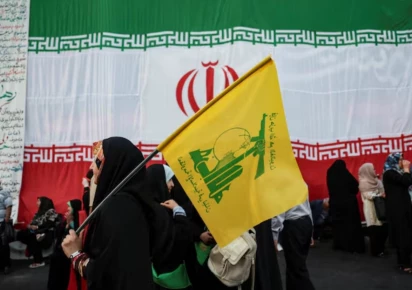
    Iran signals readiness to end war with US

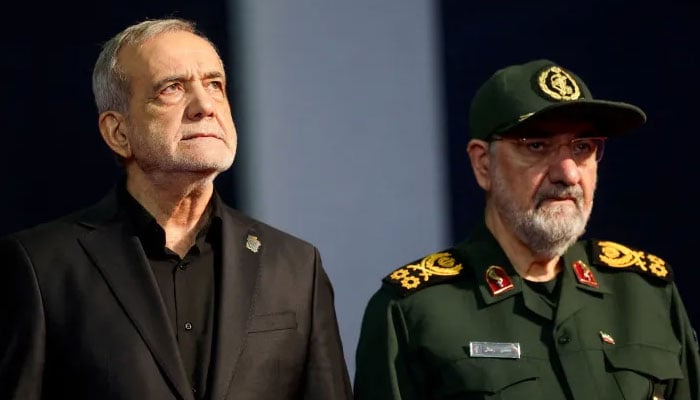
    Iranian President Masoud Pezeshkian has indicated that Tehran may be ready to end its months-long conflict with the United States, saying Iran now stands in a position of strength and dignity. According to Arab media, Pezeshkian made the remarks during a meeting with doctors in Tehran. He claimed that the international community was recognising Iran’s “victory” and condemning US strikes on schools, hospitals and critical infrastructure. Pezeshkian also defended the understanding reached with Washington in June, rejecting claims from hardline lawmakers that Iran had surrendered or made major concessions. He said the agreement contained no provision requiring Iran to surrender or give up its interests. Meanwhile, Iran’s Chief of Staff of the Armed Forces, Major General Ali Abdollahi, warned that the country remains fully prepared to respond to any new threat. He said Iran’s ground, naval, air defence and cyber forces are on full alert. In a separate development, the foreign ministers of Iran and Oman held a phone call to discuss efforts to create conditions for the resumption of negotiations. They also reviewed the situation surrounding maritime traffic in the Strait of Hormuz. Iran has partially restricted traffic through the strategic waterway, while the United States continues its naval blockade. US media reports say American naval forces are escorting covert convoys of oil tankers through the southern part of the strait, allowing between 5 million and 10 million barrels of oil to be exported each day. US President Donald Trump has expressed doubts about Iran’s willingness to negotiate. He claimed that the United States has full control over the Strait of Hormuz and surrounding areas, adding that Iran wants a deal but is not yet ready to reach the “right” agreement. Trump has also threatened economic action against countries that provide any form of assistance to Iran. US Treasury Secretary Scott Bessent announced further sanctions aimed at weakening the Iranian government. Iran condemned the US sanctions plan as “economic terrorism,” while China said pressure and sanctions would not help resolve the crisis. Beijing urged all sides to seek a solution through political and diplomatic channels.

  • |

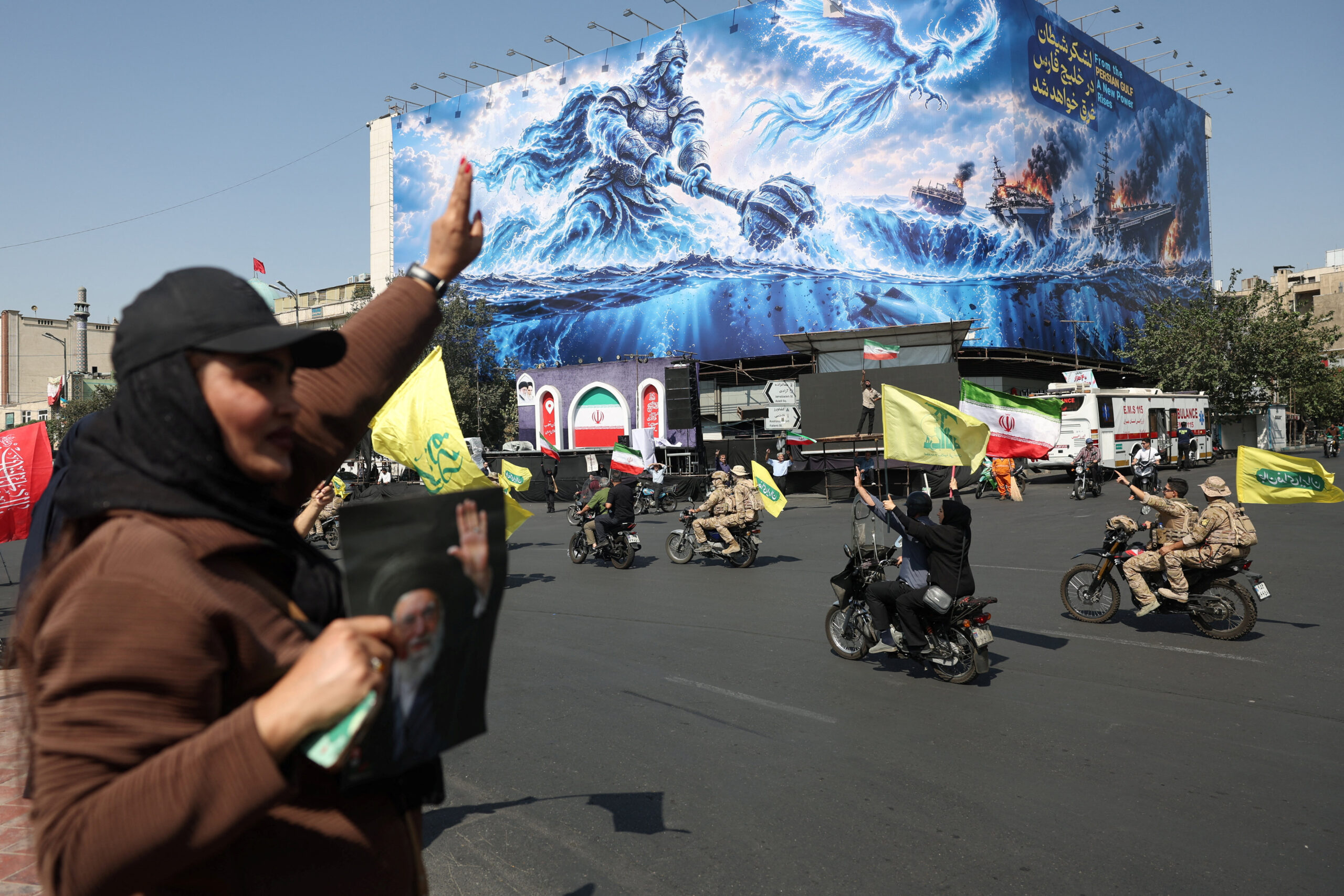
    Iran warns of ‘devastating’ response as US prepares tougher sanctions

      Iran has warned that its armed forces are prepared to deliver a severe response to any new threats, as tensions continue to rise between Tehran and the United States. Iranian military commander Abdollahi said the country’s forces would respond to hostile actions with what he described as “crushing” and “devastating” measures, according to Iranian media reports. The warning comes as Iran faces the prospect of tougher economic restrictions from Washington. US Treasury Secretary Scott Bessent recently announced plans for what he described as the strongest sanctions ever imposed on Iran, with further details expected to be released soon. Iranian Parliament Speaker Mohammed Bagher Ghalibaf has meanwhile called on the country to strengthen its economic resilience and develop strategies to deal with what he described as unjust sanctions. Speaking during a meeting with Iranian and Iraqi business representatives in Baghdad, Ghalibaf stressed that economic development and national security were closely connected. According to Ghalibaf, the United States and Israel had turned to economic and so-called “cognitive” warfare after allegedly concluding that they could not achieve their objectives through direct military confrontation with Iran and Iraq. He argued that Muslim countries needed to protect their economic resources and become less vulnerable to external pressure. Ghalibaf also urged Iran and Iraq to expand their economic cooperation. He suggested that the neighbouring countries could increase the use of their national currencies in bilateral trade in an effort to reduce their dependence on the US dollar. His comments came amid growing uncertainty over Washington’s next steps toward Tehran. Bessent’s announcement followed US President Donald Trump’s warning of possible “economic warfare” against countries that provide any form of support or economic lifeline to Iran. Bessent indicated that the new economic measures could potentially reduce the likelihood of another major military escalation. He said that if Washington pursued a policy of maximum economic pressure, there might be less need for a large-scale resumption of military operations. His remarks suggested that the US administration could seek to increase pressure on Tehran through financial and economic restrictions rather than immediately pursuing further military action. However, Iran’s latest warnings indicate that Tehran remains prepared to respond forcefully if it believes its security is threatened. Ghalibaf, who is considered one of Iran’s most influential political figures and has played a prominent role in negotiations with Washington, also emphasised the importance of closer relations between Iran and Iraq. He said the two countries should transform their longstanding political and security cooperation into practical economic partnerships that could benefit their populations. A day earlier, Ghalibaf said Iran and Iraq had resisted attempts by Western powers led by the United States to influence their political future. He urged both countries to use their strategic relationship as a foundation for greater economic cooperation, development and shared prosperity. The latest statements reflect the growing pressure surrounding Iran as Washington prepares additional sanctions while Tehran continues to emphasise its military readiness and economic independence. The situation remains closely watched as both sides weigh the possibility of further confrontation against diplomatic and economic alternatives. While the United States appears focused on intensifying financial pressure, Iranian officials continue to warn that any new security threats could trigger a forceful response. The competing strategies have added another layer of uncertainty to an already tense relationship between Tehran and Washington.

  • |

    Pakistan High Commissioner presents credentials documents at Lancaster House

    Pakistan’s High Commissioner to the United Kingdom, Tipu Usman, on Tuesday presented the working copies of his Letter of Appointment to Scott Furssedonn-Wood, Vice-Marshal of the Diplomatic Corps, during a meeting at Lancaster House. During the meeting, the High Commissioner conveyed the best wishes of Pakistan’s leadership and people to the leadership and people of the United Kingdom. He reaffirmed Pakistan’s commitment to working closely with his UK counterparts to further strengthen the longstanding bilateral relationship between the two countries. The presentation of the working copies marks an important diplomatic step before the formal presentation of credentials to His Majesty King Charles III, enabling the High Commissioner to commence his official diplomatic responsibilities in the United Kingdom. Pakistan and the United Kingdom share longstanding ties across trade, investment, security, education and people-to-people links, with both sides expressing their commitment to further enhancing cooperation in areas of mutual interest.

  • Elon Musk admits his OpenAI bet backfired

    Elon Musk now believes one of his earliest moves to stop any single company from dominating artificial intelligence may have backfired badly. In a conversation with Zanny Minton Beddoes, editor-in-chief of The Economist, the xAI founder said he originally helped create OpenAI as a counterweight to Google, which had “more or less a monopoly on AI” at the time. Musk admitted things did not play out the way he had hoped. He pointed to Anthropic’s split from OpenAI, and its rise into a leading AI company, as proof his original bet triggered consequences he never saw coming. It ultimately sped up the AI race rather than slowing it down. He said he was not really trying to accelerate AI, but that creating OpenAI, followed by Anthropic spinning out of it, ended up producing knock-on effects that did exactly that. His takeaway was blunt, every road in AI now leads to faster development, not less. The comments arrive amid Musk’s ongoing legal battle with OpenAI CEO Sam Altman over the company’s shift from nonprofit research lab to commercial powerhouse. Musk has framed his frustration in simple terms, he says that he funded a nonprofit meant to be an open-source AI company owned by the world, only to watch it become an $800 billion closed-source for-profit business. That is the opposite of what he intended his donation for. Musk had sought $150 billion in damages from OpenAI, Altman, Microsoft, and other parties. A federal jury in Oakland ruled in May that his claims fell outside the statute of limitations, and Judge Yvonne Gonzalez Rogers dismissed the case on those grounds. Musk has said he plans to appeal to the Ninth Circuit. Despite the feud with Altman, Musk struck a notably warmer tone about Anthropic. He suggested the people who left OpenAI to start it did so because they had lost faith in Altman’s leadership, and he praised Anthropic CEO Dario Amodei as someone genuinely principled and seriously concerned about AI’s future. He went so far as to say the company’s team passed what he called his “evil detector.” Musk also floated a safety proposal: giving leading AI labs a window of a week or two to review rivals’ models before public release. His reasoning was that competitors checking each other, even amid personal animosity between CEOs, would actually make the process more honest rather than less.

Leave a Reply

Your email address will not be published. Required fields are marked *