
• |

    CDA launches Rs5.07bn Six-Lane Road project from Faizabad to Koral Chowk

    The Capital Development Authority (CDA) has accelerated plans to construct a new six-lane carriageway along Service Road East, approving a project worth Rs5.072 billion aimed at easing chronic traffic congestion on the Islamabad Expressway and improving connectivity between Faizabad and Koral Chowk. The 9.25-kilometre road will run parallel to the Islamabad Expressway, extending from Faizabad to Koral Chowk near Gulberg Housing Society. Once completed, the new corridor is expected to provide motorists with an alternative route, reducing travel time on one of the capital’s busiest transport arteries while facilitating smoother traffic movement for commuters travelling to Islamabad and Rawalpindi. Officials said the project forms part of the CDA’s broader strategy to upgrade the capital’s road infrastructure in response to increasing traffic volumes and rapid urban expansion in surrounding residential and commercial areas. According to official sources, the new carriageway is expected to improve access to several housing societies and neighbourhoods located along the eastern side of the Islamabad Expressway. Authorities believe the project will not only ease traffic bottlenecks but also stimulate commercial development by increasing the value of properties and attracting new businesses along the corridor. To facilitate construction, the CDA has earmarked approximately Rs500 million for the relocation of critical utility infrastructure. This includes fibre-optic networks operated by the Islamabad Police Safe City Project, the Strategic Plans Division (SPD), Sui Northern Gas Pipelines Limited (SNGPL), and the Islamabad Electric Supply Company (IESCO). Sources said extensive utility shifting will be required before the main construction work can proceed at full pace. The project involves relocating 11kV electricity distribution lines, shifting 242 electricity poles, and relocating 248 graves that fall within the road alignment. Earthwork activities have already begun at selected locations. The road project also incorporates environmental protection measures. Officials said engineers have planned the preservation of 22 underground water channels, natural streams, and stormwater drains located along the proposed route to minimise environmental disruption and maintain the area’s natural drainage system. A breakdown of utility relocation costs shows that around Rs406 million has been allocated for IESCO infrastructure, Rs87.3 million for shifting Safe City fibre-optic networks, and approximately Rs6 million for relocating SPD facilities. Work on these utility relocation components is expected to commence after the completion of technical and administrative formalities. A senior CDA official said the authority has revised the project’s completion timeline, reducing the original target of 12 months to between six and eight months. However, the official acknowledged that the timely relocation of utilities remains the biggest hurdle and will largely determine whether the revised deadline can be achieved.

  • |

    Fawad Blames PML-N, PPP for political deadlock

    Former federal minister Fawad Chaudhry said Pakistan cannot move forward politically or economically as long as the country’s two major ruling parties, the Pakistan Muslim League-Nawaz (PML-N) and the Pakistan Peoples Party (PPP), continue to dominate national politics. Speaking to reporters in Islamabad, Fawad criticized former president Asif Ali Zardari and former prime minister Nawaz Sharif, arguing that their continued influence has prevented the country from making meaningful progress. He said Pakistan would struggle to achieve stability and development unless it moved beyond what he described as the traditional political leadership. Fawad also took aim at Prime Minister Shehbaz Sharif’s economic record. He noted that Shehbaz has presented a total of 17 budgets during his political career, including 12 as chief minister of Punjab and five at the federal level. He questioned what new solutions the prime minister could still offer after overseeing so many budgets. Commenting on constitutional reforms, Fawad said he supports the transfer of administrative powers, adding that decentralization could strengthen governance if implemented effectively. Addressing the broader political situation, he stressed that any genuine national dialogue must include the founder of Pakistan Tehreek-e-Insaf (PTI), who remains in prison. Fawad said the PTI founder is the country’s most influential political leader and should be engaged in talks as a Pakistani citizen. He added that he shares a long political association with the PTI founder and believes meaningful negotiations cannot succeed without his participation. Former Sindh governor Imran Ismail, who was also present during the media interaction, said he has submitted a request to meet the PTI founder. According to Ismail, he intends to discuss proposals related to the creation of new provinces and seek his opinion on the issue before moving forward with any political discussions.

  • |

    Pakistan, Japan agree to expand development cooperation

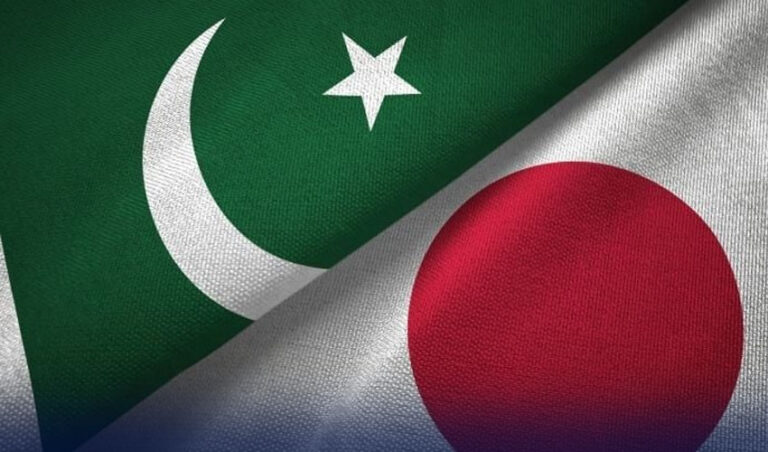
    Pakistan and Japan have reaffirmed their commitment to strengthening long-standing development cooperation, with both sides agreeing to expand collaboration in economic reforms, mineral development, technical training, and human resource development during a high-level meeting in Islamabad. The understanding was reached during a meeting between Prime Minister Shehbaz Sharif and a nine-member delegation led by Japan International Cooperation Agency (JICA) President Dr. Tanaka Akihiko. Welcoming the delegation, Prime Minister Shehbaz Sharif described the seven-decade partnership between Pakistan and Japan as a cornerstone of bilateral relations, expressing confidence that the JICA president’s visit would inject fresh momentum into cooperation between the two countries. The prime minister highlighted the government’s ongoing economic reform agenda, stating that Pakistan had successfully navigated a challenging economic period through coordinated efforts and was now focused on achieving sustainable and inclusive economic growth. He said the government’s reform programme had produced encouraging results, noting that national revenues had doubled over the past three years. According to the prime minister, these improvements were creating greater fiscal space for investment in development priorities and public welfare. Shehbaz Sharif emphasized that equipping young people with modern skills and technical education remains one of the government’s foremost priorities. He said the administration is also committed to creating quality employment opportunities and promoting the economic empowerment of women as part of its broader development strategy. During the meeting, the prime minister welcomed JICA’s technical assistance in Pakistan’s minerals sector, describing the cooperation as timely given the country’s vast untapped mineral resources. He also appreciated JICA’s collaboration with the Small and Medium Industrial Development Authority (SMIDA), saying such partnerships would help strengthen industrial capacity, improve productivity, and boost Pakistan’s exports. The discussions also covered ways to broaden bilateral cooperation in areas including infrastructure development, capacity building, vocational training, and investment promotion. Both sides acknowledged the importance of expanding technical collaboration to support Pakistan’s long-term economic transformation. JICA President Dr. Tanaka Akihiko thanked Prime Minister Shehbaz Sharif for his warm welcome and appreciation, reaffirming Japan’s commitment to supporting Pakistan’s development journey. He noted that JICA and Pakistan share a long-standing partnership built on mutual trust and cooperation, adding that the agency remains ready to further expand its engagement across multiple sectors, including economic development, human resource development, and technical cooperation.

  • | |

    LHC dismisses PTI’s Minar-e-Pakistan rally p…

    The Lahore High Court on Wednesday dismissed a petition filed by the Pakistan Tehreek-e-Insaf (PTI), which sought permission to hold a public rally at Minar-e-Pakistan in Lahore. During the hearing, the court ruled that the petition had become unnecessary because the Deputy Commissioner (DC) had already made a decision on the party’s request for the gathering. The bench observed that the court must act within the framework of the law and cannot intervene once the competent administrative authority has issued its decision. The judges noted that the matter no longer required judicial consideration, as the relevant government official had already exercised the authority assigned under the law. On this basis, the court dismissed PTI’s plea. The ruling marks another legal setback for PTI in its efforts to secure permission for a public meeting at the historic Minar-e-Pakistan venue, where the party has previously held major political gatherings. The decision leaves the administrative authorities’ determination on the proposed rally in place.

  • | |

    South Punjab strengthens flood response amid monso…

    MULTAN: Director General of the Punjab Disaster Management Authority (PDMA), Saif Anwar Jappa, met Additional Chief Secretary South Punjab, Fawad Hashim Rabbani, at the South Punjab Secretariat to review the ongoing monsoon situation and flood relief operations across the region. During the meeting, the Additional Chief Secretary congratulated Saif Anwar Jappa on his appointment as DG PDMA and expressed his best wishes for his new role. The PDMA chief gave a detailed briefing on the current flood and weather situation, as well as the relief measures being undertaken in affected areas. He said the authority, in coordination with all relevant departments, has accelerated rescue and relief operations in response to the ongoing monsoon emergency. Jappa said dewatering efforts, ration distribution and rescue activities are continuing in flood-affected areas. He added that teams are actively working to drain water from urban flood zones and restore damaged roads to ensure public access and safety. He further said all district administrations and emergency control rooms have been placed on high alert around the clock to respond swiftly to any developing situation. The PDMA is also using modern technology, including drones, to deliver life jackets and emergency relief supplies to inaccessible areas during emergencies, he said. According to the DG PDMA, priority is being given to identifying flood relief camps in vulnerable districts and ensuring the timely provision of food, clean drinking water, dry fodder for livestock and other essential supplies to affected families. Additional Chief Secretary Fawad Hashim Rabbani directed authorities to maintain strict monitoring of water flows in flood-prone areas of South Punjab and ensure timely preventive measures. He said the completion of two new protective embankments at Jalalpur Pirwala in a record period, under the directions of the Punjab government, has played a significant role in protecting the city from floodwaters. Rabbani also instructed officials to ensure the immediate evacuation of people living in riverine and low-lying areas where flood risks remain high. He further directed that rescue and relief teams remain fully prepared in the hilly areas of Dera Ghazi Khan and Rajanpur to respond promptly to any emergencies caused by flash floods and hill torrents during the ongoing monsoon season.

  • | |

    Suspended ASI gets four-day police remand

    A Lahore court on Wednesday handed a four-day physical remand of a suspended assistant sub-inspector (ASI) to police for further investigation into the alleged rape of a mentally challenged young woman inside Ghaziabad Police Station. The suspect, identified as suspended ASI Imran, was presented before Judicial Magistrate Iram Yousaf by the investigating team. Police requested a 14-day physical remand, stating that further custody was necessary to collect evidence and complete the investigation into the alleged sexual assault. After hearing the arguments, the court approved a four-day physical remand instead of the two-week period sought by investigators. The suspect will remain in police custody while investigators continue gathering evidence and recording statements. The case has sparked widespread concern after authorities alleged that the incident occurred within the premises of a police station. Following the allegations, Lahore police suspended the entire staff of Ghaziabad Police Station, citing administrative failures, negligence and poor supervision. According to the first information report (FIR), the case was registered on August 3 under Section 376 of the Pakistan Penal Code, which deals with rape, along with Section 155C of the Police Order 2002 concerning misconduct by police officials. The complaint was filed by the victim’s father. Police officials said senior officers immediately took notice of the incident after the FIR was registered. The accused officer was arrested, while departmental action was initiated against police personnel responsible for supervising the station. In a separate disciplinary move, authorities suspended 78 police officials posted at the station, holding them accountable for negligence and failure to ensure proper oversight. According to the complainant, his mentally challenged daughter, believed to be around 19 or 20 years old, left home on the afternoon of August 3 and did not return for several hours. During the search, a local resident allegedly informed the family that a policeman in plain clothes had taken the young woman away. The victim’s father said he rushed to the police station, where he was told that his daughter had already gone home. When the family returned, they found her distressed and crying. He alleged that his daughter told them she had been taken to the police station by a police officer and sexually assaulted. Following her statement, the family approached authorities and sought legal action against the accused officer.

  • | |

    Abdullah Saleem scores 1,191, tops DG Khan Board

    The Board of Intermediate and Secondary Education (BISE) Dera Ghazi Khan has announced the position holders for the 2026 Matric Annual Examinations ahead of the official declaration of results. Chairman Professor Dr Abdul Rauf unveiled the names of the top-performing students and congratulated the position holders and their parents on their outstanding achievement. Board Secretary Abdul Rehman Chaudhry, Controller of Examinations Professor Muzaffar Hussain, and other senior officials were present during the announcement ceremony. The board said the complete Matric Annual Examination results will be officially announced on August 6. Abdullah Saleem from Layyah secured first position across the DG Khan Board by scoring 1,191 marks. Mir Mujtaba from Taunsa Sharif claimed second position with 1,190 marks. The third position was shared by Farwah Ahmed from Muzaffargarh, Meerab Zahra from Layyah, and Syed Muhammad Jon Abbas from Layyah, with each student scoring 1,189 marks. Students from Layyah, Taunsa Sharif, and Muzaffargarh dominated the list of top achievers this year, reflecting the strong academic performance of the region. The announcement sparked celebrations among parents, teachers, and educational circles, who praised the students for their remarkable success. The position holders credited their achievement to hard work, the guidance of their teachers, and the prayers and support of their parents.

  • | | |

    PM seeks broader JICA partnership in skills, miner…

    Prime Minister Shehbaz Sharif on Wednesday called for expanding Pakistan’s cooperation with the Japan International Cooperation Agency (JICA), identifying skills development, mineral exploration and support for small and medium-sized enterprises (SMEs) as key areas for future collaboration. The prime minister made the remarks during a meeting in Islamabad with a nine-member JICA delegation led by its President, Dr Tanaka Akihiko. He said Pakistan deeply values its decades-long partnership with Japan and expressed confidence that the latest engagement would further strengthen bilateral development ties. Highlighting the government’s economic agenda, Shehbaz said Pakistan had emerged from a challenging economic period through coordinated reforms and was now focused on achieving sustainable and inclusive growth. He noted that fiscal reforms had significantly improved revenue collection over the past three years, creating greater capacity for national development. The premier stressed that equipping young people with modern skills, expanding technical and vocational education, creating employment opportunities and empowering women remain among the government’s highest priorities. He said Pakistan is keen to benefit from JICA’s expertise in these sectors. Shehbaz also identified the country’s vast mineral resources as a major area of economic potential and invited JICA to provide technical assistance to help develop the sector and attract greater investment. Discussing support for businesses, the prime minister said reforms at the Small and Medium Enterprises Development Authority (SMEDA) had strengthened the institution. He expressed hope that enhanced cooperation with JICA would help improve SME productivity, encourage entrepreneurship and boost Pakistan’s exports. During the meeting, Shehbaz also conveyed condolences over the recent earthquake in Japan. Dr Tanaka thanked the prime minister for his message of sympathy and appreciated the warm hospitality extended to the Japanese delegation during its visit. The JICA president reaffirmed the agency’s commitment to expanding cooperation with Pakistan in healthcare, education, urban and rural development, industrial growth and technical training. He said future projects would be designed in line with the development priorities of both the federal and provincial governments. Dr Tanaka also acknowledged Pakistan’s efforts to promote peace and stability in the Middle East. Separately, Federal Minister for Economic Affairs Ahad Cheema met the JICA delegation to discuss future development initiatives. He invited the agency to participate in financing the Main Line-1 (ML-1) railway project alongside the Asian Development Bank and other development partners, describing the railway upgrade as vital for improving trade, transportation and industrial connectivity across the country. Cheema also sought JICA’s support for expanding internet connectivity in rural areas to promote freelancing and digital commerce. He requested technical assistance for feasibility studies of major infrastructure projects, an area in which JICA expressed readiness to cooperate.

  • | | | |

    Iran warns US forces face regional expulsion

    Senior Iranian officials on Wednesday issued fresh warnings against the United States, declaring that American forces could eventually be forced out of the Middle East while linking any future reopening of the Strait of Hormuz to changes in Washington’s policies. Ebrahim Azizi, chairman of the Iranian parliament’s National Security Committee, said the removal of US military forces from the region and from countries hosting American bases was only a matter of time. In a post on X, he claimed the US would eventually have to focus its resources on securing its own territory instead of maintaining military installations abroad. The remarks came as Iranian media reported that ongoing discussions between Tehran and Oman over future navigation arrangements in the Strait of Hormuz would not automatically lead to the reopening of the strategic shipping route. According to Iranian state media, negotiations are being conducted solely between Iran and Oman, with officials insisting that the process is independent of the United States. Iranian sources maintained that even if an agreement is reached with Muscat, the waterway will remain closed unless Washington changes what Tehran describes as its hostile policies and interference. The Strait of Hormuz is one of the world’s most critical energy corridors, carrying a significant share of global oil shipments. Any disruption to traffic through the strait has the potential to affect international energy markets and regional security. Meanwhile, the United Nations expressed concern over a sharp increase in executions in Iran. UN High Commissioner for Human Rights Volker Türk said at least 56 people had been executed on national security-related charges since March, including dozens connected to protest-related cases. He warned that the growing use of capital punishment appeared aimed at creating fear within society. Regional tensions also escalated after Yemen’s Houthi movement claimed responsibility for a missile attack on the Saudi oil tanker Wafaa in the northern Red Sea. The group said the vessel was struck by ballistic missiles as part of its campaign targeting Saudi shipping. Houthi spokesman Yahya Saree claimed the movement had targeted eight Saudi oil tankers since launching its maritime blockade in late July and said dozens of other vessels had either been prevented from passing or forced to change course. Saudi authorities had not commented on the claims at the time of reporting. Separately, Iranian lawmaker Esmail Kowsari criticised US President Donald Trump’s approach toward Tehran, describing Washington’s negotiating strategy as inconsistent and unreliable. He accused the US administration of issuing conflicting statements regarding the Strait of Hormuz and Iran’s regional position. Iranian officials also blamed what they described as continued US pressure and military threats for slowing negotiations with Oman over navigation in the Strait of Hormuz, insisting that Tehran would not conclude any agreement under external pressure.

  • |

    Pakistan seal series with thrilling 4-3 win over South Korea

    Pakistan produced another impressive performance to edge South Korea 4-3 in a thrilling third hockey Test at Islamabad’s Nasir Bunda Hockey Stadium on Wednesday, taking an unassailable 3-0 lead in the four-match series. The visitors struck first and looked in control during the opening quarter. South Korea’s Kim Hyun Jung found the back of the net in the 10th minute, giving his side a 1-0 advantage that remained intact until the end of the first period. Pakistan responded strongly in the second quarter as Hayat Zakria scored a well-taken field goal to restore parity. However, the celebrations were short-lived, with Korea regaining the lead in the 33rd minute through Jing Ji Hon, leaving the hosts trailing 2-1. The contest became even more dramatic after the break. Rana Waheed equalised for Pakistan in the 45th minute, raising hopes of another comeback. Yet South Korea answered once again when Kim Yang scored five minutes later to make it 3-2 and put the visitors within touching distance of victory. With the clock ticking down, Pakistan produced a remarkable late surge. Hanan Shahid levelled the score in the 55th minute before Abdul Rehman completed the comeback just two minutes later, firing home the decisive goal in the 57th minute to send the home crowd into celebration. Pakistan held firm during the closing minutes to secure a memorable 4-3 victory, extending their winning streak against the Korean side. The result gives Pakistan an unbeatable 3-0 lead in the four-Test series, continuing an encouraging run for the national team on home soil. The series has also highlighted the successful return of international hockey action to Pakistan, with competitive crowds and spirited performances providing fresh optimism for the country’s hockey revival. The fourth and final Test will now offer Pakistan the opportunity to complete a clean sweep, while South Korea will look to salvage pride by avoiding a series whitewash.