• | | | |

    Pakistani folklore

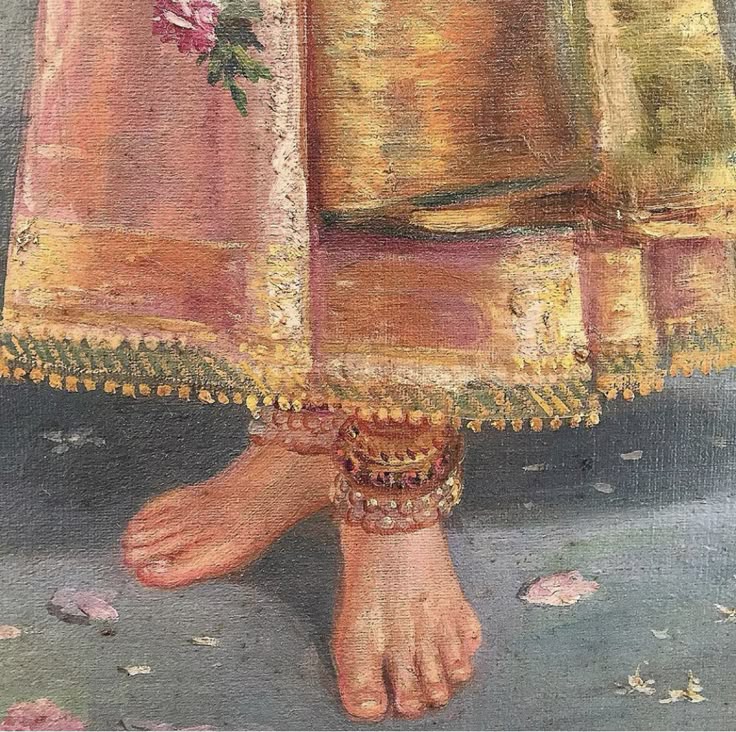
    Pakistani folklore is a vibrant web regional oral traditions, Sufi mystical allegories, and tribal epics across Punjab, Sindh, Balochistan, Khyber Pakhtunkhwa, and the northern mountain valleys. Punjab: Sufi Metaphors & Tragic Romances Punjabi folklore is dominated by tragic love stories (Kissa) that doubled as spiritual allegories for divine love (Ishq-e-Haqiqi). Heer Ranjha is immortalized by the poet Waris Shah. This narrative details the doomed union between Heer, a noblewoman, and Ranjha, an outcast flute player turned jogi. In case of Sohni Mahiwal, Sohni crosses the volatile Chenab River nightly using an baked earthenware pot (gharra) to meet her lover Mahiwal. One night, her sister-in-law replaces the vessel with unbaked clay. This  dissolves mid-stream, leading to Sohni’s tragic drowning. Mirza Sahiban is tale of romance, familial duty, and betrayal. The story culminated in Sahiban breaking Mirza’s arrows to protect her brothers. This act leads to Mirza’s demise. Sindh: The Seven Queens (Satt Surmyun) Sindhi lore centers around seven heroic women celebrated in Shah Abdul Latif Bhittai’s monumental Sufi compendium, the Shah Jo Risalo. Sassi (Sassi Punhun) searches the Makran desert for her abducted lover, Punhun, until the earth swallows her. Marui (Umar Marui) was abducted by King Umar. She refuses wealth and palace luxuries to remain faithful to her desert village. Moomal (Moomal Rano) operates the enchanted palace of Kak Mahal, tests suitors with magical illusions, and loses Rano to misunderstanding. Balochistan: Tribal Epics & Renunciation Baloch folklore prioritizes chivalry, tribal honor, and ascetic devotion. Hani and Sheh Mureed: The legendary hero Mureed sacrifices his marriage to Hani due to a bound oath given to Mir Chakar Rind. Mureed becomes a wandering dervish, becoming an archetype of ultimate devotion. Lulla and Granaz: Tales celebrating battlefield bravery, hospitality, and tribal allegiance. Khyber Pakhtunkhwa & Northern Valleys: Pashtun & Mountain Legends Adam Khan and Durkhanai: A Pashto romance where music plays a central role. Adam Khan’s soulful mastery of the Rabab brings the lovers together against social friction. Prince Saiful Muluk & Badri-ul-Jamal: Set in the high-altitude Kaghan Valley, a Persian prince falls in love with a fairy princess at Lake Saiful Muluk, giving the actual alpine lake its legendary name.

  • |

    The limits and depth of human consciousness

    For millions of years, the survival of living species depended almost entirely on practical adaptations. The core of living was finding food, securing shelter, avoiding predators, and reproducing. Yet, at a crucial juncture in evolutionary history, Homo sapiens began engaging in a behavior that offered no immediate physical utility like making art. From red ocher hand stencils on cave walls in Sulawesi and Western Europe to intricate bone flutes and sculpted figurines, early humans devoted valuable time and energy to symbolic creation. Today, neuroscientists, cognitive psychologists, and evolutionary anthropologists increasingly view art not as a secondary cultural luxury, but as a foundational hallmark of human consciousness. The Evolutionary Emergence of Symbolic Thought The birth of artistic expression marks a profound cognitive transition. While many animals exhibit complex behaviors, these actions are largely instinctual and functional. Human art, by contrast, relies on abstract symbolic thinking. The capacity to let one object, shape, or sound represent an idea, emotion, or absent reality. When an early human carved a figure or painted a thundering herd of bison onto rock, they were not merely copying their surroundings. They were projecting an internal mental world onto an external physical canvas. This ability to externalize subjective experience required a sophisticated architecture of consciousness, including robust working memory, metacognition (thinking about one’s own thinking), and a developed theory of mind. It’s the understanding that others possess distinct mental states and can interpret shared symbols. The Neurobiology of Aesthetic Experience Modern neuroimaging reveals that creating and contemplating art engages large-scale, interconnected brain networks. When a person immerses themselves in a painting, music, or literature, the Default Mode Network (DMN) works with sensory and emotional circuits. Artistic engagement triggers a dynamic dialogue between the visual or auditory cortex, the limbic system (which processes emotion), and executive regions in the prefrontal cortex. This complex cross-talk allows humans to experience qualia. The subjective, qualitative feel of conscious experiences. A visual composition does not simply register as light wavelengths in the brain; it evokes nostalgia, awe, melancholy, or inspiration. This capacity to synthesize raw sensory inputs with deep emotional resonance and reflective thought is a unique feature of high-level conscious awareness. Lived Experience versus Machine Patterning In an era dominated by artificial intelligence algorithms capable of generating hyper-realistic images and musical compositions in seconds, the relationship between art and consciousness has taken on renewed urgency. While generative models analyze billions of data points to predict and replicate aesthetic patterns, they operate entirely without subjective awareness, intent, or emotional feeling. Human art originates from a grounded biological reality: the lived experience of mortality, joy, heartbreak, bodily sensation, and social existence. The power of a masterpiece lies not merely in its formal technique, but in the implicit bridge it constructs between the inner world of the artist and that of the observer. Art is fundamentally a dialogue of consciousnesses. It is a mechanism through which one conscious entity communicates what it feels like to exist. A Mirror to Human Identity Ultimately, art serves as both a product and a mirror of conscious awareness. It enables individuals to simulate hypothetical scenarios, process complex social dynamics, and navigate existential questions about purpose and mortality. By translating internal emotional states into tangible forms, humans construct shared cultural meaning and foster deep social cohesion.   As science continues to explore the mystery of how physical brain matter generates subjective experience, art remains our most visible and enduring cognitive fingerprint. It stands as compelling proof that human consciousness is defined not just by how we perceive the objective world, but by our infinite capacity to imagine and construct new ones.

  • |

    Pashtun identity in modern South Asia

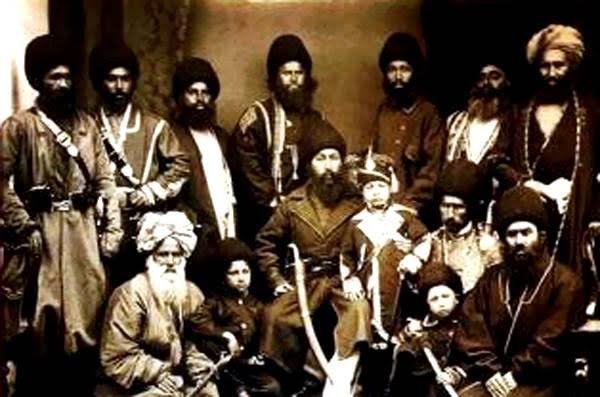
    The Pashtuns represent one of the most populous indigenous groups across South and Central Asia, predominantly in Afghanistan and Pakistan. Their social backbone relies on interconnected lineages, extended families, clans, and tribal alliances rather than a centralized political authority. From major confederations like the Durrani and Ghilzai to influential communities such as the Yusufzai, Afridi, Mohmand, Khattak, Wazir, and Mahsud, Pashtun society is a rich tapestry of overlapping regional, religious, and civic loyalties. At the core of their culture is Pashtunwali, an ancient honor code governing daily life through principles of hospitality, courage, asylum, and restorative justice. Historically, community issues and disputes were negotiated collectively through jirgas, or assemblies of local elders, maintaining order through consensus. Empire Builders and Cultural Crossroads Beyond tribal structure, Pashtuns have repeatedly reshaped the political landscape of the Indian subcontinent and Central Asia. Sultanate Dynasties: The Lodi dynasty established its rule over the Delhi Sultanate, paving the way for intricate South Asian governance structures. Administrative Reforms: Imperial leader Sher Shah Suri founded the Sur Empire in North India, pioneering sweeping reforms in taxation, infrastructure development, and currency. Empire Founding: In the 18th century, Mirwais Hotak challenged Safavid Persian dominance, while Ahmad Shah Durrani established the Durrani Empire in 1747, laying the groundwork for modern Afghanistan. This history is far more than military conquest. Pashtun territories served as vital crossroads where Persian, Turkic, Indian, and Islamic traditions converged. Consequently, their heritage spans beyond warrior traditions. It thrives in rich oral poetry, musical compositions, complex embroidery, craftsmanship, and trade networks. The Borderlands and Modern Challenges The 19th century brought prolonged conflict with British imperial forces along the northwestern frontier. A pivotal turning point arrived with the demarcation of the Durand Line in 1893. By drawing an artificial boundary between Afghanistan and British India (now Pakistan), the British divided ancestral Pashtun communities, establishing a geopolitically sensitive frontier that continues to spark debate and shape regional politics today.   In recent weeks, administrative re-alignments and border disputes in provinces like Balochistan and Khyber Pakhtunkhwa have reignited local debate. Prominent political and tribal leaders have voiced strong resistance to state restructuring, asserting that top-down administrative decisions risk erasing historical identities. Through renewed calls for broad political dialogue rather than bureaucratic divisions, modern Pashtun communities continue to rely on unified assemblies to safeguard their cultural heritage, self-determination, and historical voice in a changing region.

  • | |

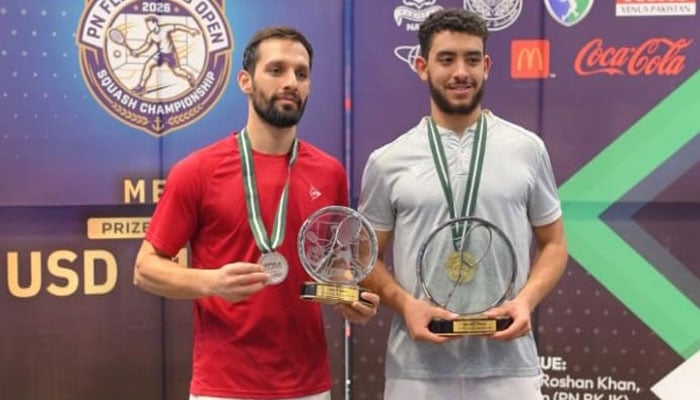
    Egypt’s Salman Khalil defeats Pakistan’s Nasir Iqbal 

      Egypt’s Salman Khalil emerged victorious at the PN Fleet Club Open International Squash Championship after defeating Pakistan’s Nasir Iqbal in a thrilling final held at the Pakistan Navy Roshan Khan-Jahangir Khan Squash Complex in Karachi. The prestigious tournament, organized by the Sindh Squash Association, concluded with an impressive display of world-class squash and highlighted the growing of the event. Third-seeded Salman Khalil from Egypt outclassed Pakistan’s experienced player Nasir Iqbal in straight games to claim the championship title. Khalil secured the victory with game scores of 14-12, 11-3, and 13-11, demonstrating remarkable consistency, skill, and composure throughout the contest. Although Nasir Iqbal fought hard and received strong support from the home crowd, he was unable to overcome the Egyptian’s aggressive play and tactical brilliance. The final attracted several distinguished guests from Pakistan’s sports and military communities. Commander Karachi, Vice Admiral Faisal Amin, attended the event as the chief guest and distributed prizes among the winners and runners-up. The ceremony was also graced by the presence of Pakistan’s squash legend and former world champion Jahangir Khan, along with former Governor of Sindh Moinuddin Haider, who praised the high standard of competition and encouraged young players to pursue excellence in the sport. The championship featured a total prize purse of US$41,000 making it one of the most significant squash tournaments held in Pakistan this year. The event attracted talented players from different countries and provided local athletes with an opportunity to compete against international opponents on home soil. Speaking at the closing ceremony, Vice Admiral Faisal Amin expressed his satisfaction over the successful organization of the tournament. He said that hosting an international squash championship of this caliber was a positive step for Pakistan’s sporting landscape. He reaffirmed the Pakistan Navy’s commitment to promoting sports and supporting athletes through the organization of national and international competitions. According to him, such events help revive Pakistan’s rich sporting traditions while inspiring the younger generation to participate in healthy and competitive activities. Sindh Squash Association President Adnan Asad also addressed the audience during the prize distribution ceremony. He revealed that several more high-prize-money squash tournaments are being planned in the near future. He emphasized that the responsibility now lies with the players to work hard, improve their skills, and seize the opportunities being created for them. Asad expressed confidence that regular international competitions would contribute significantly to the development of Pakistani squash. Former world champion Jahangir Khan shared his hopes for the future of Pakistani squash. He said he dreams of seeing Pakistani players qualify for the Los Angeles Olympic Games and ultimately win the country’s first Olympic gold medal in squash. Jahangir stressed that achieving such success would require unwavering dedication, discipline, and hard work. He urged young players to focus solely on their training and performance if they aspire to become legends like Jahangir Khan and Jansher Khan, whose achievements once made Pakistan the dominant force in world squash. The successful conclusion of the PN Fleet Club Open International Squash Championship reflects Pakistan’s continued efforts to revive its historic legacy in squash by hosting international competitions, nurturing emerging talent, and providing athletes with valuable exposure at the highest level.

  • | | |

    PCB warns former cricketers over participation 

      The Pakistan Cricket Board (PCB) has taken serious notice of the participation of former Pakistani cricketers in the unauthorized Asian Legends League currently being held in Zambia. The board has announced strict disciplinary measures against any current or former player who participates in the event without obtaining prior approval through a No Objection Certificate (NOC). According to the PCB, the Asian Legends League is not recognized or approved by either the International Cricket Council (ICC) or the Zambia Cricket Union. As a result, the tournament is considered an unauthorized event, and players participating without official permission are deemed to be in violation of the board’s regulations. In an official statement, the PCB emphasized that all current and former Pakistani cricketers must obtain an NOC before taking part in any cricket event or league outside Pakistan. The board stressed that this requirement is in place to protect the integrity of the game, ensure player accountability, and maintain proper coordination with international cricket authorities. The PCB warned that any former cricketer found participating in the unauthorized league without receiving an NOC will face strict consequences. One of the key penalties announced by the board is a two-year ban on the issuance of any future NOCs. This means that players who violate the regulations will not be granted permission to participate in overseas cricket tournaments or exhibition events organized outside Pakistan during that period. In addition to restrictions on international participation, the PCB has also declared that individuals involved in the unauthorized league will be ineligible for coaching, mentoring, commentary, talent development, or any other official responsibilities associated with the Pakistan Cricket Board and the Pakistan Super League (PSL) for two years. The decision reflects the board’s intention to ensure that those associated with unauthorized competitions do not continue to benefit from official roles within Pakistan’s cricket structure. The board’s statement serves as a strong reminder that compliance with PCB regulations is mandatory for all Pakistani cricketers, regardless of whether they are active professionals or retired players. The NOC system is designed to regulate players’ participation in foreign leagues, safeguard contractual obligations, and ensure that events meet international standards and receive recognition from the relevant governing bodies. The PCB further advised all current and former players to verify the status of overseas tournaments before accepting invitations to participate. Players have been instructed to seek formal approval from the board in advance to avoid disciplinary action and ensure that the competitions they join are officially sanctioned. Cricket boards around the world often require players to obtain NOCs before participating in overseas leagues. These approvals help confirm that tournaments are legitimate, properly organized, and conducted under recognized cricketing authorities. The PCB’s latest decision reinforces its commitment to maintaining professionalism, protecting the reputation of Pakistani cricket, and ensuring that its players compete only in approved events. By announcing these strict measures, the Pakistan Cricket Board has sent a clear message that unauthorized participation in unrecognized tournaments will not be tolerated. The board hopes the policy will encourage greater discipline among players while preserving the credibility of Pakistan’s cricketing system. Going forward, all Pakistani cricketers are expected to strictly follow PCB regulations and obtain the necessary approvals before participating in any cricket event outside the country.

  • | | |

    Arshad Nadeem confirmed for Lausanne Diamond Leagu…

      Pakistan’s Olympic champion Arshad Nadeem has officially been included in the entry list for the Lausanne Diamond League one of the most prestigious athletics competitions in the world. The organizers released the official entry list for the event, which is scheduled to take place on August 21 in Lausanne, Switzerland. The competition is expected to feature many of the world’s finest javelin throwers, promising an exciting contest among elite athletes. Arshad Nadeem, who has become one of Pakistan’s greatest sporting icons following his remarkable achievements on the international stage, will compete against some of the biggest names in javelin throwing. His participation has generated significant excitement among Pakistani sports fans, who are eager to see him continue his outstanding form against the world’s best competitors. One of the biggest highlights of the event will be the much-anticipated rivalry between Arshad Nadeem and India’s Neeraj Chopra. The two Olympic stars have developed one of the most exciting rivalries in international athletics, consistently delivering high-quality performances whenever they compete. Their presence at the Lausanne Diamond League is expected to attract global attention, with athletics enthusiasts looking forward to another thrilling showdown. The competition will also feature an impressive lineup of world-class athletes. Two-time world champion Anderson Peters of Grenada has confirmed his participation and will be aiming to add another major victory to his impressive career. Former Olympic champion Thomas Röhler of Germany will also compete, bringing his vast experience and championship pedigree to the event. In addition, Trinidad and Tobago’s Olympic gold medalist Keshorn Walcott is included in the entry list, further strengthening the highly competitive field. Several other leading javelin throwers from around the world are also expected to take part. These include Romesh Pathirage of Sri Lanka, Curtis Thompson of the United States, Jakub Vadlejch of the Czech Republic, Julian Weber of Germany, and Simon Wieland all of whom have established themselves as strong competitors on the international athletics circuit. Their inclusion ensures that the Lausanne Diamond League will feature one of the strongest javelin fields of the season. The Lausanne Diamond League is recognized as one of the premier events in the annual Diamond League series, attracting Olympic champions, world champions, and top-ranked athletes from across the globe. Strong performances at these meetings not only boost athletes’ world rankings but also serve as valuable preparation for upcoming international championships. For Pakistan, Arshad Nadeem’s participation represents another significant milestone in the country’s growing presence in international athletics. His consistent performances have inspired a new generation of athletes and elevated the profile of track and field sports in Pakistan. Fans will be hoping he can once again deliver a memorable performance and further cement his reputation among the world’s elite javelin throwers. The Lausanne Diamond League will take place on August 21 in Lausanne, Switzerland where spectators can expect a thrilling contest featuring Olympic champions, world champions, and several of the finest javelin throwers from around the globe.

  • |

    Veteran Indian actor Pradeep Rawat, passes away at 74

      Veteran Indian actor Pradeep Rawat, best known for his memorable performances in the blockbuster films Ghajini and Lagaan, has passed away at the age of 74 after a battle with cancer. His death marks the end of an illustrious career spanning several decades across Indian television and cinema. Rawat was widely admired for his commanding screen presence, deep voice, and exceptional portrayal of powerful villainous characters. According to Indian media reports, the veteran actor had been suffering from cancer and had been undergoing treatment in a hospital for the past month. Despite receiving medical care, his condition reportedly worsened after the disease relapsed. His manager, Siddharth Tiwari confirmed the heartbreaking news to the media, stating that Rawat had been battling cancer for some time and that the illness had returned aggressively. He passed away just a few hours before the announcement was made. Pradeep Rawat is survived by his wife and his son, Vikram Aditya, who are now mourning the loss of a beloved husband and father. Fans, colleagues, and members of the Indian film industry have also expressed their grief, remembering him as a talented actor and a humble individual who left a lasting impression on everyone he worked with. Actor Yashpal Sharma who worked alongside Rawat in the critically acclaimed film Lagaan, paid tribute to his late co-star by sharing a photograph of him on Instagram. In his emotional message, Sharma remembered Rawat as a remarkable performer and a wonderful human being whose contributions to Indian cinema will never be forgotten. Many other actors, filmmakers, and fans have also taken to social media to express their condolences and celebrate his extraordinary body of work. Pradeep Rawat began his acting journey on television by portraying Ashwatthama in legendary filmmaker B.R. Chopra’s iconic historical television series Mahabharat. His powerful performance in the role earned him nationwide recognition and established him as a talented performer capable of bringing complex characters to life. The success of the series opened the doors to a flourishing film career. Following his television success, Rawat transitioned into films, where he became one of the most recognizable faces for antagonist roles. His imposing physique, intense expressions, and distinctive voice made him a favorite choice for filmmakers looking for strong and memorable villains. Over the years, he built an impressive filmography in Hindi as well as South Indian cinema. Among his most celebrated performances was his role as the ruthless villain in Aamir Khan’s blockbuster Ghajini, where his intimidating screen presence contributed significantly to the film’s success. He also delivered a memorable performance as Deva in the Oscar-nominated film Lagaan. In addition, Rawat won widespread appreciation for his performances in Rowdy Rathore and the Telugu blockbuster Sye, where his portrayal of powerful antagonists earned praise from audiences and critics alike. Throughout his career, Pradeep Rawat remained one of India’s most respected character actors, admired for his professionalism, versatility, and dedication to his craft. His performances across television and film have left an enduring legacy that will continue to inspire future generations of actors. While he is no longer with us, his unforgettable roles and immense contribution to Indian entertainment will ensure that his memory lives on in the hearts of millions of fans around the world.

  • | |

    Three killed, four injured in family dispute shoot…

      At least three people were killed and four others sustained injuries in a shooting incident near Charsadda Adda in Peshawar, according to local police authorities. The tragic incident, which occurred following a heated domestic dispute, has shocked residents of the area and prompted an immediate police investigation. Police officials stated that the shooting took place after an argument between two groups of relatives escalated into a violent confrontation. What initially began as a disagreement over family matters quickly turned deadly when firearms were used. The exchange of gunfire resulted in the deaths of three individuals at the scene, while four others were injured and rushed to nearby hospitals for medical treatment. The condition of the injured has not yet been officially disclosed. Law enforcement authorities responded swiftly after receiving reports of the incident. Police teams reached the crime scene, secured the area, and began collecting evidence. The bodies of the deceased were shifted to a hospital for legal formalities and post-mortem examinations, while investigators interviewed witnesses to determine the exact sequence of events. According to the police, a formal case has been registered at Faqirabad Police Station, and efforts are underway to identify and arrest those responsible for the shooting. Authorities have launched a search operation to locate the suspects, who reportedly fled the scene immediately after the incident. Police officials expressed confidence that those involved would soon be brought to justice. Preliminary investigations indicate that both groups involved in the incident are closely related. Police believe the violence stemmed from a long-standing domestic dispute that escalated beyond control. Although the exact nature of the disagreement has not been officially revealed, investigators are examining all aspects of the family conflict to establish the motive behind the shooting. Family disputes turning violent remain a serious concern in various parts of Pakistan, where disagreements over property, inheritance, financial issues, or personal matters can sometimes escalate into deadly confrontations. Law enforcement agencies have repeatedly urged citizens to resolve conflicts through legal and peaceful means rather than resorting to violence. The incident has created an atmosphere of fear and sadness among local residents, many of whom expressed concern over the increasing use of firearms in personal disputes. Community members have called on authorities to ensure that those responsible are held accountable and to strengthen measures aimed at preventing similar tragedies in the future. Police officials emphasized that the investigation is still in its early stages and that additional details will be made public as evidence is collected and witness statements are recorded. Authorities are also reviewing forensic evidence from the crime scene to support the investigation. The tragic shooting serves as a reminder of the devastating consequences of unresolved family conflicts and the dangers associated with the misuse of weapons. As the investigation continues, the families of the victims await justice, while local authorities remain committed to apprehending the suspects and uncovering the full circumstances surrounding the incident. The police have assured the public that every effort is being made to complete the investigation promptly and transparently. Further updates are expected as the search for the accused continues and more information becomes available through the ongoing inquiry.

  • |

    Talks accelerate to fully reopen Strait of Hormuz 

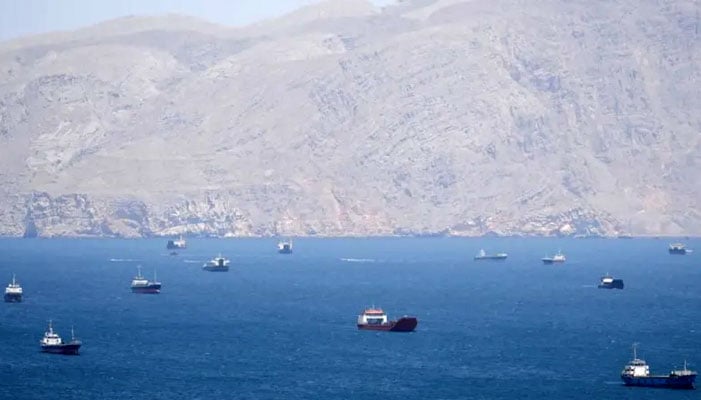
      Efforts to fully reopen the Strait of Hormuz, one of the world’s most strategically important maritime trade routes, are gaining momentum as diplomatic contacts between the United States and Iran continue to show encouraging progress. According to reports preparations are underway to restore unrestricted commercial navigation through the vital waterway, with an official announcement expected within the next few hours or by Wednesday. The Strait of Hormuz serves as a critical shipping corridor connecting the Persian Gulf to international waters, carrying a significant share of the world’s crude oil, liquefied natural gas, refined petroleum products, and other essential commodities. Any disruption in traffic through the strait has immediate consequences for global energy markets and international trade. Arab television channels have claimed that discussions aimed at fully reopening the waterway have advanced considerably. The reports suggest that diplomatic negotiations have entered their final stages and that an agreement could soon be announced, allowing commercial vessels to resume normal operations after a period of uncertainty. Earlier, U.S. Treasury Secretary Scott Bessent also expressed optimism regarding the ongoing negotiations. Speaking to media in Washington , he said there was a strong possibility that an agreement to reopen the Strait of Hormuz could be reached by Tuesday or Wednesday.Talks between Washington and Tehran are focused on ensuring the uninterrupted movement of commercial ships through the strategic passage while restoring stability to the region. During the interview, the Treasury Secretary noted that negotiations are continuing with the aim of normalizing the security situation in the Strait of Hormuz and guaranteeing safe passage for international shipping. He emphasized that both sides are engaged in discussions designed to reduce tensions and facilitate the free flow of maritime commerce. When asked whether Iran would be permitted to collect toll fees from vessels passing through the Strait of Hormuz, Bessent dismissed the possibility. He clarified that the proposed arrangement is based on the principle of complete freedom of navigation for all commercial vessels. According to him, the agreement is intended to ensure that ships from every nation can transit the waterway without facing additional charges or restrictions. If finalized, the agreement is expected to have far-reaching economic benefits. In addition to restoring the uninterrupted export of crude oil from Gulf producers, it would also enable the smooth transportation of fertilizers, refined petroleum products, industrial gases, and numerous other essential commodities. Industry experts believe that the reopening of the strait would significantly improve global supply chains that have been disrupted by regional tensions. Another major benefit of the proposed agreement would be the release of hundreds of commercial vessels currently delayed or stranded in the Persian Gulf due to security concerns. Allowing these ships to resume their voyages would ease congestion, reduce shipping costs, and improve delivery schedules for international trade. Economists suggest that a full reopening of the Strait of Hormuz could also help stabilize global energy markets. Increased supplies of crude oil and petroleum products would likely ease concerns over shortages, potentially leading to lower international oil prices. Reduced transportation costs could further contribute to price relief across several sectors, including manufacturing, agriculture, and consumer goods. While optimism surrounding the negotiations has grown, officials have yet to announce a formal agreement. Diplomatic efforts remain ongoing, and both governments are expected to continue discussions until a final framework is approved. Observers around the world are closely monitoring developments, as the outcome of these talks could have a significant impact on global trade, energy security, and regional stability. If the anticipated agreement is reached, it would mark an important diplomatic breakthrough, restoring confidence in one of the world’s busiest maritime corridors and helping normalize commercial activity throughout the Gulf region.

  • |

    Constitution, rule of law and strong defence key to Pakistan’s future, says Senator Abdul Qayyum

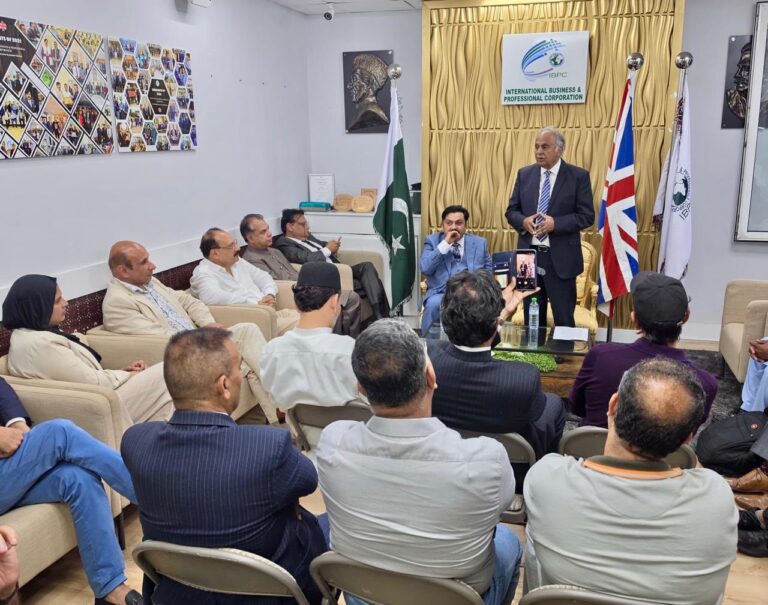
    LONDON:  Constitutional supremacy, the rule of law, a vibrant economy and a strong defence are the four pillars that will safeguard Pakistan’s sovereignty and ensure its long-term stability, former Chairman of the Senate Standing Committee on Defence Production Senator Lt Gen (R) Abdul Qayyum HI(M) said in London. Addressing a Pakistan Independence Day reception organised by the International Lawyers Club UK (ILCUK) in London to mark Pakistan’s 79th Independence Day, the President of the Pakistan Ex-Servicemen Society (PESS) said Pakistan’s independence was won through “immense sacrifices, visionary leadership and the constitutional struggle led by Quaid-e-Azam Muhammad Ali Jinnah.” “Among the greatest blessings of Allah Almighty is living as free citizens of an independent and sovereign Pakistan,” he said, adding that the country’s freedom “is not merely inherited but has to be continuously protected through unity, discipline and national resolve.” Paying tribute to Pakistan’s Armed Forces, Senator Abdul Qayyum said the military had repeatedly defended the country’s sovereignty and territorial integrity against external aggression, terrorism and hybrid threats. “Our Armed Forces have successfully confronted external aggression, terrorism and various hybrid threats because of the determination of our people and the sacrifices, professionalism and courage of our soldiers,” he said. “The nation takes pride in its internationally respected Armed Forces, which have repeatedly defended Pakistan’s sovereignty and territorial integrity.” He warned that Pakistan continued to face a range of internal and external challenges, including terrorism, foreign-sponsored insurgency, disinformation campaigns, sectarianism and political polarisation. He stressed that operations against terrorists and armed militants should be viewed as a constitutional responsibility of the state rather than political repression. “Action against armed militants, terrorists and those working against the state should not be misconstrued as repression, but rather as the constitutional responsibility of the state to protect the lives and property of its citizens,” he said. While acknowledging the importance of democratic freedoms, Senator Abdul Qayyum said freedom of expression must be exercised responsibly. “Freedom of expression and difference of opinion should never come at the expense of national security,” he said, adding that unity between the people, constitutional institutions and the Armed Forces remained “the strongest guarantee of Pakistan’s sovereignty, stability and democratic future.” Highlighting the historic contribution of lawyers to the Pakistan Movement, he said the legal fraternity had played a decisive role in achieving independence through constitutional means. He urged lawyers and barristers to continue defending the Constitution, upholding the rule of law and strengthening democratic institutions. Turning to Pakistan’s future priorities, the senator called for strict adherence to constitutional governance, separation of powers, an independent judiciary and impartial accountability. He also advocated comprehensive industrial and agricultural reforms, greater investment in education, science, research and artificial intelligence, modernisation of Pakistan’s defence capabilities and stronger border security. Referring to criticism of the military, Senator Abdul Qayyum said retired servicemen, pensioners of second-line forces and civilians associated with the defence sector stood firmly behind the Armed Forces. “Those who demonise this sacred institution in the national and international media do no service to the country,” he said, urging the media to report responsibly and avoid undermining institutions responsible for safeguarding Pakistan’s security. Concluding his address, Senator Abdul Qayyum called on Pakistanis at home and abroad to renew their commitment to strengthening national institutions, rebuilding the economy, educating future generations and honouring the sacrifices of the nation’s martyrs. “I am confident that through unity, collective effort and by placing national interests above political differences, Pakistan will emerge stronger, more resilient and more prosperous in the years ahead,” he said.