sabahat bukhari opens
|

Sabahat Bukhari opens up about healthy flirting on drama sets

Veteran Pakistani television actress Sabahat Bukhari has shared her thoughts on friendly interactions between co-stars, saying that healthy flirting can help create positive energy and improve chemistry between actors on set.

Sabahat Bukhari is a familiar face in Pakistan’s television industry and has been associated with showbiz for many years. She began her professional journey as an announcer at PTV Lahore Centre before moving towards acting. Over the years, she established herself as a versatile performer by appearing in numerous television productions and playing a variety of memorable roles.

Some of her notable television projects include Kankar, Rehmat, Intekhab, Humnawa, Bas Aik Tum Hi, Sambhal Ja Ae Dil and Inteha. She is also set to appear in another upcoming television drama. Alongside her acting career, Sabahat remains active on social media, where she frequently entertains her followers with humorous videos, reels and glimpses from her professional life.

During a recent podcast appearance, Sabahat spoke candidly about her experiences while working in the entertainment industry. The conversation turned towards whether she had ever received romantic attention or been approached by colleagues during her career.

Responding to the question, the actress explained that several colleagues had complimented her or expressed admiration for her over the years. Instead of viewing such attention negatively, she said she considers respectful praise a compliment.

Sabahat went on to discuss what she described as “healthy flirting,” explaining that lighthearted and respectful interactions between colleagues can sometimes create a comfortable working environment. According to her, maintaining friendly energy on a drama set can help actors connect with one another and make working together more enjoyable.

She believes that when co-stars are comfortable and friendly with each other, their connection can also contribute to stronger chemistry in front of the camera. Such interactions, she stressed, should remain respectful and positive.

The actress also revealed that one of the most meaningful compliments she has received throughout her career is being told that she carries positive energy. She appeared pleased that people around her recognize her optimistic and energetic personality.

However, Sabahat clarified that she does not consider herself a flirtatious person. She explained that whenever she finds someone attractive, pleasant or positive, she does not hesitate to appreciate them sincerely.

For her, complimenting another person is simply a way of acknowledging their positive qualities rather than necessarily expressing romantic interest.

Sabahat’s comments offer an interesting perspective on relationships and friendships behind the scenes of television productions. Her remarks suggest that respectful appreciation, friendliness and positive communication between colleagues can contribute to a healthier atmosphere while also helping performers develop a natural connection required for their role.
Similar Posts

  • | | | |

    Pakistan, Saudi Arabia and Türkiye sign Makkah jo…

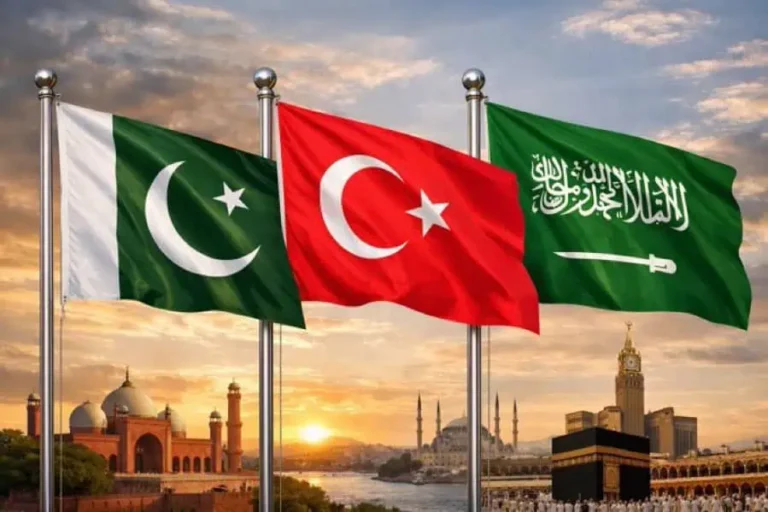
    MAKKAH: Pakistan, Saudi Arabia and Türkiye have signed the Makkah Joint Defence Agreement, pledging to strengthen collective security and defence cooperation among the three countries. The agreement was signed on Friday during a high-level summit at Al-Safa Palace in Makkah, where Saudi Crown Prince and Prime Minister Mohammed bin Salman received Pakistani Prime Minister Shehbaz Sharif and Turkish President Recep Tayyip Erdogan. According to the agreement, the three countries reaffirmed their commitment to strengthening collective security and promoting peace, stability and security in the region and beyond. The agreement is based on the longstanding relations and shared strategic interests of Pakistan, Saudi Arabia and Türkiye. It also highlights their continued defence cooperation and commitment to closer coordination on security matters. Any attack to be treated as an attack on all three A key provision of the agreement states that an armed attack against any one of the three countries will be regarded as an attack against all three. The pact is intended to enhance collective deterrence against acts of aggression and expand cooperation across various areas of defence. The agreement also seeks to strengthen military and security coordination among the three states and build a framework for closer cooperation in the face of regional security challenges. The summit brought together the leaders at a time of heightened tensions and instability across the Middle East. Recent reporting had indicated that the three countries were preparing to deepen defence coordination through a joint pact. Prime Minister Shehbaz Sharif was accompanied by Deputy Prime Minister and Foreign Minister Ishaq Dar, Chief of Army Staff and Chief of Defence Forces Field Marshal Syed Asim Munir, and Defence Minister Khawaja Asif. The leaders also reviewed bilateral and regional matters of mutual interest and discussed ways to further strengthen cooperation. The Makkah agreement marks a significant development in defence ties among Pakistan, Saudi Arabia and Türkiye, establishing a stronger trilateral framework for collective security and defence cooperation.

  • | |

    Rising heat pushes even Africa’s resilient c…

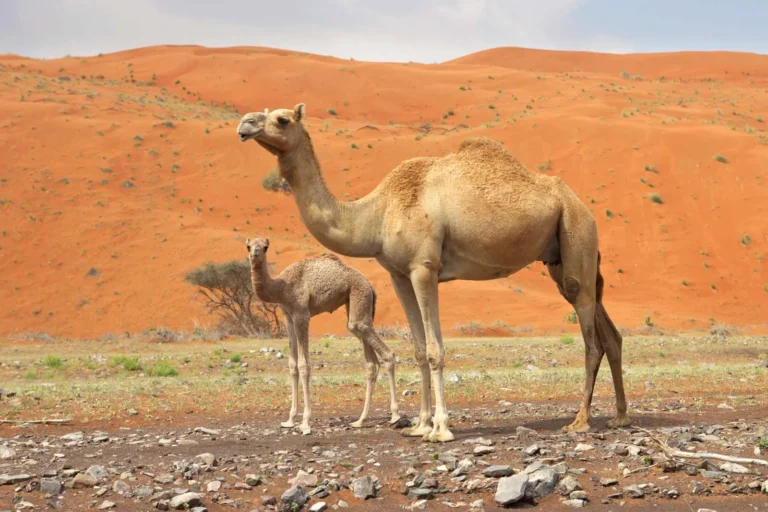
    Camel herders and scientists across Africa say that rising temperatures are now overwhelming animals long regarded as uniquely suited to desert extremes, with herds facing rising death tolls, illness, and shrinking grazing lands. In the Afar region of northeastern Ethiopia, among the hottest and driest places on the planet, nomadic herders traditionally lead camel caravans loaded with salt across the desert. Ali Umer, a 40 year old herder from Semera who owns around 500 camels, said he watches his animals struggle under conditions he has never seen before. He described blistered feet, watery eyes, and burned skin among his herd, and said the sand itself now scorches the animals as they rest. Umer said he lost eight camel calves in a single month due to extreme heat, and added that even the wind no longer brings relief. He said the changes have become noticeably worse in recent years. Umer’s account matches what researchers and veterinarians are documenting across the continent. Scientists and animal welfare specialists point to stress, fatigue, dehydration, and rising disease rates as direct consequences of extreme heat, while indirect effects such as water shortages, vegetation loss, and disappearing shade compound the damage. North Africa and the Horn of Africa are home to roughly 80 percent of the world’s dromedary camel population, the single humped variety that farmers across the region have increasingly relied on because of its reputation for withstanding drought and heat. A 2025 study examining herder perceptions in southern Ethiopia found that climate variability had measurably harmed camel health, productivity, and reproduction. The crisis appears especially acute in Somalia. Research published in June found that drought linked camel deaths have affected nearly 46 percent of camel owning households, based on a survey of almost 6,000 pastoral families. The mortality was heavily concentrated in northern areas, with the Sool region recording a death rate of nearly 73 percent. Experts say extreme heat is the central driver behind the region’s drought conditions, though poor veterinary access and weak herd management make outcomes worse. Atmospheric scientists have linked the severe 2021 to 2022 drought to sustained high temperatures, which accelerate evaporation from soil and water sources and increase the rate at which plants release moisture into the air. Veterinarians on the ground report a growing caseload tied to heat. Hassan Nuya Guyo, a veterinary officer in Marsabit county in northeastern Kenya near the Ethiopian border, said his clinic is seeing a sharp rise in hyperthermia cases that leave camels vulnerable to secondary infections. He said camel deaths in the county have risen more than 15 percent over the past two years due to heat and drought. Separate research from the Horn of Africa links heat stress to higher disease rates and falling milk yields among camel herds. A similar pattern is emerging in North Africa. A study conducted in Algeria and published this year documented a marked rise in camel deaths during summer heatwaves, with researchers noting clear seasonal mortality spikes that they say call for targeted responses such as emergency water supplies, supplemental feeding, and closer disease monitoring during peak summer months. The World Meteorological Organization says extreme heat events have become routine across North Africa, with heatwaves trending upward since 1981. Several countries in the region and the wider Middle East recorded temperatures above 50 degrees Celsius in 2024. The organization’s most recent State of the Climate in Africa report found that North Africa warmed faster than any other subregion on the continent between 1991 and 2025, at a rate of 0.43 degrees Celsius per decade. Camels are naturally equipped to handle heat up to about 40 degrees Celsius. Their bodies allow internal temperature to fluctuate throughout the day, reducing the need to sweat, while concentrated urine, dry waste, and a thick protective coat help limit water loss and block solar radiation. But researchers say those adaptations are no longer enough. Mohammed Bengoumi, a camel health specialist with the United Nations Food and Agriculture Organization who works across North Africa, said summer temperatures in large parts of the Sahara now regularly exceed 50 degrees Celsius, raising the risk of severe heat stress, especially where vegetation, water, and shade are already scarce. Abdelmadjid Chehma, a professor at the University of Ghardaia in Algeria who has conducted experimental research on desert camels, said sustained heat above 41 to 45 degrees Celsius damages the animals at a cellular level, weakening their immune systems and preventing white blood cells from repairing themselves. He said the resulting stress slows the animals’ metabolism as their bodies try to limit internal heat production, which in turn reduces appetite and causes lethargy, lower milk output, and reproductive problems. Mohammed el Khasmi, an animal hydrobiology expert at the University of Casablanca in Morocco, said his team has documented a wide range of heat related harm in camels, including weight loss, inflammation, muscle and bone damage, kidney related chemical imbalances, and parasite driven infections. The combined pressures are forcing some herding communities to abandon land they have used for generations. Daniel Gelan, a pastoralist development researcher at Vision University in Ethiopia, said herders in the country’s north are relocating permanently to southern areas with more reliable water and vegetation, rather than following the seasonal migration patterns of the past, because the northern region can no longer sustain camel herding. The Horn of Africa is still recovering from a severe drought that lasted from 2020 to 2023 and is now facing another period of harsh conditions, according to the charity Oxfam, which reported that water prices in parts of Somalia have jumped by more than 2,000 percent. Back in Afar, Umer said he fears disease could soon begin killing his adult camels as well. Chehma said that concern reflects a broader shift underway across the region, where an animal once seen as the ultimate survivor of desert life is now being pushed toward its own breaking point by the pace and severity of current heatwaves.

  • |

    New dinosaur species discovered in Zimbabwe reveals distinct ancient ecosystems across southern Africa

    Palaeontologists have identified a new species of Late Triassic dinosaur from fossils discovered on the shores of Lake Kariba in northern Zimbabwe, offering fresh insights into prehistoric ecosystems across southern Africa. Named Musango matusadonaensis, the 4.5-metre-long creature lived approximately 210 million years ago, a pivotal era when dinosaurs were beginning to spread across the supercontinent Gondwana prior to becoming the planet’s dominant land animals. The discovery represents only the fifth dinosaur species formally named from Zimbabwe, stemming from a international research collaboration between institutions in the United Kingdom, South Africa, and Zimbabwe. Lead researcher Professor Paul Barrett from London’s Natural History Museum, alongside co-authors publishing in the Journal of Systematic Palaeontology, detailed the anatomical characteristics of the fossilised skeleton, which included bones from the spine, arms, and feet. Musango was an early sauropodomorph, an evolutionary precursor to massive four-legged herbivores like Diplodocus, though this earlier relative was lightly built and walked primarily on two legs. Microscopic analysis of its fibula revealed eight distinct growth rings, indicating the animal was around eight years old and nearly fully grown when it died, while weighing an estimated 222 kilogrammes. The discovery challenges long-held scientific assumptions that Late Triassic dinosaur populations were uniform across the southern regions of Gondwana. Based on structural features of its skeleton and comparative ecosystem data, researchers believe Musango was an opportunistic omnivore that fed on plants, small reptiles, lungfish, and crocodile-like phytosaurs. The presence of a distinct species in the Lake Kariba region demonstrates that ancient southern Africa was divided into unique, localised environments with varied wildlife compositions, showing that regional climate and geography drove dinosaur diversification much earlier than previously understood.

  • |

    Hundreds arrested in France as destructive wildfires spread across Europe

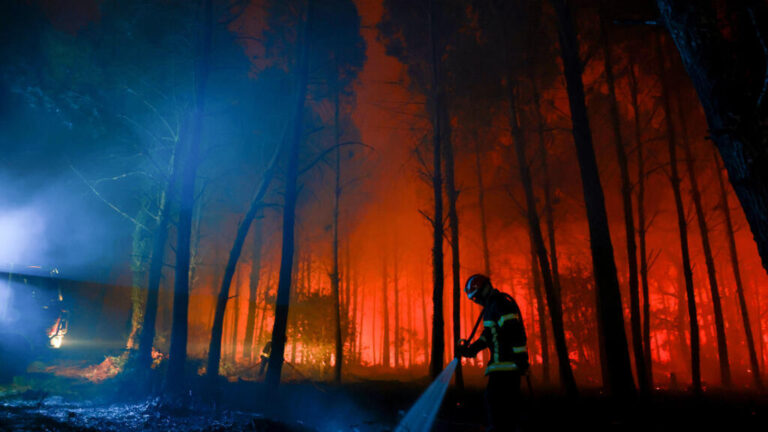
    European emergency services are battling fierce wildfires triggered by a record-breaking heatwave, with French authorities arresting nearly 500 individuals on suspicion of starting blazes since July 1. France’s interior ministry reported that 474 people, including 183 minors, have been detained, with approximately 70% suspected of intentional arson. In south-west France, a rapid blaze in the Landes region consumed nearly 1,100 hectares of pine forest in under 24 hours, prompting the emergency evacuation of more than 525 residents from the village of Luglon. The severe weather conditions have caused destruction and displacement across multiple European countries. In Croatia, a gale-driven wildfire swept through the coastal tourist town of Lokva Rogoznica, leaving one person dead, 40 injured, and forcing 1,200 people to evacuate to emergency shelters. In western Germany, over 2,000 residents fled the village of Gey as a forest fire advanced, while emergency crews faced additional hazards from detonating Second World War ammunition buried in the terrain. Elsewhere on the continent, military personnel in north-east Spain evacuated the historical remains of three 11th-century kings from the San Juan de la Peña monastery as flames threatened the site. In northern Greece, a fleet of small boats rescued approximately 500 holidaymakers stranded on beaches along the Halkidiki peninsula after a two-mile fire front threatened local resorts. Firefighters in the UK also faced severe conditions, as wildfires across the West Midlands destroyed several residential properties.

  • |

    Egypt may join Pakistan, Türkiye, Saudi defence pact

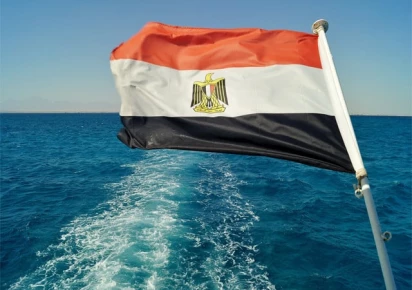
    Egypt could become the next country to join the Makkah Joint Defence Agreement signed by Pakistan, Türkiye and Saudi Arabia, Turkish Foreign Minister Hakan Fidan has said. Fidan said the defence pact is broadly comparable to NATO’s mutual defence principle. He stressed that the agreement is not aimed at Iran or any other country. According to the Turkish foreign minister, the pact is designed to provide a framework for the three countries to support each other’s security. He said the member states would consult each other in the event of an attack. They would then determine the nature and level of assistance required. Fidan said Türkiye’s President Recep Tayyip Erdogan wants the alliance to expand beyond its three founding members. Egypt is among the countries being considered for possible membership. He said some technical issues would need to be resolved before Egypt could join the arrangement. Fidan explained that the alliance would begin with Pakistan, Türkiye and Saudi Arabia. He said the members intended to take gradual but practical steps to build the new security framework. A ministerial committee similar to structures used within NATO is also expected to be established. The alliance will also have a general secretariat based in Saudi Arabia. Further operational details are expected to be discussed during the first meeting of the proposed committee. Fidan said the agreement was the result of negotiations that had continued for more than two years. He also stressed that the new arrangement would not replace existing military alliances. The Turkish minister said the pact was intended to strengthen regional cooperation. He said it could eventually bring more countries together under a common security framework. Meanwhile, the Organisation of Islamic Cooperation welcomed the signing of the agreement. OIC Secretary General Hissein Brahim Taha expressed strong support for the pact. He described it as an important strategic development for regional and international cooperation. Taha said the agreement could contribute to security and stability across the region and the wider Muslim world. He also praised the leadership of Pakistan, Türkiye and Saudi Arabia. He said their efforts had resulted in what he described as a historic agreement. The pact was signed on Friday during a trilateral summit in Makkah. Turkish President Recep Tayyip Erdogan, Saudi Crown Prince Mohammed bin Salman and Prime Minister Shehbaz Sharif signed the agreement at Al-Safa Palace. Under the agreement, the three countries have committed to strengthening defence cooperation and collective security. The pact also seeks to promote peace, stability and prosperity. Officials said the agreement is not directed against any country. They said it is based on a shared approach to security and burden-sharing. The agreement also establishes a collective deterrence principle. An armed attack against any one of the three member states will be treated as an attack against all three.

  • | |

    52 life-saving drugs clear major approval hurdle

    ISLAMABAD: A federal cabinet subcommittee has approved the prices of 52 newly registered life-saving medicines, including treatments for cancer, diabetes, haemophilia and Parkinson’s disease, in a move aimed at improving access to essential medicines across Pakistan. The meeting was chaired by Finance Minister Senator Muhammad Aurangzeb in Islamabad. The committee reviewed pricing proposals for newly registered medicines and approved the prices for all 52 products. Officials said the approved medicines include several advanced treatments for serious and chronic illnesses. Among them is Keytruda, a modern immunotherapy drug used globally to treat more than 20 types of cancer. Other approved medicines include Nivolumab, Dasatinib, Meropenem and insulin, which are widely used to treat cancer, severe infections and diabetes. The pricing decision will now be sent to the federal cabinet for final approval. Once endorsed, the Drug Regulatory Authority of Pakistan (DRAP) will issue an official price notification, allowing the medicines to be legally marketed and sold in the country. Health Ministry officials said early approval of medicine prices was necessary to address the difficulties faced by patients. Delays in pricing had prevented several newly registered medicines from entering the local market, forcing many patients to rely on unregistered, smuggled or costly imported alternatives. Authorities believe the approval will improve the availability of high-quality medicines and reduce dependence on illegal supply channels. They said the move will also help ensure that patients have access to safe and regulated treatments through authorised healthcare providers. During the meeting, the finance minister stressed the importance of transparency and protecting the public interest in decisions related to medicine pricing. He called for a fair pricing mechanism that balances patient affordability with the availability of essential medicines.

Leave a Reply

Your email address will not be published. Required fields are marked *