architecture worldbuilding fiction
|

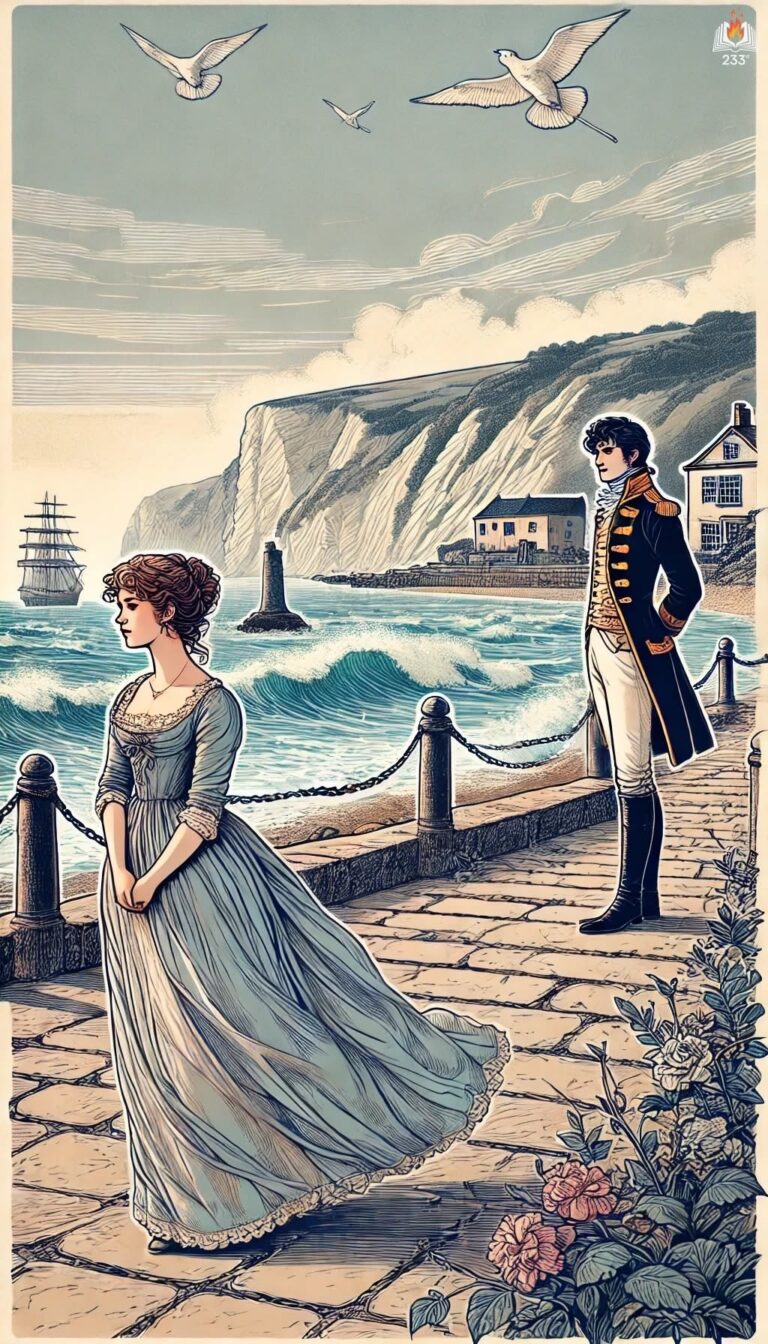
The architecture of world-building in fiction

When readers choose a speculative novel or immerse themselves in a literary landscape, they are considering than following a character’s journey. They are stepping into a fully realized alternate reality. The imaginary reality is complete with its own geography, social hierarchies, natural laws, and cultural mythologies. While world-building is often discussed as a technical craft of maps, timelines, and terminology, its true power lies in psychology. The most compelling fictional universes merely inform readers. They subtly reshape how the human brain processes space, identity, and meaning.

Psychologists refer to the mental phenomenon of becoming lost in a narrative as narrative transportation. When world-building is executed with precision, readers undergo a temporary shift in consciousness. Their immediate physical surroundings fade, and their working memory fully commits to the sensory and spatial details of the fictional environment. This process relies heavily on cognitive schemas. The mental blueprints the brain uses to organize information about the real world. Effective authors exploit these schemas. They purposefully present familiar elements of human behavior or physics to evoke wonder.

What makes world-building psychologically resonant is the sheer volume of factual detail an author creates. Above all, the emotional truth that lies within those details. A fantasy city or distant alien colony feels authentic. Especially, its architecture, customs, and laws reflect the lived anxieties and aspirations of its inhabitants. Consider how fictional societies address scarcity, power, memory, or grief. When a setting’s internal logic mirrors fundamental human dilemmas, the brain accepts the setting as tangible. The world becomes a living stage rather than a static backdrop.

Furthermore, immersive world-building fulfills a profound psychological need for safe exploration.  Well-crafted settings safely ask readers to navigate complex political systems, environmental collapses, or unfamiliar norms from a comfortable distance. Fiction acts as cognitive testing where readers can process real-world existential fears without experiencing direct danger. The sense of discovery that comes from decoding a world’s hidden rules releases dopamine. The experience rewards the reader’s curiosity and keeps them engaged across hundreds of pages.

Ultimately, world-building is an exercise in mutual trust between writer and reader. The author provides the architectural framework. However, the reader’s mind brings the bricks and mortar. They use their own memories, visual imaginations, and emotional experiences to bring the landscape to life. When done right, a well-built fictional world never truly leaves the reader. Long after the final page is turned, its echoes linger in the mind. The immersive imagination forever alters how we view the boundary between what is real and what can be imagined.

 

Similar Posts

  • Can you find the missing number?

    Do you enjoy answering internet riddles especially math puzzles? If yes then the puzzle shown in the image is a great test for your brain. Many people struggle to find the correct answer. Look at the image and try to figure out which number should replace the question mark in the third row on the left side. The first row contains the numbers. 3, 6, 2, 7, 9 The second row contains: 3, 7, 8, 5, 6 The third row contains: ?, 4, 1, 3, 5 ur task is to find the missing number. To solve it you need to notice the pattern connecting the numbers. The trick is to add the numbers vertically starting from the right side and moving left. Here is the method: 9 + 6 = 15 → write 5 in the bottom row and carry 1. 7 + 5 + 1 = 13 → write 3 and carry 1. 2 + 8 + 1 = 11 → write 1 and carry 1. 6 + 7 + 1 = 14 → write 4 and carry 1. 3 + 3 + 1 = 7. So the missing number is 7. Answer: 7

  • Bridal brands prepare for the Taylor Swift effect

    Taylor Swift’s wedding dress remains a mystery but bridal fashion companies around the world are already preparing for a possible new trend inspired by the pop star’s style. Fashion experts believe that the design fabric, color shape and overall look of Swift’s wedding outfit could influence what brides choose to wear in the coming years. Swift’s wedding dress remains a mystery According to Reuters, Taylor Swift wore a Christian Dior dress at her private wedding ceremony held at Madison Square Garden in New York on July 3. However full details and clear images of the dress have not yet been widely revealed. Millions of fans are eagerly waiting to see the dior outfit she wore on her special day. Bridal brands are already preparing David’s Bridal, one of the major bridalwear companies has already prepared around two dozen designs that could fit the style Swift may have chosen.  The company operates around 200 stores across the US. CEO Kelly Cook said the company is waiting for more photos and details of Swift’s actual dress.  Once more information becomes available the team will be able to move quickly with designs inspired by its key features. The company has already noticed a major increase in online searches for dresses similar to Swift’s possible style.  Prices for its wedding dresses range from a few hundred dollars to more than $3,000. Three possible swift inspired styles David’s Bridal design chief in Hong Kong, Viola Chan said the team has prepared three general styles inspired by Swift. These include dramatic decorated gowns simple and elegant dresses and shorter wedding gowns. She also believes that Swift’s makeup hairstyle dress color and flower arrangements could influence future bridal trends. Other brands are watching closely Spanish bridal brand Pronovias has also indicated that it is watching Swift’s dress for inspiration.  However the company plans to focus on broader fashion trends rather than directly copying her outfit. Sharon Sever, creative director at designer Galia Lahav, said that if Swift chooses an unusual color fabric or veil it could become a new trend in bridal fashion. New York design director Lisa Ponteroni also pointed out that celebrity photos can have a strong influence on the fashion industry. The Justin Alexander Group is also following the trend and may include some of Swift’s possible dress features in future designs. Brands avoid direct copies Not every bridal company wants to copy Swift’s outfit directly.  Luv Bridal founder and CEO Lane Litt said her company’s new designs would only take small amounts of inspiration from Swift’s style. The company may simply tell customers when it has dresses with features similar to those seen in Swift’s wedding look. Legal issues also matter There is also a legal side to celebrity inspired fashion. Legal experts say that copying the general cut or shape of a dress is not necessarily illegal.  However a company could face legal trouble if it falsely uses Taylor Swift’s or Dior’s name to mislead customers. For this reason most brands are focusing on the fashion ideas rather than using Swift’s name to market their products. Could Swift Start a new bridal trend? Taylor Swift’s wedding dress has become important not only to her fans but also to the bridal fashion industry. If more photos reveal a unique color fabric shape, or design those details could inspire thousands of brides. Swift’s private wedding outfit may therefore become a major source of bridal fashion trends for years to come.

  • Hotel buffet leftovers reused or thrown away?

    Hotel buffets are known for their wide variety of colorful and delicious dishes.  Luxury hotels often serve many different foods allowing guests to enjoy whatever they like. But many people wonder what happens to the large amount of food left after the buffet ends. Is it served again or is it thrown away? The answer depends on each hotel’s policy local laws, and food safety rules. Hotels must follow strict health guidelines when handling leftover food. According to reports leftover buffet food is usually divided into three groups. The first group includes food that was prepared in the kitchen but never placed on the buffet table. If it has been stored safely and kept at the correct temperature it may be used later. The second group is food that was displayed on the buffet. Even if it looks fresh it is usually thrown away after the buffet because it has been left out for too long increasing the risk of bacteria. The third group is food left on guests’ plates. This food is never reused and is always thrown away for health and safety reasons. Food safety experts explain that cooked food can become unsafe if it stays at room temperature for too long. That is why hotels often discard buffet food even when it still looks good. Some unused ingredients can be given a second purpose. For example fruits and vegetables that were never placed on the buffet may be used in soups smoothies desserts or jam.  Leftover bread can be turned into breadcrumbs or croutons. Many hotels around the world also donate safe, untouched food to charities and non profit organizations.  This helps provide meals to people in need while reducing food waste. Before donating hotels make sure the food is still safe to eat. Food that can no longer be eaten is sometimes used to make compost or biogas.  Compost turns food waste into natural fertilizer while biogas plants convert organic waste into energy helping protect the environment. Experts say modern hotels are also taking steps to reduce food waste.  They prepare food more carefully study guest eating habits use artificial intelligence and data to predict demand and refill buffet trays only when needed instead of filling them all at once. Guests can also help reduce waste by taking only the amount of food they can finish and going back for more if needed. Although hotel policies and local laws differ from country to country the hotel industry is making greater efforts to reduce food waste maintain high food safety standards and support environmentally friendly practices.

  • Forgotten memories may not be gone

    New research suggests that some memories that seem to be forgotten may not completely disappear from the brain.  Instead they may remain stored in a quiet state and can sometimes return when a person receives the right reminder or is placed in a familiar environment. Scientists studied fruit flies and found that memories could become active again when the flies were placed in an environment similar to the one where the memory was first formed. This suggests that some memories may not be erased with time. They may simply become harder for the brain to access. Human memory is a very complex system. Some memories become weaker over time while others may suddenly return after seeing a familiar place, smelling a certain scent or noticing another related signal. However researchers still do not fully understand why the brain sometimes creates false memories along with real ones.  Understanding how the brain brings back true memories and creates inaccurate ones remains an important question for scientists. The findings could  help researchers better understand how memories are stored in the brain and how different surroundings or reminders can help bring forgotten memories back.

  • Natural sugar may help cancer spread, study finds

    A new study has revealed that fructose (natural sugar) consumed as part of the daily diet may help certain types of cancer spread throughout the body. According to the study published in the scientific journal Nature Aging, cancer cells that survive chemotherapy do not remain inactive. Instead, they release fructose which activates other cancer cells allowing them to leave their original location and spread to other parts of the body. Experts say that excessive consumption of sugary drinks and beverages containing high levels of fructose may also increase the risk of cancer spreading even in patients who are not undergoing chemotherapy. The study further found that fructose causes changes inside cancer cells that make it easier for them to move from one part of the body to another. The research was conducted on ovarian cancer but experts believe that a similar process could also occur in pancreatic, colorectal and liver cancers.

  • |

    Solar boom needs battery storage, grid reforms to sustain momentum

    Islamabad: Pakistan’s rapid expansion of solar energy has already generated billions of dollars in savings, but experts and policymakers on Tuesday warned that battery storage, grid modernization and supportive policies are now essential to sustain the country’s clean energy transition. Speaking at the Solar, Storage and Flexibility 2026 Conference, Federal Minister for Power Awais Leghari said Pakistan’s energy mix is already 50% clean and is targeted to reach 90% by 2035. He stressed that local manufacturing of battery storage systems and the introduction of a daytime Time-of-Use (ToU) tariff would be key to integrating growing solar generation into the national grid. Addressing the conference, PPP Vice President Senator Sherry Rehman said solar energy has already saved Pakistan US$12 billion, with another US$6.3 billion in savings expected this year. She said the country now faces an energy management challenge rather than a generation shortfall, calling for major investments in battery storage, smart grids and modern transmission infrastructure. Rehman said one in every five Pakistani households now uses solar energy and urged international climate finance to prioritize distributed renewable energy, battery storage and affordable financing for households and small businesses instead of focusing mainly on large utility-scale projects. She also opposed the proposed 18% GST on solar equipment, saying it would have slowed Pakistan’s clean energy transition, and called for targeted subsidies, microfinance and supportive regulations to expand access to renewable energy, particularly in underserved and off-grid communities. Renewable energy experts noted that Pakistan has installed an estimated 38 gigawatts of distributed solar capacity, while imports of lithium-ion Battery Energy Storage Systems (BESS) surged 220% in 2025, signalling rapidly growing demand for energy storage. Global renewable energy leaders, including Global Solar Council CEO Sonia Dunlop and Renewable Energy Council Asia Pacific representative John Grimes, described Pakistan’s consumer-led solar revolution as a model for other countries but stressed that a comprehensive battery storage policy and modern electricity grid are now critical to maintaining the momentum.

Leave a Reply

Your email address will not be published. Required fields are marked *