hopes thaicambodian ceasefire

U.S. Hopes for Thai-Cambodian Ceasefire by Early Next Week, Says Rubio

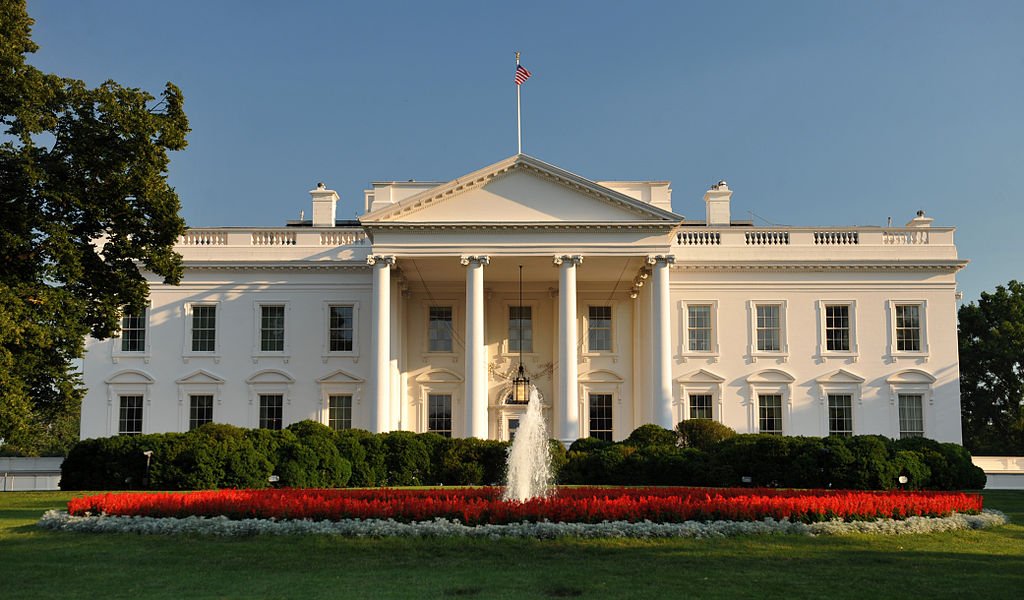
BANGKOK — U.S. Secretary of State Marco Rubio expressed cautious optimism on Friday that a ceasefire between Thailand and Cambodia could be restored by Monday or Tuesday of next week. Speaking to journalists in Washington, Rubio stated the administration is working to bring both nations back into compliance with a truce originally brokered by President Donald Trump, according to news agencies.

Thai F-16 Bombs Key Cambodian Bridge in Strategic Escalation

“We are working hard to push everybody back to compliance. And we are cautiously optimistic that we can get there by Monday or Tuesday of next week,” Rubio said. He noted that both sides had made written commitments in a declaration signed in Kuala Lumpur in October, but those commitments are currently not being upheld amid renewed hostilities and mutual grievances.

Rubio confirmed he spoke by telephone with Thai Foreign Minister Sihasak Phuangketkeow on Thursday and said further diplomatic conversations would continue over the weekend. The push for peace comes as foreign ministers of the Association of Southeast Asian Nations (ASEAN) prepare to meet in Kuala Lumpur on Monday to address the escalating border crisis.

Thailand has maintained that Cambodia must take the first step toward de-escalation by publicly announcing a ceasefire and withdrawing its troops from contested border areas. Rubio defended the earlier U.S. diplomatic effort, asserting that American involvement “actually did stop fighting,” even though violence has since resumed.

Thai Air Force Strikes Poipet Arms Depot, Citing Defensive Action

In a parallel diplomatic move, Cambodia confirmed that China’s special envoy for Asian affairs, Deng Xijun, visited Phnom Penh this week to encourage both sides to reduce tensions. Cambodia’s foreign ministry stated that Deng “reaffirmed that China will continue to play a constructive role in facilitating dialogue between Cambodia and Thailand with a view to promoting the peaceful settlement of disputes.”

-Thailand News (TN)

Similar Posts

  • | | | |

    Yemen launches counter-operation against Houthis a…

    Yemen’s internationally recognised government forces have launched a military counter-operation against the Houthis following a series of missile and drone attacks on military positions in the provinces of Marib and Hadramout, according to a military spokesman. Yemeni army spokesman Majed al-Nazili said the government forces had begun responding to the attacks and would not tolerate threats against civilians, troops or military positions. “We will give a decisive military response to the threats facing the Yemeni people and armed forces,” al-Nazili said, according to the statement cited by local media. The announcement comes after Houthi forces carried out a series of attacks on government-aligned military camps in Marib and Hadramout. Recent reports said at least 30 Yemeni government soldiers were killed and 15 others wounded in the strikes. The escalation has raised fresh concerns over the fragile security situation in Yemen, where large-scale fighting had significantly declined following the UN-mediated truce that began in April 2022. Although the truce formally expired later that year, the country avoided a full return to nationwide warfare for an extended period. The latest violence is being closely watched because Marib remains strategically important to Yemen’s government, while Hadramout is a major eastern province with significant military and economic importance. The United Nations has repeatedly warned that renewed military escalation could undermine diplomatic efforts and worsen Yemen’s already severe humanitarian crisis. The UN Security Council has stressed the need for restraint and a Yemeni-led political process as the most viable route toward a lasting settlement. The latest developments could therefore mark a dangerous turning point if the government’s promised counter-operation leads to sustained fighting. For millions of Yemenis already affected by years of conflict, renewed hostilities could bring further displacement, economic hardship and pressure on essential services. With both sides now trading threats and military strikes, attention is turning to whether the latest confrontation remains limited—or develops into a broader escalation across Yemen.

  • | |

    Lahore declares August 4 public holiday

    The Lahore district administration has declared Tuesday, August 4, as a public holiday across the district to facilitate devotees attending the annual Urs celebrations of the revered Sufi saint Hazrat Data Ganj Bakhsh. According to an official notification, the holiday will remain effective only within the limits of Lahore district, allowing worshippers to participate in the religious events without disruption. The 983rd annual Urs officially commenced with a traditional chadar-laying ceremony and the inauguration of a milk sabeel at the shrine. The opening ceremony was attended by Deputy Prime Minister Senator Ishaq Dar, who paid tribute to the great Sufi saint and highlighted his enduring message of peace, tolerance, and unity. The Urs is observed over three days and attracts thousands of devotees from across Pakistan. Religious scholars, spiritual leaders, and followers gather at the shrine to offer prayers, recite the Holy Quran, and take part in various religious and spiritual activities held throughout the celebrations. Hazrat Data Ganj Bakhsh, also known as Hazrat Ali Hajveri, was an 11th-century Persian Sufi scholar born in Ghazni. He later settled in Lahore, where he dedicated his life to spreading the teachings of Islam, compassion, and brotherhood through Sufism. His shrine has since become one of the most significant spiritual landmarks in the region. Data Darbar is widely regarded as South Asia’s largest Sufi shrine and receives millions of visitors every year.

  • | |

    Monsoon death toll rises to 107 as Punjab, K-P fac…

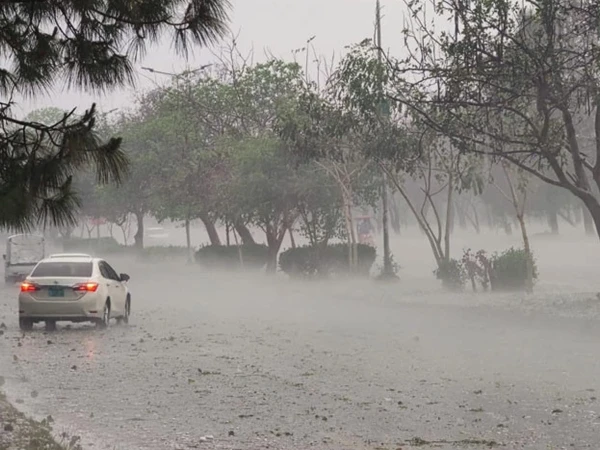
    LAHORE: Pakistan’s monsoon death toll has risen to 107 after 10 more people were killed in rain-related incidents across Punjab and Khyber-Pakhtunkhwa during the past 24 hours. According to the latest figures released by the National Disaster Management Authority (NDMA), seven people died in Punjab while three lost their lives in K-P. The deaths were reported between the previous afternoon and 1pm on Sunday. Punjab recorded fatalities in several districts. Gujrat and Okara reported two deaths each, while Sargodha, Narowal and Sialkot each reported one death. In K-P, two people died in Hangu and another was killed in Shangla. Officials said the latest casualties were caused by incidents including house collapses, electrocution and drowning as heavy rainfall continued to affect several parts of the country. The recent rains also injured 50 people. Punjab accounted for 47 of the injured, while three people were injured in Hangu. K-P has recorded the highest number of deaths since the beginning of the current monsoon season, with 55 fatalities. Punjab follows with 36 deaths. Seven people have died in Azad Jammu and Kashmir, six in Balochistan, two in Sindh and one in Gilgit-Baltistan. Overall, the monsoon has injured 297 people and damaged 447 houses across the country. At least 269 livestock have also been killed. Rescue authorities have carried out 130 operations since the start of the rainy season. These efforts have helped rescue 3,841 people from flooded and other dangerous areas. The rains have also caused significant damage to roads and other infrastructure. Landslides, flash floods and rising water levels have disrupted transportation in parts of K-P and Gilgit-Baltistan. The mountainous region has suffered particularly heavy damage. The Gilgit-Baltistan Disaster Management Authority said 184 houses have been damaged, while nine bridges have been destroyed. Nearly eight kilometres of roads have also been washed away. Astore has reported the highest number of damaged homes, while Diamer has suffered major destruction from several weather-related incidents. Skardu has recorded the greatest number of damaged bridges. Relief activities are continuing in affected communities. Authorities are distributing food, tents and other essential supplies, while road crews are working to reopen important routes.

  • | |

    Salman Raja demands Imran’s medical access

    ISLAMABAD: Pakistan Tehreek-e-Insaf leader Salman Akram Raja has called for meetings between the party’s founder, Imran Khan, and his sisters and medical team. Speaking to the media in Islamabad, Raja said PTI representatives had met the Registrar of the Supreme Court. During the meeting, they requested that the cases involving the party founder be taken up for hearing without further delay. The PTI leader also demanded that Imran Khan be allowed to meet his sisters. He said access to his doctors should also be restored so that his health can be properly monitored. Raja said the party had been assured that the pending cases would be scheduled for hearing next week. He added that the relevant cause list would also be issued. He expressed concern over the long gap between Imran Khan and his doctors. According to Raja, the PTI founder has not been able to meet his medical team for around one and a half years. Raja questioned the reason for preventing regular medical consultations. He said the issue was particularly important because of concerns about Imran Khan’s health. The PTI leader also discussed the former prime minister’s political activities. He said Imran Khan had the right to express his political views. However, Raja said the party was prepared to ensure that political discussions did not take place if they could affect Imran Khan’s health. He said the priority at present was his medical well-being and access to proper healthcare. Raja said the matter would be taken before the court next week. He indicated that the party would seek judicial intervention on meetings with family members and doctors. The PTI has repeatedly raised concerns over access to Imran Khan and his medical care. The latest demand comes as the party awaits hearings in several cases involving its founder.

  • | |

    Karachi hosts D-8 Health Summit 2026

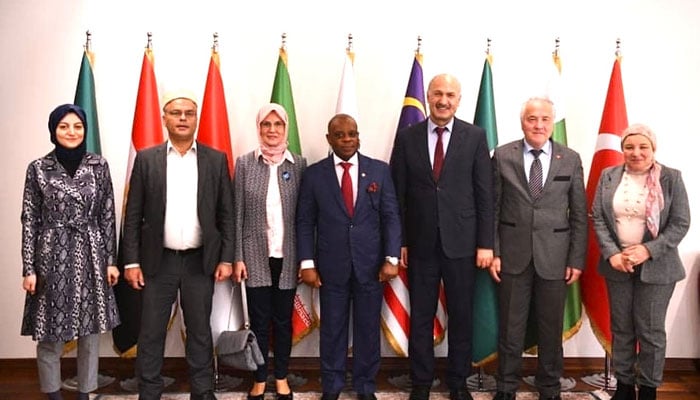
    The D-8 Health Summit 2026 begins today at the Karachi Expo Centre, bringing together representatives from the eight Developing Islamic Countries (D-8) to strengthen cooperation in the health sector. The three-day summit will continue until July 25. The international event is being organised jointly by the Ibn Sina Institute, the World Aging Council, and the Karachi Healthcare Expo and Conference. This year’s theme is “Healthy and Age-Friendly D-8 Countries.” The summit will focus on a wide range of healthcare issues, including health diplomacy, the challenges of an ageing population, preventive healthcare, healthy longevity, medical tourism, digital health, the impact of climate change on public health, and sustainable healthcare policies. A key highlight of the summit will be a keynote address by renowned gerontologist Dr Kamal Aydin. He will speak on “Global Health and Aging Diplomacy: A Future Vision for D-8 Countries,” presenting recommendations to promote international cooperation for developing healthy and age-friendly cities, particularly in the context of COP31. Dr Aydin, who completed his education at the University of the Punjab in 1996, has maintained close academic and professional links with Pakistan throughout his career. He is attending this year’s summit as President of the D-8 Health Summit 2026 and the honorary chief guest of the Karachi Healthcare Expo and Conference. In his message, Dr Aydin said it was a great honour to return to Pakistan, a country he considers his second home. He said it was gratifying to see the vision behind the Ibn Sina Institute and the World Aging Council, established nearly three decades ago, evolve into an international platform promoting global cooperation in health and ageing. He also thanked the organisers of the Karachi Healthcare Expo and Conference, including Tanveer Abbas, Dr Abid Abbas Sheikh, and their team, for their efforts in arranging the event. Alongside the summit, Karachi D-8 Healthcare Week 2026 is being held from July 20 to 27. The programme includes conferences, academic sessions, business-to-business meetings, investment discussions, innovation forums, and corporate social responsibility activities focused on healthcare and ageing. During the event, organisers will also launch an international signature campaign supporting the establishment of a United Nations World Assembly on Ageing. In addition, the Global Health and Aging Ambassadors Programme will be officially introduced.

  • | |

    Pakistan’s Cnergyico ramps up US crude purch…

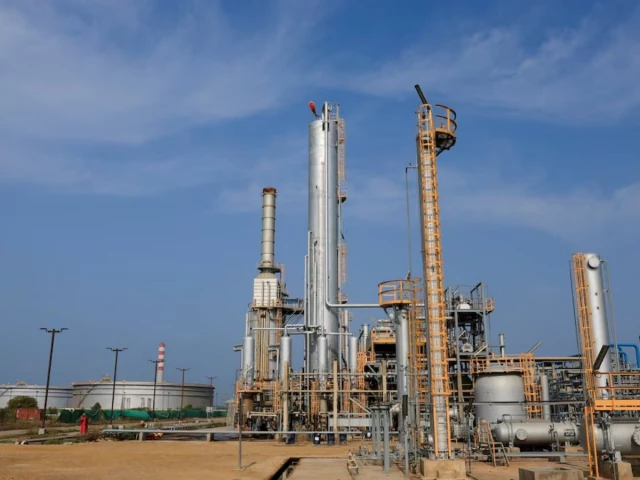
    Cnergyico, Pakistan’s largest oil refiner, has increased its purchases of US crude as the federal government works to diversify the country’s energy supply following disruptions tied to the war in Iran that exposed how heavily Pakistan depends on Gulf shipping routes. The government is also pushing to expand imports from the United States as part of a broader effort to narrow its trade surplus with Washington and secure relief from tariffs imposed by President Donald Trump. Cnergyico, which made its first purchase of US crude last year, is now weighing spot purchases alongside longer term supply contracts with Vitol and other suppliers, basing those decisions on pricing, reliability and supply security, Vice Chairman Usama Qureshi said. The refiner imported roughly 8.1 million barrels of US crude over a nine month stretch, including 7.1 million barrels worth about $750 million during the fiscal year that ended in June, according to Qureshi. Central bank data showed Pakistan’s payments for US imports climbed by $914 million to reach $3.27 billion during that fiscal year, meaning Cnergyico’s crude purchases accounted for roughly 80 percent of that overall increase. Qureshi said the refiner could expand its US crude purchases further if Pakistan’s proposed EXIM Bank trade finance facility gets extended to Cnergyico. Islamabad pitched that facility last month as a mechanism allowing Pakistani buyers to delay payments to US exporters for as long as three years. Pakistan has traditionally sourced most of its oil from Saudi Arabia and the United Arab Emirates, with roughly 90 percent of its oil and liquefied natural gas imports passing through the Strait of Hormuz before the war disrupted that route. Rising fuel costs have added pressure on Islamabad to respond, particularly as fresh protests over inflation and fuel prices broke out this week. The government has also pursued alternative supply routes, including Saudi crude delivered via the Yanbu port on Saudi Arabia’s Red Sea coast. Qureshi said Cnergyico is evaluating construction of a second offshore mooring facility linked to its existing storage network, which would allow the company to import and export refined products using large tankers outside Karachi’s congested ports. That project forms part of a broader $1.2 billion upgrade aimed at meeting Euro V fuel standards, reducing furnace oil output and expanding refining capacity to around 200,000 barrels per day. Fawad Basir, head of research at KTrade Securities, said the disruptions in the Middle East have underscored the risks of relying on a single supply corridor. He said using Very Large Crude Carriers to import US oil could reduce freight costs by 25 to 30 percent, while adding a second Single Point Mooring facility would speed up vessel turnaround times. Cnergyico currently processes 156,000 barrels of crude per day and operates Pakistan’s only single point mooring terminal near Karachi, giving it the unique ability among the country’s refiners to handle large tankers directly. The company plans to build a second offshore terminal to accommodate larger or more frequent shipments and intends to upgrade its refinery over the next five to six years. The refiner, which has been running at an average utilization rate of just 30 to 35 percent amid weak domestic demand, is betting that demand for refined oil products will strengthen in the years ahead.

Leave a Reply

Your email address will not be published. Required fields are marked *