oil prices rise
|

Oil prices rise as US-Iran uncertainty and shipping attacks raise supply concerns

BEIJING: Global oil prices advanced on Wednesday as uncertainty surrounding a potential peace agreement between the United States and Iran, coupled with attacks on commercial shipping in key Middle Eastern waterways, heightened concerns about disruptions to crude supplies.

At 0553 GMT, Brent crude futures had gained 75 cents, or 0.84%, to reach $89.66 per barrel. US West Texas Intermediate (WTI) crude rose 72 cents, or 0.87%, to $83.92 a barrel. Both benchmarks had climbed by more than $1 earlier in the session.

The latest gains followed a strong rally on Tuesday, when both Brent and WTI settled more than $1 higher, reaching their highest closing levels since July 31.

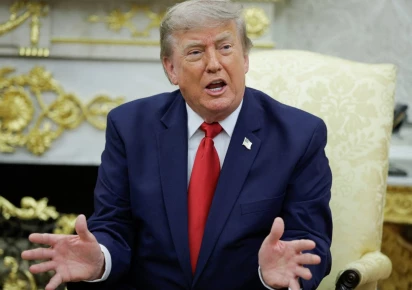
Oil prices had already surged around 5% on Monday as market participants became increasingly sceptical about the prospects of a US-Iran agreement to end the conflict. Concerns intensified after US President Donald Trump issued a fresh demand that Iran compensate people killed in wars, attacks and protests.

Market analysts said the latest developments have left energy markets highly sensitive to changes in the US-Iran narrative.

“The Middle East is increasingly becoming a seesaw between ‘deal’ and ‘war’,” said Priyanka Sachdeva, head of market insights at Phillip Nova in Singapore, describing the resulting price swings as a pendulum moving between roughly $70 and $90 a barrel.

Shipping Disruptions Add to Market Pressure

Concerns over the safety of crude shipments were also reinforced after the United States and Yemen’s Iran-aligned Houthis reported separate attacks involving shipping in the Strait of Hormuz and the Bab el-Mandeb Strait.

The Strait of Hormuz is one of the world’s most important energy transit routes, making any prolonged disruption there a major concern for global oil markets.

Iranian security official Mohsen Rezaei said the strategic waterway would remain closed unless Washington accepted Tehran’s conditions for ending the conflict. Those demands reportedly include the release of frozen Iranian assets and an end to other regional conflicts.

Trump, meanwhile, has continued to send mixed signals about the US response, alternating between warnings of a tougher military approach and suggestions that an agreement could still be reached.

The uncertainty has contributed to sharp swings in crude prices as traders attempt to assess whether the conflict will escalate or move towards negotiations.

Sachdeva said markets could increasingly become accustomed to the frequent changes in the geopolitical narrative, creating a highly volatile environment for short-term traders and speculators.

Hormuz Traffic Falls Sharply

Shipping data highlighted the scale of the disruption. The number of vessels passing through the Strait of Hormuz fell to only eight on Tuesday, according to shipping data cited in market reports.

That compares with an estimated 125 to 140 vessels a day before the conflict, underscoring the extent to which security concerns have affected maritime traffic through the strategic waterway.

A sustained reduction in shipping through Hormuz could have significant implications for global energy markets because the route handles a substantial share of international oil shipments.

US Crude Inventories in Focus

Despite geopolitical concerns, developments in the United States provided a counterweight to the bullish sentiment.

A Reuters poll released on Tuesday had indicated that US crude and fuel inventories were expected to decline during the week ended August 7. However, market sources citing data from the American Petroleum Institute (API) reported a substantial increase in US crude stocks.

According to the sources, US crude inventories increased by approximately 9.1 million barrels last week. Gasoline stocks declined by around 1.5 million barrels, while distillate inventories fell by approximately 596,000 barrels.

The reported crude build was considerably larger than market expectations.

If confirmed by official figures, the increase could ease concerns over tightness in the US oil market and potentially limit further price gains.

Haitong Futures said in a market note that the unexpectedly large increase in crude inventories could reduce some of the supply-related pressure currently supporting oil prices.

EIA Data Awaited

Investors are now awaiting official inventory figures from the US Energy Information Administration (EIA), the statistical arm of the US Department of Energy.

The EIA’s weekly petroleum report is scheduled for release at 10:30 a.m. Eastern Time (1430 GMT) on Wednesday.

Market participants will closely examine the data for signs of changes in crude production, refinery activity, gasoline demand and commercial inventories. Any significant deviation from the API figures could trigger additional volatility in oil prices.

Longer-Term Supply Risks Remain

Beyond the immediate market reaction, longer-term concerns over Middle Eastern supply disruptions continue to provide support to crude prices.

The EIA has estimated that disruptions to Middle Eastern crude supplies could amount to approximately 600,000 barrels per day and persist through the end of 2027.

With geopolitical tensions still unresolved and shipping activity through major regional waterways significantly reduced, traders are expected to remain highly sensitive to developments involving the United States, Iran and regional armed groups.

Similar Posts

  • | |

    Errors found in Mir Raza Ali’s initial post-…

    Fresh discrepancies have emerged in the initial post-mortem report of young businessman Mir Raza Ali, raising concerns that the investigation into his death could be compromised. According to medico-legal sources, several inconsistencies were identified after examining photographs of the body, prompting questions about the accuracy of the preliminary findings. Sources said the images showed a small gunshot wound on the lower back and a larger wound on the chest. They added that the injuries appeared inconsistent with the details recorded in the initial post-mortem report. The photographs also reportedly showed the fingers of the victim’s left hand tightly clenched around broken grass, while suspicious marks were observed on the right hand. Medico-legal officials said these details could be significant for the ongoing investigation. According to the sources, another visible injury was found beneath the victim’s chin, which was also not adequately addressed in the preliminary examination. The report further suggested that the body was approximately 24 to 36 hours old at the time it was examined. Sources familiar with the findings said the gunshot entry wound appeared larger than the exit wound in the report, while the photographs indicated the bullet had entered from the back and exited through the front. They stressed that these contradictions require further forensic review. Officials also noted that the body appeared swollen in the photographs and the face was severely disfigured. They said a detailed examination of the head could have helped determine the exact cause of the facial injuries and provided additional forensic evidence. The discrepancies have raised concerns that flaws in the initial post-mortem documentation may affect the direction and credibility of the investigation.

  • |

    Tipu Usman seeks closer media engagement to strengthen Pakistan’s UK diaspora outreach

    LONDON: Pakistan’s High Commissioner to the United Kingdom, Tipu Usman, has called for closer engagement with Pakistani media in the UK to strengthen outreach to the Pakistani diaspora and ensure the community remains informed about initiatives and reforms aimed at facilitating overseas Pakistanis. The High Commissioner made the remarks during an introductory meeting with representatives of Pakistani media houses working in London. Tipu Usman appreciated the positive role played by Pakistani media in the UK during Marka-e-Haq, particularly its contribution to keeping the Pakistani diaspora informed about important national developments and issues affecting the community. He said the Pakistan High Commission in London remained committed to working closely with Pakistani media representatives to enhance outreach and effectively communicate initiatives and reforms that would facilitate members of the Pakistani diaspora across the UK. The High Commissioner stressed the importance of effective communication and engagement with the Pakistani community, saying the media could play an important role in ensuring that information about government initiatives and services reaches overseas Pakistanis in a timely and effective manner. The representatives of Pakistani media houses welcomed Tipu Usman on assuming his responsibilities as Pakistan’s High Commissioner to the UK and conveyed their best wishes for his tenure. During the interactive session, media representatives shared various suggestions aimed at improving the High Commission’s outreach to the Pakistani diaspora and strengthening efforts for the welfare of the Pakistani community residing across the United Kingdom. The participants discussed the importance of maintaining regular engagement between the High Commission and Pakistani media to improve communication with the community and provide greater awareness of initiatives, services and reforms relevant to overseas Pakistanis. The meeting provided an opportunity for an open exchange of views on ways to further strengthen coordination between the Pakistan High Commission, Pakistani media and the wider Pakistani diaspora in the UK. The High Commissioner welcomed the suggestions put forward by the media representatives and reaffirmed the High Commission’s readiness to work collaboratively with the media for more effective engagement with the Pakistani community across Britain.

  • | | |

    Trump criticizes oil companies over high profits a…

    US President Donald Trump has criticized major oil companies over their growing profits, saying that energy firms are earning excessive amounts of money amid rising fuel prices. His remarks come as global oil markets face uncertainty due to geopolitical tensions and disruptions affecting energy supplies. Speaking to reporters at the White House, Trump said he supports free markets but expressed dissatisfaction with what he described as unusually high earnings by oil companies. He stated that while businesses have the right to operate freely, current market conditions have allowed some energy companies to generate profits beyond what he considers reasonable. The increase in crude oil prices has significantly boosted the revenues of several major energy companies worldwide. Market uncertainty linked to tensions between the United States and Iran has contributed to higher oil prices, creating favorable conditions for large oil producers and companies. Saudi Arabia’s state-owned oil giant Saudi Aramco reported a significant increase in quarterly profit, announcing earnings of $33.4 billion, compared with $25.2 billion during the same period last year. This represents a substantial rise in profits. US-based energy companies have also recorded strong financial results. ExxonMobil reported quarterly earnings of $14.5 billion, more than double compared with the previous year. Meanwhile, Chevron posted a profit of $12.1 billion, marking a significant increase from the same period previously. British energy company Shell also reported nearly $10 billion in quarterly profits, making it one of the company’s strongest financial performances in recent years. While energy companies benefit from higher crude oil prices, consumers in the United States have faced increased fuel costs. Average petrol prices have risen significantly since the beginning of the conflict-related market disruptions, adding further pressure on households already dealing with inflation. Fuel prices have become a major political issue ahead of the upcoming midterm elections. Lowering petrol costs has emerged as a key priority for the Trump administration, as high energy prices often influence public opinion and economic sentiment. A major factor behind the rise in oil prices has been disruption in key shipping routes, including the Strait of Hormuz, one of the world’s most important energy corridors. Reduced oil transportation through the region has affected global supply and contributed to market volatility. Although diplomatic efforts have reportedly aimed at reducing tensions and improving shipping access, uncertainty remains in global energy markets. Security concerns in the Red Sea and Bab el-Mandeb Strait have also affected oil transportation routes. Energy analysts believe that major oil companies may continue benefiting from elevated prices in the short term. However, they suggest that increased global supply or improved conditions in strategic waterways could eventually push crude oil prices lower. The ongoing debate highlights the challenge faced by governments worldwide: balancing energy company profits, market stability, and the need to provide affordable fuel for consumers.

  • | | |

    Pakistan, US boost anti-terror partnership

    Pakistan and the United States have reaffirmed their commitment to expanding cooperation against terrorism during the fourth round of the Pakistan-US Counterterrorism Dialogue held in Washington. The meeting brought together senior officials from both countries to discuss the changing regional and global security situation. The dialogue was led by Pakistan’s Special Secretary Ambassador Nabeel Munir and the US Coordinator for Counterterrorism, Ambassador Gregory LoGerfo. Both sides reviewed the current terrorist threat environment. They exchanged views on security challenges facing the region. Officials also explored practical ways to strengthen cooperation in tackling terrorism and violent extremism. A joint statement issued after the meeting said both countries share a common interest in defeating terrorist organisations. It added that Pakistan and the United States remain committed to working together to improve regional and international security. The discussions focused on strengthening border security and improving coordination between the two countries. Officials also discussed measures to disrupt terrorist financing and facilitation networks. They agreed that closer cooperation is essential to prevent terrorist groups from expanding their activities. During the dialogue, both delegations identified several militant organisations that continue to threaten regional peace and stability. These included ISIS-Khorasan (ISIS-K), Al Qaeda, Tehreek-i-Taliban Pakistan (TTP), and the Balochistan Liberation Army (BLA), along with affiliated groups. Both governments reaffirmed their determination to confront these organisations and protect their citizens from terrorism. The two countries also agreed to deepen cooperation through bilateral engagement and multilateral platforms. They stressed the importance of intelligence sharing, information exchange, and joint efforts to improve counterterrorism capabilities. Pakistan’s Foreign Office said the two sides held detailed discussions on regional and global terrorist threats. Both countries pledged to enhance collaboration in addressing security challenges and maintaining regional stability. The latest dialogue reflects improving relations between Islamabad and Washington after years of strained ties following the withdrawal of US forces from Afghanistan in 2021. Since then, both countries have gradually rebuilt engagement by focusing on areas of mutual interest instead of past differences. Besides counterterrorism, Pakistan and the United States have increased cooperation in trade, investment, climate change, and regional peace. Officials from both countries believe continued dialogue is essential to strengthen bilateral relations and promote long-term stability.

  • | |

    Pakistan goods transport alliance announces nation…

      The Pakistan Goods Transport Alliance has announced a nationwide strike beginning on August 8, warning that transport operations across the country may be significantly disrupted if the government fails to address its key demands. The announcement was made by the alliance’s president, Malik Shehzad Awan, who criticized recent government policies affecting the transport sector and called for immediate corrective measures. Speaking to the media, Malik Shehzad Awan said that transporters are facing increasing financial pressure due to the frequent fluctuations in petroleum prices. He argued that the current system of revising fuel prices on a daily basis has created uncertainty for transport businesses, making it difficult for operators to estimate transportation costs, negotiate freight rates, and manage their daily operations effectively. The alliance has demanded that the government abandon the practice of daily fuel price adjustments and instead adopt a monthly pricing mechanism for petroleum products. According to Awan, fixing fuel prices on a monthly basis would provide greater stability to the transport industry, allowing businesses to plan expenses more efficiently and reducing the uncertainty caused by continuous price changes. He maintained that predictable fuel costs are essential for sustaining commercial transport services and protecting transport operators from unexpected financial losses. In addition to seeking changes in the fuel pricing policy, the alliance has also demanded the resignation of Federal Minister for Petroleum Ali Pervaiz Malik. Malik Shehzad Awan expressed dissatisfaction with the government’s handling of issues related to the petroleum sector, arguing that the concerns of transporters have not been adequately addressed. He claimed that recent policies have increased operational costs and placed an unnecessary burden on transport businesses across Pakistan. Another major demand put forward by the Pakistan Goods Transport Alliance concerns the withholding tax imposed on transport-related transactions. The alliance has urged the government to reduce the withholding tax rate from 7 percent to 2 percent, arguing that the current tax structure is excessive and has significantly increased the financial burden on transport operators. According to the alliance, lowering the tax rate would provide much-needed relief to the industry and improve the financial sustainability of transport businesses, particularly small and medium-sized operators. The transport sector plays a critical role in Pakistan’s economy, serving as the backbone of the country’s supply chain by moving goods between manufacturers, wholesalers, retailers, and consumers. A nationwide strike by transporters could disrupt the movement of essential commodities, industrial raw materials, agricultural products, and imported goods, potentially affecting businesses and consumers alike if the dispute remains unresolved. The alliance has called on the federal government to engage in meaningful dialogue with transport representatives before the scheduled strike date. Its leadership has urged policymakers to reconsider the current fuel pricing mechanism and taxation policies in order to prevent disruption to trade and commercial activities. The transporters maintain that their demands are aimed at ensuring the long-term sustainability of the sector rather than creating difficulties for the public. If negotiations do not produce a satisfactory outcome, the Pakistan Goods Transport Alliance has indicated that transporters across the country will proceed with the nationwide strike on August 8. The proposed shutdown is expected to affect freight services on major highways and commercial routes, potentially disrupting the supply of goods and increasing pressure on businesses dependent on road transport. The alliance has expressed hope that the government will address its concerns before the strike begins, allowing transport operations to continue without interruption.

  • | |

    Umera Ahmed urges fans to avoid AI-generated content

    Renowned Urdu novelist Umera Ahmed has appealed to readers and content creators to stop producing and sharing AI-generated visuals based on her literary works, saying such content diminishes the emotional and spiritual depth of her stories. In a statement shared through her official Instagram page, Ahmed’s team thanked readers for their continued love and support but expressed concern over the growing number of AI-generated images, videos and reels portraying scenes, characters and dialogues from her novels. The statement urged fan pages and digital creators to refrain from using artificial intelligence to recreate her books. According to the team, literature offers every reader a unique and personal experience, while AI-generated visuals limit that imagination by presenting a fixed interpretation of characters and events. Special concern was raised over Ahmed’s acclaimed novel Peer-e-Kamil, which the team described as a deeply spiritual and emotionally sensitive work. They said its message, beauty and sanctity should not be diluted through artificial intelligence-generated content. While appreciating the passion and dedication of fan communities, the statement encouraged readers to experience and share the author’s work in its original form, allowing the stories to leave their intended emotional impact without technological alteration. The appeal comes as artificial intelligence continues to spark debate within Pakistan’s creative and entertainment industries. Concerns over the misuse of AI have grown in recent months, with artists and public figures warning about its impact on originality, artistic integrity and personal image rights. The discussion intensified after an AI-generated promotional music video released by the Ministry of Planning and Development drew widespread criticism. Separately, television personalities Tauseeq Haider and Farah Saadia were forced to deny false rumours after AI-created images depicting their alleged wedding circulated online. Actor Hira Tareen has also urged fellow performers to carefully review contract terms, warning that some agreements may allow studios to use an actor’s likeness for AI-generated productions without adequate safeguards.

Leave a Reply

Your email address will not be published. Required fields are marked *