trump rejects justice
|

Trump rejects Justice Department findings on Lincoln Memorial Reflecting Pool damage

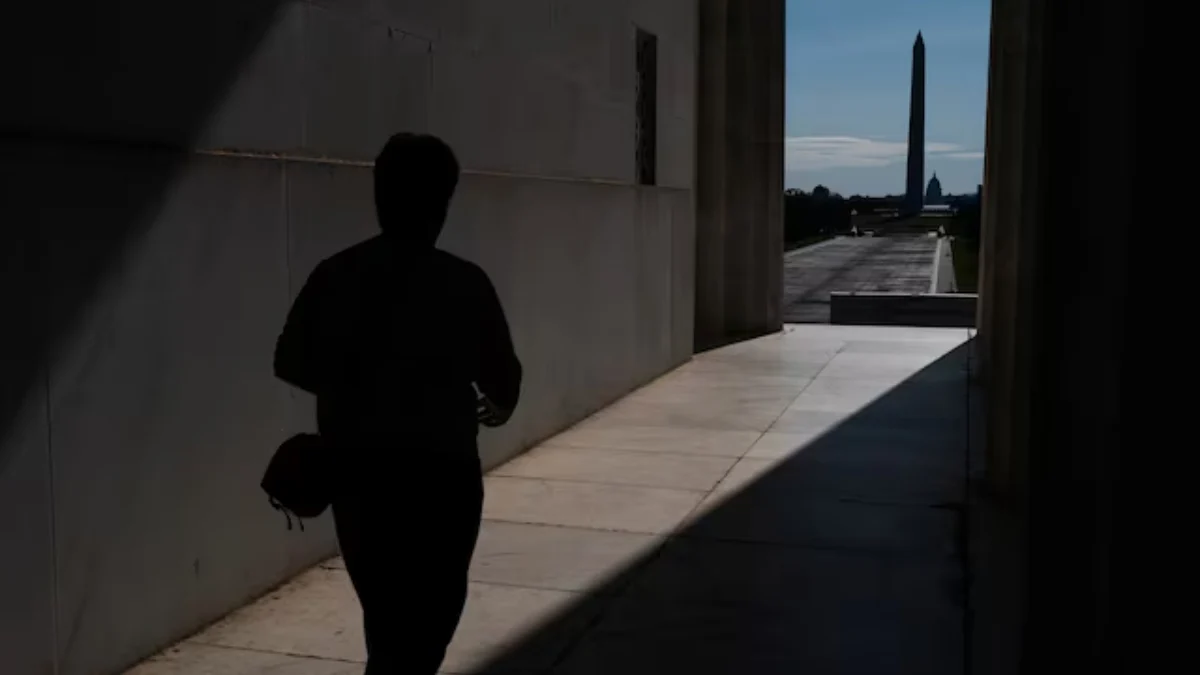
US President Donald Trump has publicly rejected the findings of his own Justice Department after federal prosecutors concluded that construction problems, rather than vandalism, were responsible for damage to the recently renovated Lincoln Memorial Reflecting Pool in Washington.

In a post on his Truth Social platform on Saturday, Trump said he strongly disagreed with US Attorney for the District of Columbia Jeanine Pirro and insisted that vandals were responsible for the damage. He argued that although there may have been issues with the construction work, the main cause of the deterioration was deliberate vandalism.

The disagreement follows a court filing submitted on Friday by Jeanine Pirro and Assistant US Attorney Michael Spence, who asked a judge to dismiss the government’s case against David Hearn, a 67 year old former Olympian. Hearn had been accused of damaging the Reflecting Pool, an allegation that became part of a wider debate over the Trump administration’s renovation project in the nation’s capital.

According to the filing, newly received documents from the Department of the Interior showed that the problems were linked to a rushed and defective installation process. Prosecutors said the pool’s lining experienced repeated failures during construction and that extensive peeling occurred across the surface because of installation defects rather than intentional damage.

The Lincoln Memorial Reflecting Pool underwent a renovation costing around 14.7 million dollars. Soon after the project was completed, the site experienced several problems, including algae growth that turned the water green and sections of the blue lining peeling away. The issues attracted public criticism and raised questions about the quality of the renovation work.

Throughout the controversy, Trump repeatedly claimed that vandals had deliberately damaged the pool. Following the Justice Department’s decision to withdraw the case, he continued to defend that position. In another social media post, the president shared previously released video footage from the US Park Police that he said supported his claim. He argued that the footage showed people damaging the Reflecting Pool while maintenance workers were cleaning algae from the water.

However, the video does not clearly show acts of vandalism. It remains unclear whether the individuals seen in the footage were intentionally damaging the lining or simply handling material that had already begun peeling because of the reported construction flaws.

The Justice Department has not publicly responded to Trump’s criticism. Jeanine Pirro’s office also did not immediately comment on the president’s remarks.

The dispute highlights a rare public disagreement between President Trump and his own administration’s legal team. While federal prosecutors have concluded that faulty construction caused the damage, the president continues to argue that criminal vandalism was primarily responsible, keeping the controversy surrounding the renovation project in the public spotlight.

Similar Posts

  • |

    Qudsia Ali, Abbas Ashraf discuss modern relationship challenges

    Pakistani actors Qudsia Ali and Abbas Ashraf Awan have opened up about the growing challenges in modern relationships, sharing their thoughts on why many marriages struggle and how family upbringing plays a significant role in shaping people’s behavior. Qudsia Ali Abbas Ashraf interview Aik Mohabbat Aur, discussed issues such as toxic masculinity, insecurity, and unhealthy relationship dynamics during a recent interview. Speaking about the behavior of some men, Abbas Ashraf said that many negative personality traits begin at home. According to him, parents often raise sons with a sense of superiority by repeatedly telling them they are more important than daughters or that they are the family’s future and primary heirs. He explained that such parenting creates an unhealthy mindset where boys grow up believing they deserve special treatment. Abbas stressed that children should be raised equally, regardless of gender, so they develop mutual respect and healthier attitudes toward relationships. He added that when parents teach sons and daughters the same values and responsibilities, it becomes easier to build a society where men treat women as equals rather than believing they have authority over them. Qudsia Ali also shared her perspective on why some women remain in emotionally unhealthy relationships despite facing repeated disappointment or mistreatment. The actress suggested that a lack of emotional support during childhood can leave lasting effects. She said some women grow up without receiving enough affection or validation from their families, making them more likely to accept even the smallest signs of attention later in life. According to Qudsia, this emotional deprivation can cause women to become deeply attached to relationships that are not healthy for them. She explained that when someone has experienced a shortage of love, even temporary affection may feel meaningful enough to overlook harmful behavior. She further noted that insecurity often becomes a major factor in these situations. Women who struggle with low self-confidence may fear losing a relationship, even if it is emotionally damaging, because they believe they may not find love elsewhere. Reflecting on her own journey, Qudsia admitted that she also experienced insecurities in the past. However, she emphasized that personal growth and self-awareness helped her recognize those feelings and gradually overcome them. The actress encouraged individuals to work on building confidence and understanding their self-worth rather than relying entirely on validation from others. The discussion resonated with many viewers because it touched on issues that frequently appear in real-life relationships as well as television dramas. Their comments highlighted the importance of healthy parenting, emotional well-being, and equal treatment within families. While both actors acknowledged that every relationship is unique, they agreed that respect, emotional security, and equality are essential for building lasting partnerships. They also suggested that addressing these issues early in life could help reduce toxic behavior and create healthier relationships in the future.

  • |

    Bangladesh hints at joining Pakistan-Saudi-Türkiy…

    DHAKA: Bangladesh has signalled that it could consider joining the emerging economic or defence framework involving Pakistan, Saudi Arabia and Türkiye, opening a potentially significant new chapter in regional diplomacy and security cooperation. Bangladesh Prime Minister’s Foreign Affairs Adviser Humayun Kabir said Dhaka was taking a positive view of the possibility of becoming part of a framework involving the three countries. His comments come only weeks after Pakistan, Saudi Arabia and Türkiye signed the Makkah Joint Defence Agreement. The agreement, signed in Makkah on Aug 7, commits the three countries to strengthening collective security and defence cooperation. It also states that an armed attack against any one of the three signatories would be regarded as an attack against all three. Kabir, speaking to Bangladesh’s state news agency, indicated that Dhaka would examine the idea through the lens of its own national interests and the rapidly changing global economic and trade environment. “The government is following a Bangladesh First policy,” Kabir said, according to reports, stressing that national interests remain at the centre of Dhaka’s foreign policy. The remarks are particularly noteworthy because Bangladesh has recently been working to strengthen practical ties with Pakistan. Kabir said the two countries were seeking greater cooperation in trade and people-to-people contacts, suggesting that economic engagement could form an important part of the relationship. For Pakistan, Bangladesh’s interest could give the Makkah framework a wider South Asian dimension. For Saudi Arabia and Türkiye, Dhaka’s possible participation could also expand the reach of an arrangement that the signatories have described as defensive rather than directed against any particular country. Turkish President Recep Tayyip Erdogan has said the agreement is open to other friendly countries seeking peace, prosperity and stability in the region. Turkish officials have also stressed that the pact does not identify a common enemy and is intended to strengthen defence cooperation and collective deterrence. Bangladesh’s possible move comes as Dhaka is also deepening its relationship with Saudi Arabia. Kabir said Prime Minister Tarique Rahman is expected to visit Saudi Arabia following an invitation from Crown Prince Mohammed bin Salman. The visit could provide an opportunity for discussions on economic cooperation, regional security and Bangladesh’s possible role in broader regional frameworks. For now, Dhaka has not announced any formal decision to join the defence agreement. But its positive signal is already attracting attention, particularly because Bangladesh’s participation could reshape the strategic picture across South Asia and the wider Muslim world. The next step will likely depend on how Dhaka assesses the proposed framework against its national interests, economic priorities and wider foreign-policy objectives.

  • |

    South Korea to enshrine nuclear pledge in law

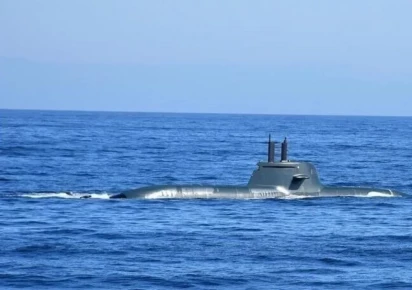
    SEOUL: South Korea is preparing legislation that would legally reaffirm its commitment to nuclear non-proliferation while it moves ahead with plans to develop nuclear-powered submarines. The proposed bill is expected to be released for public consultation by the Defence Ministry. It will set out five key principles governing the country’s nuclear-powered submarine programme. If approved, the legislation would formally establish in domestic law Seoul’s pledge not to develop, produce, possess or use nuclear weapons. The proposed law would also prevent the government from using nuclear materials specifically for weapons-related purposes. It would prohibit activities that could weaken the international nuclear non-proliferation system. The move is aimed at addressing concerns that South Korea’s submarine programme could eventually lead to a domestic nuclear weapons capability. The legislation would reaffirm Seoul’s commitments under the Nuclear Non-Proliferation Treaty. It would also require cooperation with international organisations during the development of the submarines. The proposed framework would include safeguards for public safety and environmental protection against radioactive materials. The government also wants to speed up the submarine programme. The proposed law would reportedly allow the project to bypass a preliminary feasibility study. South Korea’s nuclear-powered submarine project, known as Jang Bogo N, involves plans for attack submarines powered by low-enriched uranium. The programme is being developed with US approval. The two countries reached an agreement on the project during a leaders’ summit last October. Seoul plans to launch its first nuclear-powered submarine in the mid-2030s. The vessel is expected to enter operational service later in the decade. Defence authorities are reportedly considering three submarines weighing about 8,000 tonnes each. However, official technical details have not yet been released. South Korean Defence Minister Ahn Gyu-back has previously stressed that the country will continue to follow its international non-proliferation commitments. Seoul also plans to work closely with the International Atomic Energy Agency throughout the programme.

  • | | | |

    Trump warns Oman over Strait of Hormuz

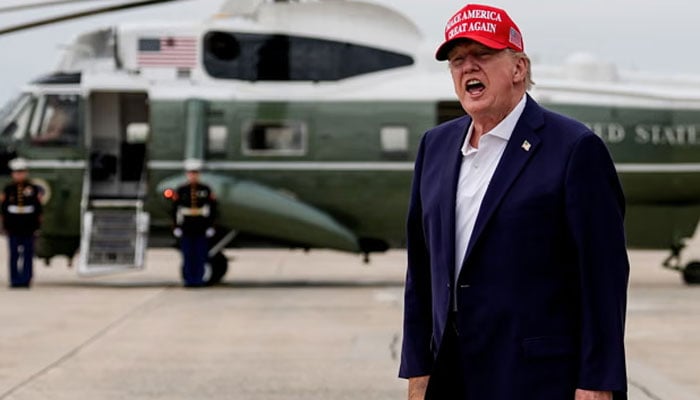
    US President Donald Trump has warned Oman that Washington could launch an attack if Muscat interferes with US efforts in the Strait of Hormuz, according to comments he made in an interview with US media. Trump said the United States would take military action if Oman obstructed American operations in the strategically important waterway. His remarks mark another escalation in Washington’s warnings toward Oman, following a similar threat he reportedly made in May. The US president also said his administration had established a direct, behind-the-scenes communication channel with Iran’s Islamic Revolutionary Guard Corps (IRGC). He did not provide further details about the nature or purpose of those contacts. Trump also sought to underline the scale of America’s military capabilities, saying the United States still has extensive weapons stockpiles. He claimed that the amount of weaponry the US has used so far represents only a small fraction of its available reserves. “We have a lot of weapons left,” Trump said, while indicating that Washington still possesses large quantities of medium-range weapons. The Strait of Hormuz remains a critical global energy route, making any potential military confrontation in the area a major concern for international markets and regional security. Any disruption to shipping through the strait could affect global oil supplies and trigger wider economic and geopolitical repercussions.

  • | |

    Oil prices tumble after US and Iran halt strikes, …

    Oil prices fell sharply on Monday after the United States and Iran paused military strikes over the weekend, ending two weeks of attacks and raising hopes that diplomacy could de escalate the conflict and allow shipping through the Strait of Hormuz to resume. Brent crude futures dropped by around 5.9 percent to just above 91 dollars a barrel, briefly slipping below the closely watched 90 dollar mark earlier in the session. US West Texas Intermediate crude fell roughly 5.4 percent to settle near 84.50 dollars a barrel. Both benchmarks touched their lowest levels in almost a week, reversing three straight weeks of gains driven by the conflict. Brent had climbed as high as 100 dollars a barrel as fighting disrupted oil shipments through the Strait of Hormuz and spread to the Red Sea, complicating exports from Saudi Arabia, the world’s largest oil exporter, through the Bab el Mandeb strait toward Asian markets. US Ambassador to the United Nations Mike Waltz said President Donald Trump had opted to pause American strikes to give diplomatic efforts more room to work, a message he delivered across several US television appearances Sunday. Market analysts remained cautious despite the price drop. PVM analyst John Evans said markets continue to search for encouraging signals from a region that has offered little reassurance so far, and cautioned that a pause in strikes carries no guarantee that oil shipments will resume quickly. He said prices are more likely to keep falling if elevated costs curb demand rather than because of a fragile ceasefire. Shipping data from Kpler showed fewer than ten commodity vessels passed through the Strait of Hormuz per day over the weekend. MST Marquee analyst Saul Kavonic said any recovery in traffic through the strait will likely be gradual and incomplete, since many shipping operators remain cautious and will want stronger safety assurances before sending empty vessels back into the waterway. Traffic through the Bab el Mandeb strait also declined Sunday after Yemen’s Houthi movement struck Saudi oil facilities along the Red Sea coast, though one additional Chinese supertanker managed to exit through the strait. Analysts at Societe Generale estimate that every month the Red Sea situation remains unresolved could add at least 10 dollars to the price of a barrel. Some analysts expect prices to stay supported if supply disruptions continue across the Middle East and in connection with Russia’s war in Ukraine. Analysts at UOB noted that the widening Middle East conflict, combined with Ukrainian drone strikes on Russian ships and refineries, could sustain supply disruptions that keep oil prices elevated and add upward pressure to global inflation. Ukraine said it struck several Russian oil facilities over the weekend as part of that ongoing campaign. The volatility underscores how closely global energy markets remain tied to geopolitical developments in the Middle East, where even temporary pauses in fighting can trigger significant price swings as traders weigh the likelihood of a lasting resolution against the risk of renewed escalation.

  • |

    Starc’s 10-wicket blitz powers Australia to 51-run win over Bangladesh

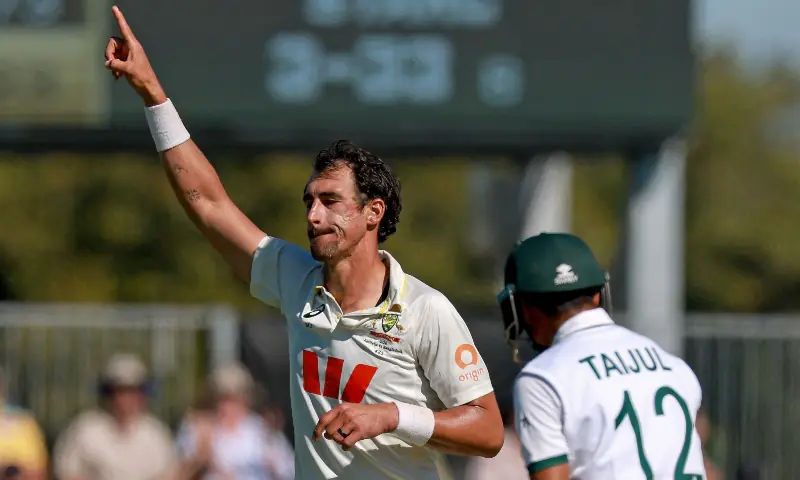
    MACKAY: Mitchell Starc produced a devastating fast-bowling masterclass as Australia stormed back from their first-Test shock to beat Bangladesh by 51 runs in the second Test in Mackay on Sunday, levelling the two-match series. The Australian quick was virtually unstoppable, claiming 10 wickets for 51 runs in the match as Bangladesh’s batting collapsed twice inside two days. His performance transformed the contest after Bangladesh had stunned Australia with a nine-wicket victory in Darwin in the opening Test. Starc finished the second innings with four wickets for 39 runs after destroying Bangladesh’s top order with six for just 12 in their first innings. His match figures of 10-51 marked the fourth time he has taken 10 wickets in a Test, putting him at the heart of Australia’s emphatic response. Bangladesh began their second innings needing 147 runs to make Australia bat again. Instead, they quickly found themselves under intense pressure. Shadman Islam lasted only three deliveries before edging a moving Starc delivery to Marnus Labuschagne. Mominul Haque followed with a second-ball dismissal, losing his off stump without offering a shot and handing Starc a hat-trick chance. Captain Najmul Hossain Shanto survived the hat-trick ball and briefly attempted to steady the innings. He faced 46 deliveries before Nathan Lyon ended his resistance, with Shanto holing out to Starc at long-off for 31. Starc returned to strike again, tempting Litton Das into a loose shot that was caught at third slip without scoring. Pat Cummins then added to Bangladesh’s misery, dismissing Mehidy Hasan Miraz and Hasan Mahmud. Starc completed his 10-wicket haul when Taijul Islam was bowled for seven, while Lyon quickly cleaned up the tail. Earlier, Australia had been bowled out for 210, giving them a 146-run first-innings lead. Cameron Green top-scored with 67, while Nathan Lyon remained unbeaten on 32 after helping Australia cross the 200 mark. Bangladesh’s Shoriful Islam was the standout bowler for the visitors, taking seven wickets for 48 runs — the best figures by a Bangladeshi bowler in an away Test. Australia’s victory completed a dramatic turnaround in the series. Bangladesh had arrived in Mackay full of confidence after their historic win in Darwin, but Starc and Australia’s bowling attack ensured there would be no repeat. The result sets up a fascinating conclusion to the series, with Australia regaining momentum and Bangladesh left to regroup after a dramatic two-day collapse.

Leave a Reply

Your email address will not be published. Required fields are marked *