|

Saudi Arabia detains more than 14,000 people in nationwide enforcement campaign

Saudi authorities arrested more than 14,000 people during a week long nationwide campaign targeting violations of residency, labour and border security laws, according to the Kingdom’s Ministry of Interior.

The ministry said joint inspection operations carried out between July 23 and July 29 resulted in the detention of 14,154 individuals. The campaign formed part of ongoing efforts to strengthen border security and ensure compliance with the country’s immigration and labour regulations.

Official figures showed that 7,103 people were arrested for violating residency rules, while 3,654 were detained for breaching border security laws. Another 3,397 individuals were taken into custody for labour related offences. Authorities said the inspections were conducted across different regions of the Kingdom with the participation of several government agencies.

The ministry also reported that 1,418 people were arrested while attempting to enter Saudi Arabia illegally. Among them, 54 percent were Yemeni nationals and 45 percent were Ethiopian nationals, while the remaining one percent belonged to other nationalities. In addition, security forces detained 23 people who were allegedly trying to leave the country through illegal routes.

Authorities also arrested 17 individuals accused of helping violators by transporting, sheltering, employing or concealing people who had breached residency, labour or border security regulations. Officials stressed that anyone assisting illegal entry or providing support to those staying in the Kingdom unlawfully would face strict legal action.

According to the ministry, 30,679 people are currently undergoing legal procedures related to residency, labour and border security violations. This group includes 28,187 men and 2,492 women. Officials said 17,903 individuals have been referred to their respective diplomatic missions to obtain travel documents needed for their return, while 5,424 have been directed to complete travel arrangements. So far, 12,613 people have been deported after completing the required legal process.

The Ministry of Interior warned that facilitating illegal entry into Saudi Arabia or providing transportation, accommodation or any other form of assistance to violators is considered a major criminal offence. Those found guilty could face prison sentences of up to 15 years, fines reaching one million Saudi riyals and the confiscation of vehicles or properties used in committing the offence. Authorities also said offenders may be publicly identified as part of the legal penalties.

The ministry urged residents to report any suspected violations through emergency numbers designated for different regions of the Kingdom. Officials said public cooperation remains essential in supporting efforts to enforce immigration laws and maintain national security.

Saudi Arabia regularly conducts nationwide inspection campaigns aimed at regulating the labour market, strengthening border controls and ensuring that foreign residents comply with the country’s legal requirements. The latest operation reflects the government’s continued focus on enforcing immigration and employment regulations across the Kingdom.
Similar Posts

  • |

    Will Scharf named Trump’s new White House counsel

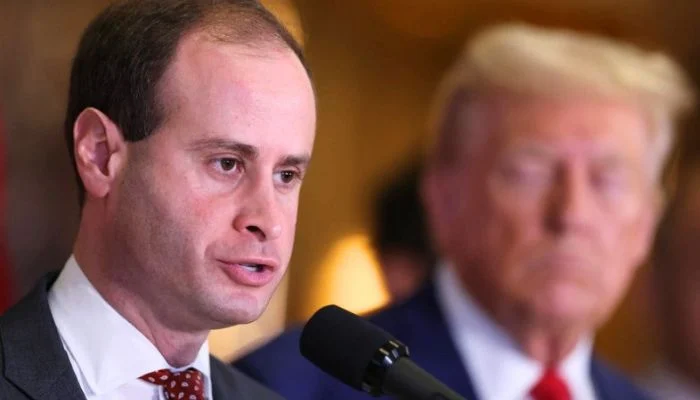
    US President Donald Trump has appointed Will Scharf as the next White House counsel and assistant to the president. Scharf, who currently serves as White House staff secretary, will take over the legal post on September 1, 2026. He will replace David Warrington, who is set to leave the administration and enter the private sector. Scharf is a lawyer and political adviser with close ties to Trump. Before joining the White House, he represented Trump in several major legal matters. He was also involved in the presidential immunity case that reached the US Supreme Court. Scharf previously worked as a federal prosecutor. He also served as a law clerk for federal appeals court judges, giving him experience in both government and federal litigation. His new position will place him at the centre of the Trump administration’s legal strategy. As White House counsel, Scharf will advise the president on legal issues and oversee matters involving executive privilege, judicial appointments and relations with the Justice Department. He will also be involved in responding to legal challenges facing the administration. The position is considered particularly important as Trump prepares for growing political and legal pressure ahead of the 2026 midterm elections. Scharf joined Trump’s legal team in 2023. He worked on the federal election interference case brought by former Special Counsel Jack Smith. His involvement continued as the case reached the Supreme Court. In 2024, the Supreme Court ruled that presidents have broad immunity from criminal prosecution for official acts. The decision became a major development in the legal battles surrounding Trump. After Trump returned to the White House in January 2025, Scharf was appointed staff secretary. In that role, he managed documents and other materials sent to the president for review. He also frequently appeared with Trump during executive-order signing ceremonies. Scharf has also chaired the National Capital Planning Commission. During his tenure, he was involved in the approval process for Trump’s proposed White House ballroom project, which has faced controversy and scrutiny. His appointment comes at a politically sensitive time for the administration. The White House is dealing with legal and political challenges while preparing for increased congressional scrutiny before the midterm elections. Trump praised Scharf after announcing the appointment. He described him as “tough, strong, and smart” and highlighted his experience as a federal prosecutor and his work on Trump’s legal cases.

  • | |

    Punjab University sports management faces backlash…

    Punjab University’s sports management has come under scrutiny after imposing one-year bans on players, coaches, managers, and team officials, a decision that has sparked debate among the university’s sports community. Critics have questioned whether disciplinary measures of this nature represent the right approach toward promoting sports development at one of Pakistan’s leading educational institutions. They argue that the primary responsibility of sports administrators should be to support athletes, improve training facilities, resolve issues, and create a positive environment for sporting growth. Concerns have also been raised over the involvement of some officials in administrative and internal matters rather than focusing solely on strengthening sports programs and addressing athletes’ concerns. A video circulating on social media has further fueled discussion, showing university officials participating in a bhangra performance with students, with critics questioning whether the department’s priorities are aligned with its core responsibilities. Sports circles have called for a balanced approach, emphasizing transparency, athlete welfare, and constructive management practices to ensure that disciplinary actions contribute to improvement rather than discouraging participation in university sports.

  • | |

    Pakistani hostages make desperate appeal after 100…

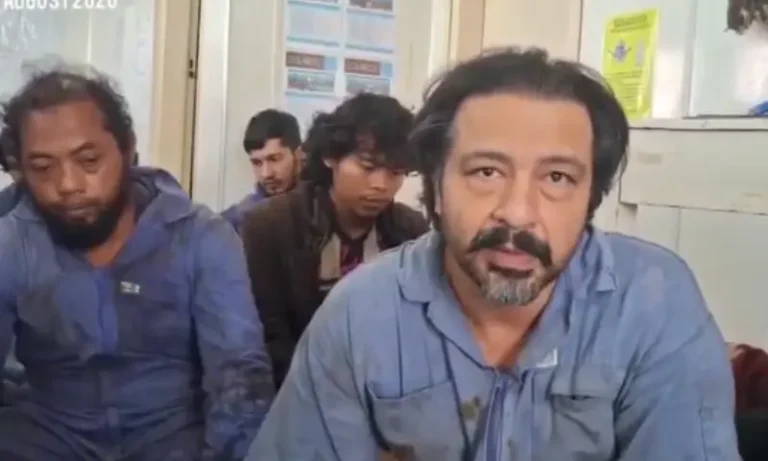
    Pakistani crew members held by Somali pirates have made another emotional appeal for government help. The hostages have been in captivity for more than 100 days. They are seeking urgent action for their release. The crew members are aboard the MT Honour 25. The Palau-flagged oil tanker was hijacked by armed pirates off the coast of Puntland, Somalia, on April 21. The vessel was carrying between 17 and 19 crew members. Ten of them are Pakistani nationals. Seven Indonesians, an Indian and a Sri Lankan are also among those being held. In newly released video messages, several hostages appeared weak and unwell. They appealed to the Pakistani government to intervene. Yasir Khan, one of the Pakistani hostages, said several crew members had fallen ill. He said they were facing difficulties in obtaining medicines. Khan urged Prime Minister Shehbaz Sharif to take immediate action. He also appealed to Foreign Minister Ishaq Dar and Maritime Affairs Minister Junaid Anwar Chaudhry. He asked the authorities to secure their release before their health situation became more serious. Khan also appealed to Jamaat-i-Islami chief Hafiz Naeemur Rehman. He requested him to continue efforts for the hostages. Another hostage, Hussain Yousuf, said more than 100 days had passed since their capture. He said the crew still had no clear information about when they would be released. Yousuf appealed to the prime minister and Chief of Defence Forces and Army Chief Field Marshal Asim Munir to intervene. He warned that further delays could lead to serious consequences. The crew has released several messages since the hijacking. In previous appeals, the hostages reported shortages of food, clean water and medicines. Their deteriorating condition has increased concerns among their families. The pirates have reportedly demanded a ransom of around $3 million. However, no confirmed breakthrough has been reported in negotiations. Pakistan’s Foreign Office said the government was closely monitoring the situation. Foreign Office spokesperson Tahir Andrabi said several government departments were involved in efforts to secure the crew’s release. The process includes the Ministry of Human Rights, the Ministry of Maritime Affairs and other relevant agencies. Andrabi said the case was particularly difficult because the hostages were being held in an autonomous region of Somalia. He said local tribal structures and influential figures had also complicated negotiations with the pirates. Pakistan, he added, remained in contact with the Somali government and relevant authorities. It was also coordinating with international organisations involved in the matter. The Foreign Office expressed sympathy with the families of the hostages. It said their concerns were understood and that the case remained a priority. The government said all possible efforts were being made to secure the crew’s release and bring them home safely. The case has also been complicated by uncertainty surrounding the ownership of the tanker. Questions remain over who legally owns the vessel. The person previously believed to be its owner was later reportedly identified as a middleman who had helped hire the crew. Meanwhile, the latest distress messages have renewed pressure for urgent action.

  • | |

    Sindh Chief Minister reviews Karachi water reform …

      Sindh Chief Minister Syed Murad Ali Shah met with World Bank Country Director Bolormaa Amgaabazar during a high-level meeting held to review the progress of Karachi’s water reform projects. The meeting focused on accelerating initiatives aimed at improving the city’s water supply and wastewater management systems. It was attended by the Sindh Minister for Local Government, Karachi Mayor Murtaza Wahab, the Chief Secretary, the Principal Secretary, and other senior government officials. During the meeting, Chief Minister Murad Ali Shah and the World Bank Country Director assessed the overall progress of the Karachi Water and Sewerage Services Improvement Project (KWSSIP). Both sides agreed on a fast-track roadmap to improve Karachi’s water supply and drainage infrastructure. The Chief Minister directed all relevant departments to ensure the timely completion of ongoing KWSSIP projects and to accelerate progress on the K-IV water supply project, which is considered one of the city’s most important infrastructure initiatives. Officials informed the meeting that Sui Southern Gas Company handed over the project site on June 22, 2026. Preparations are currently underway for a joint technical inspection of the 96-inch diameter water pipeline. In addition, rehabilitation work on the NIPA Bridge and other related technical activities is progressing according to schedule, with completion targeted for August 20. The briefing also highlighted that the procurement process for the K-IV expansion project has entered its final phase. The World Bank has already issued its No Objection Certificate (NOC), clearing the way for the next stage of implementation. Authorities stated that the official tender for the K-IV project will be advertised shortly. Before large-scale installation begins, a pilot program will be launched to evaluate technical performance and operational efficiency. The meeting included a detailed review of the appointment of consultants and the technical studies required for the project’s successful implementation. Officials emphasized that these studies are essential to ensure that the infrastructure meets international standards and addresses Karachi’s long-term water management challenges. Karachi Mayor Murtaza Wahab informed the participants that chlorination stations have been relocated to their designated sites and are currently undergoing commissioning. Water quality testing is expected to begin on July 30, marking another significant milestone in the project. He also reported that compensation has been paid to 186 out of the 203 individuals affected by the development works, demonstrating continued progress in addressing social and resettlement obligations. Chief Minister Murad Ali Shah instructed the Karachi Water and Sewerage Corporation (KWSC) to complete the commissioning and testing process without delay. He reiterated that providing safe and clean drinking water to the people of Sindh remains one of the provincial government’s highest priorities. The Chief Minister further directed all concerned institutions to strengthen coordination and communication to avoid unnecessary delays. He stressed that modern water utility organizations operate through effective data management, metering systems, and advanced technology, adding that Karachi requires a modern and efficient water management system capable of meeting the demands of its growing population. Speaking at the meeting, World Bank Country Director Bolormaa Amgaabazar reaffirmed the World Bank’s continued commitment to supporting Karachi in achieving sustainable water supply and wastewater management. She emphasized that institutional reforms, good governance, social safeguards, and timely implementation are essential for the long-term success of the projects. She also expressed confidence that continued cooperation between the Sindh government and the World Bank would help improve essential public services and enhance the quality of life for Karachi’s residents.

  • | | |

    One missed bill enough for Lesco to pull the plug?…

    The month of July brings heat and humidity to Lahore. It also brings frequent power cuts, mainly from weather related issues. When it rains, and the atmosphere is muggy, power breakdown occurs and people expect that power will return soon after it goes. But there is a different kind of fear. This fear grows when a house sits dark while every other house on the street still has light. This means the power meter has been disconnected. Recent reports say that field staff of the Lahore Electric Supply Company (LESCO), have been harassing consumers. These reports say that officials are disconnecting power for people who have missed just one month of bill payment. This goes against the normal rule. Under the normal rule, a meter can only be disconnected after two months of non-payment. LESCO spokesperson Rabia Qadir has denied these reports. She said the company has not received any complaint about this issue. She said that rules made by the National Electric Power Regulatory Authority (Nepra), protect the rights and safety of consumers. Under these rules, a meter cannot be disconnected simply because one month of bill payment was missed. She also said that Lesco has not received any formal complaint against any sub-divisional officer, executive engineer, or lineman of any of its circle regarding such incidents. However, she said that some linemen may try to scare or pressure consumers. These linemen may threaten to disconnect a meter if the consumer does not pay the outstanding bill right away. She said this could happen in some cases and this was not the company’s policy. But she stressed that Lesco has a consumer complaint cell. All complaints are recorded there. She said that according to these records, no such complaint has come in. The situation on the ground appears more complicated. This reporter visited the consumer cell at the office of the Lesco chief officer. Several consumers were present there. Their complaints were about different issues. Some wanted correction of industrial bills. Others reported broken meters. When asked about the reports of meters being cut for a single month of default, one officer gave an important detail. They said this practice usually happens in June or July. They said the ministry gives instructions during these months to speed up bill recovery. The goal is to reduce financial losses. Staff at the office suggested that a proper response should come from Lesco Chief Executive Officer Ramzan Butt or his public relations office. However, the public relations office said that Ramzan Butt was in Islamabad for a meeting at the time. This problem is not limited to LESCO areas. Similar reports have come from areas covered by the Multan Electric Power Company. In Muzaffargarh, consumers who missed one month of payment received strict warnings from field staff. These staff members told consumers to avoid another default. If they defaulted again, they were told, their meters would be disconnected. According to the rules, a power connection cannot be cut through meter removal unless bills for both the current and the previous month remain unpaid. Yet for several months now, Lesco teams have continued cutting connections even when only one month of payment was missing. Other than power severe threats, the other main issue people face is take notice of a major problem in the new electricity bill format. The Pakistan Hosiery Manufacturers and Exporters Association in a letter to the prime minister said the revised bill has removed a lot of information that consumers used to see. He said this makes it hard for people to check their meter readings, units consumed, tariff calculations and other charges on their own. They say the changes seem to have been made without following the proper process set by the National Electric Power Regulatory Authority, known as NEPRA. No formal request for changing the bill format was filed with NEPRA and that consumers were never asked for their objections, nor were they given a chance to take part in a public hearing before the change was made. They say that bills are supposed to show the date when the connection or meter was installed, but this information is now missing. The removal of the meter reading snapshot is a serious problem, because consumers can no longer check if the reading used for their bill matches the actual reading at their home. Also, information about the meter reader, along with the date and time of the reading, has also disappeared. They say that when a meter is changed, the bill should show a snapshot of the final reading from the old meter, but distribution companies are not properly doing this. The new bills carry a QR code instead, but this cannot replace information that should be clearly printed on the bill itself. Many senior citizens, people living in rural areas, and low income households may not have smartphones or the internet access needed to scan a QR code. Economist and corporate lawyer Dr Ikramul Haq commented on this situation. He said that the conduct of power distribution companies is not simply a small technical mistake. He called it as a form of pressure against ordinary citizens. These citizens are already struggling with rising prices, high electricity rates, and falling purchasing power. He said that reports of field teams arriving at homes, treating consumers badly, and threatening immediate disconnection show the real human cost of this careless approach. He added that in some cases, meters were removed without any prior notice being given. Dr said explained that the legal position on this matter is very clear. Under the revised Consumer Service Manual issued by Nepra, electricity cannot be disconnected only because the bill for the current or previous month remains unpaid. A notice of seven days must be given along with the bill for the second month of default. Only after this notice period passes, and the default continues, can disconnection take place. He said that removing a meter involves even more safeguards under the rules. He

  • | |

    Nirmal Purja’s body recovered after deadly Broad Peak avalanche

    Renowned British-Nepali mountaineer Nirmal Purja’s body has been recovered from Broad Peak in Pakistan, days after a devastating avalanche claimed the lives of members of his international climbing team. Rescue officials confirmed that Purja’s remains were found at an altitude of around 5,700 metres on Sunday. Search teams also located three additional bodies on the mountain, although their identities have not yet been officially confirmed. The fatal avalanche struck the 8,047-metre Broad Peak in the Karakoram mountain range during a climbing expedition. Authorities earlier confirmed that at least 10 climbers from different countries lost their lives in the tragedy. Purja, 43, was leading the multinational expedition when the avalanche occurred. Before his body was recovered, rescue teams had already retrieved the remains of American climber Mallory Geis, Omani mountaineer Nadhira Ahmed Abdullah Al Harthy, and Nepalese climber Pur Bahadur Gurung. Rescue operations continue in the difficult high-altitude terrain, with officials working to recover the remaining victims. The recovered bodies are being transported to a nearby base camp before further arrangements are made. Purja was regarded as one of the world’s greatest mountaineers. Born in Nepal, he later served in the British Army and spent several years with the elite Special Forces before pursuing a career in high-altitude climbing. He gained global recognition in 2019 after completing the ascent of all 14 mountains above 8,000 metres in just 189 days, breaking the previous world record by several years. His remarkable achievement was later featured in the widely acclaimed Netflix documentary 14 Peaks: Nothing Is Impossible. At the time of the accident, Purja was attempting another historic milestone by becoming the first climber to summit all 14 peaks above 8,000 metres twice without supplemental oxygen. His death has prompted tributes from leaders and members of the international mountaineering community. Britain’s Prince William expressed deep sorrow over the loss, describing Purja as an outstanding soldier and one of the world’s finest climbers. Nepalese officials also praised his courage, determination and lasting contribution to mountaineering.

Leave a Reply

Your email address will not be published. Required fields are marked *