thousands return home
|

Thousands return home in Spain as new heatwave heightens wildfire threat

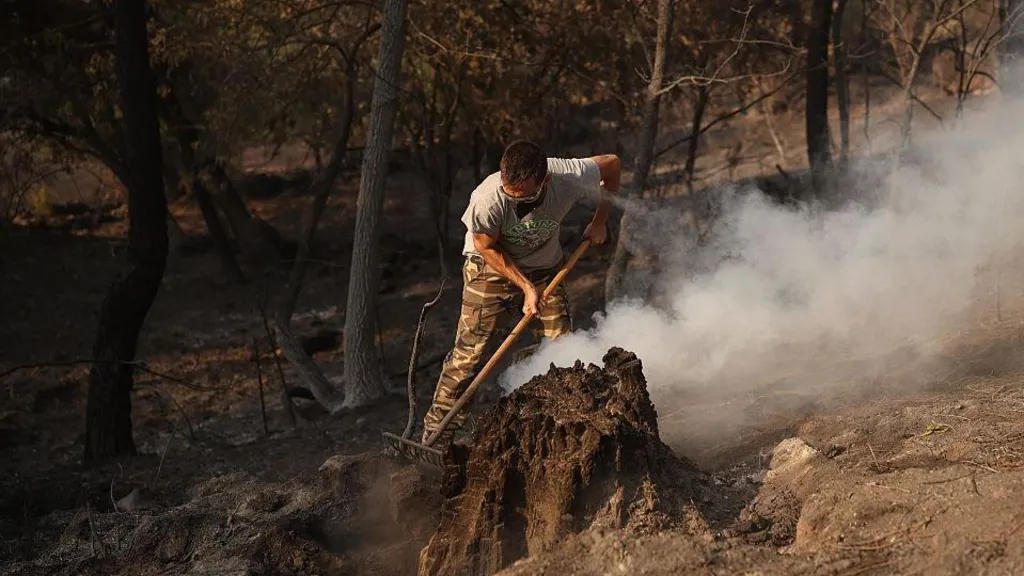
Thousands of residents have been allowed to return to their homes after authorities eased evacuation orders in several parts of Spain affected by devastating wildfires. However, officials are warning that a new heatwave expected to hit the country could reignite existing fires and create fresh emergencies as firefighters continue battling dangerous conditions.

Restrictions have been lifted in areas across Toledo, Madrid, Ávila and Castellón, allowing many displaced families to go back home after days of uncertainty. In the Madrid region alone, around 24,000 people have been permitted to return, while lockdown measures affecting another 20,000 residents have also been removed.

Despite the progress, several fires remain active. One of the biggest concerns is the wildfire near Burgohondo, about 150 kilometers west of Madrid, which has already burned more than 43,000 hectares of land. Authorities say it is now considered the largest wildfire ever recorded in Spain. Across the country, more than 207,000 hectares have been destroyed by wildfires so far this year.

Spanish Prime Minister Pedro Sánchez said the coming hours would be critical as firefighters work to bring the remaining blazes under control. He noted that conditions had improved but warned that rising temperatures, low humidity and strong winds could quickly reverse the progress made in recent days. Emergency crews remain on high alert as Spain prepares for its fourth major heatwave of the summer.

Fire officials said the Burgohondo blaze had not spread overnight, but they remain concerned that extreme weather could cause new flare ups. Firefighters are focusing on securing a perimeter stretching about 180 kilometers to prevent the flames from spreading into nearby communities and forests.

Among those returning home are residents of the towns of Navas del Rey and Chapinería, who had been evacuated earlier in the week. Many families have found damaged homes, destroyed property and lost livelihoods. Chapinería Mayor Lucía Moya said the community faces a long recovery, with many residents needing support to rebuild their lives after the disaster.

Some evacuees are still unable to return. Around 300 people displaced from the nearby Tiétar Valley continue to stay in temporary accommodation provided by local authorities. Officials have pledged to maintain support services until it is safe for everyone to go home.

While no deaths have been reported in the fires near Madrid or Castellón, authorities confirmed that a woman injured in an earlier wildfire in Almería has died in hospital. The Almería fires, which occurred earlier this month, claimed the lives of 14 people, including citizens of the United Kingdom, Belgium, the United States, France and Spain.

Wildfires are also creating challenges elsewhere in Europe. In neighboring France, firefighters continue to monitor large blazes in the Gironde region, where several flare ups have occurred despite efforts to stabilize the fires. Authorities have warned that temperatures could reach 41 degrees Celsius, with dry winds increasing the risk of further outbreaks. Special protection measures have also been introduced around defense and aerospace facilities located in the affected area.

Portugal and Greece are facing similar threats. Emergency crews in northern Portugal are working to contain an active wildfire near Valpaços while protecting nearby infrastructure, including a water treatment plant and a gas storage facility. In Greece, firefighters are responding to blazes on the island of Paros and in the southern mainland region of Trifylia.

Scientists continue to warn that climate change is contributing to longer and more intense heatwaves across Europe. Rising temperatures, prolonged dry conditions and stronger winds have increased the frequency and severity of wildfires, making firefighting operations more difficult and placing greater pressure on communities across the continent. Authorities are urging residents in high risk areas to remain cautious as extreme weather conditions are expected to continue in the coming days.

Similar Posts

  • | | |

    Naqvi’s remarks backed administrative reforms, s…

    ISLAMABAD: Interior Minister Mohsin Naqvi’s recent remarks about Pakistan’s governance system reflected ongoing discussions on improving administrative efficiency through the creation of new provinces or administrative units, according to informed sources. Naqvi made the comments while addressing the Pakistan Economic Summit 2026 on Thursday. During his speech, he described the country’s governance system as “broken” and urged political parties to develop a consensus on the issue of creating new provinces. His remarks triggered widespread debate among political leaders, analysts and journalists, with many questioning the message behind his statement. According to sources familiar with the matter, the minister’s comments should not be viewed as criticism of the federal government or as a sign of differences within the state institutions. Instead, they said the remarks were aimed at highlighting the need for administrative reforms to improve governance and ensure better delivery of public services. Speaking at the summit, Naqvi said the existing governance structure was no longer capable of addressing Pakistan’s growing challenges. He warned that unless major reforms were introduced, the country would continue discussing the same problems even after another 10 years. The interior minister stressed that Pakistan needed a long-term solution rather than temporary measures. He said the issue of creating new administrative units should be placed before the people so that a national consensus could be developed through public debate. Naqvi also referred to the prime minister’s reported long working hours, saying that working 18 to 20 hours a day reflected commitment but could not permanently solve structural governance problems. He said such efforts were similar to dealing with emergencies instead of addressing the root causes of the country’s administrative challenges. His remarks immediately sparked political speculation in Islamabad. Some observers interpreted the statement as an acknowledgment that the current governance model was not delivering the desired results. Others suggested the comments reflected dissatisfaction with the existing administrative structure. Some political analysts also linked the statement to speculation about differences between the civil government and the military establishment. However, informed sources firmly rejected that interpretation. A source with knowledge of the matter said there was no disagreement between Islamabad and Rawalpindi regarding the issue. The source emphasized that Naqvi’s speech was focused solely on promoting the idea of administrative reforms through the establishment of additional administrative units. According to the source, the purpose of the remarks was to encourage discussion among policymakers, political parties and the public about whether Pakistan should adopt a new administrative framework to improve governance across the country. Observers believe supporters of the proposal argue that Pakistan’s existing provincial structure has become too large and complex to effectively manage the country’s administrative and development needs. They maintain that smaller provinces or administrative units could bring government institutions closer to the people, improve service delivery, strengthen local administration and make governance more efficient.

  • |

    Morocco names 655-Mile coastal highway

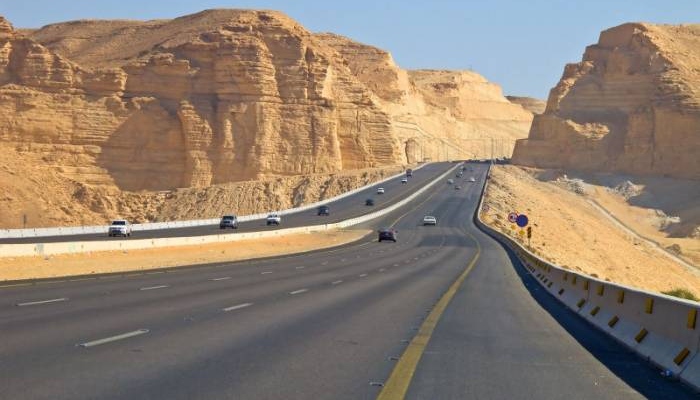
      RABAT: Morocco has officially named its 655-mile (1,055-kilometer) coastal expressway after U.S. President Donald J. Trump, according to reports. The decision was announced through a royal decree issued by King Mohammed VI, recognizing the highway as the Donald J. Trump Expressway. The expressway stretches from the city of Tiznit in southern Morocco to Dakhla, a strategically important city located in the country’s southern region. Previously known as the Tiznit–Dakhla Expressway, the highway is one of Morocco’s most significant infrastructure projects. It covers approximately 655 miles (1,055 kilometers) and was built at an estimated cost of around US$1 billion. The project was designed to improve transportation and strengthen economic links between Morocco’s northern and southern regions. The expressway is expected to facilitate trade, encourage tourism, and provide easier access to remote areas. It also plays an important role in connecting communities and supporting regional development. The decision to rename the highway reflects Morocco’s recognition of President Donald Trump’s contributions to strengthening relations between the United States and Morocco. The announcement has attracted international attention because of the symbolic significance of naming such a major national infrastructure project after a foreign leader. In response to the announcement, U.S. President Donald Trump expressed his gratitude to King Mohammed VI. In a message, President Trump thanked the Moroccan monarch for what he described as a “great honor.” He said he deeply appreciated the gesture and praised the strong friendship between the two countries. President Trump also stated that he hopes to have the opportunity to travel on the newly renamed expressway in the near future. He described the highway as an impressive achievement and said he looked forward to visiting Morocco again. The Tiznit–Dakhla route is considered one of Morocco’s largest transportation investments in recent years. It was developed to improve road safety, reduce travel time, and support economic activity throughout the country’s southern provinces. The highway also serves as an important transportation corridor for commercial vehicles carrying goods between different regions. Infrastructure projects of this scale are often viewed as symbols of national development and long-term economic planning. Renaming the expressway after President Trump has generated interest internationally and is likely to be seen as a diplomatic gesture highlighting the close ties between Morocco and the United States. Morocco and the United States have maintained longstanding diplomatic relations, cooperating in areas such as trade, security, investment, and regional stability. The renaming of the expressway further underscores the importance both countries place on their bilateral partnership. The announcement has been widely reported by regional media and has sparked discussion about the significance of honoring foreign leaders through national landmarks. Whether viewed as a diplomatic tribute or a symbolic act of friendship, the decision marks a notable moment in Morocco–U.S. relations and adds another chapter to the history of cooperation between the two nations.

  • | | | |

    Oil slips as higher supplies ease market fears

    Global oil prices declined on Friday as increased crude shipments through key maritime routes helped calm supply concerns, despite continued geopolitical tensions in the Middle East and limited progress in diplomatic talks between the United States and Iran. Brent crude futures dropped by $1.03, or 1.2%, to trade at $88 per barrel, while US West Texas Intermediate (WTI) crude fell $1.50, or 1.8%, to $82.09 per barrel. Even with the daily decline, both international benchmarks remained on track to post monthly gains of around 20%. Market analysts said the fall in prices was mainly driven by improving oil flows through the Strait of Hormuz, one of the world’s most important energy shipping routes. The increase in exports helped offset fears that the ongoing regional conflict could lead to major supply disruptions. The Strait of Hormuz normally carries nearly one-fifth of the world’s crude oil and liquefied natural gas shipments. The route has remained under close watch since tensions escalated following the conflict involving the United States, Israel and Iran. At the same time, Saudi Arabia is working with regional partners to strengthen maritime security in strategic waterways, including the Bab el-Mandeb Strait, the Red Sea and the Gulf of Aden. These routes play a vital role in global energy transportation. According to Saudi officials, 14 countries have expressed support for the proposed multinational maritime defence initiative, aimed at improving the safety of commercial shipping in the region. Meanwhile, the security situation remains uncertain after Yemen’s Houthi movement announced a naval blockade targeting Saudi Arabia, raising fresh concerns over the safety of Red Sea shipping lanes, which serve as an alternative route for oil exports. Although oil tankers continue to pass through both the Strait of Hormuz and the Red Sea, traders say higher security risks have pushed up shipping costs and insurance premiums. These additional expenses continue to keep a geopolitical risk premium built into global oil prices.

  • | |

    Sindh government spokesperson accuses Hafiz Naeem …

      Sindh government spokesperson Sadia Javed has accused Jamaat-e-Islami Pakistan Emir Hafiz Naeem ur Rehman of distorting the context of what she described as sincere national agreements reached in the past. In a statement issued from Karachi, Sadia Javed said that Hafiz Naeem was presenting previous national agreements in a misleading manner. She criticised the Jamaat-e-Islami leader for allegedly attempting to portray past understandings between political stakeholders in a way that did not reflect their original spirit or context. She questioned Hafiz Naeem’s position on electricity generated from Thar coal, asking why he remained silent about what she described as some of the cheapest electricity being produced through the country’s indigenous coal resources. “Why is Hafiz Naeem silent on the inexpensive electricity generated from Thar coal?” she questioned, while responding to his criticism of the Sindh government and the Pakistan Peoples Party (PPP). Sadia Javed also strongly rejected what she described as allegations against the Sindh government, saying that Hafiz Naeem had no justification for issuing what she termed “mafia certificates” to others. She challenged the Jamaat-e-Islami leader to examine his own political record before making accusations against others. According to her, political leaders should first reflect on their own actions and positions before questioning the credibility or performance of others. The Sindh government spokesperson further defended the provincial government’s policies and highlighted the importance of Thar coal in meeting Pakistan’s energy requirements. She suggested that criticism of the provincial government should be based on facts and a complete understanding of the agreements and projects under discussion. Another Sindh government spokesperson, Ghanhor Khan, also criticised Jamaat-e-Islami and Hafiz Naeem, accusing them of making allegations based on what he described as political hypocrisy. Ghanhor Khan said that making accusations against the PPP over the issue of Independent Power Producers (IPPs) was part of what he called Jamaat-e-Islami’s unsuccessful political strategy. He argued that the party was attempting to use the controversial issue of IPPs to create political pressure against the PPP and the Sindh government. The dispute comes amid renewed political debate over Pakistan’s electricity sector, particularly the cost of power generation, agreements with IPPs and the role of domestic energy resources. Political parties have frequently criticised successive governments over electricity prices, power-sector contracts and energy policies. The Sindh government has continued to highlight Thar coal as an important component of its energy strategy, while its political opponents have raised questions about governance, transparency and the broader impact of energy-sector agreements. The exchange between the Sindh government and Jamaat-e-Islami reflects growing political tensions over energy policy and the interpretation of past agreements. While Hafiz Naeem has criticised the government’s handling of the power sector, Sindh government representatives have rejected his allegations and questioned the consistency of his political position. Both sides have continued to defend their respective positions, with the Sindh government emphasising its energy initiatives and Jamaat-e-Islami maintaining its criticism of the power-sector policies.

  • |

    China launches Arctic route to bypass global shipping chokepoints

    China is preparing to open a regular container shipping route through the Arctic as disruptions at major maritime chokepoints continue to affect global trade. The new service will operate through Russia’s Northern Sea Route along the Arctic coast. It is being presented as an alternative route between Asia and Europe. Chinese shipping company Sea Legend is expected to launch its first regular service on the route. The service will connect Ningbo in China with Felixstowe in the United Kingdom. The route has been described as the “Ice Silk Road”. It is designed to provide faster access to European markets. It could also improve trade links with Turkey and North Africa. The Arctic route could significantly reduce sailing times between China and Europe. The journey between Ningbo and Felixstowe normally takes around 40 days by traditional routes. The Northern Sea Route could cut the travel time by roughly half under suitable conditions. The route has gained attention as shipping companies look for alternatives to heavily congested and politically sensitive waterways. The Strait of Hormuz and the Bab al-Mandab have become major areas of concern for international shipping. Rising tensions in these regions have increased risks for vessels and raised costs for shipping companies. Marine risk experts say the Arctic is attracting greater interest from shipowners because it can offer shorter journeys and reduce exposure to geopolitical conflict zones. The Northern Sea Route is divided into 28 sections. Different rules and operating requirements apply along the route. Ships generally need permission from the Northern Sea Route administration, which is controlled by Russia’s state nuclear energy company Rosatom. Interest in the Arctic route is not new. Several international shipping companies have previously tested the Northern Sea Route. However, many European operators later avoided regular use of the route because of worsening relations with Russia. Concerns over the potential environmental impact of increased shipping in the fragile Arctic ecosystem have also remained a major issue. The changing climate has added another dimension to the debate. Shrinking sea ice has made some Arctic routes more accessible during parts of the year. The Arctic is now becoming an increasingly important area of competition among major powers. Russia considers the region strategically important for its economy and national security. It also views the Northern Sea Route as a major trade corridor. China has described itself as a “near-Arctic state” and has promoted the concept of a “Polar Silk Road”. Beijing sees greater Arctic access as an opportunity to expand trade and strengthen its global supply chains. The United States, meanwhile, has opposed efforts that could give Russia and China excessive control over Arctic routes. Washington has repeatedly supported freedom of navigation and greater international access to the region. The growing use of the Arctic shipping corridor could therefore have implications beyond commercial trade. For China, the route offers a potential way to reduce dependence on traditional maritime passages. For Russia, it could strengthen the economic importance of its Arctic coastline.

  • | | | |

    Iran FM accuses West of ‘shameful hypocrisy’

    Iran FM accuses West of ‘shameful hypocrisy’Iranian Foreign Minister Abbas Araghchi has sharply criticised France and other Western countries over their stance on human rights and Iran’s treatment of protesters. Araghchi accused Western governments of adopting double standards by condemning Tehran over its response to domestic unrest while, in his view, failing to take meaningful action over Israel’s conduct in Gaza and the wider Middle East. In a statement on X, the Iranian foreign minister said countries such as France should stop giving lectures to others on human rights and international law. He described what he called Western hypocrisy as both “clear and shameful,” arguing that their policies had undermined their claims of moral authority. Araghchi also criticised Western support for Israel, saying that backing Israel during the Gaza conflict and what he described as aggression against Iran had damaged the credibility of Western governments on human rights issues. His comments came after the European Union and 20 other countries issued a joint statement expressing concern over the deaths of protesters in Iran. The countries called on the Iranian authorities to take meaningful measures to protect human rights. They also urged Tehran to end the use of the death penalty and release people who had allegedly been detained arbitrarily. Araghchi rejected the criticism and questioned the consistency of Western governments’ positions on human rights. The dispute highlights growing tensions between Iran and Western nations over the treatment of protesters, the use of capital punishment and the broader conflict in the Middle East. Iran has repeatedly accused Western governments of interfering in its internal affairs and applying selective standards to international human rights issues. Western governments, meanwhile, have continued to raise concerns about the treatment of protesters and detainees in Iran.

Leave a Reply

Your email address will not be published. Required fields are marked *