seeks lawyers appearance
| |

SC seeks lawyers’ appearance for 49 suspects in …

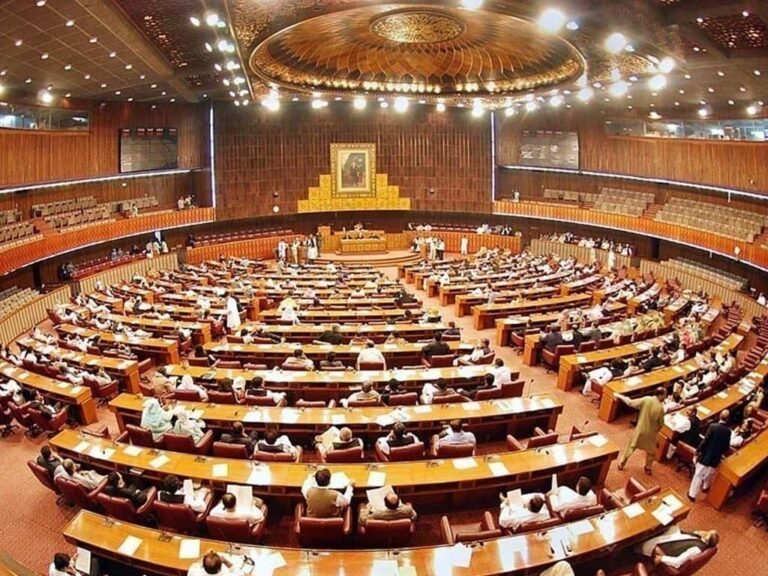
The Supreme Court of Pakistan has resumed hearing a case seeking the cancellation of bail granted to 49 suspects allegedly linked to the suicide attack on Chinese engineers in Bisham.

A prosecution appeal has been filed before the top court. It seeks the cancellation of bail granted to the suspects in the case.

During the hearing, Justice Naeem Akhtar asked whether the suspects were regularly appearing before the trial court.

The judge also asked whether the suspects wanted to engage lawyers to represent them in the proceedings.

The court directed the suspects to appear at the next hearing with their lawyers. It made it clear that failure to comply with the order could result in the cancellation of their bail.

The court did not cancel the bail at the latest hearing. Instead, it gave the suspects an opportunity to ensure their appearance and legal representation.

The Supreme Court then adjourned the proceedings until August 20.

The case relates to the suicide attack in Bisham, where Chinese engineers were targeted. The incident had raised serious security concerns and prompted investigations into those allegedly involved in the attack.

The prosecution has challenged the bail granted to 49 suspects and wants the Supreme Court to overturn the relief provided to them.

Similar Posts

  • | |

    Pakistan’s military tightens grip on Islamis…

    Munir’s family background feeds into this shift as well. He is the son of an imam and considers himself a devout, conservative Muslim, and religious identity remains deeply woven into Pakistan’s state institutions. Even so, he has pushed the country toward international engagement through cryptocurrency partnerships, foreign investment deals, a mediating role in the conflict between the United States and Iran, and a mutual defence pact with Saudi Arabia. Data shared with a foreign news agency by the Armed Conflict Location and Event Data Project, a group that tracks conflict incidents worldwide, shows the scale of the shift. Pakistan averaged more than seven blasphemy related riots or attacks annually between 2021 and 2024, but recorded only one such incident over the past twelve months. Economic pressure appears to have played a significant role in prompting the crackdown. Two Pakistani government sources said officials grew alarmed during the summer of 2025 that rising hostility from fundamentalist groups toward France and other European countries threatened to jeopardize a European Union duty waiver covering Pakistani exports. Nearly a third of Pakistan’s total exports go to the EU, and losing that preferential access could have dealt a severe blow to the national economy. Neither the European Commission nor Pakistan’s commerce ministry responded to requests for comment on the matter. Washington has added its own pressure over religious freedom concerns. The US Commission on International Religious Freedom, a government watchdog, recommended last year that Pakistan be placed back on a list of countries of particular concern due to its blasphemy laws, a designation Islamabad has firmly rejected. Analyst Abdul Basit of Singapore’s S. Rajaratnam School of International Studies said worsening insurgent violence in Balochistan and Khyber Pakhtunkhwa, Pakistan’s two most mineral rich provinces, likely added urgency to Munir’s campaign, particularly since he has pitched foreign investment in the country’s mining sector to American officials over the past year. Basit noted that religious groups have lost favor within the state’s priorities, though he cautioned that the militias driving these regional insurgencies are not formally tied to the newly banned Islamist organizations, even if both draw recruits from the same pool of young, radicalized men. Elizabeth Threlkeld, who directs the Stimson Center’s South Asia program, said the open question going forward is whether Pakistan can sustain this level of focus over time. Crackdown targets country’s largest fundamentalist movement The largest of the groups swept up in the crackdown, Tehreek e Labbaik Pakistan, built its identity around the slogan “Death to blasphemers” before authorities banned it late last year. Many of its leaders now sit in jail, its mosques have been sealed shut and its financial accounts frozen. A previously undisclosed government document that laid the groundwork for the ban argued the organization had become a serious threat to Pakistan by damaging both domestic stability and the country’s standing internationally. A spokesperson for the group pointed to a statement it issued last year describing the ban as illegal and unconstitutional. The move against Tehreek e Labbaik follows earlier crackdowns on groups such as Lashkar e Taiba and Jaish e Muhammad, which Pakistan pursued under pressure from the Financial Action Task Force, the international body that monitors terrorism financing. Basit linked the newest crackdown to a period of internal reflection within Pakistan over its historical backing of the Afghan Taliban, whom Islamabad now blames for stoking Islamist insurgencies against the Pakistani state from across the border. The Taliban government in Kabul has dismissed that accusation as baseless, and a spokesperson for its foreign ministry declined to comment further, describing Pakistan’s crackdown as an internal matter. For Pakistan’s Christian, Shia and Ahmadi communities, the change in atmosphere has been dramatic. In the past, suspects in blasphemy related killings, including police officers, were sometimes greeted with rose petals or celebratory receptions, and individuals accused of burning churches or minority mosques often received public praise. Blasphemy remains a capital offense under Pakistani law, and even a rumor of an accusation has historically been enough to spark riots or lynchings. Human rights organizations say victims’ families have rarely obtained justice, since judges and lawyers have often been too frightened to take on such cases. Officer Malik said everyone who confronted the crowd during last month’s incident in Karachi felt genuine fear. The Christian family targeted that day was eventually moved to safety, and an initial investigation has since found the accusations against them to be false. Group’s military links trace back a decade Tehreek e Labbaik formed in 2015 while its founder was imprisoned for shooting and killing a Pakistani provincial governor in 2011 over his support for a Christian woman accused of blasphemy. That gunman, a former police bodyguard, was later convicted and executed months after the group’s founding. Analysts have long suspected the group’s creation received at least tacit support from Pakistan’s military establishment, including its intelligence services, as a tool to keep civilian governments and mainstream political parties in check. Following violent riots led by the group in 2017, then army chief General Qamar Javed Bajwa referred to its protesters as the country’s own people. Pakistan’s Supreme Court later ordered the military and intelligence agencies to stay out of politics but stopped short of directly tying them to the organization. Analysts and former officials say the effects of years of tolerance for the group will not disappear simply because of a ban, and that the shock felt by its supporters could still trigger backlash. Ihsan Ghani, who served as Pakistan’s counter terrorism chief during the 2017 riots, said he worries the group could resurface at full strength if its usefulness to the state changes again. He compared decades of state backed nurturing of the movement to something that cannot simply be switched on and off at will. Within Pakistan’s minority communities, the sudden shift still feels fragile. One of the Christian women rescued during last month’s incident in Karachi said she and her family are now physically safe, but admitted the fear has not fully faded.

  • | | |

    Iran unleashes drone barrage on US bases

    The conflict between Iran and the United States intensified on Friday as Iranian military officials claimed to have carried out drone attacks on several military facilities used by US forces in Kuwait, Bahrain and Jordan. The developments came after fresh US airstrikes on Iranian targets, signalling another major escalation in the months-long regional confrontation. According to Iranian military statements, “Arash” attack drones targeted US military warehouses and troop positions at Camp Udairi, Camp Doha and Camp Arifjan in Kuwait. Iranian officials said the attacks focused on weapons storage sites, military equipment and logistical facilities. They warned that further military action would continue if attacks against Iran persisted. Iran also claimed responsibility for drone strikes on Sheikh Isa Air Base in Bahrain and Al-Azraq Air Base in Jordan. Iranian state media reported that fuel storage areas, aircraft hangars, maintenance facilities and accommodation used by US personnel were among the intended targets. However, there was no immediate confirmation from the United States, Bahrain, Jordan or Kuwait regarding the reported attacks. Officials in those countries also did not immediately report casualties or significant damage. Meanwhile, US forces reportedly carried out fresh airstrikes on an Islamic Revolutionary Guard Corps (IRGC) naval headquarters in the northern Iranian town of Zibakenar. Iranian authorities said the facility was hit but added that initial assessments showed no casualties. In Iraq, several explosions were reported near Erbil International Airport, where US-led coalition forces are stationed. Witnesses reported hearing air defence systems in operation while drones were seen flying over the area. Smoke was later observed rising near the airport complex. Iranian Foreign Minister Abbas Araghchi warned that any country assisting the United States in military operations against Iran would be held responsible under international law. He said Tehran reserved the right to respond with measures permitted under self-defence. Araghchi also criticised Washington over comments suggesting frozen Iranian assets could be used to compensate for damage caused to commercial shipping. He warned that confiscating another country’s assets would create a dangerous international precedent and undermine global financial stability. The military escalation has also affected global energy markets. Concerns over security in the Strait of Hormuz and the Red Sea have sharply reduced tanker traffic through key shipping routes. Shipping data indicated that only one oil tanker crossed the Strait of Hormuz on Thursday, the lowest daily figure in more than two months. The situation worsened after attacks on Saudi oil tankers in the Red Sea increased fears of further disruption to global energy supplies. Rising tensions pushed international oil prices above $100 per barrel, raising fresh concerns about inflation and the global economy. US President Donald Trump warned that Iran and the Iran-backed Houthi movement would face severe military consequences if attacks on commercial shipping continued. He said Washington was prepared to respond forcefully to any further threats against regional security and international maritime trade.

  • | |

    Pakistan faces population planning crisis, Senate …

    Islamabad: Pakistan’s population planning system has come under serious criticism after a Senate committee expressed concern over the absence of updated population data, warning that outdated information could damage government planning and decision making. The Senate Standing Committee on Planning, Development and Special Initiatives questioned why the country’s latest population and health information was still based on the Pakistan Demographic and Health Survey conducted in 2017 and 2018, despite the survey being planned every five years. The committee said that without fresh population data, it becomes difficult for the government to properly plan healthcare services, allocate resources and create policies according to people’s needs. The issue was discussed during a meeting chaired by Senator Quratulain Marri at Parliament House, Islamabad, where the committee reviewed the implementation of the National Action Plan on Population 2021 to 2026. Officials from the Ministry of National Health Services informed the committee that the population action plan was approved in May 2021 with a total cost of Rs1,996.683 million. The project covers areas including Azad Jammu and Kashmir, Gilgit Baltistan, and the Islamabad Capital Territory. The committee was informed that a major portion of the project budget, around Rs1,679.6 million, has been allocated for purchasing contraceptives. Officials said these contraceptives are being imported for population welfare programmes. For the financial year 2026 and 2027, Rs250 million has been allocated mainly for awareness campaigns and procurement of contraceptives. However, the committee questioned the effectiveness of these efforts and demanded complete details on resource allocation and the number of beneficiaries. Senator Quratulain Marri expressed concern that the Ministry’s briefing did not fully answer the questions raised by the committee. She directed the ministry to provide a detailed presentation in the next meeting covering the purchase, distribution, usage and challenges related to contraceptives. The chairperson said that population planning decisions must be based on accurate and updated information. She questioned why the Pakistan Bureau of Statistics had not completed the population and health survey within the expected timeframe. Officials informed the committee that the Pakistan Bureau of Statistics is currently conducting the next survey to update population and health indicators for the period up to 2025 and 2026. The committee said delays in collecting population data create serious problems because the government cannot accurately estimate the needs of hospitals, schools, employment opportunities and public services. Members stressed that a growing population requires proper planning to ensure that citizens receive enough healthcare, education and basic facilities. The committee reviewed the National Action Plan on Population as part of wider discussions about Pakistan’s future development challenges. Lawmakers said population growth is directly connected with economic pressure, healthcare demand and availability of public resources. The committee directed officials to improve monitoring and provide clearer information about the progress of population related programmes. Senator Quratulain Marri emphasized that government projects must deliver real results and that public money should be used effectively. The committee decided to continue reviewing the population action plan in future meetings and seek further details from relevant departments.

  • |

    Senate seeks review of IPP deals over rising power costs

    Islamabad: Independent Power Producers (IPPs) faced strong criticism in the Senate after lawmakers raised serious concerns over billions of rupees paid as capacity payments to power plants that are not fully operational, calling the practice an unnecessary burden on electricity consumers. The issue was discussed during a meeting of the Senate Standing Committee on Cabinet Secretariat, where members questioned the impact of IPP agreements on electricity prices and demanded a complete review of power generation contracts. The committee expressed concern that consumers are paying for electricity capacity even when some power plants are not producing electricity according to expectations. Members said such payments increase the cost of electricity and place additional pressure on ordinary citizens already facing high power bills. The committee directed the National Electric Power Regulatory Authority (NEPRA) to provide complete details of all Independent Power Producers, including their electricity tariffs, generation capacity, installation costs and rate analysis. The committee chairman stressed that electricity prices must be reviewed and unnecessary costs should be removed to provide relief to consumers. The committee also discussed whether some IPPs had affected the government’s solar energy policy. Members observed that certain power producers had, apparently, created difficulties for the promotion of solar energy initiatives and questioned whether existing agreements were supporting or limiting cheaper energy options. The committee demanded transparency in tariff decisions and questioned why NEPRA had not provided complete tariff determination details despite repeated directions. Lawmakers said clear information was necessary to understand how electricity prices are decided and why consumers continue to face expensive power bills. The committee also discussed imported coal and RLNG based power plants installed in Punjab instead of coastal areas. Officials explained that these plants were established near major electricity demand areas to improve supply efficiency. However, the committee directed NEPRA to provide a detailed comparison of all power projects so that lawmakers could examine costs, benefits and long term impact. The chairman said the government should consider renegotiating IPP agreements where necessary and review contracts of projects that are no longer useful. He said reducing electricity prices requires serious decisions and better management of power sector agreements. The meeting was chaired by Senator Rana Mahmood Ul Hassan and attended by Senators Mohammed Abdul Qadir and Aimal Wali Khan, while other members participated in person and online. The committee also reviewed issues related to circular debt, which remains one of the biggest challenges facing Pakistan’s power sector. Members said increasing electricity costs and financial problems in the energy sector require immediate attention because they directly affect households, businesses and the national economy. The committee’s discussion highlighted concerns over the relationship between power generation costs, IPP agreements and electricity bills paid by consumers. Members called for accountability, transparency and a detailed examination of agreements to ensure that the electricity system works in the public interest. The committee will continue reviewing IPP agreements and related energy sector issues in upcoming

  • | |

    Court awards Ahsan Iqbal Rs2.5m in defamation case

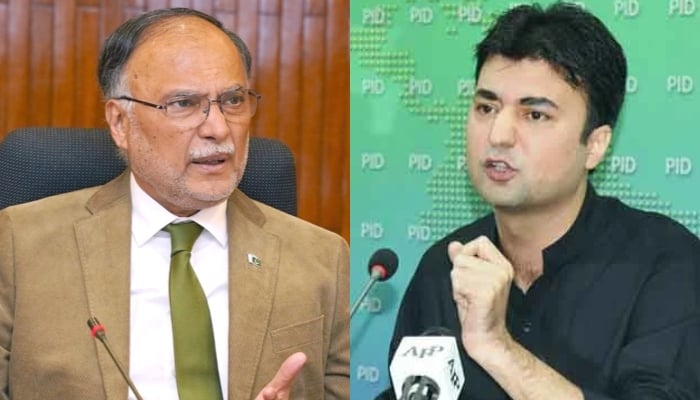
    An Islamabad District and Sessions Court has ruled in favour of Federal Minister Ahsan Iqbal in a long-running defamation case against PTI leader Murad Saeed. The court ordered Murad Saeed to pay Rs2.5 million in damages for making allegations that were not proven during the proceedings. Additional Sessions Judge Hakim Khan announced the verdict after hearing the case. The court held that Murad Saeed’s statements had damaged Ahsan Iqbal’s reputation and public image. It directed the PTI leader to compensate the federal minister with Rs2.5 million. According to the judgment, Murad Saeed accused Ahsan Iqbal of being involved in corruption worth Rs70 billion. However, the court found that he failed to provide any evidence to support the allegations. The court ruled that the accusations of corruption, misuse of authority, and receiving illegal commissions were defamatory because they remained unsubstantiated. The judgment stated that Ahsan Iqbal had initially sought Rs10 billion in damages for the alleged harm caused to his reputation. However, the court observed that the amount claimed was excessive in view of the evidence presented during the trial. It therefore awarded Rs2.5 million as reasonable compensation. The court further observed that Murad Saeed’s controversial statements had harmed Ahsan Iqbal’s reputation, dignity, and credibility. It said the allegations created a negative impression of the minister among the public and directly targeted his honesty, integrity, and professional standing. The judgment also noted that Murad Saeed neither appeared before the court during the proceedings nor submitted evidence to substantiate the corruption claims. The absence of supporting material, the court said, weakened his defence and left the allegations unproven. The case originated from statements made by Murad Saeed in 2019 regarding the Multan-Sukkur Motorway project. At the time, he alleged that Ahsan Iqbal had committed corruption in connection with the project. After reviewing the evidence and hearing the arguments, the court concluded that the accusations were not established and therefore amounted to defamation. The verdict marks the conclusion of the defamation proceedings, with the court reaffirming that public allegations of corruption must be backed by credible evidence.

  • | | |

    Inside the ‘House of Secrets’: How Britain sec…

    A newly opened museum in North London is shedding light on one of Britain’s most remarkable intelligence operations of the Second World War. Known as the Trent Park House of Secrets, the site reveals how British intelligence secretly monitored conversations between captured German generals and senior military officers, gathering information that proved invaluable to the Allied war effort. Located in Enfield, North London, Trent Park was originally a luxurious country estate owned by British politician Philip Sassoon during the 1920s and 1930s. The mansion was famous for hosting lavish gatherings attended by influential figures, including politicians, artists, writers, and members of the British royal family. Guests reportedly included Winston Churchill, Charlie Chaplin, and Wallis Simpson. However, the estate took on a dramatically different role after the outbreak of World War II. British authorities transformed the elegant residence into a highly secret intelligence facility where captured German military leaders were housed under comfortable conditions. The relaxed atmosphere encouraged prisoners to speak freely, unaware that nearly every conversation was being secretly monitored. Hidden listening devices were installed throughout the mansion, while intelligence officers worked from concealed rooms in the basement, recording and analyzing discussions between German officers. The operation enabled Britain to collect valuable military intelligence without relying on interrogation or coercion. Historians believe the conversations captured at Trent Park provided critical insights into German military strategy, battlefield developments, and even the internal thinking of senior Nazi commanders. Some recorded discussions also revealed information about war crimes and the treatment of prisoners, offering important historical evidence after the war. The foundation responsible for restoring the estate says Trent Park deserves recognition alongside Bletchley Park, Britain’s famous codebreaking center, because both sites played crucial roles in Allied intelligence operations. While Bletchley Park focused on decrypting enemy communications, Trent Park relied on covert surveillance and psychological techniques to obtain sensitive information directly from high-ranking prisoners. The newly opened museum allows visitors to explore restored rooms, historical exhibits, and the basement areas where surveillance equipment was once operated. Through interactive displays and archival material, guests can learn how one seemingly peaceful country house became the center of a sophisticated intelligence mission that remained largely unknown for decades. Today, the Trent Park House of Secrets stands as a powerful reminder of the creativity and innovation behind Britain’s wartime intelligence network. By preserving this remarkable chapter of history, the museum offers visitors a unique opportunity to understand how hidden conversations inside one mansion helped shape the outcome of World War II.

Leave a Reply

Your email address will not be published. Required fields are marked *