oil prices rise
|

Oil prices rise as Middle East conflict deepens

Global oil prices edged higher on Wednesday as escalating tensions in the Middle East renewed fears of supply disruptions and pushed investors to closely monitor developments in the region.

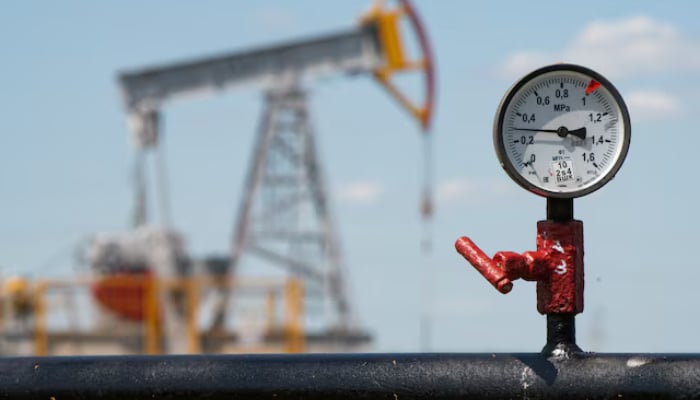
Brent crude futures rose to $91.51 per barrel, while US West Texas Intermediate (WTI) crude increased to $84.64 per barrel in early trading. The gains came after oil prices reached a five-week high in the previous session.

The latest rise followed another round of US military strikes inside Iran. American forces carried out attacks on Iranian military targets for the 11th consecutive night, highlighting the continued escalation of the conflict.

At the same time, Kuwaiti authorities reported that air defense systems intercepted Iranian drones, adding to growing concerns that the conflict could spread further across the Gulf region.

The continued exchange of attacks between Iran and the United States has heightened fears over the security of global energy supplies. Investors worry that any disruption in oil-producing regions or major shipping routes could tighten supplies and drive prices even higher.

Additional pressure on energy markets came after Yemen’s Houthi movement announced a naval blockade targeting Saudi Arabia and warned that ships transporting Saudi oil through the Bab el-Mandeb Strait could face attacks.

The Bab el-Mandeb Strait is one of the world’s most important maritime trade routes and serves as a key passage for oil shipments from the Middle East to international markets. The route has become increasingly important as traffic through the Strait of Hormuz has declined amid the worsening regional conflict.

Energy analysts say that any disruption in either of these strategic waterways could significantly affect global oil supplies, increase shipping costs and create further volatility in international energy markets.

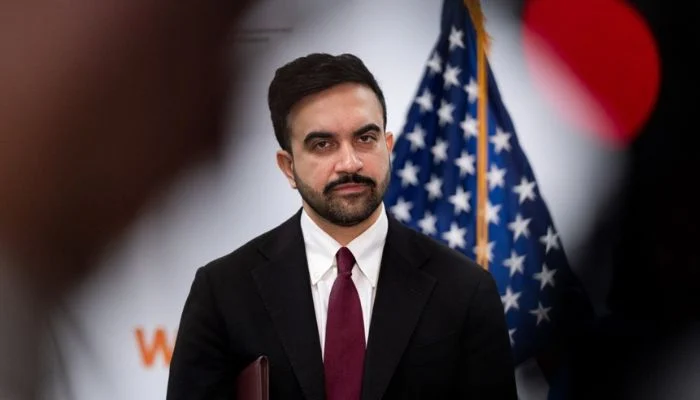
Meanwhile, US Defense Secretary Pete Hegseth said the military campaign against Iran has so far cost the United States $37.5 billion, reflecting the growing financial burden of the prolonged conflict.

Market participants are also monitoring supply data from the United States. Industry figures showed that US crude oil and distillate inventories increased during the previous week, while gasoline stockpiles declined, indicating mixed signals about fuel demand and supply conditions.

Investors are now awaiting official inventory data from the US Energy Information Administration, which could provide further insight into supply trends and influence the direction of oil prices.

Similar Posts

  • | |

    ‘Patience has run out’: JI warns government

    Jamaat-e-Islami (JI) Emir Hafiz Naeemur Rehman has warned the government of expanding protests across the country if the petroleum levy is not withdrawn. Speaking at a press conference at the party’s ongoing protest camp outside the Punjab chief minister’s residence in Lahore on Tuesday, the JI chief said the demonstrations had entered their 10th day. He said public patience had reached its limit and demanded immediate relief from rising fuel prices and taxes. Rehman warned that the party could announce a nationwide strike, block roads and march towards Islamabad if the government failed to meet its demands. The JI leader said the date for a nationwide shutdown would be announced on 13th Rabi-ul-Awwal. He added that demonstrations would continue during Eid Milad-un-Nabi ﷺ. According to Rehman, the JI had mobilised supporters in all four provinces. He said the protest movement would be expanded if the government continued to ignore public concerns. He criticised the petroleum levy and other fuel-related taxes, saying ordinary citizens were struggling to cope with increasing living costs. He particularly highlighted the difficulties faced by commuters, students, workers and motorcyclists. Rehman also demanded that the price of roti be reduced to Rs10. The JI emir accused the government of placing the burden of economic difficulties on the public. He argued that fuel price increases had added to the financial pressure on households while the government had failed to provide sufficient relief. He also raised concerns about alleged irregularities in coal imported for independent power producers (IPPs). Rehman called for a forensic audit and an independent investigation into coal-related transactions. He claimed that consumers were being made to pay for expensive fuel, electricity that was not produced and costly arrangements involving IPPs. He said the public should not be forced to bear the financial consequences of alleged mismanagement. Rehman recalled the JI’s earlier campaign against IPPs and claimed that public pressure had helped reduce electricity prices by around Rs10 per unit. The JI chief said his party was prepared to intensify its campaign if the government failed to respond. He described a nationwide shutdown, road blockades and a march on Islamabad as possible next steps. “Do not test our resolve,” he warned. Rehman also criticised the political system and questioned the performance of the ruling coalition. He alleged that governments without genuine public support remained unable to address the problems faced by ordinary citizens. He criticised the PPP’s governance in Sindh and raised concerns about what he called political families dominating Punjab. He also questioned the continued delay in holding local government elections. Regarding the Punjab government, the JI leader said its major announcements could not hide failures in dealing with basic public problems. Rehman maintained that the JI’s campaign was aimed at securing relief for the people rather than serving any personal or political interest. He invited the government’s negotiating team to visit the protest camp and clearly explain when the petroleum levy would be abolished. He said the JI would not travel to Islamabad simply to attend another briefing without concrete assurances. The JI emir also commented on a recent incident involving a security official at Sarhad University of Science and Information Technology in Islamabad. He demanded a transparent, merit-based investigation and said legal action should be taken against anyone found responsible, regardless of their position.

  • | | |

    Jamaat-e-Islami storms streets over petrol levy

    Jamaat-e-Islami (JI) has staged sit-ins in Karachi, Lahore and Peshawar against the petroleum levy, rising fuel prices and inflation. In Karachi, a JI rally led by Karachi chief Munim Zafar reached Fawara Chowk. The party had announced a sit-in outside the Governor House to protest the petroleum levy. JI workers are moving towards the Governor House from the Sindh High Court. Party activists have been raising concerns over the impact of the petroleum levy and rising fuel prices on the public. Following the sit-in at Fawara Chowk, the road leading towards the Press Club and Arts Council remains open for traffic. Police personnel have also been deployed near the Governor House to maintain security and manage the situation. In Lahore, JI workers staged a sit-in at Faisal Chowk on Mall Road, near the Chief Minister’s House. JI Pakistan chief Hafiz Naeemur Rehman also reached the protest site and joined the demonstrators. The protest in Lahore was led by JI Punjab chief Javed Kasuri and other party leaders. The protesters are demanding relief from rising petroleum prices and the petroleum levy. The party has also criticised the increasing burden of inflation on ordinary citizens. JI leaders have called for measures to reduce the financial pressure faced by the public. In Peshawar, JI workers staged a sit-in outside the Governor House. The protest has resulted in the closure of the road up to the Sadar Khyber Pakhtunkhwa Assembly Chowk. JI Deputy Emir Liaquat Baloch is scheduled to address the protesters in Peshawar. Party leaders are expected to highlight their demands regarding petroleum prices, the levy and inflation. The demonstrations are part of JI’s wider campaign against the petroleum levy and rising prices. The party has announced protests in different cities to pressure the government to provide relief to consumers. JI leaders have argued that increases in petroleum prices affect the prices of transport, food and other essential goods. They have demanded that the government reconsider the petroleum levy and take steps to control inflation.

  • |

    US authorises private firms to target cybercrime groups

    WASHINGTON: The United States has taken an unusual step in its fight against international cybercrime by allowing selected private companies to conduct government-approved hacking operations against foreign criminal organisations. President Donald Trump has signed a memorandum directing the departments of Justice and Homeland Security to establish a framework under which approved private-sector partners can investigate, infiltrate and disrupt transnational cybercrime networks. The move is aimed at tackling growing threats including ransomware attacks, online fraud and so-called sextortion schemes. The White House said such crimes caused more than $20 billion in losses to Americans during 2025. Under the new framework, authorised companies could potentially infiltrate cybercriminals’ computer systems, deploy spyware or disrupt servers used to conduct criminal activities. However, each operation would require approval from the US government before any action is taken. Participating companies would also be required to provide a bond of at least $1 million. Operations involving actions that could cause death or physical injury would remain prohibited. Activities that could qualify as the use of force under international law would also be excluded. The initiative has drawn comparisons with privateering, a practice used centuries ago when governments authorised private vessels to attack or seize enemy ships. Supporters argue that private technology companies possess specialised cyber expertise and access to data that government agencies may not have. They believe combining those capabilities with government authority could help disrupt criminal networks more effectively. However, cybersecurity experts have raised concerns about accountability, oversight and the possibility of unintended consequences. Critics warn that allowing private companies to conduct offensive cyber operations could create diplomatic complications and make it difficult to control activities once they begin. The policy also represents a notable shift in the Trump administration’s previous position. Earlier this year, senior US officials had indicated that the government was not interested in using private companies to fight cybercriminals through offensive operations. It remains unclear what prompted the change in policy. Some cybersecurity specialists believe the programme contains important safeguards because operations will be conducted under government authorisation. Others remain concerned that existing oversight institutions may not be strong enough to monitor such activities effectively. The initiative could also expose participating technology companies to new risks. Experts warn that firms involved in government-sanctioned cyberattacks could become targets themselves and face retaliation from criminal groups or foreign governments. The Trump administration has 60 days to finalise the programme’s operational framework, while some details are expected to remain classified.

  • | |

    Pakistan goods transport alliance announces nation…

      The Pakistan Goods Transport Alliance has announced a nationwide strike beginning on August 8, warning that transport operations across the country may be significantly disrupted if the government fails to address its key demands. The announcement was made by the alliance’s president, Malik Shehzad Awan, who criticized recent government policies affecting the transport sector and called for immediate corrective measures. Speaking to the media, Malik Shehzad Awan said that transporters are facing increasing financial pressure due to the frequent fluctuations in petroleum prices. He argued that the current system of revising fuel prices on a daily basis has created uncertainty for transport businesses, making it difficult for operators to estimate transportation costs, negotiate freight rates, and manage their daily operations effectively. The alliance has demanded that the government abandon the practice of daily fuel price adjustments and instead adopt a monthly pricing mechanism for petroleum products. According to Awan, fixing fuel prices on a monthly basis would provide greater stability to the transport industry, allowing businesses to plan expenses more efficiently and reducing the uncertainty caused by continuous price changes. He maintained that predictable fuel costs are essential for sustaining commercial transport services and protecting transport operators from unexpected financial losses. In addition to seeking changes in the fuel pricing policy, the alliance has also demanded the resignation of Federal Minister for Petroleum Ali Pervaiz Malik. Malik Shehzad Awan expressed dissatisfaction with the government’s handling of issues related to the petroleum sector, arguing that the concerns of transporters have not been adequately addressed. He claimed that recent policies have increased operational costs and placed an unnecessary burden on transport businesses across Pakistan. Another major demand put forward by the Pakistan Goods Transport Alliance concerns the withholding tax imposed on transport-related transactions. The alliance has urged the government to reduce the withholding tax rate from 7 percent to 2 percent, arguing that the current tax structure is excessive and has significantly increased the financial burden on transport operators. According to the alliance, lowering the tax rate would provide much-needed relief to the industry and improve the financial sustainability of transport businesses, particularly small and medium-sized operators. The transport sector plays a critical role in Pakistan’s economy, serving as the backbone of the country’s supply chain by moving goods between manufacturers, wholesalers, retailers, and consumers. A nationwide strike by transporters could disrupt the movement of essential commodities, industrial raw materials, agricultural products, and imported goods, potentially affecting businesses and consumers alike if the dispute remains unresolved. The alliance has called on the federal government to engage in meaningful dialogue with transport representatives before the scheduled strike date. Its leadership has urged policymakers to reconsider the current fuel pricing mechanism and taxation policies in order to prevent disruption to trade and commercial activities. The transporters maintain that their demands are aimed at ensuring the long-term sustainability of the sector rather than creating difficulties for the public. If negotiations do not produce a satisfactory outcome, the Pakistan Goods Transport Alliance has indicated that transporters across the country will proceed with the nationwide strike on August 8. The proposed shutdown is expected to affect freight services on major highways and commercial routes, potentially disrupting the supply of goods and increasing pressure on businesses dependent on road transport. The alliance has expressed hope that the government will address its concerns before the strike begins, allowing transport operations to continue without interruption.

  • |

    Congolese health officials intercept river boat to test 300 passengers following suspected Ebola death

    Health authorities in the Democratic Republic of the Congo have intercepted a river boat carrying more than 300 passengers near Kinshasa to perform emergency screening following the death of a passenger suspected of having contracted Ebola. The vessel was stopped in Maluku, located approximately 65 kilometres upstream from the capital, where public health teams deployed a mobile laboratory to conduct clinical evaluations and temperature checks on all individuals aboard. Medical personnel collected blood samples from four passengers exhibiting feverish symptoms, with laboratory results expected to confirm whether the virus is present. The precautionary intervention follows the death of a 32-year-old man who travelled on the boat and later tested positive for suspected symptoms of the disease. Health officials face conflicting accounts regarding the origin of the vessel and where the deceased passenger boarded, as discrepancy remains between regional health directors regarding whether the trip originated in Mongala province or in Kisangani, the capital of Tshopo province, where an active Ebola outbreak is ongoing. In response to the broader regional health emergency, the Africa Centres for Disease Control and Prevention announced plans to expand the administration of vaccines and antiviral treatments, including remdesivir, across affected provinces to contain further transmission.

  • | |

    Parliament approves sweeping defence command chang…

    Pakistan’s Parliament has approved legislation aimed at establishing a new legal framework for the country’s military command structure. The National Assembly and Senate passed the Defence Forces Act 2026 and amendments to the National Command Authority Act 2010 on Thursday. The legislation was approved despite strong opposition from opposition lawmakers, who objected to the speed at which the bills were brought before the Houses. Prime Minister Shehbaz Sharif attended the National Assembly session. The opposition later boycotted the voting process and walked out of the chamber in protest. The new Defence Forces Act provides a legal structure for the Defence Forces Headquarters. The headquarters will serve as a central institution for matters concerning national security, defence policy and coordination among the armed forces. Under the new framework, the Chief of Defence Forces will exercise operational command and control over the armed forces. The CDF will remain accountable to the federal government for matters related to command and control. The legislation also gives the CDF powers to improve coordination and integration among the Army, Navy and Air Force. The office will oversee joint operations, coordination and other matters involving the armed forces. The CDF will also have authority under relevant laws regarding the retirement, release and dismissal of military personnel, subject to constitutional provisions. The office will also be able to approve or reject resignations and retain personnel in service where permitted under the law. The federal government will frame rules and regulations needed to implement the new legislation. The CDF will also be authorised to issue orders and directions required to enforce the provisions of the Act. Parliament also approved amendments to the National Command Authority Act 2010. The changes replace references to the Chairman Joint Chiefs of Staff Committee with references to the Chief of Army Staff and Chief of Defence Forces. The legislation gives retrospective effect to key provisions from November 2025. The new laws are linked to changes introduced through the 27th Constitutional Amendment, which significantly altered Pakistan’s military command structure. Under the revised system, the Chief of Army Staff also serves as the Chief of Defence Forces. The office of Chairman Joint Chiefs of Staff Committee has been abolished under the new framework. The opposition strongly objected to the legislation being placed on the supplementary agenda. Opposition lawmakers said they had not been given sufficient time to examine the bills. Opposition Leader Allama Raja Nasir Abbas questioned the urgency of the legislation and called for more time for lawmakers to study the proposed changes. Mahmood Khan Achakzai also demanded that lawmakers be given at least a few days to review and debate the bills before voting. The government defended the procedure, saying parliamentary rules allow supplementary legislation to be introduced. Law Minister Azam Nazeer Tarar argued that the bills had already been examined and approved by the National Assembly. The cabinet had approved the draft legislation earlier in the day during a meeting chaired by Prime Minister Shehbaz Sharif in Islamabad. According to the government, the Defence Forces Act was necessary to provide administrative and legal arrangements for the office of the Chief of Defence Forces and its headquarters. The new framework also establishes the position of Commander of the National Strategic Command following the abolition of the CJCSC post. The commander is appointed by the prime minister on the recommendation of the army chief and CDF. The position carries a three-year term, with the possibility of another three-year term under the prescribed procedure.

Leave a Reply

Your email address will not be published. Required fields are marked *