shahnawaz zaidi opens
|

Shahnawaz Zaidi opens up about love, loss, remarriage

Renowned Pakistani poet, painter, professor and actor Shahnawaz Zaidi recently appeared as a guest on Good Morning Pakistan, where he spoke openly about his personal life, his first marriage, the loss of his wife and his decision to marry again.

Zaidi, who began his teaching career at Punjab University and later served as a professor in Nairobi, has made significant contributions to literature, education and the arts. He has also been honored with the Tamgha-e-Imtiaz. He is the brother of renowned actor Sheheryar Zaidi and has appeared in several popular dramas, including Nashtar, Pamaal, Case No. 9 and Khushboo Mein Basay Khat.

During the show, Zaidi reflected on his first marriage, describing it as a love marriage that lasted 37 years. He revealed that he had hoped to celebrate his golden jubilee with his wife but sadly, that dream could not come true.

Speaking about how their relationship began, Zaidi said he was only 24 when he got married. He described himself as a poetic person who fell in love instantly and saw no reason to delay the marriage. However, the relationship faced opposition from both families because of differences involving sect, language and family backgrounds.

According to Zaidi, his wife’s father had already chosen another man for her and was initially unwilling to reconsider his decision. Although Zaidi’s family was relatively modern, they too had reservations about his choice. Eventually, however, they accepted his decision.

Zaidi also recalled that his wife had once called him in tears and told him that she was diabetic and that he should carefully consider marrying her. Her mother also suffered from diabetes. Despite the concerns, the couple went ahead with their marriage and eventually built a family together.

The couple had six children, although Zaidi revealed that the first two pregnancies ended in abortion. Later, he received a job opportunity in Nairobi, and the couple moved there. He described their eight years in Nairobi as a blessing, explaining that the pleasant weather, excellent healthcare facilities and quality medical care his wife received made the experience particularly meaningful.

Zaidi said his wife spent considerable time in hospitals during her pregnancies, but she received excellent care. He viewed their relocation to Nairobi as a blessing in disguise because all of their children were eventually born there.

The veteran artist also spoke candidly about the difficult period following his wife’s death. He revealed that he had never planned to marry again and used to dismiss the idea of a second marriage. However, four years after his first wife passed away, he began experiencing a profound sense of detachment from life.

He admitted that although he continued working and remained involved in various activities, he felt mentally lost and was falling apart emotionally. During this challenging period, he eventually began considering the possibility of remarriage.

Zaidi said there was initially no one in his life, but he later met an Iranian woman who was considerably younger than him. Although he initially tried to avoid the idea of marriage, their relationship developed naturally and they eventually fell in love.

He revealed that they have now been married for 10 years. Looking back, Zaidi said his second marriage was something he had never expected, but life ultimately took him in a direction he had not planned.

His candid conversation offered viewers a deeply personal look into his experiences with love, marriage, loss, family and finding companionship again later in life.


Similar Posts

  • | |

    AJK polls completed transparently, says top poll o…

    Chief Election Commissioner of Azad Jammu and Kashmir Justice (retd) Ghulam Mustafa Mughal has said that the first phase of the electoral process in the region was completed in a free and transparent manner. He said all political parties actively participated in the elections. He added that polling was conducted in a peaceful environment across the region. Justice (retd) Ghulam Mustafa Mughal said voters participated in large numbers. He said people exercised their constitutional right to vote and took part in the electoral process. The chief election commissioner said the overall polling process remained peaceful. He said election authorities and other relevant institutions worked to ensure that voters could cast their ballots. He also acknowledged the role of law enforcement agencies during the elections. According to him, security personnel played an exemplary role in maintaining law and order. The chief election commissioner said security arrangements helped keep the polling environment peaceful. Law enforcement agencies remained deployed to deal with any situation that could affect the electoral process. However, he said an incident was reported in Samahni where attempts were made to disrupt polling. The people involved in creating a disturbance were arrested, he said. Justice (retd) Ghulam Mustafa Mughal said the authorities took action to ensure that polling activities were not affected. He stressed that maintaining peace was essential for a smooth electoral process. He also highlighted the participation of political parties in the elections. He said their involvement reflected the importance of the electoral process in Azad Jammu and Kashmir. The chief election commissioner’s statement came after the completion of the first phase of polling in the region. The election process attracted significant participation from voters. He said the authorities remained focused on ensuring transparency throughout the process. He also stressed the importance of maintaining law and order during polling. The election authorities are now expected to continue the next stages of the electoral process according to the announced schedule. The results and subsequent procedures will determine the political direction of the region. Justice (retd) Ghulam Mustafa Mughal said the peaceful completion of the first phase was an important development. He maintained that the cooperation of political parties, voters, election officials and law enforcement agencies helped the process move forward.

  • | |

    PITB IT certification scheme crosses 20,000 applic…

    LAHORE: The Punjab Information Technology Board (PITB) has crossed a major milestone in its Global IT Certifications Program, attracting more than 20,000 applications since the initiative was launched in September 2024. The achievement was highlighted during a progress review meeting chaired by PITB Chairman Faisal Yousaf, where senior officials assessed the program’s implementation and future direction. The meeting was attended by Director General e-Governance Sajid Latif, Director of the Skills Development Wing Chaudhry Ahmed Islam, and other senior officials. Discussions focused on the pace of application processing, candidate and certification verification, as well as the reimbursement system designed to support successful participants. Officials informed the meeting that the eligibility of nearly 11,000 applicants has already been verified through a dedicated online portal developed by PITB. Payment verification has been completed for approximately 1,350 candidates, while certification verification has been finalized for around 1,150 applicants, paving the way for reimbursement of certification costs. According to the briefing, 662 candidates have so far received full reimbursement of their certification fees. The payments were transferred directly to their bank accounts after successful completion of internationally recognized IT certifications and the verification of their credentials. The Global IT Certifications Program is aimed at equipping Punjab’s youth with internationally recognized digital qualifications, helping them strengthen their professional skills, improve employment prospects, and compete in the rapidly evolving global technology sector. Speaking during the meeting, Chairman Faisal Yousaf said the strong response from aspiring professionals reflects the increasing demand for internationally recognized digital expertise. He noted that, in line with the evolving needs of the IT industry, PITB has expanded the initiative to include 125 globally recognized IT certifications, offering young Pakistanis broader opportunities to develop competitive careers in the international digital economy. PITB has encouraged interested individuals to apply for the program through its official online portal, where details regarding eligibility, available certifications, and the registration process are available.

  • | |

    Hamza Shehbaz set for key coordination role at PM …

    Hamza Shehbaz, son of Prime Minister Shehbaz Sharif and a former chief minister of Punjab, is expected to assume a more active political role at the federal level, according to informed sources. Sources said an office has been allocated to Hamza Shehbaz at the Prime Minister’s Office. Although he has not yet been given any formal government position, he is likely to play an important role in coordinating between the prime minister and ruling party lawmakers. His main responsibility will be to engage with members of the National Assembly (MNAs) and address issues related to their constituencies. He will work to ensure that development projects, administrative matters and public concerns raised by lawmakers are communicated to the relevant authorities for timely resolution. Government legislators often seek meetings with the prime minister to discuss problems faced by their constituencies. However, due to Prime Minister Shehbaz Sharif’s busy official schedule, it is not always possible for him to meet every lawmaker. Hamza Shehbaz is expected to help manage this coordination process and facilitate communication between the government and parliamentary members. Sources said his office is located on the sixth floor of the Prime Minister’s Office. A meeting room has also been allocated alongside his office, where he is expected to hold meetings with lawmakers, party representatives and visiting delegations. Hamza Shehbaz is currently an MNA from Lahore’s NA-118 constituency. He has previous experience in coordinating with elected representatives, having performed a similar role during Shehbaz Sharif’s tenure as Punjab chief minister. Sources further said that office staff has also been assigned to assist him in carrying out his responsibilities. There is currently one vacant adviser position in the Prime Minister’s team. Under the Constitution, the prime minister can appoint up to five advisers. At present, four adviser positions are occupied. However, sources indicated that Hamza Shehbaz may not immediately receive the status of adviser or special assistant. Instead, the government is considering assigning him the title of coordinator to avoid political criticism over his appointment. If approved, he is expected to perform his responsibilities from behind the scenes while assisting the government in maintaining close coordination with lawmakers and resolving constituency-related matters.

  • |

    France records more than 5,000 deaths during June heatwave

    More than 5,000 excess deaths were recorded in France during the severe heatwave that spanned late June and early July. According to data released by France’s national health agency, Santé publique France, 21,674 total deaths from all causes were registered between 17 June and 2 July across the affected regions. Under normal conditions, statistical modeling projected approximately 15,910 deaths for that period, resulting in 5,764 additional or excess deaths, a 36 per cent increase above expected baselines. Public health officials attribute the sharp rise in mortality to the intensity, early onset, and duration of the extreme temperatures, which affected 92 administrative departments representing nearly 98.5 per cent of the country’s population. Over half of the excess deaths occurred during the peak of the heatwave between 25 June and 27 June, with individuals aged 75 and older accounting for roughly two-thirds of the fatalities. The Île-de-France region, which encompasses Paris, recorded the highest impact, experiencing nearly 2,000 excess deaths, an 80 per cent surge above normal levels. The preliminary figures mark the highest excess mortality recorded from a heatwave in France since the historic 2003 heatwave. Authorities noted that the initial tally surpasses total summer heat-related excess deaths from the entire previous year, with consolidated final figures expected following the conclusion of summer health monitoring in the autumn.

  • | |

    Rising heat pushes even Africa’s resilient c…

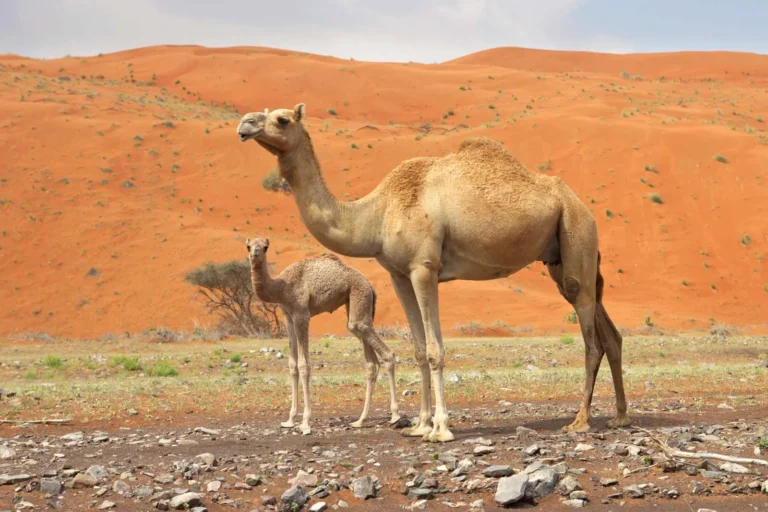
    Camel herders and scientists across Africa say that rising temperatures are now overwhelming animals long regarded as uniquely suited to desert extremes, with herds facing rising death tolls, illness, and shrinking grazing lands. In the Afar region of northeastern Ethiopia, among the hottest and driest places on the planet, nomadic herders traditionally lead camel caravans loaded with salt across the desert. Ali Umer, a 40 year old herder from Semera who owns around 500 camels, said he watches his animals struggle under conditions he has never seen before. He described blistered feet, watery eyes, and burned skin among his herd, and said the sand itself now scorches the animals as they rest. Umer said he lost eight camel calves in a single month due to extreme heat, and added that even the wind no longer brings relief. He said the changes have become noticeably worse in recent years. Umer’s account matches what researchers and veterinarians are documenting across the continent. Scientists and animal welfare specialists point to stress, fatigue, dehydration, and rising disease rates as direct consequences of extreme heat, while indirect effects such as water shortages, vegetation loss, and disappearing shade compound the damage. North Africa and the Horn of Africa are home to roughly 80 percent of the world’s dromedary camel population, the single humped variety that farmers across the region have increasingly relied on because of its reputation for withstanding drought and heat. A 2025 study examining herder perceptions in southern Ethiopia found that climate variability had measurably harmed camel health, productivity, and reproduction. The crisis appears especially acute in Somalia. Research published in June found that drought linked camel deaths have affected nearly 46 percent of camel owning households, based on a survey of almost 6,000 pastoral families. The mortality was heavily concentrated in northern areas, with the Sool region recording a death rate of nearly 73 percent. Experts say extreme heat is the central driver behind the region’s drought conditions, though poor veterinary access and weak herd management make outcomes worse. Atmospheric scientists have linked the severe 2021 to 2022 drought to sustained high temperatures, which accelerate evaporation from soil and water sources and increase the rate at which plants release moisture into the air. Veterinarians on the ground report a growing caseload tied to heat. Hassan Nuya Guyo, a veterinary officer in Marsabit county in northeastern Kenya near the Ethiopian border, said his clinic is seeing a sharp rise in hyperthermia cases that leave camels vulnerable to secondary infections. He said camel deaths in the county have risen more than 15 percent over the past two years due to heat and drought. Separate research from the Horn of Africa links heat stress to higher disease rates and falling milk yields among camel herds. A similar pattern is emerging in North Africa. A study conducted in Algeria and published this year documented a marked rise in camel deaths during summer heatwaves, with researchers noting clear seasonal mortality spikes that they say call for targeted responses such as emergency water supplies, supplemental feeding, and closer disease monitoring during peak summer months. The World Meteorological Organization says extreme heat events have become routine across North Africa, with heatwaves trending upward since 1981. Several countries in the region and the wider Middle East recorded temperatures above 50 degrees Celsius in 2024. The organization’s most recent State of the Climate in Africa report found that North Africa warmed faster than any other subregion on the continent between 1991 and 2025, at a rate of 0.43 degrees Celsius per decade. Camels are naturally equipped to handle heat up to about 40 degrees Celsius. Their bodies allow internal temperature to fluctuate throughout the day, reducing the need to sweat, while concentrated urine, dry waste, and a thick protective coat help limit water loss and block solar radiation. But researchers say those adaptations are no longer enough. Mohammed Bengoumi, a camel health specialist with the United Nations Food and Agriculture Organization who works across North Africa, said summer temperatures in large parts of the Sahara now regularly exceed 50 degrees Celsius, raising the risk of severe heat stress, especially where vegetation, water, and shade are already scarce. Abdelmadjid Chehma, a professor at the University of Ghardaia in Algeria who has conducted experimental research on desert camels, said sustained heat above 41 to 45 degrees Celsius damages the animals at a cellular level, weakening their immune systems and preventing white blood cells from repairing themselves. He said the resulting stress slows the animals’ metabolism as their bodies try to limit internal heat production, which in turn reduces appetite and causes lethargy, lower milk output, and reproductive problems. Mohammed el Khasmi, an animal hydrobiology expert at the University of Casablanca in Morocco, said his team has documented a wide range of heat related harm in camels, including weight loss, inflammation, muscle and bone damage, kidney related chemical imbalances, and parasite driven infections. The combined pressures are forcing some herding communities to abandon land they have used for generations. Daniel Gelan, a pastoralist development researcher at Vision University in Ethiopia, said herders in the country’s north are relocating permanently to southern areas with more reliable water and vegetation, rather than following the seasonal migration patterns of the past, because the northern region can no longer sustain camel herding. The Horn of Africa is still recovering from a severe drought that lasted from 2020 to 2023 and is now facing another period of harsh conditions, according to the charity Oxfam, which reported that water prices in parts of Somalia have jumped by more than 2,000 percent. Back in Afar, Umer said he fears disease could soon begin killing his adult camels as well. Chehma said that concern reflects a broader shift underway across the region, where an animal once seen as the ultimate survivor of desert life is now being pushed toward its own breaking point by the pace and severity of current heatwaves.

  • | | |

    PSX ends week on negative note, KSE-100 loses near…

    The Pakistan Stock Exchange (PSX) witnessed a bearish trend during the outgoing business week, with the benchmark KSE-100 Index losing 2,938 points as investor sentiment remained under pressure. The KSE-100 Index closed the week at 177,166 points, compared with its previous level. During the week, the index fluctuated within a range of 5,048 points, reaching a high of 181,158 points and falling to a low of 176,110 points. Trading activity remained substantial throughout the week, with around 4.22 billion shares changing hands at a total value of approximately Rs205 billion. Meanwhile, the market’s overall capitalization declined by Rs247 billion during the week, settling at around Rs19.88 trillion. The weekly performance reflects continued volatility in the stock market as investors closely monitor domestic economic developments and regional geopolitical conditions. Earlier, Pakistan’s benchmark stock index opened on a positive note on Friday, with strong buying interest across major sectors pushing the KSE-100 Index more than 800 points higher in the early trading session. At around 9:19am, the KSE-100 Index was trading at 177,399.75 points, recording a gain of 807.99 points, or 0.46%, compared with the previous close. The early-session rally reflected renewed investor interest in several key sectors of the market. Automobile assemblers, cement companies, commercial banks, fertiliser manufacturers, oil marketing companies (OMCs) and refineries remained among the prominent areas attracting buying activity. Several index-heavy stocks also traded in positive territory, providing support to the benchmark. Shares of Attock Refinery Limited (ARL), Mari Energies Limited (MARI), Fauji Fertilizer Company (FFC), Habib Bank Limited (HBL), Meezan Bank Limited (MEBL), National Bank of Pakistan (NBP) and United Bank Limited (UBL) were among the notable gainers during the opening phase. The positive start comes a day after the Pakistan Stock Exchange witnessed a volatile trading session amid concerns over geopolitical developments and elevated international oil prices. On Thursday, the KSE-100 Index lost 254.59 points, or 0.14%, to settle at 176,591.77 points. Selling pressure in several heavyweight stocks outweighed selective buying and kept the market in negative territory by the close. Investors are now closely monitoring developments in global financial markets, particularly movements in bond yields, oil prices and international geopolitical conditions, which could influence capital flows and market sentiment. Global markets remain under pressure The positive opening at the PSX came against a mixed backdrop in Asian markets, where several major stock indices remained on track for weekly declines. Investor sentiment globally continued to be affected by rising government bond yields and uncertainty surrounding inflation and fiscal conditions. A diplomatic stalemate in the Gulf region also contributed to a rise in oil prices, with crude prices reaching their highest level in about a month. Higher oil prices have renewed concerns over inflation, particularly for economies that rely heavily on energy imports. For Pakistan, movements in international crude prices remain particularly important because they can affect the country’s import bill, exchange-rate pressures and domestic inflation expectations. In the United States, Treasury yields resumed their upward movement after a brief respite following an unexpected intervention by the US Treasury on Wednesday. US Treasury Secretary Scott Bessent has indicated that the government could potentially expand its purchases of US Treasuries. He has also raised the possibility of fiscal consolidation as authorities seek to address concerns surrounding the country’s growing budget deficit. However, market participants remain cautious about the prospects of significant fiscal adjustment. Analysts have questioned whether sufficient expenditure reductions can be achieved to meaningfully narrow a budget deficit exceeding 6% of US gross domestic product. The rising cost of servicing government debt is another concern. Interest payments alone are estimated to have reached around $1.2 trillion during the year, highlighting the pressure created by elevated borrowing costs. Higher yields pose challenge for equities The continued increase in bond yields has broader implications for international equity markets. Higher yields can increase borrowing costs for governments and businesses while making fixed-income investments relatively more attractive. The impact is particularly significant for technology companies that are undertaking substantial borrowing to finance investments in artificial intelligence infrastructure and other capital-intensive projects. At the same time, higher interest rates increase the discount rate applied to future corporate earnings, potentially putting pressure on equity valuations. Asian markets reflected some of these concerns on Friday. Japan’s Nikkei index declined around 0.8%, taking its losses for the week to approximately 4.4%. South Korean and Taiwanese stocks managed modest gains during the session but remained lower on a weekly basis. Meanwhile, MSCI’s broadest index of Asia-Pacific shares excluding Japan advanced around 0.5%, indicating some selective risk appetite despite continued uncertainty in global markets.

Leave a Reply

Your email address will not be published. Required fields are marked *