trade exhibitions foreign
| | |

91 trade exhibitions, 11 foreign delegations but n…

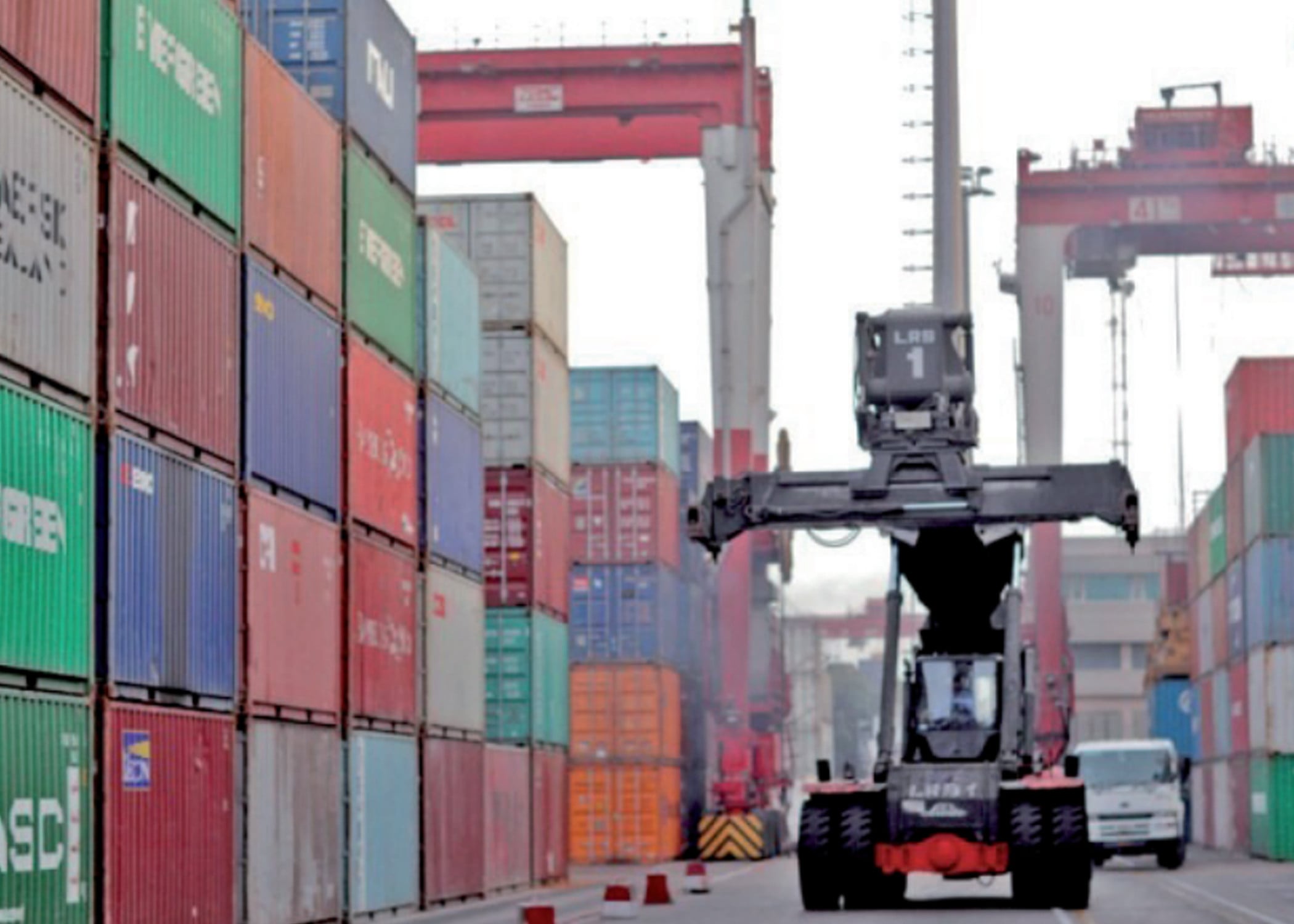
Islamabad:Pakistan has preferential trade arrangements with 93 countries. Its trade promotion authority participated in 91 international exhibitions and sent 11 trade delegations abroad in the last financial year, yet the country still has no registered Pakistani trade representative organisation or joint chamber in China.

The absence of a formal Pakistani commercial organisation in China became a major point of concern before the Senate Standing Committee on Commerce, as senators questioned why Pakistan has not established a stronger private sector trade presence in one of its most important international markets.

The committee, chaired by Senator Anusha Rahman, was told that no Pakistani joint chamber is currently registered in China and no Pakistani trade representative organisation is operating there.

The Secretary Commerce said a Pakistani chamber could be established in China either as a joint chamber or as a branch, but it would have to meet the requirements set by Chinese authorities.

He further explained that only one joint chamber from Pakistan could register itself in China under the relevant arrangements.

Senators questioned why such an organisation had not been established despite the large scale business relationship between Pakistan and China.

The Secretary Commerce said the reason could best be explained by the trade organisations themselves.

The issue became more important when senators asked what real benefit Pakistan would gain from establishing a joint chamber or representative office.

The Secretary Commerce said the Ministry of Commerce could not give a clear position on the matter and suggested that the Federation of Pakistan Chambers of Commerce and Industry and other chambers should provide their views.

He said Pakistani private sector organisations could establish a chamber in major Chinese commercial centres such as Beijing or Shanghai, while the Ministry of Commerce would provide full support to interested chambers if they fulfilled Chinese requirements.

Senator Anusha Rahman said a chamber could help Pakistani companies follow up more effectively on commercial opportunities in China.

The discussion exposed a gap between Pakistan’s growing trade ambitions and its physical commercial presence in an important foreign market.

The committee also examined the performance of the Trade Development Authority of Pakistan and its efforts to increase exports.

The Chief Executive of TDAP said the authority was often blamed whenever Pakistan’s exports failed to grow, but export performance depended on several factors beyond the authority’s direct control.

He pointed to production costs, electricity prices and the cost of financing as major factors affecting the ability of Pakistani businesses to compete in international markets.

This means that simply sending trade delegations or participating in international exhibitions cannot guarantee higher exports if Pakistani products remain expensive to produce.

The Commerce Minister, Jam Kamal Khan, told the committee that the Ministry of Commerce regularly sends policy proposals and recommendations to the government to improve the country’s trade environment.

He said he had also proposed to the Prime Minister that reciprocal incentives should be pursued to increase exports.

The minister said the Ministry of Commerce was working on new proposals to improve international marketing and increase Pakistani exports.

He stressed that Pakistan could not become more competitive in international markets without dealing with the underlying costs faced by businesses and improving the investment environment.

The figures presented by TDAP showed that the authority remained active in promoting Pakistani products abroad.

During the last financial year, TDAP participated in 91 international exhibitions.

The authority also organised or supported 11 trade delegations to foreign countries to search for new markets and strengthen business connections.

Pakistan currently has preferential trade arrangements with 93 countries, giving Pakistani businesses access to special trade opportunities in international markets.

However, the Senate committee stressed that trade agreements and international relationships must produce visible economic results.

Members said Pakistan’s trade agreements should not remain only on paper. They should lead to higher exports, more investment and greater access for Pakistani businesses in foreign markets.

The Chief Executive TDAP also clarified an important point about the authority’s financing.

TDAP does not receive funding from the Export Development Fund. Instead, it receives government financing for specific projects.

The committee also discussed the importance of stronger cooperation between Pakistani and Chinese institutions and private sector organisations.

Senator Saleem Mandviwalla highlighted the role that Chinese international cooperation and trade specialists could play in developing stronger business and investment links.

The discussion suggested that Pakistan needs to connect several areas of economic policy instead of treating export promotion as a separate activity.

Lower production costs, cheaper and reliable electricity, easier access to finance, stronger investment policies, better international marketing and effective trade representation are all important if Pakistani companies are to compete successfully abroad.

TDAP’s participation in 91 international exhibitions and 11 foreign trade delegations shows that the authority is actively trying to open doors for Pakistani exporters.

But the Senate discussion also made clear that opening doors is only the first step.

Pakistan must ensure that its businesses are able to walk through those doors with competitive products, attractive prices and the capacity to supply international buyers.

The committee appreciated TDAP’s efforts but stressed the need for a coordinated national strategy linking trade policy, investment, industrial competitiveness, export promotion and overseas market representation.
Similar Posts

  • | |

    Nawaz Sharif Cancer Institute nearing completion, …

    Punjab Chief Minister Maryam Nawaz has said the Nawaz Sharif Institute of Cancer Treatment and Research in Lahore will become a major source of hope for cancer patients. She shared the message on the occasion of World Head and Neck Cancer Day. The day is observed to raise awareness about head and neck cancers and encourage people to identify risk factors and seek medical advice at an early stage. Maryam Nawaz stressed the importance of preventing cancer through healthier lifestyle choices. She said several habits can increase the risk of developing cancer. According to the chief minister, smoking, gutka, paan, alcohol consumption and an unhealthy lifestyle are among the major factors linked to cancer. She urged greater awareness about these risks. She also highlighted the importance of prevention and timely medical care. Maryam Nawaz said the Nawaz Sharif Institute of Cancer Treatment and Research in Lahore is close to completion. The project is expected to strengthen cancer treatment facilities in the province. The institute is intended to provide specialised services to cancer patients. It is also expected to contribute to research and improve access to advanced cancer care. The chief minister said the facility would provide patients with greater hope and support during their treatment journey. Her statement also highlighted the need to focus on both cancer prevention and better treatment facilities. She stressed that public awareness about harmful habits can play an important role in reducing health risks. The completion of the Lahore institute is therefore being presented as an important development for cancer care in Punjab. Its services are expected to support patients who require specialised treatment and help strengthen the province’s healthcare infrastructure.

  • | |

    “Forgotten by everyone?” Talha Anjum raises troubling questions over hostages

    Pakistani rapper Talha Anjum has once again highlighted the plight of Pakistani sailors reportedly being held hostage by Somali pirates, saying that the issue has been forgotten by both the media and the public. In an Instagram story shared on Thursday, Anjum criticised the authorities’ response and said the government had failed to protect Pakistani citizens, whether inside the country or abroad. He expressed concern that the families of the affected sailors were still waiting for answers and support. “The media forgot about these families and sadly, so did the people of Pakistan,” Anjum said while calling for urgent action to secure the release of the hostages. The ship was reportedly hijacked by pirates off the coast of Somalia in April, sparking concern and calls for efforts to bring the Pakistani sailors home. Anjum had previously raised his voice on the issue, saying he personally knew one of the crew members and considered him like a brother. At the time, the rapper criticised what he described as a lack of seriousness from authorities and urged officials to take immediate steps for the safe return of the stranded sailors. . Several other Pakistani celebrities, including Mahira Khan, Sabeena Farooq, and Bushra Ansari, have also spoken publicly in support of the affected sailors and their families. The families of the crew members continue to await further developments as calls grow for renewed efforts to secure their safe release.

  • | |

    Pakistan unveils four-year Hajj policy

    The government has introduced a four-year Hajj policy covering arrangements from 2027 to 2030. Federal Minister for Religious Affairs Sardar Muhammad Yousaf presented the policy on Wednesday. He described it as a major step toward improving and modernising Hajj arrangements in Pakistan. Speaking at a briefing, the minister said this was the first time the government had introduced a four-year Hajj policy. He said the initiative would provide a long-term framework for organising the pilgrimage. Yousaf said the policy had been prepared under the guidance of Prime Minister Shehbaz Sharif. It focuses on technology, transparency and improved services for pilgrims. According to the minister, the new framework aims to bring Pakistan’s Hajj arrangements closer to international standards. It will also introduce several new facilities for pilgrims. For the first time, applicants will have access to a registration and waiting-list system. The government expects the system to make the process more organised and transparent. The minister said the government and private Hajj schemes would retain their existing quota division. Sixty per cent of the quota will remain with the government scheme, while private operators will receive 40 per cent. The Ministry of Religious Affairs will continue to oversee and regulate Hajj arrangements. It will also monitor the performance of private Hajj companies. Under the new policy, applicants will be able to enter the pilgrims’ list after paying 10 per cent of the required amount. The government has also planned greater transparency in procurement. Purchases made in Pakistan and Saudi Arabia will be carried out through transparent procedures. Yousaf said any money remaining after meeting the required expenses would be returned to the pilgrims. The measure is aimed at improving financial transparency and protecting the interests of Hajj applicants. The government also plans to change the way private Hajj companies are monitored. Their registration and oversight will not depend only on the quota allocated to them. Instead, their performance will be an important factor in determining their registration and continued participation in the Hajj programme. A digital complaint-resolution system is also being introduced. Pilgrims will be able to submit complaints and seek quick action through the new system. An appeal mechanism will also be established. This will provide pilgrims with another channel to challenge decisions or seek resolution of their complaints. The minister said the government would also improve training programmes for Hajj pilgrims. The aim is to prepare pilgrims more effectively before their departure for Saudi Arabia. The Hajj Muhafiz Scheme will continue under the new policy. The government considers the scheme an important part of its arrangements for pilgrims. Yousaf said the new policy had been developed in line with Saudi Arabia’s Vision 2030. The framework is intended to improve coordination and service delivery during the pilgrimage. The minister said the government’s objective was not limited to managing logistical arrangements. It also wanted to ensure that Pakistani pilgrims received a dignified and comfortable Hajj experience. The estimated cost of the government Hajj package is expected to remain between Rs1.2 million and Rs1.3 million. However, the final cost may depend on various arrangements and expenses associated with the pilgrimage. Yousaf also clarified that any increase or decrease in Pakistan’s Hajj quota would require a decision from the federal cabinet. He said Pakistan had received recognition and awards for its Hajj arrangements in the past. The government now wants to further improve the system through long-term planning and greater use of technology. The four-year policy is expected to provide greater continuity in Hajj preparations. Officials believe the long-term framework will also make planning easier for both the government and pilgrims.

  • | | |

    Pakistan faces critical shortage of warehouse faci…

    Pakistan’s healthcare system is facing a significant logistical challenge, as the country lacks a dedicated warehouse to store emergency medicines and medical kits supplied for disease outbreaks and public health emergencies, according to sources within the Ministry of National Health Services. The revelation has raised concerns about the country’s preparedness to manage essential medical supplies, particularly those intended for large-scale disease prevention and treatment programs. Health Ministry sources disclosed that Pakistan does not even have a designated warehouse for storing medicines purchased under the country’s Hepatitis C elimination initiative. The absence of proper storage facilities has forced health authorities to rely on temporary arrangements that fall short of standard warehousing requirements. According to officials, the District Health Office (DHO) in Islamabad has converted parking areas into makeshift storage rooms to accommodate the growing stockpile of medicines and medical supplies. Temporary structures and storage racks have been installed to protect the supplies until a permanent solution becomes available. While the emergency arrangement has helped address immediate storage needs, officials acknowledge that it is not a long-term replacement for a purpose-built medical warehouse designed to safely store pharmaceutical products and emergency health equipment. The shortage of storage space has become even more pressing following the arrival of hundreds of medical kits donated by the United Nations Population Fund (UNFPA). Ministry sources said the UN agency recently supplied 742 Emergency Obstetric and Newborn Care (EmONC) and Family Planning kits to support Pakistan’s maternal and reproductive healthcare services. However, authorities are struggling to find adequate space to safely store the newly received supplies, creating additional logistical challenges for the health sector. Officials also revealed that medicines for approximately 1.6 million patients have already been procured under the Prime Minister’s Hepatitis C Elimination Programme. The large-scale procurement is intended to strengthen Pakistan’s campaign against one of the country’s most widespread infectious diseases, but the lack of dedicated storage infrastructure threatens to complicate distribution and inventory management. Health Ministry sources explained that temporary storage rooms were established in 2023, when additional racks and shelving units were installed to accommodate the increasing volume of medicines. These facilities were developed as an interim solution until permanent warehouse infrastructure could be built. Despite these efforts, experts believe that the growing number of medical supplies and emergency response materials requires modern storage facilities equipped with appropriate environmental controls, inventory management systems, and security measures to ensure the quality and effectiveness of medicines. Responding to concerns, Islamabad District Health Officer Dr. Rashida said that the medicines currently being stored in the temporary facilities are not deteriorating or losing their effectiveness. She maintained that health officials are taking the necessary precautions to preserve the supplies under existing conditions. At the same time, Dr. Rashida acknowledged the urgent need for a dedicated warehouse and confirmed that letters have been sent to development partners requesting support for the establishment of proper storage infrastructure. The shortage highlights broader challenges within Pakistan’s public healthcare system, where expanding disease-control programmes and increasing international assistance have outpaced the development of essential logistics and storage capacity. Health officials hope that with support from development partners and international organizations, permanent warehouse facilities can be established to strengthen the country’s ability to respond to public health emergencies and ensure the safe storage and timely distribution of life-saving medicines and medical supplies.

  • | |

    Bugti pledges merit based recruitment in Balochist…

    QUETTA: Balochistan Chief Minister Mir Sarfraz Bugti has reaffirmed his government’s commitment to ensuring merit and transparency in public-sector recruitment, as 19 officers were appointed to the Balochistan Revenue Authority (BRA) through a selection process conducted by the Higher Education Commission. Speaking at an appointment ceremony on Tuesday, Chief Minister Bugti handed over appointment letters to the newly selected officers and congratulated them on their success. He urged them to perform their responsibilities with dedication, integrity and a strong sense of duty toward the state. The chief minister said the BRA could become an important pillar of Balochistan’s economic development by improving revenue collection and helping reduce the province’s dependence on non-developmental spending. He noted that a substantial share of provincial resources was currently being consumed by such expenditures, limiting the government’s ability to invest in public welfare. Bugti expressed hope that stronger revenue generation would provide additional resources for key sectors, including education, healthcare, infrastructure and other development projects. Reiterating a commitment he made after assuming office, the chief minister said government employment would not be treated as a commodity and that appointments would be based solely on merit. He cited the recruitment of more than 14,500 teachers in the Education Department as an example of the policy. He also pointed out that candidates from his own home district, Dera Bugti, were unsuccessful in the latest BRA recruitment, describing this as evidence that the selection process had remained impartial. Bugti appreciated Finance Minister Mir Shoaib Nosherwani, BRA Chairperson Abdullah Khan Noorzai and their teams for supporting a transparent recruitment process. He said merit-based appointments were essential for rebuilding young people’s trust in public institutions and encouraged the newly appointed officers to serve with sincerity and professionalism.

  • |

    Phetchabun Authorities Monitor Receding Pa Sak River Levels Amid Ongoing Flood Impacts

    Phetchabun, Thailand, August 2nd, 2026 The Phetchabun Provincial Disaster Prevention and Mitigation Operations Center reported on water levels along the Pa Sak River as of 11:00 a.m. on August 2nd, 2026, noting a continued downward trend at key monitoring stations. At Station S33 in Tat Kloi Subdistrict, Lom Kao District, the riverbank height stands at […]

Leave a Reply

Your email address will not be published. Required fields are marked *