بلاگز

  • Anger control tips

    Do you often get angry over small things or take your frustration out on others?  If yes it may be time to pay attention. Health experts say frequent anger can affect both your mind and your body. Many people feel better after expressing their anger but they may not realize the damage it can cause. Experts say uncontrolled anger is linked to several health problems including heart disease digestive issues and poor sleep. Anger is a normal human emotion. In some situations it can motivate people to solve problems make better decisions and bring positive changes. However when anger becomes frequent or difficult to control it can harm both you and the people around you. Research suggests that intense anger can temporarily narrow blood vessels and affect how cells work increasing the risk of damage. It may also raise the chances of serious health problems such as heart attacks and strokes. •How to control anger Health experts recommend a few simple habits that can help you manage your emotions. •Stay physically active . •Regular exercise •improves sleep •reduces stress and •helps control emotions. If you feel your anger rising take a short break and step away from the situation until you feel calmer. Talk to someone you trust about your feelings instead of keeping everything inside. Practice yoga or relaxation exercises as they can improve both mental and physical well being. Learning to manage anger is not only good for your relationships it can also protect your long-term health.


  • Childhood divorce linked to stroke risk

    A new study suggests that people whose parents divorced during their childhood may have a higher risk of having a stroke later in life. The research, published in the journal PLOS One looked at data from more than 13,000 adults aged 65 and older. Researchers found that people whose parents divorced before they turned 18 were about 60% more likely to have experienced a stroke than those who grew up in families where their parents stayed together. Lead researcher Dr. Mary Kate Schilke, a psychology lecturer at Tyndale University in Toronto said the increased risk remained even after taking other factors into account including smoking low physical activity lower income and education levels. She said childhood parental divorce was still linked to a 61% higher risk of stroke in later life. A stroke happens when blood flow to part of the brain is blocked or when a blood vessel in the brain bursts.  It can cause brain damage long term disability or even death if not treated quickly. The researchers stressed that this was an observational study meaning it does not prove that parental divorce directly causes strokes. However childhood family stress may be connected to other health conditions that increase stroke risk such as depression diabetes smoking and obesity. Doctors say recognizing the warning signs of a stroke can save lives because early treatment is very important. Common stroke symptoms include. Sudden weakness or numbness in the face arm or leg especially on one side of the body. •Trouble speaking or understanding speech. •Sudden vision problems in one or both eyes. •Difficulty walking dizziness loss of balance or poor coordination. Experts say anyone with these symptoms should seek emergency medical care immediately as fast treatment can greatly improve recovery.

  • How to stay positive during difficult times

    Life is full of both success and failure. Sometimes our hard work brings rewards while at other times we face criticism disappointment or feelings of failure. How we respond to these difficult moments can shape our future. Some people hold on to anger and negative thoughts which only increase their stress. Others choose to learn from their struggles and use them as motivation to grow stronger and achieve their goals. Experts say that turning negative energy into positive energy means using your mental emotional and physical strength in healthy ways. This can help you build a happier calmer and more successful life. Here are some simple ways to develop a more positive mindset. •Recognize your feelings Negative emotions often begin with our thoughts. If you feel sad angry or stressed try to understand what caused those feelings. Remember that difficult emotions are usually temporary and can be managed. •Practice meditation or yoga Meditation and yoga can help calm the mind reduce stress and improve emotional balance.  Even a few minutes of daily practice can make a difference. •Be thankful Gratitude is a simple but powerful habit. Taking time to appreciate the good things in your life can improve your mood and help you focus on the positive. •Stay physically active Regular exercise is good for both your body and your mind. Physical activity releases natural chemicals called endorphins which help reduce stress and improve happiness. •Do things you enjoy Spend time on activities that make you happy such as learning a new skill reading books or enjoying a favorite hobby. These activities can help replace negative thoughts with positive ones. •Use positive self talk The way you speak to yourself matters. Instead of saying, “I can’t do this,” remind yourself, ” I can improve,” or “I will keep trying.” Positive words can build confidence and reduce negative thinking. •Stay away from negative people The people around you can influence your mood and mindset. Try to spend more time with supportive and positive people who encourage you to grow. Building a positive mindset takes time but small daily habits can help you become stronger more confident and better prepared to handle life’s challenges.

  • Weight loss drugs may raise hair loss risk

    A new study suggests that some widely used weight loss medicines may increase the risk of hair loss (alopecia). These medicines are mainly prescribed to treat type 2 diabetes and obesity. They work by copying natural hormones in the body that help control blood sugar levels and reduce appetite making it easier for some people to lose weight. Researchers from the University of Pennsylvania Health System compared people taking GLP-1 medications with those using other diabetes treatments. They found that people using GLP-1 drugs appeared to have a higher rate of hair loss. The study also noted that U.S. health regulators have received many reports of hair loss after the use of semaglutide and tirzepatide. According to the UK’s Medicines and Healthcare products Regulatory Agency (MHRA) there were 399 reports of hair loss linked to tirzepatide in 2026, compared with 541 reports the previous year. For semaglutide, 148 reports were received in 2026 while 164 reports were recorded the year before. Experts say the findings show a possible link between these medicines and hair loss. However they stress that more medical research is needed to confirm whether the drugs are directly responsible.

  • Live longer stay healthier

    If you want to live a longer healthier and more active life experts say it is never too late to start making healthy changes. A new U.S. study suggests that following a healthy lifestyle could add more than 20 years to your life. Researchers say you do not have to begin these habits at a young age.  Even people in their 40s, 50s or 60s can still enjoy major health benefits by making better lifestyle choices. Lead researcher Xuan-Mai T. Nguyen said healthy habits not only improve personal well being but can also support better public health. The study found that smoking and drug use increase the risk of early death by 30% to 45%.  Ongoing stress poor sleep an unhealthy diet and heavy alcohol use were also linked to about a 20% higher risk of death. Researchers said men and women who followed eight key healthy lifestyle habits from age 40 could increase their life expectancy by about 23 and 22 years respectively. •Eat a healthy diet Choose nutritious foods every day including fresh fruits vegetables grains beans and protein rich foods. A balanced diet supports the immune system and lowers the risk of heart disease and other health problems. •Avoid smoking Staying away from cigarettes and other tobacco products is one of the best ways to protect your health.  Quitting smoking can improve your lungs heart and blood vessels over time. •Get enough sleep good quality sleep helps your brain work better restores your body balances hormones and reduces the risk of many diseases. •Stay physically active regular exercise such as walking cycling swimming or other physical activities helps keep your heart healthy supports a healthy weight and improves overall fitness. •Manage stress experts recommend meditation yoga deep breathing hobbies and spending time with family and friends to reduce stress and improve mental well being. •Avoid alcohol and drugs Limiting or avoiding alcohol and staying away from illegal drugs can protect the liver heart brain and overall health. •Build strong relationships Maintaining close relationships with family friends and your community can improve emotional well being reduce stress and help you live a happier and longer life. Researchers say small but consistent lifestyle changes can make a big difference, helping people enjoy better health and a longer life.

  • Monsoon may increase fungal infections

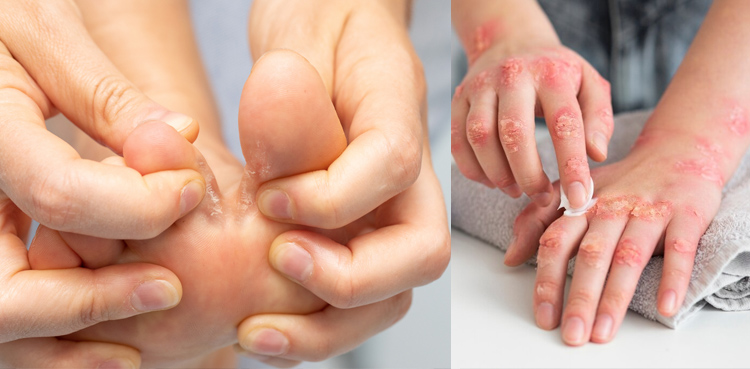
    During the monsoon season the number of people developing fungal infections between their toes often increases. Health experts say this is mainly because of extra humidity and sweat which create the perfect environment for fungus to grow. Contrary to popular belief rainwater itself does not cause fungal infections. The real problem is when the skin stays wet for a long time. Moist skin allows fungus to grow more easily. According to dermatologist people with diabetes obesity weak immune systems or excessive sweating are at a higher risk. In these individuals fungal infections may take longer to heal and are more likely to return. Fungal infections usually affect warm damp areas of the body including the armpits groin waist neck under the breasts between the fingers and toes feet and scalp. Common symptoms include itching, redness burning flaky skin and red rashes. Experts say wearing wet clothes staying in sweaty clothing for long periods using damp shoes or socks or wearing tight fitting clothes during the rainy season can greatly increase the risk of infection. Keeping the skin clean and dry is one of the best ways to prevent it. The scalp can also be affected during the monsoon. High humidity may keep the scalp damp for longer allowing fungus and bacteria to grow. This can lead to dandruff itching an oily scalp and in some cases hair loss. Doctors also warn against leaving hair wet after getting caught in the rain. It is best to rinse your hair with clean water and dry it completely to reduce the risk of scalp infections. Avoid self treatment health experts advise against buying anti itch or antifungal creams without consulting a doctor.  Some creams contain steroids that may temporarily reduce itching but can allow the fungal infection to spread further making it harder to treat later. Stopping treatment as soon as symptoms improve is another common mistake.  Doctors recommend completing the full course of medicine as prescribed to prevent the infection from coming back. Tips to prevent fungal infections •Keep your skin and scalp clean and dry. •Change sweaty clothes as soon as possible. •Avoid wearing wet shoes or socks for long periods. •Wear loose cotton clothing. Eat a balanced diet to support a healthy immune system. Do not use skin or hair creams without medical advice. Experts say early diagnosis proper treatment and good hygiene can help prevent fungal infections and reduce the chances of them returning.

  • Lettuce linked to U.S. parasite outbreak

    A recent outbreak of cyclosporiasis, a parasitic illness has spread to more parts of the United States. Health officials say the number of affected states has now increased to nine making it the largest known outbreak of its kind in the country. According to the latest update from U.S. health authorities the outbreak was first reported in Indiana Kentucky, Michigan Ohio and West Virginia. It has now also been confirmed in Illinois Kansas, Oklahoma and Pennsylvania. Investigators believe most of the cases are linked to contaminated iceberg lettuce imported from central Mexico. The lettuce is believed to have been contaminated with the Cyclospora parasite. Although cyclosporiasis is usually not life threatening experts say it can cause severe symptoms.  These include frequent watery diarrhea vomiting stomach cramps nausea and extreme tiredness. Officials say people in the newly affected states became sick around the same time as earlier patients suggesting they may have been exposed to the same shipment of contaminated lettuce. Health authorities are urging anyone who develops these symptoms after eating contaminated food to seek medical care as soon as possible. The investigation into the source of the outbreak is still ongoing.

  • Never leave these items in your car

    The rainy season brings relief from the heat but it can also damage your car and the items kept inside it. Moisture rising humidity changing temperatures and water leaks can ruin electronics important documents and other valuable belongings. Some items can even become safety risks if left in the car. Here are some things you should never leave inside your vehicle during the rainy season. •Electronics can be damaged Laptops smartphones tablets cameras power banks portable speakers flashlights and wireless earbuds can all be affected by heat and moisture. High humidity inside a parked car may damage their batteries and internal parts reducing their performance or making them stop working. •Keep important documents safe Avoid leaving passports insurance papers educational certificates property documents or other important papers in your car. Moisture can cause paper to become damp, grow mold or become unreadable. •Medicines may lose their effect Some medicines including insulin inhalers and liquid medicines need to be stored at the right temperature. Leaving them inside a hot or humid car may reduce their effectiveness and could put your health at risk. •Leather items and wet umbrellas can cause problems Leather wallets belts shoes and bags can absorb moisture develop bad smells and become permanently damaged. A wet umbrella left inside the car can also increase humidity leading to mold and unpleasant odors. •Wet clothes and gym bags can smell Damp clothes or used gym bags left inside a vehicle can become a breeding ground for bacteria and mold. This can leave your car with a strong unpleasant smell. •Valuable items can attract thieves Never leave mobile phones, laptops handbags jewelry or other expensive items in plain sight. Besides the risk of weather damage visible valuables can make your car a target for theft. •Simple ways to protect your car Keep your car clean and dry during the rainy season.  Remove wet items as soon as possible use moisture absorbing packs such as silica gel inside the vehicle and keep the windows fully closed during rain. Regularly dry the floor mats and air out the car whenever the weather is clear. •A quick check can prevent big losses Before locking your car take a few seconds to check the inside. This simple habit can protect your valuables keep your vehicle fresh and dry and help you avoid unnecessary damage and costly repairs during the rainy season.

  • Women’s heart attack signs often missed

    A heart attack is a serious medical emergency that can be life threatening.  It usually happens when the heart does not receive enough oxygen because blood flow to the heart is blocked. Doctors say that getting treatment quickly is very important.  The longer a heart attack goes untreated the more damage it can cause to the heart muscle making recovery more difficult. According to health experts most heart attacks occur when a blocked artery stops oxygen rich blood from reaching the heart. Without enough oxygen parts of the heart muscle begin to weaken and may become permanently damaged. Doctors also warn that heart attack symptoms in women are often less obvious than in men. Instead of severe chest pain women may experience unusual tiredness shortness of breath nausea dizziness pain in the back neck jaw or shoulders or mild chest discomfort. Because these symptoms can be mistaken for other health problems women may delay seeking medical care increasing the risk of serious complications. Experts advise anyone experiencing possible heart attack symptoms to seek emergency medical help immediately as early treatment can save lives and reduce damage to the heart.

  • New breakthrough against superbugs

    Bacteria that cause infections are becoming harder to treat because many of them no longer respond to common antibiotics. These bacteria known as superbugs have developed resistance to medicines that once killed them easily.  As a result infections that were once simple to treat are becoming much more dangerous. Health experts say that every year thousands of people die from antibiotic resistant infections. This growing problem also makes surgeries cancer treatments and many hospital procedures riskier because patients are more likely to develop infections that are difficult to cure. Now scientists have made a promising discovery that could help solve this problem. Instead of creating entirely new antibiotics researchers have found a way to make existing antibiotics work again. The new approach uses special compounds called antibiotic adjuvants. These compounds do not kill bacteria on their own. Instead they help antibiotics become effective again by weakening the bacteria’s defenses. Researchers at Cold Spring Harbor Laboratory (CSHL) in the United States discovered a compound called PGHI-4. When they combined it with the powerful antibiotic vancomycin it successfully killed bacteria that had already become resistant to vancomycin. Vancomycin is commonly used to treat serious bacterial infections including those caused by MRSA and Clostridioides difficile (C. diff.). Over time however some bacteria developed resistance to this important medicine making treatment much more difficult. During laboratory tests, scientists found that PGHI-4 blocks an important bacterial enzyme called SagA. Without this enzyme the bacteria’s protective cell wall becomes weaker allowing vancomycin to destroy the bacteria once again. The treatment was especially successful against drug resistant Enterococcus faecium a bacterium known for causing difficult hospital infections. Professor John Moses of Cold Spring Harbor Laboratory said the discovery was the result of years of chemistry research. He explained that the newly found compound blocks an enzyme that helps bacteria resist antibiotics opening the door to more effective treatments. The research team also used a modern chemical method called Diversity Oriented Clicking (DOC) to create a library of more than 150 chemical compounds. Scientists believe this technique could speed up the discovery of new medicines, not only for antibiotic resistant infections but also for diseases such as cancer. Experts say that if future studies confirm these results the same strategy could eventually help treat other dangerous drug resistant infections including tuberculosis (TB). Doctors also warn that the misuse and overuse of antibiotics have made antibiotic resistance much worse. They advise people to take antibiotics only when prescribed by a doctor and to always complete the full course of treatment. This helps reduce the chances of bacteria becoming resistant to medicines. Scientists say this research is an important reminder that many of the biggest medical breakthroughs begin in laboratories where new discoveries can lead to better treatments and save lives in the future.