بلاگز

  • Best way to mix henna for rich hair color

    Henna has been used for centuries as a natural way to color and condition hair. Many people mix henna with either tea water or coffee but which one works better? The answer depends on the type of color you want. Tea and coffee can give henna a slightly different result. Using tea water with henna Tea water is a popular choice for preparing henna. Many people traditionally use strong tea instead of plain water because it can help make the henna color appear deeper. If you want a deeper red or brown shade strong tea water may be a good option. It can also leave the hair looking soft and shiny. To prepare it boil the required amount of water and add two to three teaspoons of tea leaves. Let it cook until the water becomes dark. Allow it to cool then slowly add it to the henna powder to make a smooth paste. For a richer color some people leave the henna mixture covered for several hours or overnight before applying it. Adding coffee to henna Coffee is another common ingredient used with henna. It may help create a warmer brown tone and can add a darker look to the final color. You can mix one or two teaspoons of coffee powder directly into the henna. Another option is to make strong coffee let it cool and use it instead of plain water when preparing the paste. Tea or coffee which one should you choose? If you want a deeper red brown shade tea water may be the better choice. If you prefer a warmer brown look coffee can be added to your henna mixture. You can also use a small amount of coffee along with strong tea water.  This combination may give the hair a deeper looking color and extra shine. However, avoid adding too much coffee as it can affect the texture of the henna paste. A simple safety tip Henna is a natural hair-coloring method but natural does not always mean risk free. Before applying any homemade mixture to your hair or scalp do a small patch test first especially if you have sensitive skin. Stop using it if you notice irritation or an allergic reaction.

  • 3 Minutes of running may boost health

    Want to lower your risk of obesity type 2 diabetes and other long term health problems as you get older?  A new study suggests that even a few minutes of running each day may trigger important changes in the body. Researchers at Rockefeller University found that short bursts of running can cause major changes in the body that may not happen in the same way after longer periods of moderate exercise. The study analyzed health data from more than 53,000 people. Researchers found that six short bursts of running each lasting about 30 seconds, could quickly change the levels of nearly one quarter of the proteins measured in the blood. Short runs trigger changes in the body The researchers found that running affected more than 200 metabolites which are substances produced during the body’s chemical processes. Short intense exercise also increased certain proteins linked to blood vessel function tissue repair and hormone signaling. Some of these proteins can help send signals through the bloodstream and may support better blood flow. Running may support metabolic health The study also looked at how fat cells respond after running. Researchers found noticeable changes in these cells following short periods of exercise. Interestingly 90 minutes of moderate exercise did not produce the same immediate response seen after the short running sessions. The researchers believe that the proteins activated by running may be linked to a lower risk of cardiovascular and metabolic problems. These changes may be especially useful in reducing the risk of conditions such as obesity and type 2 diabetes. Exercise intensity may matter One important finding was that the body’s response was not simply about exercising for a long time.  The intensity of the activity appeared to have a strong effect on certain proteins. Researchers also observed similar responses during an eight week training period, suggesting that these changes may not be limited to a single workout. The findings highlight an encouraging message you may not need a long workout to get your body moving. Even short bursts of running can trigger powerful biological responses. However people with health conditions or those who are not used to intense exercise should start gradually and seek medical advice when needed.

  • Simple ajwain remedies for better digestion

    Eating too much junk food and restaurant meals can sometimes lead to gas bloating acidity stomach discomfort and indigestion.  While some people quickly turn to medicines simple home remedies may also help with mild digestive problems. Ajwain, also known as carom seeds, has been used in traditional home remedies for digestion for many years.  It is commonly used to help with gas, bloating, indigestion acidity and mild stomach pain. Ajwain with Lemon A simple way to use ajwain is to mix it with fresh lemon juice and a small pinch of black salt.  This mixture is traditionally used to support digestion and may help reduce the feeling of bloating caused by gas. Ajwain and ginger drink Ajwain can also be combined with dry ginger. Grind both ingredients into a fine powder. Add about one teaspoon of the mixture to a cup of water and stir well.  Add a small pinch of black salt before drinking. Ajwain and ginger are traditionally used to support digestion and may help with gas and stomach discomfort. Ajwain tea Ajwain tea is another popular home remedy. Boil one teaspoon of ajwain seeds in a cup of water.  Once the water boils add a small amount of salt strain the drink and let it cool slightly before drinking. Ajwain with Asafoetida Ajwain is sometimes combined with asafoetida (hing) for digestive discomfort. Mix about half a teaspoon of ajwain seeds with a small amount of hing and a pinch of black salt. Traditionally the mixture is chewed and followed with water. Add ajwain to your food You do not always need to prepare a special remedy. Ajwain can simply be added to everyday foods for extra flavor. It can also be mixed into flour when making roti paratha or other baked foods. When to see a doctor Home remedies may be useful for occasional and mild digestive discomfort but they should not replace medical care. If stomach pain bloating acidity or indigestion is severe frequent or does not improve speak to a doctor to find the underlying cause.

  • Jiang Zemin at 100: A Visionary Reformer and a Friend Pakistan Remembers

     August 17, 2026 marked the 100th birth anniversary of Jiang Zemin, one of the most consequential leaders of modern China. A grand commemorative gathering at the Great Hall of the People in Beijing, presided over by President Xi Jinping, reflected the enduring importance of Jiang’s political and economic legacy. Jiang Zemin’s life was remarkable because he was, at his core, an engineer who later became a statesman. Born in Yangzhou, Jiangsu Province, on August 17, 1926, he studied electrical engineering at Shanghai Jiao Tong University and graduated in 1947. His technical training shaped a practical approach to leadership: understand the problem, assess the available resources and build a solution capable of lasting. His rise coincided with one of the most turbulent periods in modern history. After serving as mayor of Shanghai and later as secretary of the CPC Shanghai Municipal Committee, Jiang played an important role in the city’s reform and modernization. He supported the transformation of Pudong into a major international and modern urban district, helping establish the foundations for Shanghai’s emergence as a global economic center. When Jiang assumed China’s top leadership in 1989, the international environment was changing rapidly. The political transformation of Eastern Europe, the collapse of the Soviet Union and major domestic challenges created enormous uncertainty. Yet China maintained political stability and continued its programme of reform and opening up. One of the defining features of the Jiang era was the consolidation of the socialist market economy, following the strategic direction established by Deng Xiaoping and formally advanced after Deng’s southern tour in 1992. Jiang helped translate this vision into institutional and economic transformation. The result was a period in which China accelerated market-oriented reforms, expanded its engagement with the global economy and strengthened the foundations for the extraordinary growth that followed. China’s accession to the World Trade Organization in 2001 was among the most significant milestones of this period. It opened a new chapter in China’s integration with international trade and investment and contributed to the rapid expansion of Chinese exports and global economic engagement. Jiang’s leadership was also associated with deeper regional cooperation, including the establishment of the Shanghai Cooperation Organisation in 2001. For Pakistan, however, Jiang Zemin was more than a distant Chinese leader. His connection with Pakistan began long before he entered China’s highest office. In 1976, as a professional engineer and leader of a Chinese technical delegation, he spent time at Taxila and was involved in important technical and administrative decisions connected with the commissioning of the Foundry and Forge Works of the Heavy Mechanical Complex. This cooperation formed part of China’s broader contribution to Pakistan’s industrial and engineering capacity. The story of Jiang and Taxila carries special significance. It represents a relationship built not only through diplomatic statements but also through factories, machines, engineers and skilled workers. The Heavy Mechanical Complex became an important symbol of Pakistan-China industrial cooperation, and Jiang’s personal association with it gave Pakistan a unique connection with a man who would later lead the world’s most populous country. During his state visit to Pakistan in 1996, Jiang reportedly maintained contact with former Pakistani colleagues from his earlier days at Taxila, demonstrating that he had not forgotten the professional relationships and human connections formed decades earlier. It would therefore be fair to describe Jiang Zemin as a leader who helped strengthen the modern foundations of China-Pakistan friendship. He was not the founder of the relationship, whose roots go back to earlier generations of leaders, but he was a major bridge-builder who gave that friendship a distinctive personal and industrial dimension. At 100, Jiang Zemin’s legacy remains substantial. He was bold during uncertainty, pragmatic during transition and confident in China’s capacity to reform without abandoning its strategic direction. He understood Deng Xiaoping’s vision and helped carry the reform and opening-up process into a new era. For China, Jiang will be remembered as a major reform-era leader. For Pakistan, he will also be remembered as an engineer who once worked at Taxila, a statesman who valued friendship, and a leader whose life connected the development journeys of two nations. His legacy is not confined to history; it remains visible in the enduring strength of China-Pakistan cooperation. Author: Prof. Engr. Zamir Ahmed Awan, Sinologist – Diplomat – Advisor – Consultant, Founding Chair, Global Silk Route research Alliance.

  • The disappearance of Balochi Language

    Written by Abdul QadirAbabakar The disappearance of the Balochi language is a pressing concern that warrants immediate attention. Languages play a pivotal role in shaping a nation’s identity, culture, and heritage. Without languages, nations cannot be considered developed, as they lack a fundamental aspect of their existence. Balochi, the mother language of the Baloch people, is an integral part of their identity and a vital component of their cultural heritage. It’s disheartening to note that Balochi is among the 81% of the world’s 7,000 languages that are at risk of extinction. The main reason behind this alarming trend is that native individuals aren’t prioritizing learning, writing, and reading in Balochi, leading to its decline. The onus is on the new generation and institutions to promote and preserve the Balochi language. Without it, the Baloch people will be left without a distinct identity, culture, and heritage. It’s imperative that institutions take concrete steps to support the Balochi language, such as opening classes and offering courses to boost its usage. Unfortunately, some clubs and bookshops are making resources expensive, hindering efforts to preserve the language. This is a significant obstacle, as it limits access to resources and creates a barrier for those who want to learn and promote Balochi. I urge authorities to take immediate action to address this issue. Making resources accessible and affordable is crucial to promoting the Balochi language. Institutions should prioritize opening Balochi classes, offering courses, and providing resources to support language learners. This will not only help preserve the language but also promote cultural heritage and identity. Institutions offering Balochi language courses and degree programs. Government support for Balochi language development and promotion.c ommunity-led initiatives to promote Balochi language and culture and affordable resources and materials for language learners. Encouraging native speakers to use Balochi in daily life and pass it on to future generations The preservation of the Balochi language requires a collective effort. It’s time for institutions, authorities, and the community to come together to promote and preserve this vital aspect of Baloch culture and identity. — Shared using https://www.writediary.com/getapp

  • The Recommend Self

    From Syed Tahir For centuries, one question has remained at the centre of human reflection: Who am I? The question appears simple, yet it contains one of the deepest mysteries of human existence. Identity is not merely a collection of facts about an individual. A name, profession, nationality or social position may describe a person, but they cannot fully explain the self behind them. Human beings are not born with a complete identity. They create one. Through memories, relationships, choices and experiences, individuals gradually construct an understanding of who they are and what they value. The self is not a fixed object. It is an ongoing process of becoming. The Digital Age is quietly transforming this process. For the first time in history, external systems do not merely observe human behaviour. They increasingly predict preferences, organise choices and influence the environments through which identity itself develops. This transformation is subtle because it rarely appears as control. It appears as convenience. A song suggested before we search for it. A film selected before we decide what we want to watch. A news story placed before our attention. A product displayed before desire fully develops. A community recommended before we consciously seek belonging. The language is harmless. The implications are profound. The central paradox of the digital age is that the systems designed to understand us are gradually becoming capable of influencing the people we become. The algorithm does not need to tell us who we should be. It only needs to shape the choices through which we construct ourselves. Human identity has always been influenced by external forces. Families transmit values. Schools develop habits of thought. Communities provide belonging. Cultures offer narratives through which individuals understand their place in the world. But these influences are usually visible. Digital influence is different. It often operates quietly. A recommendation does not present itself as authority. It presents itself as assistance. It does not say, “Become this person.” It simply arranges the possibilities from which a person chooses. This is why the question of algorithmic identity is not only about technology. It is about human agency. Because freedom is not merely the ability to make choices. Freedom also requires understanding how those choices are shaped. The challenge of the digital age is that recommendations can gradually become substitutes for exploration. Human growth has always depended upon encounters with the unexpected. A person discovers a passion through an unfamiliar book. A new idea changes a lifelong assumption. A conversation with someone different expands the boundaries of understanding. The unexpected has always played a central role in shaping identity. Yet algorithms operate through patterns. They learn from what we have already watched, searched, liked and chosen. Their purpose is to provide more of what appears relevant to us. This creates extraordinary convenience. But convenience can also create limitations. If every choice is shaped by previous preferences, the individual may gradually encounter less of what challenges, surprises or transforms them. The algorithm is excellent at recognising who we have been. Human beings are defined partly by who they can still become. This distinction lies at the heart of the debate about digital identity. A person is not simply the sum of past behaviour. Human beings possess the ability to change their beliefs, abandon old habits and discover new purposes. A system based on previous choices can predict tendencies. It cannot fully understand transformation. The philosopher Charles Taylor, in Sources of the Self, argued that human identity develops through the meanings and values people attach to their lives. Individuals understand themselves through relationships, moral commitments and ideas about what makes life meaningful. Identity requires reflection. It requires asking: Why do I value what I value? The digital environment complicates this question because it increasingly reduces the distance between desire and satisfaction. Instead of allowing individuals to wander, discover and sometimes struggle with uncertainty, it often provides immediate suggestions based on existing behaviour. The result is a subtle shift. We move from discovering ourselves to being continuously reflected back to ourselves. The system becomes a mirror. But a mirror that recommends what it wants us to see. This does not mean recommendations are harmful. They can introduce people to knowledge, entertainment and communities they might never have found otherwise. The problem begins when recommendation replaces curiosity. A map is valuable because it helps us navigate. But a life cannot be lived entirely through maps. Some of the most meaningful journeys begin when people choose paths they were never advised to follow. The transformation of identity becomes even more visible in the way people now present themselves to the world. Long before social media existed, the sociologist Erving Goffman examined how individuals manage impressions in everyday life. In The Presentation of Self in Everyday Life, he argued that people often present different versions of themselves depending on their surroundings and audiences. The digital age has not created this tendency. It has amplified it. Online platforms have turned identity into something increasingly visible, measurable and constantly evaluated. The self is no longer only experienced privately. It is displayed through photographs, opinions, achievements and carefully selected moments. A person does not merely exist. A person appears. This creates a new tension between being and performing. The question slowly changes from: “Who am I?” to: “How am I perceived?” The desire for recognition is deeply human. Every society has valued reputation, belonging and acceptance. The problem begins when external approval becomes the primary measure through which individuals understand themselves. Experiences become shaped by their visibility. Achievements become symbols. Opinions become signals of belonging. The private self begins competing with the public self. The danger is not self-expression itself. Digital platforms have allowed millions of people to share ideas, build communities and express identities that may have remained unheard in previous eras. The challenge begins when performance replaces reflection. A person can become highly visible without becoming deeply self-aware. This is where the philosophy of Martin Heidegger becomes relevant. In Being and Time,

  • Why Safe Migration Begins with Information 

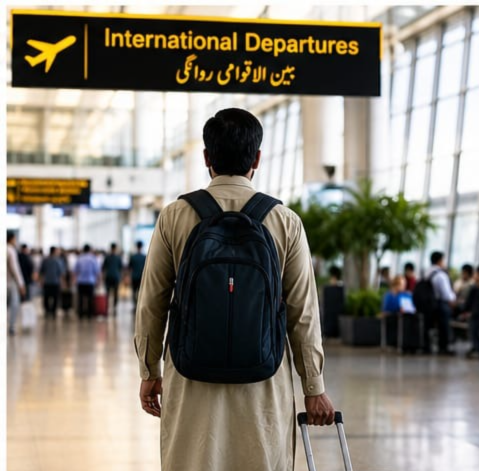
    By Tahseen Ullah  Imagine a young Pakistani sitting in a village in Punjab, Khyber Pakhtunkhwa or Sindh, scrolling through his phone. He sees an attractive job offer for Germany, Italy, Saudi Arabia, the UAE—or even an IT position in Southeast Asia. The salary is impressive, accommodation is promised and the visa will supposedly be arranged within weeks. A WhatsApp number is provided, and someone in his community has already shared the opportunity. He has ambition, perhaps a degree or technical skills. What he may not have is reliable information. This information gap can turn an aspiration for overseas employment into financial loss, irregular migration, exploitation, human smuggling or even trafficking. For Pakistan, this is an increasingly important challenge. Overseas employment is a lifeline for millions of Pakistani families, supporting children’s education, access to healthcare, improved living standards and household economic security, while remittances make a vital contribution to the national economy. At the same time, rapidly changing global labour markets are creating new opportunities beyond traditional destinations. Yet, as these opportunities grow, so do the risks of fraudulent recruitment, misinformation, disinformation, human smuggling and trafficking. Ensuring that Pakistanis can access authentic and accurate information, guidance, verify employment opportunities and make informed decisions is therefore essential to turning migration aspirations into safe and dignified and productive employment opportunities. A fake job advertisement, misleading social media post or fraudulent agent can create a false impression of employment and migration opportunities. Misinformation may be shared unknowingly, while disinformation is deliberately designed to deceive. For prospective migrants, however, the consequences can be equally serious. The risks are particularly concerning for young, educated, and IT skilled Pakistanis. In parts of Southeast Asia, deceptive job advertisements and promises of visit visas that are later claimed to be convertible into work visas have reportedly been used to lure individuals into situations involving human trafficking for forced criminality, where victims may be coerced into participating in online scams and other criminal activities. What initially appears to be a lucrative employment opportunity can therefore become a pathway to exploitation, coercion and serious harm. In the migration journey, information is not just knowledge, it is protection. Before accepting any overseas opportunity, prospective migrants should ask: Is the employer genuine? Is the recruiter authorised? Is the visa appropriate for the job? Is there a written employment contract? Are the salary and working conditions clear? What are the actual costs? Most importantly, where can this information be verified? The principle should be simple: check before you trust, verify before you pay and consult before you travel. To make an informed decision, prospective and intending migrants should first verify job offers and recruitment arrangements from the Bureau of Emigration & Overseas Employment and its field offices, the Protectorates of Emigrants, while seeking information, guidance and referral from Government departments, Migrant Resource Centres (MRCs) Pakistan and other recognised migration information and counselling services before paying, signing or travelling. These sources can help migrants understand legal/ regular migration pathways, recruitment procedures, employment contracts, workers’ rights and available complaint mechanisms. Before making a migration decision, understand the process and seek guidance. Consult relevant sources before paying an agent, signing documents or travelling—a few minutes of verification can prevent years of financial and personal consequences. However, information alone is not enough. Safe migration also requires quality skills, reskilling and upskilling. International labour markets increasingly demand technical competencies, language skills, digital literacy and recognised qualifications. TVET institutions and universities should therefore align training with genuine labour-market demand and equip young people with both occupational and migration-related knowledge. A skilled worker who cannot identify a fraudulent opportunity remains vulnerable. Conversely, reliable information without relevant skills can leave genuine opportunities beyond reach. Skills and information must therefore go together. A comprehensive approach to migration must move beyond simply facilitating departure. Safe migration requires informed preparation before departure, protection during employment and support upon return, supported by strong coordination among government institutions, international organization, civil society organizations, Pakistani missions abroad, bilateral agreements with destination countries, training providers, employers, recruiters, universities, and migration information and counselling services. The message to young Pakistanis should be clear: Do not migrate on the basis of a social media post, WhatsApp message or an agent’s promise. Seek information, consult the relevant authorities, verify the opportunity, acquire the required skills and follow the legal and regular migration pathway. Migration should be a pathway to opportunity—not a pathway to exploitation. In today’s information environment, knowing where to seek information, whom to consult and what to verify before migration may be as important as the skills required for the job itself. Safe migration begins long before the airport. It begins with an informed decision. Tahseen Ullah is a development and migration sector practitioner specialising in migration management, education and child protection. He can be reached at tahseenanthro@gmail.com.   LinkedIn: Tahseen Ullah  The views expressed are his own and do not reflect the views of his employer or any affiliated organisation.


  • Three hours with Nawaz Sharif: reflections on a leader looking to the future

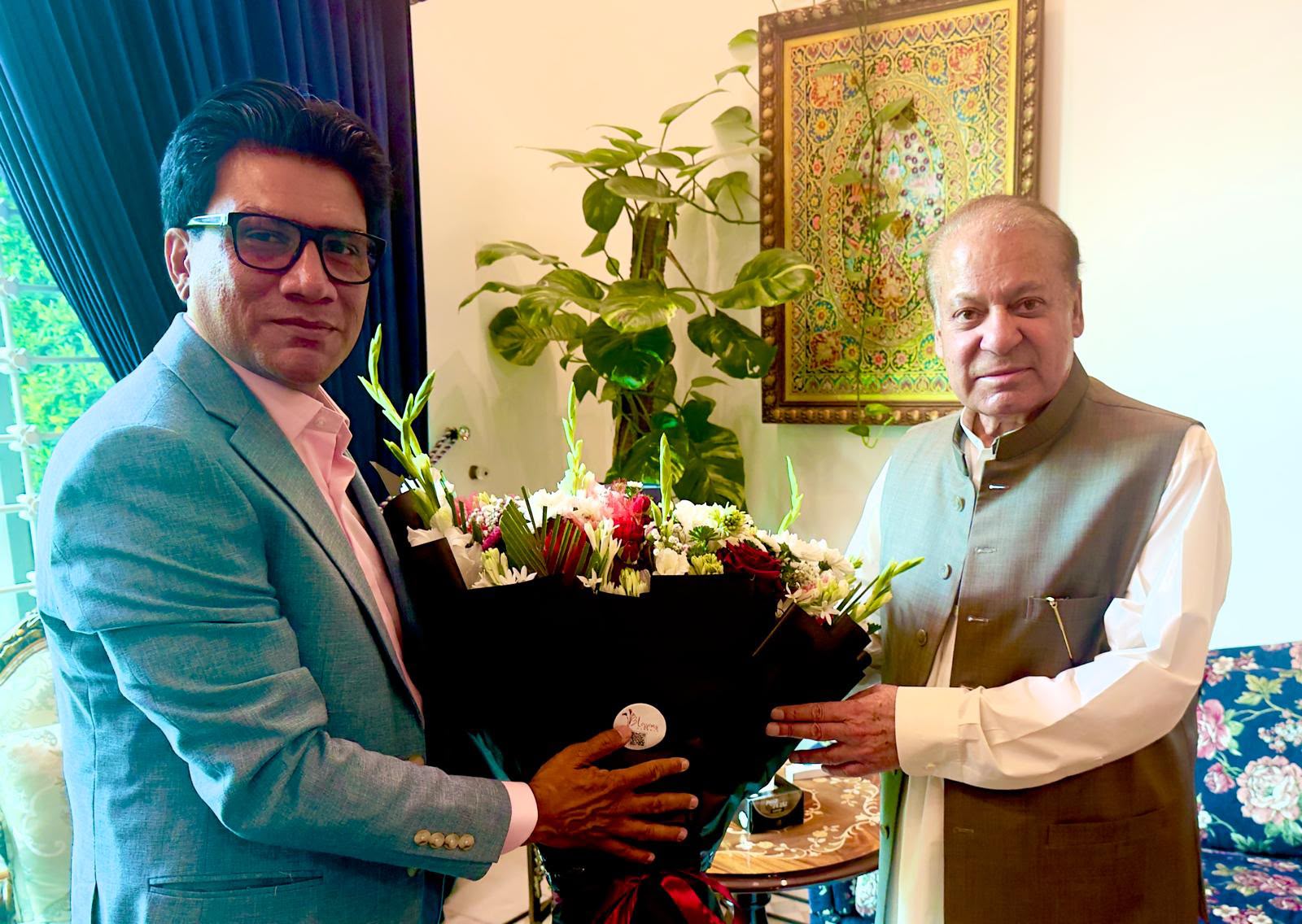
    On Friday, I had the opportunity to spend nearly three hours with former Prime Minister and President of the Pakistan Muslim League (Nawaz), Mian Muhammad Nawaz Sharif, at his Jati Umra residence in Raiwind. We offered Jumma prayers together, shared lunch and held an extensive discussion on Pakistan’s political landscape. It was more than a courtesy meeting; it provided a rare opportunity to observe, first-hand, the thinking of a leader who remains deeply involved in shaping the direction of his party and closely following the country’s political developments. The meeting came at a significant moment for the PML-N. Following the party’s recent success in the Azad Jammu and Kashmir elections, there is renewed confidence within its ranks. Nawaz Sharif appeared optimistic, composed and fully focused on the challenges and opportunities that lie ahead. What struck me first was his health and energy. Nawaz Sharif was in excellent spirits, displaying the confidence and composure of a politician who believes his party is firmly back on the front foot. There was no sense of retirement or political detachment. Instead, there was a clear focus on governance, organisation and preparing for the future. The recent PML-N victory in the Azad Kashmir elections has undoubtedly reinforced that confidence. For the party, the result was more than just another electoral success; it was an affirmation that its political message continues to resonate with voters. Nawaz Sharif spoke with satisfaction about the outcome, viewing it as an important milestone in the party’s broader revival. He was equally appreciative of the performance of the Punjab Government under Chief Minister Maryam Nawaz Sharif. In his view, the provincial administration has demonstrated that governance and public service remain the strongest political currency. Whether through infrastructure, public welfare initiatives or administrative reforms, he believes Punjab is once again becoming the party’s showcase of governance. Prime Minister Muhammad Shehbaz Sharif also received praise during our conversation. Nawaz Sharif expressed confidence in his younger brother’s efforts to steer Pakistan towards economic stability, strengthen institutions and improve the country’s international standing during a challenging period. His remarks reflected a leadership that sees continuity and coordination within the party as one of its greatest strengths. Perhaps the most significant observation from the meeting was Nawaz Sharif’s continued command of the PML-N. Despite years away from active frontline politics, he remains the party’s central strategic figure. Senior leaders continue to look towards him for direction, while party workers still regard him as the movement’s principal source of political inspiration. Much has been written about Nawaz Sharif’s return to Pakistan and his re-emergence in national politics. Yet spending time with him offered a clearer picture than any public rally or television appearance could provide. He is not merely observing events from the sidelines; he is actively shaping the party’s direction, evaluating political developments and planning for the future. My own conclusion from this meeting is straightforward. Nawaz Sharif remains fully engaged, firmly in command of the PML-N and focused on leading his party into the next general elections whenever they are held. Whether one agrees with his politics or not, it would be a mistake to underestimate his influence or his determination. Pakistan’s political landscape continues to evolve rapidly. But after spending three hours with Nawaz Sharif on Friday, one thing appears certain: he believes his political journey is entering a new phase, not its final chapter, and he intends to remain at the centre of Pakistan’s political discourse for years to come.

  • Smart uses for leftover cooking oil

    After frying puris pakoras, or other foods leftover oil is often thrown away. If the oil has been heated many times it may no longer be safe for cooking, especially if its color smell or taste has changed. Instead of wasting it you can use old cooking oil for some simple household tasks. Remove sticky stickers A few drops of oil can help loosen stubborn stickers and labels from plastic glass or steel items. Apply a little oil to the sticker leave it for a few minutes and then gently peel it off. Loosen rusty nuts and bolts If a rusty nut or bolt is stuck put a few drops of leftover oil around the joint. Wait for a while and then try to loosen it.  The oil can reduce friction and make the job easier. Add shine to wooden furniture You can use a small amount of oil to give old wooden furniture a fresh look. Put a little oil on a soft cloth gently rub the wood and then wipe it with a clean dry cloth. Always test the oil on a small hidden area first to make sure it does not damage the wood. Polish leather items Leftover oil can sometimes be used to add shine to leather shoes bags or decorative items.  Apply only a very small amount and wipe it gently. However, not all types of leather react well to oil, so test it on a hidden spot first. Stop squeaky doors and windows If a door or window makes a squeaky sound put a few drops of oil on its hinges.  This can reduce friction and help make the noise quieter. Store leftover oil safely Before using leftover oil for household tasks strain it to remove food particles. Store it in a clean dry airtight jar. Do not use the oil if it smells bad becomes very dark or shows any unusual changes. It is also better to avoid repeatedly using the same oil for cooking or frying.

  • Baby Shark star makes K-Pop comeback

    Park Ji-won, who became famous as a child after appearing in the viral “Baby Shark Dance” video has returned to the music world after nearly a decade. Now known as “Baby Shark Boy,” Park is starting a new journey as a K-pop singer. He has released his first digital single “WAVE.” Park appeared in the “Baby Shark Dance” video when he was just seven years old.  The video later became the most watched video in YouTube history gaining billions of views around the world. His new solo music project is supported by The Pinkfong Company, the owner of the “Baby Shark” copyright. Park said he is thankful that people still remember him after so many years. He believes the love for “Baby Shark” inspired him to reconnect with people through music. The “Baby Shark” song was released in 2016 and its famous video has now crossed 17.2 billion views.  The song became a worldwide hit, inspiring dance trends parodies and countless social media posts. “Baby Shark” has even been played at the White House while famous figures such as Donald Trump and Elon Musk have mentioned the popular song. After his early success, Park also appeared in other Pinkfong projects. His new single “WAVE” begins with a sound that reminds listeners of “Baby Shark” before moving into a modern electro pop style.  Park also helped write the lyrics for the song. After becoming famous as a child Park is now ready to build a new identity in the K-pop world.