فیچرڈ

  • | |

    IHC seeks answers over delay in judicial appointme…

    ISLAMABAD: The Islamabad High Court (IHC) has asked the federal government to explain the constitutional implications of keeping Prime Minister Shehbaz Sharif’s advice on judicial appointments pending with President Asif Ali Zardari. Justice Arbab Muhammad Tahir issued notices to the president, the federal government and the attorney general on Monday while hearing a petition challenging the delay in approving appointments to the superior courts. The court also directed the respondents to submit separate concise reports detailing when the prime minister’s advice was sent to the president and what action had been taken on it. The case has been fixed for hearing on August 11. The petition was filed by lawyer Luqman Zafar through his counsel Zahid Asif Chaudhry, who questioned the prolonged delay in completing the constitutional process for judicial appointments. The Judicial Commission of Pakistan, headed by Chief Justice Yahya Afridi, had recommended 19 additional judges and the confirmation of five judges for the high courts during meetings held on July 20 and 21. The recommendations were subsequently forwarded by the prime minister to President Zardari for approval under Article 48 of the Constitution. During Monday’s proceedings, the petitioner’s lawyer argued that the use of the word “shall” in Article 48(1) placed a constitutional duty on the president to act on the prime minister’s advice. He maintained that although the president could return the advice for reconsideration within the prescribed period, the Constitution did not permit an indefinite delay. The counsel further argued that the delay was affecting the administration of justice at a time when the superior courts were already struggling with a growing backlog of cases. According to the petitioner, prolonged vacancies could also undermine the public’s constitutional right to timely access to justice. Justice Tahir directed that notices be served through all available modes. Additional Attorney General Rashid Hafeez was also asked to ensure that the respondents provide the court with clear timelines regarding the submission and handling of the judicial appointments summary. The presidential delay has already had consequences for the high courts. Four additional judges of the Peshawar High Court whose confirmation had been recommended by the Judicial Commission ceased to hold office on August 4 after their terms expired without formal notifications. A similar situation arose in the Sindh High Court, where an additional judge left office after his extended tenure ended on July 29. The oath-taking ceremony for the newly recommended judges had originally been scheduled for July 27 but was postponed indefinitely after the president neither approved the summary nor returned it for reconsideration. With the matter now coming under judicial scrutiny, the Islamabad High Court is set to examine whether the continued delay in acting on the prime minister’s advice is constitutionally permissible.

  • | | |

    Acid traces found in Mir Raza Ali’s body, police…

    KARACHI: Fresh forensic findings in the death of businessman Mir Raza Ali have raised further questions over the circumstances surrounding his death, with sources saying acid traces were detected in his stomach, lungs and on parts of his body. According to sources familiar with the investigation, severe acid-related damage was found in Ali’s lungs, while traces were also detected on his hands and feet. His clothing reportedly contained acid traces as well as sweat believed to belong to another person. The investigation took another turn after police sealed a guesthouse near the location where Ali’s body was discovered. Six people working at the guesthouse were taken into custody for questioning, bringing the total number of detained individuals in the case to 21. Their statements have also been recorded as investigators attempt to establish what happened before Ali’s death. The latest developments came a day after Ali’s body was exhumed and examined by a medical board before being reburied. The second post-mortem reportedly found a gunshot wound entering from the back, along with multiple signs of physical violence. The medical examination also revealed fractured ribs and several injuries to Ali’s head and face, adding to concerns surrounding the circumstances of his death. Ali, an IBA graduate and businessman, was found dead in Karachi’s Gulistan-e-Jauhar area last month after he went missing on July 28. His father rejected suggestions that his son had died by suicide and maintained that he had been murdered. Meanwhile, Ali’s parents have opposed the proposed formation of a judicial commission, saying the police should be allowed to continue their investigation. Family lawyer Jibran Nasir said the parents had conveyed their decision in writing to the Karachi mayor, Sindh interior minister and additional inspector general. Nasir said the family currently saw no need for a judicial commission and wanted the police investigation to proceed according to law. The Sindh government had earlier announced plans to establish a judicial commission headed by high court judges. Sindh Home Minister Zia Lanjar said the decision was taken following consultations with Chief Minister Murad Ali Shah, describing the commission as necessary to investigate the case. Separately, Sindh Senior Minister Sharjeel Inam Memon has approached the National Cyber Crime Investigation Agency over social media allegations linking him and his son, Rawal Memon, to Ali’s death. Through his lawyer, Memon submitted a complaint to the NCCIA Karachi Zone, accusing certain social media accounts of spreading what he termed false, fabricated and malicious claims. The complaint alleges that social media posts linked a guesthouse near the crime scene to Memon and claimed that his son travelled to London shortly after the incident. Rawal Memon, who is currently in London, rejected the allegations and described them as an organised smear campaign. The complaint further alleged that online posts questioned the medical investigation and accused Memon and his political party of shielding individuals allegedly connected to Ali’s death. With forensic findings, multiple detentions and competing calls for a judicial inquiry now surrounding the case, investigators face mounting pressure to determine how Mir Raza Ali died and identify those responsible.

  • | |

    Sindh Colleges ban Ajrak, caps and gifts for visit…

    KARACHI: The Sindh College Education Department has directed government colleges across the province to stop presenting traditional gifts and souvenirs to the Secretary College Education during official visits. The directive, issued on August 6, instructs the Director General Colleges and regional directors in Karachi, Hyderabad, Mirpurkhas, Shaheed Benazirabad, Sukkur and Larkana, along with principals of government colleges, to ensure that no gifts are presented to the secretary during his visits. The department has specifically prohibited the presentation of Ajrak, Sindhi caps and bouquets. It has also made clear that commemorative shields, souvenirs and other ceremonial items should not be offered. Officials have been asked to strictly follow the instructions and ensure that the directive is implemented in both letter and spirit. The department has warned that any failure to comply with the orders will be taken seriously, signalling a move away from the customary practice of presenting traditional gifts to senior officials during official visits.

  • | |

    2 arrested at Multan Airport over Umrah visa traff…

    MULTAN: The Federal Investigation Agency (FIA) has arrested two passengers, including a woman, at Multan International Airport for their alleged involvement in a human trafficking network linked to sexual exploitation in Saudi Arabia. According to an FIA spokesperson, the passengers were intercepted during immigration clearance after officials noticed suspicious behavior. Both had reportedly travelled to Saudi Arabia on Umrah visas. During the subsequent examination of their mobile phones and digital communications, investigators allegedly found material indicating their possible involvement in a scheme involving commercial sexual exploitation. The FIA said its preliminary investigation revealed that an agent had arranged the passengers’ travel to Saudi Arabia under the pretext of performing Umrah. Investigators suspect that the actual purpose was to subject them to commercial sexual exploitation after their arrival in the country. The agency seized the passengers’ mobile phones and other relevant material for further investigation. The two suspects, along with the recovered evidence, were subsequently transferred to the FIA Anti-Human Trafficking Circle in Multan. The FIA has expanded its investigation to trace the alleged agent and identify other individuals connected to the suspected trafficking network. Officials said legal action would be taken against all those found involved in the organized operation.

  • | | |

    ‘We will all take to the streets’ says Mahira …

    KARACHI: Pakistani actress Mahira Khan has publicly voiced her concern over the death of Karachi businessman Mir Raza, expressing support for lawyer and activist Jibran Nasir, who has been speaking about the case. Mahira reacted to a recent statement by Nasir circulating on social media, praising his efforts and calling for an end to what she described as injustice. In her comment, the actress said, “Jibran Nasir, you are doing an excellent job. We will all take to the streets against this injustice.” She further urged that the situation should not be allowed to continue, writing, “All this nonsense should end now.” The case has attracted widespread public attention following the exhumation of Mir Raza. An initial medical report reportedly stated that he had sustained a gunshot wound to the back, while signs of alleged torture were also found on his body. The report further mentioned suspected fractures to his right thigh and jaw, along with blood stains on tissues in the lower part of his body. Meanwhile, investigators have reportedly found additional evidence during the probe. According to details emerging from the investigation, forensic examination of Raza’s shirt indicated that acid may have been thrown on his hands and face, allegedly in an attempt to conceal his identity. Nasir has also stated that Mir Raza’s family did not agree to the formation of a judicial commission and has called for the matter to be investigated through the appropriate legal process. The case continues to generate concern on social media, with calls for a transparent investigation and accountability for those responsible.

  • | |

    Court orders Azma Bukhari to appear in person over…

    LAHORE: The Lahore Sessions Court has directed Punjab Information Minister Azma Bukhari to appear in person and record her statement in a case involving the alleged circulation of a fake video on social media. The matter was heard by Additional Sessions Judge Nusrat Ali Siddiqui, who rejected Bukhari’s request to record her statement through video link. The court ordered her to personally appear at the next hearing to record her statement. Bukhari had challenged an earlier order issued by a judicial magistrate requiring her to appear before the court in person. The case relates to allegations surrounding the circulation of a fabricated video attributed to the provincial minister. Bukhari had approached the authorities against the alleged dissemination of the video and lodged a complaint with the National Cyber Crime Investigation Agency (NCCIA) against Falak Javed. The court’s latest order means Bukhari will have to appear before the Sessions Court at the upcoming hearing as proceedings in the case continue.

  • | |

    HEC Chief calls for education, research to become …

    ISLAMABAD: Higher Education Commission (HEC) Chairman Dr Niaz Ahmed has called for a major shift in Pakistan’s approach to higher education and research, saying universities must become central to the country’s economic, technological and social development. Speaking about his recent nearly two-week visit to China, Dr Niaz Ahmed said Pakistan could learn valuable lessons from China’s development model, particularly its close cooperation among universities, industry, research institutions and the government. The HEC chairman visited China with a delegation of senior vice chancellors from leading Pakistani universities on the instructions of the prime minister and at the invitation of Chinese education authorities and academic institutions. During the visit, Pakistani and Chinese universities discussed joint and dual-degree programmes, faculty and student exchanges, collaborative research and greater opportunities for Pakistani students to pursue higher education in China. He said efforts were also underway to strengthen the CPEC Consortium of Universities and establish 10 Sinology Centres in Pakistan. The Higher Education Commission has been asked to nominate 10 Pakistani universities for the initiative. Dr Niaz said his meetings with Chinese universities and research organisations showed that universities there function as more than degree-awarding institutions. They are closely connected with industry and government, helping develop new technologies, solve industrial problems, support startups and prepare skilled workers for emerging economic needs. He noted that research in China is increasingly focused on turning knowledge into practical solutions, new products and economic opportunities rather than simply increasing the number of research publications. The HEC chairman said China’s rapid progress in artificial intelligence, robotics, automation and digital technology was particularly striking. These technologies, he observed, have moved beyond laboratories and are now being used in factories, transportation, hotels and urban services. He also highlighted China’s rapidly expanding electric vehicle industry, saying the transformation demonstrated the importance of developing technology rather than simply consuming it. According to him, countries that build their own technological capabilities will be better positioned to compete in the future. Dr Niaz attributed China’s progress not only to investment and technology but also to discipline, punctuality, hard work and a clear national vision. He said the country’s experience demonstrated how coordinated efforts by government institutions, universities, industries and citizens could produce lasting national development. Reflecting on Pakistan’s traditional focus on Western academic models, he said his visit had strengthened his belief that China offers an important Asian development experience that Pakistan should study carefully. He stressed, however, that Pakistan should adapt successful practices to its own circumstances rather than simply copy the Chinese system. The HEC chairman said Pakistani universities now needed to examine whether they were merely producing degree holders or actually developing human capital capable of contributing to the national economy. He called for curricula to be aligned with future employment needs, with greater emphasis on artificial intelligence, data science, automation and other emerging fields. Universities, he said, must also strengthen faculty capabilities and build closer relationships with industry. Dr Niaz further stressed that research should focus on solving national and industrial problems, developing technologies and creating business opportunities rather than remaining limited to academic publications. After returning from China, he said, he shared his observations with university leaders across Punjab, Sindh, Balochistan, Azad Jammu and Kashmir, Gilgit-Baltistan and the federal capital. The objective was to encourage universities to reconsider their approaches to curriculum development, research, faculty training and industry partnerships. He said Pakistan already possesses a large network of universities, talented researchers and a young population, but these strengths need to be supported by a clear national strategy and sustained investment. “The real strength of a nation lies not only in roads, buildings and factories, but also in knowledge and human capital,” Dr Niaz said, stressing that Pakistan’s journey towards developed-country status must begin in university classrooms and research laboratories and eventually translate into stronger industries, a more productive economy and greater national prosperity.

  • | |

    Iranian commander claims US, Israel failed to meet…

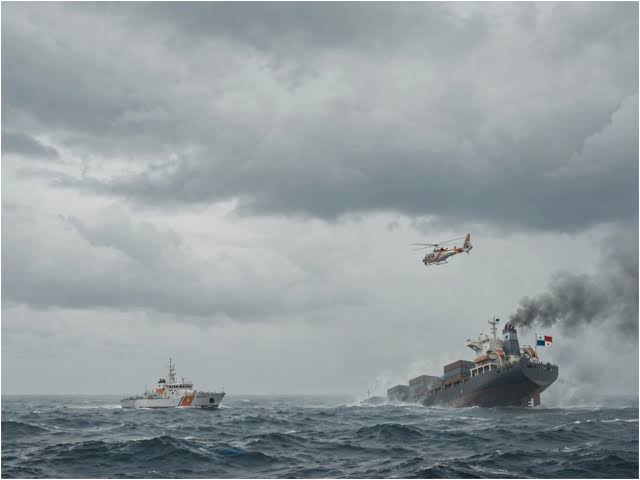
    TEHRAN: Iran’s Revolutionary Guard has claimed that the United States and Israel failed to achieve their objectives during the conflict with Iran, as Tehran indicated that negotiations with Oman over the Strait of Hormuz were nearing an agreement but would not immediately lead to the waterway’s reopening. Brig Gen Hassan Zadeh, commander of the Islamic Revolutionary Guard Corps’ Mohammad Rasulullah Corps in Tehran, said Iran’s military preparedness and public support had helped the country withstand the US and Israeli campaign. Speaking during an inspection of upgraded air-defence units, Zadeh said Washington and Tel Aviv had failed to accomplish their stated goals and were now facing questions from their own populations and political circles. Meanwhile, Iranian Foreign Minister Abbas Araqchi said talks with Oman over a temporary shipping arrangement in the Strait of Hormuz were progressing. However, he stressed that an agreement on a shipping route alone would not be sufficient to reopen the strategically important waterway. Iran has linked the reopening of the strait to several conditions, including an end to US threats and attacks, the lifting of sanctions and blockades, compensation for losses and the release of Iranian assets. Tehran has also rejected the previous traffic separation system used by vessels passing through the waterway. Oman described its discussions with Iran as positive and constructive while urging all sides to avoid actions that could undermine the negotiations. Muscat also condemned recent attacks on ships travelling through the strait without assigning responsibility. The developments come amid continued disruption to shipping in the Strait of Hormuz, a crucial route for global energy supplies. The United Arab Emirates said an oil-related vessel had been struck by a missile while transiting the waterway, although no injuries were reported. The UK Maritime Trade Operations agency also reported that a vessel caught fire after being hit by an unidentified projectile. The fire was later extinguished, with no environmental damage reported. The United States has said it expects an agreement that could restore commercial shipping and allow restrictions on Iranian ports to be eased. US Central Command said more than 30 vessels had been permitted to pass through the area for humanitarian purposes, while dozens of others had been stopped or subjected to military action. Iranian officials, however, maintain that the strait will only be reopened once Washington accepts Tehran’s demands. Iranian authorities have also warned that any future shipping arrangement must provide Iran with greater control over maritime traffic. The prolonged disruption has contributed to rising energy costs and increased prices for food and other essential goods in Iran, adding further pressure on the country’s economy as negotiations continue.

  • | |

    PTI march aims to reach Imran Khan, not secure rel…

    PESHAWAR: Khyber Pakhtunkhwa Chief Minister Sohail Afridi has said the Pakistan Tehreek-e-Insaf (PTI) long march planned for September 27 will focus on reaching party founder Imran Khan rather than demanding his immediate release. Speaking in an interview with private media, Afridi said he would personally lead the march and stressed that it would not be a one-day activity. He indicated that the participants would remain engaged in the movement rather than simply travelling to Islamabad and returning. Afridi said the decision to launch the march was taken after consultations with PTI leadership and representatives of the Tehreek Tahafuz Aain-e-Pakistan. He added that Aleema Khan, Imran Khan’s sister, would also participate in the campaign. Explaining the objective of the protest, the chief minister said the immediate goal was to gain access to Imran Khan, while any decision regarding his release would have to be made in accordance with the Constitution and the law. Afridi also addressed questions about announcing the march several weeks in advance. He said September 27 was selected after considering weather conditions and allowing sufficient time for preparations. The announcement comes as PTI continues to mobilise its supporters around the issue of Imran Khan’s imprisonment, with the party seeking greater political and legal pressure over his continued detention.

  • | |

    Mohsin Naqvi orders faster immigration at Lahore A…

    LAHORE: Federal Interior Minister Mohsin Naqvi has ordered authorities at Allama Iqbal International Airport to speed up the immigration process after passengers complained about delays during his visit to the facility. Naqvi inspected immigration counters and spoke with officials and passengers to assess how long travellers were taking to clear immigration. Several passengers told him that the process was taking around 30 minutes and urged authorities to improve arrangements. Taking immediate notice of the complaints, the minister directed airport officials to keep all immigration counters operational so that passenger queues could be cleared more quickly. He assured travellers that the additional counters would help reduce waiting times and make the process more convenient. During the visit, Naqvi also acted on a passenger’s complaint that an agent had demanded money. He referred the matter to the Federal Investigation Agency (FIA) director and ordered action against the agent. The interior minister further directed authorities not to allow passengers to travel on incomplete documents. At the same time, he stressed that travellers carrying complete and valid documents should not be unnecessarily stopped from boarding their flights. Naqvi said modern technology had made immigration procedures more efficient but warned that strict action would continue against people attempting to travel using fake or fraudulent documents. The minister’s visit comes as authorities face growing pressure to improve passenger facilitation and reduce waiting times at Pakistan’s major international airports.