International

  • |

    Indian Software engineer allegedly beaten to death by in-laws over domestic dispute

      A 31-year-old software engineer was allegedly beaten to death by his in-laws following a domestic dispute at his home in India, according to allegations made by his family. The deceased, identified as Viney Gupta had been married to a woman named Rekha for around three and a half years. Rekha is a housewife, and the couple had twin children—a son and a daughter. Viney worked as a software engineer in Noida and reportedly earned more than Rs6 million annually. According to Viney’s mother, the incident began with an argument between the couple over giving medicine to one of their children. The disagreement reportedly escalated after Viney raised his voice, causing Rekha to become angry. Following the heated exchange, she allegedly left the house and returned around 10 minutes later accompanied by members of her family. Viney’s family alleged that Rekha arrived with her two brothers, sister-in-law, father, uncle and another man. They claimed that the group entered the house and began assaulting Viney. The family further alleged that Viney’s mother was away at the time the alleged attack began, as she had gone to arrange water and tea for the visitors. According to the allegations, the attackers repeatedly assaulted Viney, strangled him and struck him on the chest with their hands and feet. His family members said they attempted to intervene and save him, but the alleged assault continued. Viney’s father said that the couple had been experiencing disagreements over minor issues for some time. The family had reportedly hoped that the problems could be resolved through discussion and reconciliation. However, he alleged that the situation eventually escalated into violence, resulting in Viney’s death. The deceased’s family has alleged that Rekha and six to seven other people were involved in the incident. They have also accused the suspects of conspiring to kill Viney. Police have arrested four suspects in connection with the case. Those arrested reportedly include Viney’s wife Rekha, her two brothers and another accused person. The investigation into the circumstances surrounding Viney’s death is continuing. Police are expected to question the arrested suspects and examine the allegations made by both sides to determine what led to the fatal confrontation. The case has drawn attention to the escalation of domestic disputes into serious violence, while the exact circumstances surrounding Viney’s death will be established through the ongoing police investigation.
  • |

    5.8-magnitude earthquake hits Japan

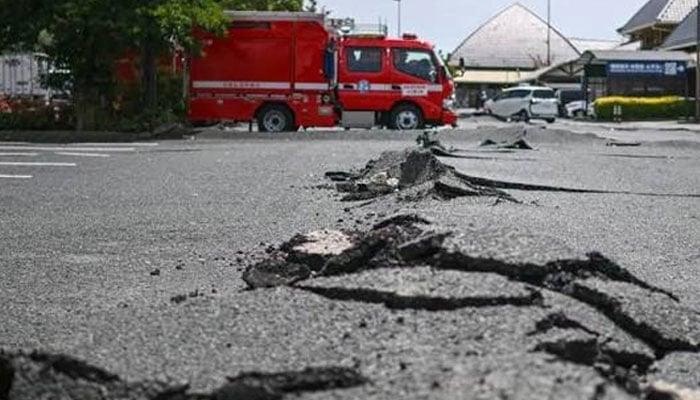
    A 5.8-magnitude earthquake struck Japan’s main island of Honshu, sending tremors through parts of the eastern coastal region and causing minor injuries and temporary disruptions to train services. According to the German Research Centre for Geosciences (GFZ), the earthquake occurred at a depth of around 78 kilometres near the eastern coast of Honshu. The relatively deep location of the quake helped limit the severity of its impact, although residents in several areas reported feeling strong shaking. Japanese authorities said several people suffered minor injuries following the tremors. Some railway services were also temporarily suspended as officials carried out safety checks on tracks and infrastructure. Authorities continued to assess whether the earthquake caused any structural damage or other disruptions. The Japan Meteorological Agency urged residents to remain cautious and stay alert for further seismic activity. The agency said another earthquake measuring below magnitude 5 could occur in the region during the following week. Japan lies along the Pacific Ring of Fire, one of the world’s most seismically active zones, and experiences frequent earthquakes of varying intensity. Authorities regularly advise residents to keep emergency supplies ready and follow official instructions during and after seismic events. Officials have not reported any major damage from the latest earthquake, but monitoring of the affected areas remains underway.

  • | |

    Iran leaders plan response to US economic pressure

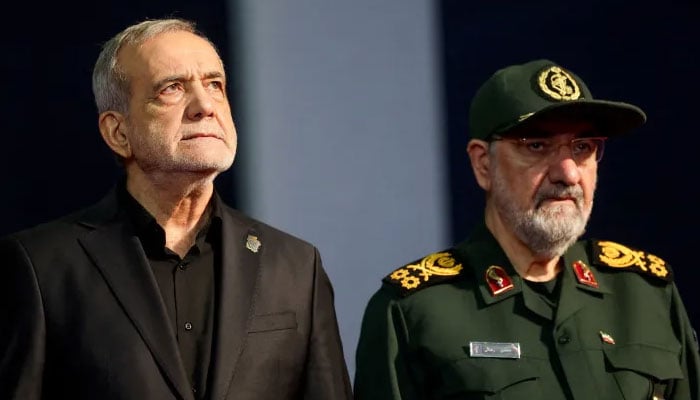
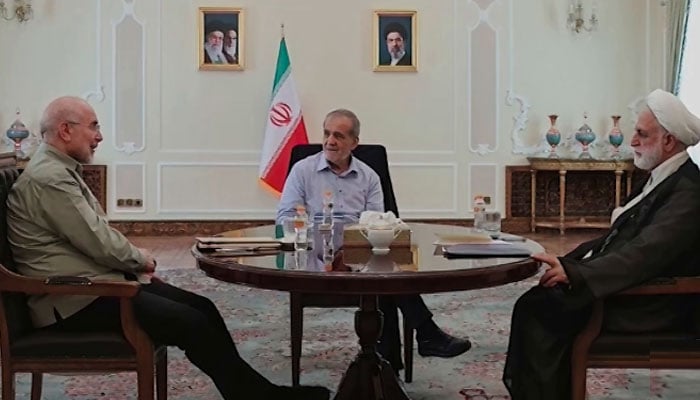
      Iranian President Masoud Pezeshkian, Parliament Speaker Mohammad Bagher Ghalibaf and the head of the judiciary have held a high-level meeting to discuss the country’s response to growing economic pressure from the United States. According to Iranian media reports, the meeting focused on the situation created by Washington’s announcement of an economic campaign against Tehran and the steps Iran can take to reduce its impact on the economy and ordinary citizens. The three officials, who represent Iran’s executive, legislative and judicial branches, stressed the need for stronger coordination among state institutions. They said government bodies should work more closely to respond quickly to economic challenges and prevent external pressure from creating further difficulties for the public. The leaders also discussed ways to protect people’s purchasing power and prevent economic hardships from placing an additional burden on households. They emphasized that government policies should give particular attention to low-income and vulnerable groups that could face greater difficulties as economic pressure increases. Iranian media reported that the officials called for practical measures to ease pressure on citizens while maintaining economic stability. They also stressed the importance of ensuring that essential needs remain accessible and that government institutions coordinate their efforts instead of pursuing separate or conflicting policies. The meeting also highlighted the importance of protecting Iran’s national interests as tensions with the United States continue. The officials agreed that economic planning should focus not only on dealing with immediate challenges but also on strengthening the country’s ability to withstand external pressure in the longer term. Pezeshkian’s administration has faced the challenge of managing economic difficulties while navigating Iran’s tense relations with Washington. The latest meeting reflects an effort by the country’s top leadership to present a coordinated approach and ensure that government institutions respond collectively to the economic situation. The leaders further emphasized that any response to the economic pressure should prioritize the welfare of the Iranian people. They called for continued cooperation among the three branches of government and urged officials to take steps that can protect vulnerable communities while preserving Iran’s broader economic and national interests.

  • | |

    Iran signals readiness to end war with US

    Iranian President Masoud Pezeshkian has indicated that Tehran may be ready to end its months-long conflict with the United States, saying Iran now stands in a position of strength and dignity. According to Arab media, Pezeshkian made the remarks during a meeting with doctors in Tehran. He claimed that the international community was recognising Iran’s “victory” and condemning US strikes on schools, hospitals and critical infrastructure. Pezeshkian also defended the understanding reached with Washington in June, rejecting claims from hardline lawmakers that Iran had surrendered or made major concessions. He said the agreement contained no provision requiring Iran to surrender or give up its interests. Meanwhile, Iran’s Chief of Staff of the Armed Forces, Major General Ali Abdollahi, warned that the country remains fully prepared to respond to any new threat. He said Iran’s ground, naval, air defence and cyber forces are on full alert. In a separate development, the foreign ministers of Iran and Oman held a phone call to discuss efforts to create conditions for the resumption of negotiations. They also reviewed the situation surrounding maritime traffic in the Strait of Hormuz. Iran has partially restricted traffic through the strategic waterway, while the United States continues its naval blockade. US media reports say American naval forces are escorting covert convoys of oil tankers through the southern part of the strait, allowing between 5 million and 10 million barrels of oil to be exported each day. US President Donald Trump has expressed doubts about Iran’s willingness to negotiate. He claimed that the United States has full control over the Strait of Hormuz and surrounding areas, adding that Iran wants a deal but is not yet ready to reach the “right” agreement. Trump has also threatened economic action against countries that provide any form of assistance to Iran. US Treasury Secretary Scott Bessent announced further sanctions aimed at weakening the Iranian government. Iran condemned the US sanctions plan as “economic terrorism,” while China said pressure and sanctions would not help resolve the crisis. Beijing urged all sides to seek a solution through political and diplomatic channels.

  • |

    Two injured in Edmonton Gurdwara attack

    Two people were injured after an attack at a Sikh gurdwara in Edmonton, Canada, police said. Canadian authorities have arrested a suspect in connection with the incident. Police said the injured men, aged 75 and 51, suffered injuries but remain in stable condition and are not in life-threatening danger. The police Hate Crimes Unit has also joined the investigation to determine the circumstances surrounding the attack and whether it involved a hate-related motive. According to the gurdwara administration, the attacker first targeted a religious leader and then assaulted an elderly volunteer. The incident caused concern among members of the Sikh community and prompted police to respond to the place of worship. Authorities are continuing to investigate the motive behind the attack and the circumstances that led to the violence. Further details are expected as the investigation progresses.

  • |

    Booker calls for diplomacy, says Pakistan can help promote Middle East peace

    Democratic US Senator Cory Booker has called for diplomacy and dialogue instead of military action, saying the United States needs diplomacy, not bombs, to address conflicts in the Middle East. Speaking at a Pakistan Independence Day event in New York, Booker said Pakistan was in a strong position to play a constructive role in promoting peace across the Middle East. He stressed that dialogue should take precedence over war and urged greater diplomatic efforts to resolve ongoing conflicts. Booker also highlighted the humanitarian consequences of conflicts in the region, saying every human being deserves dignity and respect. He said children in Palestine and Iran deserve the same consideration and protection as American children. “When a humanitarian tragedy is unfolding, none of us should remain silent,” Booker said, emphasizing the need to continue raising voices for a just and lasting peace in Palestine and Iran. The senator also praised the role of Pakistani Americans in strengthening ties between the United States and Pakistan. Referring to the efforts of the American Pakistani Public Affairs Committee (APPAC), he said the organization had worked to bridge communities and ensure that Pakistani Americans receive their rightful place and representation at the local level. Discussing bilateral relations, Booker said the friendship between the United States and Pakistan began soon after Pakistan’s independence and has continued to develop over the decades. He noted that Pakistani Americans have made significant contributions in a wide range of fields, including medicine, engineering, public service and business. He said the success of Pakistani Americans also contributes to the strength and prosperity of the United States, stressing the importance of ensuring that the community has a strong and influential voice in American society. Booker further spoke out against discrimination and Islamophobia, saying that when a Muslim faces prejudice in the United States, it is not only a problem for the individual or the Muslim community but a problem for the entire country. He recalled his efforts to combat anti-Muslim hatred and said he had introduced legislation aimed at addressing Islamophobia and protecting Muslims from discrimination. The senator’s remarks came as Pakistani Americans gathered in New York to mark Pakistan’s Independence Day and celebrate the community’s contributions to American society. The event, organized by APPAC, brought together senior officials, community leaders and prominent Pakistani Americans. APPAC Chairman Dr. Ijaz Ahmad and other speakers also addressed the gathering, highlighting the role of the Pakistani-American community in strengthening people-to-people ties and promoting closer relations between Pakistan and the United States. The event also underscored the growing role of Pakistani Americans in civic and public affairs, with speakers calling for greater representation and continued engagement between the two countries.

  • |

    Russian drone strike kills 16 in Kryvyi Rih

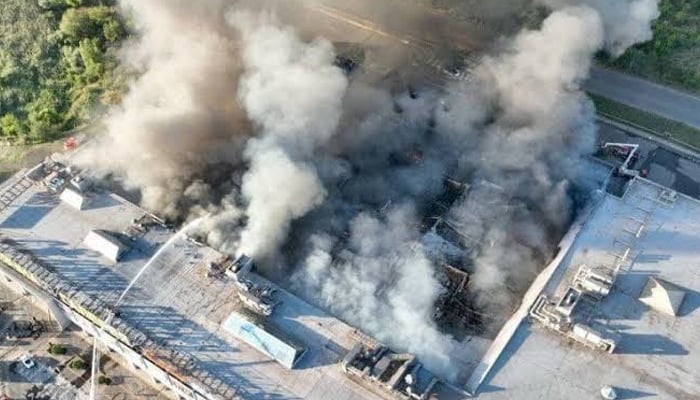
      At least 16 people were killed and around 130 others injured after a series of Russian drone strikes hit the Ukrainian city of Kryvyi Rih, Ukrainian authorities said. Ukrainian President Volodymyr Zelenskyy said Russian forces targeted a shopping centre in the city in successive drone attacks. According to Zelenskyy, the second strike came about 30 minutes after the first, increasing the casualties and damage at the site. Emergency crews rushed to the area to search for survivors and assist the injured. The attacks also caused significant damage to civilian infrastructure, according to Ukrainian officials. Zelenskyy condemned the strikes as an act of terrorism and called for a stronger international response to Russia’s attacks on Ukrainian cities. He said the international community must take effective measures to prevent further attacks against civilians. Meanwhile, Russia’s Defence Ministry claimed that its forces had carried out strikes against Ukrainian ports and vessels that Moscow says support the Ukrainian military. Russia has repeatedly described such facilities as part of Ukraine’s military infrastructure. Ukraine, in turn, claimed that its forces had targeted a Russian oil refinery and a military airfield as part of its ongoing attacks on Russian military and energy-related infrastructure. The latest strikes come as fighting between Russia and Ukraine continues, with both sides increasingly targeting infrastructure and military facilities far from the front lines. The exchange of attacks has also raised renewed concerns over civilian safety as the war enters another phase of intense hostilities.

  • | | |

    Imran Khan breaks silence on gender stereotypes, feminism and Bollywood’s portrayal of men

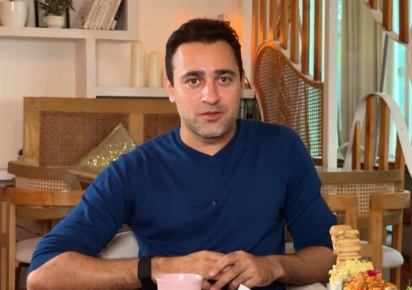
      Ahead of his much-anticipated return to the big screen, Indian actor Imran Khan has spoken candidly about gender stereotypes, feminism, masculinity, fatherhood and the influence cinema can have on social attitudes. In a recent conversation, the actor explained that his growing concern over the way gender-based assumptions have become part of everyday discussions played an important role in shaping his decision to speak more openly about these issues. Khan said he had become increasingly interested in examining the expectations society places on both men and women. According to him, certain assumptions about how people should behave based on their gender have become so common that they are often expressed without being questioned. The actor said he felt a personal responsibility to contribute to conversations surrounding these issues. Rather than remaining a passive observer, he wanted to use his public platform to encourage people to reconsider ideas that have gradually become normalised in society. Khan also discussed the relationship between feminism and conversations about men’s rights. He argued that debates surrounding both subjects can sometimes become trapped within the same stereotypes they are attempting to challenge. In his view, some men who criticise feminism for being problematic may fail to recognise that their own arguments can be influenced by patriarchal thinking or ideas associated with toxic masculinity. For Khan, feminism should not be understood as an attempt to marginalise men or exclude anyone from the conversation. He stressed that discussions about feminism and masculinity should ultimately focus on equality and creating a society in which people are not restricted by traditional gender expectations. The actor also turned his attention to the portrayal of men in Indian cinema, particularly characters who struggle to cope with romantic rejection. Khan argued that Bollywood has repeatedly presented emotionally immature male characters in a sympathetic manner, often encouraging audiences to overlook their problematic behaviour because the characters are experiencing heartbreak. He criticised films in which a male protagonist responds to rejection with anger, obsession or inappropriate behaviour, while the narrative continues to portray him as a victim deserving sympathy. According to Khan, these stories can unintentionally normalise unhealthy emotional responses and send the wrong message about relationships and masculinity. Khan suggested that cinema has a significant cultural influence and therefore filmmakers should consider how their characters and storylines may shape public perceptions. Instead of constantly justifying problematic behaviour through a character’s emotional pain, films could present more mature and realistic portrayals of men dealing with rejection, relationships and vulnerability. His comments come as he prepares to make his return to acting after a prolonged break from the industry. Khan’s decision to step away from films had kept him largely out of the public eye, making his comeback a significant moment for fans who have followed his career. Now, as he prepares to return to the screen, Khan appears interested not only in acting but also in engaging with wider social conversations. His recent remarks reflect his desire to use his experiences and public platform to question established ideas about gender, relationships and masculinity. With his comeback approaching, audiences will be watching closely to see whether Khan’s renewed presence in cinema also brings a different perspective to the kinds of stories and characters he chooses to be part of.

  • |

    Iran warns of ‘devastating’ response as US prepares tougher sanctions

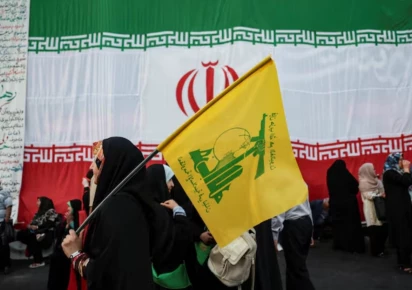
      Iran has warned that its armed forces are prepared to deliver a severe response to any new threats, as tensions continue to rise between Tehran and the United States. Iranian military commander Abdollahi said the country’s forces would respond to hostile actions with what he described as “crushing” and “devastating” measures, according to Iranian media reports. The warning comes as Iran faces the prospect of tougher economic restrictions from Washington. US Treasury Secretary Scott Bessent recently announced plans for what he described as the strongest sanctions ever imposed on Iran, with further details expected to be released soon. Iranian Parliament Speaker Mohammed Bagher Ghalibaf has meanwhile called on the country to strengthen its economic resilience and develop strategies to deal with what he described as unjust sanctions. Speaking during a meeting with Iranian and Iraqi business representatives in Baghdad, Ghalibaf stressed that economic development and national security were closely connected. According to Ghalibaf, the United States and Israel had turned to economic and so-called “cognitive” warfare after allegedly concluding that they could not achieve their objectives through direct military confrontation with Iran and Iraq. He argued that Muslim countries needed to protect their economic resources and become less vulnerable to external pressure. Ghalibaf also urged Iran and Iraq to expand their economic cooperation. He suggested that the neighbouring countries could increase the use of their national currencies in bilateral trade in an effort to reduce their dependence on the US dollar. His comments came amid growing uncertainty over Washington’s next steps toward Tehran. Bessent’s announcement followed US President Donald Trump’s warning of possible “economic warfare” against countries that provide any form of support or economic lifeline to Iran. Bessent indicated that the new economic measures could potentially reduce the likelihood of another major military escalation. He said that if Washington pursued a policy of maximum economic pressure, there might be less need for a large-scale resumption of military operations. His remarks suggested that the US administration could seek to increase pressure on Tehran through financial and economic restrictions rather than immediately pursuing further military action. However, Iran’s latest warnings indicate that Tehran remains prepared to respond forcefully if it believes its security is threatened. Ghalibaf, who is considered one of Iran’s most influential political figures and has played a prominent role in negotiations with Washington, also emphasised the importance of closer relations between Iran and Iraq. He said the two countries should transform their longstanding political and security cooperation into practical economic partnerships that could benefit their populations. A day earlier, Ghalibaf said Iran and Iraq had resisted attempts by Western powers led by the United States to influence their political future. He urged both countries to use their strategic relationship as a foundation for greater economic cooperation, development and shared prosperity. The latest statements reflect the growing pressure surrounding Iran as Washington prepares additional sanctions while Tehran continues to emphasise its military readiness and economic independence. The situation remains closely watched as both sides weigh the possibility of further confrontation against diplomatic and economic alternatives. While the United States appears focused on intensifying financial pressure, Iranian officials continue to warn that any new security threats could trigger a forceful response. The competing strategies have added another layer of uncertainty to an already tense relationship between Tehran and Washington.

  • |

    Australian police charge Russian-Australian man over alleged Russian spy operation

      Australian authorities have charged a 27-year-old Russian-Australian man with foreign interference after alleging that he attempted to pass sensitive information about Ukrainian military activities to individuals connected to Russian intelligence. Australian Federal Police Commissioner Krissy Barrett said the man had undertaken what police described as “military-style” training in Russia in October 2024. After completing the training, he returned to Australia and allegedly remained in contact with people he believed were associated with Russian intelligence agencies. According to investigators, the man later travelled to Ukraine in 2025 and enlisted in the Ukrainian armed forces. His position allegedly gave him access to sensitive information concerning Ukrainian military personnel, military units and their locations. Police claim that the man subsequently provided, or attempted to provide, information obtained during his time in Ukraine to people he believed were working for Russian intelligence. Authorities said the alleged actions could have placed Ukrainian military personnel at risk by exposing information about their movements, units or locations. Commissioner Barrett stressed that Australia would not tolerate individuals using the country as a base for foreign interference activities. She said the case demonstrated the government’s determination to protect Australia and its international partners from espionage and interference conducted on behalf of foreign powers. Police also confirmed that there was no evidence the accused had received military training in Australia. At the time of his arrest, he was unemployed. His identity has not been publicly released. Investigators from the Australian Federal Police and the Australian Security Intelligence Organisation worked together on the case. Several search warrants have already been carried out as part of the investigation. Barrett said further arrests could not be ruled out as authorities continue examining the circumstances surrounding the alleged activities.   ASIO Deputy Director-General Claire McGuinness also issued a warning to foreign governments involved in interference operations. She said the case demonstrated Australia’s “zero tolerance” approach toward foreign interference and espionage. The accused was scheduled to appear before a court in Brisbane on Friday to face the charges. If convicted of intentionally engaging in foreign interference, he could face a maximum sentence of 20 years in prison under Australian law. The case is the eighth instance in which an individual has been charged in Australia with offences connected to espionage or foreign interference. Australian security officials have previously identified Russia as a significant espionage threat. In 2024, authorities charged Russian-born Australian citizens Kira Korolev and her husband, Igor, with allegedly spying for Moscow. Police accused the couple of obtaining sensitive material linked to Australia’s military. Both had lived in Australia for more than a decade, became Australian citizens and retained Russian passports. The latest investigation highlights Australia’s growing concerns over foreign intelligence operations and the potential use of individuals with access to military or national-security information. Authorities have emphasized that anyone suspected of assisting foreign intelligence services could face serious criminal consequences under Australia’s foreign-interference laws.