International

  • | |

    FIFA bans Argentina players following World Cup final clash with Spain

      FIFA has imposed lengthy suspensions and heavy fines on several Argentina players following a heated confrontation with Spain players after the World Cup final, the world football governing body announced on Friday. Argentina have also been ordered to play their next two home international matches behind closed doors. However, FIFA has suspended one of those two matches, meaning the full punishment will only be enforced if the team commits another disciplinary offence during the relevant period. The most severe punishment has been handed to Argentina midfielder Leandro Paredes. The Boca Juniors player has been suspended for 10 international matches and fined $90,000 for his involvement in the post-match altercations. Paredes was accused of grabbing Spain defender Eric Garcia by the throat during the confrontation. He was also involved in an incident with Spain midfielder Gavi, whom he wrestled to the ground while holding the substitute player’s bib. His actions contributed to the escalation of tensions following the final. Spain defeated Argentina 1-0 in the World Cup final at MetLife Stadium in New Jersey on July 19, securing the title after a closely contested encounter. The post-match celebrations, however, were overshadowed by clashes involving members of both teams. Argentina defender Nahuel Molina has also received a significant punishment. He has been banned for seven international matches and fined $90,000 for his role in the incidents. His teammate Thiago Almada received a comparatively lighter sanction, with FIFA suspending him for one international match and imposing a $30,000 fine. Spain midfielder Gavi has also been punished for his involvement in the confrontation and received a similar one-match suspension and financial penalty. The disciplinary action against Argentina extends beyond individual players. The Argentine Football Association (AFA) has been fined approximately $321,000 for several violations of FIFA’s disciplinary regulations. These include using a sporting event to make demonstrations of a non-sporting nature, team misconduct, and discriminatory chants and gestures by supporters. The controversy also relates to an incident during Argentina’s World Cup semi-final against England. After Argentina secured a 2-1 victory in a tense encounter, several players displayed a banner carrying the message, “The Falklands are Argentine.” The gesture referred to the disputed Falkland Islands, known as the Islas Malvinas in Argentina. The Falklands War began in 1982 after Argentine forces invaded the British-controlled territory in the South Atlantic. Then-British Prime Minister Margaret Thatcher ordered a military task force to retake the islands. The 74-day conflict, which lasted from April to June 1982, resulted in the deaths of 655 Argentine and 255 British servicemen, while three islanders were also killed. The AFA has rejected the disciplinary measures and confirmed that it plans to appeal the suspensions and fines imposed by FIFA. The appeal could determine whether the punishments remain unchanged or are reduced following further review.

  • | |

    Trump warns Iran backers of economic punishment

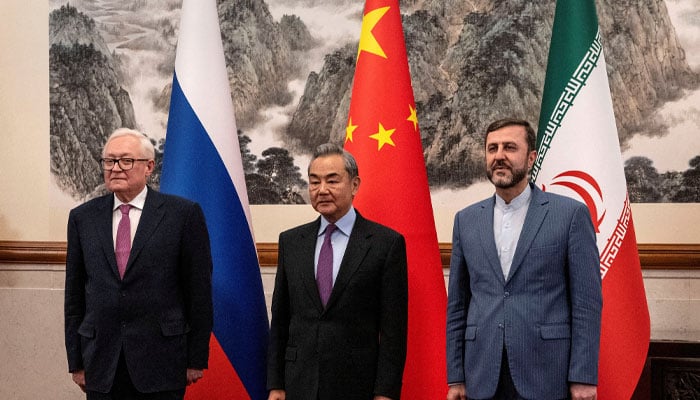
    US President Donald Trump has warned that countries providing an economic “lifeline” to Iran could face financial penalties as Washington steps up pressure on Tehran. Trump has also announced what he described as an “economic D-Day” against Iran as part of his broader campaign to weaken the country’s economy and force changes in its policies. The latest threat reflects Trump’s continued reliance on US economic power as a key foreign policy tool. His administration has increasingly used tariffs, sanctions and other financial measures to pressure countries and governments that Washington believes support US rivals or undermine its strategic objectives. Analysts, however, question whether the strategy can deliver the same results against Iran as it has in cases where the United States enjoys greater cooperation from other major economies. Iran maintains important economic ties with China and Russia, two countries that have strong reasons to resist US pressure. Russia already faces extensive American sanctions and has significantly reduced its dependence on the US-led global financial system. As a result, additional US economic pressure may have a limited impact on Moscow’s willingness to maintain trade and other economic relations with Tehran. China could present an even greater challenge for Washington. Beijing has repeatedly shown that it is prepared to resist or work around US sanctions when its own economic and strategic interests are at stake. China remains one of Iran’s most important trading partners, particularly in the energy sector, making Beijing a key factor in any US effort to isolate Tehran economically. Paul Musgrave, an associate professor of government at Georgetown University in Qatar, told Arab media that Trump would face significant difficulties in making his pressure campaign fully effective. Musgrave said Trump was attempting to impose a coordinated sanctions regime largely through unilateral US pressure, even though such efforts have traditionally depended on cooperation from multiple countries. He noted that an effective international campaign would require support from major powers, including China and Russia, as well as cooperation among the five permanent members of the United Nations Security Council. Trump said in a post on his social media platform, Truth Social, on Tuesday that his campaign against Iran would become one of the most devastating economic operations ever directed against a country. The statement signals a major escalation in Washington’s economic pressure on Tehran. Trump’s administration appears determined to use America’s financial influence, access to global markets and trade relationships to make it increasingly difficult for Iran to maintain its international economic ties. However, experts warn that the strategy could also create significant economic consequences beyond Iran. If Washington threatens countries that continue trading with Tehran, those governments could face a difficult choice between maintaining their economic interests and avoiding US penalties. The effectiveness of Trump’s strategy will largely depend on whether Washington can convince major trading partners to cooperate. China and Russia are likely to remain the biggest obstacles, particularly if they view continued economic engagement with Iran as important to their own strategic interests. The latest move also comes after a series of contentious trade battles during Trump’s second presidential term, highlighting his continued preference for economic pressure as a means of pursuing foreign policy goals. Whether the approach can isolate Iran without triggering further tensions with major global powers remains uncertain.

  • | | |

    Fake spiritual guru arrested in Pune over alleged …

    A 23-year-old man posing as a motivational speaker, social media influencer and spiritual guide has been arrested in Pune, India, over allegations of obtaining private images of a 22-year-old woman and later using them to harass and threaten her. According to Indian media reports, police launched an investigation after the woman filed a complaint against the accused, identified as Divya Jitendra Parmar. Police subsequently arrested the suspect and seized a mobile phone and laptop believed to have been used in the alleged offence. Investigators said the accused had built an online persona portraying himself as a trusted motivational speaker and spiritual figure. He allegedly contacted the woman through social media and gradually gained her confidence. According to the complaint, the accused later told the woman that she needed to follow a particular method to remove what he described as negative energy from her body. Under this pretext, he allegedly persuaded her to share private images and follow certain physical exercises. Police allege that the accused subsequently used the images to harass the woman and threatened to circulate them if she refused to establish a sexual relationship with him. The woman then approached police and lodged a complaint. During the investigation, authorities reportedly seized the suspect’s mobile phone and laptop, along with photographs, videos, messages and other digital evidence. Police are examining the material to establish the full circumstances of the case. Investigators are also looking into whether the accused may have targeted other women using a similar method. This aspect of the investigation could determine whether the alleged incident was isolated or part of a wider pattern of online manipulation. The case has also highlighted the risks associated with individuals who use social media to build false identities and gain the trust of vulnerable people. Authorities have increasingly emphasized the importance of verifying online identities and reporting threats involving private images. Police have registered a case against the accused under relevant provisions of the Bharatiya Nyaya Sanhita (BNS) and the Information Technology Act. The investigation remains ongoing, and the allegations will be subject to the legal process. The case serves as another warning about the misuse of private digital content and the dangers of trusting unverified online personalities who claim to offer spiritual, motivational or personal guidance.

  • |

    Iran condemns Israeli minister’s remarks over Gaza killings

        Iran’s Deputy Foreign Minister Kazem Gharibabadi has strongly condemned remarks attributed to Israeli National Security Minister Itamar Ben-Gvir regarding the killing of Palestinians in Gaza, accusing him of openly advocating mass violence and the forced displacement of Palestinians. According to media reports, Gharibabadi said Ben-Gvir had set a daily target of killing between 30 and 40 people in Gaza. He described the remarks as further evidence of what Iran considers systematic violence against Palestinians and called for such statements to be preserved as evidence for possible future legal proceedings. Gharibabadi said that Israeli officials were openly discussing the expulsion of Palestinians from Gaza and the establishment or expansion of Jewish settlements in Palestinian territory. He argued that these statements should not simply be treated as political rhetoric but should be documented carefully because they could potentially become important evidence in future cases involving alleged violations of international law. “The statements and admissions made by Israeli officials should be preserved as evidence,” Gharibabadi said, according to the reports. He added that such evidence could be presented when Israeli officials are held accountable and legal proceedings are initiated against those accused of crimes against Palestinians. The Iranian official’s comments came in response to statements attributed to Ben-Gvir concerning Israel’s military campaign in Gaza. Media reports said the Israeli minister had spoken about killing between 30 and 40 people in Gaza every night. He was also reported to have said that the people of Gaza should not remain alive. Ben-Gvir, a far-right Israeli politician, has repeatedly faced international criticism over his statements and positions concerning Palestinians and the Gaza conflict. His remarks have frequently generated controversy, particularly when he has discussed military operations, Palestinian displacement and the future of Gaza. Gharibabadi’s response reflects Iran’s broader criticism of Israel’s military operations in Gaza. Iranian officials have repeatedly accused Israel of committing serious violations against Palestinians and have called for international action against Israeli leaders and officials. Tehran has also consistently supported the establishment of an independent Palestinian state and opposed the expansion of Israeli settlements in Palestinian territories. The issue of accountability has become increasingly prominent amid the continuing conflict in Gaza. Palestinian officials and international organizations have reported extensive civilian casualties and destruction in the territory since the outbreak of the war. Israel, meanwhile, has maintained that its military operations are aimed at Hamas and other armed groups and has defended its actions as necessary for national security and the release of hostages. The latest exchange between Iran and Israel comes amid continued regional tensions. Iranian officials have frequently used international forums and diplomatic statements to call attention to the humanitarian situation in Gaza and to demand accountability for alleged violations of international humanitarian law. Gharibabadi’s call to preserve statements made by Israeli officials highlights Iran’s argument that public comments by political and military figures could later be examined in legal proceedings. He suggested that remarks regarding killings, forced displacement and settlement expansion should be documented so they can potentially be used when questions of responsibility and accountability are considered. The controversy surrounding Ben-Gvir’s reported remarks is therefore likely to add to international scrutiny of Israel’s conduct in Gaza and the statements of its political leaders. As the conflict continues to generate diplomatic and legal debate, allegations concerning civilian killings, displacement and settlement policies remain major points of contention between Israel and its critics, including Iran.

  • |

    CBI charges husband, mother-in-law in Bhopal woman’s suicide case

      The Central Bureau of Investigation (CBI) has filed a chargesheet against the husband and mother-in-law of 31-year-old Tewisha Sharma, who died by suicide at her in-laws’ home in Bhopal, India, just months after her marriage. The agency has accused the two of subjecting her to continuous mental harassment and abetting her suicide. Tewisha was found hanging at her in-laws’ residence in the Katara Hills area of Bhopal on May 12. Her family had alleged that she was being harassed over dowry and had claimed that she may have been murdered. Tewisha and her husband, Samarth Singh, had married by choice after meeting through a dating application in 2024. They got married in December 2025. In its 30-page chargesheet submitted to the court on August 14, the CBI named Samarth Singh and his mother, Giri Bala Singh, as accused. According to the investigation, the couple allegedly subjected Tewisha to sustained emotional and psychological abuse. The agency alleged that her husband used derogatory language while referring to her past relationships, while her mother-in-law allegedly supported her son and ignored Tewisha’s complaints. The chargesheet states that Tewisha sent a WhatsApp message to her sister-in-law only hours before her death, asking her to let her die peacefully. A few minutes later, CCTV footage reportedly showed her walking towards the roof of the house. At around 9:41 p.m., Tewisha called her father while crying. According to the chargesheet, she told him that her husband had become extremely aggressive and violent and that she was frightened. She asked her parents to come to her immediately. She later spoke to her mother on the phone, but the call was disconnected. At approximately 10:23 p.m., CCTV footage allegedly showed Samarth and his mother going towards the roof. Tewisha was subsequently brought downstairs and taken to AIIMS Bhopal, where she was declared dead at around 10:55 p.m. The CBI also alleged that Tewisha had shares worth approximately INR 2 million in her demat account. According to the chargesheet, her husband and mother-in-law were pressuring her to transfer the money into a joint bank account. Tewisha allegedly refused, saying the money belonged to her father. Several WhatsApp messages were also included in the chargesheet. In them, Tewisha reportedly described her life as a “hell” and asked her mother to take her away. In another message, she said she felt suffocated at home and could not see a future in the marriage. The CBI said Tewisha had complained to her mother a day before her death that she was being blamed for her temperament and alleged drug use, while her husband’s alleged emotional neglect of her was being ignored. An initial post-mortem concluded that she died from asphyxia caused by hanging. After her family challenged the findings, the Madhya Pradesh High Court ordered a second post-mortem by a medical board at AIIMS Delhi. The second examination also concluded that the cause of death was asphyxia due to hanging and classified the death as suicide. No significant injuries indicating physical assault were reportedly found on her body. The CBI clarified that its case is not that Tewisha was physically murdered. Rather, it alleges that prolonged mental harassment and emotional abuse drove her to take her own life. A forensic psychological assessment also reportedly found signs of hopelessness, persistent mental distress and a lack of emotional support.

  • |

    US deports thousands of Indians amid Trump immigration crackdown

    The administration of US President Donald Trump has intensified its crackdown on undocumented immigrants, leading to a sharp rise in arrests and deportations across the country. More than 4,800 Indian nationals have been deported from the United States, according to figures cited by foreign media. The latest enforcement drive has also pushed immigration arrests to record levels as US authorities step up efforts to remove people who lack legal immigration status. The US Immigration and Customs Enforcement (ICE) arrested around 51,000 people last month, marking a record monthly figure, according to reports. The Trump administration says ICE is now carrying out roughly 2,000 arrests every day, while officials recorded an average of about 4,200 arrests per day during the first week of August. Indian nationals have emerged as one of the largest Asian groups affected by the intensified enforcement campaign. According to India’s Ministry of External Affairs, US authorities deported **3,567 Indian citizens in 2025**, the highest annual figure recorded in 16 years. During the first half of 2026 alone, another **1,273 Indian nationals** were deported from the United States, bringing the total number of deportations over the latest period to more than 4,800. Data from the US-based organisation Stop AAPI Hate also highlights the disproportionate impact on Indian immigrants. Between January 2025 and March 2026, US authorities arrested 14,402 Asian nationals, of whom Indians accounted for around 28 percent. During the same period, authorities deported 6,218 Asian nationals, with Indian citizens again making up approximately 28 percent of those deported. The scale of the crackdown has raised concerns among human rights advocates and some former immigration officials. Critics argue that the aggressive enforcement campaign could affect families and long-term residents, particularly those facing uncertain legal or immigration status. The Trump administration has set an ambitious target of deporting one million people annually. However, ICE figures indicate that the US deported around 400,000 people in 2025, considerably below the administration’s stated goal. US officials also claim that more than **3 million undocumented immigrants have left the country, including approximately 2.2 million people who voluntarily returned to their home countries. The administration has presented the figures as evidence that its tougher immigration policies are encouraging undocumented migrants to leave the United States while expanding enforcement against those who remain. Immigration advocates, however, continue to question the methods and broader consequences of the campaign.

  • |

    Yemeni forces launch 133 operations against Houthis

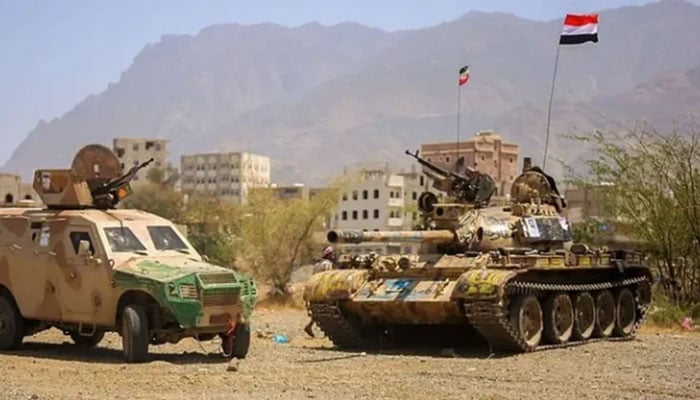
    Yemeni government forces carried out 133 operations against Houthi militia positions over the past 24 hours, according to a military spokesperson. The spokesperson said the operations targeted key Houthi military infrastructure, including weapons storage facilities and a modern command-and-control centre. Government forces also struck several military vehicles used by the militia. The attacks involved a combination of rocket launchers, artillery fire and drones, with the military saying the strikes focused on disrupting the Houthis’ weapons capabilities and command structure. The Yemeni government forces have also released video footage showing several of the attacks on Houthi positions. The footage reportedly captures military operations targeting weapons facilities, vehicles and other sites linked to the militia. The latest operations come amid continued fighting between Yemen’s internationally recognised government forces and the Iran-aligned Houthi movement, with both sides continuing to target military positions in areas affected by the conflict. The Yemeni military spokesperson said the operations formed part of ongoing efforts to weaken the Houthis’ military capabilities and prevent the group from reinforcing its positions. The strikes focused on facilities and equipment that the militia allegedly uses to support its operations on the ground. According to the military, the use of drones, artillery and rocket systems allowed government forces to target several locations simultaneously. The strikes also aimed to disrupt the movement of Houthi fighters and limit their ability to transport weapons and military equipment. The Yemeni government forces said they would continue operations against Houthi positions as part of their efforts to regain control of areas held by the militia. The latest footage was released as the conflict continues to pose a major security challenge in Yemen.

  • |

    30 children geared to have been conceived using wrong IVF donors

    At least 30 children, most of them believed to be British, may have been conceived through IVF treatment in northern Cyprus using sperm or egg donors different from those selected by their parents. The allegations have emerged from an investigation into fertility clinics in the region, raising serious concerns about the treatment of international patients and the regulation of fertility services. The parents involved say they carefully chose anonymous donors before undergoing treatment. Their decisions were based on detailed information provided by clinics, including the donors’ medical backgrounds, physical appearance, education, personalities, interests and hobbies. However, after their children were born, some parents began to question whether the donors they had selected were actually used during their IVF procedures. The latest investigation has identified at least 30 cases in which parents believe the wrong sperm or egg donors may have been used. This is a significant increase from the seven cases . Around half of the children were reportedly conceived following treatment at Dogus IVF Centre, a fertility clinic in northern Cyprus. Several individuals involved in the treatment of these patients have come under scrutiny, including doctors Firdevs Uguz Tip and Sevket Alpturk, as well as patient coordinator Julie Hodson. One mother, identified as Rachel, said she recently discovered that the sperm donor used during her treatment may not have been the donor she had chosen. She described the situation as extremely shocking and unacceptable. The parents have raised concerns that staff members at the clinic may have provided misleading information about the donors. Dr Firdevs Uguz Tip has denied any wrongdoing. The investigation has also uncovered information about the relationship between Dogus IVF Centre and Cryos International, one of the world’s largest sperm banks. Cryos placed Dogus on its blacklist in 2016, adding another concern surrounding the clinic’s practices. Northern Cyprus has become a popular destination for British and other international patients seeking fertility treatment. The region offers relatively low treatment costs, reportedly high success rates and access to a wide selection of sperm and egg donors. However, its regulatory system is significantly different from that of European Union countries. Northern Cyprus is internationally recognised only by Turkey, and EU laws do not apply there. Fertility clinics in the territory have been described as operating under relatively loose regulation, raising questions about oversight and accountability. According to previous reports on the emerging allegations in March, when seven parents came forward with concerns that they may have been misled about the donors used in their treatments. Following those reports, the Ministry of Health in northern Cyprus said it had opened an official investigation. However, the ministry has reportedly failed to provide further information. Many parents said clinics had promised them donors who had undergone health screening and were from Western European backgrounds. Their suspicions reportedly grew after their children were born. DNA testing has provided further evidence that has intensified these concerns. Eleven of the 30 children have undergone commercial DNA tests, with results indicating genetic ancestry connected to Turkey or nearby regions. According to the investigation, these results may suggest that the donors selected by the parents were not the individuals whose genetic material was ultimately used. The allegations have caused distress among affected families, many of whom travelled abroad believing they were receiving carefully selected fertility treatment. The growing number of cases is now raising serious questions about donor identification, patient information, clinic accountability and the regulation of fertility services in northern Cyprus.

  • |

    UK vows to stand by Ukraine as Russia warns of “Consequences” over British drone support

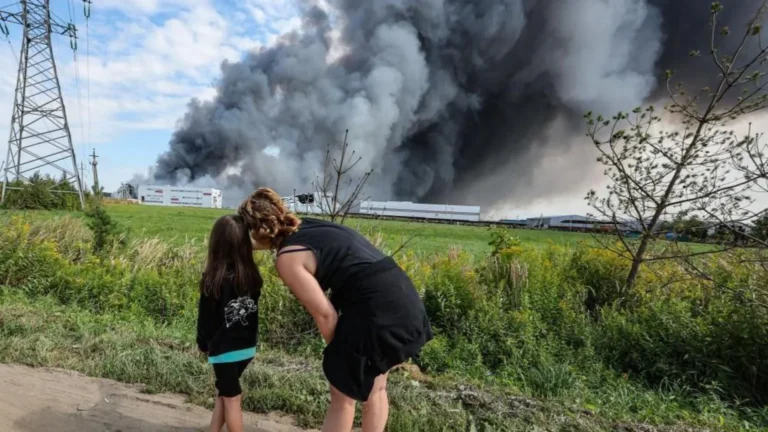
    UK Prime Minister Andy Burnham has reaffirmed Britain’s commitment to supporting Ukraine, saying the country will continue to stand firmly with Kyiv despite warnings from Moscow over Britain’s involvement in the conflict. Burnham said the UK would remain a reliable supporter of Ukraine and would continue providing assistance as the war continues. His comments came after Russia criticised Britain’s role following confirmation that British-made drones had been used in recent Ukrainian attacks inside Russian territory. “We are not fair-weather friends,” Burnham said, stressing that Britain would remain with Ukraine during what he described as its “hour of need”. He added that the UK’s position was to provide Ukraine with the support necessary to defend itself. The Russian embassy in the UK responded by accusing Britain of deliberately increasing tensions surrounding the war. It warned that the greater Britain’s involvement in the conflict became, the greater the consequences could be for the UK. The embassy said London’s actions would eventually have consequences for which Britain would have to take responsibility. However, it did not provide specific details about what form those consequences might take. The latest dispute follows an increase in Ukrainian attacks against targets deep inside Russia. Ukrainian forces have recently focused on areas including Moscow and other parts of the country, with oil refineries, logistics facilities and other strategically important sites among the reported targets. One company affected by the attacks is Wildberries, a major Russian online retailer. Its logistics infrastructure has reportedly been damaged during recent Ukrainian drone strikes. Asked about Moscow’s warning, Burnham defended the UK’s policy of assisting Ukraine. He said Britain was providing support to enable Ukraine to protect itself and argued that this had been the country’s position throughout the conflict, including under previous British prime ministers. The UK has been one of Ukraine’s strongest international supporters since Russia launched its full-scale invasion in February 2022. Britain has supplied Kyiv with military equipment, training and technology, including drone capabilities and Storm Shadow missiles. The UK’s Ministry of Defence has also reiterated its commitment to supplying Ukraine with the equipment it needs to defend itself against Russian forces and what it described as President Vladimir Putin’s illegal invasion. Russia currently occupies around one-fifth of Ukraine, but Russian troops have made limited progress along the front line in recent months. Despite the lack of major advances, however, attacks and casualties continue to occur far from the main battlefield. United Nations officials have reported a sharp increase in civilian casualties. At least 437 civilians were killed in Ukraine last month, making it the country’s deadliest month for civilians since May 2022. More people were killed in the latest Russian attacks on Tuesday. Seventeen Ukrainians reportedly died in different parts of the country. Ten people were killed in the north-eastern village of Pechenihy after two missiles struck the area. Residential buildings, a cafe and a post office were among the places damaged. Other deaths were reported in Sumy, Zaporizhzhia and Kherson, with three people killed in Sumy and two each in Zaporizhzhia and Kherson. Meanwhile, Moscow’s latest warning came after a series of Ukrainian strikes inside Russia. Five people were reportedly killed in a residential area of Russia’s Rostov region during attacks over the weekend. Ukraine has also launched hundreds of drones towards the Moscow region in recent days. Regional governor Andrey Vorobyov said on Tuesday that a 10-year-old girl was injured and a Wildberries warehouse was damaged. Alongside foreign-made equipment, Ukraine has increasingly relied on its own defence industry. Ukrainian forces have recently used domestically developed drones and missiles, including the FP-5 Flamingo cruise missile. The latest developments demonstrate the increasingly long-range nature of the conflict and the growing risks faced by countries supporting Ukraine. Despite Moscow’s warnings, Britain maintains that helping Ukraine defend itself remains a central part of its policy.

  • |

    Two more air India pilots fail initial drug tests

      Two more Air India pilots have failed preliminary drug screening following the incident involving an Air India flight from Phuket to Delhi. The airline has temporarily removed both pilots from flying duties while authorities await the results of their final tests. According to Indian media reports, Air India decided to conduct drug screening for all its pilots after the incident. More than 300 pilots have undergone testing so far, with final results generally taking between 24 and 48 hours. The captain of the Phuket-to-Delhi flight also failed two drug-related tests conducted after the aircraft landed. Subsequent testing reportedly detected cannabis in the pilot’s system. Indian media have also reported that a flight attendant complained that the captain had allegedly used cannabis before the flight. The development has raised further questions about safety procedures and pilot fitness at Air India. The airline is now reviewing the results of the wider testing campaign as it seeks to determine whether any other crew members may have violated aviation safety regulations. The Phuket-Delhi flight involved an Airbus A320neo that reportedly experienced a sudden loss of altitude during the journey. The aircraft dropped by around 300 feet before recovering, prompting concerns among passengers and crew. Officials initially described the incident as turbulence. However, detailed information from the aircraft’s systems later prompted closer scrutiny of what happened during the flight and raised questions about possible technical issues as well as the captain’s conduct. Air India has yet to receive the final laboratory results for the two newly identified pilots. Until those results arrive, the airline has kept both pilots off flight operations as a precautionary measure.