تازہ ترین

  • |

    Who will replace António Guterres at UN?

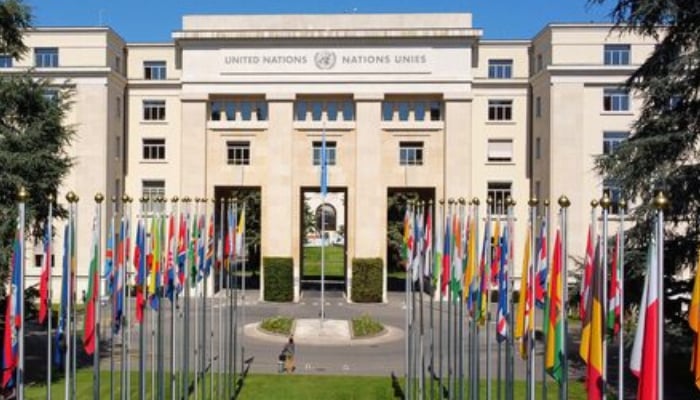
    The race to become the next United Nations secretary-general is taking shape, with seven candidates currently seeking the top diplomatic post. The 10th UN secretary-general will be selected this year for a five-year term beginning on January 1, 2027. The successful candidate will succeed current UN Secretary-General António Guterres. The candidates come from different regions and have backgrounds in diplomacy, politics, human rights, development and international affairs. Rafael Grossi Rafael Grossi, 65, is widely viewed as a leading contender. The Argentine diplomat has headed the International Atomic Energy Agency (IAEA) for the past six years. Grossi has played a prominent role in international nuclear diplomacy. He was involved in efforts to preserve parts of the 2015 Iran nuclear agreement after the United States withdrew from the deal in 2018. His diplomatic efforts have also taken him to some of the world’s most sensitive conflict zones. One of his notable achievements was securing the presence of an IAEA team at Ukraine’s Russian-occupied Zaporizhzhia nuclear power plant. His experience dealing with the five permanent members of the UN Security Council could strengthen his chances. Their support is considered crucial in the selection process. Rebeca Grynspan Rebeca Grynspan, 70, is a former vice president of Costa Rica and currently heads the UN Conference on Trade and Development. She presents herself as a reform-oriented multilateralist. Her campaign focuses on strengthening the UN while protecting its commitment to peace, development and human rights. If elected, Grynspan would make history as the first woman to serve as UN secretary-general. She has spoken about the challenges women face in senior leadership positions. She has also argued for equal treatment rather than special treatment for women. Grynspan says the UN needs to become more flexible and effective. She supports greater cooperation with governments and other international actors. Michelle Bachelet Former Chilean President Michelle Bachelet, 74, is another prominent candidate. Bachelet served as Chile’s president twice. She also held senior positions within the UN, including UN High Commissioner for Human Rights and head of UN Women. Her candidacy has received support from Brazil and Mexico. However, Chile withdrew its backing in March following a political shift in the country. Bachelet has also faced criticism from some US conservatives over her views on abortion and her record as UN human rights chief. These political objections could affect her campaign as the selection process moves forward. Macky Sall Macky Sall, 64, served as president of Senegal for 12 years before leaving office in 2024. A geologist by training, Sall has focused much of his international agenda on the challenges faced by developing countries. He has called for reforms to the UN Security Council. He supports greater representation for developing nations, including permanent seats on the powerful body. Sall was nominated by Burundi. If elected, he would become only the third African to serve as UN secretary-general, following Boutros Boutros-Ghali and Kofi Annan. Maria Fernanda Espinosa Maria Fernanda Espinosa, 61, is an experienced Ecuadorian diplomat and former government minister. She previously served as Ecuador’s foreign affairs and defence minister under former President Rafael Correa. Espinosa has also held important positions within the UN. She served as Ecuador’s ambassador to the organisation and later became president of the UN General Assembly. Her international work has included issues involving climate change, biodiversity and Indigenous peoples. She has called for a more decisive and effective UN. Her campaign emphasises stronger priorities, better implementation and greater political confidence within the organisation. Carolyn Rodrigues Birkett Carolyn Rodrigues Birkett is Guyana’s permanent representative to the UN, a position she has held since 2020. A career diplomat and former politician, she previously made history as the first woman and the highest-ranking Indigenous person to serve as Guyana’s foreign minister. She has also worked in senior positions at the UN Food and Agriculture Organization. Rodrigues Birkett is seeking to make the UN more effective, particularly in conflict prevention and climate action. If elected, she would become the first woman and the first Caribbean national to lead the United Nations. Olara Otunnu Olara Otunnu, 75, is the oldest candidate currently seeking the position. The Ugandan diplomat previously served as a UN under-secretary-general. He was nominated by Uganda for the secretary-general post. Otunnu has made institutional reform a central part of his campaign. He has also said that ending major international conflicts would be an immediate priority if he were elected. His programme includes proposals for greater UN oversight of artificial intelligence. He has also called for stronger climate action while ensuring that environmental policies do not undermine economic development. The candidates bring different priorities and regional perspectives to the race. The selection will be closely watched because the secretary-general plays a central role in international diplomacy, conflict resolution, humanitarian efforts and coordination among UN member states. The next UN chief will also inherit a number of major global challenges, including armed conflicts, geopolitical tensions, climate change, economic pressures and the growing impact of artificial intelligence.

  • | |

    Court extends remand of PAF officer’s murder sus…

    An anti-terrorism court (ATC) in Islamabad has granted police another seven days of physical remand of Saad Abbasi, who is accused of killing Pakistan Air Force (PAF) Group Captain Asim Tariq. Abbasi was produced before the court on Monday after completing his initial seven-day physical remand. ATC Judge Abul Hasnat Muhammad Zulqarnain heard the case. The prosecution requested an additional 15 days of physical remand to continue the investigation. Prosecutor Raja Naveed Hussain Kayani told the court that police had recovered the pistol allegedly used in the killing. He said the suspect had allegedly concealed the weapon after the incident. The prosecution also informed the court that investigators had yet to recover the suspect’s mobile phone. Police said the phone could provide further information relevant to the investigation. After hearing arguments from the prosecution, the court reserved its decision on the remand request. The court later approved seven more days of physical remand. Abbasi was handed back to police custody for further investigation. The court directed police to produce the suspect before it again after the completion of the additional remand period. The case relates to the death of Group Captain Asim Tariq in Islamabad on July 5. According to the investigation, the PAF officer intervened when the suspect allegedly attempted to forcibly take a woman away. The situation reportedly escalated after Tariq intervened. The suspect allegedly opened fire, and the officer was struck by a bullet. Tariq succumbed to his injuries and was later declared a martyr. Islamabad police arrested Abbasi within nine hours of the incident. Investigators are continuing to examine the circumstances surrounding the shooting. Police are also working to recover the suspect’s mobile phone and gather additional evidence.

  • | |

    Water level rises in the Chenab river, flooding se…

      The Irrigation Department has reported a significant increase in the water flow of the Chenab River, raising concerns about flooding in nearby riverine areas. According to officials, the rising water level has already affected several low-lying settlements, forcing floodwater into residential and agricultural areas and creating difficulties for local communities. The department stated that the increase in the river’s discharge has caused water to spread into nearby villages located along the banks of the Chenab River. As a result, a protective embankment known as the Zamindara Bund in Jalalpur Pirwala Tehsil has been breached. The collapse of the embankment has allowed floodwater to move more rapidly into surrounding areas, increasing the risk to people, homes, livestock, and crops. According to the Irrigation Department, at least five villages have been submerged due to the rising floodwaters. Among the affected settlements are Basti Khuda Bakhsh, Basti Allah Rakha, and Basti Bakhsha, along with two other nearby villages. Residents in these areas are facing severe challenges as water continues to enter homes, farmland, and local roads. Many families are concerned about the safety of their property and the possibility of further flooding if water levels continue to rise. Officials have also reported that water levels have increased in the surroundings of Head Muhammad Wala Road and near Qasim Bela. These areas are being closely monitored as authorities assess the situation and evaluate the potential for additional flooding. The rise in water has affected transportation routes, making travel difficult for residents and increasing the need for precautionary measures. The Irrigation Department is keeping a close watch on the river’s flow and is expected to continue monitoring the situation in coordination with local administration and disaster management authorities. Residents living in vulnerable riverine areas have been advised to remain alert and follow official instructions. If water levels continue to increase, further evacuations and emergency measures may become necessary to ensure public safety. Flooding in the Chenab River region is a recurring challenge during the monsoon season, particularly when heavy rainfall upstream leads to a sudden increase in river discharge. Breaches in protective embankments can significantly worsen the situation by allowing water to spread rapidly into populated areas. Such incidents often result in damage to homes, agricultural land, and infrastructure, while also disrupting daily life and economic activities. Local authorities are expected to assess the extent of the damage once water levels stabilize. Relief efforts may include providing temporary shelter, food, clean drinking water, and medical assistance to affected families. The government and emergency response agencies are likely to continue monitoring weather conditions and river flows to reduce further risks. The situation remains under observation, and officials have urged residents in flood-prone areas to stay informed through official updates and cooperate with emergency responders. Authorities are working to minimize the impact of the flooding and ensure the safety of communities living along the Chenab River.

  • | |

    Information Minister launches National Press Club …

    Islamabad: Federal Minister for Information and Broadcasting Attaullah Tarar on Monday inaugurated the National Press Club’s (NPC) new website and announced the establishment of a modern digital lab at the club within the next two months to enhance journalists’ digital skills. Addressing the launch ceremony, Tarar said digital transformation had become essential for media institutions and stressed the need for journalists to equip themselves with emerging technologies, including artificial intelligence (AI), digital media and modern reporting techniques. He said the government was committed to addressing journalists’ welfare issues, including job security, timely payment of salaries, housing, restoration of health cards and other welfare initiatives. He also announced efforts to partner with an academic institution to provide professional digital skills training for media professionals. The minister said the government was aware of the financial challenges facing the media industry and emphasized the need for a comprehensive policy to protect journalists’ jobs and livelihoods. He reaffirmed the government’s commitment to media freedom and pledged continued support for strengthening the country’s print and electronic media. NPC President Abdul Razzaq Sial welcomed the minister and urged the government to resolve longstanding issues faced by journalists, including housing quotas, health cards, special grants and pending dues. NPC Secretary Dr. Furqan Rao said the newly launched website would digitalize members’ records, improve transparency and enable journalists to update their professional profiles online. During the ceremony, the National Press Club awarded Tarar honorary membership and the minister distributed certificates among participants who completed a month-long digital training programme organized by the club.

  • |

    Pakistan’s health system requires lasting reform

    By Raja Ashraf A country’s healthcare system is judged not only by the number of hospitals it has but also by whether people can access timely, affordable, and quality medical care. In Pakistan, public confidence in the health sector has weakened due to persistent challenges, including shortages of healthcare professionals, rising medicine prices, under-resourced hospitals, and the continued presence of unqualified medical practitioners. These issues require comprehensive and long-term reforms rather than short-term policy responses Healthcare is a fundamental right closely linked to Article 9 of Pakistan’s Constitution, which guarantees the right to life. The Supreme Court has interpreted this provision to include access to essential healthcare services. Pakistan is also a signatory to the International Covenant on Economic, Social and Cultural Rights, which commits the country to progressively ensuring the highest attainable standard of physical and mental health for its citizens. One of the most pressing concerns is the shortage of qualified doctors in rural and underserved regions. Although medical institutions produce thousands of graduates every year, many public health facilities outside major cities continue to face vacant positions. As a result, many communities struggle to obtain even basic healthcare services and are often forced to travel long distances for treatment. The migration of doctors, nurses, and other healthcare professionals to foreign countries has further weakened the healthcare system. Better salaries, improved working conditions, career opportunities, and greater security abroad encourage many skilled professionals to leave Pakistan, creating significant gaps in public hospitals and specialized medical services. The pharmaceutical sector also faces increasing challenges. Some multinational pharmaceutical companies have reduced their presence in Pakistan, raising concerns about future medicine availability and investor confidence. While local pharmaceutical manufacturers continue to meet much of the country’s demand, policymakers must create a stable regulatory and economic environment that supports both domestic production and responsible international investment. The rising cost of medicines has become another major burden for families already affected by inflation. Patients suffering from chronic illnesses such as diabetes, hypertension, and cardiovascular diseases often require lifelong treatment, making affordability a growing concern. At the same time, the continued circulation of counterfeit and substandard medicines highlights weaknesses in regulation and quality control, despite improvements in oversight by regulatory authorities. Public hospitals also frequently experience shortages of essential medicines and emergency supplies, forcing patients to purchase drugs from private pharmacies. This increases treatment costs and can delay critical medical care during emergencies. Ensuring uninterrupted medicine supplies in government hospitals should remain a national priority. Another persistent issue is the presence of unqualified medical practitioners, commonly known as quacks, particularly in areas where licensed healthcare providers are scarce. Tackling this problem requires stronger enforcement of existing laws alongside improved access to qualified medical professionals. Pakistan’s healthcare challenges extend beyond these issues to include inadequate public health funding, ageing hospital infrastructure, weak primary healthcare services, limited mental health facilities, and uneven implementation of health policies across provinces. Addressing these problems requires a comprehensive national strategy focused on increasing healthcare investment, improving working conditions for medical professionals, strengthening medicine regulation, modernizing pharmaceutical oversight, expanding preventive care, and reinforcing primary healthcare services. Investing in healthcare is not merely a public expense—it is an investment in human capital, economic growth, and national development. Pakistan possesses skilled healthcare professionals, reputable medical institutions, and a capable pharmaceutical industry. With sound policymaking, stronger governance, and sustained investment, these strengths can be transformed into a healthcare system that guarantees every citizen safe, affordable, and quality healthcare. The need for reform is no longer in question; the real challenge is ensuring that action is not delayed any further.

  • | |

    Homenet Pakistan urges protection of democratic ma…

      Lahore, July 2026: HomeNet Pakistan, in partnership with AwazCDS/PDA, organized a high-level policy dialogue with Members of the Provincial Assembly (MPAs), including members of the Standing Committee on Local Government, to discuss legislative reforms aimed at promoting a stronger, more inclusive, and constitutionally compliant local government system in Punjab. The dialogue brought together parliamentarians, civil society representatives, and governance experts to exchange views on the future of local governance and explore ways to strengthen democratic institutions at the grassroots level. The session focused on ensuring political continuity, enhancing public participation, and improving the effectiveness of elected local governments.   Opening the event, Mr. Zia ur Rehman, Chief Executive of AwazCDS-Pakistan, highlighted the constitutional importance of Article 140A, which requires the devolution of political, administrative, and financial authority to elected local governments. He stressed that an effective local government system is essential for democratic governance and improved public service delivery. He urged the Punjab Assembly to introduce legal and institutional reforms that would safeguard democratic continuity, ensure the timely conduct of local government elections, and strengthen the autonomy of elected local bodies.   During the session, Ms. Ume Laila Azhar, Executive Director of HomeNet Pakistan, presented a set of policy recommendations designed to reinforce democratic governance at the local level. She emphasized the need for a stable and party-based electoral framework for local governments, noting that frequent legislative changes have weakened institutional continuity. She referred to the replacement of the Punjab Local Government Act 2022 with the Punjab Local Government Act 2025 as an example of policy shifts that have contributed to delays in restoring elected local governments across the province. She called for legal safeguards to prevent repeated delimitations and unnecessary postponements of local government elections. HomeNet Pakistan also recommended a transparent and representative mechanism for filling reserved seats allocated to women, youth, minorities, workers, persons with disabilities, and other marginalized groups. According to the organization, such measures would promote broader democratic participation and ensure that local governments better reflect the diversity of society.   In addition, the organization emphasized the importance of returning key municipal responsibilities—including water supply, sanitation, solid waste management, and local infrastructure development—to elected local governments. It proposed that provincial and district administrations should primarily provide technical guidance and institutional support rather than directly managing these essential services. The dialogue was attended by Ms. Sumbal Malik Hussain, Ms. Fizzah Maimona Rao, Ms. Somia Atta, Ms. Rukhsana Kausar, Ms. Farzana Abbas, Ms. Nasreen Riaz, and Ms. Attia Hanif, alongside representatives from civil society organizations and governance experts. Responding to the recommendations, the participating MPAs appreciated the constructive engagement and acknowledged the importance of strengthening democratic local governance. They reaffirmed the Punjab Government’s commitment to transparency, institutional reforms, and democratic accountability, expressing confidence that these principles would continue to guide the ongoing local government reform process. The parliamentarians informed participants that the delimitation process had made substantial progress, with geographical boundaries largely finalized. They stated that the remaining objections were expected to be addressed by the end of July 2026. Following the completion of the statutory process, they expressed optimism that the election schedule would be announced, paving the way for timely local government elections. The MPAs also committed to sharing the recommendations emerging from the dialogue with the Honorable Speaker of the Punjab Assembly and pledged to advocate for legislative reforms that promote constitutional compliance, political continuity, and an empowered local government system capable of responding effectively to citizens’ needs. Concluding the event, HomeNet Pakistan reaffirmed its commitment to working closely with parliamentarians, government institutions, and civil society partners to advance democratic governance, strengthen inclusive representation, and support the timely restoration of empowered elected local governments across Punjab.

  • | |

    Governor signals PPP’s shift to opposition polit…

    Governor of Punjab Sardar Saleem Haider Khan has said that those who had been supporting the Pakistan Muslim League-Nawaz (PML-N) government in implementing its policies and defending its decisions had reached the limits of their endurance. Speaking to a delegation of the Pakistan English Media Association (PEMA) at the Governor’s House on Monday, he said the Pakistan Peoples Party (PPP) had now assumed the role of an opposition party and would continue to function as a genuine opposition until the next general elections, scheduled for 2029. PEMA Chairman Zulqernain Tahir and President Rameez Khan led the delegation, which also included Secretary General Ali Raza and members Mubashir Bokhari, Babar Dogar, Shahar Bano, Mubashar Hassan, Faisal Ali Ghumman and Samiullah Randhwa. He made it clear that the PPP would not return to the present coalition arrangement following the Azad Jammu and Kashmir (AJK) elections and would instead play the role of an effective opposition, particularly in Punjab. Mr Khan said the PPP had never favoured coalition governments as a means of running the country, even during the previous parliamentary term. Although the party was widely regarded as an ally of the PML-N-led government, he said it was, in practice, steadily moving into opposition. He maintained that those backing the present government appeared increasingly powerless in the face of poor governance and allegations of corruption. Responding to a question, the PPP leader said internal differences within the party had been resolved to enable it to function as a more effective opposition. Mr Khan also dismissed speculation over a power-sharing arrangement at the federal level, saying there was no written agreement under which Prime Minister Shehbaz Sharif would serve for two and a half years before handing over office to Bilawal Bhutto Zardari for the remainder of the term. He said there could be no disagreement that the people of Pakistan were grappling with rising unemployment and persistent inflation. The PPP, he added, would continue to raise these issues publicly to mobilise support while also exerting political pressure on the PML-N government to improve its performance and deliver meaningful relief to the public.

  • | | |

    AJK election results: PML-N leads in eight seats, …

    Unofficial and preliminary results from the first phase of the Azad Jammu and Kashmir (AJK) Legislative Assembly elections show the Pakistan Muslim League-Nawaz (PML-N) leading in eight of the 13 constituencies. Pakistan Peoples Party (PPP) candidates are ahead in the remaining five constituencies, according to the results received so far. The first phase covered 13 constituencies across Mirpur, Kotli and Bhimber districts. Vote counting is continuing, and the results remain unofficial. LA-1 Mirpur-I Results from 17 of 139 polling stations have been received. PML-N candidate Azhar Sadiq is leading with 1,692 votes. PPP candidate Muhammad Afsar Shahid is second with 1,482 votes. LA-2 Mirpur-II Results from 40 of 149 polling stations are available. PPP candidate Qasim Majeed is leading with 3,455 votes. PML-N candidate Azeem Bakhsh Chaudhry has secured 2,915 votes. LA-3 Mirpur-III Results from 31 of 161 polling stations have been received. PML-N candidate Chaudhry Muhammad Saeed is ahead with 2,986 votes. PPP candidate Chaudhry Yasir Sultan is in second place with 2,648 votes. LA-4 Mirpur-IV Only four of 162 polling stations have reported results. PML-N candidate Chaudhry Rukhsar Ahmed is leading with 594 votes. PPP candidate Chaudhry Sohaib Arshad has received 345 votes. LA-5 Bhimber-I Results from 104 of 176 polling stations have been received. PML-N candidate Waqar Ahmed Noor is leading with 19,592 votes. PPP candidate Chaudhry Parvez Ashraf is second with 16,335 votes. LA-6 Bhimber-II Results from 24 of 195 polling stations have been reported. PML-N candidate Chaudhry Muhammad Razzaq is leading with 3,814 votes. Istehkam-e-Pakistan Party candidate Ali Shan Chaudhry has secured 3,351 votes. LA-7 Bhimber-III Results from 34 of 237 polling stations are available. PML-N candidate Chaudhry Tariq Farooq is leading with 6,346 votes. Independent candidate Chaudhry Anwar-ul-Haq is second with 3,552 votes. LA-8 Kotli-I Results from 10 of 155 polling stations have been received. PPP candidate Zafar Iqbal Malik is ahead with 1,221 votes. PML-N candidate Malik Muhammad Nawaz Khan is close behind with 1,174 votes. LA-9 Kotli-II Results from 105 of 178 polling stations are available. PML-N candidate Umair Naeem is leading with 21,682 votes. PPP candidate Javed Iqbal Budhanvi has received 13,484 votes. LA-10 Kotli-III Results from 36 of 169 polling stations have been received. PPP candidate Chaudhry Muhammad Yasin is leading with 6,999 votes. PML-N candidate Fateh Mahmood-ul-Hassan is second with 3,560 votes. LA-11 Kotli-IV Results from 73 of 206 polling stations are available. PPP candidate Chaudhry Muhammad Akhlaq is leading with 10,659 votes. PML-N candidate Muhammad Asif has secured 9,264 votes. LA-12 Kotli-V Results from 40 of 207 polling stations have been received. PPP candidate Chaudhry Muhammad Yasin is ahead with 2,613 votes. PML-N candidate Muhammad Riasat Khan has received 1,255 votes. LA-13 Kotli-VI Results from 110 of 193 polling stations are available. PML-N candidate Raja Ayaz Ahmed Khan is leading with 13,063 votes. Istehkam-e-Pakistan Party candidate Nisar Ansar Abdali is second with 8,995 votes. Disturbances reported in Bhimber PPP AJK Election Cell in-charge Sardar Abdul Shakoor claimed that disturbances occurred at polling stations 119, 120 and 121 in LA-5 Barnala. He said the incident affected polling in the area. According to Shakoor, voting resumed after security forces arrived, but the process remained slow. Raja Pervez Ashraf seeks action on complaints PPP leader Raja Pervez Ashraf expressed concern over alleged electoral irregularities in several constituencies. He called for additional security personnel at sensitive polling stations, including those in Gulpur, Thurochi and Muhajir Camp. Ashraf urged the Election Commission to take immediate and impartial notice of all complaints. He also called for measures to ensure free, transparent and fair elections.

  • | |

    KP CM denies forming Imran release force

    Khyber Pakhtunkhwa Chief Minister Sohail Afridi has told the Federal Constitutional Court that no “PTI founder release force” was ever established, describing the initiative instead as a peaceful movement for the release of Pakistan Tehreek-e-Insaf founder Imran Khan. Afridi submitted an eight-page response in the case through the Khyber Pakhtunkhwa advocate general. The response was filed after the Federal Constitutional Court sought his position on a petition challenging the alleged formation of the so-called release force. In his response, the chief minister said the actual initiative was the Release Peace Movement, which he described as peaceful, unarmed and voluntary. He maintained that the movement had no armed structure or military component. Afridi further argued that the constitutional petition was politically motivated and based on misrepresentation of facts. He said the petition was premature, hypothetical and therefore not maintainable. According to the chief minister, the petitioner had also failed to establish any violation of fundamental rights. Afridi said the Release Peace Movement was protected under Articles 16, 17 and 19 of the Constitution. These provisions relate to freedom of assembly, freedom of association and freedom of speech and expression. He also argued that Article 256 of the Constitution, which concerns private military organisations, had no relevance to the movement. The KP chief minister maintained that the Private Military Organisations Act, 1973 was also not applicable to the Release Peace Movement. He rejected allegations that the initiative posed a threat to public order. He described such claims as baseless and said comparisons between the movement and armed organisations of the past were misleading. Afridi asked the court to dismiss the constitutional petition at the preliminary stage. He also requested the court to declare the Release Peace Movement constitutional and lawful. The case comes amid political controversy over claims that the KP government or PTI supporters were preparing an organisation to campaign for Imran Khan’s release. Federal Defence Minister Khawaja Asif had previously criticised the KP government over the issue, alleging that it could establish a release force for the PTI founder while remaining silent against militants. The Federal Constitutional Court has scheduled the next hearing of the petition for July 29.

  • | |

    Committee formed to investigate HIV Cases at Landh…

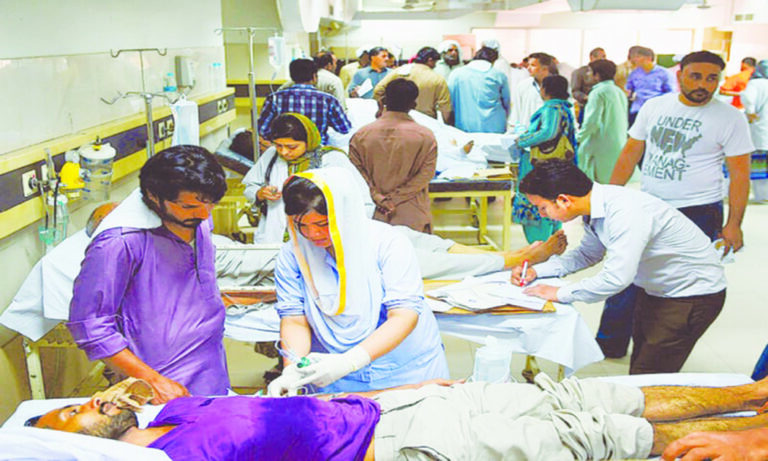
      The authorities have established an inquiry committee to investigate the recent HIV cases reported at the Social Security Hospital in Landhi, Karachi. The decision comes after concerns were raised following the confirmation of 10 HIV cases at the hospital, prompting officials to initiate a detailed investigation into the matter. According to an official notification, a five-member inquiry committee has been constituted under the leadership of Chief Medical Officer Dr. Naila Zaheer. The committee has been assigned the responsibility of conducting a comprehensive investigation into the reported HIV cases and identifying any possible shortcomings in hospital practices that may have contributed to the situation. As part of its mandate, the committee will verify the total number of HIV cases reported at the hospital. It will also confirm the identities of the affected patients and examine laboratory reports to ensure the accuracy of the diagnoses. This verification process is considered essential to establish the exact scope of the issue before any conclusions are drawn. The inquiry will also focus on identifying the possible sources of HIV transmission. Investigators will carefully review medical procedures carried out at the hospital, particularly the use of injections and disposable syringes. The committee will examine whether proper infection prevention and control protocols were followed and whether single-use syringes and other disposable medical equipment were used appropriately. Any evidence of negligence or unsafe medical practices will be documented as part of the investigation. In addition, the committee has been directed to investigate the procurement, availability, and utilization of medicines and disposable medical supplies within the hospital. This includes reviewing purchasing procedures, stock management, and the distribution of medical equipment to determine whether any irregularities or shortages may have affected patient safety. The notification further states that the committee will compile complete records of the affected children and their parents. This data collection aims to provide a clearer understanding of the circumstances surrounding each reported case and assist in determining whether there are any common factors linking the infections. The information gathered will also help health authorities provide appropriate medical care and follow-up support to the affected families. Another important responsibility assigned to the committee is identifying any individuals or departments found responsible for lapses in hospital procedures, if such lapses are confirmed during the inquiry. The final report will include recommendations aimed at improving hospital management, strengthening infection control measures, enhancing patient safety, and preventing similar incidents in the future. The formation of the inquiry committee reflects the authorities’ effort to thoroughly investigate the reported HIV cases and ensure transparency in the process. Health officials are expected to review the committee’s findings once the investigation is completed and take tappropriate action based on its recommendations. It is worth noting that 10 HIV cases have been reported at the Social Security Hospital in Landhi, leading to growing public concern and the launch of this formal investigation. The outcome of the inquiry will play an important role in determining the cause of the reported infections and in reinforcing public confidence in healthcare services by ensuring accountability and improved safety standards.