will replace antnio
|

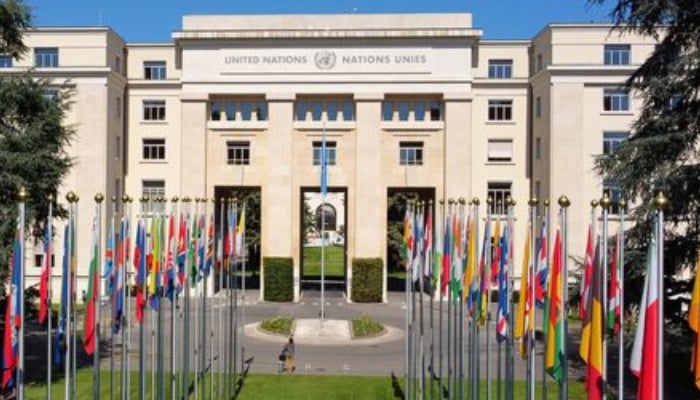
Who will replace António Guterres at UN?

The race to become the next United Nations secretary-general is taking shape, with seven candidates currently seeking the top diplomatic post.

The 10th UN secretary-general will be selected this year for a five-year term beginning on January 1, 2027. The successful candidate will succeed current UN Secretary-General António Guterres.

The candidates come from different regions and have backgrounds in diplomacy, politics, human rights, development and international affairs.

Rafael Grossi

Rafael Grossi, 65, is widely viewed as a leading contender. The Argentine diplomat has headed the International Atomic Energy Agency (IAEA) for the past six years.

Grossi has played a prominent role in international nuclear diplomacy. He was involved in efforts to preserve parts of the 2015 Iran nuclear agreement after the United States withdrew from the deal in 2018.

His diplomatic efforts have also taken him to some of the world’s most sensitive conflict zones.

One of his notable achievements was securing the presence of an IAEA team at Ukraine’s Russian-occupied Zaporizhzhia nuclear power plant.

His experience dealing with the five permanent members of the UN Security Council could strengthen his chances. Their support is considered crucial in the selection process.

Rebeca Grynspan

Rebeca Grynspan, 70, is a former vice president of Costa Rica and currently heads the UN Conference on Trade and Development.

She presents herself as a reform-oriented multilateralist. Her campaign focuses on strengthening the UN while protecting its commitment to peace, development and human rights.

If elected, Grynspan would make history as the first woman to serve as UN secretary-general.

She has spoken about the challenges women face in senior leadership positions. She has also argued for equal treatment rather than special treatment for women.

Grynspan says the UN needs to become more flexible and effective. She supports greater cooperation with governments and other international actors.

Michelle Bachelet

Former Chilean President Michelle Bachelet, 74, is another prominent candidate.

Bachelet served as Chile’s president twice. She also held senior positions within the UN, including UN High Commissioner for Human Rights and head of UN Women.

Her candidacy has received support from Brazil and Mexico. However, Chile withdrew its backing in March following a political shift in the country.

Bachelet has also faced criticism from some US conservatives over her views on abortion and her record as UN human rights chief.

These political objections could affect her campaign as the selection process moves forward.

Macky Sall

Macky Sall, 64, served as president of Senegal for 12 years before leaving office in 2024.

A geologist by training, Sall has focused much of his international agenda on the challenges faced by developing countries.

He has called for reforms to the UN Security Council. He supports greater representation for developing nations, including permanent seats on the powerful body.

Sall was nominated by Burundi.

If elected, he would become only the third African to serve as UN secretary-general, following Boutros Boutros-Ghali and Kofi Annan.

Maria Fernanda Espinosa

Maria Fernanda Espinosa, 61, is an experienced Ecuadorian diplomat and former government minister.

She previously served as Ecuador’s foreign affairs and defence minister under former President Rafael Correa.

Espinosa has also held important positions within the UN. She served as Ecuador’s ambassador to the organisation and later became president of the UN General Assembly.

Her international work has included issues involving climate change, biodiversity and Indigenous peoples.

She has called for a more decisive and effective UN. Her campaign emphasises stronger priorities, better implementation and greater political confidence within the organisation.

Carolyn Rodrigues Birkett

Carolyn Rodrigues Birkett is Guyana’s permanent representative to the UN, a position she has held since 2020.

A career diplomat and former politician, she previously made history as the first woman and the highest-ranking Indigenous person to serve as Guyana’s foreign minister.

She has also worked in senior positions at the UN Food and Agriculture Organization.

Rodrigues Birkett is seeking to make the UN more effective, particularly in conflict prevention and climate action.

If elected, she would become the first woman and the first Caribbean national to lead the United Nations.

Olara Otunnu

Olara Otunnu, 75, is the oldest candidate currently seeking the position.

The Ugandan diplomat previously served as a UN under-secretary-general. He was nominated by Uganda for the secretary-general post.

Otunnu has made institutional reform a central part of his campaign.

He has also said that ending major international conflicts would be an immediate priority if he were elected.

His programme includes proposals for greater UN oversight of artificial intelligence.

He has also called for stronger climate action while ensuring that environmental policies do not undermine economic development.

The candidates bring different priorities and regional perspectives to the race.

The selection will be closely watched because the secretary-general plays a central role in international diplomacy, conflict resolution, humanitarian efforts and coordination among UN member states.

The next UN chief will also inherit a number of major global challenges, including armed conflicts, geopolitical tensions, climate change, economic pressures and the growing impact of artificial intelligence.

Similar Posts

  • | | |

    Chehlum processions held nationwide under tight se…

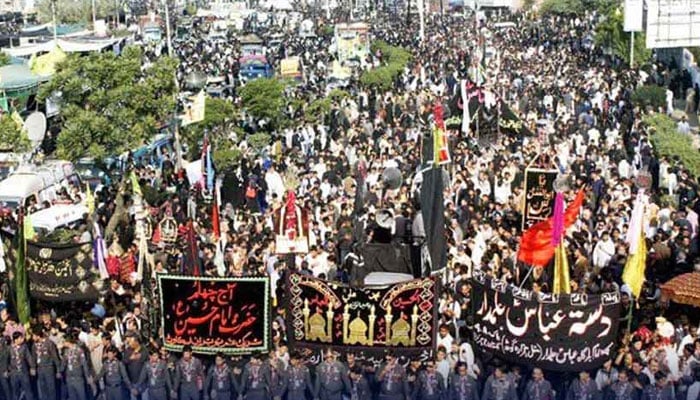
    Thousands of mourners across Pakistan observed the Chehlum of Hazrat Imam Hussain (RA) and the martyrs of Karbala on Tuesday, with religious processions and gatherings taking place under extensive security arrangements in major cities. Authorities deployed thousands of police personnel, installed surveillance systems and implemented strict traffic and security measures to ensure the peaceful observance of the occasion. In Karachi, the central Chehlum procession began from Nishtar Park after a religious gathering. The procession is following its traditional route under a comprehensive security plan. More than 5,000 police officers and personnel have been deployed along the route, while roads leading to the procession have been sealed with containers. Senior police officials visited the route to review security arrangements and monitor the deployment. The city administration urged residents to cooperate with law enforcement agencies, follow traffic advisories and use alternate routes to avoid inconvenience. In Lahore, the main Chehlum procession started from Haveli Alif Shah inside Delhi Gate and is proceeding along its traditional route before concluding at Karbala Gamay Shah. More than 10,000 police personnel have been assigned to provide security. Roads and streets connected to the procession route have been secured with barriers and barbed wire, while surveillance is being carried out through CCTV cameras, drones and sniper deployment on high-rise buildings. Officials said 43 Smart Safe City centres across Punjab are monitoring processions in real time. In Lahore alone, more than 800 surveillance cameras are being used to monitor processions, religious gatherings and other sensitive locations. Additional portable smart cameras have also been installed to strengthen security. In Rawalpindi, the central Chehlum procession commenced from Imambargah Ashiq Hussain under heightened security, with police and other law enforcement agencies deployed throughout the route. In Quetta, two major processions were taken out from Alamdar Road and Hazara Town to commemorate the martyrs of Karbala. More than 1,700 police personnel, supported by the Frontier Corps (FC), have been deployed to maintain law and order. Authorities sealed procession routes and intensified security checks at entry and exit points. CCTV cameras are monitoring the routes, while a Quick Response Force has been stationed at multiple locations to respond to any emergency. As part of the security measures, mobile phone and internet services have been temporarily suspended in several areas of Quetta. Across the country, law enforcement agencies remain on high alert to ensure the peaceful conclusion of Chehlum processions. Authorities have appealed to the public to cooperate with security personnel and follow official instructions to help maintain peace and public safety during the religious observance.

  • | | |

    Govt raises fuel prices as petrol pump strike thre…

    The federal government has increased the prices of petrol and high-speed diesel, while petrol pump owners have announced a nationwide strike after failing to reach an agreement with the government over the newly introduced daily fuel pricing system. Under the latest notification, the price of high-speed diesel (HSD) has increased by Rs7.15 per litre, rising from Rs360.06 to Rs367.21. The price of petrol has also been increased by Rs4.93 per litre, taking it from Rs315.80 to Rs320.73. The revised prices came into effect on July 22. The increase follows the government’s decision to replace the previous fortnightly fuel price adjustment system with a daily pricing mechanism. Under the new policy, petroleum prices can now change every day depending on international oil prices and fluctuations in the exchange rate. The new pricing mechanism has been strongly opposed by petrol pump owners and fuel dealers. They argue that daily price revisions are difficult to implement and create financial uncertainty for retailers across the country. After negotiations with government officials failed, the All Pakistan Petrol Pumps Owners Association (APPPOA) announced an indefinite nationwide strike beginning at midnight on Wednesday. The association said petrol pumps across Pakistan would remain closed until the government accepts its demands. Association leaders said discussions with the Petroleum Ministry failed to resolve major issues, including dealer profit margins and the implementation of daily fuel pricing. They insisted that the current system is not practical for petrol station operators and would create serious operational challenges. The Petroleum Retailers Association has also expressed support for the strike, raising concerns about possible disruptions in fuel supplies if the dispute continues. Meanwhile, the All Pakistan Petroleum Dealers Association (PPDA) is expected to decide whether it will formally join the protest. The association has called a meeting of its executive committee to discuss the situation and determine its future course of action. PPDA officials said they had already shared their concerns with the Oil and Gas Regulatory Authority (OGRA). According to the association, the regulator requested additional time to present the dealers’ concerns to the government before any final decision is made. Fuel dealers believe daily price changes make it difficult to manage inventories, update fuel prices, and maintain smooth business operations. They argue that the previous fortnightly pricing system provided greater stability and reduced uncertainty for both retailers and consumers. The government, however, maintains that the daily pricing mechanism will ensure that domestic fuel prices more closely reflect changes in global oil markets. Officials believe the new system will improve transparency and allow quicker adjustments to international price movements.

  • |

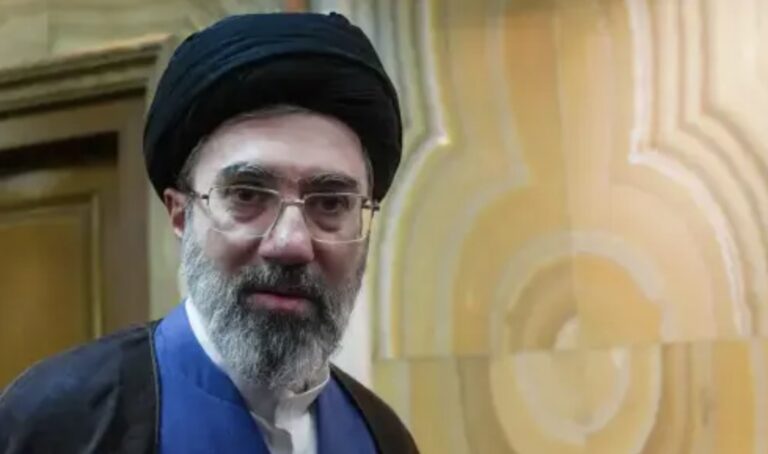
    Iran’s Supreme leader sets ‘Primary Conditions’ for ending war with US

    Iran’s Supreme Leader Ayatollah Seyyed Mojtaba Khamenei has declared that the “preservation of Lebanon’s territorial integrity and the absolute, unconditional termination of the Zionist regime’s aggression are the primary conditions for any agreement to end the imposed war against the aggressive US” . In a letter to Hezbollah’s Secretary-General Sheikh Naim Qassem, the Iranian leader described Hezbollah as standing “like an unyielding rock as the forerunner of groups engaged in jihad against the savage aggression of the Zionist regime and its supporters” . He also affirmed that the Islamic Republic considers the defense of Hezbollah fighters to be its “strategic mandate” . The remarks came as part of a wider diplomatic backdrop, with a trilateral framework agreement signed by the US, Israel, and Lebanon on June 26 establishing a process for the Lebanese Armed Forces to disarm Hezbollah and dismantle its infrastructure in exchange for a gradual Israeli withdrawal from Lebanese territory . The Khamenei statement follows the June 15 finalization of an Iran-US memorandum of understanding, which brought a permanent halt to military operations on all fronts, including Lebanon, and ended the US naval blockade against Iran . The new trilateral framework agreement has been described by US Secretary of State Marco Rubio as a “first step” on a difficult journey, with a “trust, but verify” mechanism requiring Lebanon to demonstrate that it can effectively rein in Hezbollah . However, the agreement has faced opposition from within Lebanon. Hezbollah lawmaker Hassan Fadlallah warned that Lebanese authorities would not be able to enforce the disarmament commitments without triggering conflict, stating that Hezbollah would “hold on to its weapons even more” . Netanyahu has previously claimed that Israeli forces have pushed Hezbollah back 5 to 8 miles from the border and destroyed approximately 94 percent of its missile arsenal . Nevertheless, with Hezbollah and its Iranian backers setting firm conditions and opposing the framework’s core terms, the path to a final resolution remains fraught with challenges.

  • | |

    Lebanese troops move into first pilot zone as Isra…

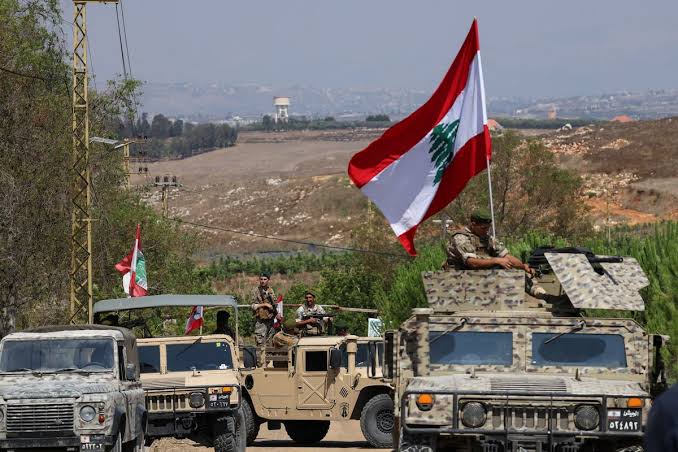
    Lebanon’s army began deploying troops into a designated pilot zone in the country’s south on Tuesday, following an Israeli withdrawal from part of the area under a framework agreement reached last month with US backing. The army command said engineering units entered the village of Zawtar al Gharbiyeh in Nabatieh district on Tuesday morning. Later, the command reported that Israeli forces had opened fire near the troops. Israel’s military said its soldiers fired warning shots after Lebanese troops crossed into what Israel considers a security zone. The pilot zone arrangement envisions Israeli forces withdrawing from a limited portion of territory occupied during the conflict with Hezbollah, alongside the disarmament of the Iran backed Lebanese group. Tuesday’s deployment began ahead of a scheduled meeting in Washington between President Donald Trump and Lebanese President Joseph Aoun. Aoun was expected to press Trump to push Israel toward withdrawing from the remainder of southern Lebanon and to back the Lebanese army as it works to establish full control over areas currently under Hezbollah’s influence. Speaking to reporters in the Oval Office, Aoun said he told Trump he needed two things from him, political support and backing for the Lebanese Armed Forces. Trump, speaking alongside Aoun, pledged that the United States would help a country he said had been hit hard for decades, adding that Lebanon has been badly treated and deserves proper treatment and respect going forward. The US State Department announced Monday afternoon that pilot zone operations had begun in Zawtar al Gharbiyeh along with two other villages, Froun and Srifa, consistent with the trilateral framework agreed by Israel, Lebanon and the United States at the end of June. The department described the development as a milestone stemming directly from talks held last week between Israeli and Lebanese representatives in Rome. Later Monday, an Israeli military official confirmed that Israeli forces would adjust their posture in one of the pilot areas to allow the Lebanese army to carry out its mission, while also protecting Israeli soldiers and preserving the military’s right to self defense and to eliminate threats. The official said the goal of the pilot programme and the broader agreement remains the disarmament of Hezbollah and the removal of its illegal weapons, adding that Israeli forces would stay in the security zone, a strip of occupied Lebanese territory roughly ten kilometers deep along the border, for as long as necessary to protect communities in northern Israel. On Tuesday, Lebanon’s army command said its units began deploying to Zawtar al Gharbiyeh based on ongoing coordination with the Military Coordination Group for Lebanon, the trilateral body established to support implementation of the framework. The command urged Lebanese citizens to avoid traveling to the village until the security situation stabilizes and to follow instructions from deployed military units for their own safety. Later Tuesday, the army command said Israeli forces opened fire near these units and warned that the incident hinders progress on deployment across the pilot zones. Israel’s military said its soldiers fired warning shots into the air after Lebanese troops and an engineering vehicle crossed roughly 150 meters into the security zone and breached barriers in the neighboring area of Zawtar al Sharqiyeh. The military said Lebanese troops then withdrew from the area and that no injuries occurred. The Lebanese army said its troops were already carrying out missions in the nearby villages of Froun and Srifa following Monday’s announcement from Washington. An Israeli source told a regional newspaper that no Israeli troops remained stationed in those villages. Separately on Tuesday, Lebanon’s state news agency reported that Israeli forces caused two large explosions near the villages of Beit Yahoun and Kounine in Bint Jbeil district, along with blasts from Israeli controlled demolitions in the town of Majdal Zoun in Tyre district. In areas still under Israeli occupation, numerous villages have suffered extensive destruction from strikes and demolitions. Israel’s military says it has been dismantling Hezbollah infrastructure, though human rights organizations have said some of the destruction amounts to deliberate targeting of civilian infrastructure, potentially constituting a war crime. Hezbollah has rejected the trilateral agreement between Lebanon’s government, Israel and the United States, saying provisions linking Israeli withdrawal to its own disarmament cross what it called all red lines. Israel has said it will not fully withdraw from Lebanon until Hezbollah disarms completely. Trump said the United States has concrete plans to help Lebanon build the capacity needed to disarm Hezbollah, though he offered no specific details. He also said the Lebanese army is becoming increasingly self sufficient, and added that he would speak directly with Hezbollah representatives if Aoun requested it. Lebanon became entangled in the broader war between Israel, the United States and Iran on March 2, when Hezbollah launched rockets into Israel in retaliation for a strike that killed Iran’s supreme leader. Israel responded with a bombing campaign across Lebanon and an invasion of a significant portion of the country’s south. More than 4,300 people have died in Lebanon since then, including nearly 800 children, women and medics, according to Lebanon’s health ministry. Israeli authorities say 37 Israeli soldiers and four civilians have been killed on both sides of the border during the conflict. The pilot zone deployment marks the first tangible step toward implementing the trilateral framework since its signing, though continued friction between Lebanese and Israeli forces on the ground, along with Hezbollah’s outright rejection of the agreement’s terms, points to a difficult path ahead for a plan meant to end one of the region’s longest running conflicts.

  • | |

    90,000 rubber ducks race through Chicago river in …

    CHICAGO: The Chicago River turned bright yellow on Thursday as around 90,000 rubber ducks were released into the water for the annual Chicago Ducky Derby, a colorful charity event that draws thousands of spectators and raises funds for Special Olympics Illinois. The unusual race began when the huge collection of rubber ducks was dropped into the river from one side of a partially opened bridge. Within moments, the water was covered with thousands of small yellow ducks, creating a striking spectacle for people gathered along both sides of the river. The ducks remained in the water for roughly 15 minutes as they floated and moved with the river’s current. Organizers then retrieved the ducks from the water to determine the winning entries and ensure that the river was cleared of the race participants. Thousands of people attended the event, turning the annual derby into a lively festival. Spectators gathered along the riverbanks to watch the race, take photographs and support the charitable cause. Many participants and visitors also wore colorful T-shirts featuring rubber duck designs. The Ducky Derby is organized to support Special Olympics Illinois, helping raise thousands of dollars for programs and activities for athletes with intellectual disabilities. One of the highlights of this year’s event came when 13-year-old Special Olympics athlete and Ducky Derby ambassador Becky Cavanaugh selected the winning duck. Her announcement was met with cheers from enthusiastic crowds gathered along the river. Cavanaugh said one of the things she values most about being involved with the Special Olympics is the opportunity to meet and build friendships with other people. The Chicago Ducky Derby has become a popular annual tradition, combining entertainment, community participation and fundraising. The event gives spectators a memorable experience while contributing to programs designed to support Special Olympics athletes across Illinois.

  • | | |

    Justice for Kashmir begins with implementing UN re…

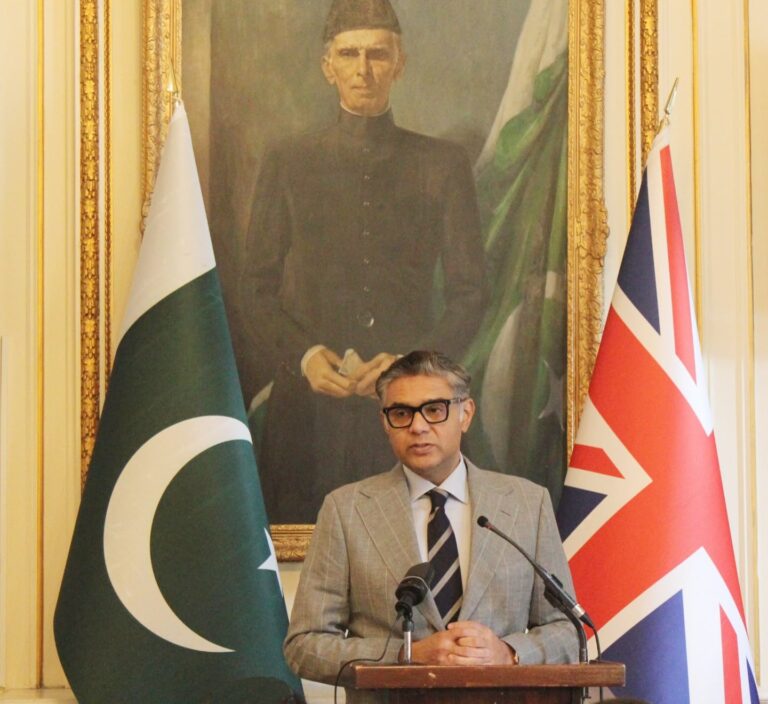
    Pakistan’s High Commissioner to the UK, Tipu Usman, has urged the international community to play a more proactive role in resolving the Kashmir dispute, declaring that “justice for Kashmir begins with implementing United Nations Security Council resolutions” and reaffirming that Pakistan’s support for the people of Jammu and Kashmir “remains unwavering and unconditional.” He was addressing a seminar organised by the Pakistan High Commission in London to observe Youm-e-Istehsal Kashmir, marking the anniversary of India’s August 5, 2019 decision to revoke the special status of Indian Illegally Occupied Jammu and Kashmir (IIOJK). The event brought together British parliamentarians, diplomats, community leaders and members of the British Pakistani and Kashmiri diaspora, who condemned India’s revocation of Article 370 and reiterated support for the Kashmiri people’s right to self-determination. In his keynote address, Tipu Usman called upon the international community, particularly the United Kingdom, to stand on the side of justice by urging India to reverse the unilateral measures introduced on August 5, 2019, restore the rights and special status of Jammu and Kashmir, and honour the relevant United Nations Security Council resolutions. “Pakistan’s support for the people of Jammu and Kashmir remains unwavering and unconditional,” he said, adding that a peaceful and lasting settlement of the dispute must be achieved in accordance with the wishes of the Kashmiri people as reflected in the UN resolutions. The seminar was attended by Lord Qurban Hussain, Baroness Nosheena Mobarik, Afzal Khan MP and Adnan Hussain MP, alongside prominent community figures including Councillor Yasmine Dar, UK-Pakistan Kashmiri Councillors Forum Chairman Liaqat Ali MBE, Jammu Kashmir Self Determination Movement International Chairman Raja Najabat Hussain and former Deputy Mayor of Peterborough Mohammad Nadeem. Speakers strongly criticised India’s constitutional changes of August 2019, describing them as illegal and unconstitutional. They expressed concern over the human rights situation in IIOJK and called for an immediate end to alleged rights violations. Participants stressed that the Kashmir dispute remains an internationally recognised issue that should be resolved through dialogue and in line with UN Security Council resolutions. The seminar also proposed a strategic roadmap to enhance engagement with policymakers, parliamentarians and international stakeholders to build support for a just and lasting resolution of the Kashmir dispute. Messages from the President of Pakistan, the Prime Minister and the Deputy Prime Minister and Foreign Minister were read out during the event, reiterating Pakistan’s continued diplomatic, political and moral support for the people of Jammu and Kashmir. The ceremony concluded with participants observing a minute’s silence in memory of those who lost their lives in the Kashmir conflict.

Leave a Reply

Your email address will not be published. Required fields are marked *