تازہ ترین

  • | |

    PM Shehbaz calls for faster rightsizing reforms

      Prime Minister Shehbaz Sharif has emphasized the need to improve the efficiency and performance of government institutions by adopting modern technology and enhancing the professional training of public sector employees. He made these remarks while chairing a high-level meeting on the federal government’s rightsizing initiative and measures aimed at improving the overall efficiency and effectiveness of state institutions. The meeting reviewed the progress made under the government’s administrative reform agenda, which seeks to reduce the size of the public sector, eliminate unnecessary expenditures, and ensure more efficient delivery of public services. Addressing the participants, the Prime Minister said that technological innovation and skill development are essential for transforming the public sector into a more responsive, transparent, and efficient system. He stressed that government institutions must embrace modern digital solutions while ensuring that employees receive the training required to adapt to new technologies and administrative practices. Shehbaz Sharif said the government’s rightsizing policy is already producing positive results by reducing unnecessary spending and improving the utilization of public resources. He noted that several major reforms have been implemented under the initiative, including the closure of the Utility Stores Corporation, Pakistan Public Works Department (Pak PWD), and the Pakistan Agricultural Storage and Services Corporation (PASSCO). According to the Prime Minister, these decisions were taken after careful consideration to streamline government operations, eliminate overlapping functions, and reduce the financial burden on the national exchequer. He said the objective of the reforms is to build a leaner and more efficient public sector capable of delivering better services to citizens while ensuring fiscal discipline. The Prime Minister stated that the savings generated through the rightsizing initiative would help strengthen the country’s financial position and allow the government to allocate more resources toward priority sectors such as education, healthcare, infrastructure, and economic development. To ensure transparency and accountability, Shehbaz Sharif directed that all positions and institutions abolished under the rightsizing programme should undergo an independent third-party audit. He said the audit would assess whether the reforms had been implemented effectively and whether the expected financial and administrative benefits had been achieved. The Prime Minister also instructed the relevant authorities to accelerate the implementation of all remaining rightsizing measures. He emphasized that administrative reforms should be carried out efficiently while maintaining transparency and ensuring that public services are not disrupted during the restructuring process. During the meeting, officials briefed the participants on the progress achieved so far. They informed the Prime Minister that vacant positions across various federal ministries and government departments have been abolished as part of the government’s effort to reduce unnecessary staffing and improve administrative efficiency. The meeting was further informed that work is also underway on the privatization of several state-owned enterprises. Officials said the government is taking practical steps to transfer selected public sector entities to the private sector in accordance with its broader economic reform programme. The privatization process aims to reduce the financial burden of loss-making enterprises on the national budget while encouraging greater investment, improved management, and enhanced productivity. Participants also reviewed the overall progress of the government’s institutional reform agenda and discussed future steps to further improve governance and public sector performance. The Prime Minister reiterated that administrative reforms are essential for ensuring sustainable economic growth, strengthening public finances, and delivering better services to the people. Concluding the meeting, Shehbaz Sharif reaffirmed the government’s commitment to continuing structural reforms aimed at creating a modern, efficient, and accountable public sector. He said that through the adoption of technology, improved training, transparent governance, and responsible financial management, Pakistan’s government institutions can become more effective in meeting the needs of citizens and supporting the country’s long-term development goals.

  • |

    Pakistan men’s football team set for historic FIFA ASEAN Cup debut

    The Pakistan Football Federation (PFF) has officially confirmed that the Pakistan men’s national football team will participate in the inaugural FIFA ASEAN Cup later this year, marking a historic milestone for the country’s football. It will be the first time the Pakistan men’s team competes in an official FIFA tournament, where it will face some of the strongest teams in the region. According to the PFF, the national men’s team will make its maiden appearance in a FIFA-sanctioned competition, highlighting the steady progress of football in Pakistan and opening a new chapter in the country’s sporting history. The inaugural FIFA ASEAN Cup is scheduled to take place in Indonesia during September and October this year. Pakistan has been placed in the tournament’s top tier, where it will compete against established footballing nations, including India, Malaysia, Singapore, Indonesia, the Philippines, and Thailand. The competition is expected to provide Pakistan with valuable exposure against higher-ranked opponents and help the national team gain experience at the international level. Pakistan is one of only three countries that have received special invitations to participate in the tournament. The participating teams will be divided into two groups, with each side battling for a place in the knockout stages. The event is expected to showcase some of the best football talent in the region while promoting greater cooperation between Asian football associations. PFF President Syed Mohsen Gilani described the team’s participation as a landmark achievement for Pakistan football. He said that following the Pakistan women’s national team’s appearance in the FIFA Series, the men’s national team will now compete in its first-ever FIFA event, making it another significant milestone for the country’s football development. Gilani said the FIFA ASEAN Cup would provide Pakistan with an excellent opportunity to test its abilities against strong international opponents. He added that competing against quality teams would help the players gain valuable experience, improve their performance, and demonstrate Pakistan’s footballing potential on the global stage. He also expressed confidence that the tournament would contribute to the long-term growth of football in Pakistan by giving players international exposure and motivating young athletes to pursue the sport professionally. According to him, participation in prestigious international competitions is essential for improving the country’s FIFA ranking and strengthening the national football structure. The confirmation of Pakistan’s participation has generated excitement among football fans, who view the tournament as an important opportunity for the national team to make its mark internationally. Supporters are hopeful that the players will deliver competitive performances and represent Pakistan with pride against some of Asia’s leading football nations. The announcement also reinforces the Pakistan Football Federation’s commitment to expanding the country’s presence in international football. Officials believe that regular participation in global and regional tournaments will accelerate the development of the sport and create more opportunities for Pakistani footballers. The Pakistan Football Federation has now formally confirmed the news, ending speculation and officially announcing the national team’s inclusion in the prestigious tournament. As preparations begin, the Pakistan men’s national team will focus on strengthening its squad and improving its performance ahead of the historic competition. The FIFA ASEAN Cup represents more than just another tournament—it marks Pakistan’s first step into FIFA men’s tournament football and offers a chance to compete on one of the biggest regional stages in the sport.

  • | |

    Pakistan, Jordan express deep concern over escalat…

    Deputy Prime Minister and Foreign Minister Senator Ishaq Dar and Jordanian Foreign Minister Ayman Safadi held a telephone conversation on Tuesday to discuss the worsening humanitarian and security situation in the Palestinian territories, expressing deep concern over the continued escalation of violence in Gaza and the occupied West Bank. According to Pakistan’s Foreign Office, the two leaders reviewed the latest developments, focusing on the ongoing Israeli military operations, intensified airstrikes, ground offensives, and the deteriorating conditions faced by Palestinian civilians. They emphasized the urgent need for international efforts to reduce tensions and prevent further loss of life. During the discussion, both foreign ministers strongly condemned repeated incursions by Israeli settlers and far-right groups into the Al-Aqsa Mosque compound in occupied East Jerusalem. They also criticized restrictions imposed on Palestinian worshippers, describing such measures as a violation of the sanctity and religious significance of one of Islam’s holiest sites. Dar and Safadi agreed that actions affecting the Al-Aqsa Mosque compound not only inflame tensions on the ground but also undermine regional stability and diminish prospects for a peaceful resolution to the long-standing conflict. They stressed the importance of respecting the historical and legal status of the holy site and ensuring freedom of worship for Palestinians. The conversation also focused on diplomatic efforts aimed at addressing the crisis. The Jordanian foreign minister briefed Ishaq Dar on Jordan’s proposal to convene a meeting of Arab and Islamic countries to review the rapidly evolving situation and coordinate a collective diplomatic response. The proposed gathering is expected to explore ways to strengthen international engagement, promote humanitarian assistance, and support efforts to achieve a peaceful settlement. Both leaders agreed that close coordination among Muslim and Arab countries remains essential in responding to the ongoing crisis. They emphasized the importance of maintaining diplomatic momentum to encourage dialogue and prevent further escalation in the region. Foreign Minister Ayman Safadi acknowledged Pakistan’s consistent role in advocating for regional peace and stability. He appreciated Islamabad’s diplomatic efforts and expressed hope that ongoing international initiatives would contribute to reducing tensions and creating conditions conducive to lasting peace. During the call, Ishaq Dar reaffirmed Pakistan’s unwavering support for the legitimate rights of the Palestinian people. He reiterated Pakistan’s long-standing position that a just, comprehensive, and durable peace can only be achieved through a negotiated political solution based on international law and relevant United Nations resolutions. Dar once again emphasized Pakistan’s support for the two-state solution, calling for the establishment of an independent, sovereign, contiguous, and viable Palestinian state based on the pre-1967 borders. He said East Jerusalem, referred to by Muslims as Al-Quds Al-Sharif, should serve as the capital of the future Palestinian state. The deputy prime minister also stressed the need for the international community to intensify diplomatic efforts to end the violence, protect civilians, and facilitate humanitarian assistance for those affected by the conflict. He underscored that meaningful dialogue and respect for international law remain essential for achieving lasting peace and stability in the Middle East. The telephone conversation reflected the close cooperation between Pakistan and Jordan on issues concerning Palestine and highlighted their shared commitment to supporting diplomatic initiatives aimed at ending the conflict. Both countries reaffirmed their determination to continue working with regional and international partners to promote peace, safeguard holy sites, and uphold the rights and aspirations of the Palestinian people.

  • | |

    Hafiz Naeem Rehman reaffirms support for Iran

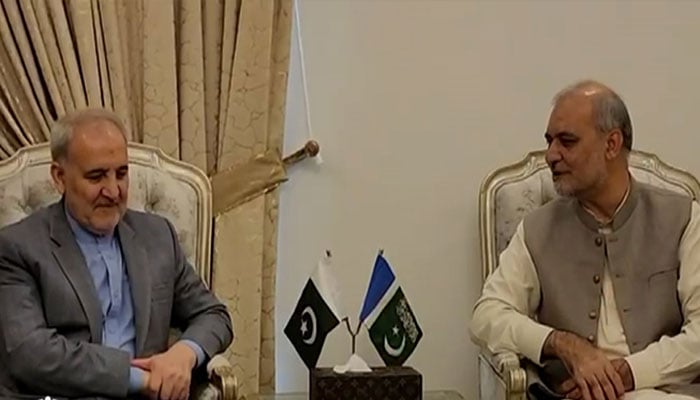
      Ameer of Jamaat-e-Islami Pakistan, Hafiz Naeem Rehman, held separate meetings with the ambassadors of Iran and Afghanistan in Islamabad, where the leaders discussed regional developments, bilateral relations, and the importance of strengthening cooperation among neighboring countries. Iranian Ambassador Reza Amiri Moghadam and Afghan Ambassador Sardar Ahmad Shakeeb separately visited Hafiz Naeem Rehman to offer their condolences on the passing of Amir-ul-Azeem, a senior Jamaat-e-Islami leader. The ambassadors expressed sympathy with the party leadership and prayed for the departed soul. During his meeting with the Iranian ambassador, Hafiz Naeem Rehman highlighted the close historical and religious ties between Pakistan and Iran. He said the two neighboring countries share deep-rooted cultural, religious, and social bonds that have strengthened their relationship over the years. According to him, Pakistan and Iran are closely connected and should continue to work together in promoting peace, stability, and mutual prosperity in the region. While meeting Afghan Ambassador Sardar Ahmad Shakeeb, the Jamaat-e-Islami chief said the people of Pakistan and Afghanistan are linked by centuries-old religious, historical, and cultural relations. He emphasized that the two countries have common interests and should continue to strengthen cooperation for the benefit of their peoples. Hafiz Naeem Rehman stressed that differences between Pakistan and Afghanistan can be resolved through sustained dialogue, mutual trust, and regular communication. He said constructive engagement and confidence-building measures are essential to overcoming misunderstandings and creating a stable relationship between the neighboring countries. Speaking about the broader regional situation, the Jamaat-e-Islami chief called for an immediate and comprehensive ceasefire in Iran, Gaza, and Lebanon. He said ending hostilities is essential to preventing further humanitarian suffering and restoring peace in the region. He emphasized that dialogue and diplomatic efforts should take precedence over military confrontation. Hafiz Naeem Rehman also expressed solidarity with Iran in the face of what he described as American and Israeli aggression. He stated that the Iranian government and people deserve support during the current regional crisis and reaffirmed his party’s backing for Iran against external military actions. The Iranian ambassador, Reza Amiri Moghadam, underscored the importance of closer cooperation among Pakistan, Iran, Saudi Arabia, and Türkiye. He said stronger collaboration between these influential Muslim countries is essential for ensuring lasting peace, stability, and economic development across the region. He noted that collective efforts and constructive dialogue could help address regional challenges and promote greater unity among Islamic nations. During the separate meeting, Afghan Ambassador Sardar Ahmad Shakeeb also emphasized the significance of bilateral cooperation between Pakistan and Afghanistan. He said meaningful collaboration between the two neighboring countries is vital for achieving sustainable peace, regional stability, and economic progress. According to the ambassador, both countries have a shared responsibility to work together on issues of mutual interest and maintain regular engagement to strengthen their longstanding relationship. The meetings reflected a shared commitment to enhancing regional cooperation and maintaining dialogue at a time of heightened geopolitical tensions. Both ambassadors and the Jamaat-e-Islami chief agreed that peaceful engagement, mutual respect, and stronger ties among neighboring countries remain essential for addressing common challenges and ensuring long-term stability in South and West Asia. The discussions concluded with a renewed emphasis on promoting peace through diplomacy, strengthening regional partnerships, and fostering closer cooperation among Muslim countries to contribute to stability and prosperity across the wider region.

  • | |

    Sharjeel Memon accuses PML-N of holding power thro…

      Senior Sindh Minister and Provincial Information Minister Sharjeel Inam Memon on Tuesday launched a sharp criticism of the Pakistan Muslim League-Nawaz (PML-N), accusing the ruling party of coming to power through a “fake mandate” and challenging it to contest fresh elections in Punjab to prove its public support. Speaking to the media in Islamabad, Sharjeel Memon alleged that the PML-N government lacked genuine electoral legitimacy and was holding office on the basis of what he described as “Form 47.” He claimed that the party did not secure the mandate of the people in the 2024 general elections and questioned its popularity, particularly in Punjab. Addressing recent political developments, Memon alleged that serious electoral irregularities had taken place during the Azad Jammu and Kashmir elections. He claimed that the polls were marred by extensive rigging and criticized the conduct of the electoral process. Referring to Punjab Chief Minister Maryam Nawaz’s recent remarks, he said her statements reflected what he described as “theft followed by defiance,” accusing the ruling party of attempting to justify its actions instead of addressing concerns raised by the opposition. The senior Pakistan Peoples Party (PPP) leader said the PML-N government was surviving on what he termed a “charity mandate” rather than genuine public support. He reiterated his claim that the party’s government was a product of “Form 47,” a reference frequently used by opposition parties in connection with allegations regarding the 2024 general election results. Memon argued that the people of Sindh had clearly expressed their confidence in the Pakistan Peoples Party during the 2024 elections by voting in its favor. He contrasted the PPP’s electoral performance with that of the PML-N, claiming that the ruling party had suffered a significant political setback despite ultimately forming the federal government.   Continuing his criticism, the Sindh minister challenged the PML-N leadership to dissolve the Punjab government and seek a fresh public mandate. He claimed that if elections were held again in the province, the ruling party would fail to secure the support it claims to enjoy. According to Memon, public opinion in Punjab does not reflect the electoral outcome that brought the PML-N to power. He further alleged that the leadership of the PML-N had repeatedly left the country after reaching political agreements, contrasting that with the Pakistan Peoples Party’s political history. Memon maintained that PPP leaders had remained in Pakistan during difficult political periods and continued to face challenges rather than leaving the country. The provincial minister also accused federal ministers belonging to the PML-N of attempting to influence the electoral process in Azad Jammu and Kashmir. He claimed that several federal ministers remained present in Mirpur Division until the morning of polling day and sought to influence the local administration. According to Memon, the actions of the federal ministers amounted to a violation of the Election Commission’s code of conduct. He alleged that government officials were pressured during the election process, raising concerns about the fairness and transparency of the polls. The remarks come amid continuing political tensions between the Pakistan Peoples Party and the Pakistan Muslim League-Nawaz over electoral legitimacy, governance, and recent elections in Azad Jammu and Kashmir. Opposition parties have repeatedly raised concerns regarding the conduct of elections, while the ruling coalition has rejected allegations of irregularities and maintained that the electoral process was conducted in accordance with the law. Sharjeel Memon concluded by reiterating his challenge to the PML-N leadership, insisting that a fresh election in Punjab would provide the true test of the party’s public support and determine whether it genuinely enjoys the confidence of the electorate.

  • | |

    Sargodha student dies after allegedly being forced…

    A young woman lost her life in an alleged poisoning incident in Kot Momin, a town in Punjab’s Sargodha district, after reportedly consuming a toxic drink. Police have launched an investigation following allegations by the victim’s family that she was deliberately poisoned by a classmate after refusing his marriage proposal. According to police officials, a case has been registered against two suspects on the complaint of the deceased’s father. Authorities said the investigation is underway, and efforts are being made to arrest the accused. The victim’s father alleged that his daughter had been invited to a local pizza shop by the suspects, where she was allegedly served a poisonous juice. He claimed that the accused resorted to the act after she refused a marriage proposal made by one of them. According to the complaint, the young woman consumed the beverage during the meeting and shortly afterward began experiencing severe health complications. Her condition rapidly deteriorated, prompting those present to rush her to a nearby hospital for emergency treatment. Despite the efforts of doctors and medical staff, the young woman could not be saved and later succumbed to her condition. Her death has shocked the local community and sparked concern over violence linked to rejected marriage proposals. Police officials confirmed that a First Information Report (FIR) has been registered against the two nominated suspects based on the allegations made by the victim’s father. Investigators are collecting evidence and recording statements from witnesses to determine the exact circumstances surrounding the incident. The victim’s body was shifted to a hospital for a post-mortem examination to determine the precise cause of death. Following the completion of the medico-legal formalities, the body was handed over to her family for burial. Law enforcement authorities said raids are being carried out at multiple locations to arrest the suspects, who are currently at large. Police expressed confidence that the accused would be taken into custody soon and assured the family that the investigation would be conducted in accordance with the law. Officials also stated that forensic evidence, including the alleged beverage and other material collected from the scene, will be examined as part of the investigation. The findings of the post-mortem report and laboratory analysis are expected to play an important role in determining whether poisoning was the cause of death. The case has drawn attention due to the serious nature of the allegations. However, police emphasized that the investigation is still in its early stages, and the claims made in the FIR will be examined through available evidence before any conclusions are reached. Authorities have urged anyone with information related to the incident to cooperate with investigators to help establish the facts. They reiterated that all aspects of the case, including the motive behind the alleged crime, are being thoroughly investigated. The tragic incident has once again highlighted concerns about crimes allegedly linked to rejected marriage proposals and personal disputes. Police have assured the victim’s family that every effort will be made to bring those responsible to justice, while the investigation continues to establish the full circumstances surrounding the young woman’s death.

  • |

    Lt Gen (R) Abdul Qayyum calls for global peace through dialogue; FIRD Chairman Toaha Qureshi backs strong armed forces

    LONDON:  Senator Lt Gen (R) Abdul Qayyum (HI(M)), President of the Pakistan Ex-Servicemen Society, called for greater respect for international law, dialogue under the umbrella of the United Nations and enhanced cooperation among Muslim countries to address global security challenges, while Forum for International Relations Development (FIRD) Chairman Toaha Qureshi reaffirmed support for Pakistan’s armed forces, saying they remained the country’s defenders and that the Field Marshal had enhanced Pakistan’s reputation on the global stage. Addressing the Second International Conference on Global Peace, organised by FIRD in London, Senator Abdul Qayyum said lasting peace could only be achieved through diplomacy and adherence to international law. “Respect for international law and pursuing dialogue as a strategy for peace under the umbrella of the United Nations can help resolve even the most complex global challenges. Destructive wars can only lead to catastrophic consequences and bring suffering to humanity as a whole,” he said. During his address, the senator argued that the post-Cold War unipolar world had witnessed repeated violations of international law and human rights, weakening the effectiveness of institutions such as the United Nations and the International Court of Justice. Discussing global security, he said colonialism had evolved into neo-colonialism in the modern era and referred to the establishment of US military bases around the world. He also cited recent developments in the Middle East, saying they had highlighted the importance of national self-reliance in defence and strategic planning. Senator Abdul Qayyum said vulnerable states increasingly needed to strengthen their own defence capabilities while developing strategic partnerships through mutual defence agreements. Referring to recent tensions involving Iran, Israel and the United States, he said the evolving regional security environment had prompted Gulf countries to reassess their strategic priorities and seek greater autonomy. He said Pakistan, with its strategic geographical location and strong defence capability, could play a constructive role in promoting closer cooperation among Muslim-majority countries. He added that greater unity among Muslim states, beyond sectarian divisions, could strengthen regional stability and collective security. The senator warned that unilateral actions and disregard for international law risked pushing the world towards another major global conflict. Referring to former US President Richard Nixon’s geopolitical doctrine, he said pragmatic diplomacy, a balance of power and economic stability remained essential foundations for international peace. Addressing interfaith harmony, Senator Abdul Qayyum said dialogue and mutual respect remained essential to strengthening relations between different faith communities. He expressed concern over the rise of Islamophobia and called for greater engagement, education and cooperation to counter prejudice and promote peaceful coexistence. Speaking at the conference, FIRD Chairman Toaha Qureshi said Pakistan’s armed forces were the guardians of the country’s sovereignty and deserved the nation’s continued support. “Pakistan’s armed forces are the protectors of the country. We need strong armed forces, and it is necessary that we continue to support this institution,” he said. Qureshi added that Pakistan’s Field Marshal had earned the country greater international recognition and enhanced its standing through his leadership. The conference also heard from educationist and businessman Mian Muhammad Jehangir, who stressed the importance of meaningful education in shaping future generations and driving national development. He said Pakistan’s youth possessed immense talent and potential, adding that investment in quality education, skills development and character-building was essential for the country’s progress. He praised the achievements, resilience and capabilities of Pakistan’s young people, expressing confidence that they would play a pivotal role in building a stronger, more prosperous and globally competitive nation.

  • | |

    Rs 71 billion ‘Apna Ghar’ push, 1.5 la…

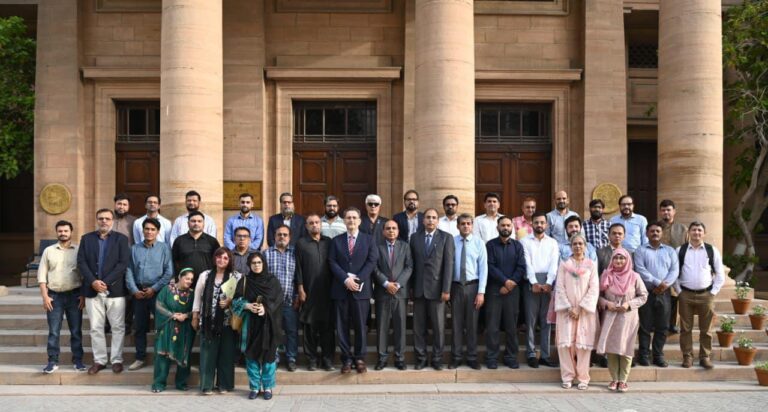
    KARACHI: For millions of teachers, clerks, nurses and daily-wage workers, owning a house has felt like a distant dream. Caught between skyrocketing rents and banks that rarely lend to them, they have spent years waiting for a break. Now, with the Prime Minister’s “Apna Ghar” scheme offering subsidized 20-year loans, that wait may finally be over — if the government can fix the loopholes that sank similar programs in the past. With rents climbing and home ownership slipping further out of reach, the government’s new housing finance push is back in focus. The Prime Minister’s “Apna Ghar” housing scheme unveils a 20-year financing plan backed by Rs 71 billion in federal subsidies allocated in the budget. The urgency is clear: Pakistan faces a housing shortfall of over 10 million units, with demand growing each year due to urbanization and population growth. The State Bank of Pakistan arranged a workshop on the Prime Minister’s Housing Scheme — Wazir-e-Azam Apna Ghar Program — to roll out salient features including financing structure, loan amount, tenure, income requirements, and monthly installment. According to SBP officials Ghulam Muhammad Abbasi, Executive Director, and Dr. Muhammad Saleem, Additional Director, the scheme aims to finance 150,000 houses by June 2027. Under the program, banks will provide loans of up to Rs 10 million for purchase of a ready-made house, flat, or plot, or for construction on a plot. A house of up to 250 square yards and a flat of up to 1500 square feet will be eligible. The loan tenure is 20 years, with a fixed markup of 5% for the first 10 years. Who can apply and how? Salaried individuals can apply with a salary slip, while non-salaried applicants including shopkeepers and daily wage workers can use electricity bills, mobile top-ups, children’s fee challans or other expense receipts as income proof, the State Bank said. An applicant can apply with 3 to 4 co-borrowers — father with sons, brothers with sisters, or husband with wife. The main applicant must not own any property; if found otherwise, the loan will be cancelled. An online portal has been created for applications, and forms are also available at bank counters. “Banks will not charge any processing fee, nor any penalty on balloon payment,” an SBP official added. “Banks will process an application in 15 days. For any complaint, applicants can lodge it on the Prime Minister’s portal against the bank or officer.” To accelerate home ownership and boost construction, the government has expanded the scheme to include overseas Pakistanis. Overseas Pakistanis/Non-Resident Pakistanis holding NICOP/POC may also obtain financing. Participating Financial Institutions may also extend financing for private developer-led housing projects. Housing: A basic need slipping away For Pakistan’s lower and middle class, owning a home has become unaffordable. Rising property prices, inflation, and lack of access to formal credit have widened the 10-million-unit housing gap. Most families either live in rented accommodations, spending 40-50% of income on rent, or in informal settlements without basic facilities. For this segment, “Apna Ghar” could be the first real chance to move from rent to ownership — provided installments stay within budget. The Benefits: Housing for the missing middle 1. Affordability: 5% fixed markup for 10 years is significantly lower than market mortgage rates. 2. Inclusion: Alternate income proof and NICOP/POC access opens doors for informal workers and overseas Pakistanis. 3. No hidden costs: Zero processing fee and a dedicated portal reduce bureaucratic hurdles. 4. Economic boost: Financing 1.5 lakh units will give a direct push to construction, cement, steel, and labor. The Shortcomings and Challenges The scheme may end up benefiting the middle class more than the poor it targets. Most low-income families live in katchi abadis with no legal land titles, which banks require. Without land regularization, the poorest remain excluded. Other challenges: 1. Scale vs Need: 150,000 homes by 2027 address only 1.5% of the 10-million-unit shortage. 2. Bank appetite: Banks have historically avoided mortgage lending due to documentation and recovery risks. 3. Land and title issues: The scheme assumes legal plots, a major bottleneck in cities like Karachi. 4. Affordability ceiling: Rs 10 million cap and installments may still be unaffordable for the poorest. 5. Implementation: SBP’s 15-day timeline will be tested, as past schemes struggled with delays. Skepticism on the ground But for many, doubt runs deep. “We pay Rs 25,000 rent every month. Owning a house feels like a dream,” said Ali, a private school teacher from Nazimabad. “Every time the government announces a scheme, I hear the same thing — in the end, the rich will take loans in the name of their drivers and peons. Let a few months pass. Then we’ll know if this system is transparent or just another test case.” That reflects three questions: Will it reach the right people? Will the process be clean? Will the intent hold? With the scheme only a few months old, experts say implementation will be the real test. Transparency concerns Applicants and housing experts pointed out banks’ history of demanding informal payments to process files. With “Apna Ghar” relying on banks, many wonder how SBP will ensure it remains bribe-free and trackable. The SBP Executive Director said an online portal has been launched and complaints can be registered directly with the Prime Minister’s or SBP portal. “Strict action will be taken against banks charging fees or demanding bribes,” he said. Economic boom Apna Ghar can bring Economists say the push can do more than provide roofs — it can revive construction and the economy. The sector contributes nearly 2.5% to GDP and employs over 8 million people directly. Every house is estimated to create 8-10 direct and 20-25 indirect jobs. With demand for 150,000 units against a backlog of 10 million, orders for cement, steel, bricks and labor are expected to rise. SBP notes housing has one of the highest fiscal multipliers. If targeted well, it could cut into the housing backlog while acting as a grassroots stimulus. An opportunity For Shahbaz-led government to

  • | | | |

    US, Saudi forces strike Iran allies in Iraq

    The conflict involving Iran, the United States and its regional allies has entered a new and more dangerous phase, with fresh military strikes reported across the Middle East. US and Saudi forces carried out coordinated airstrikes against Iran-aligned armed groups in eastern Iraq, according to US Central Command (CENTCOM). The operation came after a series of drone attacks that Washington and Riyadh attributed to groups linked to Iran’s Islamic Revolutionary Guard Corps (IRGC). CENTCOM said American and Saudi fighter jets targeted weapons and logistics facilities used by the armed groups. The US military claimed the groups had carried out more than 30 IRGC-directed drone attacks in recent days, including strikes targeting Saudi energy infrastructure. Saudi Arabia also confirmed the operation, saying its forces acted alongside CENTCOM after drones were launched from Iraqi territory toward petroleum facilities in the kingdom’s Eastern Province and Riyadh region. Riyadh said it did not seek a wider escalation but warned that it would respond to further attacks. The latest strikes were followed by an explosion at the headquarters of Iraq’s Popular Mobilisation Forces (PMF) in Basra. The PMF is an umbrella organisation containing several armed factions, including groups closely aligned with Iran. The cause of the blast and any casualties were not immediately confirmed. Meanwhile, tensions escalated further after the US military reported that Iran had launched multiple ballistic missiles toward American military positions in Jordan. CENTCOM said the missiles were intercepted and that US forces remained on heightened alert. Iranian authorities had not immediately issued an official statement regarding the missile launches. However, an Iranian military official rejected claims that Tehran was responsible for projectiles fired toward Saudi Arabia, warning that attributing attacks on US interests to Iran could be a serious miscalculation. The developments threaten to derail diplomatic efforts aimed at containing the conflict. Iran has repeatedly warned that any attempt to restrict its control over the Strait of Hormuz could trigger a renewed military confrontation. The latest escalation also comes as US President Donald Trump met Israeli Prime Minister Benjamin Netanyahu. Their discussions reportedly focused on Iran and the possibility of renewed military action

  • | |

    Saudi diplomat takes charge in Islamabad

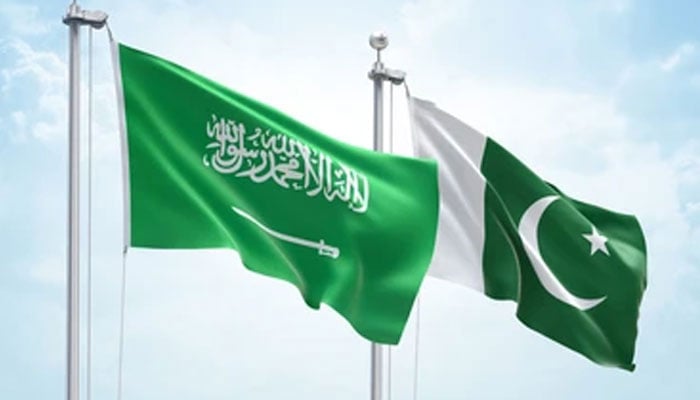
    Senior Saudi diplomat Major General (Retired) Rajeh Al-Buqami will take charge as Saudi Arabia’s new ambassador to Pakistan, succeeding Nawaf bin Saeed Al-Malki. The appointment marks a new phase in Saudi-Pakistan diplomatic relations, with Al-Buqami expected to strengthen cooperation and further deepen the longstanding ties between the two brotherly countries. Al-Buqami formally took the oath of office alongside several other Saudi ambassadors appointed to represent the Kingdom in various friendly and brotherly countries. The appointments reflect Saudi Arabia’s ongoing efforts to reinforce its diplomatic engagement and expand relations with partner nations. The new ambassador is expected to focus on advancing bilateral cooperation in areas of mutual interest and maintaining the close diplomatic and strategic relationship between Saudi Arabia and Pakistan.