National

  • | |

    Where did Karachi get the heaviest rainfall?

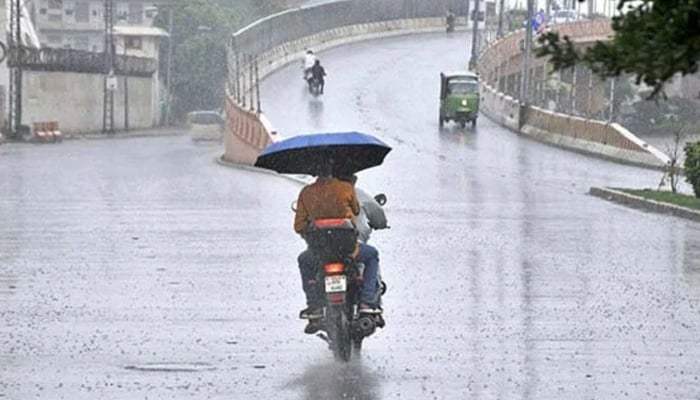
    Light rain and drizzle continued in different parts of Karachi during the past 24 hours, bringing pleasant weather to the city. The Pakistan Meteorological Department (PMD) has released fresh rainfall figures, showing that Gulshan-e-Hadeed received the highest rainfall during the latest spell. According to the PMD, Gulshan-e-Hadeed recorded 4.5 millimetres of rainfall, making it the wettest area in the city. Surjani Town received 4 millimetres of rain, while Gulshan-e-Maymar recorded 3.4 millimetres. The M-9 Motorway also experienced rainfall, with 2.3 millimetres recorded during the period. Keamari received 1 millimetre of rain, while light drizzle was reported in several other areas of Karachi. Officials said drizzle was observed in Jinnah Terminal, the Old Airport area, Korangi, North Karachi and several surrounding localities. The rainfall helped reduce daytime temperatures but also increased humidity across the city. The Meteorological Department has forecast more rain and thunderstorms in Karachi during the next 24 hours. Weather officials said light to moderate rainfall is expected in different parts of the city as the current monsoon system continues to influence southern Sindh. Residents have been advised to remain cautious during periods of heavy rainfall, particularly in low-lying areas where water may accumulate. Motorists have also been urged to drive carefully on wet roads and avoid unnecessary travel during thunderstorms. According to the weather forecast, Karachi’s maximum temperature is expected to remain between 33 and 35 degrees Celsius today. During the previous 24 hours, the minimum temperature was recorded at 28.8 degrees Celsius. The PMD said southwesterly sea winds are currently blowing at a speed of 11 kilometres per hour. Humidity in the city has reached 78 percent, creating warm and humid conditions despite intermittent rainfall.

  • | |

    DG ISPR holds special session with students during…

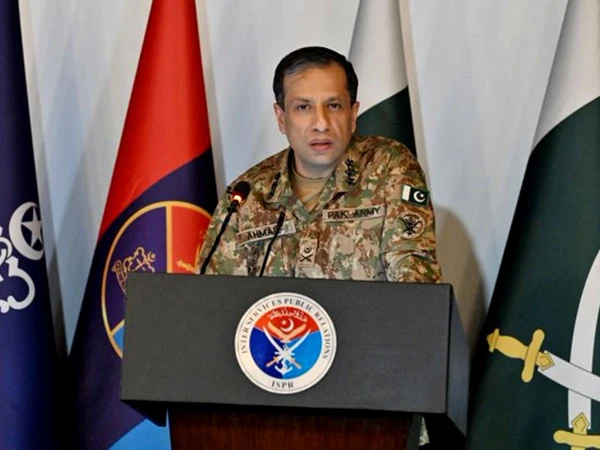
    RAWALPINDI: The Director General of the Inter-Services Public Relations (ISPR) held a special interactive session with participants of the ISPR Summer Internship 2026, discussing national security, terrorism, misinformation and the responsible use of social media. According to ISPR, the internship programme has attracted more than 6,000 students from across Pakistan, who are participating at 21 different stations nationwide. The initiative aims to provide young people with greater awareness of national institutions, security issues and the challenges facing the country. During the session, the DG ISPR responded to a wide range of questions from students, offering detailed explanations on issues related to Pakistan’s security environment, information warfare and the importance of verifying information before sharing it on digital platforms. A key focus of the discussion was the growing challenge of misinformation, disinformation and propaganda. Students were encouraged to critically evaluate online content and avoid circulating unverified news that could mislead the public or harm national interests. Participants said the session provided valuable guidance on identifying false narratives and understanding the impact of digital misinformation. They described the interaction as informative and said it helped clear up several misconceptions surrounding national security and current affairs. The briefing also covered the situation in Azad Jammu and Kashmir, where participants were given an overview of Pakistan’s official position and regional developments. Students said the discussion helped them better understand the ground realities and the broader context of issues affecting the region. According to participants, the DG ISPR also addressed questions regarding what the military described as hostile propaganda campaigns and security threats. Students noted that the detailed responses helped clarify several issues that had previously caused confusion or uncertainty. At the conclusion of the session, participants expressed their commitment to promoting accurate information and exercising greater responsibility while using social media platforms. They also pledged to play a constructive role in countering false information by relying on verified sources and encouraging informed public discourse. The ISPR Summer Internship has become one of the military’s flagship youth engagement initiatives, bringing together students from universities across the country for interaction with officials, educational activities and discussions on national issues. Officials said the programme is intended to strengthen awareness among young Pakistanis, encourage critical thinking and promote responsible digital citizenship at a time when misinformation and online propaganda continue to pose growing challenges worldwide.

  • | |

    Police kill suspected mastermind of Hangu attack

    HANGU: Police in Khyber Pakhtunkhwa said on Sunday they had killed the alleged mastermind behind last week’s deadly attack on the Khazina Banda police check post during a security operation near Chapri Naryab in Hangu district. According to police officials, security personnel launched the operation after receiving intelligence about the movement of 15 to 18 suspected militants in the area. During the exchange of fire, authorities said a high-value militant wanted in connection with the Khazina Banda attack was killed. Officials identified the deceased as the alleged planner of the assault on the police check post, which took place on July 29 and resulted in one of the deadliest recent attacks on law enforcement personnel in the district. Police said the earlier attack claimed the lives of 10 police personnel, including a Deputy Superintendent of Police (DSP), while 28 others were injured. The assault prompted an extensive search operation across Hangu and surrounding areas to trace those involved. Authorities said intelligence-based operations have since been intensified to dismantle militant networks operating in the region. Security forces are continuing search and clearance operations to locate any remaining suspects believed to have escaped during Sunday’s action. The killing of the alleged mastermind is being viewed by officials as a significant breakthrough in the investigation into the Khazina Banda attack. However, police have not yet released the identity of the deceased or provided further operational details. The July 29 attack had shocked the province and renewed concerns over militant violence targeting security personnel in Khyber Pakhtunkhwa. It also triggered a strong response from law enforcement agencies, which vowed to bring those responsible to justice. Officials reiterated that operations against militant groups would continue until all those involved in attacks on security forces are apprehended or neutralized. They emphasized that intelligence-led operations remain a key part of efforts to maintain law and order and prevent further attacks in the region. Investigations into the Khazina Banda incident are ongoing, while authorities continue to assess evidence collected from both the attack site and the latest operation.

  • | | |

    Sherry Rehman flags polling delays, security lapse…

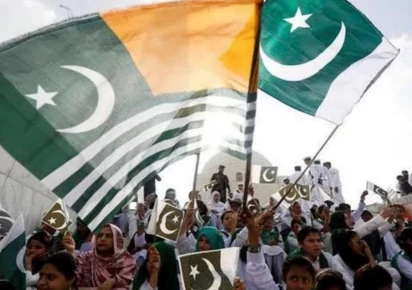
    ISLAMABAD: Pakistan Peoples Party (PPP) Senator Sherry Rehman has voiced concern over delays in polling at several constituencies in Azad Jammu and Kashmir (AJK), saying the disruption has caused significant hardship for voters and raised serious questions about election management. In a statement issued on Sunday, Rehman said delayed arrival of election staff had affected the voting process at a number of polling stations, preventing many voters from casting their ballots on time. She identified constituencies LA-28, LA-31, LA-25 and LA-34 among the areas where polling was reportedly delayed, calling on the Election Commission to immediately investigate the matter and ensure that the electoral process proceeds without further disruption. The PPP leader also expressed concern over security arrangements at a women’s polling station in Shark Kamal Bandi in LA-31, claiming that only one police officer had been deployed despite the polling station having previously been declared sensitive. According to Rehman, inadequate security at such locations could undermine voter confidence and create unnecessary challenges for women participating in the electoral process. She further highlighted transportation problems affecting voters in the region. Rehman said the road connecting Rangla to Katkair had remained blocked since Saturday night, leaving more than 50 vehicles carrying voters stranded and preventing many people from reaching their designated polling stations. The senator said these issues had been formally reported to the Election Commission, urging the electoral body to conduct an immediate inquiry into the reported irregularities and take prompt corrective measures wherever necessary. “Every voter must be given the opportunity to exercise their democratic right without obstacles,” she said, emphasizing that transparent, impartial and well-managed elections are essential for strengthening democratic institutions. Rehman maintained that any compromise on the sanctity of the vote would be unacceptable and stressed the need for election authorities to ensure equal access to polling facilities for all eligible voters. Her remarks come amid ongoing polling across Azad Jammu and Kashmir, where election authorities have been working to address logistical and weather-related challenges in some areas. The Election Commission has yet to issue a detailed response to the specific concerns raised by the PPP senator, while voting continues in constituencies where polling arrangements remain unaffected.

  • | |

    Mirwaiz slams demand to end refugee seats in AJK

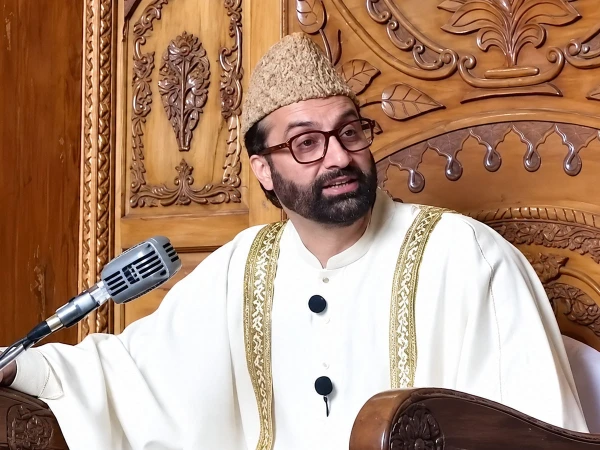
    Hurriyat leader Mirwaiz Umar Farooq has strongly opposed calls to abolish the reserved legislative seats for Kashmiri refugees living in Pakistan, saying the voting rights of displaced Kashmiris are protected by constitutional and democratic principles and must not be undermined. His remarks came after reports that a banned Action Committee had demanded the abolition of seats reserved for refugees from Indian-administered Kashmir in the Azad Jammu and Kashmir (AJK) legislative framework. The proposal has sparked debate and criticism from political and social circles on both sides of the Line of Control. In a statement, Mirwaiz said millions of Kashmiri refugees residing in Pakistan have a legitimate constitutional and democratic right to participate in the electoral process, adding that these rights cannot be ignored or sacrificed. “The voting rights of Kashmiri refugees are an integral part of their constitutional and democratic rights,” he said, stressing that displaced Kashmiris deserve equal respect, representation and protection. Mirwaiz argued that the rights of refugees are inseparable from the collective rights of the people of Jammu and Kashmir. He maintained that any political movement claiming to represent Kashmiris must ensure equal representation for residents of every region and community without discrimination. He warned that protecting the interests of one group should never come at the cost of another group’s constitutional rights. According to the Hurriyat leader, justice, equality and mutual respect must remain the guiding principles in resolving issues affecting the people of Jammu and Kashmir. Calling for dialogue, Mirwaiz urged all stakeholders to engage in consultations and meaningful discussions to find a balanced and widely acceptable solution. He said consensus-based decision-making was essential to preserving unity and protecting the democratic rights of all Kashmiris. The statement also criticized attempts to alter the existing representation of Kashmiri refugees, arguing that such moves risk deepening divisions rather than strengthening democratic participation. The controversy over refugee seats has emerged during a politically sensitive period in Azad Jammu and Kashmir, with electoral issues drawing increased public attention. While supporters of the proposal argue that reforms are needed, opponents insist that any changes affecting refugee representation must respect constitutional guarantees and the political rights of displaced Kashmiris. Mirwaiz’s intervention adds a prominent voice to the debate, highlighting the need for dialogue and consensus rather than unilateral decisions on issues involving the constitutional and democratic rights of Kashmiri refugees.

  • | |

    PPP alleges polling irregularities during second p…

    ISLAMABAD: The second phase of the Azad Jammu and Kashmir (AJK) Legislative Assembly elections faced fresh controversy on Sunday after the Pakistan Peoples Party (PPP) alleged delays, administrative shortcomings and electoral irregularities in several constituencies. Meanwhile, the AJK Election Commission postponed polling in one constituency due to severe weather conditions. Polling continued in 21 constituencies, including nine seats in Muzaffarabad Division and 12 refugee constituencies across Pakistan. More than 1.2 million registered voters were eligible to cast their ballots under strict security arrangements. PPP AJK Election Cell In-charge Sardar Abdul Shakoor claimed that polling was delayed in several constituencies because polling staff failed to reach polling stations before voting began. He said dozens of polling stations remained without election officials at the scheduled opening time, causing inconvenience to voters and delaying the electoral process. According to the PPP, similar problems were reported in multiple constituencies where polling staff arrived late, preventing voters from exercising their right to vote on time. The party urged the Election Commission and local administration to ensure immediate deployment of staff and restore normal polling. Separately, the AJK Election Commission announced that polling in LA-27 Muzaffarabad-I had been postponed after heavy rainfall and landslides blocked key roads, making it impossible for polling teams and election material to reach several polling stations. Election authorities said efforts were made to reopen the affected routes, but worsening weather conditions prevented polling from taking place. The Commission said a new polling date would be announced later and apologised to voters for the inconvenience. The PPP questioned the decision to postpone polling across the entire constituency. Party leaders argued that if only certain polling stations were affected by landslides, polling should have continued in the remaining accessible areas. They called on the Election Commission to release a detailed report explaining the reasons behind the postponement. The party also alleged delays in additional constituencies, claiming that polling staff had not reached several stations even hours after voting officially began. It maintained that the delays affected voter participation and raised concerns over the smooth conduct of the election. PPP leaders further alleged that blocked roads prevented hundreds of voters from reaching polling stations. The party demanded the immediate reopening of affected routes and called for measures to ensure that voters could cast their ballots without obstruction. In another complaint, the PPP claimed that some of its polling agents were prevented from performing their duties at polling stations despite fulfilling legal requirements. The party urged election authorities to intervene and ensure equal treatment of all contesting candidates and their representatives. The PPP also accused rival political workers of violating election rules in certain constituencies and alleged that government employees were participating in election activities in violation of the code of conduct. The party demanded an immediate investigation and legal action wherever irregularities were confirmed. Separately, PPP leader Nadeem Afzal Chan criticised the conduct of the elections, describing reported delays in ballot paper distribution and administrative issues as unacceptable. He said the party wanted the electoral process to remain transparent and credible and warned that unresolved issues could undermine public confidence.

  • | |

    SSGC rules out gas leak after Karachi odor complai…

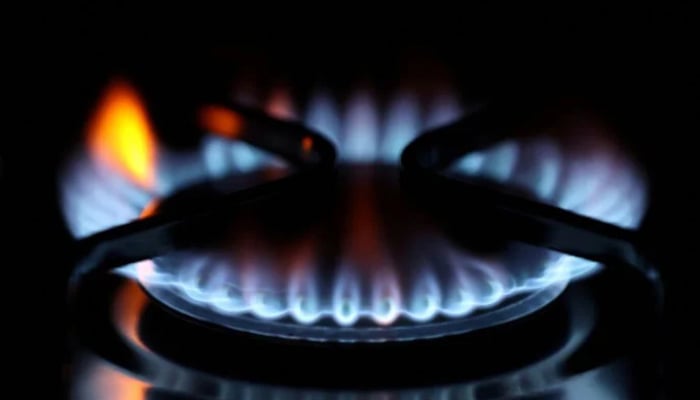
    KARACHI: The Sui Southern Gas Company (SSGC) has reassured residents that the unusually strong smell of natural gas reported in several parts of Karachi is the result of routine testing linked to a new pipeline project and not due to any gas leak. In a statement issued on Sunday, the utility company said the odor was caused by the temporary addition of a higher-than-normal concentration of odorant during the commissioning of a new gas pipeline near Abul Hasan Ispahani Road. According to SSGC, the testing of odorisation plants forms a standard part of the commissioning process to ensure that natural gas can be easily detected by smell in the event of future leaks. The company emphasized that gas system pressures remain stable and that no leakage has been detected anywhere in the network. The stronger odor prompted numerous complaints from residents across different neighborhoods, many of whom feared a possible gas leak. However, SSGC clarified that the smell was expected during the testing phase and did not pose any immediate safety risk. “The system is operating under normal conditions, and no gas leakage has been reported,” the company said, urging consumers to remain calm and continue their daily activities without concern. Officials explained that odorants, which are harmless chemical compounds, are intentionally added to naturally odorless gas to help people quickly identify leaks. During commissioning and testing, the quantity of odorant may temporarily increase, resulting in a stronger smell than usual. The clarification comes amid heightened public sensitivity over gas safety following several incidents in recent years involving gas leaks and explosions in Karachi. In April this year, a local court held SSGC responsible for negligence in connection with a 2022 gas explosion in Orangi Town’s Millat Colony, which claimed the lives of two residents. The court directed the company to pay Rs30 million in compensation to the affected family after concluding that repeated complaints about gas leakage had not been addressed adequately. Against that backdrop, Sunday’s reports of a strong gas smell quickly attracted public attention and triggered concerns on social media. SSGC said it remains committed to maintaining a safe and reliable gas distribution system and advised consumers to report any actual signs of leakage, such as hissing sounds or damaged pipelines, through its emergency helpline. The company added that technical teams would continue monitoring the network while pipeline commissioning and testing activities are completed.

  • | | |

    TTAP announces relief mission to AJK amid tensions

    ISLAMABAD: The opposition alliance Tehreek Tahaffuz-e-Ayeen Pakistan (TTAP) has announced that its senior leadership will travel to Azad Jammu and Kashmir (AJK) on Monday with relief supplies, while criticizing the government’s handling of the situation in the region and calling for dialogue to address ongoing political tensions. Speaking at a press conference in Islamabad, TTAP spokesperson Akhunzada Hussain Yousafzai said the delegation would carry humanitarian assistance for affected residents and express solidarity with people in Rawalakot, where a protest sit-in has continued in recent days. Yousafzai alleged that the government had responded to public dissent with force rather than engagement. He claimed that, according to what he described as verified information, dozens of people had lost their lives during the unrest. His claims have not been independently verified, and no official confirmation of the casualty figures was immediately available. The spokesperson also alleged that leaders associated with the Joint Awami Action Committee (JAAC) had either been killed or had bounties placed on them. Authorities have not publicly responded to these specific allegations. Political tensions in Azad Jammu and Kashmir have persisted since widespread demonstrations erupted last year over demands for constitutional, administrative and governance reforms. The JAAC-led protests called for a broad package of changes, including an end to privileges for the political elite, the abolition of 12 legislative assembly seats reserved for refugees and the removal of the existing quota system. The unrest resulted in deadly clashes before negotiations between the government and the JAAC produced an agreement covering several core demands. As part of that understanding, both sides agreed to establish a high-level committee to examine the issue of refugee seats in the AJK Legislative Assembly. However, the issue remains unresolved. The JAAC continues to demand the abolition of the reserved refugee seats, while the government maintains its opposition to the proposal. Yousafzai argued that attempts to suppress opposing voices had deepened political divisions and contributed to the emergence of public movements in the region. He maintained that all outstanding issues could be resolved through meaningful negotiations rather than confrontation. The opposition alliance said its planned visit is intended to provide humanitarian support while also urging all stakeholders to pursue peaceful dialogue. Political observers say the coming days could prove significant as discussions over governance reforms and representation continue to shape the political landscape in Azad Jammu and Kashmir.

  • | |

    IMF pushes Pakistan provinces for rs430bn tax incr…

    ISLAMABAD: The International Monetary Fund (IMF) has asked Pakistan’s provincial governments to generate an additional Rs430 billion in tax revenue during the current fiscal year, as part of broader efforts to strengthen public finances and increase provincial own-source revenues. According to official details, the proposed increase in tax collection is equivalent to 0.3 per cent of Pakistan’s Gross Domestic Product (GDP) and is expected to be shared among the four provinces in line with their allocations under the National Finance Commission (NFC) Award. The move is aimed at improving fiscal sustainability by encouraging provinces to rely more on locally generated revenues rather than transfers from the federal government. Officials believe stronger provincial tax collection would also help create greater financial discipline and support long-term economic reforms. Sources said each province would contribute to the additional revenue target based on its respective share under the NFC formula, although specific collection targets for individual provinces have yet to be announced. The recommendation comes as Pakistan continues implementing economic reforms under its programme with the IMF, with revenue mobilisation remaining one of the key priorities for both the federal and provincial governments. Meanwhile, the federal government has decided to establish an inter-ministerial committee, to be headed by the prime minister, for the implementation of decisions made by the National Economic Council (NEC). According to officials, the committee will include federal and provincial ministers along with senior government representatives. It will be responsible for monitoring the execution of national policies, reviewing progress on major development initiatives and ensuring timely implementation of decisions taken by the NEC. The committee is also expected to strengthen coordination between the federation and the provinces, particularly on economic planning, fiscal reforms and development projects that require close cooperation among different levels of government. Government sources said improved coordination is considered essential for achieving national economic objectives and ensuring that development programmes are implemented efficiently across the country. Economists say increasing provincial tax revenues has long been a key recommendation of international financial institutions, which argue that greater fiscal autonomy can improve governance, reduce dependence on federal transfers and create a more balanced financial system. The IMF’s latest recommendation is likely to shape upcoming provincial budgetary decisions as governments evaluate measures to expand their tax base while balancing the need to protect economic activity. The proposed revenue measures are expected to remain a major focus of fiscal policy discussions in the months ahead.

  • | |

    Pakistan’s olive oil export dream at risk, g…

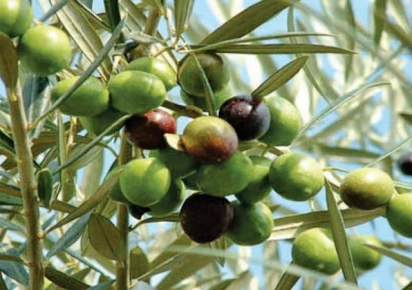
    LAHORE: Pakistan’s rapidly growing olive oil industry has reached a defining moment, with growers and processors warning that the country’s ambitions to become a major exporter could be undermined unless authorities introduce stricter quality standards, certification systems and stronger market regulation. Industry stakeholders say Pakistan has made significant progress in expanding olive cultivation over the past decade, but the absence of an effective regulatory framework now poses the biggest challenge to long-term growth. Dr. Qurat-ul-Ain Irfan, founder of Meshak Farms in Mardan, believes the focus should now shift from planting more olive trees to protecting product quality and building consumer confidence. “There is no proper implementation framework,” she said, noting that products of varying quality can currently be marketed as olive oil with little monitoring. “Consumers deserve to know whether they are buying premium extra virgin olive oil, blended oil or another edible oil altogether.” According to growers, the lack of routine laboratory testing, nationally recognized grading standards and certification mechanisms has made it difficult for genuine producers to distinguish their products from adulterated or lower-quality alternatives. Pakistan imports an estimated $5-6 billion worth of edible oil annually, making it one of the country’s largest import expenses. Policymakers have promoted olive cultivation as a strategic alternative capable of reducing dependence on imports while creating new export opportunities. Government-backed initiatives have led to the plantation of millions of olive trees, particularly across Potohar, Khyber Pakhtunkhwa and Balochistan, where nearly 10 million acres are considered suitable for olive cultivation. The industry’s latest boost has come through the OliveCulture Scale-Up Project (2024–2027), funded by the Italian Agency for Development Cooperation (AICS) and implemented by CIHEAM Bari, which aims to strengthen Pakistan’s olive value chain from cultivation to processing and marketing. Despite these initiatives, growers argue that commercial olive farming requires long-term investment and stronger policy support. Unlike seasonal crops, olive orchards often take several years before generating meaningful yields and may require 10 to 15 years to reach peak production. Meshak Farms reflects this long-term approach. Established on previously uncultivated land in Mardan, the farm uses imported Arbequina olive saplings, modern drip irrigation systems and internationally recognized cultivation techniques learned through collaboration with Italian experts. Dr. Irfan, who also leads a pharmaceutical company exporting to the United Kingdom and the European Union, said the same principles of traceability, laboratory testing and quality assurance should become standard across Pakistan’s olive industry. She revealed that representatives of an Italian company had expressed interest in sourcing Pakistani olive oil if producers consistently met internationally recognized certifications, including ISO 14000, and maintained premium quality standards. Experts also point to changing global market conditions as an opportunity. Climate change, ageing orchards and declining olive production in parts of the Mediterranean have encouraged international buyers to diversify their supply chains, potentially opening doors for emerging producers like Pakistan. However, industry leaders caution that export ambitions will remain difficult to achieve without mandatory grading systems, accredited testing laboratories, traceability mechanisms and consumer awareness campaigns promoting authentic Pakistani extra virgin olive oil. They also argue that reducing taxes and offering incentives for growers would encourage investment and help lower domestic prices. “The challenge is no longer proving that olives can grow in Pakistan,” Dr. Irfan said. “The real test is whether policy reforms can keep pace with an industry that is ready to compete in international markets.”