National

  • | |

    PPP leader Nisar Khuhro warns against provincial d…

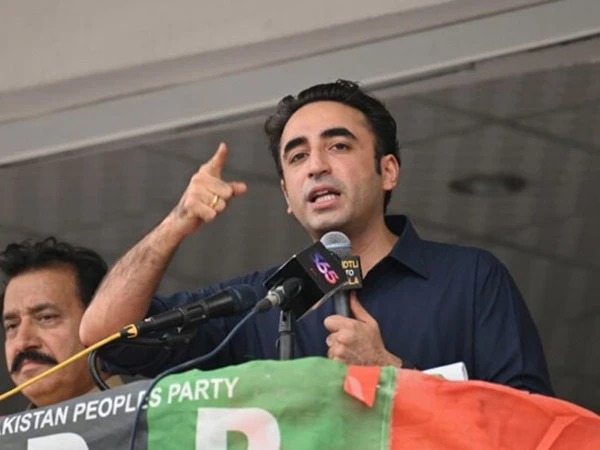
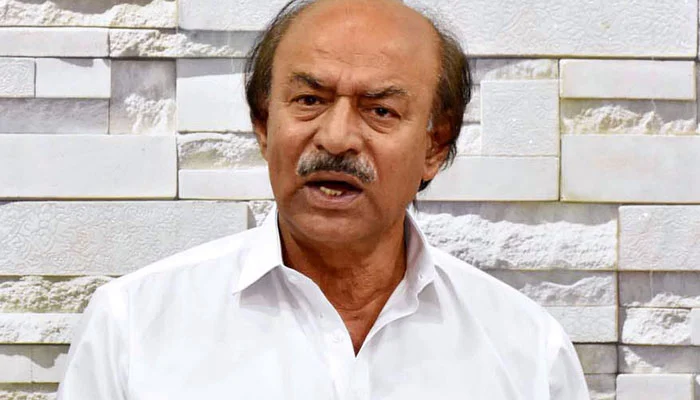
    Pakistan Peoples Party (PPP) Sindh leader Nisar Khuhro has strongly criticized discussions surrounding the creation of new provinces in the country, describing them as part of what he called a “dangerous conspiracy” aimed at weakening Pakistan’s democratic environment. Speaking at a press conference in Karachi, Khuhro questioned the purpose behind proposals for creating additional provinces, saying that such moves could lead to unnecessary political divisions. “Do we want to create 22 provinces and have 22 chief ministers?” he asked, adding that the current developments were an attempt to damage the democratic atmosphere of Pakistan. Khuhro stated that the creation of new provinces requires a two-thirds majority in the relevant provincial assembly, emphasizing that such a major constitutional change cannot be carried out without proper legal and political procedures. Referring to those supporting such initiatives, he used strong language and said that “cockroaches have emerged and will continue to emerge,” adding that those responsible for such moves would face opposition. The PPP leader argued that Pakistan has a long history of political instability and conspiracies, warning that similar approaches in the past had caused serious damage to the country. He recalled that Pakistan had previously suffered from flawed policies and political decisions, stating that powerful forces had played a role in harming national institutions and stability. Commenting on recent remarks by the interior minister regarding the country’s governance system, Khuhro said that if the system was described as outdated or ineffective, those benefiting from the current hybrid political arrangement should also consider their role. “The interior minister says the system has become outdated, but they appear comfortable within the hybrid system,” he remarked. Khuhro also highlighted what he described as repeated interruptions in Pakistan’s democratic process. He said that throughout history, elected governments and prime ministers have often been prevented from completing their constitutional terms. He pointed out that some elected leaders were removed from office, while others faced severe consequences, including imprisonment and execution. He also referred to the struggles of democracy activists, saying that workers who participated in movements for the restoration of democracy had faced harsh treatment, including physical punishment. According to Khuhro, political parties have repeatedly been denied the opportunity to complete their constitutional mandates, which has weakened democratic institutions in the country. The PPP leader stressed that political stability and respect for constitutional processes were essential for Pakistan’s future. He warned that attempts to create unnecessary divisions could further increase uncertainty and weaken national unity. During the press conference, Khuhro also mentioned political developments within the PPP, stating that Karachi-based businessman Saeed had joined the Pakistan Peoples Party. He welcomed the inclusion of new members, saying that the party continued to expand its political engagement. Khuhro’s comments come amid ongoing discussions in Pakistan regarding administrative reforms and proposals for creating new provinces. Supporters of new provinces argue that they could improve governance and bring government closer to citizens, while opponents have raised concerns about political motives, financial challenges, and potential divisions. The PPP leader maintained that any constitutional changes must follow democratic procedures and should serve the interests of the people rather than create further political instability.
  • | |

    Security measures strengthened ahead of second pha…

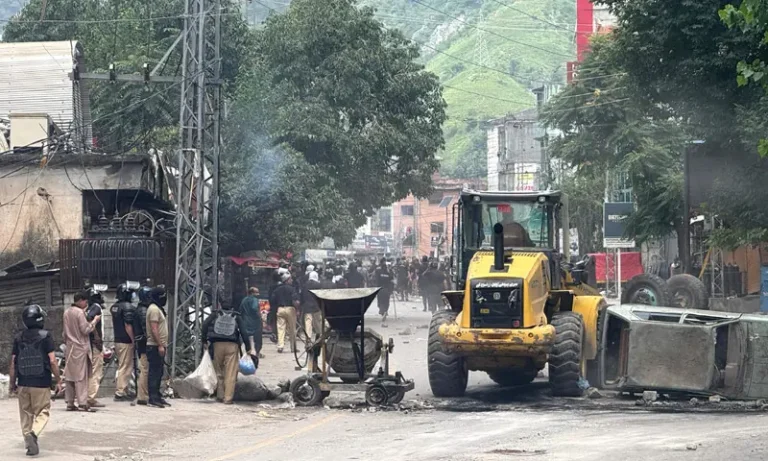
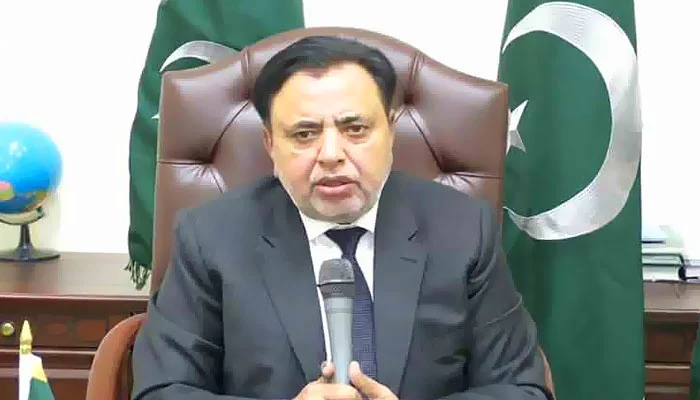
    Chief Election Commissioner of Azad Jammu and Kashmir, retired Justice Ghulam Mustafa Mughal, has said that the law and order situation in Muzaffarabad has improved, following concerns over uncertainty and security challenges in the city. Justice (retd) Ghulam Mustafa Mughal said that while there had been an atmosphere of uncertainty in Muzaffarabad the previous day, the situation had now become more stable and peaceful. He added that additional security personnel had been deployed at the two most sensitive constituencies in the region to ensure peaceful polling. The chief election commissioner said that security arrangements for elections on migrant seats in Pakistan were the responsibility of the relevant provincial governments. He explained that election materials had been dispatched to polling stations and that presiding officers had also left for their assigned areas. “Election equipment has been sent to the polling stations, and presiding officers have moved toward their respective locations,” he said, adding that in some remote areas, the transportation of election materials was continuing gradually due to logistical challenges. Justice Mughal confirmed that polling in Muzaffarabad would take place the following day and identified two constituencies—LA-5 Khawora and LA-3 Lajrat—as highly sensitive areas requiring additional security arrangements. He said extra security forces had been deployed at sensitive polling stations, while Quick Response Force units would also remain available throughout the polling process. In the event of any emergency or disturbance, the quick response teams would immediately intervene to control the situation and maintain peace. The chief election commissioner expressed confidence that the security arrangements would help ensure a smooth and transparent election process. He emphasized that all necessary measures were being taken to protect voters, polling staff, and election officials. Meanwhile, preparations for the second phase of the Azad Jammu and Kashmir elections have been completed. Polling will be held in three districts of the Muzaffarabad division as well as on 12 seats reserved for Kashmiri refugees living in Pakistan. According to the Azad Jammu and Kashmir Election Commission, the Muzaffarabad division consists of three districts: Muzaffarabad, Neelum, and Jhelum Valley. More than 890,000 registered voters are eligible to cast their ballots across these areas. A total of 208 candidates are contesting elections in nine constituencies across the three districts. The voting process will also include refugee seats representing Jammu and Kashmir Valley migrants who are currently residing in Pakistan. The Election Commission stated that six seats representing Jammu and six seats representing the Valley will be contested by Kashmiri refugees living in Pakistan. These seats are part of the legislative structure of Azad Jammu and Kashmir and allow displaced communities to participate in the political process. Authorities have increased security arrangements across polling areas to prevent any disruption and ensure that voters can exercise their right peacefully. Election officials have also directed security agencies and administrative departments to remain alert throughout polling day. The second phase of voting is being closely monitored due to the importance of the constituencies involved and previous concerns regarding security. Officials have assured that all necessary steps have been taken to conduct free, fair, and peaceful elections in the region.

  • | |

    Prime Minister Shehbaz Sharif meets Nawaz Sharif t…

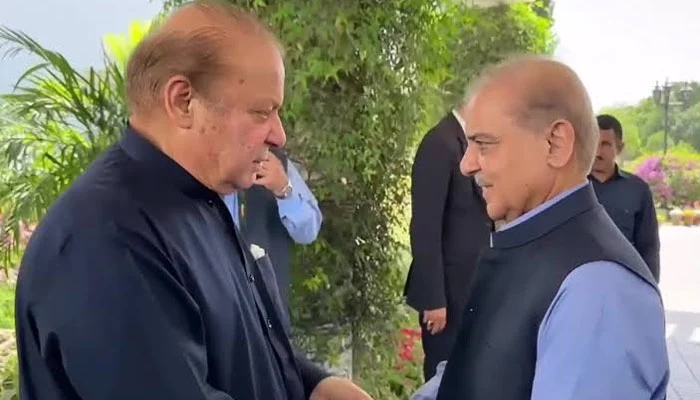
    Prime Minister Shehbaz Sharif met Pakistan Muslim League-Nawaz (PML-N) President Nawaz Sharif at his residence in Raiwind, Lahore, where the two leaders held detailed discussions on the country’s overall situation and political developments. According to a statement issued by the Prime Minister’s Office in Islamabad, Punjab Chief Minister Maryam Nawaz and Deputy Prime Minister Ishaq Dar were also present during the meeting. The discussion covered a range of important national and political matters, with the participants reviewing the current challenges facing the country. The meeting between the senior PML-N leadership comes amid ongoing political and economic developments in Pakistan, where the government continues to focus on governance, economic stability, and policy implementation. The leaders exchanged views on the prevailing national environment and discussed matters related to the government’s future priorities. The Prime Minister’s Office stated that the meeting included a comprehensive review of the country’s overall situation. However, further details regarding the specific issues discussed were not disclosed in the official statement. Nawaz Sharif, who remains the president of the PML-N and an influential figure within the party, continues to play an important role in guiding party policies and strategic decisions. Despite no longer holding public office, he frequently meets senior party leadership to discuss political matters and government performance. Prime Minister Shehbaz Sharif has maintained close communication with Nawaz Sharif on key national issues since taking office. Their meetings often focus on economic reforms, administrative matters, political strategy, and efforts to address challenges faced by the country. Punjab Chief Minister Maryam Nawaz’s presence at the meeting also highlighted the importance of provincial governance and coordination between the federal and Punjab governments. Since assuming office, Maryam Nawaz has focused on various development initiatives and administrative reforms in Punjab. Deputy Prime Minister Ishaq Dar, who also serves as a senior PML-N leader, has remained involved in economic policymaking and government affairs. His participation in the meeting reflected discussions related to national economic priorities and financial matters. Political observers consider meetings among the top PML-N leadership significant, especially at a time when Pakistan faces multiple challenges, including economic pressures, political disagreements, and the need for institutional reforms. The government has repeatedly emphasized the importance of political stability and economic recovery, while opposition parties continue to criticize government policies and demand greater accountability. The Raiwind meeting reflects the continued coordination among senior PML-N leaders as they evaluate the country’s situation and plan their political approach. Although the official statement did not provide specific details, such consultations are considered an important part of the party’s decision-making process. The meeting concluded with discussions focused on national interests, political matters, and strategies for addressing the challenges facing Pakistan. The PML-N leadership is expected to continue consultations on important issues as the government moves forward with its agenda.

  • | |

    Rashid Latif urges PCB chairman to utilize Younis …

    Former Pakistan Test captain and wicketkeeper-batter Rashid Latif has called on Pakistan Cricket Board (PCB) Chairman Mohsin Naqvi to make better use of former captain Younis Khan’s expertise for the growth and development of cricket in the country. Latif believes that experienced former players like Younis Khan can play a significant role in nurturing young talent and strengthening Pakistan’s cricket structure. Speaking at the inauguration ceremony of the Younis Khan Cricket Academy at KHA Legend Arena in Karachi’s Gulshan-e-Iqbal, Rashid Latif stressed the need to put Pakistan cricket on the right path by involving accomplished cricketers in the development process. He said Younis Khan’s vast experience and commitment to the game make him one of the best individuals to guide the next generation of players. Latif also reflected on Karachi’s rich cricketing history, noting that there was a time when the Pakistan national team featured a large number of players from the city. However, he said the situation has changed over the years, and Karachi no longer contributes players at the same level as it once did. Highlighting the importance of Karachi’s Malir district, Rashid Latif said the area has produced several outstanding cricketers, including Saeed Anwar, Khurram Manzoor, Asim Kamal, Younis Khan, and himself. According to him, the region has long been a breeding ground for cricketing talent and deserves continued investment in player development. The former captain also pointed out that while many of Younis Khan’s contemporaries are seeking positions within the Pakistan Cricket Board, Younis has remained focused on serving the game by working directly with aspiring cricketers. Latif praised this dedication, saying it reflects Younis Khan’s genuine passion for Pakistan cricket. Rashid Latif expressed confidence that the Younis Khan Cricket Academy will help revive grassroots cricket in Karachi by providing young players with quality coaching and professional guidance. He emphasized that similar initiatives can strengthen the country’s cricketing future if supported by the PCB and other stakeholders. Concluding his remarks, Latif paid tribute to Younis Khan’s remarkable achievements, describing his record of more than 10,000 Test runs and 34 Test centuries as an extraordinary milestone. He said cricketers of Younis Khan’s caliber are produced only once in a generation, making it essential for Pakistan cricket to benefit from his experience and leadership.

  • | |

    Bilawal Bhutto welcomes positive response to recon…

    Pakistan Peoples Party (PPP) Chairman Bilawal Bhutto Zardari has announced that the Joint Public Action Committee has responded positively to his proposal for establishing a Reconciliation Commission to help resolve the ongoing crisis in Azad Jammu and Kashmir (AJK). He said the committee’s response included several recommendations that would be carefully reviewed as part of the consultation process. In a statement shared on the social media platform X, Bilawal said he had received the committee’s formal reply regarding the proposed commission. According to him, the response reflects a willingness to consider an institutional mechanism that could help address the current situation through dialogue and consensus. Bilawal emphasized that his immediate priority is to help bring the ongoing crisis to an end, provide urgent relief to affected citizens, and restore normal life across Azad Jammu and Kashmir. He described every loss of life as a national tragedy and stressed the importance of finding a peaceful and sustainable solution through constructive engagement. The PPP chairman welcomed the committee’s readiness to move forward with the proposed Reconciliation Commission, saying it represents a positive step toward resolving outstanding issues. He added that the Azad Jammu and Kashmir Legislative Assembly has also endorsed the proposal, which he intends to examine in detail before further consultations. Bilawal said the next phase of the process would involve discussions with the Prime Minister of Azad Jammu and Kashmir. Following these consultations, the AJK leadership is expected to seek initial feedback from the federal government and other relevant stakeholders to determine whether there is sufficient common ground to advance a mutually agreed framework. According to Bilawal, broad-based consultation among all stakeholders is essential to ensure that any solution enjoys public confidence and contributes to lasting stability. He expressed hope that the proposed commission could provide a structured platform for dialogue while addressing the concerns of all parties involved. The development comes at a time when efforts are underway to reduce tensions in Azad Jammu and Kashmir and restore normal public life. Bilawal reiterated that meaningful dialogue, cooperation, and timely relief for affected communities remain central to his approach. He expressed optimism that continued engagement between the committee, the AJK government, and federal authorities could pave the way for a consensus-based resolution to the crisis.

  • | | |

    Karachi weather update: Surjani Town records highe…

    Surjani Town recorded the highest rainfall in Karachi on Saturday as monsoon activity brought light to moderate showers to several parts of the city. According to the Pakistan Meteorological Department (PMD), similar weather conditions are expected to continue today and tomorrow, with cloudy skies and intermittent rainfall forecast across Karachi. The city experienced highly humid weather during the morning before low-level clouds covered most areas later in the day. Light drizzle and scattered showers were reported in several neighborhoods, while suburban areas including Surjani Town, Gulshan-e-Maymar, and Scheme 33 received light to moderate rainfall. Official rainfall data released by the PMD showed that Surjani Town recorded the highest rainfall at 4 millimeters. Gulshan-e-Maymar received 3.4 millimeters, while PAF Base Masroor recorded 2.3 millimeters. Gulshan-e-Hadeed registered the lowest rainfall among the monitored locations with 1.5 millimeters. PMD spokesperson and Deputy Director Anjum Nazir Zaigham said Karachi is expected to remain mostly cloudy through Sunday and Monday, with chances of thunderstorms accompanied by light to moderate rain. However, he clarified that the current weather system is not expected to produce heavy rainfall in the city. According to the department’s early warning update, the low-pressure weather system has weakened after previously developing into a depression. It is currently located over southeastern Rajasthan, India. Although the system has weakened, monsoon currents from the Arabian Sea and the Bay of Bengal continue to influence weather conditions across Pakistan’s central and northern regions. Meteorologists also noted that a separate western weather system is affecting the country’s northern areas and could strengthen further, bringing additional rainfall to upper and central parts of Pakistan in the coming days. Meanwhile, several districts of rural Sindh are expected to experience thunderstorms, gusty winds, and moderate to heavy rainfall due to ongoing monsoon activity. Authorities have warned that heavy downpours in some districts could trigger urban flooding in low-lying areas. The PMD reported that Karachi’s maximum temperature reached 35.8 degrees Celsius on Saturday, while humidity remained high at 72 percent, contributing to muggy conditions despite the rainfall. Residents have been advised to stay updated with official weather forecasts as monsoon conditions continue to evolve across the region.

  • | |

    Khawaja Asif urges Mohsin Naqvi to start system re…

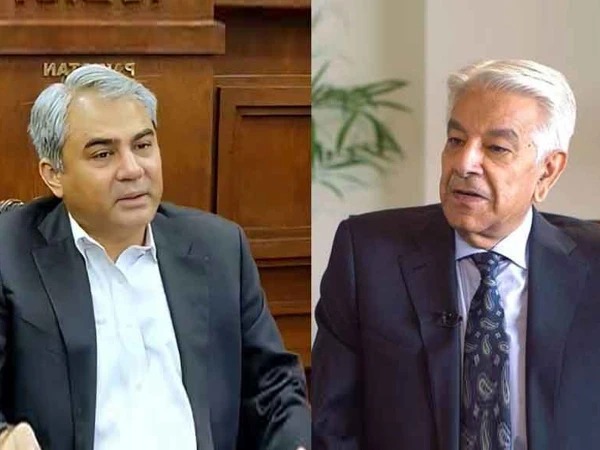
    Defence Minister Khawaja Asif has advised Interior Minister Mohsin Naqvi to begin efforts for changing the system by ensuring the implementation of the National Action Plan and improving performance within his own ministry. Reacting to Mohsin Naqvi’s recent remarks about weaknesses in the existing system, Khawaja Asif said he personally agrees to a large extent with the concerns raised by the interior minister. However, he emphasized that meaningful reforms should be pursued through constitutional and legal platforms, particularly Parliament and the cabinet. In a statement shared on social media, Khawaja Asif said that discussions about major reforms would produce better results if they were presented on parliamentary forums. He added that Parliament provides the appropriate platform for strengthening institutions and bringing sustainable changes through a constitutional process. The defence minister described Mohsin Naqvi as a powerful figure within the government and said that he should use his position to initiate practical reforms. He suggested that the process of system improvement should begin from the Interior Ministry and through the implementation of the National Action Plan. Khawaja Asif said that the evolution of the current system has been influenced by group and personal interests over several decades, and there is now a need to make institutions stronger and more independent. He stressed that reforms should not remain limited to statements but should be translated into practical measures. He further stated that important national issues should be discussed in constitutional forums such as Parliament and cabinet meetings. According to him, involving these institutions would strengthen the system, while discussions outside constitutional platforms may not have the same impact or acceptance. The defence minister also referred to the National Action Plan and said that out of the 13 points highlighted by the military leadership, the points related to the armed forces are being implemented through significant sacrifices. However, he claimed that several points under the responsibility of the Interior Ministry still require progress. Khawaja Asif urged Mohsin Naqvi to take the first step toward system reform by focusing on responsibilities already assigned to his ministry. He said that not only the business community but the entire nation would support genuine efforts aimed at improving governance and strengthening national institutions. He concluded that while discussions on reform are important, real change requires consistent action, institutional cooperation, and progress through established constitutional mechanisms.

  • | | |

    Azad Kashmir elections 2026: second phase polling …

    The second phase of the Azad Kashmir Legislative Assembly Elections 2026 is being held today, with polling taking place in the Muzaffarabad Division and migrant constituencies. Voters in nine constituencies of Muzaffarabad Division and 12 migrant seats will exercise their right to vote as the electoral process moves forward. Election authorities completed preparations for the polling process, including the transportation of election materials and deployment of staff at polling stations. Voting will begin at 8:00 am and continue until 5:00 pm without interruption. The Muzaffarabad Division includes three districts — Muzaffarabad, Neelum, and Jhelum Valley. A total of 890,621 registered voters are eligible to cast their ballots across nine constituencies in the division. According to election officials, 1,483 polling stations have been established throughout Muzaffarabad Division to facilitate voters. A total of 208 candidates are contesting the nine seats, including nominees from major political parties such as the Pakistan Peoples Party, Pakistan Muslim League-Nawaz, Istehkam-e-Pakistan Party, other political groups, and independent candidates. In addition to the Muzaffarabad Division seats, polling is also being conducted for 12 seats reserved for Kashmiri migrants living in different parts of Pakistan. These include six seats from the Jammu region and six seats from the Valley region, where registered Kashmiri voters will participate in the election. The migrant constituencies include Jammu seats from LA-34 Jammu-1 to LA-39 Jammu-6, while Valley seats range from LA-40 Valley-1 to LA-45 Valley-6. Speaking to Geo News, Azad Jammu and Kashmir Chief Election Commissioner Justice (retd) Ghulam Mustafa Mughal said elections are conducted in phases due to security considerations. He stated that although uncertainty existed in Muzaffarabad earlier, the law and order situation has improved and is better than before. Authorities have made security arrangements to ensure a peaceful voting process and have urged citizens to participate responsibly. The Election Commission has emphasized that maintaining a secure environment and ensuring transparency remain key priorities during the polling process. The second phase of the Azad Kashmir Elections 2026 is expected to determine representatives for important constituencies and further shape the political landscape of the region.

  • | | |

    Weak bureaucracy lies at heart of governance crisi…

    Recent remarks by Interior Minister Mohsin Naqvi, who said that Pakistan’s governance system has “collapsed,” have once again sparked debate over the country’s administrative failures. However, the real issue goes far beyond the number of provinces or administrative units and cannot be attributed solely to a lack of political will at the highest level. The core problem, according to the analysis, is the gradual weakening of Pakistan’s civil administrative structure, which has steadily lost its ability to govern effectively over the past several decades. Instead of identifying this institutional failure, the minister’s comments appear to focus on the symptoms of the crisis rather than its root causes. The repeated reliance on extraordinary measures, task forces, and parallel administrative structures itself reflects the inability of the regular civil bureaucracy to perform its responsibilities efficiently. Under the leadership of Army Staff Field Marshal Asim Munir,the military leadership has consistently emphasized economic revival, action against organized mafias, and restoring investor confidence. The establishment of the Special Investment Facilitation Council (SIFC) also emerged as a response to the inability of the civil bureaucracy to deliver timely economic solutions. However, such initiatives cannot permanently replace an efficient civilian administrative system. The governance crisis stems from the persistent decline in the effectiveness of Pakistan’s civil bureaucracy across the federation, provinces, divisions, and districts. Political interference, weak accountability, and poor human resource management have significantly undermined its performance. Punjab is often cited as a partial exception, where relatively limited political interference in routine administration has enabled the bureaucracy to function more effectively. This reinforces the argument that sustainable governance depends on institutional autonomy and merit-based administration rather than temporary or emergency arrangements. Governance experts have long advocated restoring the Establishment Division at the federal level and the Services and General Administration Departments (S&GADs) in the provinces to their original role as independent institutions responsible for managing human resources. Their objective is to ensure that appointments, promotions, and career planning remain protected from political influence and external pressure. The analysis further argues that Pakistan’s civil service should adopt a structured personnel management system similar to the military’s Military Secretary Branch at General Headquarters (GHQ), where recruitment, promotions, training, and career progression are managed through institutional discipline based on merit and performance rather than political considerations. The military’s internal human resource management system is often regarded as organized, merit-based, and largely insulated from political interference. In contrast, the civil Establishment Division is frequently viewed as a bureaucratic office where transfers and appointments are influenced by political lobbying, personal connections, and pressure from powerful groups instead of institutional needs. These practices have produced long-term consequences. Civil servants are often assigned to positions unrelated to their expertise, career planning remains weak or absent, and accountability mechanisms continue to be inconsistent and ineffective. As a result, governance across various sectors has suffered. The report notes that these shortcomings have been identified repeatedly over the years. More than 20 commissions and reform committees have reviewed Pakistan’s civil service structure during the country’s history. Between 1996 and 2008 alone, at least six major studies highlighted the same concerns, including politicization of the bureaucracy, the absence of merit-based appointments, and weak institutional management of human resources. Despite these findings, most recommendations were never implemented. Successive governments, whether civilian or military, have shown little willingness to reduce their influence over administrative appointments and transfers. Consequently, repeated attempts at civil service reform have failed to produce lasting institutional change. The analysis concludes that Pakistan’s governance crisis is not the result of a failure to identify the problem but rather a lack of political commitment to implementing meaningful institutional reforms. In this context, Mohsin Naqvi’s recent remarks do not fully address the deeper structural weaknesses within the state. The central issue is not merely that the system has collapsed, but that the country’s primary administrative engine—the civil bureaucracy—has been allowed to deteriorate without comprehensive reform. The proposed solution is not the creation of additional provinces but the rebuilding of the civil administrative system on the principles of merit, protection from political interference, and professional career management comparable to the military’s administrative framework.

  • | |

    PPP-PML-N row intensifies as AJK polls enter secon…

    Political tensions between the Pakistan Peoples Party (PPP) and the Pakistan Muslim League-Nawaz (PML-N) have deepened as Azad Jammu and Kashmir (AJK) entered the second phase of its elections. Despite several rounds of negotiations, the two coalition partners failed to resolve their dispute over the first phase of polling. The second phase of the elections is being held in nine constituencies of Muzaffarabad division and all 12 refugee constituencies. Authorities have made extensive security arrangements to ensure peaceful polling, while political uncertainty continues to dominate the electoral process. The disagreement began after the first phase of elections in Mirpur, where the PML-N secured key victories. The PPP questioned the election results and alleged irregularities in several constituencies. The PML-N rejected the allegations and insisted that the elections reflected the public mandate. The dispute has led to an exchange of sharp political statements between leaders of both parties. Senior PML-N leader Rana Sanaullah criticized PPP Chairman Bilawal Bhutto Zardari for repeatedly raising allegations of election rigging. He questioned the basis of such claims and also referred to the election of President Asif Ali Zardari while responding to the PPP’s criticism of the 2024 general elections. Rana Sanaullah also commented on Interior Minister Mohsin Naqvi’s recent remarks regarding the country’s governance system and the debate over creating new provinces. He criticized the minister’s statements and questioned his political rise. Meanwhile, PPP leader Saeed Ghani strongly defended his party during a press conference. He claimed that the PPP had never formed a government through election manipulation. He alleged that the PML-N had repeatedly benefited from controversial election outcomes and accused its leadership of making baseless allegations against the PPP. In an effort to reduce tensions, senior representatives from both parties held several meetings over the past few days. The discussions focused on finding a legal and political solution to the dispute over the election results. According to party sources, the PPP initially challenged the results in four constituencies. It later withdrew objections in two constituencies but continued to demand action regarding Charhoi and Nakyal, where its candidates were defeated by PML-N nominees. During the negotiations, PML-N representatives maintained that any irregularities were isolated incidents rather than evidence of systematic rigging. They argued that such incidents had occurred in previous elections and should not be used to question the overall electoral process. The talks, however, failed to produce a final agreement. As a result, political tensions remained high ahead of the second phase of voting. Separately, Prime Minister Shehbaz Sharif met PML-N President Nawaz Sharif at Jati Umra to review the evolving political situation. The meeting focused on the party’s strategy and the growing dispute with the PPP over the AJK elections. Punjab Chief Minister Maryam Nawaz and Deputy Prime Minister Ishaq Dar also attended the consultation. The participants reviewed the political challenges facing the ruling coalition and discussed possible steps to prevent further escalation between the two allied parties. In another development, PPP Chairman Bilawal Bhutto Zardari said he had received a positive response to his proposal for establishing a truth and reconciliation commission in Azad Kashmir. He described the response as encouraging and said the proposal had also received support from the AJK Legislative Assembly. Bilawal said he would carefully review the suggestions before consulting AJK Prime Minister Raja Faisal Mumtaz Rathore. He added that discussions would also be held with the federal government and other stakeholders to determine whether a consensus could be reached on the proposed commission.