National

  • | |

    Former senator Mushtaq Ahmed Khan detained in Isla…

    Islamabad Police have detained former senator Mushtaq Ahmed Khan over alleged violations of Section 144 and other charges linked to a protest rally in the federal capital. According to police officials, authorities took Khan into custody after he allegedly participated in a rally without obtaining the required permission. Police also accused him of violating restrictions imposed under Section 144 and causing a disturbance during the gathering. The authorities said the action followed the enforcement of restrictions on public gatherings and demonstrations in Islamabad. Section 144 allows the administration to impose temporary restrictions on public assemblies and other activities in order to maintain law and order. Police officials maintained that the former senator had not secured official permission to hold the rally and that his participation in the gathering led to legal action. The exact circumstances surrounding his detention and the nature of the allegations will likely become clearer as the authorities proceed with the case. Mushtaq Ahmed Khan, who previously served as a senator, has remained active in public and political affairs. His detention comes amid continued scrutiny of public demonstrations and political gatherings in the capital, where authorities often impose restrictions to prevent disruptions and maintain security. Police have yet to disclose further details about the duration of Khan’s detention, the specific sections of law invoked against him, or whether authorities have formally registered a case. Further developments are expected as the situation unfolds.

  • | | | |

    Why Lahore sinks whenever it rains in the city? 

    The rain on July 22 almost sank most parts of Defence Housing Authority. Those low-lying areas of the city were also under water. And this happened as the city was lashed with 343 millimetres of rain for two days, according to the Provincial Disaster Management Authority (PDMA). That spell has gone and when you are reading these lines, the city is undergoing a second rain spell. Pakistan’s Meteorological Department has issued a fresh weather advisory, warning that another active monsoon spell is expected from July 29 to August 5 across much of the country. The department said rain, wind and thundershowers, along with scattered heavy to very heavy rainfall, may trigger urban flooding, flash floods and landslides in vulnerable areas. This will keep the residents of low-lying areas, mainly of Lahore’s south, and DHA on the toe. Reacting to this advisory, environmental activist Rafay Alam explained why cities like Lahore keep flooding every monsoon season, and what is really behind the crisis. He said the Met Department had already notified that rain would continue for two days and people were warned in advance that urban flooding would take place, not just in Lahore, but in several cities across Punjab, including Gujranwala and Sialkot. He then pointed to last year’s floods for comparison. “Those floods were caused by heavy rains in the northern areas of the country, which caused rivers to swell,” he said. On top of that, India had released water from the Pong Dam and Bhakra Dam. He said a gate at the Madhopur headworks also broke, causing water levels in the Ravi river to rise sharply. Alam said the situation today is different. The flooding happening now is not caused by river floods or dam releases. Instead, it is simply due to heavy rainfall occurring within Pakistan itself. He said that if people read the Met Department’s advisory carefully, the heaviest rain in the coming days is expected in the northern areas once again, not directly over Lahore. He advised people to check whether they live in low lying or high lying areas, since this makes a big difference during heavy rain. However, he said that the real issue lies in the sheer intensity of rainfall being recorded now. “Some areas have received around 150 millimetres of rain within just a few hours,” he said. He added that 20 or 30 years ago, when the drainage systems and infrastructure in these areas were built, climate change was never part of the planning. Nobody at that time imagined that such intense rainfall could happen within just a few hours. As a result, the old infrastructure simply cannot handle the kind of rain Pakistan is now experiencing. Dr Farid A Malik, a resident of Defence Phase 5, witnessed the entire flood attack first hand. He said that when he was growing up in the 1950s, 1960s and 1970s, rainwater never used to stand in Lahore. At that time, he said, the city was much smaller and the population was far lower, yet even then, the city did not face standing water after rainfall the way it does today. “Whenever the rain would stop, we children used to go out on our bicycles looking for standing water, just for fun. And there were really only two places where water would collect. One was near Shahdara, and another was near the Do Moriya Pul area close to the railway station. That area of Shahdara was a low lying area,” he said. He recalled that in the 1970s, when Zulfiqar Ali Bhutto’s government came into power, and the People’s Party had a lot of support from that area of Lahore at the time, the government promised that they would install pumps in Shahdara and set up a proper system to drain the water out. And they actually did this. Heavy duty pumps were installed in Shahdara, and they used to successfully drain the water out. Dr Farid said the sewerage system Lahore has today simply cannot handle rainwater, because the amount of water that comes with heavy rain is very large, and the system does not have the capacity to handle that much water. He explained there are two separate problems here. First, the underground sewerage system is not cleaned properly. The pipes, whether four feet wide or six feet wide, have become clogged with scaling inside them over time. So even though a pipe might be four or six feet in diameter, the actual open space left for water to pass through has shrunk down to just one or two feet, meaning the whole system does not flow properly. Second, even if the sewerage system was clean, it still cannot handle rainwater on top of regular sewage. For this reason, Lahore used to have separate storm drains, called nalas in Urdu, which carried rainwater away separately into the Ravi river. Because of this separate system, rainwater never used to accumulate in the city. He said this has changed because storm drains have been blocked, either through neglect or construction on top of them. “An entire market has been built on top of a storm drain along Hall Road,” he said, adding that similar encroachment has happened along the Ravi river itself. Last year, water that should have gone into the river ended up flowing into housing societies instead. Dr Farid also pointed out that when Lahore had open drains instead of an underground sewerage system, the drainage actually worked better. Since the city moved underground, cleaning has become irregular, flow has suffered, and pumping stations work only some of the time. He said Lahore’s expansion added to the problem, since new areas were given sewerage systems but no proper storm drain network for rainwater. DHA, he said, expanded in phases over the years without any master plan covering how sewage and rainwater would both be managed. Speaking about his own neighbourhood, Dr Farid said there is a pumping station near the Sui Gas Society area of Defence that pumps sewage water

  • | |

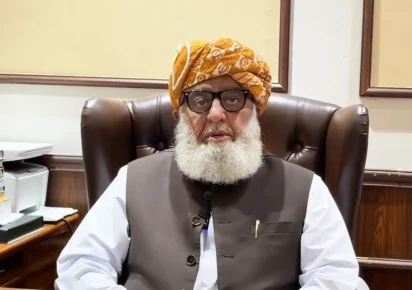
    Fazlur Rehman urges dialogue to end AJK crisis

      Jamiat Ulema-e-Islam-Fazl (JUI-F) chief Maulana Fazlur Rehman has urged the federal government to address the ongoing unrest in Azad Jammu and Kashmir (AJK) through dialogue, stressing that reconciliation is the only path to a lasting solution. In a video message shared on the party’s X account on Saturday, Fazlur Rehman called on the government and state institutions to recognise the seriousness of the situation instead of responding with force. He said authorities should work to restore peace and stability rather than allowing further bloodshed. “The government and state institutions must understand the gravity of the crisis. Instead of turning our homeland into a place of violence, they should focus on healing divisions through meaningful dialogue,” he said. His remarks came after violent clashes were reported in Rawalakot between law enforcement personnel and protesters affiliated with the banned Jammu and Kashmir Awami Action Committee (JAAC). Reports circulating on social media claimed multiple casualties and injuries, with both security officials and the JAAC alleging loss of lives. Fazlur Rehman said the JAAC’s sit-in had continued for more than two months. He recalled that after tensions intensified on June 5, the committee had formally requested him to mediate between the protesters and the government. According to him, he accepted the role and remained in contact with both sides through JUI-F AJK chief Maulana Saeed Yousaf Khan and Sardar Kamran Azam Khan. The JUI-F chief expressed concern over the situation faced by residents of AJK, saying people expect their government to protect them rather than leave them living in fear. He alleged that women, children and families had endured months of insecurity while the authorities failed to address their concerns. He further claimed that force had been used against unarmed protesters and alleged that, according to the information available to him, the death toll had reached around 80 people. However, no official confirmation has been issued regarding that figure. Despite the violence, Fazlur Rehman appealed to the JAAC leadership and protesters to remain peaceful and avoid any action that could worsen the situation. He urged them to allow more time for mediation efforts, expressing hope that a fair and lasting political settlement could still be achieved. He also criticised the government’s approach, claiming that although the protesters had shown confidence in his mediation efforts, the authorities had not taken the initiative seriously and had instead relied on force rather than negotiations. Warning of wider implications, Fazlur Rehman said the movement had gained support across Kashmir as well as among Pakistanis and the Kashmiri diaspora, particularly in Europe. The recent violence has drawn condemnation from political parties and human rights organisations. The Human Rights Commission of Pakistan (HRCP) expressed deep concern over reports of deaths and injuries, stressing that maintaining law and order should never come at the expense of the right to life or the freedoms of peaceful assembly and expression. The commission called for a prompt, impartial and independent investigation into the incidents. Opposition parties, including PTI, also demanded an independent judicial inquiry into the clashes, while other political groups criticised what they described as the excessive use of force against protesters. The current dispute is linked to long-standing demands by the JAAC, which has been seeking constitutional and governance reforms in AJK. Among its key demands are the abolition of 12 reserved seats in the AJK Legislative Assembly allocated to Kashmiri refugees and the removal of the existing quota system. Although the government and the JAAC reached an agreement after protests last year to establish a high-level committee to review the issue of refugee seats, negotiations have since stalled. The JAAC continues to insist on abolishing the reserved seats, while the government remains opposed to the proposal.

  • |

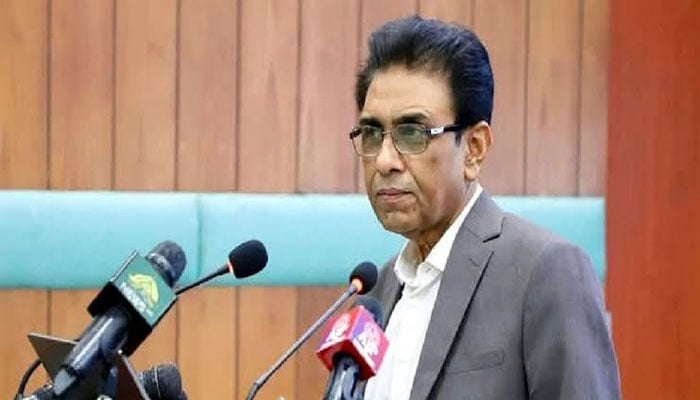
    MQM-P calls for administrative units based on popu…

    Muttahida Qaumi Movement-Pakistan (MQM-P) Chairman Dr Khalid Maqbool Siddiqui has called for the creation of new administrative units across Pakistan based on population size, arguing that the country needs a more effective system of governance to meet the needs of its growing population. Speaking at a press conference in Karachi, Siddiqui said the business community across the country had also raised concerns similar to those voiced by his party regarding the existing administrative structure. He argued that Pakistan’s administrative system needed reforms to ensure better governance and a more balanced distribution of resources. Siddiqui said the provincial structure had changed after the abolition of the One Unit system, but the country had failed to restore an administrative framework that fully addressed the needs of its population. He stressed that his party’s demand for new administrative units did not target the country’s territorial integrity or seek to undermine the existing provinces. “We demand the creation of administrative units in Pakistan according to the population,” Siddiqui said, emphasizing that the objective was to improve administration and ensure that people received better public services. Addressing concerns over the boundaries of potential new administrative units, the MQM-P chief said his party had never called for a debate over the division of Pakistan’s territory. He described Pakistan as the “motherland” and said all four provinces remained an integral part of the country. Siddiqui maintained that the country itself was indivisible, while the Constitution allowed for changes in the administrative structure. He said the Constitution provided a mechanism for altering provincial boundaries and creating new administrative arrangements, although he believed the existing procedure had become impractical under current circumstances. The MQM-P chairman also pointed to the significance of August 1, the beginning of Pakistan’s independence month. He said the month carried a strong ideological connection with the creation of Pakistan and should encourage political leaders to discuss reforms aimed at strengthening the country. Siddiqui further revealed that his party had already introduced a constitutional amendment in the National Assembly to address the issue. He argued that Pakistan needed to revisit its administrative framework and consider reforms that could make governance more efficient and bring government closer to the people. The MQM-P has repeatedly advocated the creation of additional administrative units, maintaining that a more decentralized system could improve governance, facilitate service delivery and ensure a fairer distribution of resources. The demand, however, remains a politically sensitive issue, particularly in the context of debates over provincial boundaries and autonomy.

  • | | |

    Army major martyred, five terrorists killed

    A Pakistan Army major was martyred while leading an intelligence-based operation (IBO) against terrorists in the Razmak area of North Waziristan, the Inter-Services Public Relations (ISPR) said on Saturday. According to the military’s media wing, security forces launched the operation after receiving intelligence about the presence of terrorists in the area. During the exchange of fire, five terrorists affiliated with Fitna al Khawarij were killed. ISPR identified the martyred officer as Major Hafiz Ihsan Elahi, 34, a resident of Mianwali district. The military said the officer was leading his troops from the front and fought bravely during the operation before embracing martyrdom. The statement said the slain terrorists were actively involved in multiple attacks against security forces, law enforcement personnel and civilians. Security forces also recovered a cache of weapons, ammunition and other military equipment from the militants during the operation. Following the successful raid, sanitisation operations were launched in the surrounding areas to eliminate any remaining terrorists and ensure the area is fully cleared. The military said the operation forms part of Pakistan’s ongoing counterterrorism campaign under the Azm-i-Istehkam strategy approved by the Federal Apex Committee on the National Action Plan. The ISPR reiterated that Pakistan’s security forces remain committed to eliminating all forms of terrorism and will continue intelligence-driven operations against militants across the country. It added that the sacrifices of soldiers strengthen the nation’s resolve to safeguard peace and security. Pakistan has witnessed an increase in terrorist incidents since the banned Tehreek-i-Taliban Pakistan (TTP) ended its ceasefire with the government in late 2022. Since then, security forces have intensified intelligence-based operations in Khyber Pakhtunkhwa and Balochistan to dismantle militant networks.

  • | |

    Punjab orders crackdown on professional begging ma…

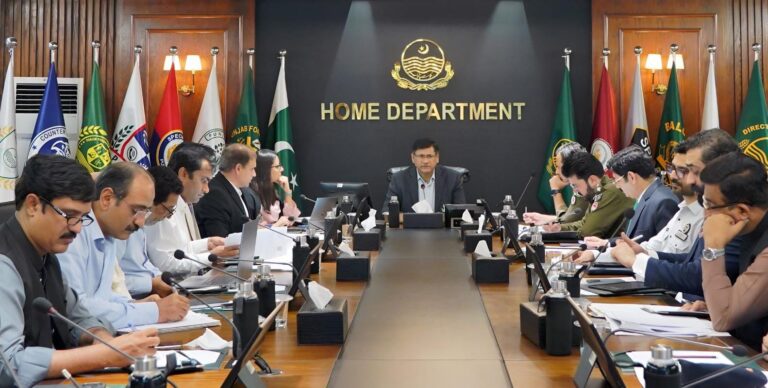
    LAHORE: The Punjab government has ordered a province-wide crackdown against organized professional begging networks, with Lahore set to become the first “Beggar-Free City” under a coordinated enforcement campaign. The decision came during a meeting chaired by Punjab Home Secretary Dr Ahmed Javed Qazi at the Home Department. Authorities directed relevant departments to develop a joint strategy to identify professional beggars, expose the networks operating behind them, and take action against those who force vulnerable people into begging. The Punjab Safe Cities Authority and traffic police have received special assignments to help identify and dismantle the begging mafia’s network. Officials will use modern technology, surveillance tools and human intelligence to locate key hotspots and track repeat offenders. Dr Qazi stressed that authorities must take strict action against handlers who exploit children, women and elderly people for begging. He said the government had introduced legal amendments to increase penalties and fines and discourage organized begging networks. Under the amended Punjab Vagrancy Ordinance 1958, forcing someone to beg constitutes a non-bailable offence. The home secretary directed authorities to ensure strong prosecution of arrested members of the begging mafia so that cases result in effective convictions. The meeting also called for the creation of a centralized database of professional beggars who face repeated arrests. Officials will also maintain updated records of needy and destitute people who seek assistance at welfare homes. Dr Qazi instructed authorities to identify begging hotspots across Lahore and conduct targeted operations at these locations. He further emphasized the need for close coordination among all relevant departments to eliminate organized begging networks. The government also plans to strengthen welfare homes and turn them into support centers for vulnerable members of society. Officials will improve arrangements for food, healthcare and accommodation while providing education to children staying at these facilities. The welfare homes will also offer vocational training to help deserving individuals develop skills and achieve financial independence instead of relying on begging. Dr Qazi urged civil society organizations to play an active role in supporting vulnerable communities. The home secretary appealed to citizens to report professional begging networks to police at 15. He assured the public that the authorities would keep the identities of informants confidential. The meeting was attended by Social Welfare Secretary Saira Umar, Special Secretary Home Zainab Khan, Director General Social Welfare Dr Shahenshah Faisal, Director General Probation and Parole Shahid Iqbal, Additional Secretary Prisons Roman Burana, Additional Secretary Judicial Abdul Rauf, Lahore Chief Traffic Officer Syed Abdul Rahim Shirazi, AIG Sarfraz Warak, Deputy Prosecutor General Dr Usman Iqbal, Civil Defence Director Tasneem Ali Khan, along with officials from the Punjab Safe Cities Authority, FIA, School Education Department and Health Department.

  • | |

    Karachi receives light rain as PMD forecasts more …

      Parts of Karachi experienced light rain and drizzle on Saturday afternoon, bringing a welcome drop in temperatures and creating pleasant weather across the city. The Pakistan Meteorological Department (PMD) has predicted that this spell of wet weather will continue over the next two days, with additional rain and thunderstorms expected in different parts of the metropolis. Light showers and drizzle were recorded in several neighborhoods, including Surjani Town, Gulshan-e-Maymar, and various suburban areas. Residents enjoyed cooler conditions after the rainfall, while cloudy skies covered much of the city. According to the PMD, Karachi is expected to remain mostly cloudy, with chances of light to moderate rainfall accompanied by thunderstorms during the coming 48 hours. Earlier forecasts had also warned of windstorms and thunderstorm activity, particularly during the afternoon and evening. Meteorological officials explained that the weather pattern is being influenced by a low-pressure system that had previously developed into a depression but has now weakened into a low-pressure area. The system is currently located over southeastern Rajasthan in India. Although it has weakened, it continues to draw moisture-laden monsoon winds from both the Arabian Sea and the Bay of Bengal, resulting in widespread rainfall across different regions. At the same time, a separate westerly weather system is affecting northern parts of the country, further contributing to unstable weather conditions. The PMD warned that these combined weather systems are likely to trigger thunderstorms, gusty winds, and rainfall in several districts of Sindh. Authorities also cautioned that heavy downpours in some areas could lead to urban flooding, especially in low-lying localities where drainage systems may become overwhelmed. The department stated that rain accompanied by strong winds, thunderstorms, and windstorms was expected over the next three to six hours in several districts, including Tharparkar, Mithi, Umerkot, Mirpurkhas, Badin, Thatta, Sanghar, Tando Muhammad Khan, Tando Allahyar, Hyderabad, Matiari, Jamshoro, Shaheed Benazirabad, Ghotki, Khairpur, Jacobabad, Dadu, Larkana, Sukkur, and nearby areas. Residents in these regions have been advised to remain cautious and stay updated with official weather advisories. In response to the forecast, the Sindh government has placed all relevant departments on high alert to ensure preparedness for any weather-related emergencies. Adviser to the Chief Minister on Rehabilitation, Gyan Chand Essrani, directed the Provincial Disaster Management Authority (PDMA), Rescue 1122 teams, and mobile health units to maintain round-the-clock vigilance. He instructed all emergency response agencies to continuously monitor the situation and respond promptly to any incidents caused by heavy rainfall or flooding. To strengthen emergency preparedness, PDMA Sindh has deployed 50 specially equipped response vehicles fitted with dewatering pumps across the province. These vehicles are intended to quickly remove accumulated rainwater from flooded roads and residential areas. Of the total fleet, 10 vehicles have been stationed in Karachi, while 25 have been allocated to Hyderabad and Mirpurkhas divisions. The remaining 15 vehicles have been deployed in Sukkur and Larkana divisions to support emergency operations. Authorities have urged citizens to exercise caution during heavy rain, avoid unnecessary travel, and cooperate with emergency services to ensure public safety throughout the ongoing monsoon spell.

  • | | |

    One missed bill enough for Lesco to pull the plug?…

    The month of July brings heat and humidity to Lahore. It also brings frequent power cuts, mainly from weather related issues. When it rains, and the atmosphere is muggy, power breakdown occurs and people expect that power will return soon after it goes. But there is a different kind of fear. This fear grows when a house sits dark while every other house on the street still has light. This means the power meter has been disconnected. Recent reports say that field staff of the Lahore Electric Supply Company (LESCO), have been harassing consumers. These reports say that officials are disconnecting power for people who have missed just one month of bill payment. This goes against the normal rule. Under the normal rule, a meter can only be disconnected after two months of non-payment. LESCO spokesperson Rabia Qadir has denied these reports. She said the company has not received any complaint about this issue. She said that rules made by the National Electric Power Regulatory Authority (Nepra), protect the rights and safety of consumers. Under these rules, a meter cannot be disconnected simply because one month of bill payment was missed. She also said that Lesco has not received any formal complaint against any sub-divisional officer, executive engineer, or lineman of any of its circle regarding such incidents. However, she said that some linemen may try to scare or pressure consumers. These linemen may threaten to disconnect a meter if the consumer does not pay the outstanding bill right away. She said this could happen in some cases and this was not the company’s policy. But she stressed that Lesco has a consumer complaint cell. All complaints are recorded there. She said that according to these records, no such complaint has come in. The situation on the ground appears more complicated. This reporter visited the consumer cell at the office of the Lesco chief officer. Several consumers were present there. Their complaints were about different issues. Some wanted correction of industrial bills. Others reported broken meters. When asked about the reports of meters being cut for a single month of default, one officer gave an important detail. They said this practice usually happens in June or July. They said the ministry gives instructions during these months to speed up bill recovery. The goal is to reduce financial losses. Staff at the office suggested that a proper response should come from Lesco Chief Executive Officer Ramzan Butt or his public relations office. However, the public relations office said that Ramzan Butt was in Islamabad for a meeting at the time. This problem is not limited to LESCO areas. Similar reports have come from areas covered by the Multan Electric Power Company. In Muzaffargarh, consumers who missed one month of payment received strict warnings from field staff. These staff members told consumers to avoid another default. If they defaulted again, they were told, their meters would be disconnected. According to the rules, a power connection cannot be cut through meter removal unless bills for both the current and the previous month remain unpaid. Yet for several months now, Lesco teams have continued cutting connections even when only one month of payment was missing. Other than power severe threats, the other main issue people face is take notice of a major problem in the new electricity bill format. The Pakistan Hosiery Manufacturers and Exporters Association in a letter to the prime minister said the revised bill has removed a lot of information that consumers used to see. He said this makes it hard for people to check their meter readings, units consumed, tariff calculations and other charges on their own. They say the changes seem to have been made without following the proper process set by the National Electric Power Regulatory Authority, known as NEPRA. No formal request for changing the bill format was filed with NEPRA and that consumers were never asked for their objections, nor were they given a chance to take part in a public hearing before the change was made. They say that bills are supposed to show the date when the connection or meter was installed, but this information is now missing. The removal of the meter reading snapshot is a serious problem, because consumers can no longer check if the reading used for their bill matches the actual reading at their home. Also, information about the meter reader, along with the date and time of the reading, has also disappeared. They say that when a meter is changed, the bill should show a snapshot of the final reading from the old meter, but distribution companies are not properly doing this. The new bills carry a QR code instead, but this cannot replace information that should be clearly printed on the bill itself. Many senior citizens, people living in rural areas, and low income households may not have smartphones or the internet access needed to scan a QR code. Economist and corporate lawyer Dr Ikramul Haq commented on this situation. He said that the conduct of power distribution companies is not simply a small technical mistake. He called it as a form of pressure against ordinary citizens. These citizens are already struggling with rising prices, high electricity rates, and falling purchasing power. He said that reports of field teams arriving at homes, treating consumers badly, and threatening immediate disconnection show the real human cost of this careless approach. He added that in some cases, meters were removed without any prior notice being given. Dr said explained that the legal position on this matter is very clear. Under the revised Consumer Service Manual issued by Nepra, electricity cannot be disconnected only because the bill for the current or previous month remains unpaid. A notice of seven days must be given along with the bill for the second month of default. Only after this notice period passes, and the default continues, can disconnection take place. He said that removing a meter involves even more safeguards under the rules. He

  • | |

    Iran issues fresh warnings as regional tensions es…

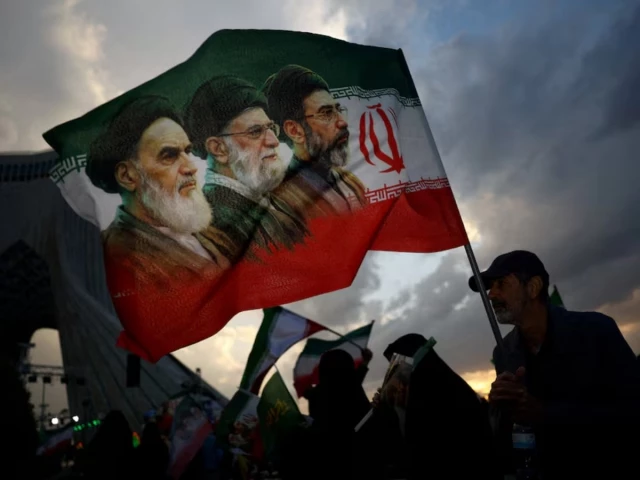
    Tensions across the Middle East intensified on Saturday as senior Iranian military and political officials issued strong warnings to the United States and its regional partners, while Kuwait reported intercepting drones it said were launched from Iran. Major General Abdollahi, commander of Iran’s Khatam al-Anbiya Central Headquarters, accused Washington of deliberately widening the regional conflict. In a statement shared on X and reported by Iranian state media, he alleged that the United States was pursuing a strategy aimed at expanding the war and increasing its influence across the Middle East. According to Abdollahi, the recent confrontation with Iran demonstrated that Washington was prepared to target the interests and resources of Muslim nations to achieve its objectives. He further claimed that the US was relying on the wealth, infrastructure, and strategic assets of regional countries to protect its military presence while reinforcing Israel’s security. The Iranian commander argued that the balance of power in the region had shifted in Iran’s favor, asserting that the United States and Israel failed to achieve their goals during the latest conflict. He also claimed they were now attempting to continue the confrontation through the territory of neighboring Muslim countries. Abdollahi urged regional governments to reconsider their cooperation with Washington, warning that nations acting as a “defensive shield” for the United States could eventually face the consequences of war. Separately, Iranian lawmaker Ebrahim Rezaei, a member of the parliament’s National Security Commission, warned that any future attack on Iran would have devastating consequences for the region. He claimed that such a conflict could reduce regional infrastructure to the “Stone Age” and cautioned against further military action. Meanwhile, Kuwait strongly condemned what it described as Iranian aggression after reporting drone attacks on key facilities. Kuwaiti authorities said their air defense systems detected and destroyed multiple hostile drones that entered the country’s airspace early Saturday. Officials stated that a government installation in northern Kuwait and civilian vehicles on Bubiyan Island sustained material damage from falling debris, although no casualties were reported. Kuwait’s Foreign Ministry described the attacks as a serious violation of the country’s sovereignty and said it reserved the right to take all necessary measures to protect its national security, interests, and critical infrastructure. Iran also warned that continued US maritime pressure could trigger broader consequences. Mohammad Bagher Zolghadr, secretary of Iran’s Supreme National Security Council, said ongoing American actions could ultimately lead to restrictions on the Strait of Hormuz and other strategic waterways, warning that such developments would have significant consequences for global energy markets and the wider economy. At the same time, Iranian Parliament Speaker Mohammad Bagher Ghalibaf declared that Iran had emerged victorious from the recent conflict but stressed that the country must strengthen its long-term stability and national resilience. He emphasized expanding the authority of Iran’s supreme leadership as a key step toward securing the country’s future. Elsewhere, maritime security concerns remained high. The UK Maritime Trade Operations (UKMTO) reported that a commercial tanker was struck by an unidentified projectile off the coast of Oman, damaging its engine room and leaving it temporarily unable to maneuver. Authorities are investigating the incident. In Yemen, the Houthi movement denied reports that it planned to charge commercial vessels for passage through the Bab al-Mandab Strait, insisting that its maritime transit services remain free. However, the group claimed that its blockade had already forced several Saudi oil tankers to reroute around Africa via the Cape of Good Hope, underscoring the continuing disruption to regional shipping routes.

  • | | |

    Pakistan faces critical shortage of warehouse faci…

    Pakistan’s healthcare system is facing a significant logistical challenge, as the country lacks a dedicated warehouse to store emergency medicines and medical kits supplied for disease outbreaks and public health emergencies, according to sources within the Ministry of National Health Services. The revelation has raised concerns about the country’s preparedness to manage essential medical supplies, particularly those intended for large-scale disease prevention and treatment programs. Health Ministry sources disclosed that Pakistan does not even have a designated warehouse for storing medicines purchased under the country’s Hepatitis C elimination initiative. The absence of proper storage facilities has forced health authorities to rely on temporary arrangements that fall short of standard warehousing requirements. According to officials, the District Health Office (DHO) in Islamabad has converted parking areas into makeshift storage rooms to accommodate the growing stockpile of medicines and medical supplies. Temporary structures and storage racks have been installed to protect the supplies until a permanent solution becomes available. While the emergency arrangement has helped address immediate storage needs, officials acknowledge that it is not a long-term replacement for a purpose-built medical warehouse designed to safely store pharmaceutical products and emergency health equipment. The shortage of storage space has become even more pressing following the arrival of hundreds of medical kits donated by the United Nations Population Fund (UNFPA). Ministry sources said the UN agency recently supplied 742 Emergency Obstetric and Newborn Care (EmONC) and Family Planning kits to support Pakistan’s maternal and reproductive healthcare services. However, authorities are struggling to find adequate space to safely store the newly received supplies, creating additional logistical challenges for the health sector. Officials also revealed that medicines for approximately 1.6 million patients have already been procured under the Prime Minister’s Hepatitis C Elimination Programme. The large-scale procurement is intended to strengthen Pakistan’s campaign against one of the country’s most widespread infectious diseases, but the lack of dedicated storage infrastructure threatens to complicate distribution and inventory management. Health Ministry sources explained that temporary storage rooms were established in 2023, when additional racks and shelving units were installed to accommodate the increasing volume of medicines. These facilities were developed as an interim solution until permanent warehouse infrastructure could be built. Despite these efforts, experts believe that the growing number of medical supplies and emergency response materials requires modern storage facilities equipped with appropriate environmental controls, inventory management systems, and security measures to ensure the quality and effectiveness of medicines. Responding to concerns, Islamabad District Health Officer Dr. Rashida said that the medicines currently being stored in the temporary facilities are not deteriorating or losing their effectiveness. She maintained that health officials are taking the necessary precautions to preserve the supplies under existing conditions. At the same time, Dr. Rashida acknowledged the urgent need for a dedicated warehouse and confirmed that letters have been sent to development partners requesting support for the establishment of proper storage infrastructure. The shortage highlights broader challenges within Pakistan’s public healthcare system, where expanding disease-control programmes and increasing international assistance have outpaced the development of essential logistics and storage capacity. Health officials hope that with support from development partners and international organizations, permanent warehouse facilities can be established to strengthen the country’s ability to respond to public health emergencies and ensure the safe storage and timely distribution of life-saving medicines and medical supplies.