National

  • | |

    Karachi’s 1st silent mourning procession ends pe…

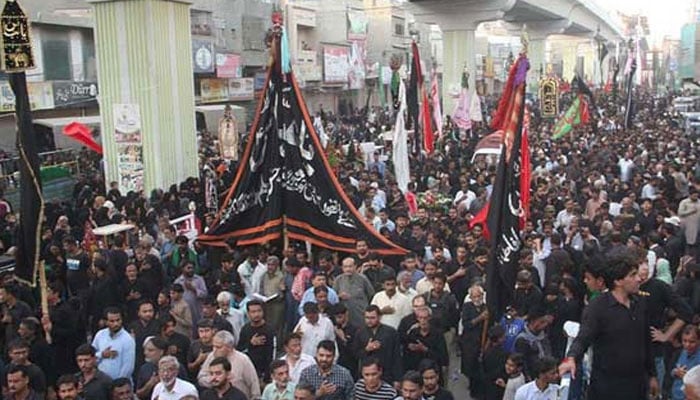
    KARACHI: The first silent mourning procession in Karachi concluded at Hussainiya Iranian Kharadar after passing through its traditional route from Nishtar Park, with authorities enforcing strict security measures throughout the event. A gathering was held at Nishtar Park before the procession began, where Allama Baqir Hussain Zaidi addressed the participants. Police and Rangers personnel were deployed along the procession route, while several roads in the surrounding areas were temporarily closed to general traffic as part of the security arrangements. The affected roads were reopened after the procession passed through the areas. Traffic police also remained on duty to manage congestion and guide motorists toward alternative routes. Meanwhile, the second silent mourning procession is scheduled to begin from Rizvia Society in the afternoon and will conclude at Shah Najaf Imambargah on Martin Road.

  • | |

    ‘Mera Sooba, Mera Nizam’: Mian Aamir M…

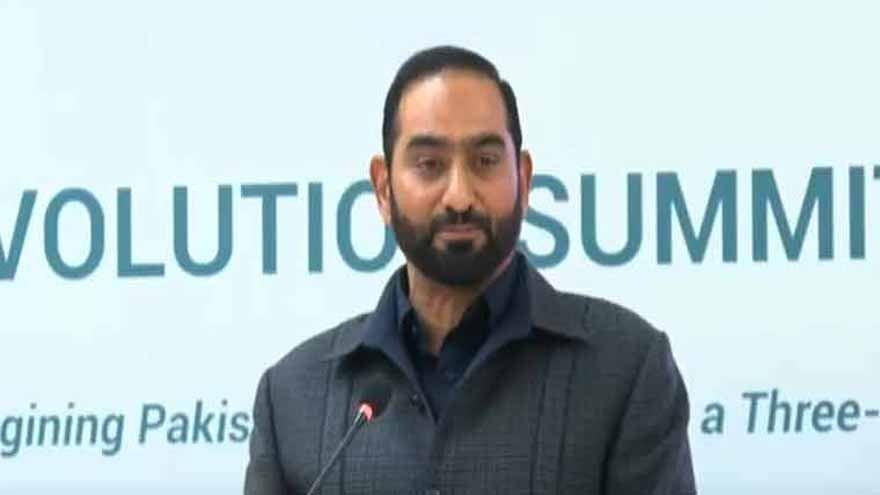
    LAHORE: Chairman Punjab Group of Colleges chairman Mian Aamir Mahmood has launched a nationwide awareness campaign under the slogan “Mera Sooba, Mera Nizam” — My Province, My System. Addressing the inaugural ceremony of the campaign at *Expo Center Lahore*, he said that the slogan is *”not just a slogan but the core point of a nationwide movement”* aimed at administrative reforms and better governance in Pakistan. Key Points of the Campaign Mian Aamir Mahmood said that instead of changing rulers, *Pakistan needs to change its system*. He argued that the creation of *new provinces and smaller administrative units* will reduce government expenses and bring governance closer to the people. He stated that countries around the world increase administrative units with population growth. *”The idea that new provinces will increase expenses is wrong. In fact, costs will go down, and governance will improve,”* he said. Highlighting provincial disparities, he added that *Punjab gives billions to Balochistan every year*, yet faces hatred. He said the *people of Punjab are ready for smaller provinces and that *Balochistan’s 8 divisions and Sindh’s new provinces* would become the richest administrative units with more local control. Focus on Youth and Local Government The Chairman emphasised that the youth want better governance and that *a strong local government system* must be part of every new province. He cited examples of *Turkey, France, and India*, where leaders emerged from local government structures. He also pointed to issues in education and development, noting that *25.1 million children are out of school* and that development has been limited to capital cities like Karachi, Lahore and Islamabad. “Our real slogan is the welfare of the people of Pakistan. 250 million Pakistanis want to move forward. The government must reach people’s doorsteps,”* he said. The campaign *#MeraSoobaMeraNizam* was also promoted at the event, with speakers including *Rector Superior University Prof. Dr. Sumaira Rehman* and *Owais Rauf* expressing support for the initiative.

  • | |

    Essential commodity prices surge sharply over one …

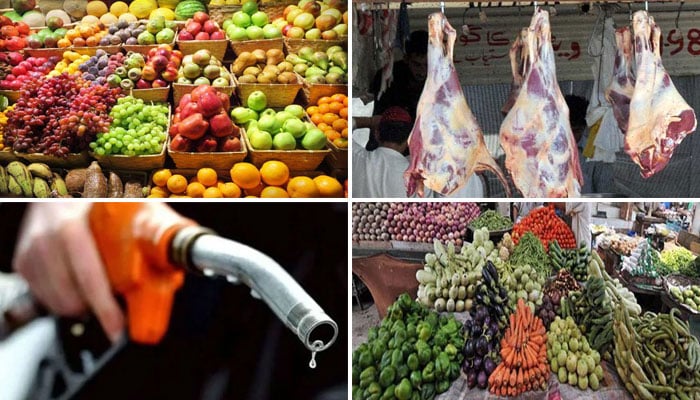
    Prices of several essential commodities have increased significantly across Pakistan over the past year, putting additional pressure on household budgets. According to the latest data released by the Pakistan Bureau of Statistics (PBS), major increases were recorded in the prices of several food items and fuel products. Onion prices recorded the highest increase among the commodities listed by the statistics agency. The price of onions rose by 132.52% in one year. Tomato prices also increased sharply by 93.21%, while flour became 62.25% more expensive during the same period. Fuel prices also witnessed substantial increases. According to the PBS, LPG became 51.69% more expensive over the year. Diesel prices increased by 33.08%, while petrol became 27.65% more expensive. The rise in fuel prices can also affect transportation and the cost of goods and services. Several meat and fruit prices also increased during the year. The price of bananas rose by 17.66%, while mutton became 15.98% more expensive. Beef prices increased by 13.54%, adding to the cost of commonly consumed food items. However, some essential commodities became cheaper during the same period. Potato prices declined by 30%, while sugar became 19.10% cheaper. Chicken prices also decreased by 17.68%, providing some relief to consumers. The statistics also showed a decline in the prices of eggs and pulses. Egg prices fell by 17.41% over the year, while chana dal became more than 13% cheaper. Masoor dal prices declined by 12.29%, while jaggery became 6% cheaper. The latest figures show mixed price trends in the country. While consumers received some relief from lower prices of potatoes, sugar, chicken, eggs and pulses, sharp increases in onions, tomatoes, flour and fuel continued to add pressure to household expenses. The data highlights the significant changes in the prices of everyday necessities over the past year.

  • | |

    PM rebukes Islamabad officials over ceremonial bug…

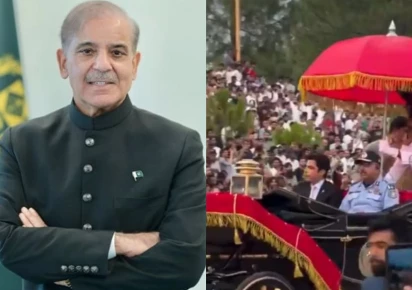
    ISLAMABAD: Prime Minister Shehbaz Sharif has expressed serious displeasure over the use of a ceremonial horse-drawn buggy by Islamabad’s chief commissioner and inspector general during the August 14 Independence Day celebrations. An official advisory issued by the Establishment Division said the incident had attracted widespread public criticism and prompted the Prime Minister to take a serious view of the conduct. The advisory was issued to Islamabad Chief Commissioner Lt (retd) Sohail Ashraf and Inspector General of Police Syed Ali Nasir Rizvi. According to the advisory, the prime minister believed that the display of pomp and show created an impression of privilege, ostentation and personal glorification, which was contrary to the principles of public service. It stressed that government officials entrusted with public offices were expected to demonstrate humility, restraint, dignity and sound judgment. The Establishment Division warned that such conduct could weaken public confidence in government institutions and fall short of the standards expected from senior officials. The two officials were advised to exercise greater care in carrying out their duties and ensure that similar incidents did not happen again. The controversy emerged after images and videos of the officials travelling in the ceremonial buggy during the Independence Day event circulated widely on social media, drawing criticism from the public. Interior Minister Mohsin Naqvi subsequently defended the officials, saying they were not responsible for the decision to use the buggy. He explained that the vehicle had originally been arranged for the chief guest, while he and the chief guest were delayed because of a meeting involving the president and prime minister. Naqvi said the two officials had initially been reluctant to begin the programme in the absence of the chief guest and the minister but were instructed to proceed to avoid inconvenience to the public. Despite the clarification, the incident continued to attract attention, ultimately leading to the formal advisory from the Establishment Division.

  • | |

    Fake hiring of 6 teachers uncovered in Mirpurkhas

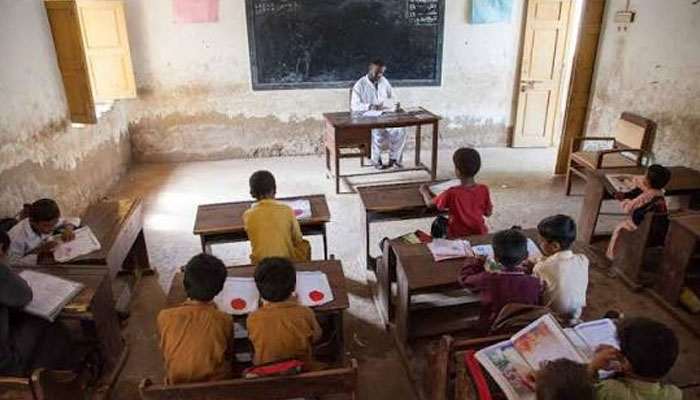
    MIRPURKHAS: Authorities in Mirpurkhas have uncovered the alleged fraudulent recruitment of six secondary school teachers, prompting action by the Sindh Education Department. District Education Officer Mir Fazal Talpur said a formal request had been sent to the District Accounts Officer to suspend the salaries of the six individuals. The department has also approached the IT Data Center to remove their biometric records from the system. A departmental inquiry has been launched against the Director of Education, the district education officer and two taluka education officers to determine how the alleged irregular appointments were processed. Talpur said he had never met or even seen the individuals involved and alleged that his signature and official seal, along with those of other education officials, had been forged to facilitate their appointments. The DEO said the department acted promptly after receiving a complaint from taluka officials. The salaries were stopped and the officials concerned were directed to submit their responses before the inquiry committee. The investigation is expected to establish how the fraudulent appointments were made and identify those responsible for the alleged forgery and irregular recruitment.

  • | | |

    President Zardari, Malaysian minister discuss trad…

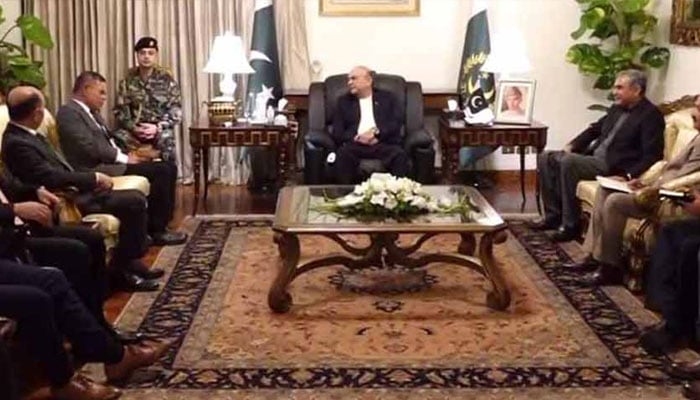
    President Asif Ali Zardari met Malaysian Home Minister Saifuddin Nasution Ismail, with discussions focusing on strengthening cooperation between Pakistan and Malaysia in security, trade and institutional matters. Federal Interior Minister Mohsin Raza Naqvi was also present during the meeting. President Zardari stressed the need to further enhance cooperation between the two countries in the security sector. He welcomed the agreement to expand joint efforts against terrorism, drug trafficking and human trafficking. The president said Pakistan and Malaysia enjoy close relations based on shared religion, cultural ties and mutual respect. He also appreciated progress in institutional cooperation in areas including internal security, immigration, and legal and judicial affairs. The two sides also discussed ways to increase bilateral trade and expand economic relations between Pakistan and Malaysia. President Zardari called for greater market access for Pakistani products in Malaysia. He said there is demand in the Malaysian market for Pakistani rice, potatoes, wheat, poultry products and animal feed. He stressed that both countries should work to further strengthen trade links and facilitate the exchange of goods. During the meeting, Malaysian Home Minister Saifuddin Nasution Ismail noted that 2026 marks the 69th anniversary of the establishment of diplomatic relations between Pakistan and Malaysia. He said 14 weekly flights are currently operating between the two countries, while efforts are underway to increase the number of air connections. Improved connectivity, he noted, could contribute to stronger people-to-people contacts, tourism, business activity and bilateral trade. The meeting also covered ways to deepen institutional links between the two countries. Both sides expressed their commitment to using the Malaysian minister’s visit to further strengthen bilateral relations and cooperation between relevant institutions. The discussions reflected a shared interest in expanding Pakistan-Malaysia cooperation beyond traditional diplomatic ties, particularly in security, immigration, trade and institutional coordination.

  • | |

    Prosecution raises objections over Anmol Pinky cas…

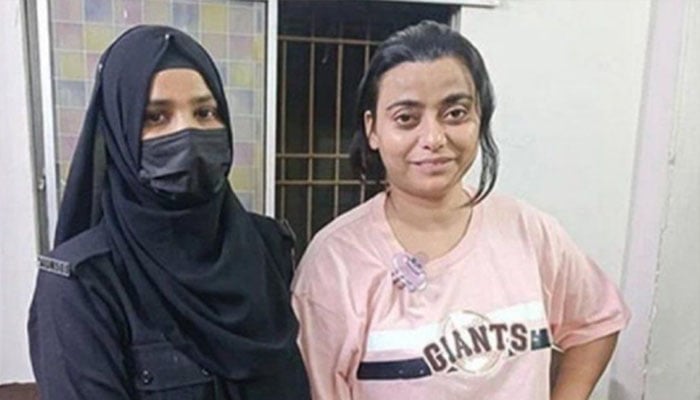
    Three drug-related cases involving accused Anmol Pinky came under discussion before the Judicial Magistrate South court, where the prosecution raised objections over deficiencies in the police challans. Police had submitted interim charge sheets in all three cases to the prosecution for review. However, the Deputy District Public Prosecutor found several important details missing from the documents and returned them to the police with instructions to make the required corrections. The prosecution pointed out that the interim challans did not contain any mention of proceedings to declare Anmol Pinky a proclaimed offender. The prosecutor directed police to provide complete details of the legal proceedings related to her status and incorporate them into the revised challans. Another objection concerned accused persons who had already been acquitted in the cases. According to the prosecution, the police challans failed to provide details about those acquittals. The police were therefore instructed to attach copies of the relevant acquittal orders to the case records so that the challans contain complete information about all accused persons and the outcome of proceedings against them. The prosecutor directed the investigating authorities to address all the objections before resubmitting the documents. The revised interim challans will be presented to the prosecution after the required amendments and additional records have been included. The development comes as legal proceedings continue in the three drug cases against Anmol Pinky. The prosecution’s objections mean that the interim challans have not yet been accepted in their submitted form and must first be corrected according to the instructions issued by the prosecutor.

  • | |

    Sindh University VCs seek extensions as tenures ne…

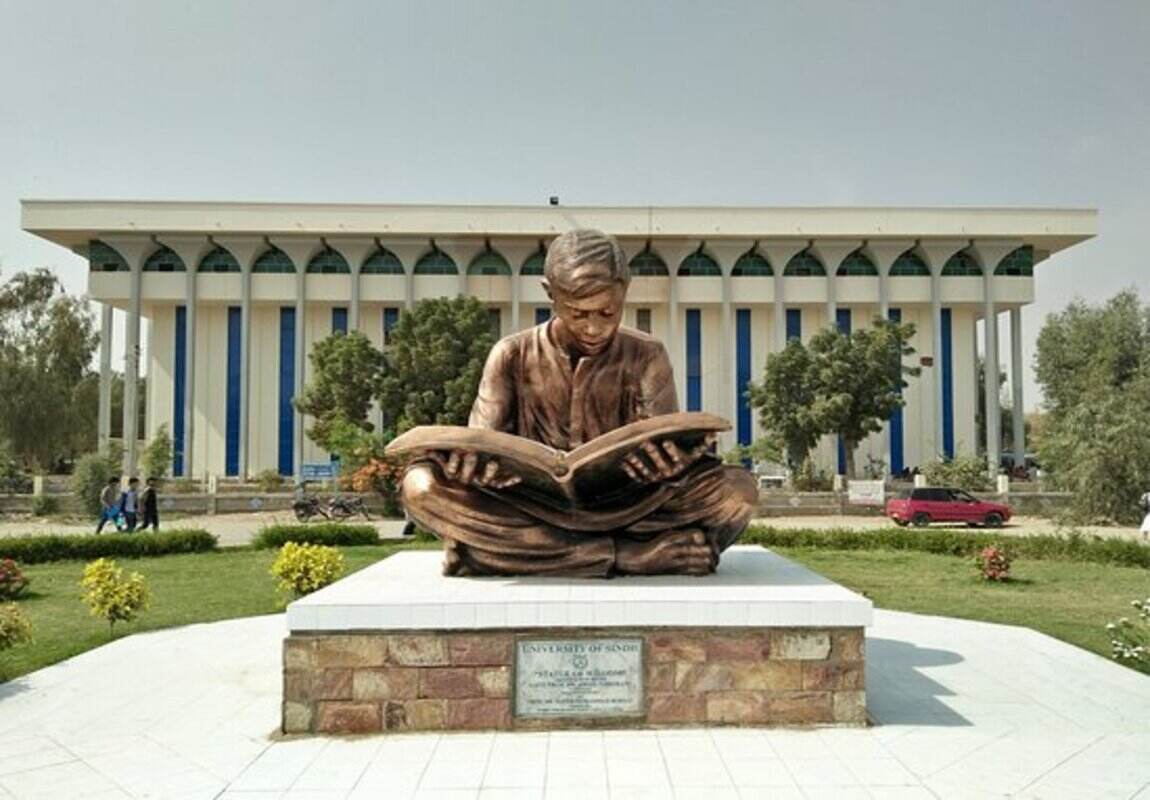
    ISLAMABAD: The extension of the tenure of Professor Dr Nusrat Shah, Vice Chancellor of Shaheed Mohtarma Benazir Bhutto Medical University (SMBBMU), Larkana, has reportedly prompted vice chancellors of several public-sector universities across Sindh to seek extensions as their first terms approach completion. According to sources, the first four-year terms of vice chancellors at eight government universities are set to expire over the coming months. Almost all of the serving VCs, except one, are reportedly seeking second terms. Nusrat Shah’s extension case reaches CM House Sources in the Sindh Chief Minister’s House said that a summary seeking an extension for Dr Nusrat Shah has been forwarded to the Chief Minister of Sindh. Dr Nusrat Shah’s current four-year term is scheduled to expire on January 1, 2027. She is the daughter of former Sindh chief minister Syed Qaim Ali Shah. Sources said her extension case has gained considerable attention and may receive approval. The development has reportedly encouraged other vice chancellors whose terms are also nearing completion to pursue extensions. One extension approved so far The Sindh government has so far approved an extension only for Dr Amjad Siraj Memon, Vice Chancellor of Jinnah Sindh Medical University. Sources said extension cases of Dr Khalid Iraqi and Dr Farooq Hassan have been rejected. Other VCs seeking second terms   Several other vice chancellors are also approaching the end of their first terms: Dr Ikramuddin Ujan — Vice Chancellor, Liaquat University of Medical & Health Sciences, Jamshoro. His term expires on January 1, 2027. His extension case is reportedly complicated by allegations concerning the awarding of multiple gold medals to his son at the university. Dr Zahid Hussain Khand — Vice Chancellor, Aror University of Art, Architecture, Design and Heritage, Sukkur. His term expires on January 19, 2027. Arbela Bhutto — Vice Chancellor, Shaheed Allah Buksh Soomro University of Art, Design and Heritages. Her term expires on January 19, 2027. Dr Asif Sheikh — Vice Chancellor, IBA Sukkur. His term expires on January 19, 2027. Dr Taha Hussain — Vice Chancellor, Mehran University of Engineering and Technology. His term is due to expire in mid-March 2027. Tahmina Nangraj — Vice Chancellor, Begum Nusrat Bhutto Women University, Sukkur. Her term expires on January 19, 2027.  Dr Samreen Hussain — Vice Chancellor, Dawood University of Engineering and Technology, Karachi. Her term expires in January 2027. Sources said summaries seeking extensions for several of these vice chancellors are expected to be forwarded to the Chief Minister’s House in the coming weeks. Test for Sindh government The growing number of extension requests is likely to pose a fresh challenge for the Sindh government and the Chief Minister, who exercises an important role in the appointment and continuation of leadership at public universities. The decisions are expected to be closely watched, with the candidates’ performance, administrative record, political affiliations and any controversies surrounding their tenures likely to come under scrutiny. The outcome of these cases could also shape the leadership of Sindh’s public-sector universities for the next several years.

  • | |

    Army troops deployed in Rawalpindi for six months

    The federal government has approved the deployment of three companies of the Pakistan Army in Rawalpindi. The troops will perform sensitive security duties in the city. The deployment will remain in place for six months. The decision was taken after a request from the Punjab Home Department. The Interior Ministry issued the deployment order on August 21. The order said the army personnel would help prevent any undesirable situation. They will also assist the civil administration in dealing with any unexpected security challenge. The deployment has been authorised under Article 245 of the Constitution. The provision allows the armed forces to assist the civil administration when required. The troops will perform their duties according to the requirements of the district administration. Their presence is intended to strengthen security arrangements and improve the authorities’ ability to respond to emergencies. The government has given the deployment immediate effect. The three army companies can therefore begin their assigned security responsibilities without delay. The order did not provide details about the exact locations where the troops will be stationed. It also did not specify particular operations or threats that prompted the deployment. The decision places additional security resources at the disposal of the Rawalpindi administration. Civil authorities can seek the assistance of the deployed personnel when required during the six-month period. The deployment is part of the government’s broader security arrangements. The use of military personnel under Article 245 is intended to support civilian authorities while they carry out their responsibilities.

  • | |

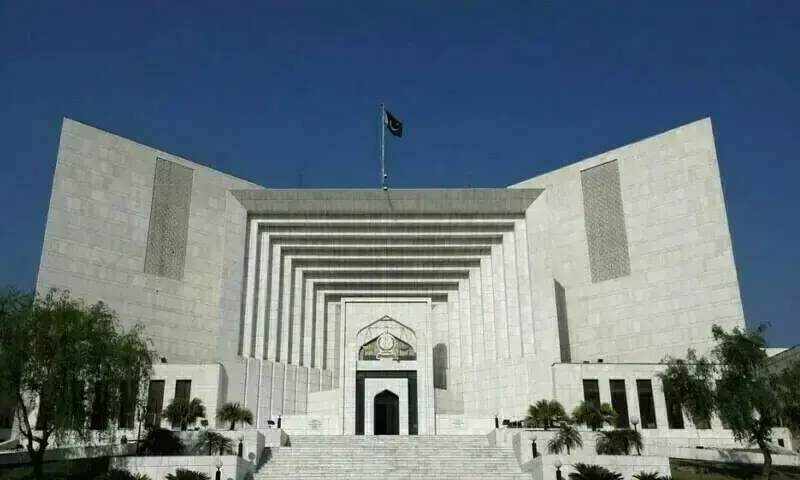
    Bar Council backs SC order on Imran’s treatment

    Eight members of the Pakistan Bar Council have criticised the federal government over what they described as a deliberate failure to comply with the Supreme Court’s order regarding the medical treatment of PTI founder Imran Khan. In a joint statement issued on Saturday, the lawyers said the Supreme Court’s August 18 directive was clear and binding. They alleged that the executive had disregarded the order by not transferring Imran Khan to Shifa International Hospital as directed. The statement was signed by PBC members including PTI Secretary General Salman Akram Raja, Abid Shahid Zuberi, Muhammad Maqsood Buttar, Shafqat Mehmood Chauhan, Munir Ahmed Kakar, Abdul Sattar Khan, Salahuddin Ahmed and Qazi Muhammad Arshad. The members argued that the executive does not have the authority to ignore a binding judicial order. They said such conduct could undermine the authority of the judiciary, weaken the rule of law and damage the constitutional system of checks and balances. They also expressed concern that ignoring a court order could put fundamental rights at risk. According to the statement, judicial orders provide an important constitutional safeguard against arbitrary actions by state institutions. The lawyers further pointed out that the Supreme Court had already addressed the consequences of non-compliance in its August 18 order. They maintained that the government was aware of its obligations under the ruling. The PBC members also rejected the argument that filing a review petition could suspend the Supreme Court’s directive. They said a review petition does not automatically stop the implementation of an existing court order. They called for those responsible for the alleged violation to be identified and for appropriate legal proceedings to be initiated against them. The statement also raised questions about the impact of recent constitutional amendments on the judiciary and the rule of law. The lawyers argued that no constitutional amendment, political consideration or executive decision could provide legal protection for ignoring a binding Supreme Court order. They further questioned whether the constitutional rights to life, health, dignity and medical treatment were being applied equally to political leaders. The controversy follows the Supreme Court’s August 18 interim order directing authorities to transfer Imran Khan to Shifa International Hospital within two days. The court had ordered his examination and treatment by a multidisciplinary medical board. The bench, headed by Justice Shahid Waheed and comprising Justice Naeem Akhtar Afghan and Justice Ishtiaq Ibrahim, was hearing petitions seeking hospitalisation, access to personal doctors and family members, and access to Imran’s medical records. The court had also directed that Dr Uzma Khan and Dr Faisal Sultan, Imran’s personal physician, be present during the medical examination. The government subsequently challenged the hospital-transfer order through a review petition. However, the Supreme Court returned the petition after raising objections over the preparation of the documents and the accompanying paper book. Security arrangements were later made around Shifa International Hospital, creating expectations that Imran would be shifted there. However, authorities subsequently took him to the Pakistan Institute of Medical Sciences for a medical examination before returning him to prison. Information Minister Attaullah Tarar said the decision was linked to security concerns allegedly created by PTI workers near the hospital. The Pims administration later said specialists from Shifa International Hospital had participated in Imran’s eye assessment, while other examinations were conducted by Pims specialists. The medical issue has been under discussion since Imran was diagnosed with right central retinal vein occlusion, an eye condition, earlier this year.