National

  • | |

    Dar highlights growing momentum in Pakistan-Russia…

    ISLAMABAD: Deputy Prime Minister and Foreign Minister Ishaq Dar has welcomed what he described as positive progress in relations between Pakistan and Russia. Dar made the remarks during a meeting with Russian Ambassador to Pakistan Albert Khorev in Islamabad on Tuesday. According to the Foreign Office, the two sides discussed bilateral relations and regional developments. Dar stressed the importance of maintaining the current momentum and expanding cooperation between the two countries. The foreign minister called for greater collaboration in key areas. He also emphasised the need for regular high-level engagement to further strengthen ties between Islamabad and Moscow. Dar said Pakistan remained committed to resolving regional disputes through dialogue and diplomatic efforts. He maintained that negotiations were the most effective way to address differences and promote peace and stability in the region. The meeting comes as Pakistan and Russia continue efforts to broaden their relationship beyond traditional areas of cooperation. Economic engagement has emerged as an important part of the bilateral relationship. Earlier this year, Energy Minister Awais Ahmed Khan Leghari said Pakistan and Russia had agreed to work towards an Economic Cooperation Programme extending until 2030. The programme is expected to provide a framework for expanding economic engagement and strengthening cooperation in areas of mutual interest. Officials have also been working to improve people-to-people contacts. A recently signed readmission agreement is expected to contribute to smoother visa arrangements and facilitate greater interaction between citizens of the two countries. Pakistan’s engagement with Russia is also taking place against the backdrop of wider regional changes. Islamabad has repeatedly emphasised the importance of diplomatic engagement and cooperation for addressing regional challenges. Dar’s latest meeting with the Russian ambassador reflects Pakistan’s efforts to maintain regular high-level contacts with Moscow and explore opportunities for deeper bilateral cooperation.

  • |

    Punjab considers three-day Basant Festival in Lahore for March 2027

    By Muhammad Hussain LAHORE: The Punjab government has proposed holding a three-day Basant festival in Lahore on March 12, 13 and 14, 2027, with preparations reportedly beginning at the administrative level. The proposed dates for the traditional kite-flying festival will be submitted to Punjab Chief Minister Maryam Nawaz for approval. The final decision on the dates and arrangements for Basant 2027 will be taken by the chief minister. Administrative preparations for holding the three-day festival have also been initiated, while relevant authorities are working on arrangements for the event. The proposal is aimed at holding Basant in Lahore over three consecutive days, subject to final approval from the Punjab chief minister.

  • |

    Son-in-Law kills wife, in-laws in Lahore’s Chuhng, later dies by suicide

    By Muhammad Hussain LAHORE: A man allegedly shot dead his wife, mother-in-law, father-in-law and brother-in-law before taking his own life in the Barkat Colony area of Chuhng, Lahore, on Tuesday morning. According to police, the incident occurred at around 5:45am when children had arrived at the house to read the Holy Quran. The suspect, identified as Imran Shaukat, reached his in-laws’ house armed with a pistol and a rifle and opened fire. Police said Imran’s wife, Samia Bibi, father-in-law Ali Khan, brother-in-law Zeeshan Khan and mother-in-law Shamaila Bibi were killed in the firing. According to initial details, Samia sustained gunshot wounds to the head, Ali Khan was shot in the chest and Zeeshan Khan was hit in the back. Shamaila Bibi also died after being caught in the firing. Police said the suspect had married Samia around six months ago. After the marriage, she had been living with her parents. The suspect allegedly wanted her to return and live with her. Relatives of the victims said Imran’s brother, Rizwan, is a police employee. They claimed that a case had also been registered against him at Chuhng Police Station a few months ago, but he was released after a few days. Police have launched an investigation into the incident, while further details regarding the motive behind the killings are being ascertained.

  • |

    Woman allegedly killed in Lodhran

    Police in Lodhran have registered a case against three people, including the woman’s husband, over the alleged murder of a woman. According to the victim’s father, his son-in-law allegedly killed his daughter after he refused to provide money for a motorcycle rickshaw. He accused the husband of attacking his daughter following a dispute over the money. The family reported the incident to police, who registered a case against the husband and two other suspects. Police have launched an investigation and are working to determine the circumstances surrounding the woman’s death. Police officials said they are making efforts to arrest all three suspects. Further action will follow once investigators establish the facts and gather evidence related to the alleged murder.

  • | |

    Punjab upgrades livestock disease surveillance sys…

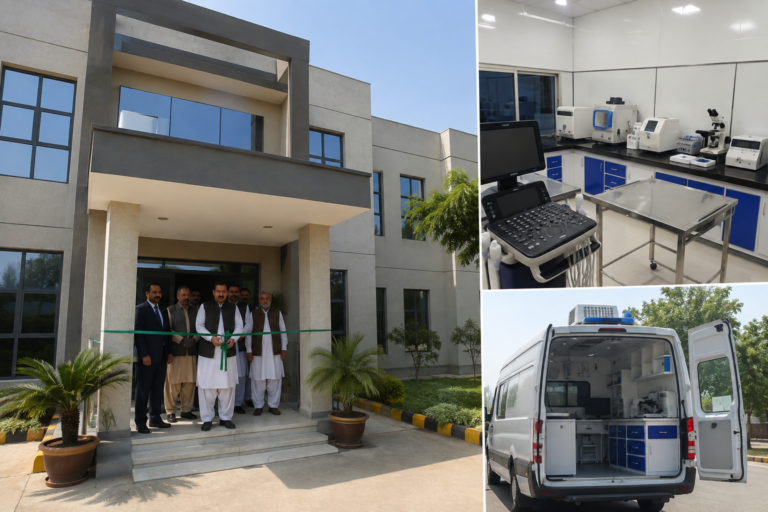
    Punjab has taken a major step toward modernizing its livestock health system with the establishment of a new Animal Disease Reporting and Surveillance Directorate and a Provincial Response Unit. Provincial Minister for Livestock and Agriculture Syed Ashiq Hussain Kirmani inaugurated the new building of the Directorate of Animal Disease Reporting and Surveillance on Tuesday, August 18. Speaking at the inauguration, Kirmani said the Punjab Livestock Department has established the Animal Disease Reporting and Surveillance and Provincial Response Unit to strengthen disease monitoring and ensure a rapid response to emergencies involving animal diseases. He said the Provincial Response Unit will remain prepared to respond quickly to disease outbreaks and other unexpected situations, helping protect livestock and support farmers. Kirmani said Punjab has become the first province to establish a modern disease diagnosis and surveillance system for the livestock sector. Under the new system, the department’s divisional, district and tehsil-level formations will work in coordination with the provincial unit. According to the minister, the upgraded system will bring livestock disease diagnosis and surveillance in line with modern requirements and improve the department’s ability to identify and respond to outbreaks at an early stage. He said renovation and upgradation work on District Disease Investigation Laboratories in 27 districts is being completed within a short period. The laboratories are also receiving modern equipment, including X-ray and ultrasound machines, along with other essential diagnostic tools. The department is also introducing 17 mobile veterinary laboratories to provide on-site disease diagnosis and surveillance in the field. These mobile units will carry the equipment and supplies required for diagnosing diseases and providing veterinary treatment, allowing departmental teams to reach affected farmers without unnecessary delays. Kirmani said the modern laboratory network will help Punjab tackle major challenges in the livestock sector, particularly sudden outbreaks of infectious diseases among animals. He added that the government is working to bring disease surveillance and rapid-response mechanisms in line with international standards. He further said that under the leadership of Chief Minister Maryam Nawaz, the provincial government has developed a system under which livestock department teams will reach farmers directly instead of requiring farmers to travel to departmental facilities for every issue. The minister said Chief Minister Maryam Nawaz has provided the Livestock Department with funding and other necessary facilities to strengthen veterinary services across Punjab. He added that the new mobile veterinary laboratories will also connect with a vehicle tracking and monitoring system similar to the system used by the Suthra Punjab Authority. The technology will help officials monitor the movement and deployment of mobile units and improve the department’s field response. The initiative is expected to strengthen disease detection, improve emergency response, expand veterinary services in rural areas and provide farmers with faster access to livestock healthcare.

  • | |

    Imran’s sister allowed to meet him at Adiala

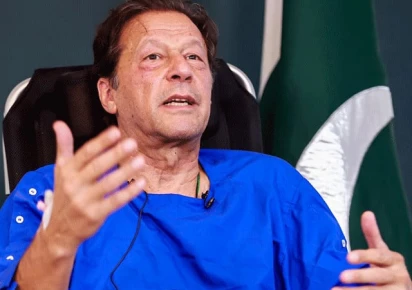
    Pakistan Tehreek-e-Insaf (PTI) founder Imran Khan’s sister Noreen Niazi was allowed to proceed to Adiala Jail on Tuesday to meet him after the Supreme Court directed authorities to facilitate family meetings. Noreen, along with Imran’s sisters Aleema Khan and Dr Uzma Khanum, reached the Dahgal checkpoint on the road leading to the prison. Police initially stopped all three women but later allowed Noreen to continue towards the jail. The development came shortly after a three-member Supreme Court bench ordered weekly meetings between Imran and his family. The court was hearing petitions concerning his access to relatives and personal physicians, as well as his medical condition. Noreen told reporters before leaving for the prison that she would inform Imran about the Supreme Court’s decision and the efforts made by his supporters. She did not respond when asked whether she would speak to the media after the meeting. Separately, Bushra Bibi’s daughter and sister-in-law were also permitted to meet her at Adiala Jail. The meeting was attended by Musarrat Khawar Maneka and Mehrunnisa, according to jail officials. The Supreme Court’s decision followed medical reports raising concerns about Imran’s fluctuating blood pressure, anxiety and other symptoms. The court said family access should not be treated as a favour and directed authorities to facilitate regular meetings. The court also ordered Imran’s transfer to Shifa International Hospital for treatment. A medical board comprising an eye specialist, general physician and cardiologist will examine him, while his personal physician Dr Faisal Sultan will also be given access. His sister Dr Uzma is to be associated with the medical board. PTI representatives have agreed to comply with the court’s condition that political activity and media statements should not be conducted after meetings with Imran. Speaking at the Dahgal checkpoint, Aleema Khan welcomed the court’s decision and said the family had been demanding Imran’s hospital treatment for months. She also confirmed that Noreen had been allowed to meet him. Aleema rejected allegations that the family was using Imran’s health for political purposes. She said they were raising concerns as his sisters and seeking what they considered to be his legal rights. She further argued that Bushra Bibi should also have received similar relief. According to Aleema, the family had already given its commitment before the Supreme Court that it would not gather outside the prison or hospital and address the media following meetings. Imran’s spokesperson Niazullah Khan Niazi said the PTI founder had a right to meet his family regularly. He welcomed the Supreme Court’s directions and said the party would fully comply with the restrictions imposed by the court. The Supreme Court also directed authorities to arrange telephone communication between Imran and his children and ordered that his medical records remain confidential. The latest medical report submitted to the court stated that Imran had experienced fluctuating blood pressure, palpitations, headaches, restlessness and anxiety. A cardiologist who examined him earlier this month recommended measures to reduce stress, including increased family interaction. A four-member medical board later recorded his blood pressure at 140/80mmHg and recommended walking, relaxation and more frequent interaction with his immediate family and wife. The report said Imran had undergone dozens of medical examinations since his imprisonment and was being monitored regularly by jail medical staff. It also stated that his ECG was normal and that his eyesight had improved following treatment. PTI has questioned the adequacy of the medical reports and continued to demand examinations by Imran’s personal physicians and an independent medical board. The government, however, has rejected allegations that Imran is being denied medical treatment. Government officials have maintained that he is receiving healthcare from qualified specialists and that prison meetings are being conducted according to court orders and applicable law. Imran and Bushra Bibi remain incarcerated at Adiala Jail. The former prime minister has been in custody since August 2023 and is also facing several legal cases.

  • | |

    PTI welcomes SC order for Imran Khan’s hospital …

    Pakistan Tehreek-e-Insaf (PTI) has welcomed the Supreme Court’s order directing the transfer of party founder Imran Khan to Shifa International Hospital for medical treatment. The party described the decision as an important step toward protecting Imran’s health and ensuring his constitutional and legal rights. PTI also welcomed the court’s direction allowing him to meet his family once a week. According to the court’s order, Imran will be shifted to the hospital for treatment for the next few days. A medical board will examine him and assess his condition. The board will include specialists in eye care, general medicine and cardiology. PTI said the involvement of Imran’s personal physician, Dr Faisal Sultan, and his sister, Dr Uzma Khan, would help ensure a comprehensive review of his medical history and current condition. The party said concerns over Imran’s health had increased in recent weeks. It maintained that he should receive treatment under the supervision of specialist doctors and have access to his personal physicians. PTI also appealed to its workers and supporters not to gather outside Shifa International Hospital after Imran’s transfer. The party urged them to maintain a peaceful environment and cooperate with authorities so the court’s directions could be implemented without disruption. Khyber-Pakhtunkhwa Chief Minister Sohail Afridi also welcomed the Supreme Court decision. He said the order for Imran’s hospital transfer and weekly family meetings should be implemented without delay. Afridi said PTI had repeatedly demanded medical treatment and examinations under the supervision of Imran’s personal doctors. He argued that the decision should have been taken earlier but said the party would respect the court’s directions. Former National Assembly speaker Asad Qaiser described the ruling as an important development for Imran’s fundamental, constitutional and legal rights. He called for the decision to be implemented fully and without delay. PTI Secretary General Salman Akram Raja said obtaining reliable information about Imran’s health and ensuring his recovery remained the party’s primary concern. He also reminded supporters of the commitment given to the Supreme Court that workers would not gather outside the hospital. PTI Chairman Barrister Gohar Ali Khan similarly urged the government to implement the order. Speaking outside Parliament, he said Imran had spent a prolonged period in detention and should now receive the medical care ordered by the court. Former federal minister Asad Umar also welcomed the ruling while questioning why similar action had not been taken earlier. He referred to previous concerns over Imran’s eyesight and said the decision was better late than never. Imran’s international affairs adviser, Zulfikar Bukhari, also welcomed the development, saying that when courts perform their constitutional role, the country benefits. He expressed hope that there would be no unnecessary obstacles to implementation. Tehreek Tahaffuz-e-Ayin-e-Pakistan chief and opposition leader Mahmood Khan Achakzai also backed the ruling. He said prisoners, regardless of the charges against them, retain basic rights to medical treatment, family contact and legal representation. The Supreme Court’s decision followed reports concerning Imran’s health and recommendations for increased contact with his immediate family. A medical board and the Adiala Jail superintendent had earlier submitted reports to the court regarding his condition and access to family members and doctors. A three-member Supreme Court bench headed by Justice Shahid Waheed heard matters relating to Imran’s access to his sisters, personal physicians and medical records. The court directed that Dr Faisal Sultan be allowed to examine Imran and ordered the formation of the new medical board. Dr Uzma Khan will also be associated with the board. The court further directed Imran’s family to bear the cost of his treatment at the hospital. It also ordered that his family and lawyers refrain from sharing his medical reports with the media. Justice Naeem Akhtar Afghan directed that Imran’s medical report be kept confidential.

  • | |

    Tarar calls for stronger narrative against terrori…

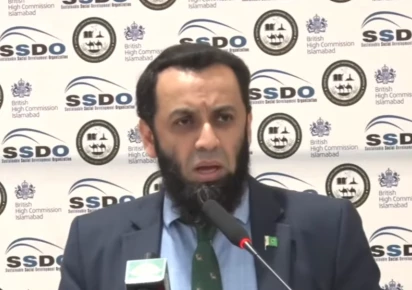
    Information Minister Attaullah Tarar has called for a stronger national effort to counter terrorism, extremism and misinformation, saying Pakistan’s fight against militancy cannot be limited to security operations. Addressing a capacity-building workshop in Islamabad, Tarar said the country also needed to win the battle of narratives by addressing misinformation and reducing the gap between public perception and facts. He said Pakistan had made considerable progress against terrorism through coordinated efforts by the federal and provincial governments, security forces and other state institutions. The National Action Plan, he added, had played an important role in bringing stakeholders together. According to Tarar, Pakistan’s security situation had improved significantly by 2017, allowing economic activity and investment to recover. However, he argued that a subsequent policy shift weakened years of counter-terrorism efforts. The minister stressed that national security policies should have continuity and should not change with changes in government. He called for political parties to develop consensus on major national policies so that long-term strategies could continue regardless of which party was in power. Tarar also highlighted the importance of Pakistan’s international narrative. He said the country had suffered heavily from terrorism and had made significant sacrifices involving security personnel, political figures, professionals and civilians. He said Pakistan had increasingly used international media platforms to present its position and challenge what it described as misleading narratives about terrorism and regional security. Discussing tensions with India following the Pahalgam incident, Tarar questioned the version of events presented by New Delhi. He reiterated Pakistan’s call for a transparent and internationally conducted investigation and said the country had sought to address the issue through diplomatic and media channels. The minister said terrorism had no religion, colour or ethnicity and maintained that the state would not allow violent groups to impose their ideologies on society. He warned that militant organisations were increasingly shifting their focus towards vulnerable and “soft” targets after facing pressure from security forces. He cited the Jaffar Express attack as an example and praised security agencies for their response. Tarar also raised concerns over the role of digital platforms in spreading extremist material and misinformation. He said the government was strengthening its legal and institutional mechanisms to deal with cybercrime and harmful online narratives. He said a Digital Communication Department had been established using modern technologies, including artificial intelligence-based monitoring and speech-to-text systems, to identify emerging narratives in the digital space. According to the minister, provincial governments were also being offered assistance in establishing similar communication structures. Tarar said state institutions also needed to promote Pakistan’s positive image by highlighting its culture, tourism, music, cuisine and arts. He praised Pakistan Television for contributing to efforts aimed at presenting a broader image of the country. He also stressed the need for better communication and timely reporting from Balochistan. The government, he said, was willing to support television networks in establishing bureaux in the province’s southern districts. Speaking about Balochistan, Tarar said development and security remained key government priorities. He highlighted infrastructure and counter-terrorism measures and said political stability and economic development were essential to addressing long-term challenges. The minister also cited Rescue 1122 as an example of a public policy that continued beyond political changes. He argued that successful national programmes should be preserved and expanded rather than discontinued because of political differences.

  • | |

    Rs150m worth of rums, tires stolen in DHA

    A shop in Karachi’s DHA Phase 2 was reportedly robbed after unidentified thieves broke its locks and took rums and tires worth around Rs150 million. According to police, the suspects loaded the stolen goods into a vehicle and fled the area. Police later traced and recovered the vehicle from Shah Latif Town, with the stolen items still inside. Authorities have arrested one suspect in connection with the robbery and launched an investigation. Police are questioning the suspect to determine how the theft was planned and to identify other people who may have been involved. Investigators are also examining the recovered vehicle and other evidence to trace the remaining suspects and establish the full circumstances surrounding the incident.

  • | |

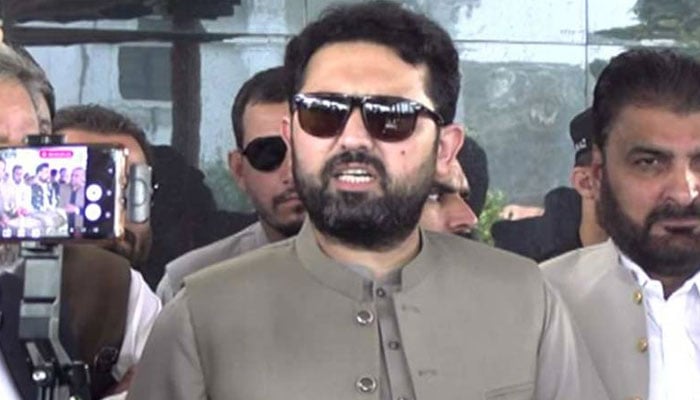
    ‘Do you teach humanity?’ CM Sohail grills cop

    Khyber Pakhtunkhwa Chief Minister Sohail Afridi confronted a police officer after his security staff were stopped at the Supreme Court gate on Tuesday. The incident occurred when an Islamabad police officer asked members of the chief minister’s security team to have their bags checked before entering the premises. The staff initially attempted to proceed without getting the bags scanned. The police officer stopped them and insisted that the security check be completed. The exchange between the police officer and the chief minister’s staff turned into a verbal argument. The situation caught the attention of Chief Minister Sohail Afridi, who turned back after noticing the dispute. Afridi then spoke directly to the police officer. During the conversation, the chief minister questioned whether police personnel were taught humanity during their training. The police officer maintained that the security staff were required to have their bags checked. Following the officer’s insistence, the chief minister’s staff eventually complied and had their bags scanned. The incident took place amid heightened security arrangements at the Supreme Court. Security personnel routinely check visitors, staff and belongings before allowing entry into sensitive government premises. The brief confrontation ended after the required security screening was completed.