National

  • | |

    Muttahida Madaris Council distances itself from Ma…

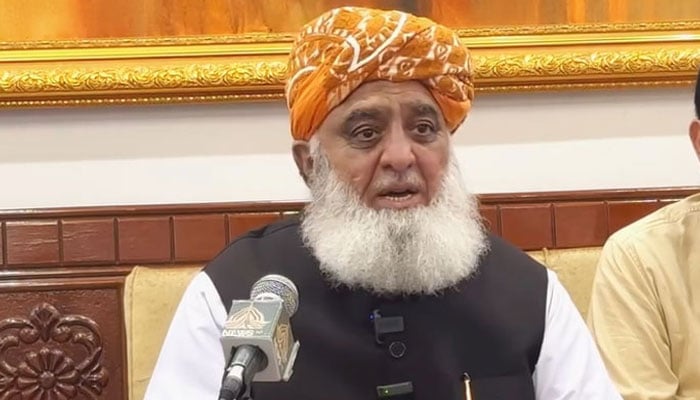
      The United Madaris Council has clarified that the recent statement made by Jamiat Ulema-e-Islam (JUI-F) chief Maulana Fazlur Rehman reflects only the political position of his party and should not be regarded as the stance of the council. In an official statement, the United Madaris Council emphasized that Maulana Fazlur Rehman’s remarks represent his personal and political viewpoint as the leader of his political party. The council stressed that it does not endorse or represent the views expressed in his statement and should not be associated with them. Council spokesperson Mir Asif Akbar Qadri stated that the United Madaris Council does not speak on behalf of any political party and remains an independent platform representing religious seminaries. He reiterated that the council’s primary focus is on educational, religious, and social matters concerning madaris rather than political affairs. The spokesperson further said that the sacrifices made by the martyrs and veterans of the Pakistan Armed Forces are a source of national pride and respect. He described the country’s martyrs and decorated military personnel as national heroes whose courage and dedication have played a vital role in safeguarding Pakistan’s sovereignty and security. Mir Asif Akbar Qadri added that any negative narrative against the sacrifices of the martyrs is unacceptable. He stressed that honoring those who laid down their lives in defense of the country is a collective national responsibility and that their services should always be acknowledged with dignity and respect. The United Madaris Council also rejected any attempts to associate religious seminaries, mosques, scholars, or students with activities that are considered anti-state. According to the spokesperson, madaris and religious institutions have no connection with actions that undermine the interests of the state or threaten national stability. He explained that religious seminaries across Pakistan are dedicated to providing Islamic education, promoting moral values, and serving society through peaceful means. The council believes that these institutions play an important role in educating students, strengthening ethical values, and fostering religious harmony. The spokesperson also expressed concern over the use of the names of madaris, mosques, religious scholars, and students in political campaigns or partisan debates. He stated that involving religious institutions in political controversies is unfair and creates unnecessary misunderstandings about their role in society. According to the council, religious seminaries should not be drawn into political disputes, as doing so can damage their reputation and distract them from their educational and religious responsibilities. The organization urged all political stakeholders to avoid using the names of religious institutions to advance political narratives. The statement reaffirmed that the United Madaris Council remains committed to promoting peace, unity, religious education, and national harmony. It also reiterated its support for the rule of law, constitutional values, and the stability of Pakistan. The council concluded by emphasizing that while individuals and political parties are free to express their own opinions, those views should not be attributed to religious institutions or the United Madaris Council unless officially endorsed. It called for responsible public discourse and urged all segments of society to work together for national unity, mutual respect, and the country’s continued peace and progress.

  • | |

    Academy mafia behind MDCAT controversy, minister t…

    Islamabad: Federal Health Minister Mustafa Kamal on Tuesday blamed an organised academy mafia for creating controversy over MDCAT, while a Senate panel questioned why thousands of students were being pushed towards expensive coaching centres for medical college admission. During a heated meeting at Parliament House, Senator Anusha Rahman said private medical colleges in Pakistan were ripping off students by charging around Rs18 lakh every year. She compared these charges with medical education in China, where Pakistani students told her they were paying around Rs5 lakh a year and nearly Rs50 lakh for their complete medical degree. Anusha Rahman said she asked a Chinese provincial governor how they provided medical education at such a low cost. She said the governor replied, “We do not penalise the future.” The meeting of the Senate Health Committee Sub Committee was chaired by Senator Anusha Rahman. Senators Agha Shahzaib Durrani and Samina Mumtaz Zehri also attended. Senator Zehri joined the meeting online. Committee members expressed anger over the federal health minister’s late arrival. Senator Agha Shahzaib Durrani said the meeting had already been rescheduled three times at the minister’s request. Anusha Rahman warned that another meeting would be called the next day if the minister failed to attend. After joining the meeting, Mustafa Kamal said the MDCAT system could be improved but claimed that, in his view, the current system was perfect. He said coordinated text messages were being sent to senators to pressure them and delay the medical admission test. “Do not become emotional over these messages. This is the season of messages and there is a mafia behind them,” the minister told the committee. He also claimed that students sometimes demanded delays by citing floods and other emergencies as reasons. The minister said students from Khyber Pakhtunkhwa sometimes called for postponement even before floods reached Balochistan. He said some students later claimed that their books had been washed away in floods. Senator Samina Mumtaz Zehri rejected the idea that all complaints were organised. She said the committee was receiving around 50 messages from students every day and asked why their problems had not been addressed. She also raised concerns that FSc, A Level and MDCAT examination dates were overlapping. The minister said the MDCAT would be held around three weeks after the final board examination. He said the last board examination was expected to end on July 20 and MDCAT would be conducted three weeks later. The Pakistan Medical and Dental Council told the committee that around 135,000 students would appear in MDCAT. The test will be conducted in 36 cities, including 35 cities in Pakistan and Riyadh in Saudi Arabia. PMDC officials said medical colleges previously conducted separate entry tests, but the system was later changed to a national MDCAT. They said several problems had been reported in earlier years, especially regarding examination papers. To solve these problems, PMDC formed committees and prepared a nationally uniform syllabus. Officials said the syllabus was displayed on different public platforms and around 1,000 people submitted complaints. Anusha Rahman told PMDC officials that students had suffered because of weaknesses in the system. She said FSc students complained that they were asked questions linked to the A Level system, while A Level students were forced to study FSc books. She questioned why students were going to private academies and paying up to Rs1 lakh for MDCAT preparation. “Every year, academies make huge profits from these tests,” she said. She added that students were placed under heavy pressure to complete MDCAT preparation within three months. Senator Agha Shahzaib Durrani said the FSc system mainly focused on detailed knowledge, while the A Level system gave greater importance to analysis and reasoning. PMDC officials said MDCAT had been designed around common learning points included in both systems. They said the aim was to provide a fair test for FSc and A Level students. The health minister agreed to review the issue and asked the committee to send students with genuine complaints directly to the ministry and PMDC. He said officials would sit with the students, listen to their concerns and try to solve their problems. The committee also raised serious concerns about fees charged by private medical colleges. Members said many seats remained vacant because deserving students could not afford the fees. They said Pakistani students were choosing foreign universities because medical education abroad was cheaper. The committee called for a review of the fee structure of private medical colleges to make medical education more affordable. Senator Agha Shahzaib Durrani proposed giving 40 percent weight to MDCAT, 50 percent to academic results and 10 percent to interviews during medical college admissions. PMDC officials warned that reducing MDCAT marks could weaken the importance and credibility of the national test. The committee also recommended conducting MDCAT twice a year so students could get another chance instead of losing a complete academic year. Members appreciated some reforms introduced by PMDC but asked the council to improve public awareness. They recommended issuing brochures and running information campaigns about foreign medical colleges that are not recognised in Pakistan. The committee said students must be warned before spending money on institutions whose medical degrees will not be accepted by Pakistani authorities. It also recommended providing more house job and professional training opportunities to Pakistani medical graduates returning from foreign countries. The minister directed officials to provide complete MDCAT data from the last five years. The information will include the total number of students who appeared in the test and a comparison of FSc and A Level candidates. Committee members also sought details about the members of the MDCAT assessment committee. The health minister promised to provide those details within 24 hours. The committee decided to continue discussions on MDCAT, medical college fees and admission policies in its next meeting.

  • | | |

    Nationwide petrol pump shutdown announced

    The All Pakistan Petrol Pumps Association has announced a nationwide shutdown of petrol stations from tonight after negotiations with the government failed to resolve the dispute over daily changes in petroleum prices. Association General Secretary Nauman Butt said talks between the Petroleum Minister and petrol pump owners ended without reaching any agreement. He said the association raised concerns over the government’s decision to revise petroleum product prices on a daily basis. However, the discussions did not produce a solution acceptable to both sides. The association has now decided to close petrol pumps across the country as a protest against the unresolved issue. The shutdown announcement has raised concerns about possible disruptions in fuel supply and difficulties for consumers if the strike continues. Further developments are expected as the government and petrol pump representatives may hold additional talks to resolve the matter and restore normal fuel services. The government had earlier decided to introduce a daily petroleum pricing mechanism in view of the deteriorating regional security situation. Under the new policy, the Oil and Gas Regulatory Authority (OGRA) will announce petroleum prices on a daily basis without requiring approval from the prime minister or the federal government. However, fuel prices announced on Fridays will remain unchanged on Saturdays and Sundays. The All Pakistan Petrol Pumps Association (APPPA) has rejected the petroleum price deregulation policy and urged the government to reconsider its decision. Association Chairman Nauman Ali Butt said the burden created by the new pricing system should not be placed on petrol pump owners. He stressed that all stakeholders should be consulted before finalising fuel prices with Oil Marketing Companies (OMCs). Butt added that nearly 15,000 petrol pump owners across Pakistan have expressed serious concerns over the new policy and called on the government to address their reservations before implementing the system.

  • | |

    Karachi’s cycle ambulance goes viral amid online…

    KARACHI: A cycle ambulance service in Karachi has gained widespread attention on social media after videos of the emergency response initiative went viral, sparking both criticism and appreciation online. Several users mocked the pedal-powered ambulance, comparing it with advanced emergency services used in other countries. Some social media posts also incorrectly linked the launch of the initiative to Karachi Mayor Barrister Murtaza Wahab. However, the cycle ambulance programme was introduced in May 2025 by the Sindh Integrated Emergency and Health Services (SIEHS-1122) as a pilot project. It was designed to provide faster medical assistance in densely populated areas of Karachi where narrow streets and heavy traffic can delay conventional ambulances. The specially equipped bicycles allow trained emergency responders to reach patients quickly and provide immediate medical support before a regular ambulance arrives. Each cycle ambulance carries essential medical equipment, including first-aid supplies, oxygen masks, nebulisers and blood sugar testing devices. Responders use the equipment to stabilise patients and provide initial care during emergencies. The initiative also involved trained female volunteers, aiming to improve access to emergency healthcare services and encourage women’s participation in community rescue operations. While the project became the subject of online jokes and criticism, supporters highlighted its practical value, especially in crowded neighbourhoods where traditional ambulances may face difficulties reaching patients on time. Officials and supporters of the programme said the cycle ambulance service is not intended to replace standard ambulances but to act as a rapid-response solution for immediate assistance in areas with access challenges.

  • | |

    FCC issues written verdict in 50-year-old land dis…

    Pakistan’s Federal Constitutional Court has issued a detailed written judgment in a land dispute that has remained unresolved for nearly five decades. The ruling addresses a long-standing legal conflict over land ownership and tenancy rights, overturning previous decisions and restoring the legal status of the land as it existed before 1996. The court declared the 2008 judgment of the Lahore High Court null and void. It also set aside the orders issued by the Federal Land Commissioner in 1996, ruling that those decisions were not legally sustainable. The verdict marks a significant development in one of the country’s oldest land-related legal disputes. Chief Justice Aminuddin Khan authored the 25-page judgment, outlining the legal reasoning behind the court’s decision. The ruling carefully reviewed the history of the case, the relevant land laws, and the constitutional principles governing property rights and administrative authority. According to the judgment, the legal status of the disputed land has been restored to what it was before the Federal Land Commissioner’s 1996 orders. The court held that the rights of tenant farmers, commonly referred to as muzareen, must remain protected in accordance with the Land Regulations of 1972. These regulations were introduced to safeguard the lawful rights of tenants and regulate land that had been taken into government custody. The court emphasized that once land disputes have been finally decided through due legal process, they cannot be reopened or reconsidered without a valid legal basis. The judgment stated that the principle of finality in judicial decisions is essential for maintaining certainty and stability in the legal system. The ruling explained that under the 1972 Land Regulations, various pieces of land had been taken into government possession. Decisions regarding those acquisitions had already attained final legal status after being decided by the competent authorities and courts. However, in 1996, approximately twenty years after those decisions had become final, the Federal Land Commissioner declared the earlier government acquisition orders invalid. The Constitutional Court held that the commissioner lacked the legal authority to reopen and overturn matters that had already reached finality under the law. The judgment also noted that the Lahore High Court, in its 2008 decision, had upheld the Federal Land Commissioner’s orders. After reviewing the legal record, the Constitutional Court concluded that the High Court’s decision was based on an incorrect interpretation of the law and therefore could not be allowed to stand. By restoring the pre-1996 legal position, the court reaffirmed the protection of tenant farmers’ rights under the 1972 regulations while reinforcing the importance of respecting final judicial and administrative decisions. Legal experts believe the ruling could influence the resolution of similar land disputes involving historical claims and government-acquired property. The case was heard by the Federal Constitutional Court following the enactment of the 27th Constitutional Amendment, under which the matter came within the jurisdiction of the newly established court. The judgment is expected to serve as an important legal precedent for future constitutional and land-related cases, particularly those involving administrative powers, property rights, and the principle that finalized legal disputes should not be reopened without lawful justification.

  • | |

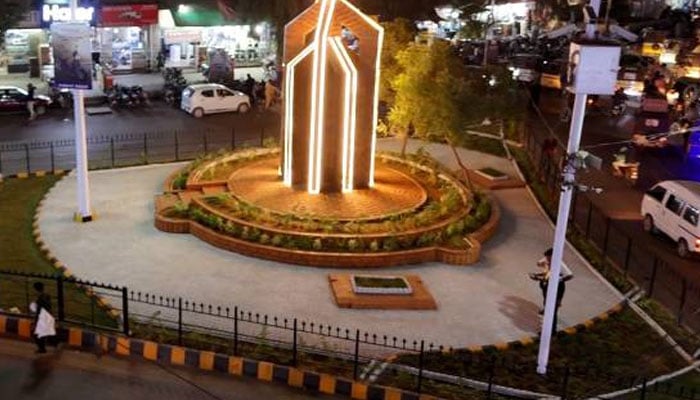
    Regal Chowk to be renamed Khatm-e-Nabuwwat Chowk

    KARACHI: Karachi Mayor Barrister Murtaza Wahab has announced that Regal Chowk will officially be renamed Khatm-e-Nabuwwat (PBUH) Chowk. The decision was announced during his visit to the historic intersection along with the Municipal Commissioner and members of the City Council. The mayor said the Karachi Metropolitan Corporation (KMC) would carry out extensive renovation and beautification work at the site before the start of Rabi-ul-Awwal. He said the project aims to improve the appearance of the area while reflecting the significance of the holy month. Barrister Murtaza Wahab said the city administration had already started preparations for Rabi-ul-Awwal. He added that special arrangements would be made across Karachi to facilitate religious gatherings and ensure that citizens could observe the month in a peaceful and clean environment. He said a comprehensive cleanliness campaign would be launched throughout the city. Sanitation staff would remain active in all districts to maintain hygiene around mosques, religious processions and public places. Waste collection and disposal operations would also be intensified during the month. The mayor announced that decorative lighting and beautification work would be carried out on major roads, intersections and important public buildings. He said these measures were intended to create a festive atmosphere during Rabi-ul-Awwal. He recalled that the Karachi Metropolitan Corporation had successfully managed civic arrangements during Muharram-ul-Haram. According to him, similar planning would be implemented during Rabi-ul-Awwal to provide better services to the public. Barrister Murtaza Wahab said all relevant civic departments, including sanitation, engineering, municipal services and emergency response teams, would remain on high alert throughout the holy month. He directed officials to ensure uninterrupted public services and respond promptly to any issues.

  • | |

    NDMA issues flood alert until July 24

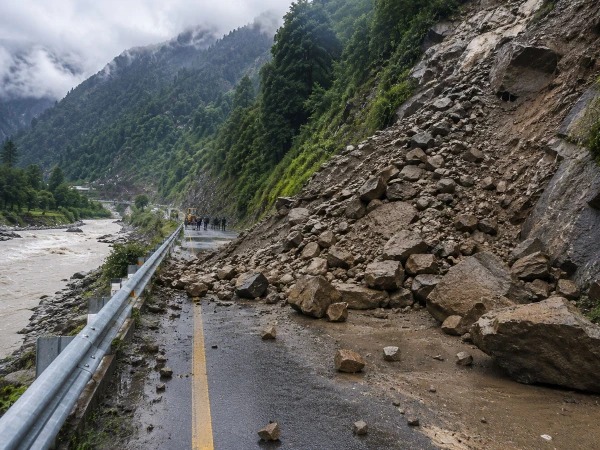
    Islamabad: Pakistan’s National Disaster Management Authority (NDMA) has issued a nationwide flood and landslide alert until July 24, warning residents of possible flash floods, rising river levels, and dangerous weather conditions caused by ongoing monsoon rains. According to the NDMA spokesperson, heavy rainfall is expected to increase water flow in rivers, seasonal streams, and mountain channels across several parts of the country. Authorities have advised the public to avoid unnecessary travel, stay away from flood-prone areas, and follow official safety instructions. The alert highlights a significant risk of flash flooding in Gilgit-Baltistan, particularly in the districts of Hunza, Shigar, and Ghanche. Rivers including Shimshal, Hunza, Chapursan, Shigar, Shyok, and Hushe are expected to experience a rapid rise in water levels. In Azad Jammu and Kashmir (AJK), water levels may increase in the Jhelum, Neelum, Poonch, and Mahl rivers, as well as Betar Nullah, Bhimber Nullah, Kanshi River, and several tributaries connected to the Jhelum and Poonch river systems. The NDMA has also warned of possible flash floods in Khyber Pakhtunkhwa, affecting the Chitral, Kabul, Swat, and Panjkora rivers. Local streams in Khyber, Kurram, Orakzai, Kohat, Bannu, Karak, Hangu, Lakki Marwat, North and South Waziristan, Bajaur, Mohmand, Mansehra, Buner, and Swabi are also at risk due to intense monsoon rainfall. In Punjab, flood threats remain high in the hill torrents of Dera Ghazi Khan, the Soan River, and the Potohar region. Similar conditions are expected in northeastern Balochistan. The NDMA further warned of high-level flooding in the Chenab River near Marala and the upper reaches of the Jhelum River near Mangla. Several seasonal streams, including Dora, Dota, Dwara, Bhimber, Halsey, Aik, Plakhoo, Bein, Basantar, Dek, and Sukhi Nullah, may also experience sudden increases in water flow. The authority also noted that any release of water from India’s Thein, Pong, and Bhakra dams could significantly increase water levels in the Ravi and Sutlej rivers, potentially worsening flood conditions downstream. The NDMA has urged citizens to stay informed through official weather updates, avoid crossing flooded roads or streams, and cooperate with local authorities to ensure public safety during the ongoing monsoon season. This version is optimized for search engines while remaining clear, informat

  • |

    Punjab health survey data sparks security concerns

    By Kashif Malik ​LAHORE – A potential threat to national integrity has surfaced under the guise of a health census, sounding alarm bells in the corridors of power and security agencies. According to sources, the Department of Health and Population, in collaboration with the World Bank, has allegedly granted global organizations access to the complete data of Punjab’s 125.8 million population and sensitive institutions under the multi-billion rupee ‘Community Outreach Initiative (COI)’ program. Sources revealed that Secretary Health and Population Nadia Saqib facilitated the inclusion of this sensitive information into the app, bypassing standard security protocols. ​For this mega digital drive, 60,000 Community Health Inspectors (CHIs) have been equipped with modern digital tablets for fieldwork. Across the province, these inspectors are not only gathering detailed personal data—including names of heads of households, employment, professions, vehicles, agricultural landholdings, and individual family member details—but are also generating and uploading online ‘Polygon’ locations through satellite mapping. This system will effectively provide the World Bank with unhindered access down to every street and building across the province. Sources disclosed that alongside the general populace, sensitive institutions and military cantonments have also been marked in this digital drive, posing a profound and critical security risk to national defense and integrity. The biggest revelation to surface is that the inclusion of polygon locations via geo-tagging was carried out at the behest of an international NGO. Furthermore, the software responsible for collecting this highly sensitive national data of over 120 million citizens was handed over to a third-party private vendor rather than a government entity, with the vendor’s identity and contract details being kept strictly confidential. ​ According to security and defense experts, granting any foreign entity, NGO, or private vendor access to the detailed profiling of over 120 million individuals, along with satellite and polygon mapping of the country’s defense and sensitive installations, is tantamount to compromising national sovereignty. Following these sensational revelations, deep concern has spread through security circles, prompting urgent demands for an immediate security audit of the project.

  • | |

    Gold prices surge in global and Pakistan markets

    Karachi: Gold prices witnessed a significant increase in both international and local markets on Tuesday, driven by strong gains in the global bullion market. The latest surge pushed gold to new record levels, impacting precious metal prices across Pakistan. According to market data, the international bullion market recorded a $47 increase per ounce, taking the global gold price to $4,068 per ounce. The sharp rise reflects continued investor demand for safe-haven assets amid global economic uncertainty and market volatility. Following the upward trend in international markets, Pakistan’s local bullion market also experienced a notable jump in gold prices. The price of 24-karat gold per tola increased by Rs4,700, reaching Rs429,236. The increase marks one of the most significant single-day gains in recent weeks. Similarly, the price of 10 grams of 24-karat gold climbed by Rs4,029, bringing the new rate to Rs368,000. The latest price hike is expected to affect jewelry buyers and investors, as demand for gold typically fluctuates with changes in international market trends. Silver prices also followed the upward trajectory. The price of silver per tola increased by Rs219, reaching Rs6,396, while the price of 10 grams of silver rose by Rs188 to Rs5,483. Experts believe that local precious metal prices will continue to remain closely linked to international bullion market movements and fluctuations in the exchange rate. Any further increase in global gold prices or changes in economic conditions could lead to additional price adjustments in Pakistan’s bullion market. Investors and consumers are advised to monitor daily gold and silver rates before making purchasing or investment decisions, as prices remain highly sensitive to global economic developments and market sentiment.

  • | |

    Sharjeel Memon slams PML-N over ‘fake mandat…

    Sindh Senior Minister Sharjeel Inam Memon on Tuesday launched a strong criticism of the Pakistan Muslim League-Nawaz (PML-N), accusing the party of relying on what he described as a “fake mandate” while campaigning for the upcoming Azad Jammu and Kashmir (AJK) elections. In a statement, Sharjeel Memon said the people of Azad Kashmir had rejected what he called “manufactured political representation” in the past and would make the same decision in the upcoming elections. He expressed confidence that voters would once again support democratic values and reject politics based on disputed electoral mandates. The senior minister alleged that the PML-N had come to power through a questionable electoral process and was now attempting to present itself as a defender of the Kashmiri people. He said a party that, in his view, failed to respect the public’s vote could not claim to protect the democratic rights of others. Sharjeel Memon said the people of Pakistan and Azad Kashmir were fully aware of the country’s political history and would decide their future through the power of the ballot. He maintained that genuine public support could only be earned through transparent elections and good governance. Referring to the Pakistan Peoples Party’s (PPP) performance in Gilgit-Baltistan, he said the party had secured the confidence of voters through democratic means. He added that the people of Azad Kashmir would also reject what he described as the politics of a disputed mandate. The Sindh minister also criticised the Punjab government’s performance. He claimed that many residents of Punjab continued to travel to Karachi for advanced medical treatment and better healthcare facilities. He urged the PML-N leadership to focus on addressing public issues instead of criticising political opponents during election campaigns. Sharjeel Memon said the PPP remained committed to constitutional supremacy, democratic principles and respect for the people’s mandate. He added that the party believed in serving the public through practical governance rather than political slogans.