National

  • | |

    PTI chairman barrister Gohar Says Noreen Niazi’s…

    Rawalpindi: Pakistan Tehreek-e-Insaf (PTI) Chairman Barrister Gohar Ali Khan has clarified that the recent statement made by Noreen Niazi regarding the “Battle of Truth” (Maarka-e-Haq) does not reflect the official policy of the party. Speaking to the media in Rawalpindi, Barrister Gohar emphasized that the remarks were Noreen Niazi’s personal views and should not be interpreted as PTI’s official position. During the media interaction, Barrister Gohar said that every Pakistani takes pride in the country’s success in what he described as the Maarka-e-Haq. He stressed that Pakistan’s defense is strong and capable of protecting the country from any external threat. According to him, the nation remains united when it comes to safeguarding its sovereignty, and no enemy has the ability to defeat Pakistan. Addressing questions about Noreen Niazi’s comments, Barrister Gohar explained that, according to the information available to him, the interview in question had actually been recorded around three months ago. He stated that the remarks expressed during that interview represented Noreen Niazi’s personal opinion and not the official stance of Pakistan Tehreek-e-Insaf. He reiterated that the party’s policies are determined through its official leadership and decision-making process, not through individual statements. The PTI chairman further said that the party has consistently been trying to improve the overall political atmosphere in the country. He noted that political leaders should avoid reopening old controversies and instead focus on reducing tensions. According to Barrister Gohar, this is a time for restraint and reconciliation rather than confrontation. He remarked that everyone should avoid revisiting past disputes if the goal is to create a more stable political environment. Speaking about the current political climate, Barrister Gohar also referred to comments made by Jamiat Ulema-e-Islam (F) chief Maulana Fazlur Rehman. He pointed out that the senior politician had already clarified his earlier remarks. Barrister Gohar observed that, during emotional speeches, public figures may sometimes say things that they later need to explain. However, he added that if a statement is incorrect, it should be acknowledged as such regardless of who made it. He further emphasized that certain sensitive matters should not be discussed publicly if doing so could worsen the political situation. According to him, some issues are better left untouched in order to help the country move toward greater political stability and national harmony. He urged political leaders and stakeholders to exercise caution in their public statements and avoid comments that could increase tensions. Barrister Gohar also spoke about PTI’s position regarding the upcoming Azad Jammu and Kashmir (AJK) elections. He stated that, at present, the party’s official decision is to boycott the elections. However, he indicated that the decision is not necessarily final and could be reviewed if political conditions improve in the future. He revealed that there had been internal discussions within the party about reconsidering the boycott. According to Barrister Gohar, some members believed that PTI should revisit its decision and participate in the elections. Nevertheless, he explained that the party leadership could not reach a consensus on changing the existing policy. As a result, the decision to boycott the AJK elections remains in place for now. The PTI chairman concluded by reiterating the party’s commitment to promoting political stability and constructive dialogue. He stressed that while differences of opinion are a normal part of politics, all political actors should prioritize national unity and work toward creating an environment that supports peace, democratic processes, and institutional stability.

  • | |

    Iqbal Chair at Heidelberg University nears restora…

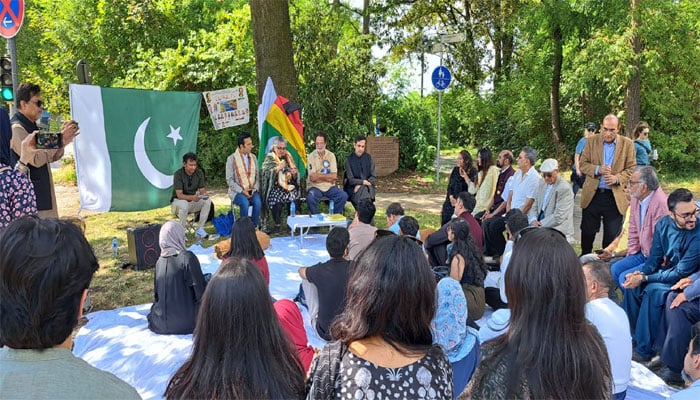
    HEIDELBERG: Pakistan’s Ambassador to Germany, Saqlain Syedah, has announced that the restoration of the Allama Iqbal Chair at Heidelberg University is in its final stages, describing it as a major step towards strengthening academic and cultural ties between Pakistan and Germany. She made the announcement while addressing a literary gathering and mushaira held at Iqbal-Ufer, located on the banks of the River Neckar in the historic German city of Heidelberg. The event brought together members of the Pakistani community, writers, poets, academics and representatives of local organisations. The ceremony was chaired by renowned poet and community leader Syed Iqbal Haider, while Pakistan’s ambassador attended as the chief guest. Among the distinguished participants were Heidelberg City Council member Waseem Butt and German professor Hans Herder, whose speech in Urdu received warm appreciation from the audience. Speaking at the event, Waseem Butt announced that Allama Iqbal’s 150th birth anniversary in 2027 would be celebrated in Heidelberg with special ceremonies and cultural events. In her address, Ambassador Saqlain Syedah highlighted the importance of literary gatherings in promoting the Urdu language and preserving Pakistan’s cultural heritage abroad. She also spoke about the deep historical and intellectual connection between Allama Muhammad Iqbal and the city of Heidelberg, where the philosopher-poet spent part of his academic life. The ambassador praised Syed Iqbal Haider for organising the literary event and thanked all participants for keeping Urdu literature and Pakistani cultural traditions alive in Germany. Syed Iqbal Haider also reflected on Allama Iqbal’s close association with Heidelberg and the River Neckar. He said Iqbal’s message of selfhood, human dignity and intellectual awakening continues to serve as a bridge between Eastern and Western thought. During the ceremony, the ambassador shared the encouraging news that practical steps to restore the Allama Iqbal Chair at Heidelberg University had reached their final phase. She expressed hope that the initiative would further enhance educational cooperation and cultural exchanges between Pakistan and Germany.

  • | | |

    Government assures uninterrupted fuel supply amid …

    Sources in Pakistan’s Petroleum Division have stated that the government is committed to ensuring the uninterrupted supply of petroleum products across the country. The assurance comes amid ongoing discussions with representatives of the Pakistan Petrol Pump Owners Association regarding fuel pricing and dealers’ profit margins. According to official sources, the government is working to determine petroleum product prices through a transparent and fair mechanism. Officials emphasized that the Ministry of Petroleum remains open to hearing constructive and practical suggestions from all stakeholders involved in the petroleum sector. They stressed that maintaining transparency in the pricing process is a key priority and that the government welcomes proposals that can contribute to a balanced and sustainable policy. Sources further revealed that the Federal Minister for Petroleum held a meeting with office-bearers of the Petrol Pump Owners Association, during which he listened carefully to their concerns and demands. The minister reportedly gave the representatives ample time to present their viewpoints and assured them that the government was willing to consider reasonable proposals in the interest of both consumers and fuel dealers. However, according to Petroleum Division sources, the discussions failed to produce the desired outcome because representatives of the association allegedly adopted an uncompromising approach during the meeting. Officials claimed that the association’s leadership insisted on having its demands accepted without presenting convincing arguments or practical justification. The sources stated that despite the government’s willingness to engage in dialogue, the association remained firm on its position and showed little flexibility in the negotiations. The Petroleum Division also said that the representatives of the Petrol Pump Owners Association eventually walked out of the meeting on their own before the discussions had been concluded. Officials maintained that the government had not ended the talks and was still prepared to continue negotiations in order to resolve outstanding issues through mutual understanding. According to the sources, the Petroleum Minister has already assured petrol pump dealers that the government is prepared to review their profit margins. The minister acknowledged that the concerns of fuel retailers deserve careful consideration and indicated that the issue of dealer commissions would be examined as part of the ongoing consultation process. Government officials reiterated that while they are open to discussions with all stakeholders, any decision regarding fuel prices or dealer margins must be made in the broader public interest. They emphasized that ensuring a stable supply of petroleum products remains the government’s top priority and that consumers should not face unnecessary disruptions because of disagreements between authorities and industry representatives. The Petroleum Division further noted that transparent policymaking requires consultation with all parties, including oil marketing companies, petrol pump owners, and other industry stakeholders. Officials expressed hope that future meetings would take place in a more constructive atmosphere and lead to a mutually acceptable solution. The ongoing discussions come at a time when petroleum prices remain a matter of significant public concern due to their impact on transportation costs, inflation, and the overall economy. Fuel dealers have repeatedly called for higher profit margins, arguing that rising operational costs have made it increasingly difficult to run their businesses profitably. Despite the differences that emerged during the latest meeting, government sources insisted that dialogue remains the preferred way forward. They reaffirmed the government’s commitment to maintaining an uninterrupted fuel supply, ensuring transparency in the pricing mechanism, and continuing consultations with petrol pump owners until an acceptable solution is reached that protects both consumers and businesses.

  • |

    Pakistani mountaineers successfully cross historic phargam An Pass 

      A team of Pakistani mountaineers has successfully crossed the historic Phargam An Pass in the Hindu Kush mountain range for the first time in 27 years, marking a significant milestone in the country’s mountaineering history. Standing at an altitude of 5,100 meters (16,732 feet), the challenging pass was successfully summited by the expedition team after navigating some of the region’s most demanding terrain. The expedition also made history by becoming the first to include female mountaineers who successfully reached the summit of Phargam An Pass. Their achievement represents a major step forward for women’s participation in Pakistan’s adventure tourism and mountaineering community, highlighting the growing presence of female athletes in high-altitude expeditions. The expedition was organized with the support of the Khyber Pakhtunkhwa Culture and Tourism Authority and took place in Upper Chitral, an area renowned for its spectacular mountains, glaciers, and remote landscapes. The mission aimed not only to revive a historic route but also to promote adventure tourism in the region while showcasing Pakistan’s rich natural beauty. During the expedition, the team made another remarkable discovery by locating the memorial of Austrian mountaineer George Kronberger, who tragically lost his life in the area in 1975. Finding the memorial added historical significance to the expedition, connecting the modern-day climbers with an important chapter in the history of mountaineering in the Hindu Kush. The journey to Phargam An Pass was far from easy. Team members crossed vast glaciers, climbed steep snow-covered slopes, traversed rocky mountain trails, and carefully navigated areas threatened by avalanches. Despite these hazardous conditions, the climbers successfully completed the expedition through careful planning, teamwork, and determination. Expedition guide Zamrud Khan noted that climate change has significantly altered the route to Phargam An Pass over the years. According to him, melting glaciers, changing snow conditions, and shifting mountain landscapes have made the route considerably different and more challenging compared to previous decades. His observations underline the visible impact of global climate change on Pakistan’s high-altitude regions and the increasing challenges faced by mountaineers. A particularly inspiring aspect of the expedition was the participation of three sisters from Chitral—Mahrosh Akhtar, Ismeel Roz, and Madhu Shala Akhtar—who became part of this historic journey and set a new example for aspiring female adventurers across Pakistan. Their achievement demonstrates that women are increasingly breaking barriers in fields traditionally dominated by men and encouraging future generations to pursue outdoor sports and exploration. The expedition team included Kamran Khan, Mahrosh Akhtar, Samar Khan, Nauman Khan, Noorul Rahman, Zohaib Khan, Umar Khattab Sherani, Sahnia Babar, Amina Shabbir, and Madiha Syed. Their successful completion of this demanding mission not only revived a historic mountain pass after nearly three decades but also highlighted Pakistan’s immense potential for adventure tourism. The expedition serves as a testament to the resilience, courage, and teamwork of Pakistani mountaineers while drawing attention to the need for preserving the fragile mountain environment in the face of climate change.

  • | |

    Monsoon rains continue across Pakistan

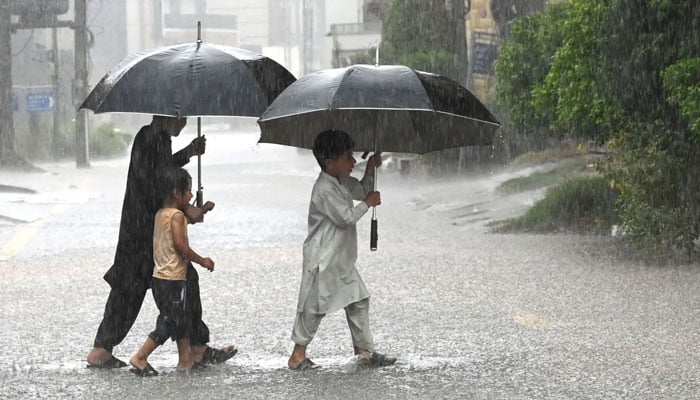
      Monsoon rains continue to affect different parts of Pakistan, bringing relief from the intense summer heat but also causing deadly accidents, flooding, and damage to infrastructure. At least six people, including children, have lost their lives in rain-related incidents across the country, while rescue teams remain on high alert as heavy downpours continue. In Gujranwala, a tragic incident occurred when a child drowned in rainwater that had accumulated in an underpass. The flooding turned the underpass into a dangerous pool, highlighting the risks posed by poor drainage systems during the monsoon season. In another heartbreaking incident in Bahawalnagar, a child drowned while bathing in a canal. Rescue officials have launched a search operation to recover the child’s body, which was still ongoing at the time of reporting. The monsoon showers have significantly reduced temperatures across Punjab, providing welcome relief from the scorching heat. However, the heavy rainfall has also created serious urban flooding in several cities. Torrential rain in Gujranwala and Gujrat submerged low-lying areas, leaving roads inundated and disrupting traffic flow. Water entered several homes, causing inconvenience and property damage to residents. Authorities are working to drain the accumulated rainwater and restore normal conditions. In Sialkot, Toba Tek Singh, and Jhang, rainfall brought cooler weather and pleasant conditions after days of extreme heat. Meanwhile, in Mandi Bahauddin, heavy rain caused roofs and walls of several buildings to collapse, leaving multiple people injured. Emergency services responded promptly, providing medical assistance to the injured and assessing the damage. In Shakargarh, rising water levels in the Ravi River left 42 farmers stranded. Rescue teams successfully carried out an operation to evacuate all of them safely, preventing what could have become a major tragedy. Rescue authorities continue to monitor river levels closely as rainfall persists in nearby regions. Heavy rainfall also wreaked havoc near Dadocha Dam on the outskirts of Rawalpindi. A seasonal stream overflowed and entered nearby residential areas, flooding the villages of Barwala and Khanpur. Residents faced significant challenges as floodwaters inundated homes, streets, and agricultural land, forcing many families to move to safer locations. In Khyber Pakhtunkhwa, flash floods in the Siran Valley of Mansehra swept away a bridge, cutting off road access to 12 villages. Local authorities are assessing the situation and exploring temporary arrangements to restore connectivity. Elsewhere in the province, including Abbottabad, Nowshera, Swabi, Mingora, and Bajaur, intermittent light and heavy rainfall continued, bringing cooler temperatures but raising concerns about possible flooding and landslides. In Azad Jammu and Kashmir, rainfall triggered surging water levels in streams and rivers in Samahni, Bagh, and the Neelum Valley. A landslide at the Dwariyan area blocked the main highway, disrupting transportation and delaying travel between affected regions. Officials have begun efforts to clear the road and restore traffic. Meanwhile, rainfall also reached Khuzdar in Balochistan and Astore in Gilgit-Baltistan, where cool winds and lower temperatures created pleasant weather conditions. However, authorities have urged citizens across the country to remain cautious, avoid unnecessary travel in flood-prone areas, and follow official weather advisories as the monsoon spell continues.

  • | | |

    Friendship turns into betrayal in Rs. 36 million K…

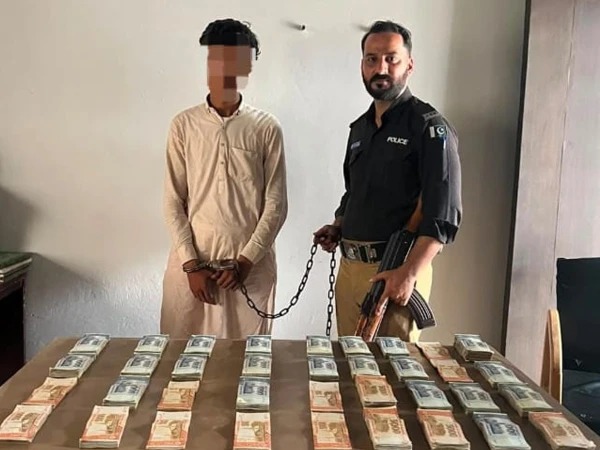
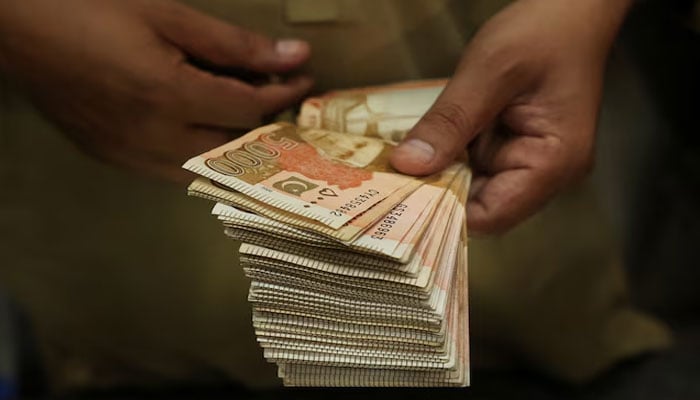
    Karachi police have arrested a man accused of stealing Rs. 36 million in cash from his friend’s house, successfully recovering the entire amount during a targeted operation. According to District West Police, the suspect had hidden the stolen money beneath a pile of sand and gravel at his home. Police spokespersons said the burglary was reported by complainant Fayaz Khan, a mobile phone trader. At the time of the incident, Khan was at work while his family had traveled to their hometown, leaving the house unoccupied. The suspect allegedly took advantage of the situation and broke into the residence, making off with a large amount of cash. Following the report, investigators collected evidence from the crime scene and launched an inquiry. During the investigation, police received confidential information that led them to the complainant’s close friend, identified as Zeeshan. After questioning, the suspect allegedly confessed to his involvement in the burglary. Based on the suspect’s disclosure, police conducted a search of his residence. During the operation, officers recovered the full Rs. 36 million in stolen cash, which had been concealed beneath sand and gravel in an apparent attempt to avoid detection. The successful recovery brought the investigation to a significant breakthrough. According to police, the recovered money has been taken into custody as evidence and will be returned to its rightful owner after the completion of legal formalities. Authorities described the operation as the result of timely investigation, evidence collection, and intelligence-based policing. The arrested suspect has been handed over to the investigation wing for further questioning. Police are now examining whether anyone else assisted in planning or carrying out the burglary. Investigators are also trying to determine how the suspect obtained detailed knowledge of the victim’s home and the cash stored inside. Police have advised residents to avoid keeping large amounts of cash at home whenever possible and to strengthen home security measures, especially when houses are left vacant. They also urged citizens to be cautious about sharing personal or financial information, even with close acquaintances. The case serves as a reminder that crimes can sometimes involve people known to the victim. Authorities say the investigation remains ongoing, and further legal action will be taken based on the findings.

  • | |

    He trusted his friend for a job—Then woke up mis…

    A shocking alleged organ trafficking case has emerged from Pattoki, where a man claims he was lured by a close friend with the promise of a job, only to wake up without one of his kidneys. Police have registered a case and launched a search for the suspect as the investigation continues. According to police, the victim, identified as Rehmat, a resident of Pattoki, was allegedly approached by his friend Raza on June 26 with an offer of employment. Trusting the promise of work, Rehmat reportedly accompanied Raza, unaware of what police say happened next. Investigators allege that the suspect took Rehmat to Rawalpindi, where he was given a drink believed to have been laced with intoxicating substances. Police say the victim lost consciousness after consuming the beverage. When he regained consciousness, he allegedly discovered that one of his kidneys had been surgically removed. Authorities further allege that the kidney was illegally sold as part of an organ trafficking operation. However, police have not yet released details regarding where the procedure was carried out or whether additional suspects were involved. Investigators are examining all possible links to determine if the case is connected to a larger criminal network. According to police records, a kidnapping case regarding Rehmat’s disappearance had already been registered on July 12 after his brother-in-law filed a complaint. The victim later returned home on his own and narrated the alleged incident to his family, prompting investigators to expand the scope of the inquiry. Police have confirmed that the primary suspect, Raza, remains at large. Search operations are underway to locate and arrest him. Authorities are also collecting medical evidence and recording witness statements to verify the victim’s claims and strengthen the investigation. Illegal organ trafficking remains a serious criminal offense in Pakistan and poses significant risks to victims, many of whom are targeted through deception, financial desperation, or false promises of employment. Law enforcement agencies continue to urge the public to remain cautious of suspicious job offers and to immediately report any unusual activities to the authorities. As the investigation progresses, police say further legal action will depend on the evidence gathered. Officials have urged the public to avoid speculation and allow investigators to complete their work. More details are expected to emerge as the case develops and authorities continue their efforts to apprehend the suspect.

  • | |

    ‘I will not apologize’: Maulana Fazlur…

    A political controversy surrounding Jamiat Ulema-e-Islam (F) chief Maulana Fazlur Rehman has intensified after the veteran politician refused to apologize for remarks he made earlier this month regarding security issues and the role of state institutions. The comments have drawn criticism from government officials and prompted legal proceedings. Addressing lawyers affiliated with his party on Sunday, Maulana Fazlur Rehman stated that he would not withdraw or apologize for his remarks. Instead, he argued that those who, in his view, launched a propaganda campaign against him should offer an apology. The controversy stems from a speech delivered during a party rally in Kasur, where the JUI-F leader spoke about the deteriorating security situation in Khyber Pakhtunkhwa and Balochistan. During the address, he questioned calls for political workers to take up arms against militant groups, saying he would not form a private force or militia. In the same speech, Maulana Fazlur Rehman also criticized the involvement of individuals in politics while serving in uniform, suggesting that anyone wishing to participate in politics should first leave official service and contest elections as civilians. The remarks quickly became the subject of nationwide political debate. The speech also led to legal action. On July 15, a local court in Gujranwala issued a notice to the National Cyber Crime Investigation Agency (NCCIA) in response to a petition filed over the remarks. The court has sought a reply from the agency by August 17 as the matter proceeds through legal channels. Senior members of the federal government strongly criticized the JUI-F chief’s comments. Defence Minister Khawaja Asif said linking the sacrifices of Pakistan’s armed forces to their salaries was unfair and disrespectful to military personnel, particularly the families of fallen soldiers. He maintained that while political leaders have the right to criticize policies or procedures, they should avoid statements that undermine the sacrifices of security forces. The controversy has sparked wider debate across Pakistan’s political landscape, with supporters arguing that Maulana Fazlur Rehman was expressing a political opinion on national security, while critics believe his remarks crossed acceptable boundaries. As political reactions continue, the legal process is expected to determine whether any further action will be taken. The issue remains a prominent topic in national politics, highlighting ongoing tensions between opposition leaders and the government over security, governance, and political accountability.

  • | | |

    Pakistan requests $10bn US foreign exchange stabil…

    Pakistan has requested a $10 billion foreign exchange stabilization facility from the United States in an effort to strengthen its economy and improve its external financial position. The proposed facility is expected to help increase the country’s foreign exchange reserves, ease pressure on the Pakistani rupee, and reduce dependence on emergency financial assistance from international lenders. According to reports, the Pakistani government has submitted a formal proposal to US Treasury Secretary Scott Bessent seeking a five-year bilateral Exchange Stabilization Support Facility. If approved, the financial arrangement could provide Pakistan with greater economic stability at a time when the country continues to face external financing challenges. The proposed fund is designed to support Pakistan’s foreign exchange reserves, which remain under pressure despite recent improvements in the country’s economic outlook. Stronger reserves would help stabilize the rupee, improve investor confidence, and provide the government with greater flexibility in managing external debt repayments. The request comes after Pakistan’s reported diplomatic efforts during the Iran conflict. According to the report, Islamabad played a facilitating role in communication between Tehran and Washington. The diplomatic engagement is believed to have enhanced Pakistan’s strategic importance and may have contributed to closer economic discussions with the United States. If Washington approves the request, Pakistan could reduce its dependence on short-term financial support from multilateral institutions, including the International Monetary Fund (IMF). The facility would also help the country better manage future external financing needs while maintaining stability in the foreign exchange market. Pakistan is currently implementing wide-ranging economic reforms under the IMF’s $7 billion Extended Fund Facility (EFF). The programme requires the government to increase tax revenues, reduce public spending, improve fiscal discipline, and introduce structural reforms aimed at strengthening the economy. The country narrowly avoided a sovereign default in 2023 after securing a $3 billion IMF emergency programme. That support was later followed by the approval of the larger $7 billion EFF programme. Although the reforms have improved economic indicators, Pakistan still relies heavily on external borrowing, financial assistance from friendly countries, and the rollover of existing loans to meet its financing requirements. Economic experts believe that a US-backed stabilization facility would provide a significant boost to Pakistan’s financial position. It could strengthen foreign exchange reserves, support currency stability, improve investor confidence, and reduce the need for repeated emergency borrowing.

  • | | |

    Cabinet clears Rs1.8bn bureaucrats’ allowanc…

    The federal cabinet has approved a new Rs1.8 billion special allowance for senior bureaucrats despite continuing austerity measures and limiting the salary increase for government employees to 7% in the 2026-27 federal budget. The decision was taken during the cabinet meeting that approved the federal budget in June. The new benefit is the second special allowance granted to top civil servants in the past four years. It comes at a time when the government is urging public institutions to reduce spending and maintain fiscal discipline. The newly approved incentive has been named the All Pakistan Services Provincial Governments’ Cadre Posts’ Parity Allowance. It will be effective from July 1, 2026. The approved allocation of Rs1.8 billion indicates that the allowance could be close to 100% of an officer’s basic salary, although the government has yet to announce the final rate and eligibility criteria. Officials have not publicly explained why the allowance was introduced or whether any formal study was conducted before approving it. Government departments also did not clarify the exact structure of the benefit. According to officials familiar with the matter, the allowance is intended to reduce differences in salaries and benefits between officers serving in the federal government and those working in provincial governments. Authorities believe many senior officers prefer provincial postings because they receive better financial incentives and additional privileges. The government also wants to encourage members of the Pakistan Administrative Service and the Police Service of Pakistan to continue serving in federal institutions by offering competitive compensation. However, the decision has drawn criticism from observers who argue that the move increases inequality within the public sector. While senior bureaucrats continue to receive additional financial benefits, the majority of government employees have received only a modest salary increase despite rising inflation and increasing living costs. Analysts believe the decision could encourage other civil service groups to demand similar allowances, putting additional pressure on the government’s finances and complicating future pay reforms. The cabinet also approved a major revision to the 150% executive allowance introduced in 2022. Instead of calculating the allowance on the 2017 basic pay scale, it will now be based on officers’ current basic salary as of June 30, 2026. This change will substantially increase payments for officers serving in grades 17 to 22 across key federal institutions. At the same meeting, the government extended austerity measures for another fiscal year. The restrictions include a ban on purchasing new vehicles and non-essential equipment, creating new posts, unnecessary foreign visits, and other non-priority expenditures. Government meetings and official events will continue to follow a simple catering policy.