US-Israel War on Iran

  • |

    Trump says there is ‘Good Chance’ of deal with Iran as drone attacks continue

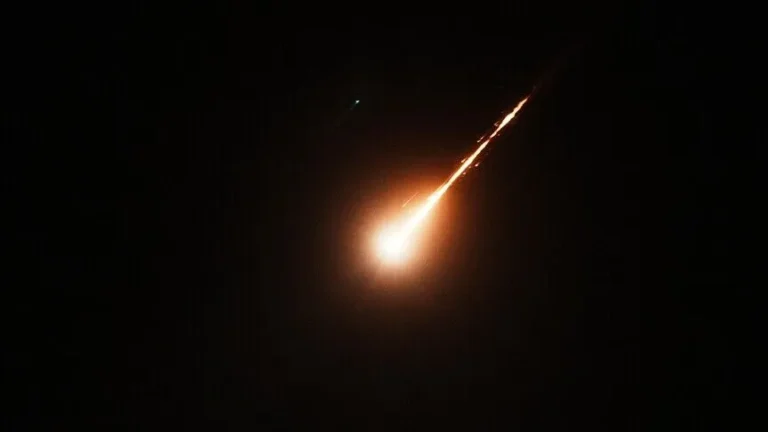
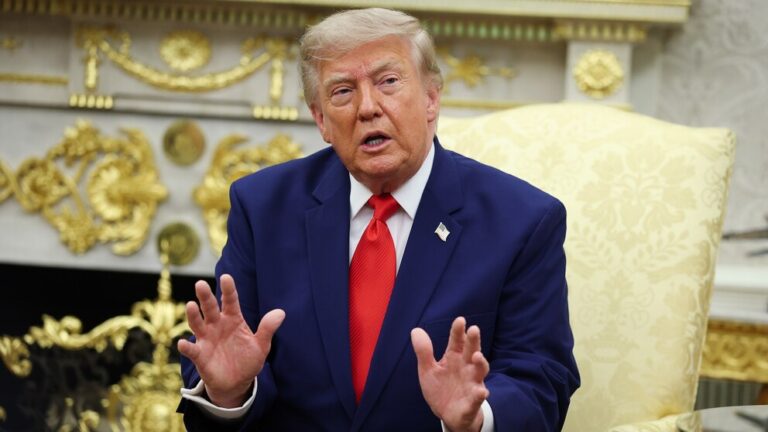
    US President Donald Trump said on Monday that there is a “good chance” of reaching a deal with Iran, but warned that Washington would resume military operations if negotiations fail, even as Tehran appeared to test the pause in the US campaign with drone attacks on Saudi Arabia, Jordan and Iraq . “They want to meet, and we are meeting. We’ll see what happens. There is a chance we can make a deal,” Trump told reporters . “Without what we did, they wouldn’t even be talking to us.” Washington abruptly suspended a two-week campaign of air strikes against Iran on Saturday in the president’s latest strategic U-turn in the five-month-old conflict . “We’re talking right now,” Trump said aboard Air Force One. “We’re having good talks… I think there’s a good chance that something could happen, and if it does, good; if it doesn’t, we go back to doing what we were doing two days ago.” However, Tehran appeared to quickly test the pause in the US military campaign. Saudi Arabia, Jordan and Iraq reported drone attacks on Monday . Saudi Arabia said it shot down drones aimed at petroleum targets, including in the capital Riyadh, and stated that the drones had been launched from Iraq by Iran-backed armed groups, reserving the right to respond . Separately, Iran’s Houthi allies in Yemen said they had targeted the 1,200-km East-West Pipeline carrying oil to Saudi Arabia’s main Red Sea port of Yanbu, in retaliation for what they said were Saudi drone incursions into Yemeni airspace . Iran has stated it is not seeking to resume peace talks with the US, although it would pause its own attacks for as long as Trump’s self-imposed ceasefire continues . Tehran also said it was still in control of the situation and would not let the US determine the end of the conflict . The contrasting signals from Washington and Tehran come as Pakistan and Qatar continue their mediation efforts, proposing a joint de-escalation formula urging both sides to return to their pre-July 9 positions as a first step toward resuming stalled talks . The path to a deal remains fraught with challenges as hostilities on the ground persist .
  • | | | |

    Trump touts Iran talks as Netanyahu arrives

    US President Donald Trump has said that Washington is engaged in “very friendly talks” with Tehran as efforts continue to prevent a fresh escalation in the Iran war. Trump’s remarks came as Israeli Prime Minister Benjamin Netanyahu arrived in Washington for talks with the US president. The meeting is expected to focus heavily on the conflict with Iran and the possibility of reaching a longer-term agreement. The latest developments come after several days of reduced military activity between the United States and Iran. However, tensions remain high. Both sides continue to issue warnings and maintain their military positions. Iran has indicated that it remains open to diplomacy. At the same time, Tehran has warned that it is prepared to respond strongly if the United States launches another attack. Iranian officials have also stressed that Washington will not decide when the country should choose between negotiations and confrontation. Tehran has said that communication with the US is continuing through intermediaries. Qatar and Pakistan are among the regional countries involved in facilitating communication between the two sides. Iranian officials have described the diplomatic channel as active but uncertain. Several major issues remain unresolved. The nuclear programme is expected to be one of the central subjects in any future agreement. Sanctions, compensation for war-related damage and security arrangements are also likely to complicate negotiations. The Strait of Hormuz remains another major obstacle. The strategic waterway is vital for international energy supplies. Iran has insisted on maintaining a significant role in controlling and regulating movement through the strait. Washington, meanwhile, wants the waterway to return to normal operations. The issue has become an important source of leverage for Tehran and a major concern for the global energy market. Trump has indicated that he wants an agreement but has also warned that military action could resume if diplomacy fails. His comments have added pressure to the ongoing negotiations. The situation has also created wider economic concerns. Australia, which relies heavily on imported fuel, is considering plans for a new domestic oil refinery. The proposal comes as disruptions to global energy supplies raise concerns about fuel security. The conflict has also affected several Gulf states. Saudi Arabia has condemned a reported drone attack by Iran-aligned groups in Iraq targeting Riyadh and energy infrastructure in the kingdom’s Eastern Province. Satellite imagery has also shown smoke rising from areas in Saudi Arabia after Yemen’s Iran-aligned Houthis claimed attacks against oil-related facilities. Meanwhile, Netanyahu’s visit to Washington has added another layer to the diplomatic situation. Israel took part in the military campaign against Iran alongside the United States but has not been directly involved in the latest US-Iran diplomatic contacts. The Israeli prime minister is expected to discuss the conflict with Trump. Differences could emerge over the direction of US policy and the possibility of a diplomatic settlement. The meeting also comes amid continuing Israeli military operations in the occupied West Bank. Israeli forces have carried out further raids in the territory, while former senior Israeli military officials have reportedly urged Trump to pressure Netanyahu to reduce the violence. UN High Commissioner for Human Rights Volker Turk has also raised concerns over alleged violations of international law in the region. His office has documented incidents in Lebanon and said some could potentially amount to war crimes. Despite the latest diplomatic activity, the path toward a lasting agreement remains uncertain. Washington and Tehran appear interested in avoiding another major escalation, but serious disagreements continue to stand in the way of a final settlement. The Strait of Hormuz, Iran’s nuclear programme, sanctions and the consequences of the conflict are likely to remain central to the next phase of negotiations.

  • | | |

    Iran rejects US proposals over ‘Excessive Demands’

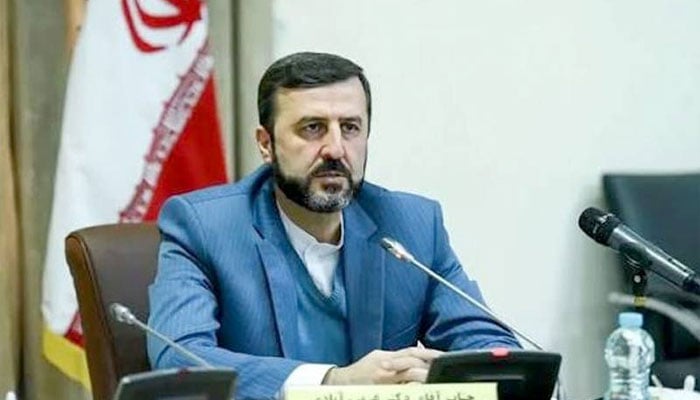
    Iran has rejected proposals put forward by the United States during indirect negotiations, Iranian Deputy Foreign Minister Kazem Gharibabadi said, citing what Tehran described as excessive and unacceptable demands from Washington. Speaking about the recent diplomatic contacts, Gharibabadi said the talks initially began in Islamabad through intermediaries. According to him, the US side presented a plan that included demands Iran could not accept, prompting the Iranian delegation to reject the proposal outright. Gharibabadi said Washington had warned that rejecting the plan would effectively end the negotiations and lead to the withdrawal of the US delegation. He added that the talks ultimately ended in exactly that manner, with the American delegation leaving the discussions. The Iranian deputy foreign minister stressed that Tehran neither insisted on continuing the negotiations nor asked the US delegation to remain at the table. He described Iran’s position as an example of what he called “dignified diplomacy,” arguing that Tehran would not compromise on what it considers its fundamental principles. Gharibabadi also discussed developments surrounding the Strait of Hormuz, a vital international shipping route. He said diplomatic discussions also took place in Oman after Iran moved to close the strait. According to the Iranian official, an Omani delegation proposed keeping a southern route open to allow ships to pass while Iran and Oman continued discussions. The proposal reportedly suggested that the route could later be closed depending on the outcome of the talks. However, Gharibabadi said Iran did not accept the proposal. He maintained that Iran had made its position clear from the beginning of the conflict and would not agree to arrangements that it believes undermine its stated principles. Gharibabadi further said Iran’s policy of keeping the Strait of Hormuz closed remains unchanged. He presented the decision as another example of Tehran’s approach to what he described as “dignified diplomacy,” signalling that Iran intends to maintain its position despite continued diplomatic efforts and international pressure.

  • | | | |

    US confirms Israel-Lebanon talks in Rome

    The United States has confirmed that Israel and Lebanon will hold their next round of talks in Rome from August 4 to 6. The negotiations will focus on implementing a framework agreement aimed at ending the conflict and improving security along the Israel-Lebanon border. The talks will be mediated by the United States. Technical teams from both sides are expected to discuss several key issues. One major issue will be the expansion of pilot zones in southern Lebanon. Israel is preparing to withdraw from two of these areas as part of the framework agreement. The discussions will also cover unresolved border disputes. The sides are expected to explore steps towards a wider peace and security arrangement. The framework emerged after fighting between Israel and Hezbollah escalated on March 2. The conflict took place amid wider tensions across the Middle East. Under the agreement, Hezbollah is expected to disarm. Lebanese forces are also to increase their deployment in southern Lebanon. Israeli forces are expected to withdraw gradually from parts of southern Lebanon. The process will initially involve two designated pilot zones. US officials said the experience from the initial zones could help establish a broader system for withdrawal and security arrangements. The United States believes the pilot zones can be expanded in stages if the initial process proves successful. The Lebanese army, however, has raised concerns over continued Israeli military activity in the south. Beirut has accused Israel of carrying out intermittent strikes and artillery attacks despite the reduction in fighting. Lebanese officials say the continued military activity is making it harder for the army to fully deploy in the south under the framework agreement.

  • | | | |

    Israeli forces arrest 14 Palestinians in West Bank…

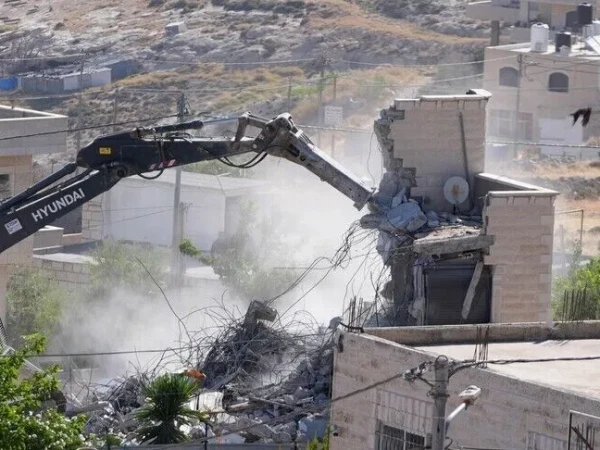
    RAMALLAH: Israeli forces detained at least 14 Palestinians, including a woman, during a series of military raids across the occupied West Bank on Tuesday, while three homes were also demolished, according to local sources. The latest arrests come as tensions continue to rise across the occupied territory, where Israeli military operations, arrests and settler violence have intensified in recent days. The raids targeted several locations, including Nablus, Jenin and Tulkarm, according to reports. Eight detained in Nablus In Nablus, Israeli forces entered the Ras al-Ain neighbourhood and stormed three buildings. Soldiers searched several homes before detaining eight Palestinians, including a woman, local sources said. The operation reportedly involved searches of residential properties, with residents subjected to questioning before the detainees were taken away. The raid was part of a wider military campaign across the northern West Bank, where Israeli forces have repeatedly carried out overnight and early-morning operations. Raids reported in Tubas and Jenin In Tubas province, Israeli troops entered the town of Tammun and remained there for several hours before withdrawing. No arrests were reported from the operation. Meanwhile, in the Jenin area, Israeli forces entered Al-Yamoun, where they arrested a former Palestinian prisoner from Jenin city. Another Palestinian was detained in Deir Ghazaleh, located northeast of Jenin, according to local sources. The arrests added to growing concerns over the continuing military pressure on Palestinian communities in the occupied West Bank. More arrests in Tulkarm Further arrests were reported in the Tulkarm area. Israeli forces detained a Palestinian customs police officer and a young man from Irtah, a suburb south of Tulkarm. Two other Palestinians were also arrested following raids and searches of homes in the village of Far’un. The latest operations come against a backdrop of escalating violence in the West Bank. Reuters reported this week that Palestinian residents have described mounting pressure from military raids and settler attacks, warning that the situation is approaching a breaking point. At the same time, reports of demolitions have added another layer to the tensions. Anadolu Agency reported that three Palestinian homes were demolished during the wider military campaign, with Israeli authorities citing claims related to construction permits. The developments are likely to fuel further concern over the security and humanitarian situation in the occupied West Bank, where repeated raids, arrests, demolitions and clashes have continued to affect Palestinian communities.

  • | | | | |

    Protest erupts in Washington over Netanyahu visit

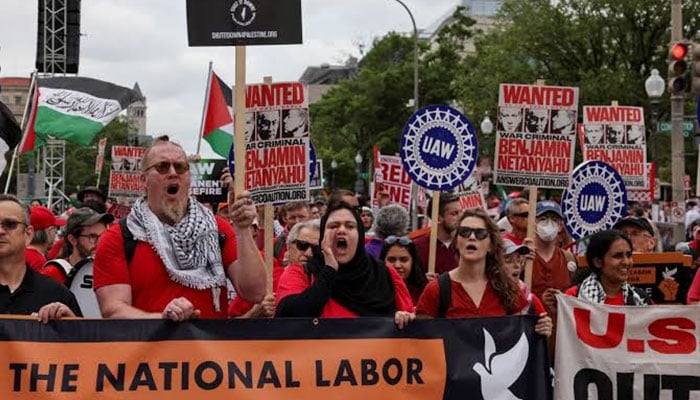
    WASHINGTON: Israeli Prime Minister Benjamin Netanyahu’s visit to Washington has sparked a fresh wave of protests, with demonstrators taking to the streets to oppose U.S. support for Israel and demand that the Israeli leader be arrested. Pro-Palestinian protesters gathered in the U.S. capital carrying Palestinian flags and banners criticising Washington’s backing of Israel. The demonstrations came as Netanyahu arrived in the United States for a scheduled meeting with President Donald Trump. At the heart of the protest was a demand that U.S. authorities enforce the International Criminal Court’s arrest warrant against Netanyahu. Demonstrators argued that the United States should not provide protection to an Israeli leader facing allegations before the international court. The protest reflects the wider political and public debate in the United States over Washington’s relationship with Israel and its approach to the conflict in Gaza. Trump rules out Netanyahu arrest The demonstrations gained additional attention because Trump has already made his position clear. The U.S. president has said Netanyahu will not be arrested while he is in the United States, directly rejecting calls for his detention. Trump has also strongly defended Israel and Netanyahu in connection with the ongoing regional conflict. Netanyahu’s visit comes at a particularly sensitive moment. His meeting with Trump on Tuesday is the first between the two leaders since their joint war against Iran, with tensions reportedly emerging over how the conflict should be handled. Protest adds pressure ahead of Trump meeting The Washington demonstration adds another layer of political pressure surrounding Netanyahu’s visit. Protesters say U.S. support for Israel should be reconsidered and that international legal proceedings should not be ignored. The issue of Netanyahu’s potential arrest has also become prominent in U.S. politics. New York Mayor Zohran Mamdani has said his administration is examining whether the city could enforce the ICC warrant if Netanyahu visits New York for the United Nations General Assembly in September. For now, however, Trump’s administration has made clear that Netanyahu will not face arrest during his stay in the United States. With protests continuing and the Trump-Netanyahu meeting attracting international attention, the visit is likely to keep the debate over Gaza, U.S.-Israel relations and international accountability firmly in the spotlight.

  • | |

    Israel admits US jets used its bases for Iran strikes

    US and Iran tensions remain high despite a fragile ceasefire, with fresh concerns over regional security, drone attacks and the future of the Strait of Hormuz. Israeli Defence Minister Israel Katz said US aircraft had used Israeli airbases to launch strikes against Iran during the recent conflict. He said American aircraft had also used the facilities for refuelling operations before carrying out attacks. Iran, meanwhile, reported extensive damage to civilian infrastructure following the US strikes. Government spokesperson Fatemeh Mohajerani said Bushehr Airport had been severely damaged and was no longer operational. She said airports in Iranshahr, Semnan and Bandar Abbas were also affected. Mohajerani said the attacks damaged 12 bridges and two tunnels. She added that the main railway station in Bandar Abbas was among the affected infrastructure. Fishing boats, tourism businesses and other private property also suffered heavy losses. Iran also reported a significant reduction in its energy capacity. Mohajerani said the country lost around 230 million cubic metres of gas production capacity during the conflict. She also said about 350 government employees were killed during the war. The security situation around the Strait of Hormuz remains a major concern. Iranian Foreign Minister Abbas Araghchi held separate discussions with his Saudi and Omani counterparts about the waterway and wider regional developments. The officials stressed the importance of cooperation and diplomatic efforts to restore stability. Oman has reportedly proposed a regional mechanism to manage the Strait of Hormuz. The proposal would involve voluntary contributions from countries using the strategic waterway. The funds could support navigation, environmental protection and search-and-rescue operations. The plan has received backing from regional countries, according to a Gulf source. It would also prevent Iran from exercising exclusive control over the important shipping route. The Strait of Hormuz is vital to global energy markets. A significant share of the world’s oil and gas shipments passes through the waterway. Any prolonged disruption could therefore affect international energy supplies and shipping costs. The conflict has also increased tensions between Iran and neighbouring countries. Saudi Arabia said it intercepted drones targeting locations in the kingdom, including petroleum facilities. Riyadh said the drones were launched from Iraq by Iran-backed armed groups. Saudi Arabia’s claims have been rejected by an Iraqi resistance group. The group denied responsibility for attacks originating from Iraqi territory and accused Riyadh of making repeated allegations against Iraq. The Gulf Cooperation Council and Egypt condemned the reported drone attacks on Saudi Arabia. They described the incidents as a serious escalation and expressed support for Saudi Arabia’s security and sovereignty. Iran has also faced criticism over attacks involving its regional allies. A senior Yemeni official warned that the Houthis appeared to be following Iran’s approach to controlling strategic maritime routes after announcing a blockade targeting Saudi Arabia. Saudi Arabia has stepped up diplomatic contacts with regional and Western partners. Its foreign minister spoke with counterparts from Qatar, Kuwait and Britain about the security situation and efforts to contain the escalation. Russia has also commented on the widening conflict. Kremlin spokesperson Dmitry Peskov said Iran had the ability to defend its interests after a Ukrainian drone attack damaged an Iranian commercial vessel in the Caspian Sea. Peskov described the incident as another escalation and warned that the conflict could spread geographically. The Iranian vessel was reportedly carrying steel cargo when it came under attack. Despite the growing tensions, diplomatic efforts have continued. US President Donald Trump said Washington and Tehran were holding positive discussions and that a deal could still be reached. He warned, however, that US military action could resume if negotiations failed. Iran has denied reports that it formally requested negotiations with Washington. Its Foreign Ministry said messages were still being exchanged through mediators and that Tehran had not abandoned diplomacy. Jordan and the United Nations have also called for the US-Iran ceasefire to be respected. Jordanian Foreign Minister Ayman Safadi and UN Secretary-General António Guterres discussed efforts to restore calm and prevent further escalation.

  • | |

    Houthis claim attack on Saudi Tanker as US Naval b…

    Yemen’s Houthi rebels have claimed responsibility for targeting a Saudi oil tanker in the Red Sea with ballistic missiles, alleging the vessel violated a blockade on Saudi ports announced by the group last week . The Houthi military spokesman identified the ship as the NCC Ghazal, stating it had been “forced to turn back” after ignoring warnings. This attack is the latest in a series of maritime operations by the Iran-aligned group, which previously claimed to have targeted two Saudi tankers, the Encelia and Layla, and to have forced around ten ships to retreat . In a related development, the US Central Command (CENTCOM) announced on Tuesday that it has redirected 18 commercial vessels, disabled two, and boarded two others as part of its ongoing naval blockade against Iran . The intensified maritime operations come amid a complex regional conflict involving US-Iran hostilities, with CENTCOM stating there are more than 20 ships currently supporting military operations in the Middle East . The Houthi actions and the US naval blockade add new layers of tension to the region’s shipping lanes, critical for global energy supplies, and coincide with broader diplomatic efforts to de-escalate the wider conflict.

  • | | | |

    US, Saudi forces strike Iran allies in Iraq

    The conflict involving Iran, the United States and its regional allies has entered a new and more dangerous phase, with fresh military strikes reported across the Middle East. US and Saudi forces carried out coordinated airstrikes against Iran-aligned armed groups in eastern Iraq, according to US Central Command (CENTCOM). The operation came after a series of drone attacks that Washington and Riyadh attributed to groups linked to Iran’s Islamic Revolutionary Guard Corps (IRGC). CENTCOM said American and Saudi fighter jets targeted weapons and logistics facilities used by the armed groups. The US military claimed the groups had carried out more than 30 IRGC-directed drone attacks in recent days, including strikes targeting Saudi energy infrastructure. Saudi Arabia also confirmed the operation, saying its forces acted alongside CENTCOM after drones were launched from Iraqi territory toward petroleum facilities in the kingdom’s Eastern Province and Riyadh region. Riyadh said it did not seek a wider escalation but warned that it would respond to further attacks. The latest strikes were followed by an explosion at the headquarters of Iraq’s Popular Mobilisation Forces (PMF) in Basra. The PMF is an umbrella organisation containing several armed factions, including groups closely aligned with Iran. The cause of the blast and any casualties were not immediately confirmed. Meanwhile, tensions escalated further after the US military reported that Iran had launched multiple ballistic missiles toward American military positions in Jordan. CENTCOM said the missiles were intercepted and that US forces remained on heightened alert. Iranian authorities had not immediately issued an official statement regarding the missile launches. However, an Iranian military official rejected claims that Tehran was responsible for projectiles fired toward Saudi Arabia, warning that attributing attacks on US interests to Iran could be a serious miscalculation. The developments threaten to derail diplomatic efforts aimed at containing the conflict. Iran has repeatedly warned that any attempt to restrict its control over the Strait of Hormuz could trigger a renewed military confrontation. The latest escalation also comes as US President Donald Trump met Israeli Prime Minister Benjamin Netanyahu. Their discussions reportedly focused on Iran and the possibility of renewed military action

  • | | |

    US rejects Iran’s Hormuz demands

    The United States has rejected Iran’s demands concerning the management and monitoring of maritime traffic in the strategically important Strait of Hormuz, with US officials saying that Tehran’s proposals have not received approval from Oman or the broader international community. American officials said the agreement under discussion focuses only on coordination between the countries involved and does not include any taxes, transit fees, or other financial charges. They described Iran’s demands as unnecessary and maintained that the proposed arrangement should remain limited to practical coordination aimed at facilitating the movement of vessels through the strategic waterway. The US officials’ remarks came after Iranian Deputy Foreign Minister Kazem Gharibabadi revealed that Tehran had proposed a joint monitoring mechanism with Oman for shipping activity in the Strait of Hormuz. According to Gharibabadi, Iran has suggested that each country should manage maritime traffic on its respective side of the strait. Under the proposal, Iranian authorities would oversee vessels and shipping movements in the section under Iran’s responsibility, while Oman would monitor traffic moving through the opposite side. Gharibabadi presented the proposal as an effort to improve coordination and maintain smooth maritime traffic through the strategically located waterway. The Iranian government has long emphasized the importance of regional countries taking greater responsibility for security and navigation in the Gulf and surrounding waters. However, US officials have challenged Iran’s position and said the demands made by Tehran do not form part of the limited coordination framework currently under discussion. They also indicated that neither Oman nor the wider international community has accepted Iran’s proposed conditions. The Strait of Hormuz plays a crucial role in global energy trade. The narrow waterway connects the Persian Gulf with the Gulf of Oman and the Arabian Sea, making it a key route for international oil and gas shipments. Any disruption or uncertainty surrounding navigation in the strait could have consequences for global energy markets, shipping costs, and regional security. The latest disagreement comes amid broader tensions between Iran and the United States over regional security and maritime activity. Tehran has repeatedly stressed its role in maintaining security in the Gulf, while Washington has continued to monitor developments in the area and protect freedom of navigation for commercial and international shipping. The dispute over the proposed arrangement highlights the continuing differences between the two sides over the management of maritime traffic in the Strait of Hormuz. While Iran views its proposal as a framework for shared regional oversight and coordination, the United States maintains that any agreement should focus strictly on coordination and should not impose additional demands, taxes, or fees on international shipping. The issue remains significant because of the strait’s importance to the global economy. Any escalation between Iran and the United States or disagreement over maritime access could draw international attention and raise concerns about the safety and uninterrupted movement of commercial vessels through one of the world’s most important shipping corridors.