US-Israel War on Iran

  • | |

    Pakistan mediates US-Iran talks over Hormuz crisis

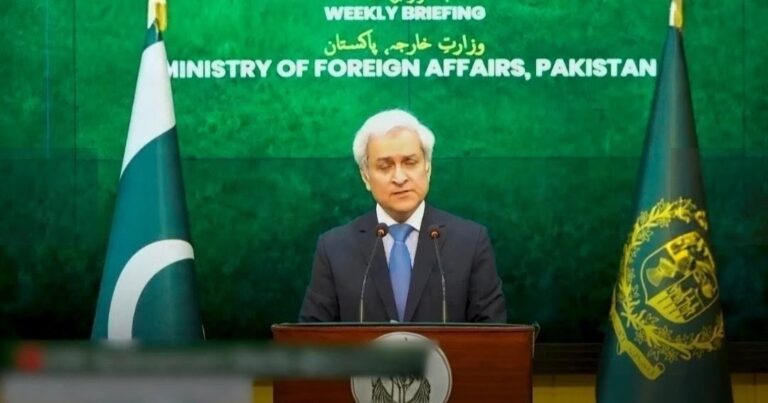
    Pakistan has confirmed that diplomatic negotiations between the United States and Iran remain active despite renewed military escalation across the Middle East, expressing hope that dialogue can prevent the conflict from spiraling into a wider regional crisis. Speaking at a weekly briefing in Islamabad, Foreign Office spokesperson Tahir Andrabi said negotiations were continuing with a particular focus on reducing tensions and addressing the growing dispute over the strategically vital Strait of Hormuz. “Negotiations between parties are ongoing, particularly on the Strait of Hormuz and to de-escalate,” Andrabi told reporters, emphasizing that Pakistan remains committed to promoting a peaceful resolution to the conflict. The spokesperson said Islamabad is working closely with all relevant parties to revive the Islamabad Memorandum of Understanding (MoU), an agreement aimed at creating a framework for technical discussions and confidence-building measures between Washington and Tehran. “We are doing our utmost to bring all parties back to the Islamabad MoU,” Andrabi said, adding that Pakistan is encouraging both sides to honor their commitments and continue technical-level talks despite recent hostilities. His remarks come as the region faces one of its most dangerous security crises in recent years. The United States has resumed large-scale military strikes on Iranian targets following missile attacks on American forces, while Iran has vowed further retaliation. The escalating conflict has raised fears over the security of the Strait of Hormuz, a key global shipping route through which a significant share of the world’s oil and liquefied natural gas supplies passes. Pakistan has consistently advocated diplomacy over military confrontation, warning that continued violence could threaten regional stability, disrupt global energy markets and increase the risk of a broader conflict involving additional countries. Analysts say Pakistan’s role as a mediator has become increasingly significant as communication channels between Washington and Tehran remain strained. While no breakthrough has yet been announced, officials believe sustained dialogue offers the best chance of easing tensions and preventing further escalation. With fighting continuing across the region, Islamabad has reiterated its support for peaceful negotiations, urging all parties to exercise restraint and prioritize diplomacy over confrontation in order to safeguard regional peace and international energy security.

  • | | | |

    Iran claims destruction of three US F-35 jets

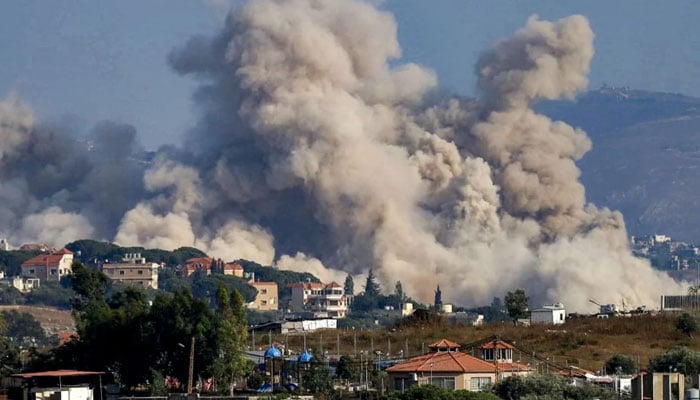
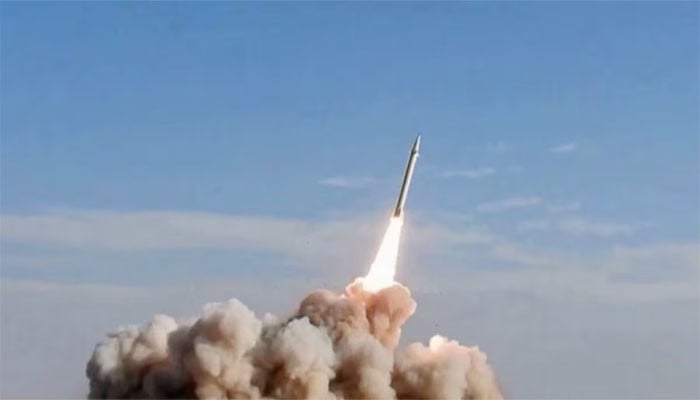
    The conflict between Iran and the United States intensified on Thursday after Iran’s Islamic Revolutionary Guard Corps (IRGC) claimed it destroyed three US F-35 fighter jets during a missile attack on Jordan’s al-Azraq airbase, a key facility used by American forces. According to the IRGC, the attack was carried out in retaliation for a US strike on Iran’s Qeshm Island that allegedly killed members of a civilian family. Iranian officials claimed several ballistic missiles struck aircraft maintenance facilities at the base, destroying three F-35 fighter jets and severely damaging three others. The IRGC also alleged that several US military personnel and technical staff were killed in the attack. No independent confirmation of these claims has been provided by US or Jordanian authorities. The latest exchange came after the United States launched fresh overnight strikes targeting multiple locations in Iran, including Bushehr, Qeshm, Bandar Abbas, Kish and Abadan. Iranian media reported that residential areas on Qeshm Island were hit, killing three members of one family and injuring two children. Iran’s Revolutionary Guards also announced that three of their personnel were killed in separate US missile attacks, vowing retaliation against what they described as American aggression. Meanwhile, Jordan said its air defence systems intercepted and destroyed five Iranian missiles heading toward its territory, marking the fourth consecutive day of missile interceptions. Authorities reported no casualties or damage. Iraq also sought to distance itself from the growing conflict. A military spokesperson stated there was no evidence that recent regional attacks had been launched from Iraqi territory, while stressing that only official security forces would be responsible for the country’s defence and security. Iran’s Foreign Ministry said discussions with Omani officials aimed at reducing tensions remain ongoing in Tehran. Iranian officials blamed the continued closure of the Strait of Hormuz and disruptions to global shipping on US and Israeli military operations, insisting that foreign military actions had created instability in one of the world’s most important energy corridors. The IRGC also claimed two oil tankers attempting to pass through the Strait of Hormuz turned back after a fire broke out on one vessel. The group warned the strategic waterway would remain closed while military pressure against Iran continued. Elsewhere, Iran condemned recent US and Saudi air strikes inside Iraq, calling them violations of Iraqi sovereignty and international law. The attacks reportedly targeted Iran-aligned groups operating in the country. The United Nations expressed growing concern over the escalating hostilities. UN Secretary-General António Guterres urged all parties to end military operations immediately and return to diplomatic negotiations, warning that continued escalation could further destabilise the Middle East.

  • |

    Iran’s Top Commander issues harsh warning to US forces : ‘their coffins are a part of their equipment’

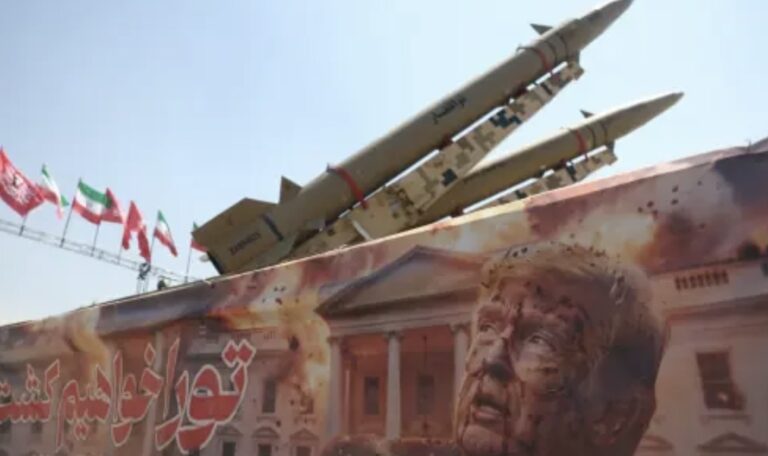
    The commander of Iran’s Khatam Al-Anbiya Central Headquarters, Major General Ali Abdollahi, has issued a stark warning to US forces, declaring that “their coffins are a part of their equipment” in the region. “Today, the Americans and their mercenaries have realised to the very core of their being that their coffins are part of their equipment in the region,” Abdollahi said, according to the Fars news agency. The warning comes amid heightened tensions between Tehran and Washington, following recent hostilities in the Persian Gulf. The statement also comes as US Senate Republicans blocked a resolution to halt the Iran war, signaling continued congressional support for the administration’s military stance. Meanwhile, Egypt’s president has warned of “escalation” after a port strike, adding to regional instability. Abdollahi’s remarks reflect Iran’s continued defiance in the face of US military pressure and its determination to maintain its position in the ongoing conflict. The rhetoric is likely to further complicate diplomatic efforts, including those being mediated by Pakistan and Qatar, as both sides remain locked in a bitter standoff.

  • | |

    Trump announces phased Hamas disarmament, gradual Israeli withdrawal

    US President Donald Trump has announced that an agreement has been reached for the phased disarmament of Hamas and other armed groups in Gaza, alongside a gradual withdrawal of Israeli forces under a broader peace framework. According to Trump, the deal was brokered through the Gaza Board of Peace after months of negotiations involving international mediators. He described the agreement as a major step toward improving security in Gaza and creating conditions for a future Palestinian civilian administration. Under the proposed plan, Hamas and other armed factions would surrender their weapons in stages while Israeli troops withdraw gradually from areas under their control. The process would be monitored by an international verification mechanism to ensure both sides comply with their commitments. The agreement calls for a complete inventory of weapons to begin within two weeks. Heavy weapons, military facilities, weapons depots and tunnel networks would be addressed during the initial phase of the disarmament process. A Palestinian National Committee would oversee the collection and storage of weapons, becoming the only Palestinian body authorised to control arms in Gaza. The plan also states that no weapons collected under the agreement would be transferred to Israel or any other non-Palestinian party. Implementation of the agreement would be supervised by an international verification commission, supported by an international stabilisation force and a newly established Palestinian police force. Israeli military withdrawals would take place in phases, linked to progress in the disarmament process. A member of the Hamas delegation said the group’s implementation of the agreement would depend on Israel fulfilling its own obligations under the deal. Meanwhile, Egypt is expected to host a high-level meeting involving mediators from the United States, Qatar and Türkiye to discuss the next stage of the ceasefire roadmap and oversee implementation of the agreement. If successfully implemented, the framework is expected to pave the way for humanitarian recovery, reconstruction efforts and the establishment of a Palestinian-led administration in Gaza. However, analysts say the agreement’s success will ultimately depend on both sides fully honouring their commitments during the implementation process.

  • | |

    Iran claims drone strike on US air base in Kuwait

    Iranian forces have claimed responsibility for a drone attack targeting key US military and strategic facilities at Ahmed Al Jaber Air Base in Kuwait. According to Iranian officials, the operation came in response to recent US strikes against Iranian targets. The Iranian military said its forces launched the drone attack as a retaliatory measure following a US strike on a residential building on Iran’s Qeshm Island. Iranian news agency Tasnim, citing a statement from the military, reported that the drones targeted several strategically important locations at the air base. These reportedly included aircraft hangars, satellite communication systems, and warehouses containing military equipment. The Iranian military described Ahmed Al Jaber Air Base as a significant hub for US aerial surveillance and military operations in the region. The base plays an important role in supporting American air activities and maintaining regional military capabilities. The claims come amid heightened tensions between Iran and the United States, with both sides warning of further military action in response to attacks. However, the extent of the reported damage and the impact of the drone strike have not been independently verified.

  • | | | |

    IRGC releases satellite images of US jets in Jordan

    Iran’s Islamic Revolutionary Guard Corps (IRGC) has released satellite images that it says show hangars housing US military aircraft at Jordan’s Al Azraq air base, escalating its information battle with Washington. The IRGC also called on the United States to end what it described as censorship and urged officials to provide the public with accurate information about the ongoing conflict. The release comes after the United States rejected an Iranian claim that its forces had destroyed US F-35 fighter jets. Iranian authorities had earlier claimed that three American fighter aircraft were destroyed at the Al Azraq air base in Jordan. In a statement, the IRGC said its forces had targeted three US F-35 aircraft stationed at the base. The claim has not been independently verified, while US officials have denied that Iran destroyed any American F-35s. By publishing the satellite imagery, the IRGC appears to be seeking to support its version of events and challenge the US account of the reported attack. However, the images alone do not independently confirm whether any aircraft were damaged or destroyed. The conflicting claims come amid heightened regional tensions and an ongoing exchange of accusations between Iran and the United States over military operations and attacks in the Middle East.

  • | | | |

    Oil prices fall as Hormuz shipments resume

    Global oil prices fell sharply on Friday, extending weekly losses as crude exports through the Strait of Hormuz gradually resumed, easing fears of prolonged supply disruptions despite a fresh maritime security incident near Oman. Brent crude dropped nearly 2% to $73.76 per barrel, while US West Texas Intermediate (WTI) crude also declined around 2% to $70.43 per barrel during trading. The decline reflected growing market confidence that oil supplies from the Gulf were beginning to recover after months of disruption. Saudi Arabia’s state-owned energy company resumed crude loading operations at the Ras Tanura export terminal after a suspension of almost four months. Shipping data indicated that two very large crude carriers were loading oil at the terminal, with another tanker waiting offshore, signalling a gradual restoration of export activity. Market analysts said traders were reacting positively to the increase in tanker movements through the Strait of Hormuz, one of the world’s most important energy corridors. However, they noted that crude demand from China remains weaker than expected, adding downward pressure on prices. The market had briefly rallied a day earlier after a commercial cargo vessel was struck by an unidentified projectile near Oman, prompting the United Nations’ shipping agency to suspend its voluntary evacuation programme in the area. US officials later alleged that Iranian forces had fired on the vessel as it attempted to transit the strait, while Iranian authorities maintained that security could not be guaranteed for ships operating outside designated navigation routes. Although oil shipments through the Strait of Hormuz have reached their highest level since the outbreak of the US-Israel-Iran conflict in February, overall maritime traffic remains well below normal levels recorded before the crisis. Analysts observed that much of the recent increase in tanker traffic reflects vessels that had been stranded during the conflict finally leaving the Persian Gulf. They cautioned that inbound shipping remains limited, suggesting export flows could slow again once the backlog of delayed vessels has cleared. Adding another layer of uncertainty, earthquakes in Venezuela raised fresh concerns about global oil supplies. Initial assessments indicated that the country’s major oilfields, refineries and export facilities escaped significant damage because they were located away from the hardest-hit regions. Nevertheless, widespread power outages have created uncertainty over whether Venezuela can maintain crude production near its recent level of approximately 1.2 million barrels per day. Despite ongoing geopolitical tensions and supply risks, the resumption of Gulf oil exports outweighed immediate concerns, leaving both Brent and WTI crude on course for weekly losses of around eight percent.

  • | | | | |

    US offers $15 million reward for Iran drone networ…

    WASHINGTON: The United States has announced a $15 million reward for information leading to the disruption of an alleged financial network linked to Iran’s drone programme, escalating pressure on entities accused of supporting the country’s military operations. The reward was announced by the Rewards for Justice programme run by the US State Department. According to the programme, the offer targets information about financial networks associated with Kimia Pars Sepehran Company (KIPAS), which Washington alleges is involved in producing drones for Iran’s Islamic Revolutionary Guard Corps (IRGC) Quds Force and its regional allies. In a statement posted on the social media platform X, the programme said it is seeking information on seven senior officials, their associates and the financial infrastructure that allegedly supports the company’s operations. US authorities said individuals who provide credible and actionable information may qualify not only for the financial reward but could also receive assistance with relocation if necessary. The announcement identified the individuals of interest as Hassan Aram Banizadeh, Reza Naharvani, Mehdi Naqaneh, Hadi Zavaraki, Abolfazl Meshkani, Abbas Sartaji, and Ehsan Mohaghegh. The latest reward offer is part of Washington’s broader campaign to disrupt networks it believes are involved in the financing, development and distribution of unmanned aerial vehicles used by Iran and affiliated groups across the Middle East. US officials have repeatedly accused Iran of supplying drones and military technology to allied armed groups operating in the region. Tehran, however, has consistently rejected allegations that it provides weapons in violation of international obligations, maintaining that its military activities are conducted within its national defence framework. The new announcement comes amid continued tensions between Washington and Tehran over regional security, sanctions and Iran’s military capabilities. Analysts say targeting financial facilitators has become a key element of the US strategy to weaken supply chains supporting Iran’s drone programme. The Rewards for Justice initiative has previously offered multimillion-dollar rewards for information related to terrorism, sanctions evasion and other activities considered threats to US national security. The latest offer underscores Washington’s continued focus on disrupting networks it believes contribute to Iran’s expanding drone capabilities.

  • | |

    US imposes fresh sanctions on Mahan Air allies

    The United States has imposed fresh sanctions on an international network accused of supporting Iran’s Mahan Air, alleging the airline has played a key role in transporting personnel, weapons, and drones linked to Iran’s Islamic Revolutionary Guard Corps (IRGC). In a statement, the US Treasury Department announced sanctions against six individuals and entities based in China, India, Russia, and Iran. The targeted network is accused of facilitating operations for Mahan Air despite existing US and European sanctions on the carrier. According to US officials, several of the sanctioned companies acted as sales agents for Mahan Air, helping the airline maintain international operations and evade restrictions imposed by Western governments. Washington has repeatedly accused Mahan Air of providing logistical support to the IRGC by transporting military personnel, weapons, and unmanned aerial vehicles. Iran has consistently denied similar allegations in the past. The latest sanctions come amid heightened tensions between the United States and Iran following recent drone attacks targeting gas-carrying vessels at Egypt’s Mediterranean port of Damietta. The incident has raised concerns that the confrontation between the two countries could expand into a new area of conflict. The US said the new measures are aimed at disrupting financial and commercial networks that support Iran’s sanctioned aviation sector and limiting its ability to conduct activities viewed as a threat to regional security.

  • | |

    China voices concern over new US trade curbs

    BEIJING: China has raised strong concerns over the latest US trade restrictions, urging Washington to strengthen dialogue and maintain stable economic relations as both countries continue efforts to manage trade tensions. Chinese Vice Premier He Lifeng expressed Beijing’s concerns during a video conference with US Treasury Secretary Scott Bessent and US Trade Representative Jamieson Greer, according to Chinese state media. During the talks, both sides held detailed discussions on implementing the agreements reached by the leaders of the two countries. The officials also exchanged views on maintaining stable economic and trade ties, expanding practical cooperation and addressing each other’s concerns through continued engagement. Beijing criticized the latest US trade measures, including the recently announced 12.5% tariff on Chinese imports, describing them as a source of concern for bilateral economic relations. Despite the differences, both sides agreed to continue using the China-US economic and trade consultation mechanism to improve communication, strengthen mutual trust and reduce misunderstandings. They also pledged to expand cooperation and support the stable development of bilateral trade relations. The discussions come ahead of Chinese President Xi Jinping’s expected visit to the United States later this year, a meeting widely seen as an opportunity to ease tensions between the world’s two largest economies. Earlier agreements between Beijing and Washington included China’s commitment to address US concerns over the supply of rare earth minerals and related processing technologies. China also agreed to increase purchases of US agricultural products through 2028 as part of broader efforts to stabilize trade relations. The latest talks indicate that while differences remain over tariffs and trade policies, both governments continue to pursue diplomatic engagement to prevent further escalation in economic disputes.