US-Israel War on Iran

  • | |

    US and UK plan high level meeting in London on Str…

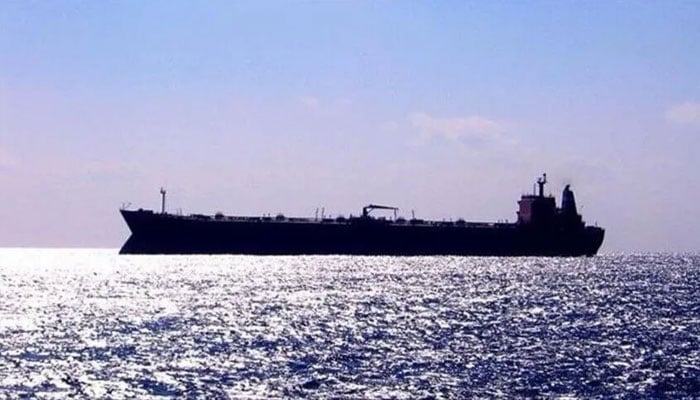
    The United States and the United Kingdom are reportedly planning a high-level meeting in London next week to discuss the future of the Strait of Hormuz, according to a report by Axios cited by Al Jazeera. The meeting is expected to include talks on the possible establishment of a coalition naval force to protect ships in the strategic waterway, diplomatic sources told the website. High-level European, American, and Arab officials, including defence ministers and military commanders, may participate in the meeting, which comes amid a spate of attacks in the Strait of Hormuz and the renewed conflict between the US and Iran. The strait, through which approximately 20% of global oil supplies pass, has been a flashpoint in the escalating tensions, with Iran launching attacks on commercial shipping and the US conducting strikes to keep the waterway open. The proposed coalition naval force would aim to ensure the safety of maritime traffic in the region, which has been disrupted by attacks on tankers and other vessels. The US has already enforced a naval blockade in the strait, while Iran has targeted ships that violated its rules on navigating the waterway. The situation has raised concerns about global energy supplies and the potential for a wider conflict. The meeting in London reflects the growing international concern over the instability in the region and the need for a coordinated response. The UK, a key US ally, has been actively involved in efforts to de-escalate tensions and protect shipping lanes. The potential involvement of Arab officials highlights the regional dimensions of the crisis, with Gulf states directly affected by the disruptions. The establishment of a coalition naval force would be a significant step in ensuring the safety of maritime traffic in the Strait of Hormuz and the broader Gulf region. However, the success of such an initiative would depend on the cooperation of all parties involved, including Iran, which has insisted on maintaining control over the strait. The meeting in London is expected to explore options for addressing the crisis, including diplomatic and military measures. As the situation continues to evolve, the international community remains focused on finding a resolution to the conflict. The meeting in London represents a crucial opportunity for key stakeholders to coordinate their efforts and develop a strategy to ensure the security of the Strait of Hormuz. The outcome of the discussions could have significant implications for global energy markets and regional stability. The world will be watching closely as the high-level meeting approaches, hoping for a diplomatic breakthrough that can de-escalate tensions and restore stability to the region. The coming days will be critical in determining whether the international community can unite to address the challenges posed by the conflict and protect the vital shipping lanes that are essential to global trade and energy security.
  • | | | |

    US ‘locked and loaded’ as Iran talks continue

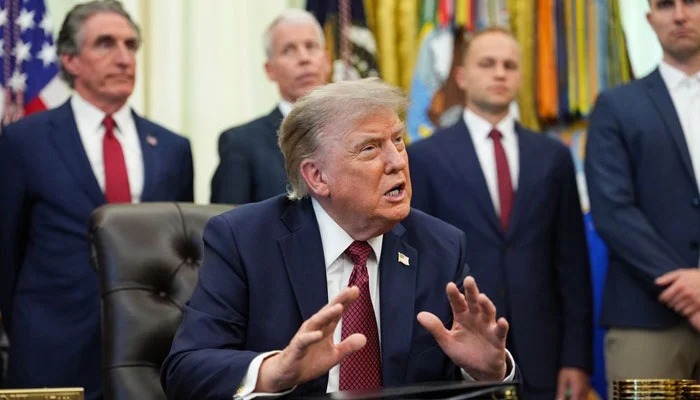
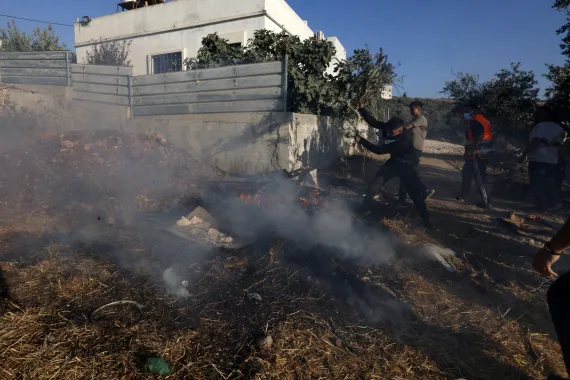
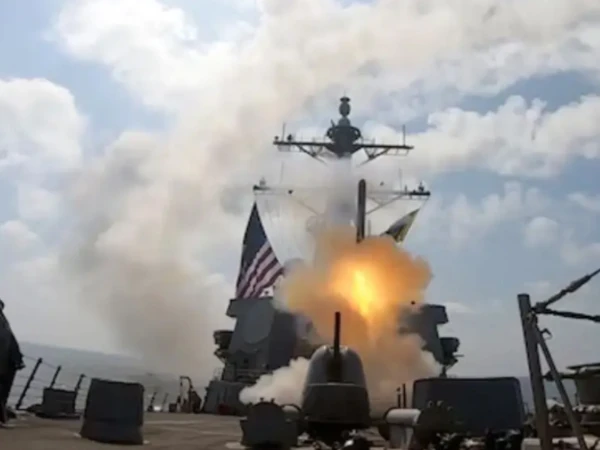
    US President Donald Trump has said Washington is engaged in direct talks with Iran, signalling that diplomacy remains active despite rising tensions in the Middle East. However, he warned that the United States remains fully prepared for military action if negotiations fail. Speaking at the White House, Trump said discussions with Tehran are ongoing and described Iranian officials as becoming “very serious” in the negotiations. He stressed that while the US is not rushing to reach an agreement, preventing Iran from acquiring a nuclear weapon remains a top priority. The US president also stated that a previously mentioned “massive” military strike against Iran may not be necessary if diplomatic efforts produce results. Nevertheless, he made it clear that American forces remain on high alert and are fully prepared to respond if required. Trump said senior administration officials, including Secretary of State Marco Rubio and Vice President JD Vance, are involved in the ongoing diplomatic contacts with Iran. He did not provide further details about the negotiations or any possible timeline for an agreement. Iranian Foreign Minister Abbas Araghchi responded by saying Tehran would not be intimidated by threats or external pressure. Speaking during a regional meeting in Kyrgyzstan, he said Iran would continue defending its national interests and would not change its policies under pressure. Meanwhile, regional tensions remain high. Air raid sirens were reported in Bahrain as Iran claimed it continued targeting US military bases in Bahrain, Kuwait and Jordan. The situation has added to concerns over a wider conflict in the Gulf region. The Saudi-led coalition also announced military operations against Houthi positions in Yemen. Coalition officials said the strikes targeted military sites, while Houthi media reported damage to telecommunications and port facilities in Hodeidah and claimed that one civilian was injured. Violence also escalated in the occupied West Bank, where clashes involving Israeli settlers and Palestinians left several people dead. Rights groups have urged the international community to take immediate steps to prevent further violence and protect civilians.

  • | | | |

    US accused of hitting LPG tanker as Bahrain, Kuwai…

    New, unverified claims from Iranian media and an American newspaper have added another layer of uncertainty to the escalating tensions in the Gulf, with allegations that the United States mistakenly struck an LPG tanker in the Gulf of Oman while Bahrain and Kuwait secretly carried out airstrikes inside Iran. According to Iran’s state-affiliated media, a US missile attack targeted an LPG tanker in the Gulf of Oman after it was allegedly mistaken for a vessel transporting Iranian gas. The reports claimed that two crew members were killed in the strike and that the ship’s engine room was destroyed, leaving the tanker disabled at sea. No official statement has been issued by Washington regarding the reported incident, and the claims have not been independently verified. In a separate development, The Wall Street Journal reported that Bahrain and Kuwait conducted covert air operations against military targets inside Iran earlier this month. The report alleged that the strikes targeted drone facilities and missile stockpiles as part of a broader regional effort to weaken Iran’s military capabilities. The newspaper further claimed that the United Arab Emirates assisted the operations by providing intelligence on Iranian targets and offering air defence support during the missions. Despite the significance of the allegations, neither Bahrain, Kuwait, the UAE nor the United States has publicly confirmed or denied the reported operations. Independent verification of the claims also remains unavailable. The reports emerge at a time of heightened regional instability, with the Gulf witnessing increased military activity and growing concerns over the security of international shipping routes. Analysts say any confirmed expansion of military involvement by Gulf states could further complicate the already volatile security situation in the Middle East. Until official confirmations are issued, the reported US strike on the tanker and the alleged covert air raids inside Iran should be treated as unverified claims originating from media reports rather than established facts.

  • | | | |

    Saudi-led coalition hits Houthi military sites nea…

    The Saudi-led military coalition announced on Saturday that it had carried out precision strikes against Houthi military positions in Yemen’s Al Hudaydah governorate, saying the operation was aimed at neutralizing threats to commercial shipping in the Red Sea. In a statement, the coalition said the strikes targeted military sites linked to the Houthi movement and stressed that Al Hudaydah Port was not targeted during the operation. It added that all Yemeni ports remain open to maritime traffic and international shipping. According to the coalition, the destroyed targets were associated with activities that posed a threat to commercial vessels navigating the Red Sea, one of the world’s busiest maritime trade routes. Officials said the operation was part of ongoing efforts to safeguard regional security and ensure the uninterrupted flow of global trade. The coalition warned that it would continue to respond if Houthi forces carried out further hostile actions against shipping or Saudi interests. It also reiterated its commitment to protecting merchant vessels and the Kingdom’s strategic interests, saying military operations would continue whenever necessary to counter security threats. The latest strikes come amid heightened tensions across the Middle East, where attacks on commercial shipping have raised concerns among international maritime operators and governments. The Red Sea remains a vital corridor for global energy supplies and cargo traffic, making any disruption a matter of international concern. There was no immediate response from the Houthi movement regarding the coalition’s claims or the reported strikes. The situation in Yemen continues to be closely monitored, with regional and international observers warning that any escalation around key shipping lanes could have wider implications for global trade and security. Despite the latest military action, the coalition maintained that navigation through Yemeni ports and the Red Sea remains unaffected and commercial vessels can continue operating normally.

  • | | | | |

    Trump says Iran serious about talks but not ready …

    US President Donald Trump has said Iran is showing greater seriousness toward negotiations than before, but cautioned that Tehran is still not prepared to reach a final agreement with Washington. Speaking to reporters at the White House, Trump said communication between the United States and Iran remains ongoing, although the prospects for an immediate breakthrough are still uncertain. According to media reports, the US president noted that Iran’s approach has changed compared with earlier stages of the diplomatic process, describing the country’s current attitude toward negotiations as more constructive. “Iran appears to be taking the talks more seriously than before,” Trump said, while emphasizing that a final deal is not yet within reach. He added that although discussions are continuing, significant progress is still needed before both sides can arrive at a mutually acceptable agreement. Trump said his administration remains committed to pursuing diplomatic efforts and is closely monitoring developments. He stressed that the coming days and weeks would be important in determining whether the ongoing contacts can lead to meaningful progress. The latest remarks come amid continued tensions between Washington and Tehran, with diplomatic channels remaining active despite months of regional instability and military confrontations. While both sides have maintained communication, key differences over major issues have continued to prevent a comprehensive agreement. Neither US officials nor Iranian authorities have announced any new breakthrough in the negotiations following Trump’s comments. Analysts say Trump’s latest assessment may signal cautious optimism, but they also note that complex disputes remain unresolved. They believe any potential agreement would require extensive negotiations and compromises from both sides before a deal could be finalized. For now, Trump’s message suggests that while diplomacy remains alive, expectations for an immediate agreement should remain measured. Observers will be watching closely for any signs of further progress as discussions continue, with the outcome likely to have significant implications for regional stability and US-Iran relations.

  • | | | |

    Iran accuses EU of hypocrisy as war tensions rise

    Iran has accused the European Union of hypocrisy over its criticism of Iran’s human rights record. Iranian Foreign Ministry spokesman Esmaeil Baghaei made the remarks in response to comments by EU foreign policy chief Kaja Kallas. Baghaei said the EU could not claim to defend human rights while, in Iran’s view, supporting military actions against the country. He accused European governments of providing logistical and technical assistance that Iran says has helped attacks against civilians and critical infrastructure. Baghaei also criticised the EU for what he described as its failure to condemn attacks on Iran. He said European officials had not shown enough concern over Iranian civilians, including children, killed during the conflict. He said the EU’s position had damaged its credibility and called its approach hypocritical. The accusations come as the conflict between Iran and the United States enters another dangerous phase. US President Donald Trump said Israeli Prime Minister Benjamin Netanyahu will visit Washington next Tuesday. The meeting is expected to focus heavily on the ongoing conflict with Iran. The announcement comes after another wave of US military strikes against targets in Iran. Trump has continued to threaten stronger military action while also keeping the possibility of negotiations open. He said Washington is currently talking with Tehran and suggested that Iranian officials appear more serious about negotiations than before. At the same time, Trump warned that the US military remains prepared for further action. He said Washington faces two possible paths. One is to continue expanding military operations. The other is to reach a diplomatic agreement. The Strait of Hormuz remains at the centre of the crisis. The strategic waterway is a major route for global energy supplies. The conflict has already disrupted shipping and pushed oil prices higher. It has also raised concerns about inflation and a wider global economic slowdown. The situation has become more complicated with Houthi attacks in the Red Sea. The group has declared a naval blockade targeting Saudi Arabia and has threatened commercial shipping. A Saudi vessel suffered minor damage in a Red Sea attack on Friday, according to Saudi state media. The Saudi-led coalition later said it had carried out strikes against Houthi military positions in Yemen. The reports could not be independently verified. Iran has also issued increasingly strong warnings to US forces in the region. The US military has carried out air strikes against Iran for several consecutive nights. Iran’s Health Ministry said dozens of people had been killed and hundreds wounded since fighting resumed in late June. Iranian military officials have also threatened retaliation against US personnel for Iranian casualties. The conflict has already resulted in US military deaths and injuries, according to American officials. Meanwhile, Pakistan is exploring possible diplomatic channels to help revive stalled talks between Washington and Tehran. Pakistani officials have reportedly held exploratory discussions as international efforts increase to find a way out of the conflict. China has also been pushing for renewed negotiations. The fighting is also affecting global energy markets and shipping routes. Oil prices surged after attacks on Saudi-linked shipping in the Red Sea. Brent crude later fell but remained close to $100 a barrel. Several tankers have reportedly changed their routes because of security concerns around the Red Sea. Some vessels are taking longer routes through the Suez Canal and around Africa. Shipping through the Strait of Hormuz has also fallen sharply. Iran has meanwhile claimed attacks on US military positions in Kuwait and other parts of the Gulf. Kuwait said its air defence systems were responding to hostile targets launched from Iran. Iran’s Revolutionary Guards also claimed to have damaged a surveillance facility associated with the US Fifth Fleet in Bahrain

  • | | |

    Iran vows to continue strikes as regional tensions rise

    Iran’s Supreme National Security Council Secretary Mohammad Bagher Zolghadr said Saturday that Iranian forces would continue their attacks until they defeat their enemies and take what he called revenge for the deaths of innocent children in Minab and Lamerd. State news agency IRNA quoted Zolghadr as saying Iran would also seek retribution for the US-Israeli war and the killing of schoolchildren. Iranian authorities say an attack on a girls’ school in Minab caused the highest number of casualties, killing 168 people and injuring 95, most of them children. Meanwhile, Iranian Foreign Minister Abbas Araghchi said there was no military solution to the growing conflict between Saudi Arabia and Houthi rebels in Yemen. In an interview with the state-run Iran Daily, Araghchi called for dialogue to address tensions involving Yemen, the Bab al-Mandab Strait and other regional disputes. Iranian Foreign Ministry spokesman Esmaeil Baghaei also accused the European Union of hypocrisy over its criticism of Iran’s human rights record. Responding to EU foreign policy chief Kaja Kallas, Baghaei alleged that European support for military actions against Iran contradicted the bloc’s stated commitment to human rights. He also accused the EU of failing to condemn attacks that Iran says have targeted civilians and critical infrastructure. Iranian authorities reported no new US strikes overnight into Saturday, marking a pause after nearly two weeks of attacks. Health Ministry spokesman Hossein Kermanpour described the night as peaceful. According to Iranian figures, the conflict has killed more than 3,400 people in Iran, while casualties have also been reported in Israel and other countries across the region. In a separate development, Egypt’s foreign minister held talks with his Iranian and Omani counterparts on efforts to reduce regional tensions and strengthen maritime security.

  • | | | | | |

    Trump orders one-day pause in Iran strikes as talks continue

    US President Donald Trump has reportedly ordered a one-day halt to military strikes against Iran, temporarily interrupting a nearly two-week-long series of attacks, according to reports from US media outlets. The pause comes as uncertainty remains over whether the decision represents a temporary break in operations or the beginning of a broader ceasefire process. Reports suggest that the US military had been preparing for possible further strikes against Iran, but Trump has not yet approved any new major offensive. According to US media reports, military plans for continued operations were presented to the president, but Trump instructed officials not to proceed with attacks on that day. The decision marked a significant shift after a period of repeated strikes targeting Iranian positions. Trump later told reporters that the United States still had the option to continue military action and increase the intensity of attacks if necessary. However, he indicated that pursuing a diplomatic solution could be a more effective strategy. “The smart strategy is to make a deal,” Trump was reported as saying, adding that Iran appeared to be becoming more serious about discussions while the US remained prepared for possible military action. The reported pause came as an Omani delegation arrived in Iran for discussions aimed at addressing regional tensions and negotiating a possible agreement related to the reopening of the Strait of Hormuz. Officials suggested that a deal between Iran and Oman could potentially be reached during the weekend, after which the final decision would depend on Washington. Meanwhile, Iran’s Islamic Revolutionary Guard Corps (IRGC) claimed that Iranian forces had destroyed several US military aircraft and drones during attacks on American bases. The group claimed that 17 drones, an F-15 fighter jet, a P-8 aircraft, a C-17 transport aircraft, and eight refueling planes were destroyed. The claims from both sides have not been independently verified, and officials have continued to provide competing accounts of the military developments. The situation remains highly sensitive as regional tensions continue, with diplomatic efforts taking place alongside military preparations. The coming days are expected to determine whether the temporary pause leads to broader negotiations or whether hostilities resume.

  • | | |

    Iran claims 200+ US troops killed as Tehran warns …

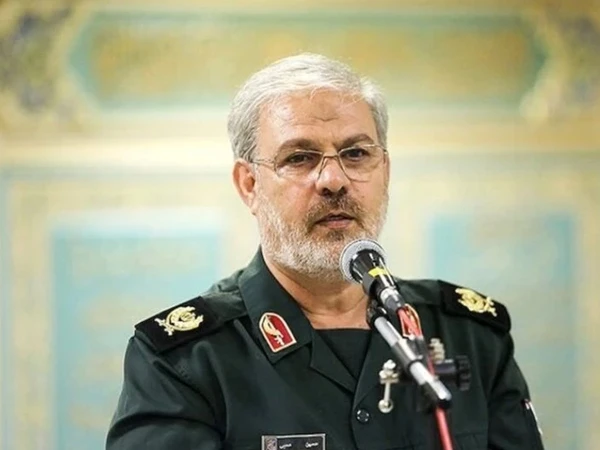
    TEHRAN: Iran’s Islamic Revolutionary Guard Corps (IRGC) has claimed that more than 200 US military personnel were killed and many others wounded during Iranian retaliatory attacks amid the latest escalation between Tehran and Washington. The claim, however, has not been independently verified, and no immediate confirmation or denial of the reported US casualties was available from American officials. IRGC spokesman Brigadier General Hossein Mohebbi rejected figures released by Washington, arguing that they did not reflect the full extent of losses suffered by US forces during the conflict. Speaking to Iran’s semi-official Tasnim news agency, Mohebbi said Iranian forces had targeted US military facilities across the region. He claimed that eight American military centers were struck and that around 20 protective shelters at one location were destroyed. The IRGC spokesman challenged Washington to allow journalists access to the affected military sites, saying such visits would reveal the extent of the damage. He accused US authorities of withholding information about casualties and military losses. Iran claims major US aircraft losses Mohebbi also claimed that Iranian attacks during roughly two weeks of fighting destroyed 11 US warplanes and helicopters on the ground. According to the IRGC account, the reported losses included an F-15 fighter jet, a P-8 maritime patrol aircraft, a C-17 transport aircraft and eight aerial refueling planes. Iran also claimed that 17 reconnaissance and operational drones were destroyed, including eight described as brand-new. The claims represent a potentially significant escalation in Tehran’s portrayal of the conflict. Independent confirmation of the reported aircraft losses has not emerged, and the locations of the alleged strikes have not been publicly specified. The statements came as tensions between Iran and the United States remained high, even as diplomatic contacts appeared to be continuing. Reports indicate that Washington and Tehran have exchanged messages through intermediaries, although major differences and deep mistrust remain. IRGC issues warning to Israel Iran also issued a fresh warning to Israel, saying Tel Aviv could face serious consequences if it re-enters the conflict. The IRGC said Iranian forces were closely monitoring the possibility of Israeli involvement and had prepared their strategy accordingly. The latest claims add another layer of uncertainty to an already volatile situation. With casualty figures and battlefield damage disputed by the opposing sides, the coming days could determine whether the confrontation moves toward diplomacy—or another dangerous round of escalation.

  • | | | | |

    Iran condemns Ukraine’s Caspian Sea strike as te…

    TEHRAN: Iran has strongly condemned a Ukrainian attack on an Iranian commercial vessel in the Caspian Sea, saying the incident killed one sailor and injured another, and warning that the strike could further widen the Russia-Ukraine conflict. Iran’s Foreign Ministry said the vessel was hit early Saturday, causing an explosion that resulted in the casualties. Tehran described the incident as an “act of aggression” and said the attack violated the principles of the UN Charter. Iran also summoned Ukraine’s chargé d’affaires to formally register its protest over the incident, according to reports. The diplomatic move underscored Tehran’s growing concern over what it described as the expansion of the Ukraine war into areas far beyond the main battlefield. The Iranian ministry said Tehran had never intervened in the Russia-Ukraine conflict and warned that the attack could contribute to the spread of insecurity and violence. It also said Iran would not hesitate to defend its national interests and security, holding Ukraine responsible for what it called the consequences of its actions. The Ukrainian account, however, presents a different picture. Ukrainian President Volodymyr Zelensky said Ukrainian forces had targeted a Russian warship and vessels allegedly being used to transport military cargo linked to Iran in the Caspian Sea. Kyiv has accused Moscow of supporting Iran and has increasingly focused on supply routes connected to Iranian military assistance. The Caspian Sea has become an increasingly sensitive strategic area amid the wider regional and international tensions. Any expansion of military operations there could carry diplomatic consequences for Iran, Ukraine and Russia. For Tehran, the reported death of an Iranian sailor has added a new layer of tension to an already volatile international situation. For Kyiv, strikes against vessels suspected of carrying military-related cargo are part of efforts to disrupt support networks linked to Russia and Iran. The incident now raises questions over whether the confrontation will remain limited to diplomatic protests or lead to further escalation between Tehran and Kyiv.