US-Israel War on Iran

  • |

    Tehran and Muscat near maritime route agreement

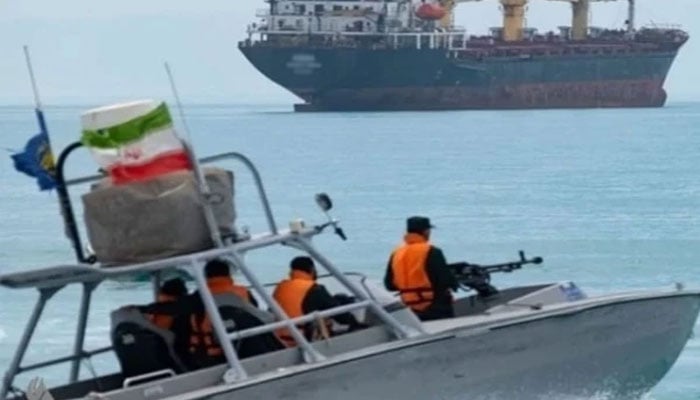
    Diplomatic attempts to restore stability to one of the world’s most vital energy corridors have reached a critical juncture. Iranian officials confirmed on Saturday. Tehran and Muscat are on the verge of finalizing a bilateral accord to establish a temporary shipping traffic scheme through the Strait of Hormuz. However, Iranian leadership made clear that signing the bilateral agreement with Oman will not lead to an immediate unblocking of the maritime bottleneck. Speaking on the technical negotiations, Iranian Foreign Minister Abbas Araqchi stated that talks regarding a revised passage framework with Oman are very close to completion. Total resumption of commercial transit remains contingent on broader geopolitical demands. Chief among Tehran’s requirements is financial restitution from Washington for damage incurred during the five-month regional military escalation that began in late February. An explicit end to American naval blockades targeting Iranian harbors. The current conflict trace back to late February 2026. The time following joint strikes by American and Israeli forces against Iranian targets. Subsequent hostilities severely disrupted commercial navigation which historically accommodates twenty percent of global petroleum and natural gas shipments. In Washington, senior administration officials signaled cautious optimism over the ongoing discussions between the neighboring Gulf nations. A U.S. official indicated that the White House anticipates a formal pact between Iran and Oman shortly, noting that once a verifiably secure mechanism for unhindered merchant shipping is announced, the United States stands ready to lift its naval blockade against Iranian ports. Despite the encouraging diplomatic signals regarding traffic management, military rhetoric and actions on the water demonstrate that significant friction remains. Statements released by Iran’s Islamic Revolutionary Guard Corps (IRGC) emphasized that political prerequisites set for the United States operate independently of the maritime route negotiations with Oman. According to IRGC spokesman Hossein Mohebbi, the physical opening of the shipping lanes to international traffic will only occur after Washington agrees to Iran’s broader security conditions and ceases interference in regional affairs. Compounding the volatility, maritime safety concerns flared anew on Saturday when the United Arab Emirates reported that a missile strike had hit a commercial tanker linked to its national oil company while navigating the strait. Although no casualties were reported onboard, the incident highlights the fragile security landscape even as diplomats work to establish temporary transit corridors.   The proposed bilateral framework aims to replace the prior international traffic separation system with a updated protocol, temporarily managing maritime movement while complex legal and technical standards are finalized. Yet, as Tehran leverages its geographic posture over the waterway to press for broader economic and security guarantees, international observers remain attentive to whether technical shipping agreements can effectively de-escalate the wider confrontation.

  • | | | |

    Trump furious over US weapons shortages as Iran te…

    WASHINGTON: US President Donald Trump has grown increasingly angry over reports that the country’s stockpile of key munitions has been significantly depleted during the conflict with Iran, fearing the disclosures could undermine Washington’s leverage as he pushes Tehran toward a deal. Senior US officials told CNN that the issue became a major point of discussion during a Cabinet meeting at Camp David last week. Trump was reportedly frustrated not only by the shortages but by the publication of details about US weapons inventories at a sensitive moment in the conflict. Several officials said Trump had known for months that certain munitions were in limited supply and was not surprised by the underlying situation. His concern, they said, was that public reporting could weaken the image of US military strength while he threatens further action against Iran. Trump sought to push back publicly, saying the United States has “massive amounts” of munitions and that weapons production is expanding. He also threatened severe punishment for officials responsible for leaking classified or sensitive information. However, Trump acknowledged in remarks at the White House that some advanced weapons are in tighter supply, while insisting there is a virtually unlimited supply of less sophisticated weaponry. White House officials said Trump has not blamed Defence Secretary Pete Hegseth for the situation and continues to express confidence in his leadership. Instead, the president has directed the Justice Department to investigate what he described as “treasonous” leaks from within his administration. The concerns have intensified after reports indicated that US forces have used a large share of their air-defence interceptors since the conflict began. CNN reported that the military had consumed nearly four-fifths of its pre-war THAAD missile inventory and about half of its Patriot interceptors. The reported shortages have also alarmed US partners in the Gulf, many of whom rely heavily on American air-defence systems. Regional officials have warned that reduced US stocks could make it harder to defend against potential Iranian missile and drone attacks if Washington launches further strikes. Iran has reportedly warned Gulf countries that renewed US attacks could trigger retaliation against energy infrastructure and desalination facilities across the region. Trump has spoken with leaders in Qatar and Saudi Arabia as his administration weighs its next steps. Senior military advisers have repeatedly raised concerns about dwindling stocks during discussions over potential escalation. The issue predates the current crisis. US military leaders had warned before the war that a prolonged campaign could strain American weapons supplies, particularly after years of support for Israel and Ukraine. Trump has blamed the previous administration for contributing to depleted stockpiles through weapons deliveries to Ukraine, while also acknowledging that the United States needs greater reserves. The administration has moved to expand production, including invoking the Defense Production Act and meeting with major defence contractors such as Lockheed Martin. However, officials acknowledge that expanding weapons manufacturing capacity could take years, meaning increased production may not immediately solve the shortage.

  • | | | | |

    Trump claims Iran war could end soon, Hormuz to re…

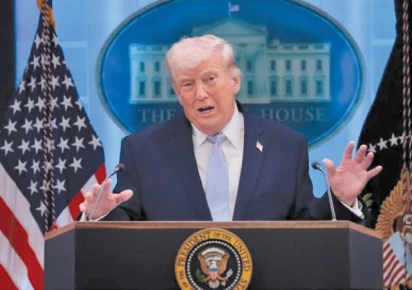
    WASHINGTON: US President Donald Trump has claimed that the war with Iran could come to an end soon, while negotiations are reportedly continuing over the future of the conflict and the reopening of the strategically vital Strait of Hormuz. Trump said the United States, Iran and Oman were close to reaching a temporary agreement aimed at reopening the key maritime passage. His remarks offered a potentially hopeful signal after weeks of heightened tensions and disruption in the region. The US president also dismissed reports that the conflict had significantly depleted American weapons stocks, insisting there was no truth to such claims. Trump further rejected reports of disagreements or growing tensions with US Defence Secretary Pete Hegseth, playing down speculation about friction within his administration over the handling of the war. However, the picture on the diplomatic front remains uncertain. Arab media reports have claimed that efforts to broker a ceasefire between the United States, Israel and Iran have stalled, highlighting the difficulties surrounding a possible breakthrough. At the same time, Iranian authorities have reportedly tightened internal security measures across the country, particularly in Tehran, as uncertainty over the conflict continues. The Strait of Hormuz remains central to the crisis because of its importance to global energy supplies and international shipping. Any agreement that restores normal traffic through the waterway could ease pressure on regional markets and provide a significant boost to wider diplomatic efforts. For now, Trump’s prediction of a quick end to the war contrasts with reports suggesting that major obstacles still remain before a lasting ceasefire can be secured.

  • | | |

    ‘No more theatre’: Ghalibaf challenges Trump over talks

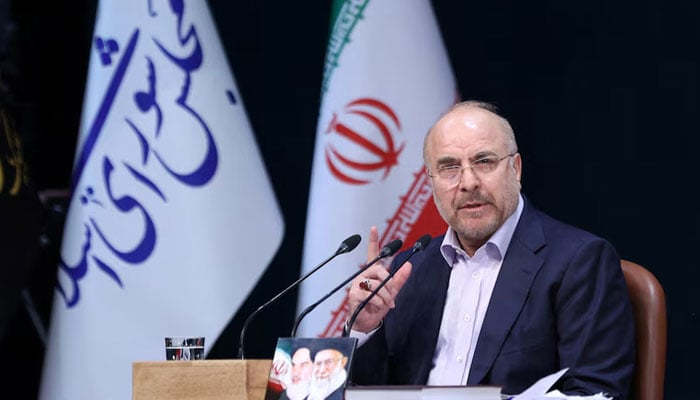
    TEHRAN: Iran’s Parliament Speaker and chief negotiator Mohammad Bagher Ghalibaf has delivered a blunt message to US President Donald Trump, calling for facts, commitments and serious diplomacy instead of what he described as political theatre. Reacting to Trump’s remarks suggesting that a major attack could be imminent, Ghalibaf said Iran was still prepared to negotiate, but expected the United States to demonstrate seriousness at the negotiating table. “Accept the facts and fulfil your promises,” Ghalibaf said, stressing that there was no need for further diplomatic drama and that responsible conduct was required. His comments come amid heightened tensions between Tehran and Washington, with negotiations remaining a key focus even as both sides continue to exchange strong warnings. Ghalibaf has emerged as a central figure in Iran’s diplomatic efforts and has been involved in negotiations with the United States. He was also re-elected as speaker of Iran’s parliament in May, securing 235 votes from 271 lawmakers who cast ballots. Ghalibaf accused Washington of repeatedly using pressure tactics, including threats, broken promises and what he characterized as false reports. According to him, such an approach has failed to achieve its intended purpose. The Iranian official’s message combines a firm warning with an opening for dialogue: Tehran, he suggested, is willing to talk, but not under pressure. The latest remarks could add another layer of uncertainty to already fragile US-Iran diplomacy, particularly as both sides weigh whether negotiations can prevent another escalation.

  • | |

    Qalibaf accuses Trump of using “Theater Diplomacy” on Iran

      Iranian Parliament Speaker and the country’s chief negotiator, Mohammad Bagher Qalibaf, has accused U.S. President Donald Trump of engaging in what he described as “theater diplomacy,” saying Washington continues to send mixed signals by alternating between military threats and calls for negotiations. In a statement posted on social media platform X, Qalibaf criticized Trump’s recent rhetoric, saying the U.S. administration repeatedly announces the possibility of major military action before stepping back and expressing interest in diplomatic talks. “First they say a major attack is coming, then they say they want negotiations. This cycle of theater diplomacy continues,” Qalibaf wrote. He argued that Washington keeps shifting its position between military pressure and diplomatic engagement, creating uncertainty rather than building trust. According to Qalibaf, the repeated use of threats, broken promises, and what he called “false narratives” has failed to pressure Iran into changing its stance. “The strategy of intimidation has not worked,” he said. “It is time to accept the realities, honor commitments, and replace political theater with serious and responsible diplomacy.” Qalibaf’s remarks came after President Trump claimed that he had canceled plans for a large-scale military strike against Iran. Trump said Iran and several countries in the region had urged the United States to avoid military action, adding that diplomatic progress was within reach. The U.S. president also claimed that ongoing negotiations could lead to a temporary agreement involving the United States, Iran, and Oman. He said such a deal would reopen the Strait of Hormuz without delay and eliminate what he described as the Iranian nuclear threat. The exchange highlights the sharp differences between Tehran and Washington as both sides continue to send conflicting messages about diplomacy and the possibility of easing tensions in the region. While U.S. officials speak of negotiations and a potential agreement, Iranian leaders remain skeptical, arguing that meaningful progress will require the United States to move beyond threats and fulfill its commitments.

  • | |

    Pakistan, allies condemn Israeli actions in Gaza

    Pakistan and seven Muslim-majority countries have jointly condemned Israel’s ongoing military actions in the Gaza Strip, describing attacks on civilians, healthcare facilities and essential infrastructure as serious violations of international law. In a joint statement released on Thursday, the foreign ministers of Pakistan, Egypt, Türkiye, Indonesia, Jordan, Qatar, Saudi Arabia and the United Arab Emirates expressed strong concern over the worsening humanitarian situation in Gaza. They said continued attacks on hospitals, medical personnel and civilian infrastructure, along with the mounting civilian death toll, particularly among women and children, represent grave breaches of international humanitarian law. The ministers warned that the ongoing violence undermines efforts to implement the next phase of the proposed peace roadmap and risks worsening instability across the region. They stressed that the protection of civilians, medical workers and humanitarian operations must remain a priority under international law, calling for unrestricted delivery of food, medicine and emergency aid throughout Gaza. The joint declaration also linked the situation in Gaza with developments in the occupied West Bank, citing settlement expansion, attacks by settlers and measures affecting East Jerusalem. According to the ministers, these actions weaken the prospects for a two-state solution and further erode the rights of the Palestinian people. The eight countries urged the international community, particularly the United Nations Security Council, to take effective steps to ensure compliance with international law and hold those responsible for violations accountable. They said greater international action is needed to protect civilians, support humanitarian efforts and help secure a lasting ceasefire. The ministers also rejected any attempt to annex occupied Palestinian territories, impose Israeli sovereignty over them or forcibly displace Palestinians from their homeland. They reiterated that lasting peace can only be achieved through a credible political process leading to the establishment of an independent and sovereign Palestinian state based on the 1967 borders, with East Jerusalem as its capital. The statement comes as violence continues in Gaza despite ceasefire efforts. Recent airstrikes have caused further casualties, while negotiations over a US-backed roadmap remain stalled.

  • | |

    HRW says Israeli strike that killed journalist was war crime

    Human Rights Watch (HRW) has accused Israel of carrying out a deliberate airstrike that killed Lebanese journalist Amal Khalil, saying the attack may amount to a war crime under international law. In a report released on Wednesday, the international rights organisation said the strike targeted Amal Khalil and her camerawoman, Zainab Faraj, while they were covering Israeli military operations in southern Lebanon earlier this year. Amal Khalil, a reporter for the Lebanese newspaper Al-Akhbar, was killed in an Israeli airstrike on April 22 in the town of Al-Tayri. Her colleague, camerawoman Zainab Faraj, was seriously injured in the same attack. According to HRW, the available evidence suggests the Israeli military knew journalists were inside the building before launching the strike. The organisation said information gathered during its investigation indicates the attack was intentional and violated international humanitarian law. The report also referred to requests made by the United Nations Interim Force in Lebanon (UNIFIL) and the International Committee of the Red Cross for access to the area. HRW said these requests support evidence that authorities were aware of the presence of journalists at the location. Human Rights Watch further stated that Amal Khalil remained alive for some time after the strike. However, it alleged that Israeli forces prevented rescue workers from reaching the site, delaying emergency medical assistance that could have improved her chances of survival. The organisation said deliberately targeting journalists performing their professional duties and blocking humanitarian access are serious violations of international law. It added that such actions could constitute war crimes and should be investigated independently. HRW called for a transparent and impartial investigation into the incident and urged those responsible to be held accountable. It also stressed that journalists covering armed conflicts are civilians protected under international humanitarian law and must not be targeted during military operations.

  • | |

    Iran’s ultimatum to Gulf neighbors amid US standoff

    Geopolitical conflict in the Middle East reached a state of alert today following a direct diplomatic ultimatum from Tehran to neighboring Arab nations. Iranian authorities have issued an explicit warning to Gulf states, urging them to exert diplomatic leverage over the United States administration to curb aggressive posturing, or face severe regional consequences, including potential retaliatory actions targeting critical infrastructure and trade corridors. The ultimatum highlights the delicate tightrope walked by oil-rich nations in the Arabian Peninsula, who find themselves caught in the crossfire of renewed political and economic pressure campaigns. As global energy markets closely monitor the developing situation, Tehran’s warning serves as a stark reminder of how rapidly regional proxy disputes can evolve into broader threats to global supply chains and economic stability. A High-Stakes Regional Warning In recent communications conveyed through diplomatic channels, Iranian officials emphasized that Gulf nations can no longer claim strict neutrality while allowing their territories, airspace, or strategic partnerships to support foreign military or economic pressure campaigns. Tehran made it clear that if aggressive measures against its economic interests and sovereignty continue, the operational security of neighboring states could be compromised. The tone of the warning reflects Tehran’s strategy to leverage the economic vulnerabilities of its neighbors. By raising the prospect of disruptions to regional oil production facilities, shipping lanes through the Strait of Hormuz, and commercial hubs, Iran aims to compel Gulf leaders to actively advocate for de-escalation in Washington. The Dilemma Facing Gulf States For neighboring countries such as Saudi Arabia, the United Arab Emirates, Qatar, and Kuwait, this ultimatum poses a major strategic dilemma. In recent years, these nations have pursued a dual policy: strengthening their defense alignments with Western partners while simultaneously opening diplomatic dialogue with Iran to reduce regional tensions. However, an intensified standoff severely limits their ability to maintain that equilibrium. Much of the Gulf’s economic diversification and energy output relies on uninterrupted commerce and stable maritime routes. Any direct target on infrastructure could disrupt worldwide energy prices and local economies. While these nations house key military installations and host international forces, they remain geographically exposed to short-range missile, drone, and naval capabilities possessed by regional forces. Gulf leadership must weigh the risks of pushing back against Western strategies versus the immediate security threats posed by an angered neighbor across the water. Global Energy Markets and Future Outlook The immediate ripple effects of these threats were felt across international markets, where Brent crude futures showed immediate volatility reflecting a built-in risk premium. Analysts warn that even minor disruptions in energy transport or localized incidents near vital waterways could trigger sharp price spikes, compounding existing global economic uncertainties.   As diplomatic envoys work behind the scenes to de-escalate the rhetoric, the situation remains fluid. The coming days will test whether Gulf states can successfully mediate between opposing forces to prevent localized tensions from spilling over into a wider, economically damaging regional conflict.

  • | | |

    Gulf shipping slumps as Houthi claims of Saudi tan…

    NEW DELHI: Commercial shipping through two of the world’s most strategic maritime routes declined sharply on Wednesday after Yemen’s Houthi movement claimed it had launched missile attacks on Saudi oil tankers, raising fresh concerns over security in the Gulf. Shipping data showed that traffic through the Strait of Hormuz and the Bab el-Mandeb Strait fell significantly compared with the previous day. According to maritime analytics firm Kpler, only two vessels passed through the Strait of Hormuz on Wednesday—a Panama-flagged coal carrier entering the waterway and a Marshall Islands-flagged commodity vessel departing. The previous day, eight vessels had transited the route. Before the outbreak of the US-Israel conflict with Iran and Tehran’s subsequent closure of the Strait of Hormuz, the waterway typically handled between 130 and 140 ships daily, making it one of the busiest energy transit routes in the world. Traffic through the Bab el-Mandeb Strait also dropped sharply. Kpler data showed that only one Bahamas-flagged dry bulk carrier crossed the chokepoint on Wednesday, compared with 20 vessels the day before. The Houthis announced that they had fired missiles at a Saudi oil tanker near the Red Sea port of Yanbu and targeted another Saudi tanker in the Gulf of Aden. Saudi authorities had not confirmed either attack at the time of reporting. The Iran-aligned group has maintained what it describes as a naval blockade against Saudi-linked shipping in the Red Sea since last month, saying the move is a response to an alleged Saudi siege on Yemen. Riyadh has rejected those allegations. The latest claims have heightened concerns over the safety of commercial navigation in the region, where maritime trade remains vulnerable to escalating geopolitical tensions.

  • | |

    Vance pledges military, diplomatic pressure on Iran

    The United States will use military, economic and diplomatic measures to bring the conflict with Iran to an end, Vice President JD Vance has said, stressing that Washington remains committed to preventing Tehran from acquiring nuclear weapons. In a television interview, Vance said negotiations with Iran remain difficult due to internal divisions within the country’s leadership. He claimed that while some factions in Iran want to end the conflict through diplomacy, others continue to support confrontation, making negotiations more complicated. Despite the challenges, Vance expressed confidence that a settlement could eventually be reached, although he acknowledged the process would take time. He said the US hopes regional stability will improve and global oil prices will ease once tensions decline. The vice president reiterated that the United States would continue using every available tool, including military strength, economic sanctions and diplomatic engagement, to achieve what he described as a lasting resolution. Meanwhile, President Donald Trump said he still prefers diplomacy over military action. Speaking at a public event, Trump said he would rather reach an agreement with Iran than resort to war, but warned that military action remains an option if negotiations fail. Trump also dismissed reports suggesting the United States is facing shortages of key military ammunition. He insisted that the country has substantial stockpiles of weapons and said defence manufacturers are rapidly expanding production to meet future requirements. The president further warned that individuals responsible for leaking classified information about US military capabilities would face legal action, saying authorities were actively pursuing those involved. The developments come as tensions remain high around the Strait of Hormuz, one of the world’s most important shipping routes for oil exports. At the same time, eight leading international shipping organisations have urged the United Nations to oppose any proposal to impose mandatory transit fees on vessels passing through the Strait of Hormuz. In a joint letter addressed to the UN and the International Maritime Organization (IMO), the organisations warned that introducing tolls would undermine the internationally recognised principle of free navigation and could increase shipping costs, fuel prices and inflation worldwide. The maritime groups also cautioned that allowing such charges could create a dangerous precedent for other international waterways and disrupt global trade. The appeal follows recent discussions between Iran and Oman on future arrangements for the Strait of Hormuz. Iranian officials said the two countries have reached preliminary understandings on several issues related to maritime traffic, although they clarified that the agreement does not mean the waterway will be fully reopened under a new system. Separately, reports in US media claimed President Trump had questioned senior defence officials over alleged shortages of military munitions during a recent Cabinet meeting. According to the reports, concerns over weapon supplies had influenced military planning regarding Iran.