देश-विदेश

  • | |

    Iran names battle-tested commanders

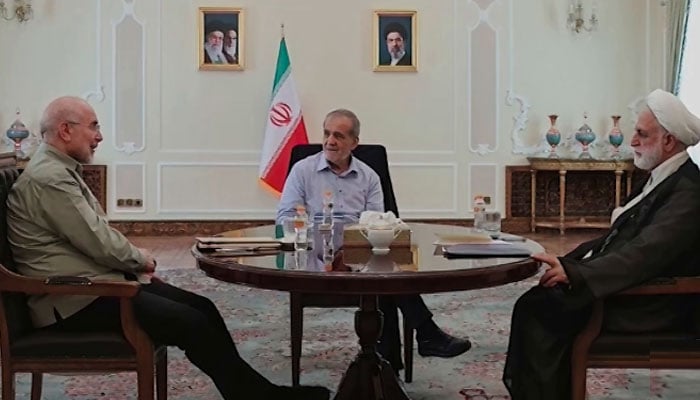
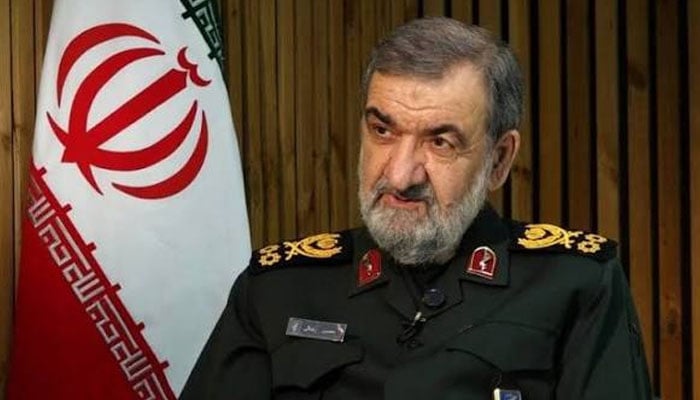
      Iranian Foreign Minister Abbas Araghchi and Parliament Speaker and senior negotiator Mohammad Bagher Ghalibaf have defended the country’s latest military appointments, saying the newly selected commanders bring extensive battlefield experience to their new positions. Their comments came after Supreme Leader Mojtaba Khamenei approved the appointment of six senior military commanders to key positions within Iran’s armed forces and the Islamic Revolutionary Guard Corps (IRGC). In a post on his Telegram channel, Araghchi said the six commanders had demonstrated their capabilities during the two recent wars imposed on Iran. He described their combat experience as an important factor behind their selection for senior military roles. Ghalibaf also welcomed the appointments, according to a statement carried by Iranian state media. He specifically highlighted General Ahmad Vahidi, saying Vahidi led the IRGC during the recent 40-day war and gained significant operational experience during the conflict. Ghalibaf said the IRGC should continue its mission while drawing on the guidance and direction of Supreme Leader Mojtaba Khamenei. He also stressed the importance of maintaining the force’s capabilities and experience as Iran faces continued regional security challenges. The latest appointments cover some of Iran’s most influential military positions. They include the chief and deputy chief of staff of the Armed Forces, the commander and deputy commander of the IRGC, the commander of the IRGC Navy, and the commander of the Basij paramilitary force. Iranian officials have presented the appointments as part of an effort to place experienced military figures in strategic command positions. The emphasis on commanders with recent battlefield experience also reflects the security pressures Iran has faced during the latest period of regional conflict. The appointments are expected to shape Iran’s military leadership and operational strategy in the period ahead, particularly as Tehran continues to deal with heightened tensions and evolving security challenges across the region.

  • |

    Man arrested over US Consulate bomb threat

    A man has been arrested in Halifax, Canada, after allegedly threatening to blow up the US Consulate, triggering a major security operation in the area. According to US media reports, Canadian authorities found flammable materials inside the suspect’s vehicle near the consulate. Police responded quickly to the bomb threat and evacuated several blocks surrounding the diplomatic facility as a precaution. The security operation continued for more than five hours as police and emergency teams searched the area and assessed the potential threat. Authorities later cleared the site and confirmed that there was no longer any danger to the public. Canadian police said they had taken a man into custody in connection with the incident. However, authorities have not yet filed criminal charges against him, and investigators are continuing to examine the circumstances surrounding the threat. The incident prompted heightened security measures around the US diplomatic facility and temporarily disrupted activity in the surrounding area. The security scare comes amid increased concern over attacks targeting US diplomatic facilities in Canada. US media reports that the American Consulate in Toronto has come under gunfire twice this year, although the Halifax incident has not been publicly linked to those attacks. Canadian authorities are expected to continue their investigation to determine the suspect’s motive and whether he intended to carry out an actual attack.

  • | | | |

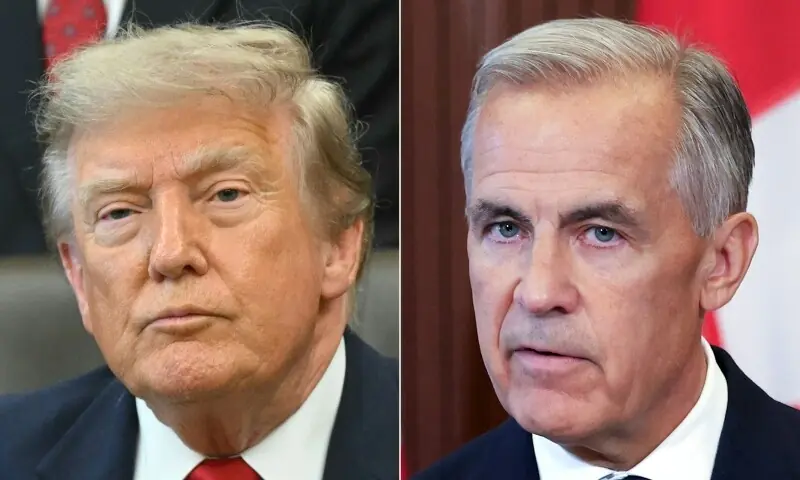
    Trump reportedly left Türkiye on secret flight amid Iran threat

    US President Donald Trump reportedly left Türkiye on a military aircraft during a covert security operation last month. The move was allegedly made because of an Iranian assassination threat. According to a report citing US officials and people familiar with the operation, Trump initially boarded the older Air Force One aircraft in Ankara. Television cameras were present as he departed. Minutes later, however, Trump was reportedly moved to a smaller Air Force C-32A aircraft. The transfer was allegedly carried out using an airport catering truck. The unusual operation was designed to keep Trump’s actual location hidden. The report said the information was not shared publicly. Some journalists and even members of the White House staff were also reportedly unaware of the change. Trump had travelled to Ankara for a NATO summit held on July 7 and 8. The reported security threat emerged during his visit. The operation reportedly took place shortly after US forces resumed strikes against Iran. The strikes followed the collapse of negotiations between Washington and Tehran. White House Communications Director Steven Cheung defended the security arrangements. He said the aircraft being used as Air Force One had been equipped with advanced security measures. Cheung said the president faced threats from several enemies of the United States. He added that the administration was using all available measures to protect him. The reported security operation comes as tensions between the United States and Iran remain high. Trump has continued to leave open the possibility of stronger military action against Tehran. Oil prices rise amid escalation fears Global oil prices also climbed sharply as markets reacted to Trump’s latest comments on Iran. Brent crude rose around 5% on Monday. It reached about $87.70 per barrel, its highest level in nearly two weeks. US West Texas Intermediate crude also gained around 5.1%. It reached approximately $82.20 per barrel. The rise came after Trump said the United States still had the option of taking stronger action against Iran. Trump told reporters that Washington had the capability to pursue a major escalation if it decided to do so. His comments increased uncertainty over efforts to end the conflict. They also raised concerns about the future of shipping through the Strait of Hormuz. Trump has claimed that the strategic waterway is open and fully under US control. However, he acknowledged that Iran could still attempt to interfere with maritime traffic. Iran has taken a different position. Tehran has reportedly demanded that the US lift its blockade before it agrees to fully restore the waterway’s operations. The Strait of Hormuz is one of the world’s most important energy routes. Large volumes of crude oil and liquefied natural gas pass through the waterway. Any prolonged disruption could therefore put further pressure on global energy prices. Oil prices were also supported by reports of attacks involving energy infrastructure in Saudi Arabia and a tanker operated by Abu Dhabi National Oil Company. Meanwhile, US crude reserves remained under pressure. Stocks in the Strategic Petroleum Reserve fell below 300 million barrels last week. The reserve was reported at around 298.7 million barrels. It was the lowest level recorded since 1983.

  • | |

    90,000 rubber ducks race through Chicago river in …

    CHICAGO: The Chicago River turned bright yellow on Thursday as around 90,000 rubber ducks were released into the water for the annual Chicago Ducky Derby, a colorful charity event that draws thousands of spectators and raises funds for Special Olympics Illinois. The unusual race began when the huge collection of rubber ducks was dropped into the river from one side of a partially opened bridge. Within moments, the water was covered with thousands of small yellow ducks, creating a striking spectacle for people gathered along both sides of the river. The ducks remained in the water for roughly 15 minutes as they floated and moved with the river’s current. Organizers then retrieved the ducks from the water to determine the winning entries and ensure that the river was cleared of the race participants. Thousands of people attended the event, turning the annual derby into a lively festival. Spectators gathered along the riverbanks to watch the race, take photographs and support the charitable cause. Many participants and visitors also wore colorful T-shirts featuring rubber duck designs. The Ducky Derby is organized to support Special Olympics Illinois, helping raise thousands of dollars for programs and activities for athletes with intellectual disabilities. One of the highlights of this year’s event came when 13-year-old Special Olympics athlete and Ducky Derby ambassador Becky Cavanaugh selected the winning duck. Her announcement was met with cheers from enthusiastic crowds gathered along the river. Cavanaugh said one of the things she values most about being involved with the Special Olympics is the opportunity to meet and build friendships with other people. The Chicago Ducky Derby has become a popular annual tradition, combining entertainment, community participation and fundraising. The event gives spectators a memorable experience while contributing to programs designed to support Special Olympics athletes across Illinois.

  • | |

    Riyadh sofa factory fire kills 16 Bangladeshi work…

    RIYADH: At least 16 Bangladeshi migrant workers have died after a fire swept through a sofa manufacturing factory in Saudi Arabia’s capital, Riyadh, in a tragedy that has prompted urgent efforts to bring the victims’ remains home. The fire broke out on Sunday at a furniture manufacturing facility in the industrial area of Riyadh’s Al Shifa district, according to Bangladesh’s Ministry of Foreign Affairs. Bangladesh’s embassy in Riyadh is coordinating with Saudi authorities over the incident and arrangements for the repatriation of the victims’ bodies. Officials are also working to identify the deceased and complete the necessary formalities. Bangladesh’s Expatriates’ Welfare and Overseas Employment Minister Ariful Haque Choudhury expressed deep sorrow over the deaths and directed officials to speed up the process of returning the bodies to Bangladesh. He also called for assistance and compensation to be provided to the bereaved families, many of whom depend on income earned by relatives working abroad. Saudi Arabia’s Civil Defence confirmed that firefighters had responded to a blaze at an unlicensed furniture-making facility in the capital, although its initial statement did not provide details about the fatalities. The tragedy has once again drawn attention to workplace safety for migrant labourers in the Gulf. Saudi Arabia is home to a large Bangladeshi expatriate community, with reports putting the number at around 3.5 million. For many of these workers, employment in Saudi Arabia provides a vital source of income for families back home. The deaths in Riyadh have therefore sent shockwaves beyond the immediate workplace, leaving families anxiously awaiting the return of their loved ones. Authorities are expected to investigate the cause of the fire and examine safety conditions at the factory. The focus will also be on determining whether violations contributed to the deadly blaze. For Bangladesh, the immediate priority remains bringing the victims home and ensuring their families receive the promised support.

  • | | | |

    US forces to leave Iraqi Kurdistan by September 30

    BAGHDAD: The Iraqi government has announced that US forces will complete their withdrawal from Iraq’s Kurdistan region by September 30, marking another step in the planned transition of the American military mission in the country. According to foreign media reports, Iraqi and US officials held discussions in the Kurdistan region regarding the withdrawal and the transfer of military responsibilities. Under the plan, US military bases in Kurdistan will be handed over to Iraqi security forces following the departure of American personnel. The Iraqi government said the movement of US military equipment and personnel out of the region is already underway. The withdrawal is expected to take place in coordination with Iraqi authorities to ensure an orderly transition. The announcement comes as Baghdad and Washington continue implementing an agreement reached in 2024 on the gradual transition of the US-led military mission in Iraq. The agreement envisaged a phased reduction of the international coalition’s military role while strengthening Iraq’s own security capabilities. US forces have played a significant role in supporting Iraqi forces in the fight against Islamic State militants and in providing training, intelligence and logistical assistance. The latest withdrawal from Kurdistan is therefore likely to attract attention as Iraq assumes greater responsibility for securing military facilities previously used by US forces. The Iraqi government has not provided further details on the exact number of American troops or equipment involved in the latest phase of the withdrawal.

  • |

    India alarmed by Pakistan-Saudi-Türkiye alliance

    The defence agreement between Pakistan, Saudi Arabia and Türkiye has emerged as a major strategic concern for India. The three countries signed the Makkah Joint Defence Agreement on August 7. Under the pact, an armed attack against any one of the three countries would be treated as an attack against all three. The agreement has attracted significant attention in New Delhi. Indian analysts are assessing its possible impact on the regional balance of power. An Indian media analysis recalled comments made by Indian Army Deputy Chief Lieutenant General Rahul R Singh in 2025. He had said that during the military confrontation between India and Pakistan in May, India faced several forms of support for Pakistan. The analysis claimed that Pakistan was directly involved in the conflict. It also alleged that China provided satellite information to Pakistan. Türkiye was accused of providing military assistance to Pakistan. The assistance reportedly included drones and other defence equipment. Saudi Arabia’s participation has now added another dimension to India’s concerns. Indian analysts fear that Riyadh could support Pakistan if another armed conflict breaks out between India and Pakistan. The concern comes despite India’s strong relations with Saudi Arabia. The two countries have extensive economic and strategic ties. India and Saudi Arabia cooperate in oil, trade, investment, security and cultural affairs. Their bilateral trade is estimated at around $43 billion. Saudi Arabia also remains an important supplier of crude oil to India. It reportedly meets around 14% of India’s crude oil requirements. Pakistan and Saudi Arabia also have a long history of defence cooperation. Pakistan has provided military training to Saudi forces. Pakistani military personnel have also been deployed in Saudi Arabia at different times. The Indian analysis claimed that Pakistan sent around 8,000 military personnel and 16 JF-17 fighter jets to Saudi Arabia during 2026. It also referred to reports about possible Pakistani drone support and Chinese-made air defence systems. These developments were reportedly linked to Saudi Arabia’s security concerns and attacks involving drones. The relationship between Pakistan and Türkiye has also expanded significantly in recent years. The two countries have increased cooperation in defence technology and military production. Pakistan has acquired Turkish-made warships and other defence equipment. Türkiye has also supported the modernisation of Pakistan’s naval capabilities. The two countries are also cooperating in the field of unmanned aerial systems. Pakistan has acquired Turkish Bayraktar Akıncı drones. Both sides have discussed and worked on expanding cooperation in drone technology. Türkiye’s KAAN stealth fighter has also attracted interest from Pakistan. However, no final purchase agreement for the aircraft has been confirmed.

  • | | |

    Syria sentences former President Bashar al-Assad to death

    A Syrian court has sentenced former President Bashar al-Assad to death over allegations of premeditated and deliberate killings. The sentence was issued in absentia. Assad was not present in court when the ruling was announced. The court also sentenced Atef Najib, a former security official who served during Assad’s rule, to death. According to the court, the charges against Assad relate to allegations of killings that were deliberately planned and carried out. The ruling marks a major development in the legal proceedings against the former Syrian president. Assad was removed from power before the court issued the sentence. The court proceeded with the case in his absence. It reached its decision based on the charges brought against him. Atef Najib was also named in the proceedings. He served as a security official during the Assad era and was handed the same punishment. The court described the alleged crimes as involving premeditation and deliberate killing. These allegations formed the basis of the death sentences. The development comes amid continued legal and political efforts concerning officials associated with the former Syrian government. The ruling against Assad could become an important part of the legal record surrounding his years in power. The former president has faced allegations related to serious abuses during the conflict in Syria. The latest court decision focuses specifically on charges of premeditated and deliberate murder. The sentence was announced without Assad appearing before the court. The court also issued its decision against Najib in connection with the same proceedings. Further legal developments could determine how the sentences are handled and whether additional proceedings follow. According to the reported ruling, the former Syrian leader was convicted on charges described as war crimes and crimes against humanity. The decision marks a significant development in legal proceedings against senior figures from Assad’s former government. Assad ruled Syria for nearly 24 years after succeeding his father, Hafez al-Assad, in 2000. His government faced years of armed opposition after protests erupted across the country in 2011. The conflict developed into a prolonged civil war involving Syrian government forces, opposition groups and several foreign powers. The war caused widespread destruction and a major humanitarian crisis. Millions of Syrians were forced to leave their homes, while large numbers sought refuge in neighbouring countries and beyond. Assad remained in power throughout most of the conflict. His government was accused by international organisations and rights groups of carrying out serious abuses against civilians. The former government repeatedly rejected many of the allegations. Assad’s rule eventually came to an end in December 2024. Opposition-led forces advanced towards Damascus, forcing him to leave the country with members of his family. He subsequently travelled to Moscow, where Russia provided him with protection. The latest verdict is the first death sentence against Assad under Syria’s transitional authorities. The new authorities have begun legal proceedings against officials and figures associated with the former government. Some defendants have appeared before the courts in person, while proceedings against others have been conducted in absentia. The case against Assad is therefore being closely watched as part of broader efforts to address alleged crimes committed during the conflict. The death sentence also represents a dramatic reversal for a leader who remained at the centre of Syrian politics for decades.

  • |

    Foreign nationals among victims of Nizhnekamsk attack, Russia says

    At least 13 people were killed in a terrorist attack targeting civilian facilities in Nizhnekamsk, Russia’s Tatarstan region, on August 10, according to the Russian Foreign Ministry. Russian Foreign Ministry spokeswoman Maria Zakharova said most of those killed were foreign nationals. Preliminary information indicated that eight victims were citizens of Uzbekistan, while another victim was from Tajikistan. Around 20 foreign nationals were also reported to have been injured in the attack. Zakharova accused Ukrainian forces of deliberately targeting civilian locations where foreign workers and residents from countries friendly to Russia were present. She claimed the attack was intended to create tensions between Russia and those nations. The Russian official described the incident as a terrorist attack and said such strikes have resulted in the deaths of both Russian citizens and nationals of other countries. The Russian Foreign Ministry expressed condolences to the families and relatives of those killed. It also wished a rapid recovery to those injured. Moscow further urged the international community to condemn what it described as attacks against civilian targets. The accusations were made by the Russian Foreign Ministry as part of its response to the Nizhnekamsk incident. The claims concerning responsibility and the circumstances surrounding the attack could not be independently verified from the statement alone. The incident has raised concerns over the safety of foreign nationals working and living in areas affected by the Russia-Ukraine conflict. Further details about the victims, the extent of the damage and the circumstances of the attack are expected as investigations continue.

  • |

    Afghan fathers struggle as girls remain barred from secondary schools

    KABUL: Afghan fathers are facing growing distress as their daughters remain unable to continue their education beyond primary school under restrictions imposed by the Taliban authorities. Families across Afghanistan say the education ban is creating deep emotional and financial pressure. Some fathers are openly questioning the policy, despite their religious beliefs and support for other government measures. The Taliban administration has defended the restrictions as temporary and based on its interpretation of religious principles. However, many Afghan men say they cannot understand why girls should be prevented from receiving secondary education. A United Nations survey conducted last year found that about nine out of 10 Afghan men considered it important for girls to attend secondary school. Nearly two-thirds also viewed supporting a daughter’s education as a religiously commendable act. Girls were barred from secondary schools after the Taliban returned to power in 2021. Women were later also prohibited from attending universities. The restrictions have affected a large number of young Afghan women and girls. For many families, the approaching end of primary education has become a source of fear. Fathers worry that their daughters will lose their chance to pursue higher education and build professional careers. One father, identified as Ahmad, said he had never imagined that his daughters could be forced to stop studying. His wife is a mathematics teacher who is also unable to continue teaching secondary-level students. Ahmad said his eldest daughter is approaching the end of primary school. The family has considered private and underground educational options, but the cost is difficult to manage. Another father, a doctor identified as Mohammad, said he had always wanted his daughters to attend leading universities. He believes women are essential to Afghanistan’s development and should have opportunities beyond household responsibilities. His daughters are approaching the age when they will be forced to leave formal schooling. The family has considered sending them abroad, including to Pakistan, but changing regional circumstances have made that option difficult. Some families have turned to private schools that secretly provide general education alongside religious studies. These institutions often charge high fees and may not provide recognised graduation certificates. Parents also fear that authorities could take action against schools operating outside official restrictions. This leaves families caught between protecting their children and trying to continue their education. Another father from Kandahar said his young daughter has a strong interest in astronomy. She asks questions about the solar system, gravity and science. The girl reportedly asked her father how she could continue learning if she could not study beyond the sixth grade. Her question has become a painful reminder of the limited opportunities available to girls. Some families have moved to Kabul in search of better educational opportunities. Others are relying on online courses, home schooling and secret classes. The restrictions are also affecting children emotionally. Parents say many girls feel frustrated, isolated and uncertain about their future. One father said his teenage daughter often stays at home and becomes deeply upset when she thinks about her education. He said he sometimes leaves the room because he cannot control his emotions and ends up crying privately. Another family has created a home-schooling routine using old secondary-school textbooks. The parents try to maintain a school-like schedule so their daughters can continue learning. However, the parents say home education cannot fully replace a formal school environment. They worry about the lack of recognised qualifications, social interaction and access to trained teachers. Some girls have also begun attending secret classes. Their families remain concerned about possible consequences if the authorities discover them. The prolonged restrictions have created uncertainty for an entire generation of Afghan girls. Parents fear that years without formal education will limit their daughters’ future opportunities