complete story emerges
| |

Complete story emerges after body of Karachi busin…


KARACHI: Details have emerged surrounding the discovery of the body of young Karachi businessman Mir Raza, with investigative sources revealing several alleged delays and irregularities in the initial response to the incident.

According to investigative sources, information about Mir Raza’s body was received at around 12:36 p.m. on July 29. The body reportedly remained at the scene until approximately 1:45 p.m., before rescue personnel shifted it to Jinnah Hospital shortly before 2 p.m.

The sources said that the Crime Scene Unit did not reach the location on the day the body was discovered. Instead, the unit reportedly received information about the body through social media at around 3:11 p.m.

According to the initial investigation, the Crime Scene Unit had allegedly been instructed not to visit the location on the day of the incident. The team eventually arrived at the scene the following day.

Investigators have raised questions over the delay, particularly because preserving a crime scene is crucial for collecting physical evidence and determining what may have happened. The delay in reaching the location could have affected the availability or condition of potential evidence.

Sources further said that personnel responsible for tracking or searching for the device associated with the case were informed approximately 15 minutes after the discovery of the body. However, they reportedly did not reach the location at that time either.

The Crime Scene Unit has since visited the site five times as part of the ongoing investigation. Investigators are examining the circumstances surrounding the discovery of the body and attempting to establish a clear timeline of events.

The investigation has also revealed another development concerning the police response before the body was discovered. According to investigative sources, police had received information about a robbery in Gulistan-e-Johar before receiving information regarding the body.

Sources said that instead of being directed toward the location where the body was eventually found, police personnel were instructed to remain at the reported robbery site in Gulistan-e-Johar Block 7.

The initial investigation suggests that the absence of local police personnel at the location where Mir Raza’s body was found may have contributed to the loss or disturbance of important evidence. Investigators are now examining whether the police response and the delay in the arrival of relevant units affected the collection of forensic material.

The sequence of events has raised questions about the handling of the case during the crucial early hours. The period immediately following the discovery of a body is particularly important because physical evidence can be disturbed, removed or contaminated if the area is not properly secured.

Authorities are continuing to investigate the circumstances surrounding Mir Raza’s death. Investigators are also working to determine why the Crime Scene Unit was not present at the scene on the day the body was found and why the relevant personnel allegedly failed to reach the location after being informed.

The repeated visits by the Crime Scene Unit indicate that investigators are continuing their efforts to gather evidence and reconstruct the events surrounding the case.

Meanwhile, questions surrounding the police response and the alleged delays remain an important part of the investigation. Officials will need to establish the reasons behind the instructions given to various teams and determine whether any procedural failures contributed to the loss or disturbance of evidence.

The final cause of Mir Raza’s death and the circumstances leading to it will depend on the findings of the ongoing investigation, forensic examination and other available evidence.
Similar Posts

  • |

    Pakistan eyes bigger share in global islamic economy

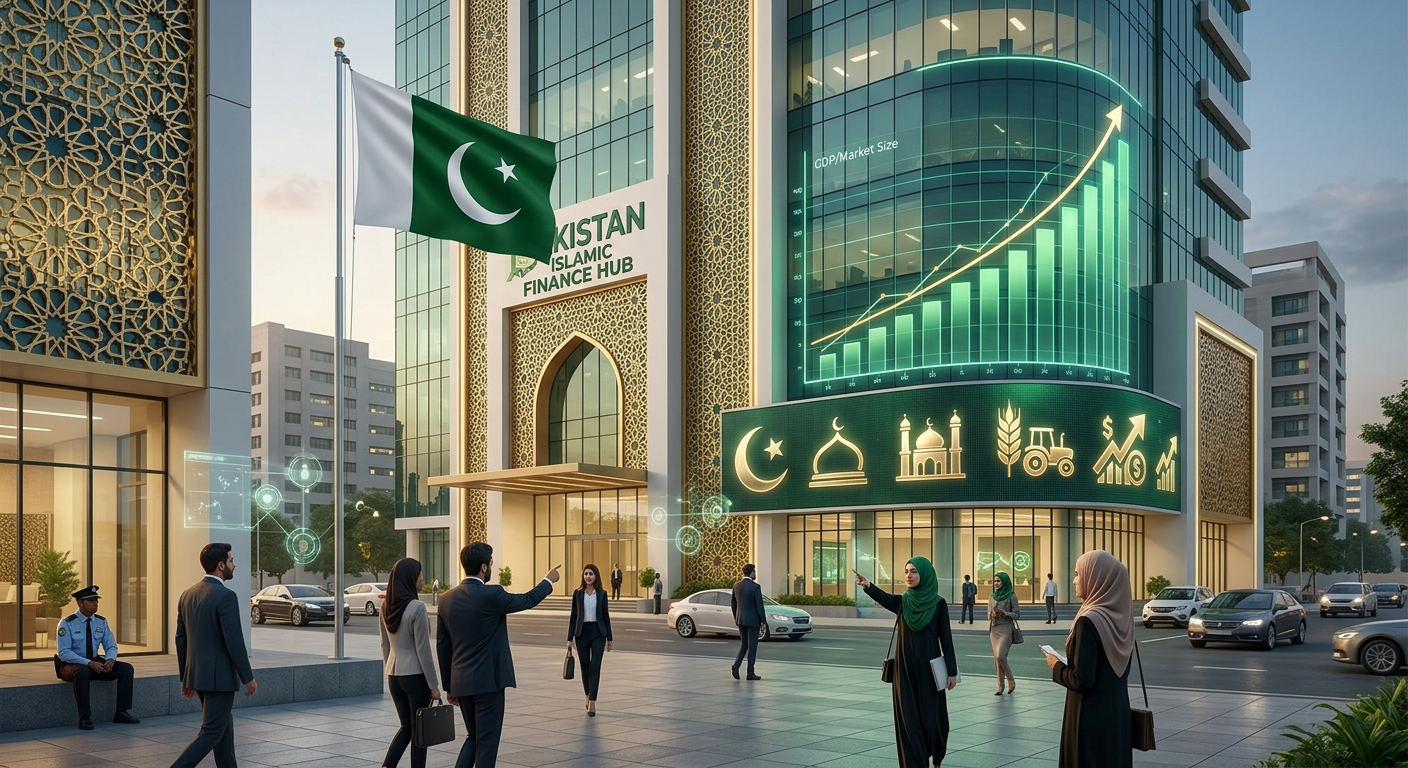
    Pakistan has significant room to expand its presence in the global Islamic economy by introducing innovative Shariah-compliant financial products, strengthening regulatory frameworks and developing specialized professional expertise, Secretary General of the Islamic Chamber of Commerce and Development (ICCD) Yousef Hassan Khalawi has said. Speaking at the Securities and Exchange Commission of Pakistan (SECP) Talk Series on Islamic finance, Khalawi highlighted Pakistan’s structural advantages and said the country was well placed to capture a larger share of the rapidly evolving global Islamic economy. He noted that Pakistan has a large Muslim population, a substantial overseas Pakistani community and an expanding Islamic finance sector. The country also has a growing base of professionals working in banking, capital markets and other financial services, providing a foundation for further development of the industry. However, Khalawi stressed that Pakistan would need to move beyond conventional Islamic finance offerings if it wanted to compete more effectively in international markets. He encouraged financial institutions and regulators to focus on developing innovative products capable of addressing emerging domestic and global demand, particularly through financial technology. Fintech seen as key driver According to Khalawi, fintech could play an important role in making Islamic financial services more accessible, efficient and affordable. Digital platforms can potentially reduce transaction costs while allowing Shariah-compliant products to reach customers who remain underserved by traditional financial institutions. He also emphasized that Islamic finance should not be viewed solely as a mechanism for structuring financial transactions. Instead, he said, the sector should play a wider role in supporting economic growth, social welfare and productive investment. One area with considerable potential is Waqf-based investment. Khalawi suggested that professionally managed and transparent listed Waqf structures could enable individuals to make relatively small contributions that could collectively generate financing for projects in key social sectors. Such models, he said, could help channel funds towards education, healthcare and infrastructure while creating a more organized framework for mobilizing charitable and community-based capital. Agriculture offers untapped potential Agriculture was also identified as an important sector where Islamic finance could make a greater contribution. Khalawi called for the development of specialized Shariah-compliant financing instruments tailored to the needs of farmers, agribusinesses and other participants across the agricultural value chain. Greater technical expertise would also be required to design products that address the specific risks and cash-flow patterns associated with agriculture. Expanding access to appropriate financing could help unlock investment and support productivity in the sector. Interest-free lending and financial inclusion The discussion also examined Qard Hassan, an interest-free lending mechanism that can provide financing to individuals without imposing conventional interest charges. Khalawi said technology could help make Qard Hassan arrangements easier to administer and more accessible to potential borrowers. Digital platforms could reduce administrative expenses, improve transparency and facilitate the distribution of small-scale interest-free loans. He further highlighted the importance of establishing common Shariah standards to promote consistency across the Islamic finance industry. Differences in interpretation and product structures can create challenges for institutions seeking to operate across markets, making greater standardization important for the sector’s international growth. Professional training was another key area highlighted during the discussion. Khalawi stressed that the continued expansion of Islamic finance would require professionals with expertise in both financial markets and Shariah principles. For Pakistan, strengthening regulatory capacity, expanding specialized training and encouraging innovation could help create an ecosystem capable of supporting new Islamic financial products. The SECP discussion underscored the broader opportunity for Pakistan to position Islamic finance as a tool not only for financial-sector development but also for investment, entrepreneurship, social welfare and sustainable economic growth.

  • |

    South Korea beats NASA to first photos of SpaceX Moon crash

    A spent SpaceX rocket stage slammed into the Moon on August 5, travelling at roughly 8,700 kilometres per hour. South Korea’s Danuri orbiter was perfectly positioned to capture the moment. The Korea Aerospace Administration released the images on August 6, beating NASA’s own Lunar Reconnaissance Orbiter to the first confirmed photos of the impact site. KASA had adjusted Danuri’s orbital path specifically for this event. The manoeuvre let the probe fly around 340 to 350 kilometres above the impact zone near Einstein Crater, capturing images just before and after the collision. Using its high-resolution Lunar Terrain Imager, the satellite photographed the site at an estimated resolution of five metres per pixel. A separate instrument measured changes in surface reflectivity to help gauge how much debris the impact had thrown up. KASA compared the difficulty of the shot to photographing a car crash in Busan from an aircraft flying above Seoul. The comparison highlighted just how precise the timing and positioning needed to be. The rocket stage originally launched in January 2025, carrying Firefly Aerospace’s Blue Ghost lander and ispace’s RESILIENCE spacecraft toward the Moon. Both spacecraft were part of separate lunar missions at the time. Falcon 9 upper stages are typically destroyed by burning up in Earth’s atmosphere after their missions end. This particular stage, however, had used up nearly all its fuel reaching lunar orbit, leaving it drifting as space debris. Gravitational and solar forces eventually pulled the stage back down, resulting in the lunar impact. SpaceX confirmed it had coordinated with NASA on the disposal process for the spent stage. The company noted that controlled descents are not always possible for upper stages following this kind of trajectory. NASA administrator Jared Isaacman downplayed the event’s significance afterward. Isaacman pointed out that meteoroids strike the lunar surface roughly every hour. He noted that impacts of this scale happen approximately every six days, framing the incident as fairly routine rather than dramatic.

  • | |

    Kuwaiti Foreign Minister meets Army Chief  Asim M…

    RAWALPINDI: Kuwait’s Minister of Foreign Affairs, Sheikh Jarrah Jaber Al-Ahmad Al-Sabah, met Field Marshal Syed Asim Munir, Chief of Army Staff and Chief of Defence Forces, at the General Headquarters (GHQ) in Rawalpindi on Tuesday to discuss regional security and ways to strengthen cooperation between the two countries. The Kuwaiti foreign minister was accompanied by Kuwait’s Ambassador to Pakistan, Nassar Abdul Rahman J. Al-Mutairi. According to the Inter-Services Public Relations (ISPR), the two sides exchanged views on matters of mutual interest, the regional security environment, and opportunities to further deepen bilateral cooperation. During the meeting, the Kuwaiti foreign minister appreciated Pakistan’s continued support and its constructive role in promoting regional peace and stability. He also highlighted the longstanding fraternal relationship between Pakistan and Kuwait. Field Marshal Syed Asim Munir reaffirmed Pakistan’s commitment to further strengthening ties with Kuwait, stressing that both countries share a common vision for regional peace, stability, and prosperity. He expressed confidence that the enduring partnership between the two nations would continue to grow across multiple areas of cooperation.

  • | |

    FGEHA warned in 2019, yet Rs5.4 billion released f…

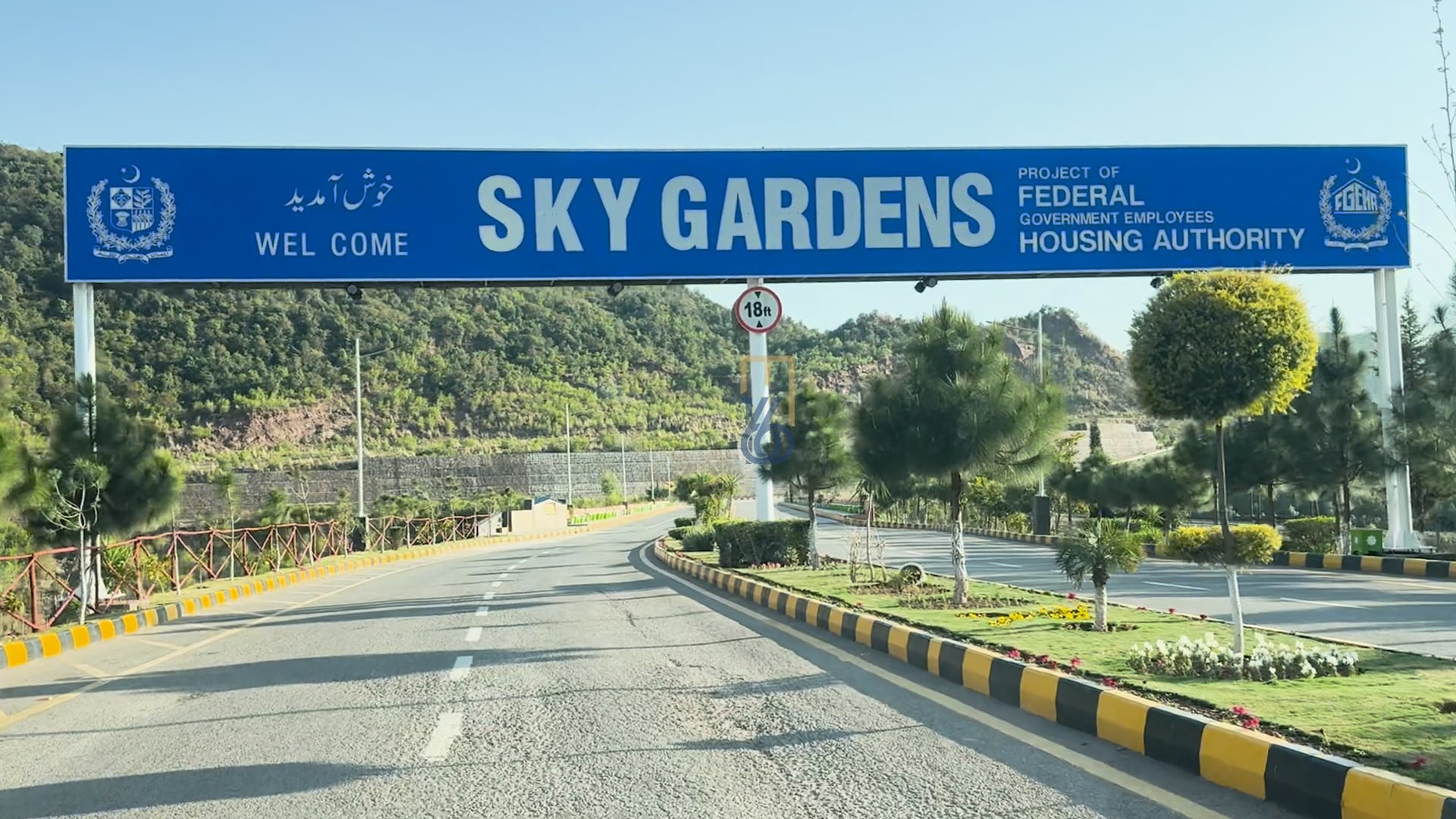
    Islamabad: A major land controversy surrounding Sky Gardens, formerly known as Green Enclave II, has come under scrutiny after the Senate Standing Committee on Housing and Works was told that Rs5.4 billion had been released for development despite earlier warnings that disputed land could not be used for a housing project. The committee was further informed that around 2,600 kanals of land had now been physically retrieved from the private developer, with the administration marking the land and placing pillars at the site. The revelations have raised serious questions about how the project was approved, why a joint venture was signed despite official warnings, why development funds were released and why the withdrawal of a National Accountability Bureau no objection certificate in December 2023 was allegedly not brought before the committee earlier. The Senate committee, chaired by Senator Nasir Mehmood, took up the Green Enclave II and Sky Gardens matter during its meeting at Parliament House and decided to summon senior officials to explain how the disputed transactions and agreements took place. According to the briefing by NAB Director General Rizwan Khan, an inquiry into Green Enclave II, also known as Commerce Sky Gardens, was initiated on the basis of a Supreme Court judgment dated May 4, 2018. The central issue was the alleged conversion of Shamlaat land, which is common village land, into private land. NAB told the committee that the Supreme Court had placed a legal bar on the partition, construction and transfer of Shamlaat land and had declared such transactions illegal from the beginning. Despite this, more than 3,000 kanals in Moza Mengal were transferred to a private developer through two mutations in April 2018. The timing of these mutations became particularly controversial. NAB told the committee that the Supreme Court judgment came around 10 days after the mutations. The Naib Tehsildar Murree subsequently cancelled the mutations. However, after an appeal by the developer, the mutations were restored without following the required legal process, according to the NAB briefing. The issue did not end there. In April 2019, the Deputy Commissioner Murree wrote to the Federal Government Employees Housing Authority (FGEHA) and warned that the land was ineligible for a housing project because of the Supreme Court judgment. Despite this warning, the FGEHA Executive Board signed a joint venture agreement with the developer on October 11, 2019. The committee was told that 4,086 kanals were subsequently transferred to FGEHA and that by 2023, Rs5.4 billion had been released to the private contractor for development. Another issue raised before the committee was that the same party that supplied the land was also given the development contract without bidding. This raised further questions about the way the project was structured and approved. The controversy deepened over the role of NAB and two separate addenda. NAB officials told the committee that FGEHA had assured NAB in 2022 that it would not develop the disputed Moza Mengal land and would instead shift the project to Moza Kathar, which was described as clear private land. Based on that understanding, NAB closed its inquiry concerning Moza Mengal in May 2022. But according to the NAB briefing, after receiving the closure letter, FGEHA signed another addendum and brought Moza Mengal back into the project. The situation became even more serious when development funds were released. NAB said that after it learned in October 2023 that Rs5.4 billion was being released for development, it withdrew its no objection certificate and reopened the inquiry on December 12, 2023. The committee chairman questioned why FGEHA had entered into an agreement for land that had already been declared problematic. He said that if a project’s foundation was flawed, the entire project would face problems. The committee also questioned why FGEHA did not issue a warning to the developer after NAB withdrew its no objection certificate in December 2023. The Housing Secretary told the committee that FGEHA had called its joint venture partner and warned that the agreement could be cancelled if the partner failed to provide land free from legal complications. But the chairman was not satisfied. He pointed out that the committee had previously been told the NAB matter was complete, while the latest briefing showed that NAB had withdrawn its letter in December 2023 and reopened the inquiry. The chairman said this was a major issue and indicated that the committee would not leave the matter without further investigation. The committee then turned to recovering the disputed land. Revenue Officer Umer Owais told the committee that approximately 2,600 kanals had been retrieved so far. He said the entire Shamlaat land in the area had been marked in the official record with a red entry, making it non transferable. The district’s land record had also been digitised, with Shamlaat holdings digitally blocked to prevent further transactions. The administration also claimed that the recovery was not limited to paperwork. A show cause notice was issued to the Sky Gardens management on January 27, 2026. The management submitted its response on February 9, but officials said the response was unlawful and lacked supporting proof. An order was issued on March 17, 2026, after which officials went to the site. The administration found earthwork taking place and physically took back the relevant land. Officials demarcated the area and installed pillars and markings to identify the recovered land. The recovery report was also submitted to police, according to the briefing. The Secretary Housing questioned why he had not been informed about the physical recovery when he had visited the Commissioner’s office around two weeks earlier. The revenue officer replied that the matter had been discussed informally and that officials had planned to brief FGEHA and the Housing Ministry together. The chairman said the central question was simple: if the land had never been transferred, the controversy would not have developed. He questioned the role of the revenue officials who allowed the transfer and placed responsibility on FGEHA for accepting the land despite the Supreme Court judgment and the Deputy Commissioner’s

  • | | |

    Govt increases petrol by Rs1.63, diesel by Rs1.55

    The government on Tuesday increased the price of petrol by Rs1.63 and high-speed diesel (HSD) by Rs1.55 per litre, passing on the impact of fluctuating global oil prices following renewed hostilities in the Persian Gulf. Following the changes, the price of petrol stands at Rs335.81 per litre, while HSD is now priced at Rs388.38 per litre. The government is charging a total of Rs110 per litre in taxes and duties on petrol and Rs96 on diesel. The Petroleum Division’s notification said the new prices would be applicable for July 29 (Wednesday). The diesel price has come down from a peak of Rs520.35 recorded on April 3, after beginning its upward trajectory from Rs281 per litre when the US-Iran war broke out on February 28. Similarly, petrol had peaked at Rs458.41 on April 3 after rising from Rs266 in the first week of March. Earlier, Petroleum Minister Ali Pervaiz Malik announced that fuel prices would now be fixed on a daily basis due to fluctuations in international market prices. The government had been announcing weekly revisions since early March, alongside conservation measures amid possible oil supply disruptions due to the ongoing Middle East conflict. In April, the federal government also announced targeted relief measures to provide subsidised fuel. The petroleum minister stated that the cabinet and prime minister had decided to give the Oil and Gas Regulatory Authority (OGRA) the responsibility of deciding fuel prices daily based on international market trends. The daily pricing decision was rejected by the All Pakistan Dealers Association, which said it would consider a protest plan this week. Petrol is mainly used in private transport, small vehicles, rickshaws and two-wheelers, and changes in its price affect the middle and lower-middle classes. Similarly, diesel price changes impact the public at large, as it is primarily used in the heavy transport sector, power plants and large generators. Petrol and HSD are the major revenue earners, with monthly sales of about 700,000 to 800,000 tonnes, compared to just 10,000 tonnes of monthly demand for kerosene.

  • | |

    Marriyum Aurangzeb says Kashmiris have chosen PML-…

    Senior Punjab Minister Marriyum Aurangzeb has said that the people of Azad Jammu and Kashmir have already made their political choice in favour of the Pakistan Muslim League-Nawaz (PML-N). In a statement, Aurangzeb said Mirpur had given its verdict in favour of the PML-N on July 24. She linked the decision to the visit of PML-N leader Nawaz Sharif and party leader Maryam Nawaz to the city. According to Aurangzeb, the response from the people of Mirpur showed their support for the PML-N leadership. She said the people had made their choice clear through their political support. Aurangzeb said the PML-N’s electoral symbol, the lion, had also received strong support. She claimed that by voting for the lion symbol, the people had formally expressed their belief that the development of Azad Jammu and Kashmir was connected with the PML-N. She said the party was committed to the progress and development of the region. Aurangzeb maintained that the public response in different areas was an indication of growing support for the PML-N. The senior provincial minister also referred to the situation in Muzaffarabad. She said the people of Muzaffarabad had already announced their decision on July 21. Aurangzeb said the political choices made in Mirpur and Muzaffarabad reflected the direction of the election campaign. She suggested that the response from voters in both areas had strengthened the PML-N’s position. She further said August 2 would be an important day for the people of Azad Jammu and Kashmir. According to her, voters would use the lion symbol to formally announce their decision through the ballot. Aurangzeb urged Kashmiris to vote for the PML-N and support its leadership. She presented the party as a force for development and progress in Azad Jammu and Kashmir. The statement comes amid the ongoing electoral activity in the region. Political parties are campaigning to win the support of voters ahead of the final voting process. Aurangzeb’s remarks underline the PML-N’s focus on development as a central theme of its campaign. She said the people’s vote would determine the future political direction of Azad Jammu and Kashmir. The minister expressed confidence that voters would reaffirm their support for the PML-N on August 2 by voting for the lion symbol.

Leave a Reply

Your email address will not be published. Required fields are marked *