Gen Z rewrote the dawn of the Asia Spring
Across South and Southeast Asia, a quiet frustration has transformed into an unprecedented political wave. Frequently referred to as the “Asia Spring,” this surge of youth-led activism has seen Generation Z step into the political arena. They’re challenging long-standing corruption, economic inequality, and political entrenchment. From the streets of Dhaka to the urban centers of Kathmandu and Jakarta, young citizens are no longer waiting for their voices to be heard. They are actively reshaping their nations’ futures.
The modern wave of Gen Z-led movements gained immense momentum in mid-2024 in Bangladesh. What began as a focused student movement opposing controversial public-sector job quotas quickly grew into a nation-wide call for governance reform. Faced with high youth unemployment and shrinking economic opportunities, students argued that reserved civil service positions favored political insiders rather than merit. Mobilizing through social networks and campus coalitions, the movement rallied broad public support. The collective pressure ultimately forced the resignation of long-standing leaders and opened the door to an interim administration tasked with restoring democratic norms. This historic movement demonstrated how digital organization and student unity could fundamentally reset a country’s political trajectory.
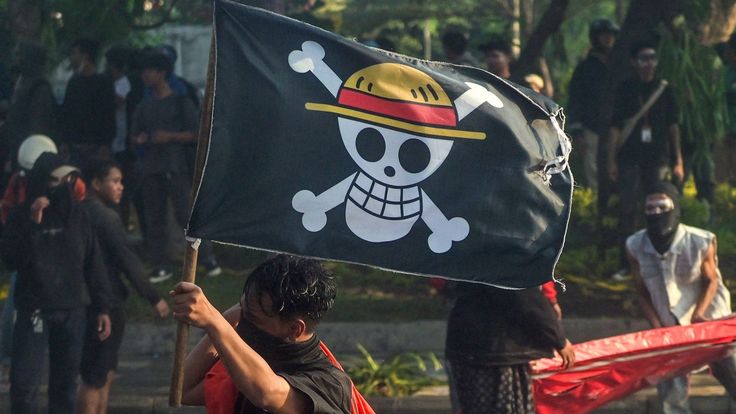
The momentum generated in Bangladesh found immediate echoes in neighboring nations facing similar societal pressures. In late 2025, widespread anger erupted after government authorities imposed a blanket ban on major social media platforms. Beyond the digital blackout, young Nepalis were protesting high youth unemployment which stood above 20% and a political system dominated by repeating political dynasties. Organized largely via Discord and alternative channels, massive rallies in Kathmandu demanded accountability and systemic change. Demonstrations led by university students zeroed in on economic disparities and elite privileges, such as controversial housing allowances granted to lawmakers. Activists highlighted the divide between struggling daily wage earners and high-ranking officials, compelling the government to roll back elite perks and re-evaluate policy priorities. Across several of these protests, from Jakarta to Kathmandu, activists raised the iconic Straw Hat Pirate flag from the anime One Piece. The flag became a viral symbol representing resistance against entrenched oligarchies and institutional corruption.
Local triggers varied from job quotas in Bangladesh to social media restrictions in Nepal. Post-pandemic inflation, rising living costs, and a scarcity of stable jobs have left millions of educated young adults feeling economically stranded. Young citizens are increasingly impatient with political systems controlled by elite families or entrenched party networks. Unlike traditional political movements led by single figures, Gen Z protests rely on decentralized platforms like Discord, TikTok, and messaging apps to coordinate rapidly without formal hierarchical leadership. While bringing about political change on the streets is a formidable achievement, translating that energy into enduring institutional reform presents its own set of challenges. Emerging interim and newly elected leaderships across South Asia now face the difficult task of reviving sluggish economies, creating sustainable job markets, and rebuilding trust in democratic institutions.
The “Asia Spring” proves that Generation Z is not politically indifferent. By demanding transparency, fairness, and accountability, young people across Asia have shown that they are determined to be active architects of their countries’ destinies rather than passive observers.