karachi braces cloudy
|

Karachi braces for cloudy, humid weather

Karachi is expected to witness cloudy and humid weather over the next 24 hours, with light drizzle likely in some areas during the morning and evening, according to the latest forecast issued by the Pakistan Meteorological Department (PMD) on Monday.

The Met Office said daytime temperatures in the port city are expected to remain between 33°C and 35°C, while the minimum temperature recorded early Monday was 28°C. Humidity levels remained high at 78 percent, making weather conditions feel warmer than the actual temperature.

Sea breezes continued to blow across the city at a speed of around 15 kilometres per hour, providing some relief from the humid conditions. Weather officials said intermittent drizzle could occur in isolated parts of Karachi, particularly during the early morning and after sunset, although no widespread rainfall is expected.

Meanwhile, the PMD has projected that August 2026 is likely to be drier than usual across much of Pakistan, with rainfall expected to remain below the long-term average in most regions.

The monthly climate outlook, released on July 31, was prepared using forecasts generated by 10 internationally recognised seasonal climate prediction models, providing a comprehensive assessment of expected weather trends during the month.

According to the department, large-scale climate patterns are expected to play a significant role in shaping weather conditions across the country. The El Niño-Southern Oscillation (ENSO) is currently in a positive phase and is likely to continue through August, while the Indian Ocean Dipole (IOD) has also shifted into a positive phase. Meteorologists say the combination of these climate systems is expected to suppress rainfall in many parts of Pakistan.

As a result, below-average rainfall is forecast for most regions of the country. The greatest rainfall deficits are expected over northeastern and central Punjab, extending into adjoining parts of Khyber Pakhtunkhwa and Azad Jammu and Kashmir, as well as southeastern Sindh.

In contrast, parts of Gilgit-Baltistan are expected to receive rainfall closer to normal levels during the month, making it one of the few regions where precipitation is not forecast to decline significantly.

The PMD has also warned that temperatures across Pakistan are likely to remain above seasonal averages throughout August. The most pronounced rise in temperatures is expected over eastern Gilgit-Baltistan, central and northeastern Punjab, adjoining areas of Khyber Pakhtunkhwa, and northern Balochistan.
Similar Posts

  • 32 dead as gas blast rips through Quetta coal mine

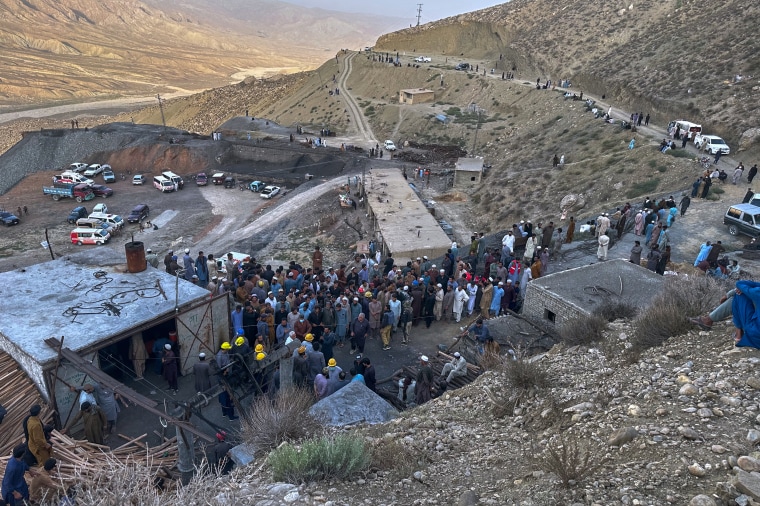
    At least 32 bodies were recovered overnight from two coal mines in the Sorange coalfield near Quetta after a methane gas explosion tore through the site. The search for two more miners continued on Friday, an official told Dawn. The explosion took place on Thursday at a private coal mine in the Sorange coalfield, about 30 kilometres northeast of Quetta. The methane gas blast set off a fire, caused the mine to collapse, and also affected a nearby mine. Chief Inspector of Mines Balochistan Muhammad Atif told Dawn that 34 miners were inside the two mines at the time of the explosion. He said that so far 32 bodies had been recovered from both mines, and that the operation to recover the remaining two miners was continuing in the mine where the explosion originally took place. Officials said the explosion happened on Thursday afternoon while 24 miners were working around 4,000 feet underground in the first mine. A fire broke out soon after the blast, causing parts of the mine structure to collapse. The sound of the explosion was heard across a wide area of Sorange. A second, nearby mine was also badly affected. Twelve miners were working inside this mine when the explosion occurred. Mining engineers and workers built alternative routes to reach both affected mines, but large amounts of methane gas along with the ongoing fire made it extremely difficult to reach the bodies and the miners still trapped deep underground. Provincial Minister for Mines and Minerals Mir Shoaib Nosherwani announced that the provincial government will pay Rs500,000 in compensation to the family of each miner who died, and Rs300,000 to every injured worker. He said an inquiry into the incident would also be carried out. This is not the first such tragedy in the region. In June, three people were injured when explosive material used in mining accidentally went off in Quetta division’s Khanuzai area. In April, at least five coal miners were killed in two separate accidents in the Bolan and Duki coalfield areas. Meanwhile, Khyber Pakhtunkhwa’s Shangla district is mourning the loss of 28 young coal miners who died in the blast, including 23 residents of a single village, Mian Kaly. The Shangla Coal Mine Workers Association said that almost every household in Mian Kaly is now grieving the loss of a family member. Abid Yaar, president of the association, said Mian Kaly has become the centre of repeated coal mine tragedies. He said that of the 28 deceased workers from Shangla district, 23 were from Mian Kaly, also known as Pir Abad, two were from Kana, and one each came from Bada and Gata Bely Baba. He said the victims were between 17 and 25 years old, and many belonged to the same families, being cousins or close relatives. He added that several of the dead were orphans whose fathers had also died in earlier coal mine accidents. Yaar alleged that the tragedy was caused by negligence on the part of the mine administration and a lack of basic safety measures. He claimed there was no proper ventilation system in the government run mine, which led to the deadly gas explosion. He said this was not just an accident but a lifelong trauma for the families, orphans, widows and mothers who lost their loved ones. He said these young men had gone to work in the mine only to earn a living and support their families back home. He also said that Shangla lacks factories and other skilled job opportunities, which forces young people to risk their lives in dangerous coal mines just to make ends meet. Family members of the victims criticised the government for failing to arrange ambulances to transport the bodies home. They said they had to bring the remains back in a van at their own expense. According to the Shangla administration, one body arrived on Friday evening, with the rest expected to arrive later that night and early Saturday morning. Three of the miners who died in the tragedy were brothers.

  • | | |

    Pakistan unveils major construction reforms to boo…

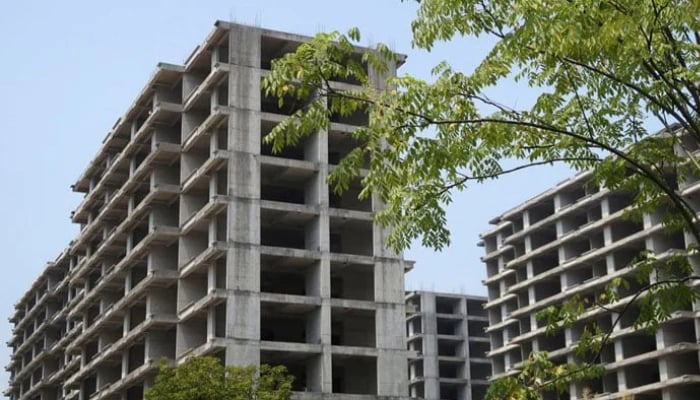
    ISLAMABAD: The federal government is preparing a wide-ranging reform package aimed at revitalising Pakistan’s construction industry, improving regulatory oversight and attracting greater investment in modern infrastructure. The proposed measures include the establishment of a Construction Industry Development Board (CIDB), consideration of a specialised Construction Development Bank (CDB), targeted tax reforms and changes to import and export policies. The proposals were discussed during a high-level meeting chaired by Federal Minister for Economic Affairs and Establishment Division Senator Ahad Khan Cheema. The meeting brought together senior government officials, representatives of the Construction Association of Pakistan and other stakeholders to examine the sector’s financial, regulatory and operational challenges. Under the proposed framework, the CIDB would promote the development of the construction industry while also regulating contractors, consultants and industry standards. The body would include representatives from both the public and private sectors and would seek to establish more consistent construction standards across the country. Senator Cheema said the government and the Construction Association of Pakistan were in agreement over the need for a dedicated regulatory and development body. The proposed framework will be presented to Prime Minister Shehbaz Sharif for approval. The government also plans to introduce targeted tax incentives and rationalise import and export policies to encourage the use of modern construction technologies and strengthen local production capacity. In a significant move to improve the quality and durability of public infrastructure, the standard Defect Liability Period for public development projects is expected to increase from one year to three years, with a longer-term plan to extend it to five years. The proposed reforms would also increase accountability for consultants. Unlike contractors, who can face penalties for poor performance, consultants currently have limited direct legal accountability. Under the new framework, consultants could be subjected to regulatory oversight and held financially and legally responsible for design defects and technical errors. The government is also examining the construction industry’s difficulties in obtaining financial and performance guarantees. Senator Cheema directed Minister of State for Finance Bilal Azhar Kayani to consult the State Bank of Pakistan and Pakistan Banks Association on these issues and assess the feasibility of establishing a dedicated Construction Development Bank. The government says the reforms are intended to ensure that public infrastructure projects deliver better value for money, remain durable and meet higher technical standards. Officials believe stronger regulation and accountability could reduce disputes, improve construction quality and bring Pakistan’s industry closer to international standards.

  • |

    Shakib Al Hasan’s Bangladesh comeback hopes dashed

    Bangladesh all-rounder Shakib Al Hasan’s hopes of returning to international cricket appear to have suffered a major setback after the government ruled out his comeback following his participation in a programme featuring former prime minister Sheikh Hasina. According to international media reports, Bangladesh’s Youth and Sports Minister Aminul Haque said there was little scope for the government to continue taking a lenient approach towards the veteran cricketer after he appeared alongside Hasina at a media event. Shakib, 39, joined the programme by telephone while Sheikh Hasina addressed journalists in New Delhi on Wednesday. The event was held nearly two years after Hasina was removed from power following mass student-led protests. Speaking about Shakib’s situation, Haque indicated that the government had previously been willing to consider the cricketer’s case with patience and flexibility. However, he suggested that the latest development had changed the situation significantly. “We had been looking at the matter with considerable tolerance and flexibility,” the minister said, according to reports. “But after this, I do not think there is any room to look at the matter in the same way.” The minister further questioned Shakib’s prospects of representing Bangladesh again after his public association with Hasina. Shakib was previously a member of parliament for Hasina’s Awami League and had been politically associated with the former ruling party. His involvement in the programme has therefore attracted renewed scrutiny at a time when his future with the national team remains uncertain. The former Bangladesh captain has also been linked to legal proceedings arising from the deadly crackdown on protesters that preceded Hasina’s departure from power. Shakib has previously said he would be willing to return to Bangladesh and face the cases against him if adequate security were guaranteed. His current circumstances have made a return to international cricket increasingly complicated. Shakib is currently in Sri Lanka and remains among a group of individuals facing investigations connected to the violence during the protests. The latest government stance could now effectively close the door on a comeback for one of Bangladesh’s most successful cricketers. Shakib has enjoyed an illustrious international career, establishing himself as one of the country’s leading all-rounders across Test, ODI and T20I cricket. His experience and record have made him a significant figure in Bangladesh cricket for more than a decade. However, his political links and the legal controversy surrounding the events that followed Hasina’s removal have increasingly overshadowed his cricketing legacy. With the government now taking a much firmer position, Shakib’s return to the Bangladesh national team appears more uncertain than ever. The development could mark a dramatic and potentially final chapter in the international career of one of Bangladesh’s most celebrated cricketers.

  • | |

    LHC judge steps aside from bail hearing in Libya b…

    LAHORE: Lahore High Court ( LHC) Justice Ghulam Sarwar Nihang has recused himself from hearing the post-arrest bail petition of a suspect allegedly linked to the Libyan boat tragedy. The case involving accused Shafaqat Ali was taken up by the Lahore High Court, where Justice Nihang informed the court that he had previously served as a member of the commission formed to investigate the Libya shipwreck. Given his previous involvement with the commission, the judge said he did not consider it appropriate to hear the bail petition concerning the same matter. The case record was subsequently referred to the Chief Justice of the Lahore High Court for further proceedings. During the hearing, the defence counsel argued that bail had already been granted to suspects in several similar cases and requested that Shafaqat Ali also be released on bail until the trial court reaches a decision. The case is part of investigations launched following the Libyan boat accident. The Federal Investigation Agency’s Mandi Bahauddin office has registered cases against suspects allegedly connected to the incident. In a related development, another accused, Muhammad Tahir, has also been granted post-arrest bail in the Libya boat tragedy case.

  • |

    Spirit controversy deepens over Deepika Padukone’s exit

    The controversy surrounding Spirit has gained fresh attention following new claims made by Pranay Reddy Vanga, brother of filmmaker Sandeep Reddy Vanga, regarding the discussions that took place before Deepika Padukone’s departure from the Prabhas-led film. Pranay recently addressed the matter in an interview, offering his version of the events surrounding Deepika’s exit. According to him, the disagreement was not limited to one issue but involved several factors, including remuneration, scheduling and other matters that emerged during discussions between the actress and the production team. He claimed that Sandeep Reddy Vanga had been in talks with Deepika for nearly 18 months and had strongly wanted her to be part of the project. However, after discussions between both sides, the filmmakers eventually decided to move forward with another actress. Pranay also alleged that remuneration became an important part of the negotiations. He claimed that Deepika had sought a percentage of the film’s profits as part of her deal, saying that she had demanded a 10 percent share in the movie’s profits. According to him, the financial implications of the request were considered before the team decided to explore other casting options. The filmmaker’s brother also spoke about the issue of confidentiality surrounding the project. He claimed that the story and character had been discussed with Deepika during the development stage but alleged that details from those private conversations later became public. His remarks added another dimension to the controversy, particularly because the film’s casting discussions had already attracted considerable attention. Another major point linked to Deepika’s departure was reportedly her working schedule. Earlier reports suggested that the actress had requested an eight-hour working shift for the project. The issue became part of the wider discussion surrounding working conditions and schedules in the Indian film industry. Deepika had previously defended her position on professional working hours, making it clear that she did not believe her expectations were unreasonable. Her comments further fueled conversations about the demands placed on actors and the importance of maintaining healthy working conditions during film productions. The controversy intensified further after Sandeep Reddy Vanga appeared to respond to the situation through a social media post. Although he did not directly name Deepika, the filmmaker expressed disappointment over confidential conversations between filmmakers and actors being made public. Sandeep emphasized the trust involved when he narrates a story to an actor and referred to an “unsaid NDA” between them. His comments were widely interpreted as a reference to the discussions surrounding Spirit and the information that had emerged following Deepika’s exit. Following her departure, Triptii Dimri was brought on board as the female lead opposite Prabhas. Her inclusion officially marked a major change in the film’s casting and shifted attention toward the new pairing. Directed by Sandeep Reddy Vanga, Spirit remains one of the most anticipated upcoming Indian films, with Prabhas in the lead role and Triptii Dimri as the female protagonist. The film is currently scheduled for release in March 2027. The developments surrounding Deepika’s exit have continued to generate discussion among cinema audiences, with the reported disagreements over remuneration, scheduling and confidentiality adding further interest to the project even before its release.

  • | | |

    Iran claims victory on military, political fronts

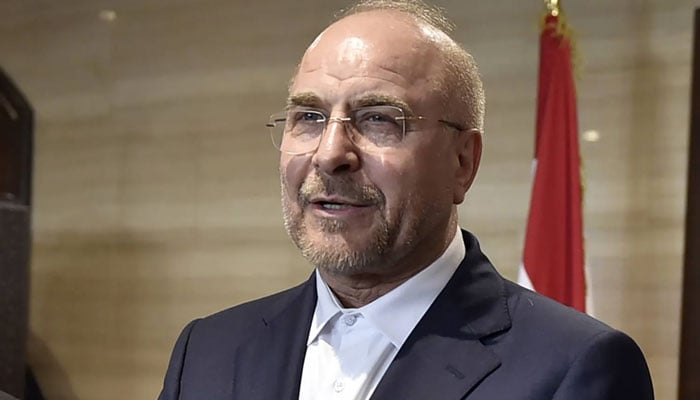
    Iranian Parliament Speaker Bagher Ghalibaf has claimed that Iran has emerged victorious on both the military and political fronts of the ongoing conflict. Speaking about the situation, Ghalibaf said Iran was facing what he described as an unjust war imposed by the United States and Israel. He said the Iranian nation was confronting the conflict with courage and determination. According to Ghalibaf, Iran had successfully resisted pressure on both the military and political fronts. Ghalibaf said the Iranian people had remained united despite the challenges created by the conflict. He praised their resistance and said the nation had shown that it could withstand pressure from powerful opponents. His remarks came after the General Staff of the Iranian Armed Forces said that Iran would not retreat until the United States and Israel were completely defeated. The Iranian military leadership said resistance had become part of the mindset of Iran’s younger generation. It claimed that the legacy of resistance had been passed from one generation to another. According to the Iranian Armed Forces, the country’s new generation had remained firm in the face of what it described as the world’s most powerful military forces. The military leadership also said Iran would continue its struggle to protect what it called its legitimate rights. It said Tehran would not abandon its position until the opposing side surrendered. The Iranian Armed Forces further accused the United States of continuing its aggression to expand its influence and establish dominance in the region. Iranian officials have repeatedly presented the conflict as a struggle against foreign aggression. They have also stressed the importance of national unity and resistance in facing military and political pressure.

Leave a Reply

Your email address will not be published. Required fields are marked *