nine dead after
|

Nine dead after Thai teenager mounts deadly rampage at home and school

The death toll from a mass shooting in Thailand has risen to nine after a 12-year-old girl died in hospital from injuries sustained during Friday’s attack.

Police confirmed that the 14-year-old perpetrator spent up to two years researching firearms online and consuming violent media.

The teenager shot and killed his two grandparents at their Bang Bua Thong residence in the early hours of Friday morning before travelling to Debsirin Nonthaburi School, northwest of Bangkok.

Armed with a legally registered 9mm handgun belonging to his grandfather, a knife, and additional ammunition, the student opened fire inside the school, killing staff and injuring dozens before turning the weapon on himself. Over a dozen victims, mostly aged between 12 and 14, remain hospitalised with critical injuries.

Deputy Commissioner of Province 1 Police Region Atthapol Anusit stated that detectives have interviewed 17 witnesses so far.

While police noted the boy had shown signs of school-related stress, relatives claimed they were unaware of any prior behavioral issues.

In response to the tragedy, Thailand’s Ministry of Education announced plans to implement comprehensive campus safety reforms within three months, including emergency response training, weapons restrictions, and mental health screening mechanisms. Meanwhile, Prime Minister Anutin Charnvirakul pledged to introduce stricter legislative controls on gun ownership across the country.

Similar Posts

  • | | | |

    Iran, Oman move closer to Hormuz shipping agreement

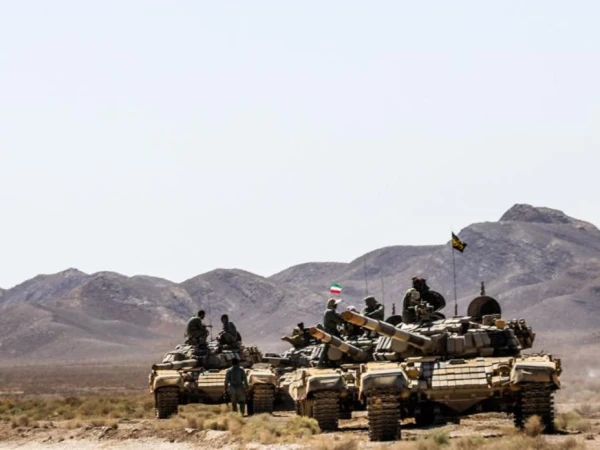
    TEHRAN: Iran and Oman have reached a preliminary understanding on the geographic coordinates of a proposed shipping route through the Strait of Hormuz, marking progress in negotiations aimed at regulating navigation through one of the world’s most strategically important waterways. Iranian Foreign Ministry spokesperson Esmaeil Baghaei said discussions between Tehran and Muscat had advanced positively and that both sides had agreed on the geographical framework of the proposed route. He added that a joint statement outlining the key points of the understanding was in its final stages and could be issued if the process is not disrupted by external factors. Despite the progress, Baghaei emphasised that the agreement alone would not automatically guarantee security in the Strait of Hormuz. He noted that ensuring stability in the region would require broader cooperation and continued diplomatic engagement. According to regional officials familiar with the negotiations, the proposed arrangement would give Iran a greater role in overseeing vessels entering the Gulf through the strategic waterway. However, several technical and operational issues still need to be resolved before any final agreement can be implemented. The Strait of Hormuz remains one of the world’s busiest energy transit routes, carrying a significant share of global oil and gas exports. Any changes to shipping arrangements in the area are closely watched by international markets due to their potential impact on global trade and energy supplies. Officials involved in the negotiations described the talks as constructive, while indicating that further consultations would continue before a formal announcement is made. Both Iran and Oman have maintained that dialogue remains the preferred path for addressing issues related to maritime navigation and regional stability.

  • |

    Deadly explosion near Moscow restaurant leaves several dead

      A homemade explosive device carried by a woman detonated near a high-end restaurant in central Moscow on Saturday evening, killing at least three people and injuring 21 others, according to Russian authorities. The incident has triggered speculation on social media about a possible connection to the ongoing war between Russia and Ukraine, although no official evidence has been presented linking the blast to the conflict. The explosion took place shortly before 8 p.m. near an Italian restaurant located inside one of Moscow’s famous Stalin-era skyscrapers at Kudrinskaya Square. Police said the blast occurred after a woman carrying an improvised explosive device attempted to enter the restaurant but was stopped by a security guard. Russia’s National Anti-Terrorism Committee (NAK) reported that the woman, the security guard, and a customer inside the Balzi Rossi restaurant were killed immediately following the explosion. Authorities said several other individuals were injured in the attack and emergency services were dispatched to the scene. The two additional victims who had been hospitalized died from their injuries, potentially raising the death toll to five. However, officials had not formally confirmed those additional deaths. The report also stated that six injured people remained in serious condition. Moscow Mayor Sergei Sobyanin expressed condolences to the families of those killed and injured, describing the incident as a serious terrorist attack. He promised that those responsible would face punishment. However, authorities did not immediately release the identities of the victims, name any suspects, or provide details about who may have been behind the explosion. Unconfirmed reports circulating on social media suggested that the attack may have been aimed at a senior Russian military figure. According to these claims, the alleged target survived the incident, although officials have not verified this information. The attack comes more than four years after Russia launched its full-scale invasion of Ukraine. In recent months, Russian authorities have increased security measures around senior military officials following several assassinations and attempted attacks that Moscow has blamed on Kyiv. Ukraine has not claimed responsibility for the Moscow explosion and had not issued an immediate response. Some Russian military bloggers quickly accused Ukraine of involvement, but those claims were made without publicly available evidence. The Ukrainian government has not commented on the allegations. Russian newspaper Kommersant raised the possibility that the woman carrying the explosive device may not have been aware of its presence or purpose. The publication suggested that the bomb could have been remotely activated by another person rather than being intentionally detonated by the woman herself. The restaurant’s official website stated that the venue had been closed on Saturday due to a private event, although details about the gathering were not immediately available. The incident has drawn comparisons with a previous high-profile bombing in 2023 that killed Vladlen Tatarsky, a well-known Russian pro-war blogger. In that case, a bomb hidden inside a small statue exploded while Tatarsky was holding it during an event in St. Petersburg. A young woman, Darya Trepova, was later sentenced to 27 years in prison for delivering the explosive device. She claimed that she had been following instructions from a man based in Ukraine who had provided her with money. Ukrainian officials did not accept responsibility for the attack but also did not directly deny involvement at the time. The latest Moscow explosion is now under investigation as authorities work to determine the identity of those responsible and establish the motive behind the attack.

  • |

    Sunny Deol’s ‘maternal aunt’ remark on Pakistan sparks online storm

    Bollywood actor Sunny Deol found himself at the center of controversy on Sunday. He was speaking to Indian media during a promotional event for his upcoming film Batwara 1947. Deol, joined by his son and co-star Karan Deol, was asked about “Pakistan as a nation” and its “atmosphere” by a journalist present at the event. Rather than answering directly, he chose to quote his late father, veteran actor Dharmendra. He said the two countries could not really be separated in feeling, since they were once one. Quoting his father, he called India “mother” and Pakistan “maternal aunt.” He added that everyone already knows the two nations remain connected in some way. Dharmendra passed away last November. He had long supported warmer ties between India and Pakistan throughout his life. Deol chose not to elaborate further on Pakistan. Instead, he stressed his role as an actor rather than a political voice. He said actors and filmmakers exist to tell stories, not to push political agendas. Despite this attempt to stay neutral, his history tells a different story. Deol has built much of his career on hyper-patriotic films like Border and Gadar. He has also served as a BJP politician in the past. This contrast between his politics and his softer comments did not sit well with many online. One social media user accused him of relying on “nationalistic jingoism” during his past election campaigns. Others called him “opportunistic” for echoing his father’s peace-leaning stance now. A wave of users criticized what they saw as sympathy toward Pakistan. Tensions between the two countries have remained high for years. They escalated further after a four-day military conflict in May 2025. India responded by restricting Pakistani entertainment content online, banning YouTube channels and Instagram accounts of several celebrities. Streaming platforms like Spotify also removed related songs and imagery. Given this backdrop, the backlash against Deol’s comments was almost inevitable. His film, Batwara 1947, is set during Partition. It follows a Muslim family who flee to Pakistan amid the violence of that era, only to find a Hindu woman already living in the home they were allotted in Lahore. Directed by Rajkumar Santoshi, the film also stars Preity Zinta, Ali Fazal, and Abhimanyu Singh. It is slated for release on August 14.

  • | |

    Allah Rakha’s family urges Sohail Ahmed to respe…

    Lahore: The family of late Pakistani comedian Allah Rakha, popularly known as Allah Rakha Pepsi, has appealed to veteran actor and comedian Sohail Ahmed to refrain from making personal remarks about the late entertainer, saying such comments have caused them pain. In a recent interview, Allah Rakha’s daughters expressed disappointment over Sohail Ahmed’s public statements, urging him to respect their father’s memory. One of his daughters recalled that her father had introduced Sohail Ahmed to the family as someone they should regard like an uncle, making the recent remarks especially hurtful. She requested that their family’s dignity be respected and asked that her father’s name not be dragged into public discussions. She added that Allah Rakha had faced many hardships during his lifetime and deserved to rest in peace after his passing. The response came after Sohail Ahmed praised Allah Rakha as a talented performer but also spoke publicly about the circumstances surrounding his death, claiming the comedian suffered a heart attack while filming and was under emotional stress due to concerns about his daughter’s divorce. Allah Rakha Pepsi passed away last month after suffering a heart attack during a shooting session, leaving behind a legacy as one of Pakistan’s beloved comedians.

  • |

    UN warns Afghanistan’s child malnutrition crisis deepens

    Afghanistan is facing a rapidly worsening malnutrition emergency as severe funding cuts leave millions without life-saving assistance, the United Nations has warned. Speaking from Kabul, the World Food Programme’s (WFP) Afghanistan Director John Aylieff said the country’s nutrition crisis is escalating at an alarming pace, with growing numbers of severely malnourished children reaching health facilities too late to receive effective treatment. He said child wasting, the deadliest form of malnutrition, has now reached critical levels in nearly one-third of Afghanistan’s provinces. According to the WFP, ongoing conflict, disruptions to trade, the return of thousands of Afghan migrants from neighbouring countries, and shrinking international aid have combined to create an unprecedented humanitarian emergency. The UN official said last year recorded the sharpest annual increase in malnutrition cases, while the situation has deteriorated even further in 2026. Children under the age of two account for around 80 percent of the most severe cases, highlighting the devastating impact on the country’s youngest and most vulnerable population. Aylieff said the WFP has only enough resources to provide treatment to one out of every seven acutely malnourished women and children this year. The remaining six are forced to leave without assistance because of a severe shortage of funds. He warned that the cries of starving children in Afghan health centres reflect a preventable tragedy that could claim countless more lives if emergency funding is not secured. The humanitarian agency also expressed concern that widespread hunger could fuel migration, instability and extremism, stressing that a stable Afghanistan remains important for regional security. Millions of Afghans have also returned from neighbouring countries, including Pakistan and Iran, over the past three years, placing additional pressure on already overstretched resources. Although this year’s harvest has improved, the gains have been overshadowed by the country’s worsening economic and humanitarian challenges. The WFP estimates that nearly 14 million Afghans are currently experiencing acute hunger. However, funding shortages have limited food assistance to only a small fraction of those in need, while preventive food distribution programmes in high-risk areas have been suspended.

  • | |

    Tanweer Ahmed urges AI skills, MicroCerts for yout…

    On International Youth Day 2026, American-Pakistani businessman and analyst Tanweer Ahmed called for greater investment in young people and highlighted ACT AI and MicroCerts as key initiatives for preparing Pakistan’s youth for an artificial intelligence-driven global economy. Addressing a Youth and AI Summit at the United Nations, Ahmed said artificial intelligence was transforming education, employment, entrepreneurship, healthcare, public services and almost every aspect of modern economies. He stressed that young people should not be treated merely as beneficiaries of development but as innovators, decision-makers, entrepreneurs and leaders capable of shaping the future. “Talent is everywhere. Opportunity is not,” Ahmed said, emphasising the need to close the gap between young people who have access to advanced technology and those who remain excluded from the digital economy. ACT AI initiative Ahmed placed particular emphasis on ACT AI — Awareness, Competency and Tools Training for Artificial Intelligence — describing it as an important effort to expand practical AI capabilities among Pakistani youth. He said the initiative, associated with the state-owned enterprise AXI, focuses on areas including generative AI, agentic AI systems, AI-powered productivity tools, automation and sector-specific applications. According to Ahmed, one of the initiative’s major strengths is accessibility. Young people from different academic backgrounds can develop AI-related capabilities without necessarily having prior programming or artificial intelligence experience. He said making AI education accessible and free of cost could help ensure that Pakistani students and young professionals are not left behind as the global economy rapidly adopts AI. Ahmed argued that young people should acquire the ability not only to use artificial intelligence but also to understand, question, develop and responsibly apply the technology. MicroCerts to strengthen youth credentials Ahmed also placed strong emphasis on MicroCerts, describing micro-certifications as an important complement to traditional university degrees. He said rapidly changing technology means education can no longer end when a student completes a conventional degree. Young people need flexible opportunities to continuously acquire and demonstrate new, market-relevant skills. According to Ahmed, MicroCerts can provide focused credentials that demonstrate specific competencies and potentially create pathways into employment, freelancing, entrepreneurship, higher education and lifelong learning. He highlighted the importance of making such credentials accessible to young people facing financial or geographical barriers. “The future should not belong only to those who can afford opportunity,” Ahmed said, stressing that skills and credentials should be available to talented young people regardless of where they live or their economic circumstances. From AI users to AI creators Ahmed called for a shift from preparing young people simply to consume AI tools toward enabling them to become AI creators, innovators and responsible leaders. He said technology must be combined with human judgment, ethics and responsibility, warning that artificial intelligence cannot replace compassion, character or the human responsibility to determine the kind of society people want to build. He also called for stronger international cooperation between governments, universities, businesses, technology companies and international organisations to expand AI education and establish credible skills and certification systems. Ahmed said Pakistan could contribute to this global effort through initiatives such as ACT AI and MicroCerts, which he described as mechanisms for developing practical AI capabilities and recognised skills among the country’s youth. He further stressed that the expansion of AI infrastructure must be accompanied by environmental responsibility because data centres, cloud computing and AI systems require significant energy and resources. Addressing young people around the world, Ahmed urged them to learn and question emerging technologies, use AI to solve real-world problems and build businesses and communities with a clear sense of purpose.

Leave a Reply

Your email address will not be published. Required fields are marked *